Pamplona Day Trip From San Sebastian
Pamplona sits inland from San Sebastián, across the provincial border in Navarre, and a day trip there from the Basque coast is one of the most rewarding excursions you can add to a stay on La Concha bay.
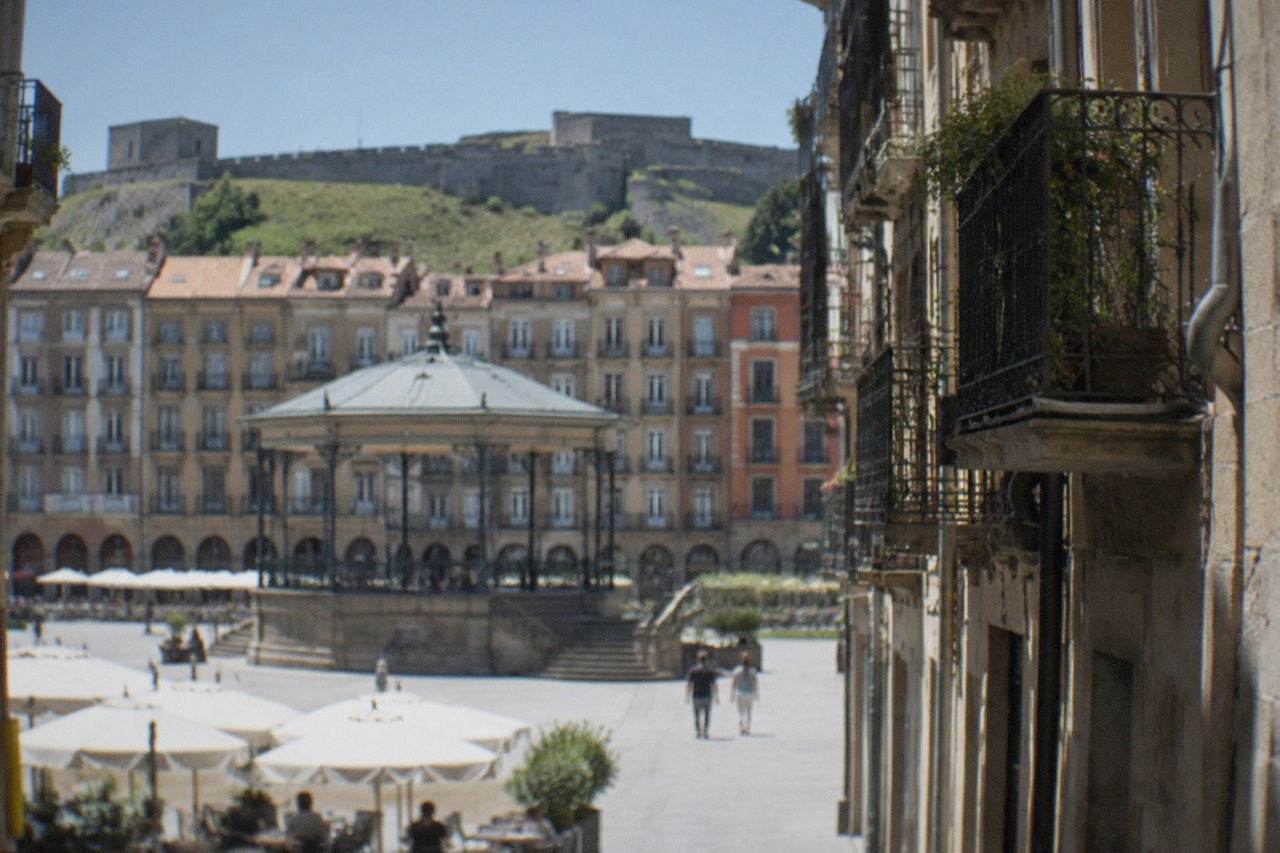
Short answer
Pamplona is an easy inland day trip from San Sebastián. A private tour with hotel pickup runs the bull run route and includes a three-course Basque meal, a shared coach departs from the bus station with a bilingual guide and lunch not included, and independent travel is also possible.
Pamplona, the capital of Navarre, sits inland from San Sebastián, the Basque city on La Concha bay whose official name is Donostia / San Sebastián, and the contrast between the two is the whole reason the trip works. You leave a wet Atlantic fishing-and-beach city of pintxo bars and arrive in a walled Navarrese capital of wide stone squares, cathedral cloisters and the most famous bull run in the world. This page lays out the ways to make the journey, what each option includes, what Pamplona offers a visitor with a single day, and how the trip compares with the other excursions you could take from San Sebastián instead.
Why Visit Pamplona From San Sebastian?
Pamplona rewards a day trip because it is a different Spain from the coast: a walled Navarrese capital with a grand old core, the encierro bull run route that made it world famous, wide squares built for strolling, and a food culture that leans on Navarrese produce rather than Basque coastal pintxos. The private tour from San Sebastián runs the bull run route with a guide and a three-course Basque meal, so the city's headline sights arrive without any planning load.
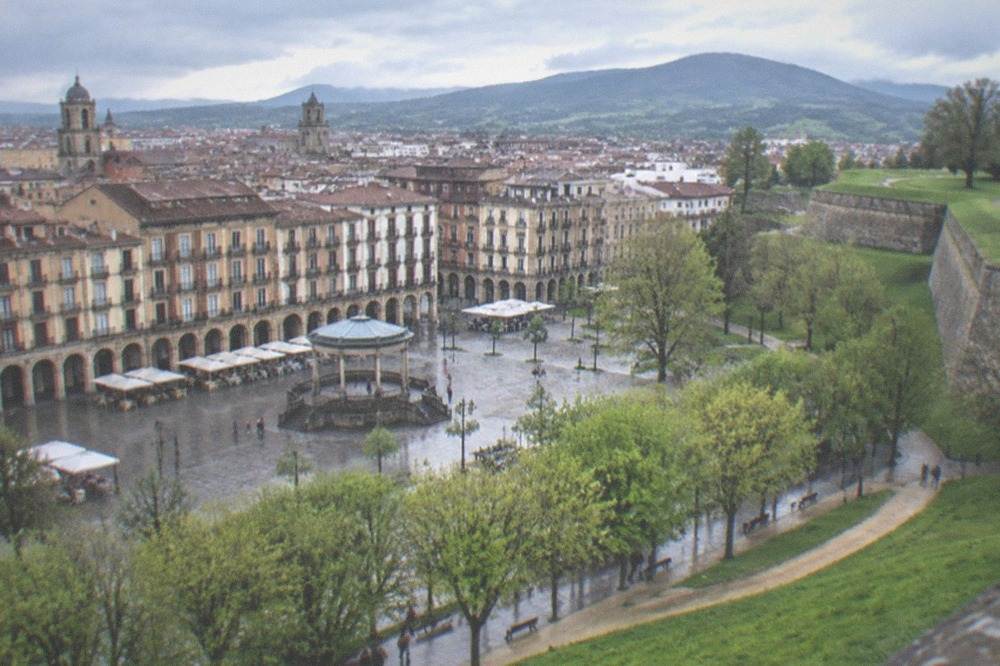
The encierro is the run of bulls through the old streets each San Fermín festival, and the route itself is walkable on any ordinary day of the year. Standing on the stretch the bulls cover, with a guide explaining how the fences go up and where the corners slow the animals, gives the festival a physical shape that no documentary conveys. The rest of the day belongs to the old town: the cathedral, the citadel walls, the Plaza del Castillo, the streets of the Casco Antiguo where Hemingway drank between bullfights.
What surprises many visitors is how calm the city is outside the festival. Pamplona is a working Navarrese administrative capital, so the bars fill with locals at lunch, the parks are full, and the pace is slower than San Sebastián's Parte Vieja in August. A day trip there feels like a genuine change of scene rather than a smaller version of the city you left.
The trip also suits travellers who have already covered the Basque coast. If a stay in San Sebastián has included La Concha, Monte Igueldo and a crawl through the Old Town, Pamplona adds a second regional identity in a single day: Navarre rather than the Basque Country, inland rather than Atlantic, Renaissance walls rather than Belle Époque beachfront. For a longer overview of every excursion available, the day trips from San Sebastian guide collects them all in one place.
How Do You Get From San Sebastian To Pamplona?
There are three realistic ways to make the journey: a private day trip with hotel pickup and a guide, a shared coach tour departing the San Sebastián bus station with a bilingual guide and lunch not included, or independent travel you arrange yourself. The private option is the only one that builds the day around your group, the shared coach is the budget route, and independent travel gives full freedom but leaves every decision to you.
The private tour is the most complete version of the day. The listing describes a private day along the bull run route, with a three-course Basque meal in a 19th-century cafe, and pickup from your hotel in San Sebastián. Because the group is yours alone, the guide can slow down where you want to linger, whether that is the cathedral cloister, the city walls or a particular stretch of the encierro route, and the meal is already part of the plan rather than a decision to make on the day.
The shared coach tour covers the same city with a bilingual guide and a departure from the bus station. Lunch is not included, so the midday stop is your own choice, and the day is built around the group's schedule rather than yours. It suits travellers who want the transport and the commentary handled but are happy to find their own table at lunchtime.
Independent travel is the third route, and it suits visitors who like planning. You can read more about the city's transport hubs in the guide to San Sebastian train and bus stations. What independent travel does not give you is the encierro route explained on the spot, or a meal booked in advance, and those are exactly the parts of the day the guided options carry.
The table below compares the two bookable options side by side, using what each listing states.
| Option | Pickup point | Guide | Meal | Group |
|---|---|---|---|---|
| Private Pamplona day trip | Hotel pickup in San Sebastián | Private guide for your group | Three-course Basque meal in a 19th-century cafe included | Your own group only |
| Shared Pamplona coach tour | San Sebastián bus station | Bilingual guide, shared group | Lunch not included | Shared coach group |
What Do You See On The Pamplona Bull Run Route?
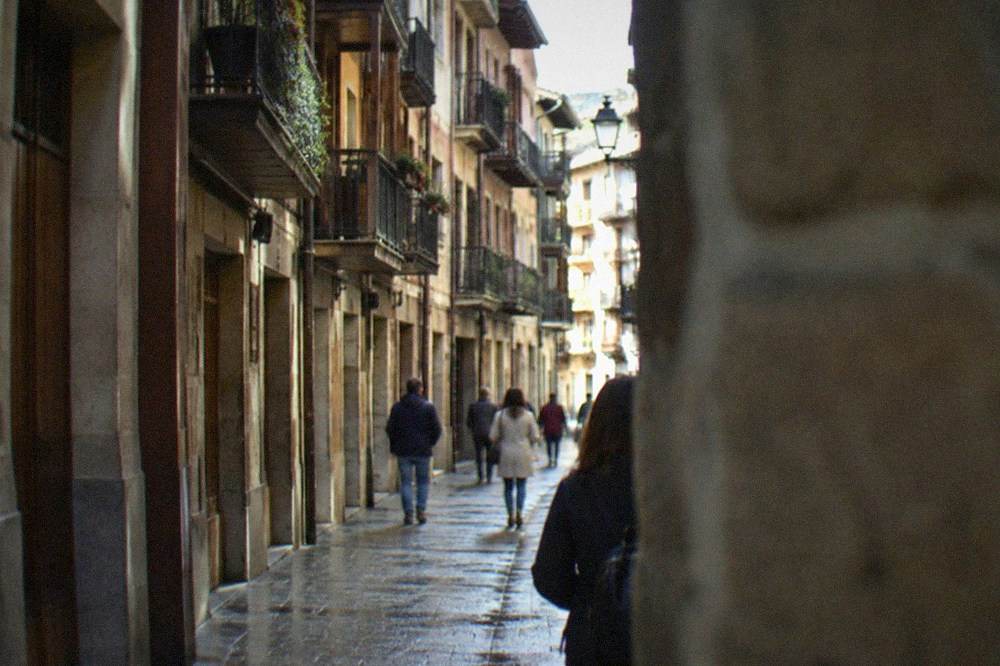
The encierro route runs through the old town from the corrales up the Cuesta de Santo Domingo, along Ayuntamiento Street and Estafeta Street to the bullring, and every stretch of it is a public street you can walk on any day of the year. A guide on the private tour walks the route with you, explaining where the fences rise each July, where the corners slow the bulls, and where the runners wait.
The route is short, which is part of its drama. The bulls cover it in a couple of minutes on the morning of each run, and walking it at human speed makes that clear. The steep start up Santo Domingo, the town hall corner where the animals bunch and slip, the long straight of Estafeta with its closed shop fronts: each stretch has its own role in the run, and each is ordinary pavement for the rest of the year.
The bullring at the end is one of the largest in Spain and is open to visitors outside festival time. The museum inside covers the history of the encierro and the San Fermín festival, and the stands give a view back over the route's final stretch. Even travellers with no interest in bullfighting tend to find the architecture and the scale worth the stop.
The festival itself, San Fermín, runs in July, and the city changes completely during it. A day trip during the festival is possible but is a different proposition: the streets are packed, accommodation across the whole region is expensive, and a guided day is close to the only practical way to see anything. Outside those weeks, the route is quiet, and the guide's commentary carries the atmosphere instead.
What Else Is There To Do In Pamplona In One Day?
Beyond the bull run route, a single day in Pamplona covers the Gothic cathedral with its cloister, the Renaissance city walls and their green belt, the Plaza del Castillo at the heart of the old town, the citadel park, and a Navarrese lunch that leans on the region's vegetables, lamb and red wine. All of it sits within walking distance, so no transport is needed once you arrive.
The cathedral of Santa María la Real is the city's finest building. The cloister is widely considered one of the most beautiful Gothic cloisters in Spain, and the interior holds the tomb of Carlos III of Navarre. The city walls are the other structural landmark: Pamplona kept its Renaissance fortifications, and large sections are now a park that loops the old town, with the Vuelta del Castillo offering the classic walk.
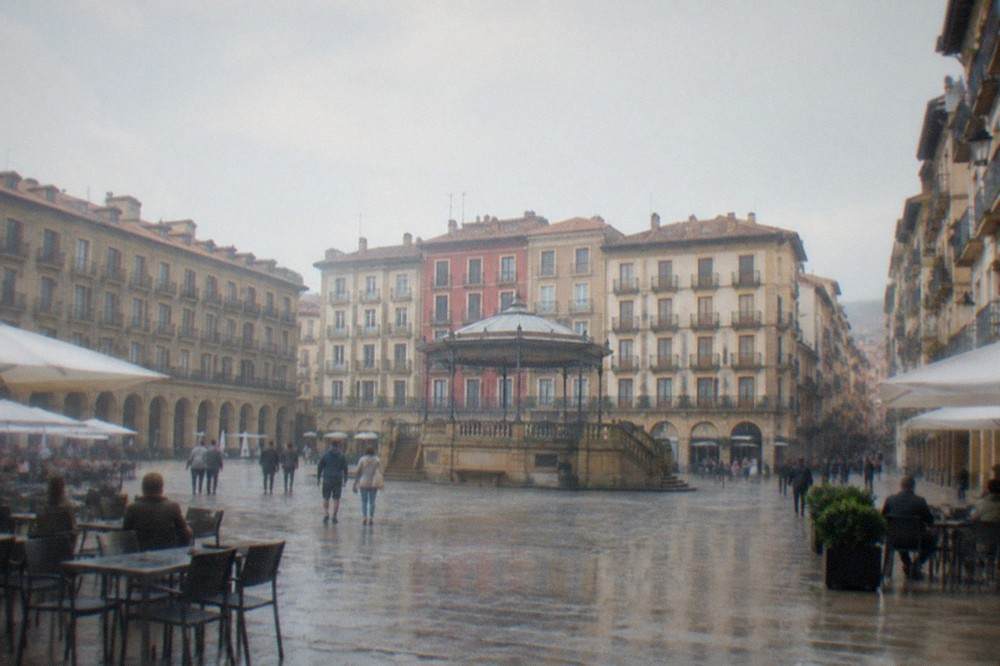
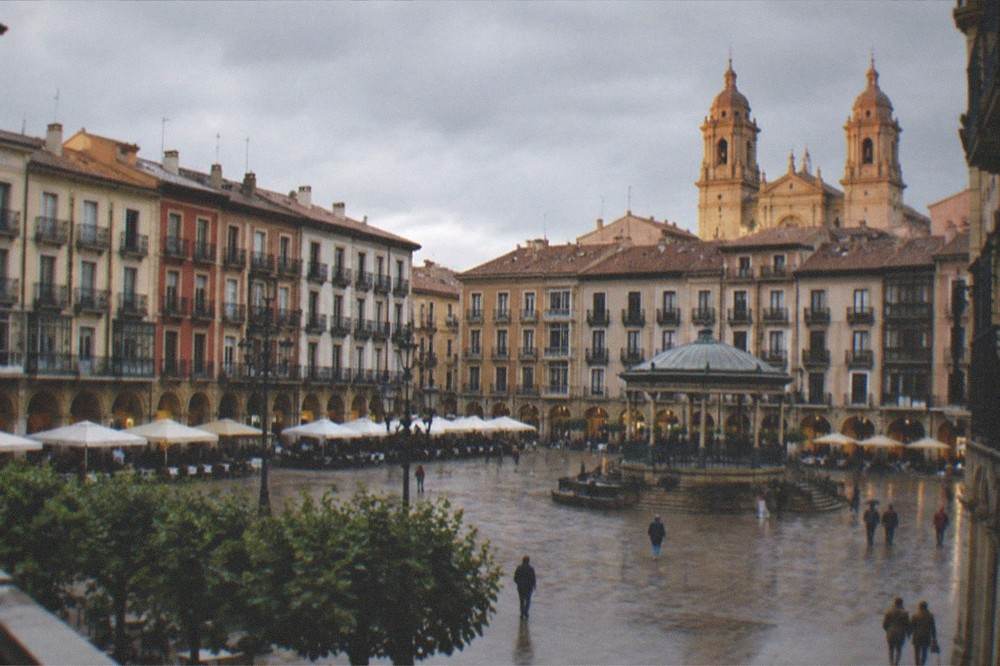
The Plaza del Castillo is the social centre, a wide arcaded square where the city has met for centuries, and the bars around it are where the Hemingway stories cluster. The Taconera and the citadel gardens give the day its green hour, and the old town's smaller squares, Plaza de San José and Plaza del Mercado among them, hold the quieter bars.
Lunch is a Navarrese affair rather than a Basque one. The region is known for its vegetables, especially the pochas beans and the red peppers, its lamb, its cheeses from the Roncal and Idiazabal valleys, and its red wines from the south of Navarre. The private tour's included meal is a three-course Basque menu in a 19th-century cafe, which the listing describes as part of the bull run route experience, and that is the one lunch on the day that needs no decision from you.
The table below maps the day's main stops to what each offers.
| Stop in Pamplona | What it is | What a visitor does there |
|---|---|---|
| Cathedral of Santa María la Real | Gothic cathedral with a celebrated cloister | See the cloister and the royal tomb |
| City walls and Vuelta del Castillo | Renaissance fortifications turned park | Walk the green belt around the old town |
| Plaza del Castillo | Arcaded main square of the old town | Coffee, people-watching, Hemingway's old haunts |
| Estafeta Street | The longest straight of the encierro route | Walk the bull run route with the guide's commentary |
| The bullring and its museum | One of Spain's largest bullrings, with a festival museum | See the stands and the encierro exhibits |
| Taconera park | Formal gardens beside the old walls | The quiet hour between sights |
Is The Pamplona Day Trip Worth It Compared With Other Day Trips?
Pamplona competes for a day of your stay against Bilbao's Guggenheim, the French Basque coast at Biarritz and Saint-Jean-de-Luz, the fishing and txakoli town of Getaria, and the flysch cliffs at Zumaia, and it wins for travellers who want history and a second regional identity rather than more coast. It is the only headline day trip from San Sebastián that goes inland, and the only one built around a world-famous event rather than a landscape.
The coastal excursions are magnificent, but they rhyme with the city you are already in. Biarritz and Saint-Jean-de-Luz are beach towns with French polish, Getaria and Zarautz are fishing villages with txakoli, and Zumaia is a cliff walk. Pamplona is the one that changes the register entirely: a royal Navarrese capital, a fortress city, and a place whose fame comes from a morning in July rather than an afternoon on the sand. Other pages covering the same trip are gathered on San Sebastian Spain Guide.
For travellers choosing between them, the honest split is this. If the trip is about art, take the Bilbao day trip for the Guggenheim. If it is about France, take the Biarritz day trip or the coast at Saint-Jean-de-Luz. If it is about wine country, the Rioja day trip covers wineries and the walled town of Laguardia. And if it is about history, walls and the encierro, Pamplona is the day to take.
The comparison table below sets the main inland and coastal options against what each day is really about.
| Day trip from San Sebastián | Direction | The day in one line |
|---|---|---|
| Pamplona | Inland, Navarre | The bull run route, cathedral and walls of a royal Navarrese capital |
| Bilbao and the Guggenheim | West, Basque Country | Contemporary art and a reinvented industrial city |
| Biarritz and Bayonne | North, France | French beach glamour and a Basque old town across the border |
| Getaria and txakoli | West along the coast | Fishing port, txakoli wineries and a grilled-fish lunch |
| Zumaia and the flysch | West along the coast | Dramatic coastal geology and the Basque Coast Geopark |
| La Rioja and Laguardia | South, wine country | Winery visits and a medieval walled village |
When Is The Best Time Of Year For A Pamplona Day Trip?
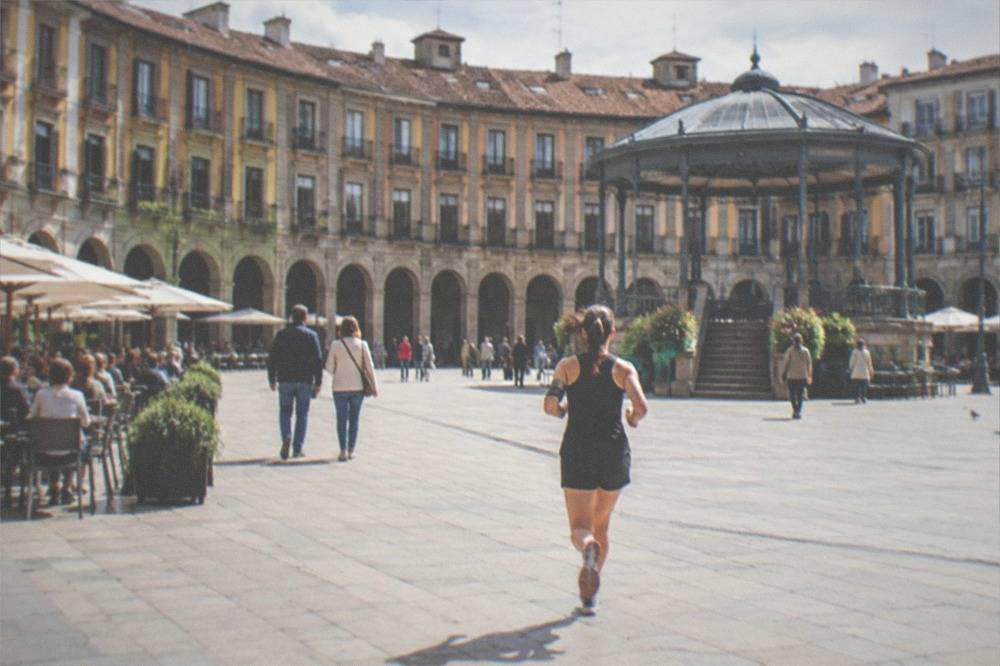
The best window for a Pamplona day trip is spring through early autumn, when the walls and parks are at their best and the days are long enough for a full old town circuit. July is the festival month, spectacular but crowded, and the private tour runs year round, so the choice is really about whether you want the San Fermín atmosphere or the quiet, walkable city that exists for the other eleven months.
Spring suits the city's green belt. The Vuelta del Castillo and the Taconera gardens are at their freshest, and the weather is mild for walking the walls. Early autumn is similar, with the added weight of the harvest in Navarrese kitchens. Both seasons give you the city as the locals live it.
July is the exception. During San Fermín the streets fill, the encierzo runs each morning, and the atmosphere is unlike anything else in Spain. A day trip into that is possible, but it needs planning and an acceptance that the quiet cathedral visit will not happen. Travellers who want the festival should build the whole trip around it rather than treat it as a day excursion.
Winter days are shorter and some of the parks lose their colour, but the old town and the cathedral are year-round pleasures, and the private tour's included meal is arguably at its best in cold weather. Whatever the season, remember the coast you are leaving behind: AEMET's normals for its Igeldo station show San Sebastián averages 1,507 mm of rain a year over 141 rain days, so a day inland can genuinely be a day out of the drizzle, and Pamplona's climate is drier than the Basque coast's.
Should You Take A Tour Or Travel To Pamplona Independently?
Take the private tour if you want the encierro route explained, the meal booked and the day shaped around your group; take the shared coach if you want transport and a bilingual guide at the lowest cost; travel independently only if you enjoy planning and are happy to arrive without commentary. The private option is the only one that includes lunch, and the only one with hotel pickup, which matters on a day that starts with a drive.
The case for the private tour is the completeness. The listing describes a private day along the bull run route with a three-course Basque meal in a 19th-century cafe and hotel pickup, so from your door in San Sebastián to the drive home, nothing is left to decide. For a family, a couple on an anniversary trip or a small group of friends, that completeness is the product.
The shared coach is the pragmatic choice. It covers the same city with a bilingual guide, departs the bus station, and leaves lunch to you. For a solo traveller or a pair keeping costs down, it delivers the essential Pamplona, the route and the old town, without the private price.
Independent travel suits one kind of traveller: the one who reads before arriving and enjoys the logistics. It costs the least in money and the most in attention. You can pair it with reading on getting around San Sebastian for the departure end of the day.
Whichever you choose, the tour listings carry the current prices and availability, and the buttons below show the live options.
What About The Rest Of Your San Sebastian Stay?
A Pamplona day works best as one day inside a longer San Sebastián stay, and the city's own programme deserves the rest of the week: the pintxo bars of the Parte Vieja, La Concha and Zurriola, Monte Igueldo and Urgull, and the cooking classes and boat trips that fill the evenings and mornings around it. Two or three days on the coast plus one inland day is a shape that works well.
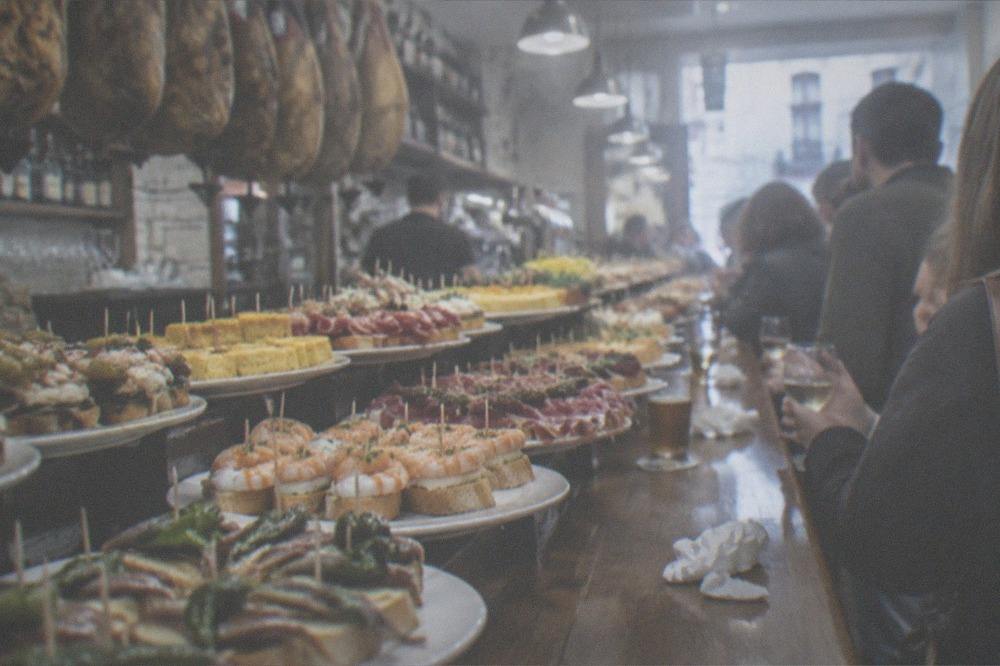
The pintxo culture is the thing the coast does that Pamplona cannot match, and a small-group crawl through the Old Town bars is the classic first evening. For a deeper version, the pintxos and food tours guide covers the options, and a hands-on class is the other side of the same culture: the cooking classes guide lists the market-and-class experiences where you cook the meal you eat.
The bay fills the mornings. A boat trip on La Concha bay with a stop on Santa Clara island is the gentlest version, and the sunset sailings are the most photographed. Monte Igueldo's funicular, open since 1912 with its wooden cars, gives the classic view over the whole bay, and Monte Urgull's paths and the Peine del Viento sculptures fill an afternoon on foot.
If the weather turns, and on this coast it does, the rainy day in San Sebastian itinerary keeps the day full indoors, and the one day in San Sebastian plan is the template for the tightest schedule. The things to do in San Sebastian page collects everything the city offers in one place.
How Does A Pamplona Day Fit Into A Basque Country Itinerary?
A Pamplona day slots most naturally into the middle of a four to seven day Basque Country itinerary: settle into San Sebastián first, take the inland day once the coast's rhythm is established, and keep the French Basque Country or Bilbao for a separate day. The trip crosses from the Basque Country into Navarre, so it also adds a second autonomous community to a single trip without another hotel check-in.
For a four-day stay, the shape is simple: two days in San Sebastián itself, one Pamplona day, and one coastal day trip, with Getaria or Zumaia the usual pick. For a week, Pamplona sits alongside Bilbao, Biarritz and the French Basque coast, and the Basque Country itinerary guide sequences them all.
The Navarrese detour also pairs well with the region's food identity. Navarre's vegetables and lamb are a different register from Basque coastal pintxos, and travellers who take the food seriously often say the Pamplona lunch was the day's discovery. The private tour's included three-course Basque meal in a 19th-century cafe bridges the two, which is a neat summary of the whole trip.
For travellers arriving from further afield, the northern Spain itinerary guide places San Sebastián and Pamplona inside a wider route that can start in Bilbao or Hendaye and end in Madrid, with the coastal Camino de Santiago route, whose Pasaia to Donostia and Donostia to Orio stages cross the city, as the walking alternative to every drive.
Common Questions About A Pamplona Day Trip From San Sebastian
Can you do a day trip from San Sebastian to Pamplona?
Yes. A private tour with hotel pickup covers the bull run route with a guide and includes a three-course Basque meal in a 19th-century cafe, and a shared coach tour departs the San Sebastián bus station with a bilingual guide, with lunch not included. Independent travel is also possible for visitors who prefer to plan the day themselves.
How far is Pamplona from San Sebastian?
Pamplona is an inland drive from San Sebastián, across the border from Gipuzkoa into Navarre. This page gives no distance or driving time for the journey, so check the tour listings, which carry each product's duration, or plan the route yourself if travelling independently.
Is Pamplona worth visiting outside the San Fermin festival?
Yes. Outside July the city is calm and walkable, the cathedral cloister, the Renaissance walls, the Plaza del Castillo and the bullring museum are all open as ordinary sights, and the encierro route can be walked street by street with a guide's commentary instead of festival crowds.
Do you need a tour for Pamplona or can you go on your own?
You can go on your own, but the guided options carry the parts that are hardest to arrange: the private tour includes hotel pickup, a guide on the bull run route and a booked three-course meal, while the shared coach covers transport and a bilingual guide with lunch left to you. Independent travel leaves every decision in your hands.
What is the best time of year for a Pamplona day trip?
Spring through early autumn, when the walls and parks are at their best and the days are long. July is the San Fermín festival month, spectacular but extremely crowded, and the private tour runs year round for travellers who prefer the quiet city.
What do you eat in Pamplona?
Navarrese cooking leans on the region's vegetables, its lamb, its Roncal and Idiazabal cheeses and its red wines. The private day trip includes a three-course Basque meal in a 19th-century cafe as part of the day, so one lunch on the itinerary is already arranged.
The Short Version
A Pamplona day trip from San Sebastián is the one headline excursion that goes inland, and it earns its day: the bull run route walked with a guide, a Gothic cloister, Renaissance walls you can stroll, and a Navarrese lunch that tastes like a different region. The private tour with hotel pickup and an included three-course Basque meal is the complete version of the day, and the shared coach is the budget route to the same city.
Pick the private day if the trip is a one-off occasion or the group wants everything handled, and the coach if the budget matters more than the meal. Either way, the city you return to in the evening is San Sebastián, with its pintxo bars and its bay still waiting, and that combination, a Navarrese capital by day and a Basque beach city by night, is hard to match anywhere else in northern Spain.