San Sebastian Food Tours And Pintxos Tours
San Sebastián, in the Basque Country of Spain, holds more Michelin stars per resident than almost anywhere, and its everyday eating, the pintxo bar, is just as serious. This guide explains what a food tour or pintxo tour in the city actually gets you, how the different formats differ, and how to pick one.
Short answer
The best pintxo tour in San Sebastián for most visitors is a small-group Old Town crawl that pairs bars with local drinks; the best food tour overall depends on whether you want a guided crawl, a cooking class with a market visit, or a cider house lunch in the countryside.
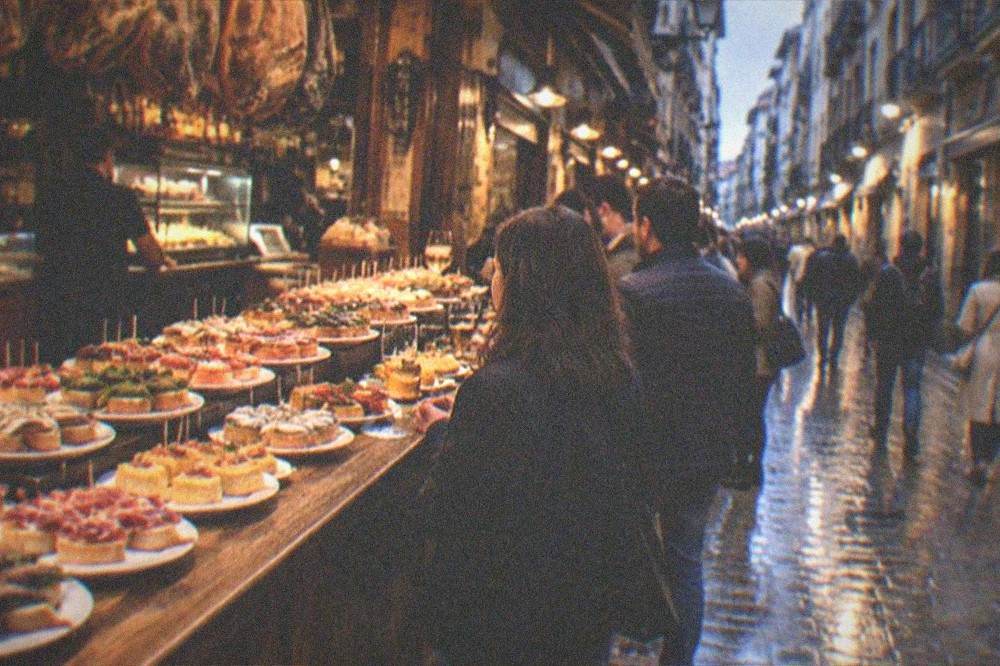
San Sebastián, known locally as Donostia, sits on La Concha bay in the Basque Country of Spain, and it eats with an intensity few cities of 189,866 people can match. The MICHELIN Guide Spain 2026 counts 11 stars across 6 restaurants inside the municipality, but the city's real food culture is not the tasting menu. It is the pintxo bar: a counter crowded with small skewered, sliced and stacked bites, ordered one at a time, eaten standing up, washed down with txakoli or a small beer. A good San Sebastian food tour exists to decode that counter culture, and this page explains what each kind of tour actually delivers.
What Is A San Sebastian Food Tour, And What Do You Get?
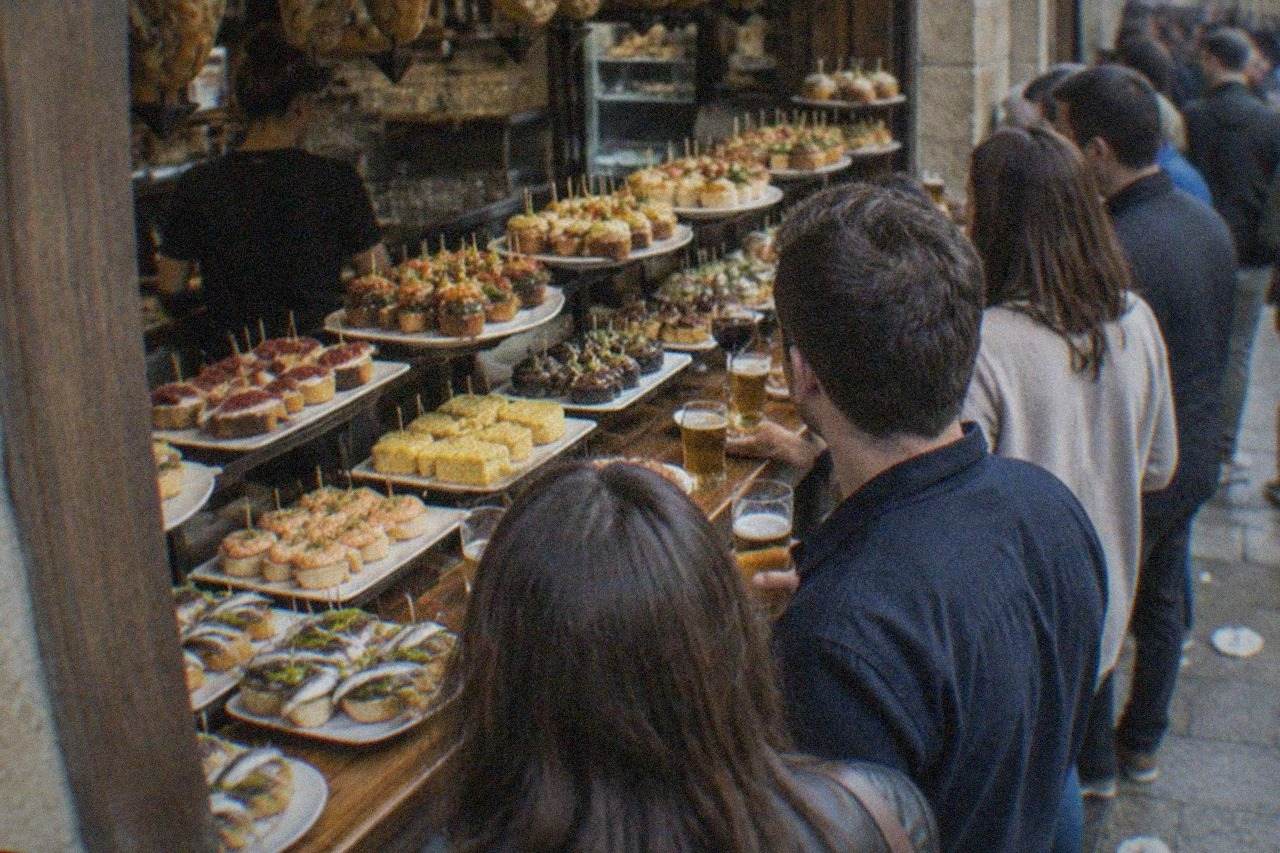
A San Sebastián food tour is a guided walk through the city's pintxo bars and food shops, with a set number of bites and drinks included in one price. You get a guide who explains the dishes and the ordering customs, reserved standing room at busy counters, and a route through the Old Town, the Centro or the Gros neighbourhood that you would struggle to build yourself on a first visit. Most run in English, most start in the early evening, and all eat standing up.
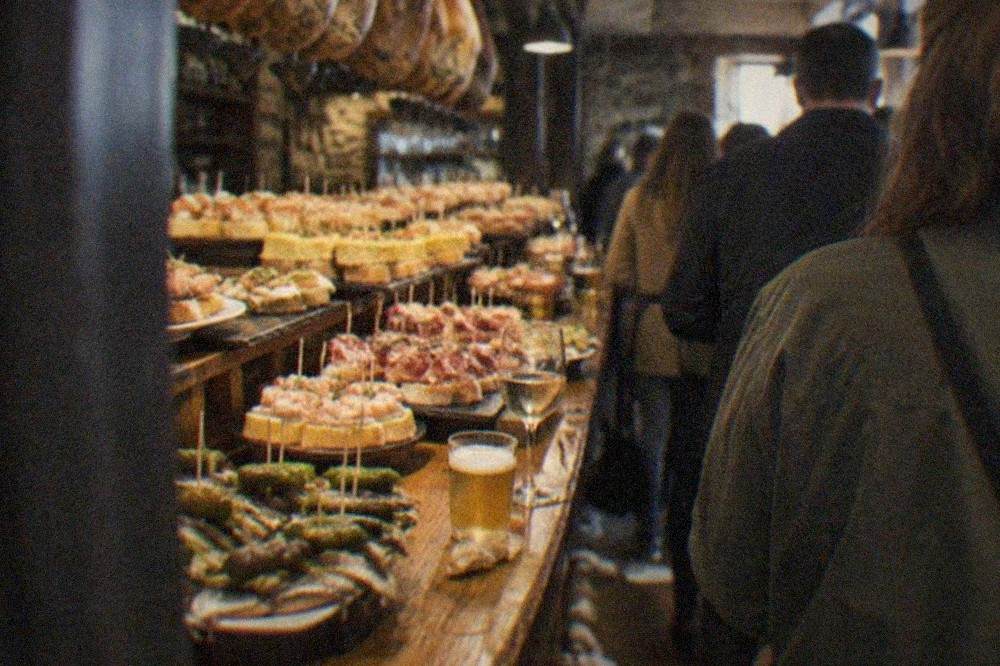
The core product is the pintxo crawl. The Old Town, the Parte Vieja, packs dozens of bars into a grid of narrow streets, and each bar has its own speciality: one house is famous for its gilda, the anchovy, guindilla pepper and olive skewer, another for grilled txuleta steak, another for a salt-cod omelette. A tour moves you between four and eight of them in one evening. What you are really buying is not the food alone, it is the navigation. A first-time visitor standing in a bar at 21:00, when the locals arrive, does not know which counter item is the house speciality, how to ask for it, or whether to pay first or after.
The other formats branch out from there. Cooking classes teach Basque dishes hands-on and end with you eating the meal. Cider house tours leave the city for Astigarraga and the txotx ritual. Market tours open with a walk through La Bretxa before a class. There are also self-guided audio tours of the city's food culture, played through an app, for visitors who want the commentary without the group.
The table below shows the main tour families and what separates them.
| Tour type | Where it happens | What is included | Best for |
|---|---|---|---|
| Pintxo crawl (small group) | Old Town bars | Several pintxos plus paired drinks at each stop | First-time visitors, evenings |
| Pintxo crawl (shared or premium) | Old Town, Centro | More stops, reserved seats, gourmet shops | Food-focused travellers |
| Walking tour with a pintxo | City centre | A short walk, one pintxo and one drink | Budget travellers, a first orientation |
| Cooking class | City centre kitchens | Hands-on class, wine and cider tasting, the meal you cook | Cooks and families |
| Market tour plus class | Old Town market and kitchen | Market visit, then a hands-on class | Visitors who want the full chain from stall to plate |
| Cider house trip | Astigarraga and the countryside | Orchard, cellar, txotx ritual, lunch | Groups, lunchtime plans |
| Txakoli winery trip | Getaria and the coast | Winery visit, tastings, hotel pickup | Wine drinkers, coastal day out |
| Free GuruWalk | Old Town and bay | Tip-based historic walk, no food | Orientation on a budget |
What Is The Best Food Tour In San Sebastian?
The best food tour in San Sebastián is a small-group Old Town pintxo crawl: it covers the maximum number of bars in the minimum time, pairs each bite with a local drink, and a guide handles the ordering. Travellers who want to cook rather than crawl should book a Basque cooking class with a wine and cider tasting, and travellers with a full day should take the cider house tour with lunch. The right choice depends on your evening, not on a single ranking.
The small-group crawl earns the top recommendation because it solves the Old Town's one real problem: choice overload. The premium alternatives add reserved seating at each bar and a guided visit to Mercado de la Bretxa, which matters in August, when INE's hotel data shows 245,769 overnight stays in the city, the peak month of the year. A reserved seat in that crowd is worth paying for.
The cooking class is the better pick for travellers who want to take the cuisine home. The hands-on formats teach signature Basque dishes with local chefs, pour a wine and cider tasting alongside, and finish with the meal you cooked. The market-plus-class version opens with a walk through the stalls, so you see where the ingredients come from before you cook them. Both formats are covered in more detail on our what to eat in San Sebastian page.
The cider house tour is the fullest-day option. It leaves the city, walks an orchard and a cellar, explains the txotx ritual, in which cider is poured from chest-height into your glass, and ends with the traditional cider house lunch. The tourism board places txotx season from the middle of January to the end of April, but the cider houses serve visitors outside those months too, and the tour runs year-round.
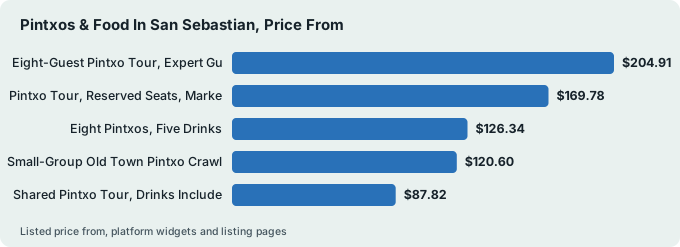
A different way to spend the same money is to combine two of the city's identities in one booking: a surf lesson on Zurriola followed by a pintxo tour. The surf-and-pintxos product in the band above does exactly that, with board, wetsuit, locker and hot shower included, then pintxos and drinks afterwards in Gros. And if your food curiosity runs wider than the Basque Country, the Biarritz day trip crosses into France for a taste of the French Basque coast.
What Is The Best Pintxo Tour In San Sebastián?
The best pintxo tour in San Sebastián for a first visit is the small-group Old Town crawl, which visits pintxo bars, restaurants and gourmet shops in three hours with a local guide and drinks included. If you want the deepest version, choose the tour capped at eight guests and led by a culinary expert, and if you want the cheapest possible entry point, take the short guided city walk that ends with one pintxo and one drink included in the price.
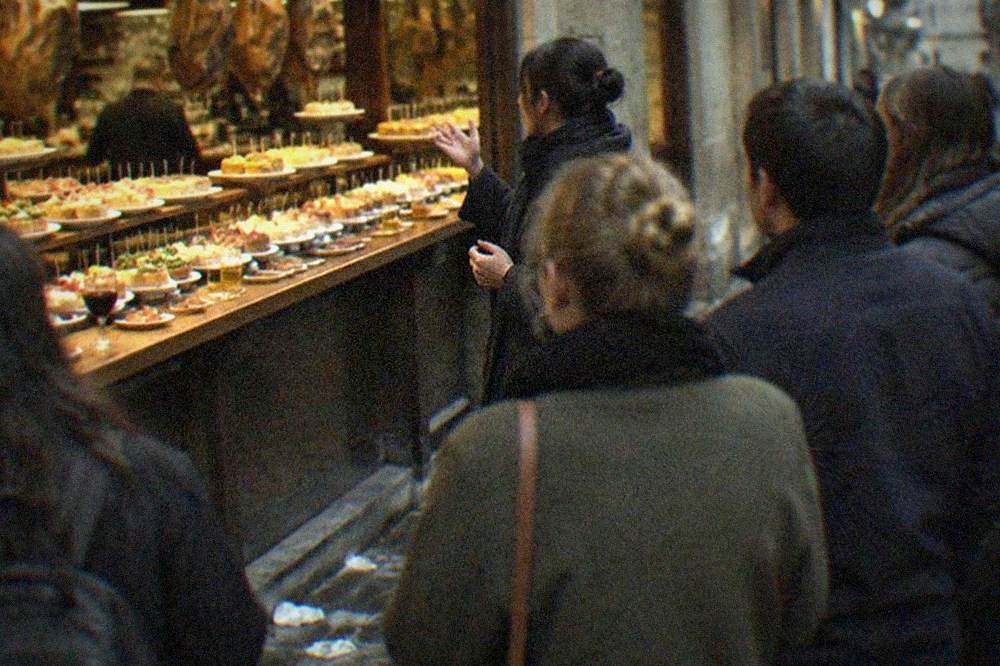
The small-group crawl is the benchmark because the Old Town rewards pace. Several bars, a guide who knows each counter's speciality and each kitchen's closing rhythm, and drinks matched to the food. The listing describes a route through pintxo bars, restaurants and gourmet shops starting by City Hall, which is the natural gateway to the Parte Vieja.
You can Check availability on the operator's live listing, and read more about the format on our pintxo tours overview.
The eight-guest alternative trades breadth for depth. Fewer people means more conversation with the guide, more time at each counter, and the flexibility to chase whatever looks best that evening. The premium market version adds a stop at Mercado de la Bretxa and reserved seating at every bar, which turns a crawl into a seated progression. For the budget end, the short walking tour with a pintxo and a drink included costs less than a round of drinks in most cities and still leaves you in the Old Town at the end, free to keep going on your own.
How Do Pintxos Work, And Why Does A Crawl Help?
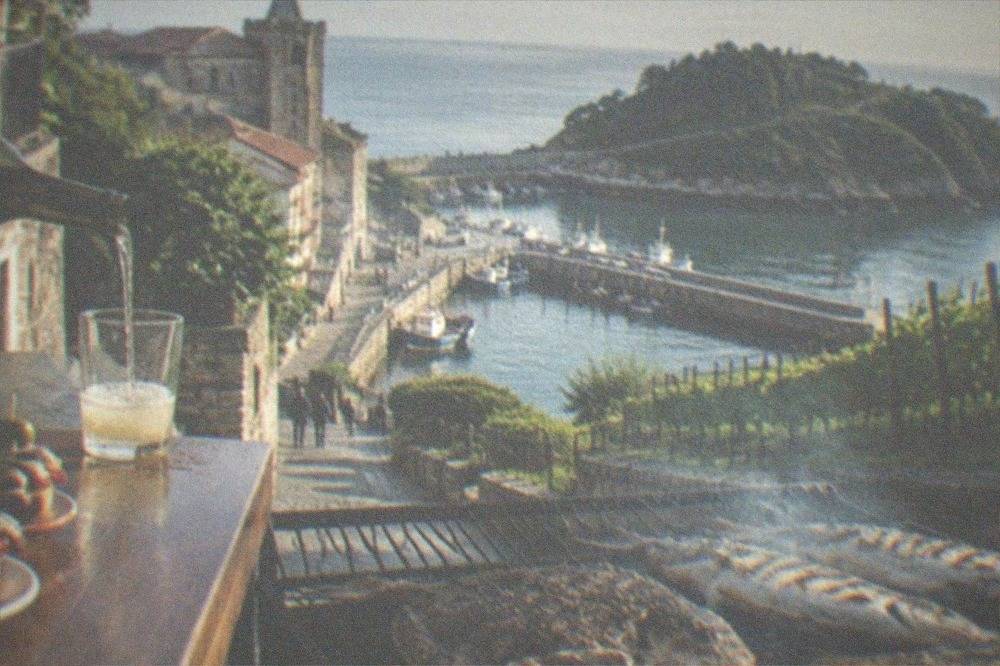
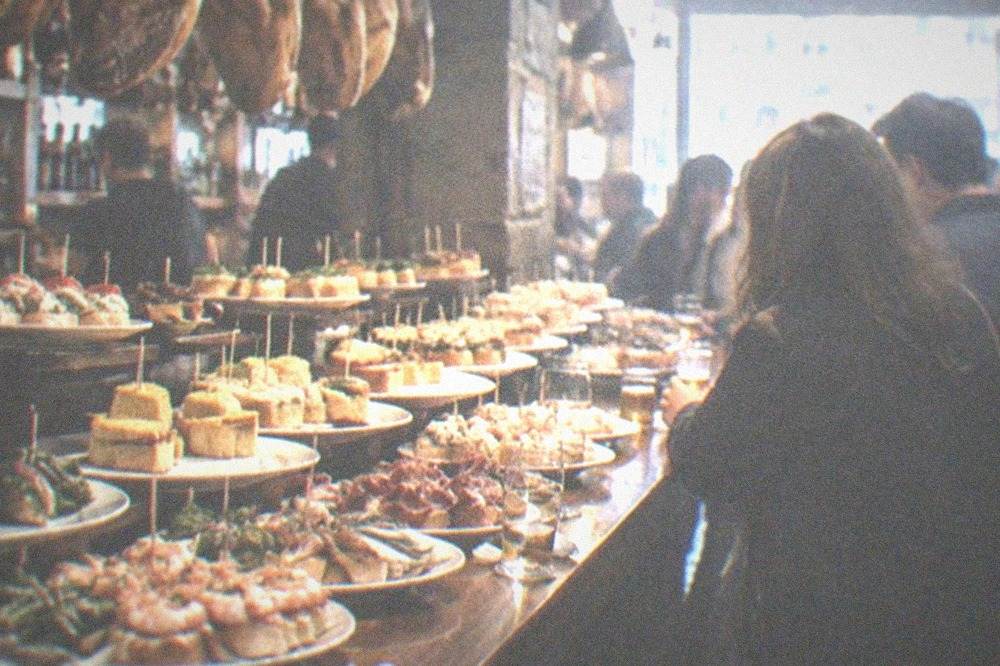
Pintxos are small individual servings, usually a slice of bread topped with something deliberate, or a skewered combination, eaten standing at the bar counter and paid for by the piece. Ordering is informal: you point at what you want, or ask for the house speciality, and you either keep a running tab or pay at the end. A guided crawl helps because the customs, the specialities and the pacing of a bar-hop are not obvious, and a guide who knows each house's best item saves you the guessing.
The word matters. A pintxo, from the Basque verb to pierce or skewer, is not a tapa in the Spanish sense of a free bite with a drink. In San Sebastián you pay for each piece, and the city's bars compete on quality rather than giveaways. The classic entry point is the gilda, and the story of that skewer is told on our gilda pintxo page. Beyond it, the canon runs from warm items, txuleta, squid, morcilla, to cold construction work on bread: anchovies, salt cod, Idiazabal cheese, foie.
Timing shapes the whole evening. Locals eat pintxos in the early evening and again late, and the bars fill and empty in waves. The question of what time people eat, and how the rhythm differs from a sit-down dinner schedule, has its own answer page, what time people eat pintxos in San Sebastian. A tour slots you into that rhythm instead of fighting it.
The customs table below is what a guide would tell you in the first five minutes.
| Situation | What locals do | What a tour does for you |
|---|---|---|
| Choosing at the counter | Ask for the house speciality, not just what is displayed | The guide orders the speciality at each stop |
| Paying | Tab at the end in most bars, or pay per round | Everything is prepaid in the tour price |
| Standing or sitting | Standing at the counter is normal; tables are for meals | Premium tours reserve seats or standing room |
| Drinks | Txakoli, small beer, or a zurito with each round | Drinks are paired and included |
| Pacing | One pintxo and one drink per bar, then move on | The route and pacing are pre-planned |
| Number of bars | Several in an evening | The crawl hits the proven route |
For the cost side of a self-guided crawl versus a tour, the per-piece prices vary by bar and are covered on the pintxo costs page. What a tour adds is not cheaper food, it is better food per hour: the guide's route removes the risk of walking into a tourist-trap counter on your first night.
Cooking Classes, Markets And Learning The Food
A cooking class in San Sebastián is a hands-on session with local chefs, typically two and a half to three and a half hours, in which you cook signature Basque dishes and then eat the meal, with a wine and cider tasting alongside. The market versions open with a guided walk through the stalls of the Old Town market before the class begins, so you see the raw ingredients first.
Classes run in English, in city-centre kitchens, and suit travellers who want to reproduce the food at home.
The class curriculum is the Basque greatest-hits list. Expect the salt-cod based dishes, the potato and pepper classics, and a sweet finish, all cooked by your own group under instruction. The cider tasting introduces txotx culture in miniature, and the wine tasting usually features txakoli, the lightly sparkling local white, plus a Rioja red, since Basque kitchens cook with both. The rest of the planning pages sit on San Sebastian Spain Guide.
The market-plus-class format is the fullest version. You walk the market with the chef, see what is in season, then cook it. It is the closest a short visitor gets to the full supply chain of Basque cooking, and the extra time, three and a half hours, reflects it.
For visitors weighing a class against a crawl, the honest split is this: a crawl shows you the city's eating culture as it is practised, a class shows you how it is built. Families with teenagers often prefer the class, since standing at a counter suits adults more than children. The broader context of the cuisine, dish by dish, is on our best pintxo bars page.
| Format | Time on the page | Where it starts | You leave with |
|---|---|---|---|
| Crawl, small group | One evening | By City Hall | A working map of the Old Town bars |
| Crawl, eight guests | One evening | The Boulevard | A guide's shortlist and deeper stories |
| Premium crawl with market | One evening | The Boulevard | Reserved seats and market context |
| Cooking class | An afternoon | City centre kitchen | Recipes and a full meal you cooked |
| Market tour plus class | An afternoon | Old Town market | Market knowledge plus recipes |
| Cider house day | Half a day | City pickup | The txotx ritual and a farmhouse lunch |
Cider Houses, Txakoli And Wine Tours Outside The City
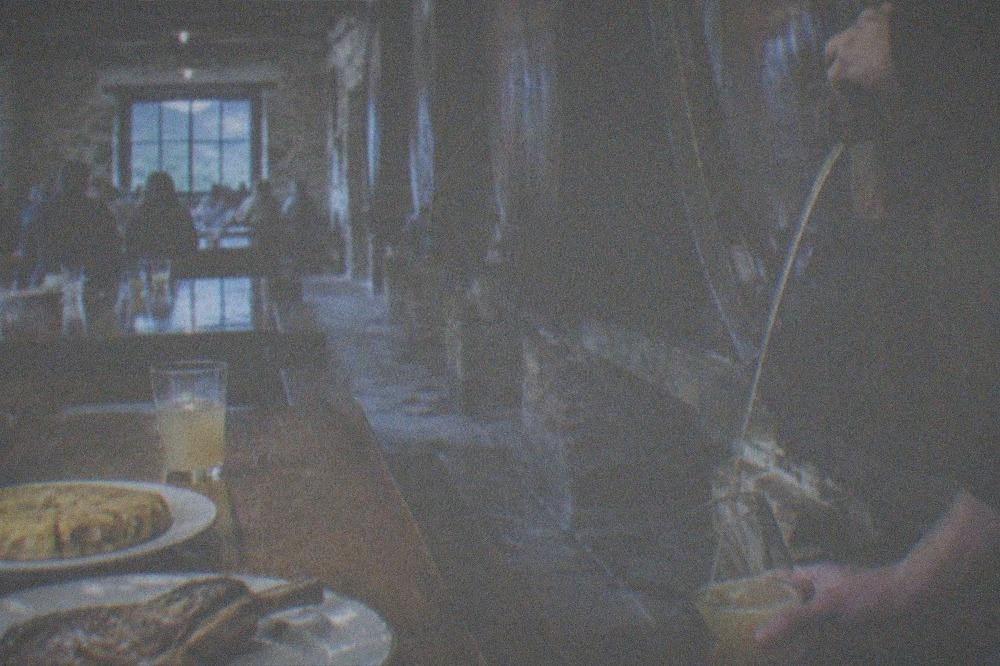
Cider and wine tours take you out of San Sebastián to where the drinks are made: cider houses in and around Astigarraga, the cider capital a short drive from the city, and txakoli wineries on the coast around Getaria. A cider house tour includes the orchard, the cellar, the txotx ritual, in which cider shoots from the barrel into your glass held at arm's length below, and the traditional cod-omelette-steak lunch.
A txakoli tour visits a winery with tastings, usually with hotel pickup and a coastal town included.
The cider house lunch is a fixed menu in the txotx tradition: salt cod omelette, fried cod with peppers, a big txuleta steak grilled over the cider-wood fire, cheese with quince and walnuts for dessert, and cider, poured straight from the barrel, all evening. The tourism board's rule for the season runs from mid-January to the end of April, when the barrels are open and the ritual is at full volume, but the houses serve the same meal outside those months.
The txakoli trip is the wine-drinker's version. Getaria is a small fishing town on the Gipuzkoa coast, the home of the txakoli denomination and also of the Balenciaga museum and of Elkano, the one-star restaurant in the MICHELIN Guide Spain 2026 list. The winery tour combines tastings with the drive along the coast, and hotel pickup removes the transport question entirely. What txakoli itself tastes like, and how it is poured from height, is covered on our txakoli guide.
The coastal walk version goes further: a guided hike along the coast with three txakoli tastings at a winery and a train ticket back. For how to fit the countryside options into a longer stay, the how many days in San Sebastian guide lays out the trade-offs.
Free Walks, Budget Tours And Self-Guided Options
The cheapest guided options in San Sebastián are the free, tip-based walks on GuruWalk, which cover the city's history and layout in about two hours and cost nothing up front, and a short paid walking tour that ends with a pintxo and a drink included. Below that, self-guided audio tours of the city's food culture cost a few dollars and play on your phone. None of these include a full crawl, but all of them end in the Old Town, where you can eat on your own.
The free walks deserve their popularity. The historic free tour with a radioguide included starts at Plaza Cervantes and runs about two and a half hours on a tip basis, and the city's own history, from its origins as a fishing and garrison town to its belle-époque rebuild, fills every minute of it. A second free walk starts at the Real Club Nautico on the bay, and a third, an English-only walk, starts at the Buen Pastor Cathedral in the Centro. All are tip-based, so you pay what the walk was worth to you at the end.
The paid budget option is the walking tour with a pintxo and a drink included: a short guided walk of the centre that finishes with one counter stop. It is the cheapest way to have someone hand you your first pintxo and explain what you are looking at.
The self-guided audio tours are for travellers who want the commentary without the schedule. Two English audio tours cover the city's essence and culture and its cultural sights and scenic trails, each about two hours, played in an app. Neither feeds you, but both route you past the food streets.
How To Choose The Right Tour For Your Trip
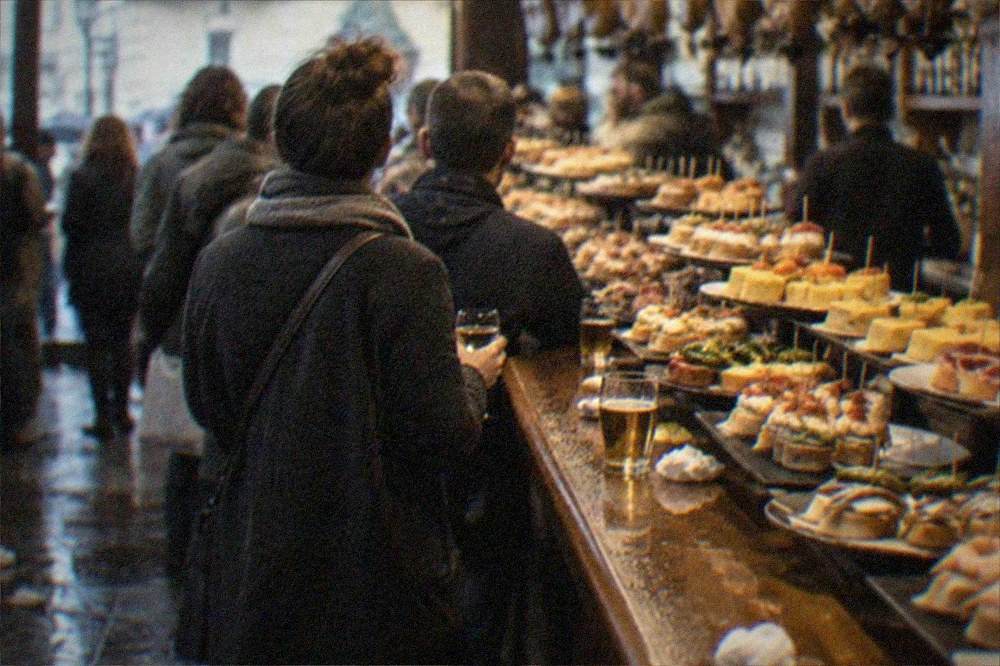
Choose by time of day and depth: an evening small-group crawl for a first visit, a cooking class for an afternoon and for cooks, a cider house or txakoli trip for a half-day outside the city, and a free walk for orientation on arrival day. Check the weather before you book, because AEMET's Igeldo station records rain on about 10 days even in the driest month, and book evening tours ahead in July and August, when hotel overnight stays peak at 245,769 in the city.
The weather point is not decoration. A crawl happens indoors, mostly, but the walk between bars does not, and the city averages 141 rain days a year. A cooking class is the best rainy-day booking, and the city has a whole guide to rainy day plans. The month you visit also changes the food calendar: txotx season runs mid-January to late April, the Santo Tomás fair falls on 21 December, and the late-summer weeks are the busiest on the counters.
The decision table below matches the formats to traveller types.
| If you are | Book this | Why |
|---|---|---|
| A first-time visitor with one free evening | Small-group Old Town crawl | Maximum bars, minimum planning |
| A couple on a food-focused trip | Eight-guest culinary tour | Depth, conversation, flexibility |
| A family with children | Cooking class | Seated, hands-on, everyone eats the result |
| A wine drinker | Getaria txakoli trip | Winery tastings plus the coast |
| A group of friends | Cider house day | The txotx ritual and a shared txuleta |
| A budget traveller | Free GuruWalk or walk with pintxo | Orientation, then eat on your own |
| A surfer or active traveller | Surf lesson plus pintxos | Zurriola waves, then Gros bars |
| A repeat visitor | Premium crawl with market | Reserved seats and new stops |
Whatever you book, book the evening tours early in your stay, not on your last night. The crawl doubles as a lesson in how the Old Town works, and everything you learn at the counter, the specialities, the ordering, the rhythm, is exactly what you need to eat well on your own for the rest of the trip. The wider story of the city's food fame is on our page about what San Sebastian is known for, and the story of the food itself starts on our page about what pintxos are.
Common Questions About San Sebastian Food Tours
What is the best pintxo tour in San Sebastián?
The small-group Old Town crawl is the strongest all-round choice, covering pintxo bars, restaurants and gourmet shops in three hours with drinks included. For more depth, the tour capped at eight guests is led by a culinary expert, and the premium version adds reserved seats and a market visit. Check availability on the operator's live listing before you travel, since evening departures fill first in summer.
What is the best food tour in San Sebastian?
For many visitors it is the small-group pintxo crawl, because it delivers the city's core eating culture in one evening. Cooks should pick a hands-on Basque cooking class with wine and cider tasting instead, and travellers with a free half-day should consider the cider house tour with lunch, run with the Gipuzkoa cider house association. The best tour is the one that matches the slot in your itinerary, not a single ranking.
Do I need to book a food tour in San Sebastian in advance?
Yes for evening tours in July and August, when INE's hotel survey shows the year's peak overnight stays in the city, and yes for small-group and capped tours at any time of year, because the cap is the product. Free tip-based walks and budget walking tours are more flexible, but popular sessions still fill. Booking the crawl for your first evening, not your last, leaves you the rest of the trip to eat on your own with what you learned.
Can you do a food tour in San Sebastian if it rains?
Yes, and you should expect the question to be live: AEMET's Igeldo station records 1,507 mm of rain a year over 141 rain days, and no month averages under 86 mm. Pintxo crawls spend most of their time indoors at counters, with only short walks between bars, and a cooking class is the most weatherproof format of all. The city has a full guide to rainy-day plans if a whole day washes out.
Is a food tour worth it if I can just go to pintxo bars myself?
You can absolutely eat the Old Town alone, and many visitors do. What a tour adds is the guide's knowledge of each house's speciality, the ordering customs, reserved space at busy counters, and drinks paired to the food, all prepaid. If your evenings are short or your first visit, the tour is an efficient shortcut; if you have several days, one guided crawl followed by self-guided exploring is the strongest combination.
Are there vegetarian or dietary-adapted food tours in San Sebastian?
The pintxo canon leans heavily on fish and meat, but the cooking classes adapt most easily to dietary needs, since you cook the menu yourself and the ingredient list is agreed in advance. For crawls, tell the operator at booking: bars can usually serve vegetarian pintxos on request, and a guide who knows in advance can steer the route accordingly. State the requirement before you pay, not at the first counter.
A food tour in San Sebastián is the fastest route from standing confused at a crowded counter to eating like the person beside you, and the format you pick, crawl, class, cider house or free walk, matters far less than booking it for your first evening rather than your last.