Monte Igueldo: Funicular, Viewpoint And Amusement Park
Monte Igueldo is the hill at the west end of La Concha bay in San Sebastián, Donostia in Basque, crowned by a 1912 funicular, a paid viewpoint and a vintage amusement park. Here is what its own site says about tickets, what you can do up there and when to go.
Short answer
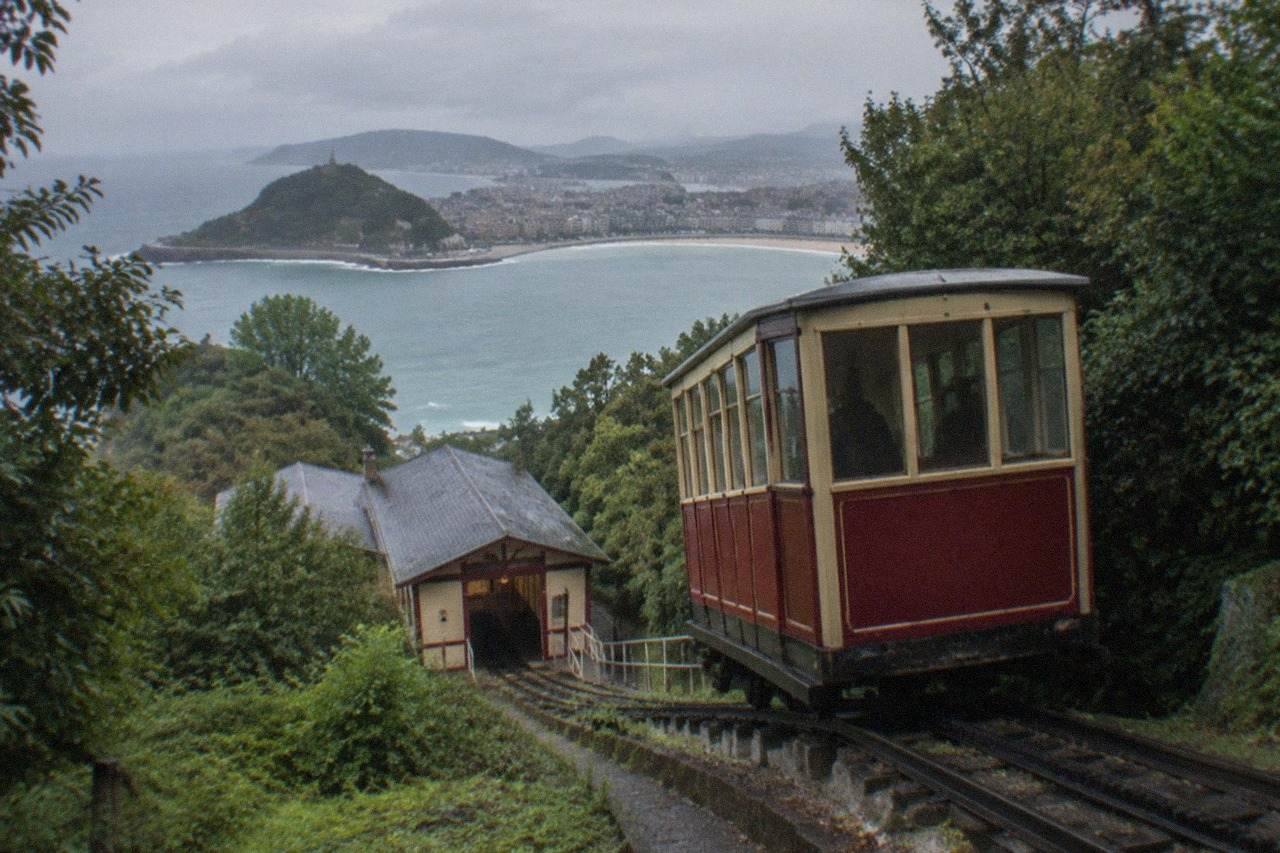
A return funicular ticket to Monte Igueldo costs 5.50 EUR for an adult and 2.50 EUR for a child up to 7 years, and the ticket includes entry to the grounds. A single is 4.00 EUR adult and 1.50 EUR child, and entering by vehicle or on foot is 3.00 EUR per person. The funicular opened on 25 August 1912 and normally runs every 15 minutes.
Monte Igueldo is the hill that closes the west end of La Concha bay in San Sebastián, in the Basque Country of Spain, and its wooden funicular has been carrying visitors up the slope since 25 August 1912. The city's Basque name is Donostia, and locals use both names for the same place. The hill combines three things in one visit: the oldest funicular in the Basque Country, a paid viewpoint with the single most complete panorama of the bay, and an amusement park that reads like a time capsule from the middle of the last century. Everything price-related on this page comes from the funicular operator's own site, and the weather picture comes from AEMET's climate normals for its Igeldo station, which sits on this very hill.
What Is Monte Igueldo Known For?
Monte Igueldo is known for its 1912 rack funicular with wooden cars, which the tourism board calls the oldest in the Basque Country, for the panoramic viewpoint over La Concha bay at the top, and for a vintage amusement park that has been running beside the viewpoint for generations. The funicular opened on 25 August 1912 and normally runs every 15 minutes. The hill also gives its name to the Peine del Viento, the Eduardo Chillida sculpture group anchored to the rocks at its foot.
The funicular is the part many people come for, and it is a genuinely old machine. The operator's own site gives the opening date, and the tourism board adds the superlative: the oldest funicular in the Basque Country, a rack railway with wooden cars that climb from the west end of Ondarreta beach to the hilltop. The cars look much as they did a century ago, which is the point. It is not a modern lift with a view, it is a working piece of 1912 engineering, and the ride is short and steep.
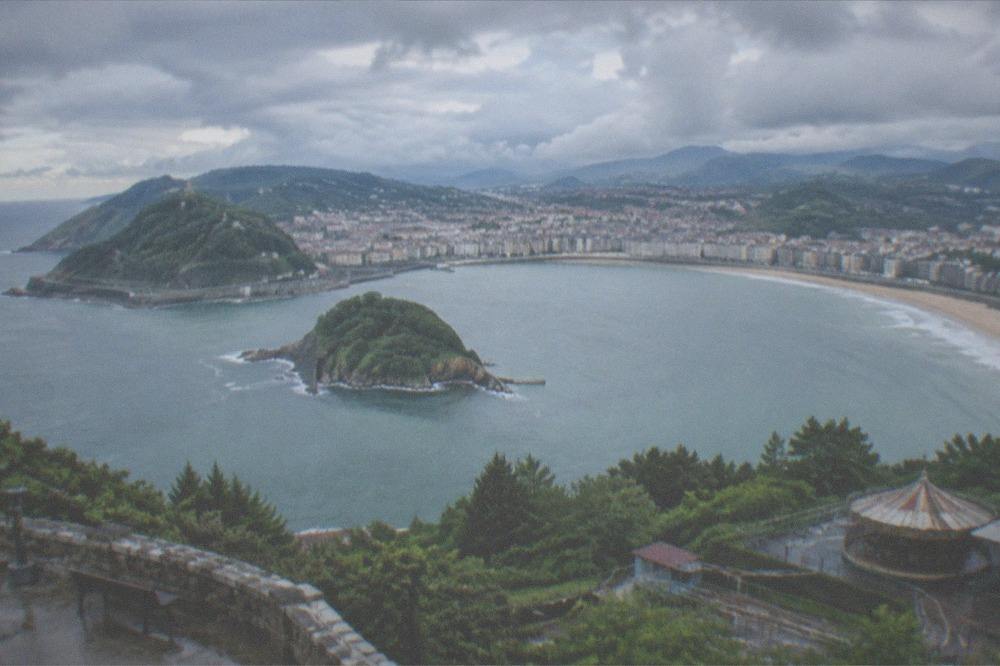
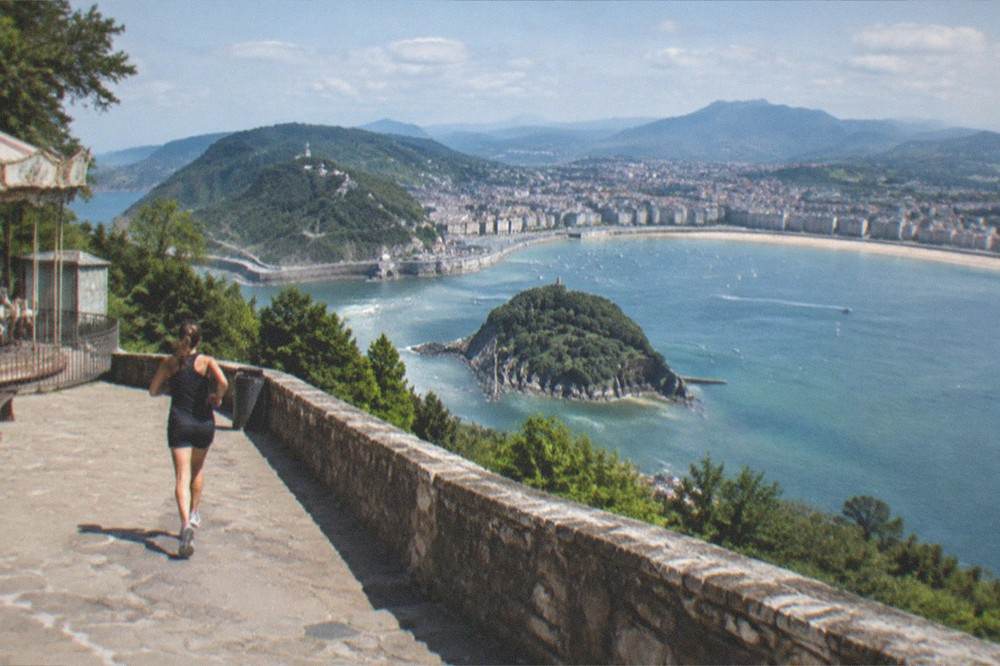
The second claim to fame is the view. From the top, the whole shell of La Concha bay opens up at once: the beach itself, the island of Santa Clara in the middle, Monte Urgull and the Parte Vieja old town closing the east end, and the open Atlantic behind you. On a clear day it is the single best place to understand the geography of the city, because you can see every neighbourhood in one glance.
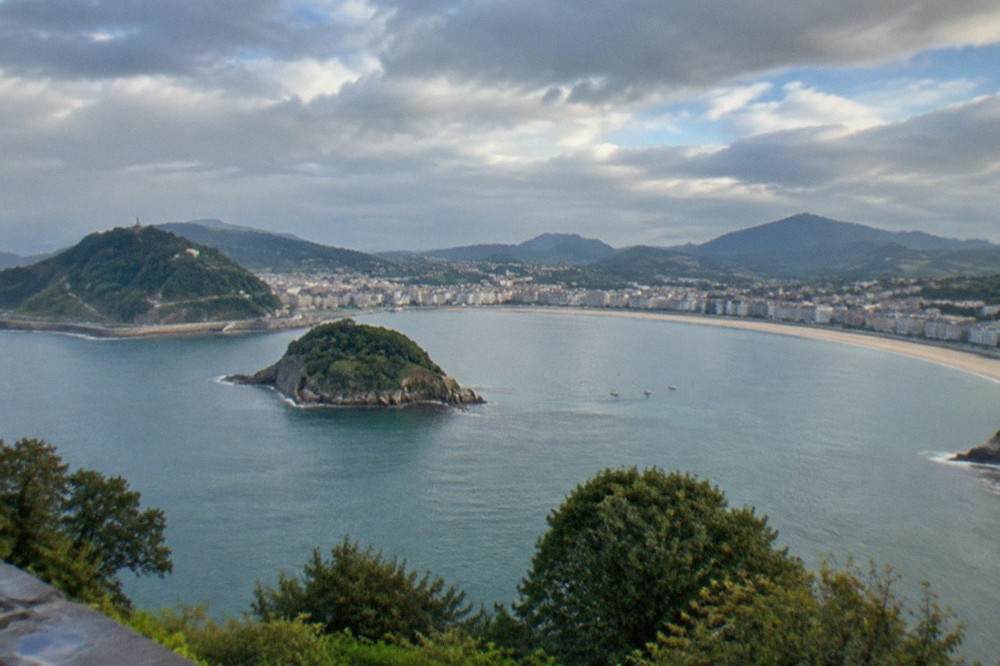
The third is the amusement park. It is a small, old-fashioned park with rides that have been entertaining families for decades, and it gives the hilltop the atmosphere of a seaside resort from another era rather than a modern theme park. The park's daily hours sit behind a date selector on the operator's site, so check the current opening times before you travel rather than relying on any fixed schedule.
The hill also carries the name of the weather station that defines this city's climate. AEMET's Igeldo station, number 1024E, sits 250 metres up on Monte Igeldo, and its records are the reason every honest guide to San Sebastián admits that it rains here: 1,507 mm a year over 141 rain days, with even July, the driest month, averaging 86 mm. The station's position on this hill is a reminder that the summit is a few degrees cooler and a good deal wetter than the seafront below.
How Much Does A Ticket To The San Sebastian Funicular Cost?
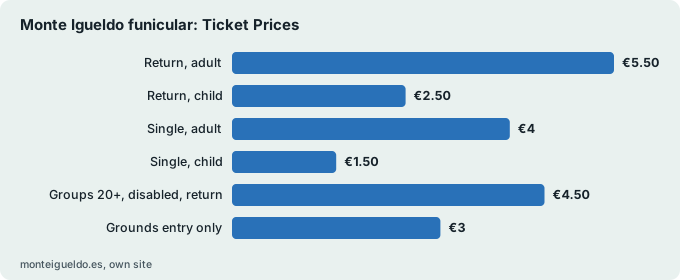
A return funicular ticket costs 5.50 EUR for an adult and 2.50 EUR for a child up to 7 years old. A single ticket is 4.00 EUR for an adult and 1.50 EUR for a child. The funicular ticket includes entry to the grounds. Entering the grounds and viewpoint by any vehicle or on foot costs 3.00 EUR per person. Groups of 20 or more, disabled card holders and San Sebastián Card holders pay 4.50 EUR return.
Those figures come straight from the funicular's own site, and the detail easily missed is the last one: the funicular ticket is not just a ride, it includes entry to the grounds at the top. That makes the return fare the better deal in almost every case, because it bundles the ride and the viewpoint access into one price. Here is the full fare table as the operator publishes it.
| Ticket | Adult | Child (up to 7 years) | Notes |
|---|---|---|---|
| Funicular return | 5.50 EUR | 2.50 EUR | Includes entry to the grounds |
| Funicular single | 4.00 EUR | 1.50 EUR | One direction only |
| Grounds and viewpoint entry, by vehicle or on foot | 3.00 EUR per person | 3.00 EUR per person | Does not include the funicular |
| Special ticket, animals or packages | 2.50 EUR | 2.50 EUR | For transporting animals or goods |
| Group return, 20 or more | 4.50 EUR | 4.50 EUR | Not valid on weekends, holidays or long weekends |
| Disabled card holders and San Sebastián Card holders | 4.50 EUR | 4.50 EUR | Return fare |
One rule from the operator's home page deserves its own paragraph, because plenty of guides get it wrong: tickets for the downhill funicular journey are not on sale. There is no walk-up, ride-down option. If you ride up, the return ticket covers the way down; if you arrive by road or on foot, the 3.00 EUR grounds entry is what you pay, and you leave the way you came. Never plan a trip around walking up and riding down, because that ticket does not exist.
The funicular normally runs every 15 minutes, on the hour, quarter past, half past and quarter to, with more frequent departures when it is busy. The operator's FAQ also states that the rides close on rainy days, which in this city is a real planning factor, not a footnote. With 141 rain days a year at the station on this very hill, the odds of a wet closure are higher than many people might assume.
The hill sits at one end of a city that is compact enough to see in pieces, and a few structured options cover it well alongside the sights you will look down on from the viewpoint.
What Activities Can You Do On Monte Igueldo?
The activities on Monte Igueldo are riding the 1912 wooden funicular up the rack railway, walking the paid viewpoint and terrace above La Concha bay, riding the vintage attractions of the hilltop amusement park, photographing the panorama of the bay, and walking down to the Peine del Viento sculptures at the foot of the hill on the Ondarreta side. The operator's own site lists the funicular, the grounds and the viewpoint as the paid core of a visit, and parking on the hill is free during your visit.
The funicular ride itself is the first activity, and it deserves to be treated as one rather than as transport. The wooden cars, the rack mechanism and the steep, short climb make it a five-minute piece of engineering history. Once at the top, the viewpoint terrace is where most of the time goes: the bay opens below, with La Concha's 1,350 metres of sand curving round to the old town, Santa Clara island in the middle of the water and Monte Urgull facing you across the bay.
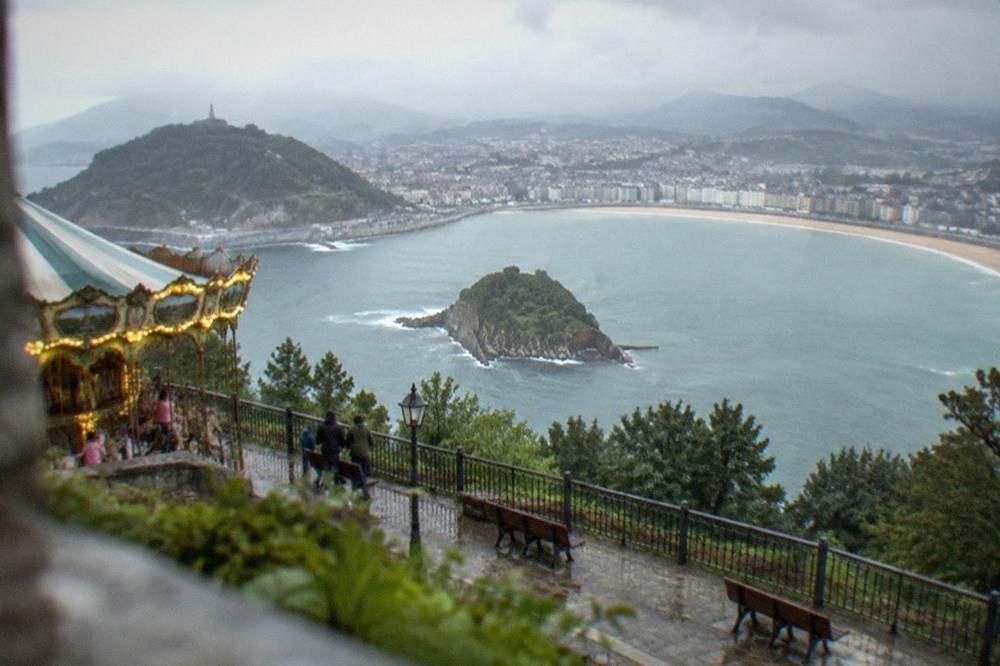
The amusement park is the second half of the hilltop. It is a small park of old-fashioned rides, the kind of place where the attractions are as much a museum piece as the funicular, and it is aimed squarely at families. The park's calendar and daily hours sit behind a date selector on the operator's site, so treat any schedule you remember from an older guide as unreliable and check before you go.
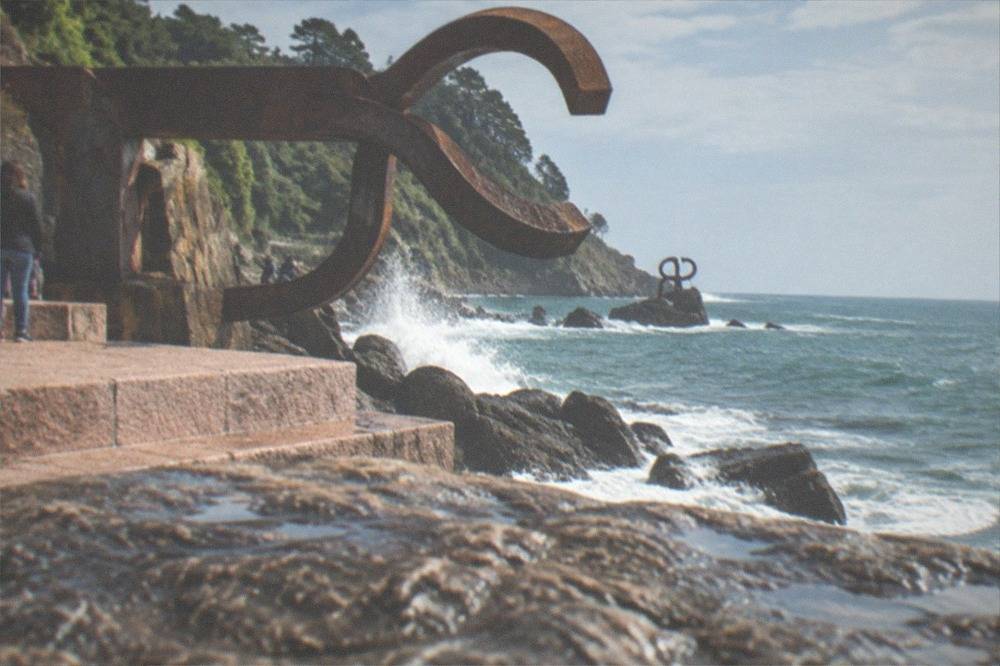
The third activity is the walk down to the Peine del Viento. Eduardo Chillida's three steel sculptures, each weighing more than nine tonnes, are anchored to the rocks at the end of Monte Igeldo, on a pink granite plaza by the Basque architect Luis Peña Ganchegui. The definitive work dates from 1977, when Chillida gave it to the city, and the walk to it starts at the west end of Ondarreta beach. Waves hit the rocks and force air and spray through the sculpted comb, which is the closest thing this coastline has to a signature moment.
If you want the hill's story told rather than just seen, a self-guided option covers the city's cultural sights and scenic trails, and it pairs naturally with a morning on the hilltop.
Deciding between the hill and the rest of the city is easier when you can compare what each part offers, and the table below sets the hill against the other headline sights you can see from its terrace.
| Sight | What it is | Entry cost from its own source |
|---|---|---|
| Monte Igueldo funicular | 1912 rack funicular with wooden cars | 5.50 EUR return adult, includes grounds |
| Monte Igueldo grounds and viewpoint | Hilltop terrace over the bay | 3.00 EUR per person, included with the funicular ticket |
| Monte Urgull | Wooded hill and Castillo de la Mota on the east side | Free to enter, 08:00 to 21:00 from 1 May to 30 September |
| San Telmo Museoa | City museum in the old town | 10.00 EUR general, 4.00 EUR reduced, free every Tuesday |
| Tabakalera | Contemporary culture centre | Free access, closed Mondays |
| Santa Clara island boat | Bay crossing to the island | 5 EUR return on the direct red line in high season |
For the practical questions that have their own dedicated pages on this site: whether you can make the climb on foot is answered on walking up to Monte Igueldo, payment methods are covered in cash needs at Monte Igueldo, the route from the centre is explained in getting to Monte Igueldo from San Sebastián, the full cost breakdown lives on what a Monte Igueldo visit costs, and the honest verdict is on whether Monte Igueldo is worth visiting.
What Can You See From The Monte Igueldo Viewpoint?
From the Monte Igueldo viewpoint you can see the full curve of La Concha beach, 1,350 metres long by the council's figures, the island of Santa Clara in the middle of the bay, Monte Urgull and the old town closing the east end, the Ondarreta and Zurriola beaches at either side, the Peine del Viento sculptures directly below on the rocks, and the open Atlantic beyond the hill. On clear days the coastline of the French Basque Country is visible to the northeast.
The terrace faces east, which means the classic shot is taken looking back along the bay with the morning light behind you. The council's own beach pages give the dimensions that make the panorama so legible: La Concha runs 1,350 metres with a mean width of 40 metres, Ondarreta 600 metres at the west end below the hill, and Zurriola 800 metres on the surf side beyond the river. From the terrace, all three are in frame at once, which no other vantage point in the city manages.
| What you can see | Direction from the terrace | One fact from the official source |
|---|---|---|
| La Concha beach | East, front and centre | 1,350 m long, sandy and shallow, the tide often limits usable area |
| Santa Clara island | East, in the middle of the bay | Boat 5 EUR return in high season, 1 June to 30 September |
| Monte Urgull and the old town | East, closing the bay | Open 08:00 to 21:00 in summer, 08:00 to 19:30 from 1 October |
| Ondarreta beach | Immediately below, east side | 600 m long, the Peine del Viento walk starts at its west end |
| Zurriola beach | Northeast, across the river | 800 m of sand with a strong swell, remodelled in 1994 |
| Peine del Viento | Below, at the foot of the hill | Three Chillida sculptures of over nine tonnes each, from 1977 |
| Miramar Palace gardens | East, between the two beaches | Built in 1893 for Queen María Cristina, English country house style |
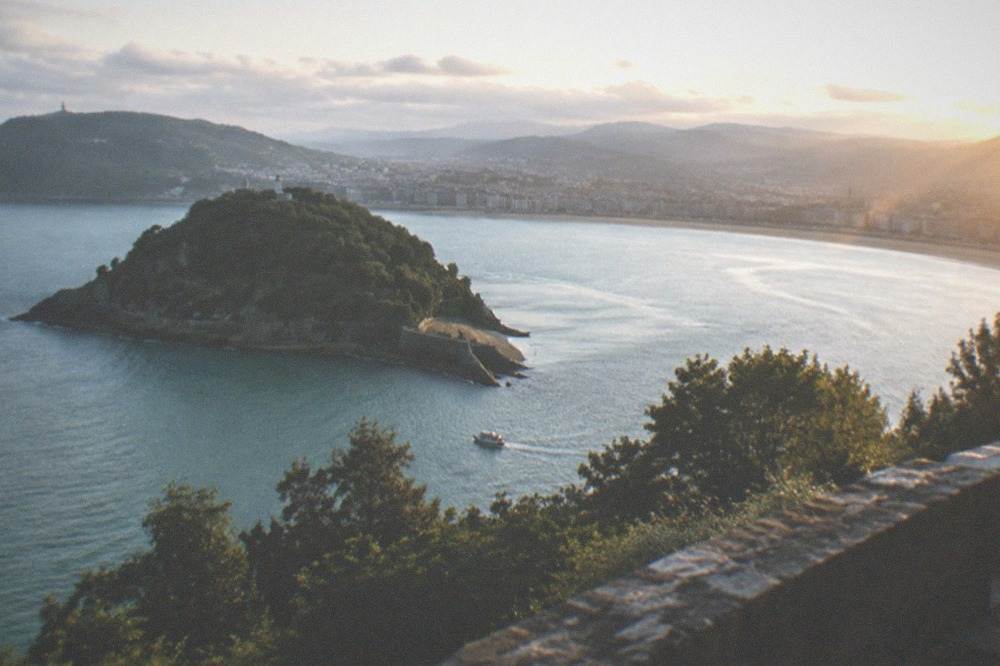
Photographers should plan around the light rather than the clock. The terrace faces the rising sun, so the bay is at its best in the morning, while late afternoon puts the old town and Urgull in shadow and the sun behind the camera. The La Concha beach page and the Santa Clara island page go deeper on the two features that dominate the view.
If the hilltop itself is only half of your plan, a question worth settling before you climb is how the rest of the day fills out.
When Is The Best Time To Visit Monte Igueldo?
The best time to visit Monte Igueldo is a clear morning between June and September, when the funicular is running its full service, the bay's lifeguard and boat season is in force and AEMET's normals for the Igeldo station show the driest stretch of the year: July averages 86 mm of rain over about 10 rain days, the lowest of any month. The rides close on rainy days, and November, the wettest month at 169 mm, is the worst month to gamble on the viewpoint.
The weather table matters more here than on most pages, because the operator's own FAQ says the rides close on rainy days. The station that produces these numbers is on this hill, 250 metres up, so the figures describe the summit rather than the seafront, which runs slightly warmer and slightly drier.
| Month | Mean max C | Rain mm | Days with 1 mm or more | Sun hours |
|---|---|---|---|---|
| June | 20.0 | 90 | 10.6 | 189 |
| July | 21.8 | 86 | 9.8 | 196 |
| August | 22.5 | 117 | 10.5 | 190 |
| September | 21.1 | 111 | 10.1 | 179 |
| October | 18.5 | 159 | 11.8 | 140 |
| November | 14.0 | 169 | 13.0 | 102 |
Read that table honestly and one thing stands out: even in the driest month, rain falls on about ten days, and August, at 117 mm, is wetter than June, July or September. There is no dry season here in the Mediterranean sense, only a drier one. The practical consequence for this hill is simple: pick a clear morning, go early, and have a backup plan for the afternoon, because a shower can stop the rides mid-day. The rainy day guide lists what the city offers when the hilltop is closed.
How Does Monte Igueldo Compare With Monte Urgull?
Monte Igueldo and Monte Urgull are the two hills that close either end of La Concha bay, and they offer opposite experiences: Igueldo is a paid, developed hilltop with a 1912 funicular, an amusement park and a 3.00 EUR viewpoint, while Urgull is a free, wooded hill with the Castillo de la Mota, open 08:00 to 21:00 from 1 May to 30 September and 08:00 to 19:30 the rest of the year.
Igueldo looks east over the whole bay, Urgull looks west straight back at it.
Urgull is the hill you climb from the old town, through trees, to the fort at the top, and it costs nothing to enter. The Monte Urgull page covers it in detail. Igueldo is the commercial counterpart: a machine carries you up, a terrace charges you 3.00 EUR, and a park keeps families busy for an hour or two. Neither is a substitute for the other, and visitors with a full day often do both, one in the morning and one at sunset.
| Monte Igueldo | Monte Urgull | |
|---|---|---|
| End of the bay | West | East |
| How you go up | Funicular, or road on foot or by vehicle | Paths on foot from the old town |
| Cost | 5.50 EUR return by funicular, 3.00 EUR grounds entry | Free |
| What is at the top | Viewpoint, amusement park | Castillo de la Mota, the Casa de la Historia de Urgull |
| Opening rule | Rides close on rainy days | 08:00 to 21:00 from 1 May to 30 September, 08:00 to 19:30 from 1 October to 30 April |
| Best for | Families, the full-bay panorama, vintage rides | A free walk, history, sunset over the bay |
The third hill, Monte Ulia, sits beyond Zurriola on the east side of the city and belongs to walkers and Camino pilgrims rather than sightseers; the Monte Ulia page covers it. Between the two bay hills, the Miramar Palace gardens run down to the sea, and the San Telmo Museoa at the foot of Urgull is free every Tuesday, which makes a natural pairing with a paid morning on Igueldo.
How Do You Plan A Day Around Monte Igueldo?
A well-planned Monte Igueldo day starts with a morning funicular ride while the sky is clear, an hour on the terrace and in the amusement park, a walk down to the Peine del Viento at the foot of the hill via the west end of Ondarreta beach, and an afternoon in the old town or at San Telmo Museoa, which is free every Tuesday and otherwise 10.00 EUR general admission.
Book nothing with a fixed rain time, because the rides close on rainy days, and keep the funicular's 15-minute frequency in mind for the return leg.
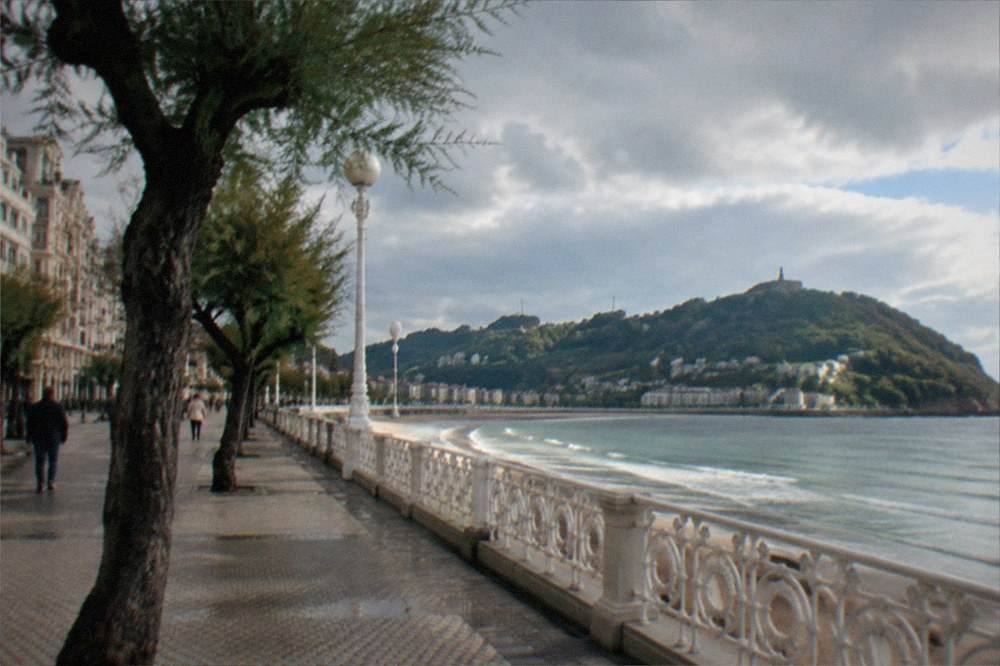
The shape of the day follows the geography. The hill is at the far west of the city, so visitors typically start there in the morning, work their way back along the bay through Ondarreta and La Concha, and end in the Parte Vieja for pintxos. The pintxos guide explains the bar culture, and the question of what pintxos cost has its own answer page on this site.
For a fuller plan, the one day in San Sebastián itinerary slots the hill into a whole day, and the three days in San Sebastián itinerary gives it a morning without squeezing the rest of the city out. Families have a dedicated guide on this site, where the amusement park earns its place on the shortlist.
A guided ride out along the coast is another way to frame the hill in the wider city, and the following options cover the bay, the history and the food in one afternoon.
If the hilltop closes early because of weather, the Zurriola beach page offers a different afternoon, and the things to do in San Sebastian page on San Sebastian Spain Guide is the site's full index of alternatives.
Common Questions About Monte Igueldo
What is Monte Igueldo known for?
Monte Igueldo is known for its 1912 rack funicular with wooden cars, the oldest in the Basque Country, for the panoramic viewpoint over La Concha bay at the top, and for its vintage amusement park. The Peine del Viento sculptures by Eduardo Chillida stand on the rocks at the foot of the hill, at the west end of Ondarreta beach.
What activities can you do on Monte Igueldo?
You can ride the 1912 funicular, walk the paid viewpoint terrace, ride the vintage attractions of the amusement park, photograph the full curve of the bay, and walk down to the Peine del Viento at the foot of the hill. Parking on the hill is free during your visit, and the grounds entry for arrivals by road or on foot is 3.00 EUR per person.
How much does a ticket to the San Sebastián funicular cost?
A return ticket costs 5.50 EUR for an adult and 2.50 EUR for a child up to 7 years, and it includes entry to the grounds. A single is 4.00 EUR adult and 1.50 EUR child. Groups of 20 or more, disabled card holders and San Sebastián Card holders pay 4.50 EUR return, with group discounts not applying on weekends, holidays or long weekends.
Does the funicular ticket include the viewpoint?
Yes. The funicular's own site states that the ticket includes entry to the grounds, which covers the viewpoint terrace at the top. Arriving by vehicle or on foot without the funicular costs 3.00 EUR per person for the same grounds and viewpoint access.
Can you buy a downhill-only funicular ticket?
No. The operator's home page states that tickets for the downhill funicular journey are not on sale. Ride up on the return ticket, or arrive by road or on foot and leave the same way.
Is Monte Igueldo open when it rains?
The rides close on rainy days, according to the operator's own FAQ. With 141 rain days a year recorded at the AEMET station on this hill, a wet-day closure is a real possibility in any month, so plan the hill for a clear morning and keep a backup for the afternoon.
Monte Igueldo is the one sight in San Sebastián where a century-old machine, a paid terrace and a vintage park share a single hilltop, and the funicular's own fares, its 15-minute service and its no-downhill-ticket rule are all the planning facts you need before you go.