Parte Vieja: San Sebastian Old Town
The Parte Vieja is the old town of San Sebastián, the Basque city on La Concha bay in Spain whose official name is Donostia / San Sebastián, and it packs three churches, two squares, a fine museum and the densest run of pintxo bars in the city into a handful of blocks between the harbour and the Urumea river.
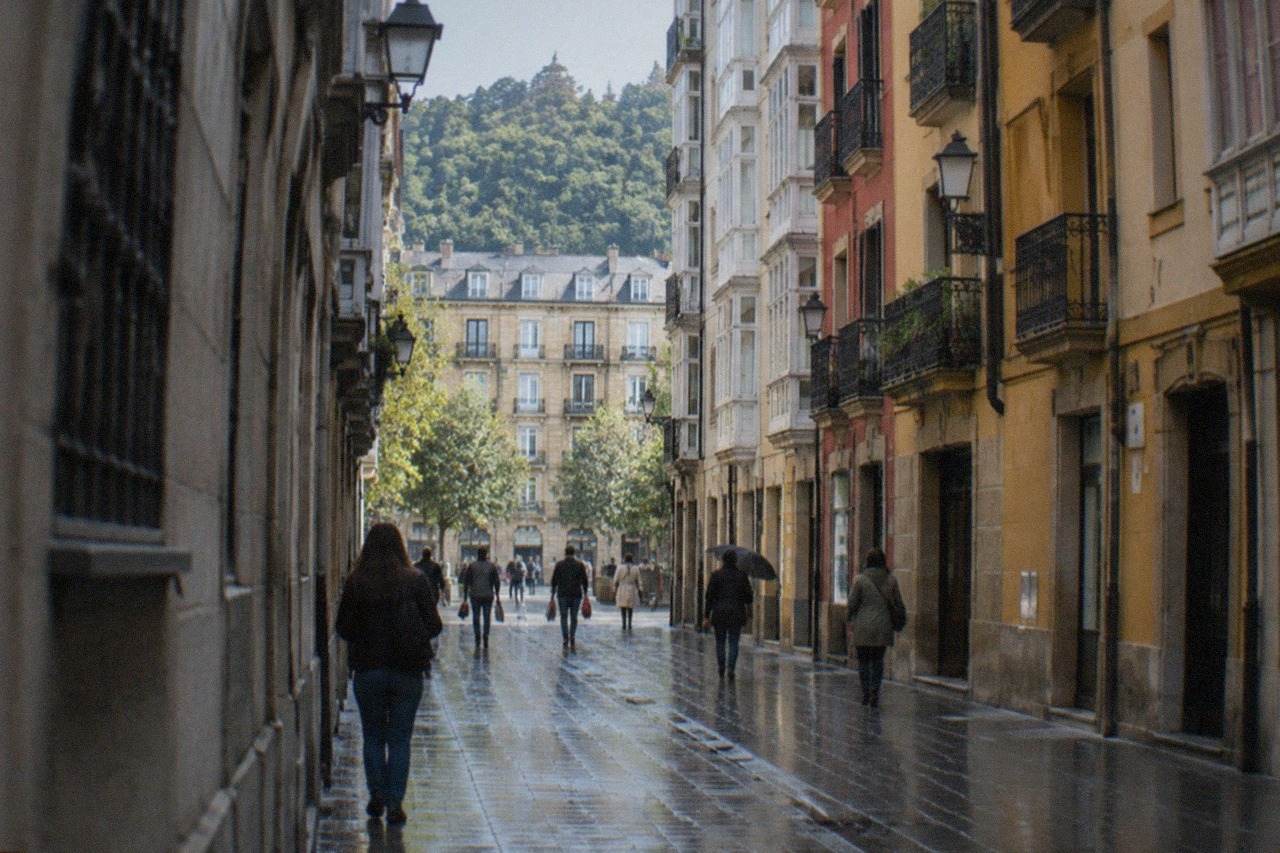
Short answer
The Parte Vieja is the historic core of San Sebastián, bounded by La Concha bay to the west, the harbour and Monte Urgull to the north, and the Urumea river to the east. It is the smallest of the city's neighbourhoods by area and the one most visitors spend their first evening in, because its two squares, its museum and its pintxo bars sit within a few minutes' walk of one another.
The Parte Vieja, the old town of San Sebastián in the Basque Country, Spain, sits on a small headland between La Concha bay and the mouth of the Urumea river. The city's official name is Donostia / San Sebastián, and Donostia is its Basque name. Almost everything a first-time visitor wants from this city, the bay, the pintxo bars, the two mountains that frame the beach, the museum of Basque history, is within a ten minute walk of the old town's two squares. The neighbourhood burned almost entirely in the early 19th century and was rebuilt on a grid, which is why its streets run straight and its blocks are small, and why the oldest thing in most of them is the 19th century itself. This page is part of San Sebastian Spain Guide, the site's full coverage of the city and its coast.
What Is The Parte Vieja In San Sebastian?
The Parte Vieja is the old town and historic centre of San Sebastián, the Basque city on La Concha bay in Gipuzkoa, Spain, and it is the neighbourhood between the harbour, Monte Urgull and the Urumea river. Its Basque name is Alde Zaharra, literally the old part, and its two main squares are Plaza de la Constitución, the old bullring, and Plaza Nueva, which locals call Plaza del Buen Pastor Chiquito. Everything in it can be crossed on foot in under fifteen minutes.
The name is the first thing to get straight. The old town's own answer page on this site, what the old town of San Sebastian is called, covers the naming in full, but the short version is that Parte Vieja is the Spanish name and Alde Zaharra the Basque one, and both appear on street signs. The neighbourhood's most famous street is Calle 31 de Agosto, where the city's Tamborrada drummers march each 20 January.
The grid is the useful fact. Because the rebuilt streets run in straight lines between the harbour and the river, the old town is almost impossible to get properly lost in: walk downhill in almost any direction and you reach either the fishing harbour, La Concha, or the Zurriola side of the city. The neighbourhood's layout is easiest to see on the site's map guide, which shows how the old town slots between the other districts.
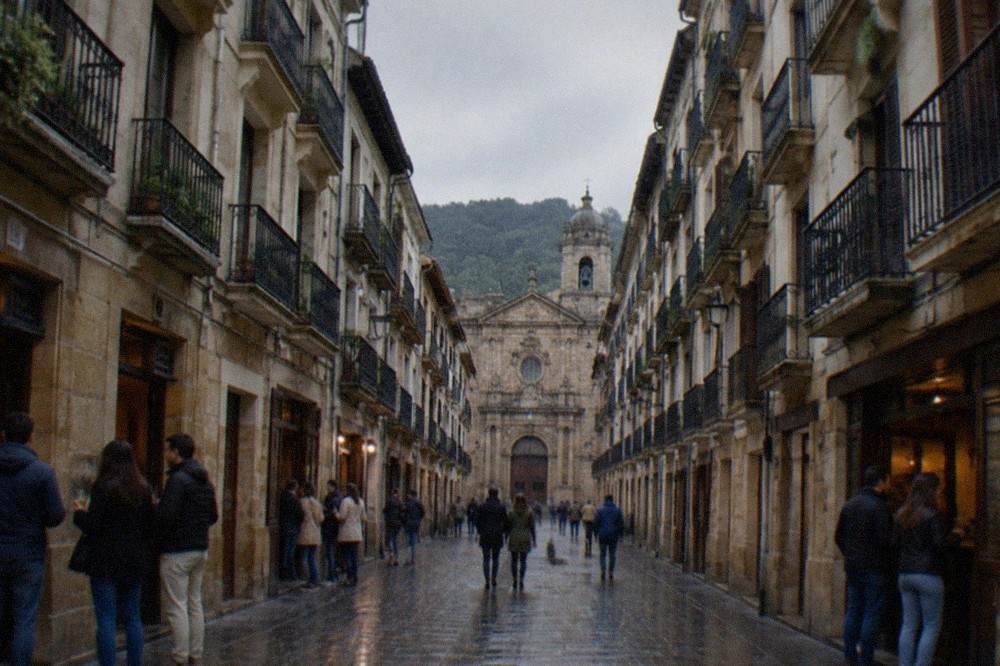
Where Is The San Sebastian Old Town And How Do You Recognise It?
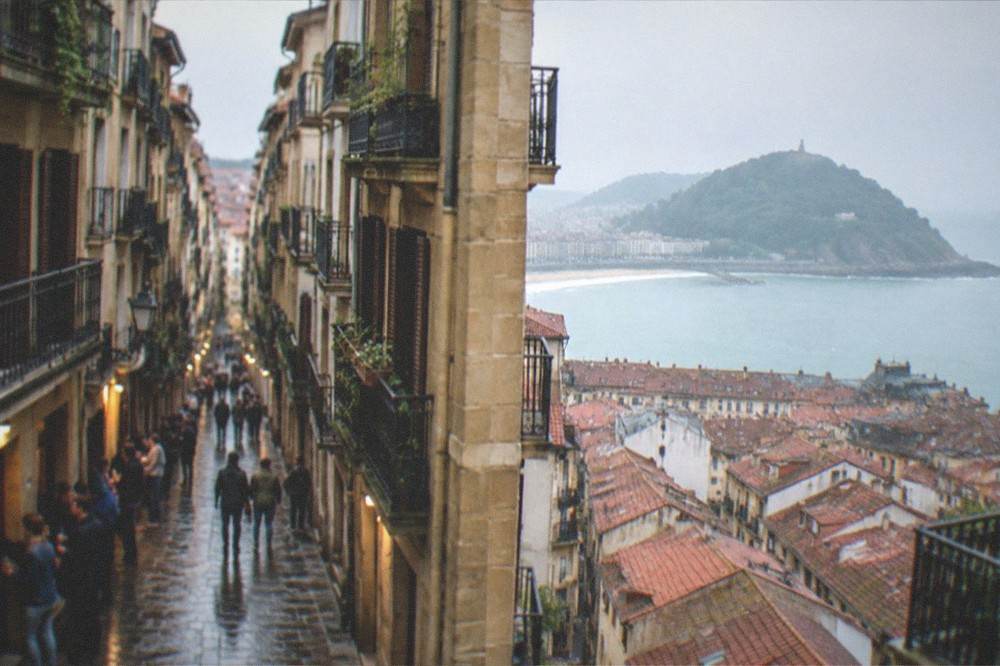
The old town occupies the headland at the centre of San Sebastián's bay, west of the Urumea river and south of the fishing harbour, with Monte Urgull rising directly above it. You recognise it by the change in building height, five and six storeys on narrow streets rather than the Belle Epoque blocks of the centre, and by the density of pintxo bars, which is higher here than anywhere else in the city. The Boulevard, the tree-lined avenue at its eastern edge, is the accepted boundary.
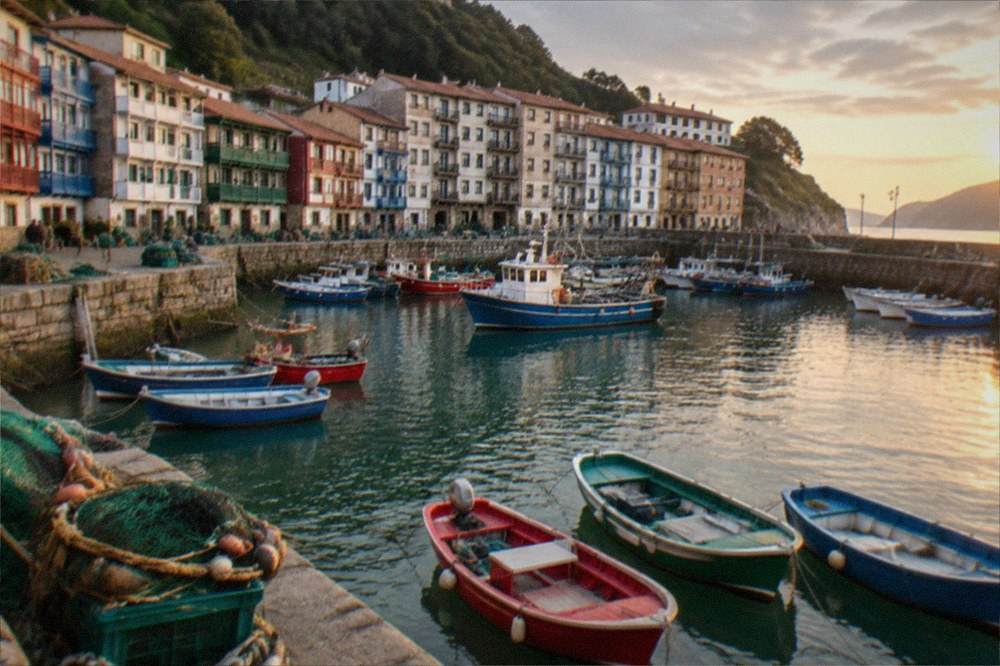
Three sides of the neighbourhood are water or mountain. To the south and west, the promenade of La Concha beach runs along the neighbourhood's edge, 1,350 metres of sand by the council's figures. To the north, the small fishing harbour and the boat kiosks sit under the wooded slopes of Monte Urgull. To the east, across the river, the Centro and Gros districts begin, and the Kursaal's two cubes face the old town across the water from that side.
The Boulevard boundary matters for planning. Everything between the Boulevard and the harbour is old town, and everything east of the Boulevard is the Romantic Area, the 19th century extension with the straight shopping streets. If your hotel search keeps returning "Old Town Edge" or "Historic Centre" addresses, this is the geography behind those labels, and the beachfront and old town hotels guide covers where the two zones meet.
What Should You See First In The San Sebastian Old Town?
Start at Plaza de la Constitución, the old town's main square, which was the city's bullring until the 19th century and still has the numbered balcony boxes from its bullfighting days painted on its facades. From there the essentials in order are Calle 31 de Agosto, the Basilica of Santa María del Coro at the square's western end, San Telmo Museoa at the southern edge, and the harbour under Monte Urgull. All four sit within one square kilometre.
Plaza de la Constitución is the natural first stop because every street in the grid leads to it eventually. The numbered balconies are the detail worth knowing before you arrive: the boxes were auctioned as private viewing boxes for the bullfights held in the square, and the numbers survive on the paintwork. The square's bars spill tables onto the paving, and the town hall faces it from the harbour side.
San Telmo Museoa, in a former Dominican convent at the neighbourhood's southern edge, is the city's museum of Basque society and history, and its prices are published by the museum itself. The table below sets out what it costs and when it is free.
| Ticket | Price | Who it covers |
|---|---|---|
| General admission | 10.00 EUR | Standard adult entry |
| Reduced | 4.00 EUR | Students, visitors over 65, large families |
| Free | 0 EUR, every Tuesday | All visitors |
| Free | 0 EUR, any open day | Under 25s, among other listed groups |
The museum opens Tuesday to Sunday and closes Mondays except holidays and long weekends, with summer hours of 10:00 to 20:00 from 1 April to 31 October and winter hours of 10:00 to 19:00 from 1 November to 31 March. The free Tuesday is a detail easily missed, and it pairs well with a morning in the old town because the museum sits at the edge of the grid rather than in the middle of it.
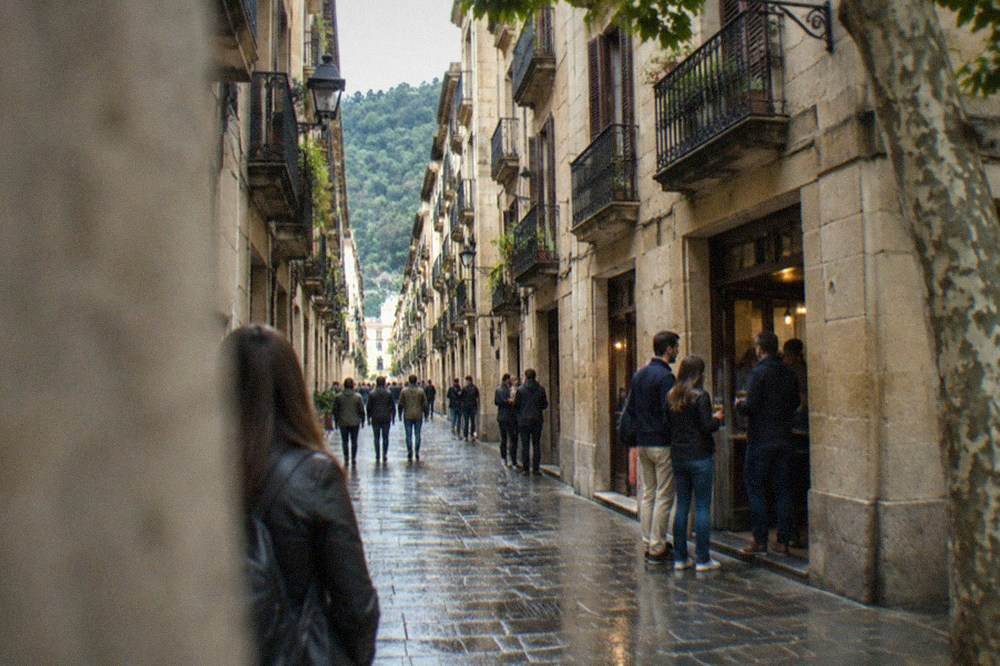
The Basilica of Santa María del Coro, at the top of Calle 31 de Agosto, is the old town's main church and its most photographed facade, standing at the head of the street like a full stop. The church's own dates and visiting arrangements are not published in the sources this site uses, so check at the door. San Vicente, the neighbourhood's other old church, stands on the eastern side near the river.
Monte Urgull rises directly behind the harbour, and its access hours are published: 08:00 to 21:00 from 1 May to 30 September, and 08:00 to 19:30 from 1 October to 30 April. The hill is closed at night. The paths start a few minutes from the harbour wall, and the view from the Castillo de la Mota at the top takes in the whole bay, both beaches and the old town grid below.
A guided walk is one way to absorb the grid's history quickly, and the old town walk with a local guide is the tour this page recommends for a first visit. The listing gives its current price, rating and duration, and you can Check availability for your dates. The free GuruWalk option also exists: the historic free tour with radioguide, which starts at Plaza Cervantes and is tip based, and its listing carries the guru's name and a bilingual schedule, so pick the English session.
Where Do You Eat And Drink In The Parte Vieja?
The Parte Vieja is the pintxo capital of San Sebastián, with bars lining Calle 31 de Agosto, Calle Fermín Calbetón, Calle Mayor and the lanes around Plaza de la Constitución, and the custom is to eat standing or perched at the bar, one or two pintxos and a drink in each place before moving on.
The neighbourhood also holds the city's most famous single slice, the cheesecake of La Viña, and the bars that serve the Gilda, the anchovy, guindilla and olive skewer.
The custom matters more than any single bar. A pintxo crawl in the old town means ordering at the bar, pointing at what is on the counter, and paying when you finish or when the bar's tally system says so. Txakoli, the local white wine, is the standard pour, and it is traditionally poured from a height into a flat glass. The what is San Sebastian known for guide explains the form in detail, and the Gilda, the city's signature skewer, has its own page in this site's food section.
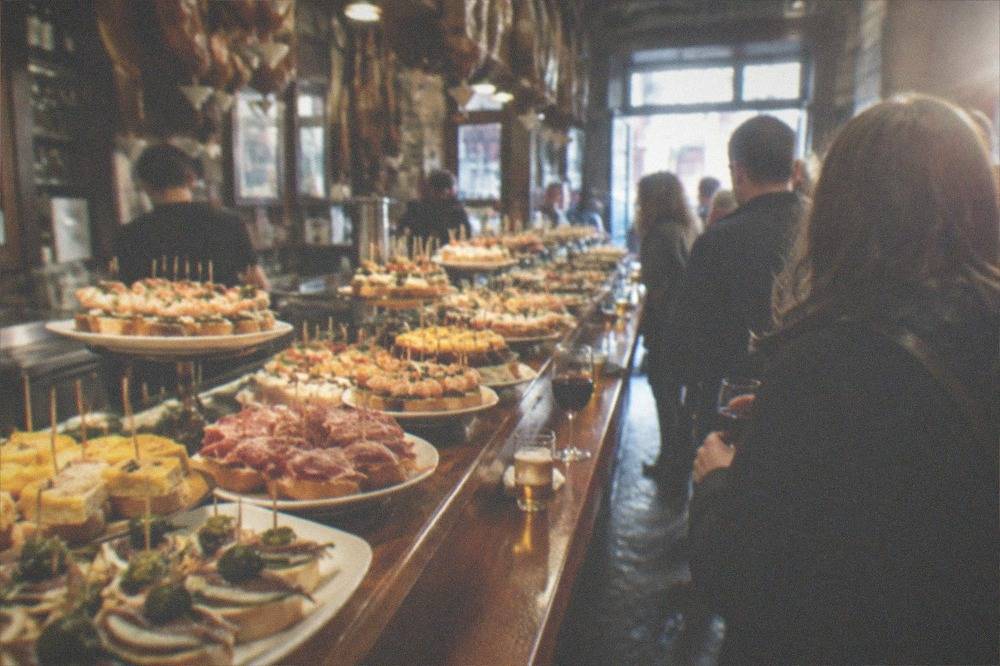
No individual bar's prices, hours or address are printed here. What can be said is structural: the old town holds the densest concentration of pintxo bars in the city, the bars are busiest in the evening, and a guided crawl solves the problem of not knowing which counter to point at. The small-group Old Town pintxo and wine tour is the established option, and the listing carries its current price, rating and review count.
For a cheaper, shorter introduction, the budget walk that ends with a pintxo and a drink included is listed on this site's walking tours page, and the operator's live listing has its current price. The old town's bars also do mornings: coffee and a pintxo at the bar before the streets fill is a local habit, and the squares empty out between the breakfast and evening rushes, which is the quietest the neighbourhood gets.
How Much Time Do You Need In The San Sebastian Old Town?
One full day and one evening serve the old town well: a morning for San Telmo Museoa and the squares, an afternoon for Monte Urgull or the beach, and the evening for the pintxo bars, which is what the neighbourhood is really for. Two shorter visits also work, and many people spread the old town across their whole stay, returning each evening to eat. The neighbourhood rewards the evening more than any other hour.
The honest planning frame is that the old town is small but dense. The grid itself takes twenty minutes to cross, but the museum alone can absorb a morning, the hill behind the harbour takes an hour or more at a walking pace, and the bars are an open-ended commitment. The how many days in San Sebastian guide puts the old town in the context of a whole visit, and the is San Sebastian worth visiting guide covers the wider case for the city.
| Time of day | What the old town is good for | How busy it is |
|---|---|---|
| Early morning | Coffee at a bar, empty squares, photographs | Quietest |
| Midday | San Telmo Museoa, church facades, lunch pintxos | Moderate |
| Afternoon | Monte Urgull paths, La Concha promenade, the harbour | Moderate |
| Evening | Pintxo crawl, the full bar scene | Busiest |
| Night | Bars continuing, the squares thinning out | Late and lively |
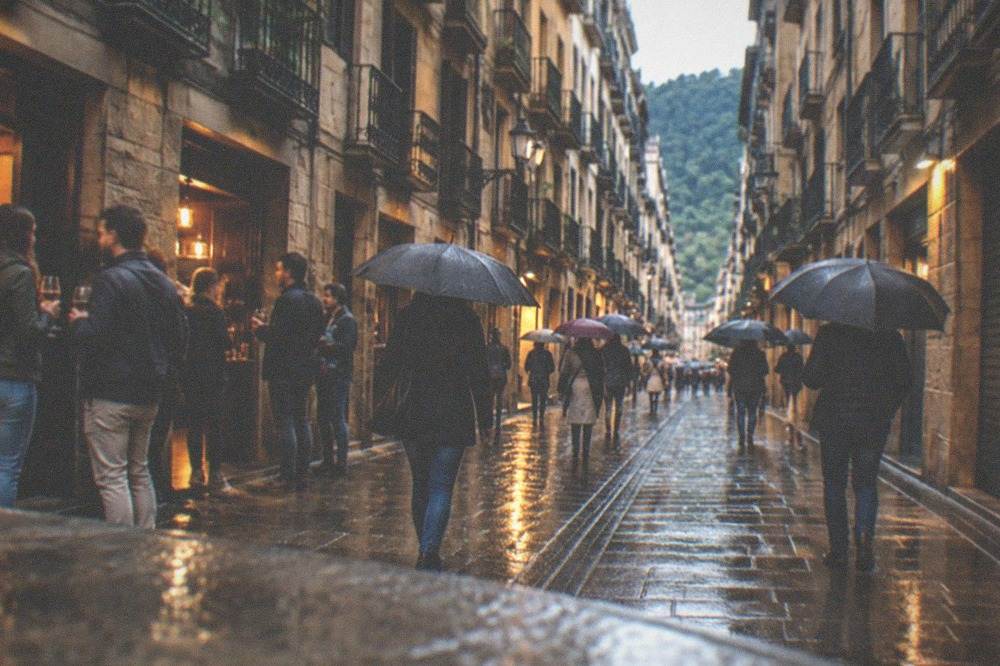
Weather shapes the day more than in most Spanish cities. AEMET's climate normals for its Igeldo station, on the hill above the old town, record 1,507 mm of rain a year across 141 rain days, and even July, the driest month, averages 86 mm. The old town is in fact one of the best rain plans in the city, because its bars, church and museum are all within a two minute dash of one another, and the San Sebastian weather guide has the month by month figures.
What Happens In The San Sebastian Old Town During Tamborrada And The Other Festivals?
The old town is the stage for Tamborrada, the city's drum festival on 20 January every year, when companies of adult and child drummers in cook and soldier dress march through the streets, with Calle 31 de Agosto as the emotional centre of the route. It is also where the Santo Tomás fair on 21 December fills the squares, and where the Semana Grande crowds concentrate each August, since the fireworks over the bay are watched from the old town's seafront.
Tamborrada is the one date to know. The tourism board gives 20 January as the fixed date, and the old town's streets, particularly Calle 31 de Agosto, are where the parade is felt most closely. The festival's start and end hours and the number of participating companies are not published in the sources this site uses, so plan around the date rather than a timetable, and expect the neighbourhood to be loud and full from early on.
Santo Tomás, on 21 December, turns the old town and the city's squares into a fairground of stalls selling txistorra, the fresh Basque sausage, and cider. The date is fixed by the tourism board. Semana Grande, the August festival week that always runs the week of 15 August, Saturday to Saturday, brings its fireworks competition to the bay, and the old town's promenade and harbour wall are standing room for the displays.
| Event | Date or rule | Where in the old town you feel it |
|---|---|---|
| Tamborrada | 20 January, every year | Calle 31 de Agosto and the squares |
| Santo Tomás fair | 21 December, every year | The squares and surrounding streets |
| Semana Grande | The week of 15 August, Saturday to Saturday | The seafront and harbour, for the fireworks |
| La Concha regattas | First two Sundays of September | The bay, watched from the promenade |
The regattas are technically a bay event rather than an old town one, but the old town's promenade is one of the natural places to watch the trainera boats, which race on the first two Sundays of September, with the women's flag at 11:00 and the men's at 12:00. The best time to visit guide weighs these events against the crowds they bring.
What Is Within Walking Distance Of The San Sebastian Old Town?
La Concha beach runs along the old town's western edge, the fishing harbour and the Monte Urgull paths are at its northern edge, and across the Boulevard to the east lie the Centro shopping streets and, over the river, Gros with Zurriola beach, the surfers' beach, all within a fifteen minute walk. Monte Igueldo, with its 1912 funicular, is further out at the far west end of the bay and reached on foot along the whole of Ondarreta.
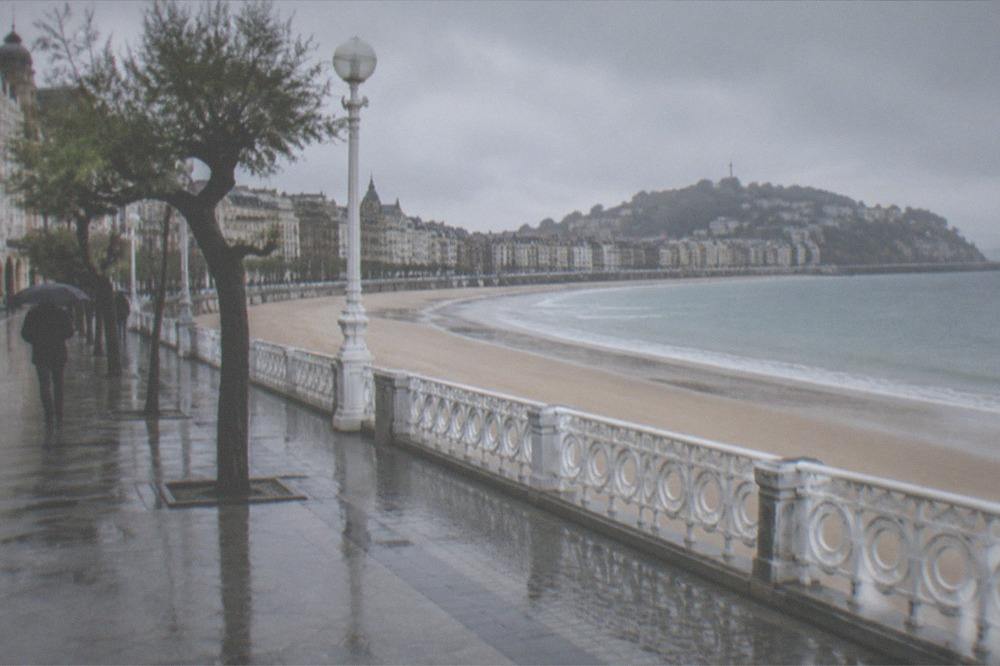
The two beaches closest to the old town could not be more different. La Concha, 1,350 metres of sheltered sand, is the family beach, with lifeguards from 1 June to 30 September and the tide often limiting the usable area, as the council's own beach page states. Zurriola, across the river in Gros, is 800 metres of open sand with a strong swell, the council's own description, and it is where the surf schools sit. The San Sebastian beaches guide compares all three.
| Beach | Distance from the old town | Character | Lifeguard season |
|---|---|---|---|
| La Concha | Along the western edge | Sheltered, shallow, family sand | 1 June to 30 September |
| Zurriola | Across the river, in Gros | Open, strong swell, surf | 1 June to 30 September |
| Ondarreta | Far west of the bay | Wide sand, quieter | 1 June to 30 September |
Monte Urgull is the old town's own mountain, its paths starting behind the harbour, and the hours are given in the section above. Monte Igueldo, at the other end of the bay, is a different proposition: its funicular opened on 25 August 1912 and its own site lists a return adult fare of 5.50 EUR, with the ticket including entry to the grounds. The funicular's own home page states that downhill-only tickets are not on sale, so plan to ride up and down or walk both ways, and note that rides close on rainy days, which in this city is a real planning factor. The Monte Igueldo page covers it in full.
For anyone who would rather ride than walk, the small-group electric bike tour covers the city's bike lane network, and the listing carries the current price, rating and duration. The operator's live listing has the departure details for your dates.
The neighbourhood context is worth one paragraph before the practicalities. The old town is one district among several that this site covers, and the neighbourhoods overview places it against Centro, Gros, Antiguo, Egia and Amara. If you are choosing where to stay, the trade-off is simple: the old town is the loudest and most central option, Gros is the beach-and-surf alternative across the river, and Antiguo is the quieter residential end of the bay.
Is The San Sebastian Old Town Expensive?
The old town is the most expensive place to eat in San Sebastián outside the Michelin dining rooms, because its bars cater to visitors and its pintxos are bought by the piece, but the cost is controllable: the neighbourhood's museum is free on Tuesdays, the harbour and Urgull paths cost nothing, and the budget end of the guided options starts low. The city's Michelin count, for scale, is 11 stars across 6 restaurants inside the city in the MICHELIN Guide Spain 2026, none in the old town itself.
The honest budget picture is that the old town's costs are concentrated in the evenings. Pintxo prices vary by bar and no verified per-bar figures exist on this site, so the advice is structural rather than numerical: standing at the bar rather than sitting at a table, and ordering the day's specials from the chalkboard rather than the display counter, are the two habits that keep a crawl reasonable. The is San Sebastian expensive guide covers the city-wide picture.
The free and cheap layer is real. The squares cost nothing, the harbour wall is a free seat for the bay, Urgull's paths are free within their access hours, and San Telmo's free Tuesday is a genuine saving for families. The GuruWalk free tours, tip based, cover the old town's history at no fixed price, and the city's parks, beaches and promenades round out the list at zero cost.
Common Questions About The San Sebastian Old Town
What is the Old Town of San Sebastian called?
The old town of San Sebastián is called the Parte Vieja in Spanish and Alde Zaharra in Basque. The city's official municipal name is Donostia / San Sebastián, and Donostia is the Basque name of the city itself. The neighbourhood sits between La Concha bay, the fishing harbour and the Urumea river.
Is the Parte Vieja walkable?
Yes, entirely. The old town is a small grid rebuilt after a catastrophic fire in the early 19th century, and everything in it, the two squares, the basilica, San Telmo Museoa and the harbour, is within a fifteen minute walk of everything else. The paths up Monte Urgull start at the harbour and the hill's access hours are 08:00 to 21:00 from May to September and 08:00 to 19:30 the rest of the year.
When is the best time to visit the San Sebastian Old Town?
Evening, for the pintxo bars, which is what the neighbourhood is famous for. Mornings are the quietest for the squares and San Telmo Museoa, which is free every Tuesday and open Tuesday to Sunday. Note that the city is wet by Spanish standards, with 1,507 mm of rain a year at AEMET's Igeldo station, so the old town's compact bar scene doubles as a rain plan.
Can you walk from the Old Town to La Concha beach?
Yes, La Concha's promenade runs along the old town's western edge, so the beach is effectively part of the neighbourhood. The council gives La Concha as 1,350 metres long, with lifeguards from 1 June to 30 September. Zurriola, the surfers' beach with a strong swell, is across the river in Gros.
Do you need a tour for the Parte Vieja?
You do not need one, the grid is small and hard to get lost in, but a guided walk or a pintxo crawl adds context and solves the problem of choosing bars. This site lists a dedicated old town walking tour, a small-group pintxo and wine crawl, and free GuruWalk tip-based walks that cover the same streets.
The Parte Vieja is small, loud in the evenings, free to walk and expensive only where you let it be, and its position between the bay, the harbour and the river makes it the natural base for a first visit to San Sebastián. Whether you spend one evening in it or return every night of your stay, the grid will hold: the squares, the bars, the museum and the mountain are all still there, ten minutes from each other, on the headland between La Concha and the Urumea.