One Day In San Sebastian
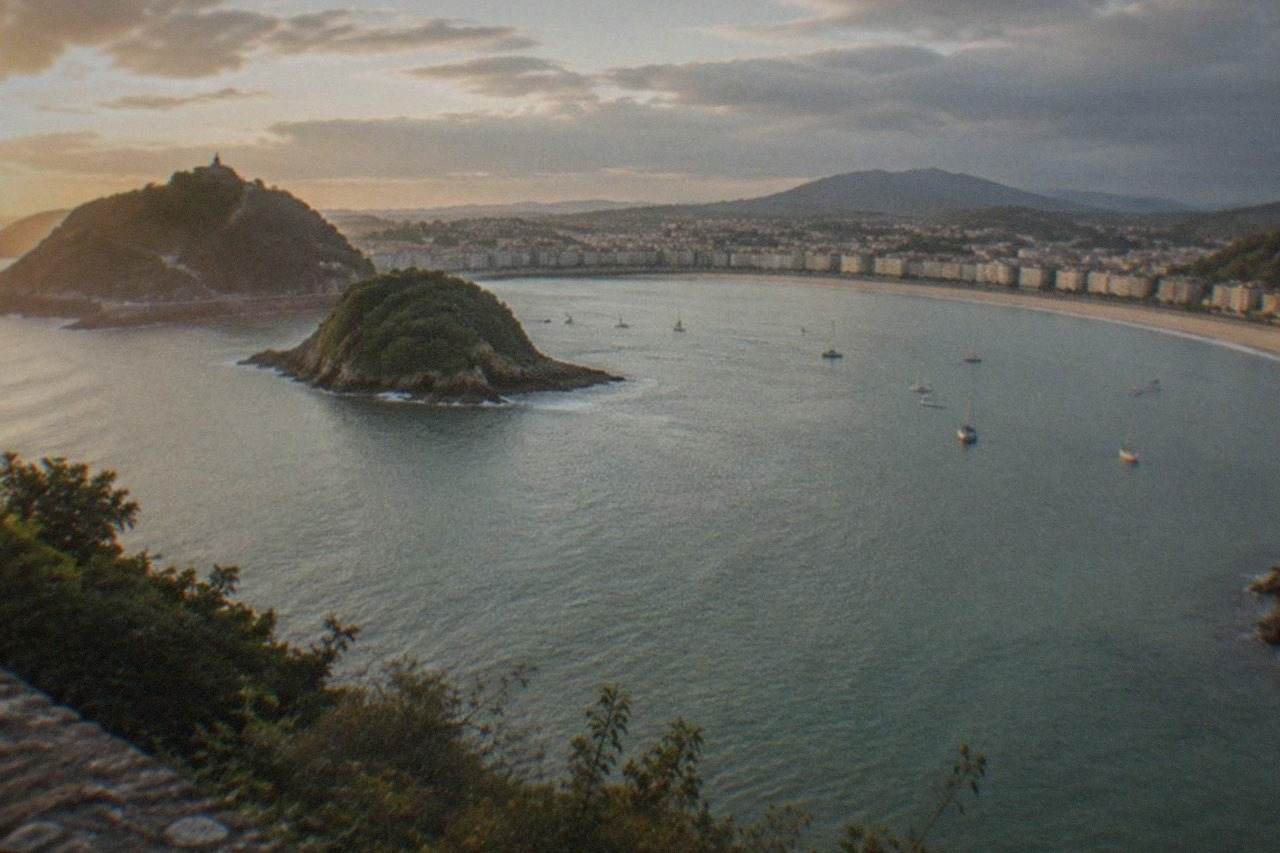
San Sebastián, whose Basque name is Donostia, sits on La Concha bay in Gipuzkoa in the Basque Country, Spain, and one well planned day covers its beach, its Old Town, one of its hills and a sail on the bay.
Short answer
Spend the morning walking La Concha to the Peine del Viento, eat pintxos in the Parte Vieja at midday, climb Monte Urgull in the afternoon, and finish with a boat trip on the bay and an evening cider house or pintxo bar crawl.
San Sebastián, officially Donostia / San Sebastián, is a city of 189,866 people on the municipal register at 1 January 2025, on La Concha bay in the province of Gipuzkoa, in the Basque Country of northern Spain, and it is compact enough that a single day genuinely reaches its beach, its Old Town, one of its two harbour hills and the water in between. The plan on this page follows that shape: a morning along the bay, pintxos at midday, an afternoon on Monte Urgull or out on a boat, and an evening that leans on the city's two great traditions, cider and pintxos. It rains here, 1,507 mm a year over 141 rain days at AEMET's Igeldo station, so the itinerary also notes what to do when the sky turns, and the full rainy day itinerary covers that case in depth.
What To Do In San Sebastian For A Day
Walk La Concha in the morning, eat pintxos in the Parte Vieja at midday, climb Monte Urgull or sail the bay in the afternoon, and end with a cider house meal or a pintxo bar crawl in the evening. That single loop covers the city's beach, its oldest quarter, its best viewpoint and its defining food culture, and everything in it sits within walking distance or a short boat ride of the others.
The city rewards early starts because its two most famous views, the bay from the Paseo de la Concha and the bay from the Castillo de la Mota on Monte Urgull, both look better before the crowds arrive. The one-day shape below assumes you start on the seafront by mid morning, but every block can be swapped: if the morning is grey, put a museum first and save the beach for the afternoon, because the weather here changes within hours rather than days.
This page is the one day version. If your trip stretches, the two days in San Sebastian and three days in San Sebastian plans add day trips, and the master San Sebastian itinerary page lays out all of them together.
Morning: La Concha, Ondarreta And The Peine Del Viento
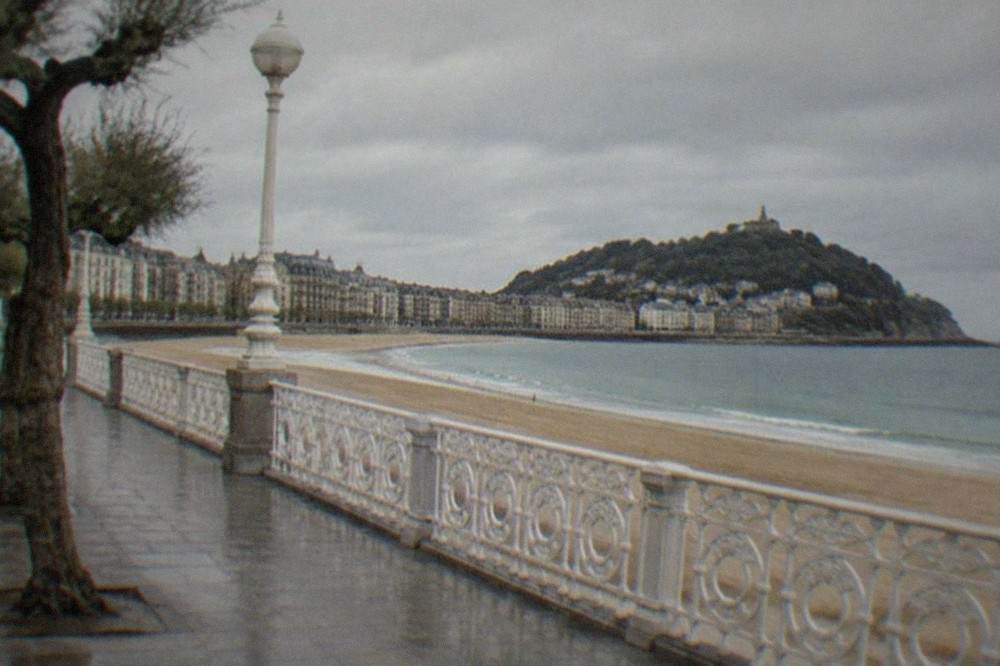
Start on the Paseo de la Concha and walk west along the promenade to Ondarreta beach, then continue to the Peine del Viento, Eduardo Chillida's three steel sculptures set into the rocks at the foot of Monte Igueldo. La Concha runs 1,350 metres, Ondarreta another 600, and the council's beach pages give those exact figures, so the whole seafront walk is a single flat stretch of under two kilometres each way.
The council describes La Concha as sandy and shallow, with the tide often limiting the usable area, and Ondarreta as sandy with heavy use in season. Both are free to walk and to sit on, and the lifeguard service on all three city beaches runs from 1 June to 30 September, from 10:00 to 20:00 between 15 June and 15 September. Outside those dates the sand is still open, but nobody is watching the water.
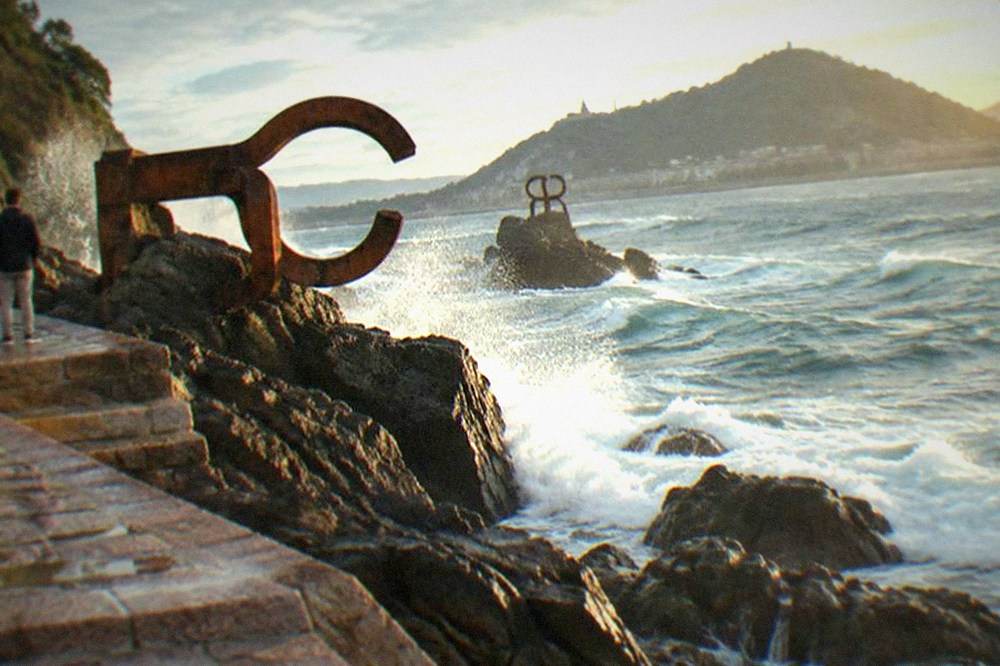
The Peine del Viento is the natural turnaround point. Chillida first made works under that title in 1952 and created the definitive piece in 1977, giving it to the city; the pink granite plaza around it is by the Basque architect Luis Peña Ganchegui, and the tourism board records that each of the three sculptures weighs more than nine tonnes. Waves push air through holes in the plaza, and on a day with swell the spray is the point of the place.
Here is how the three city beaches compare, using the council's own measurements.
| Beach | Mean length | Mean width | Council description |
|---|---|---|---|
| La Concha | 1,350 m | 40 m | Sandy, shallow, tide often limits usable area |
| Ondarreta | 600 m | 100 m | Sandy, mass use, walk to the Peine del Viento starts at its west end |
| Zurriola | 800 m | 110 m | Sandy, fairly open, strong swell, remodelled in 1994 |
If you would rather ride than walk the morning, a bike covers the same seafront in less time, and a guided ride adds the context a map cannot.
Midday: The Parte Vieja And Pintxos For Lunch
Eat lunch in the Parte Vieja, the Old Town, where the pintxo bars sit street by street between the harbour and the Basilica of Santa María del Coro, and order bar by bar rather than settling at one table. Pintxos are the Basque answer to tapas, small pieces served at the counter, and the Old Town's dense bar grid means a two hour lunch can cover four or five houses without walking more than a few hundred metres.
The Old Town's formal name is the Parte Vieja, and its two central squares, Plaza de la Constitución and the streets around it, fill with locals and visitors from midday. The eating rhythm matters more than the individual bar: pintxo bars here run all afternoon, and the pintxos in San Sebastian guide explains the culture in full, while the best pintxo bars page names the houses worth queuing for.
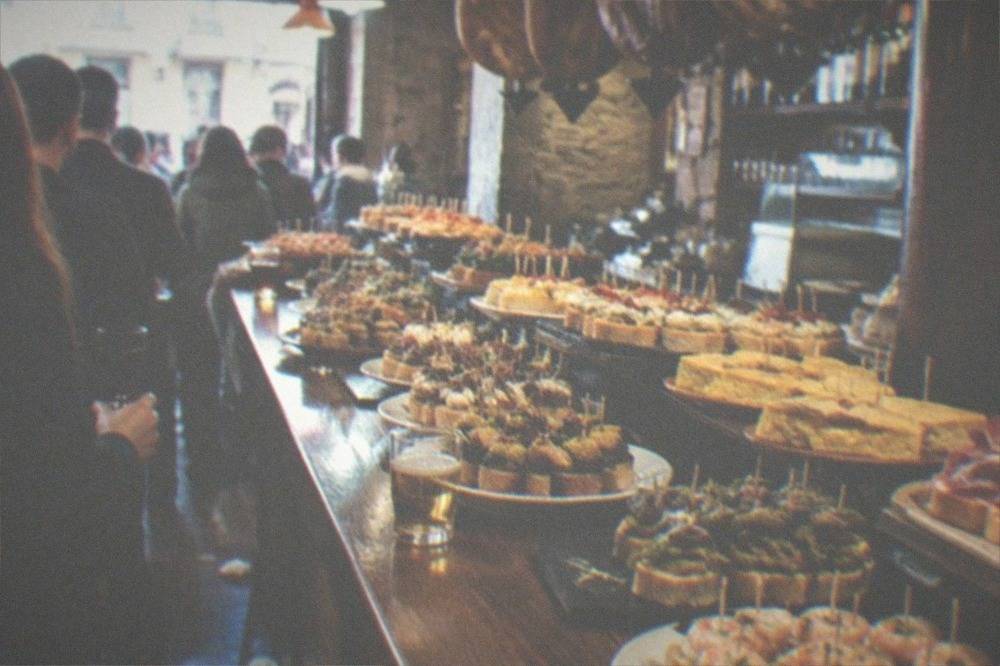
If you want the bars decoded for you rather than discovered by trial, a guided food walk does that work in one sitting. The small group Old Town pintxo tour moves through bars, restaurants and gourmet shops with a guide who orders for the group, and runs a version capped at eight people and led by a culinary expert.
A self-guided alternative costs less and fits a tight schedule. plays in an app on your phone and covers the city's cultural sights and scenic trails at whatever pace you set, which makes it a good fit for the midday hours when you want the Old Town's history without committing to a fixed departure time.
Afternoon: Monte Urgull, The Harbour And Santa Clara Island
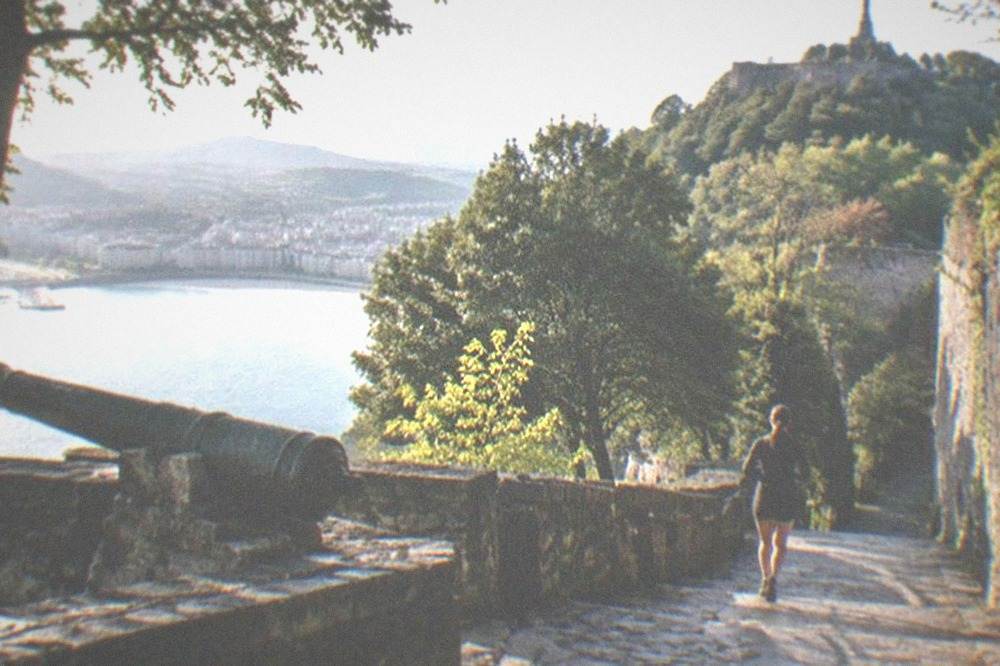
Climb Monte Urgull, the tree covered hill between the Old Town and the mouth of the bay, or take the boat to Santa Clara island from the harbour: the hill's access hours are 08:00 to 21:00 from 1 May to 30 September and 08:00 to 19:30 from 1 October to 30 April, and the island's high season boat service runs 1 June to 30 September. Both give the classic view over La Concha, and you can do one in an afternoon.
Monte Urgull is free to enter and closes at night, per the tourism board's access hours above. At the top, the Castillo de la Mota holds the Casa de la Historia de Urgull, a small museum run by San Telmo, and the hillside itself is a peaceful walk shaded by trees, with the English cemetery and old fortifications on the way up. The Monte Urgull guide covers the routes.
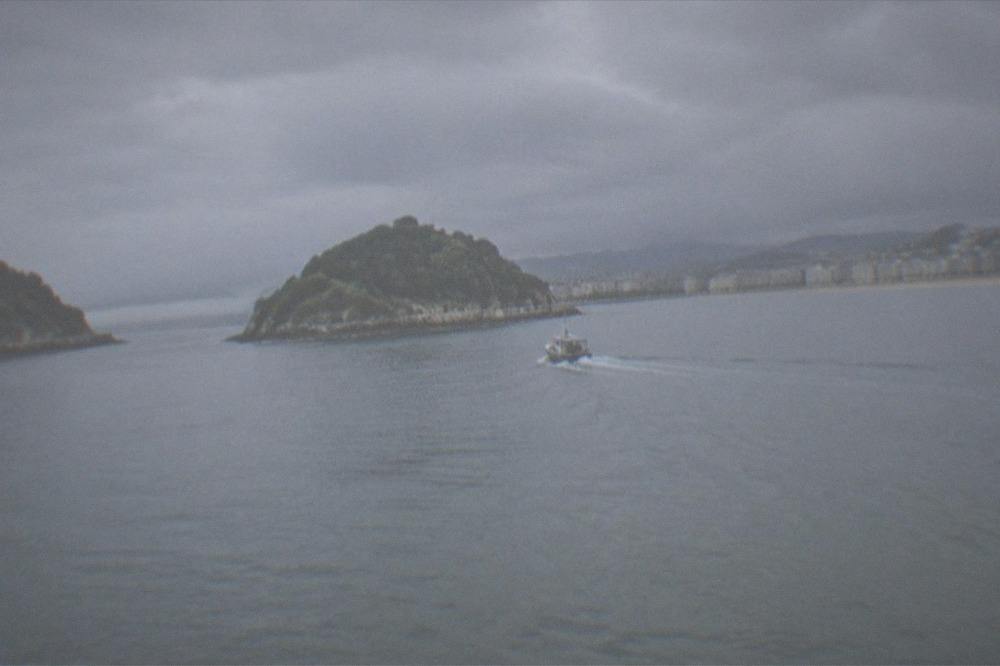
The island is the other afternoon option. The operator Motoras de la Isla runs a red line direct to Santa Clara, 10:00 to 19:00, every 30 minutes weather and sea permitting, at 5 EUR return, with tickets at the kiosk on the day, and a blue line that adds a bay tour for 8 EUR. Children under 4 travel free. On the island itself, Hondalea, Cristina Iglesias's installation in the lighthouse, is free to visit, open 1 June to 30 September from 11:00 to 18:30 in half hour sessions, with no booking needed for the visit itself, only the boat. The Santa Clara island page has the detail.
A bay boat is the cheapest way to see the city from the water, and adds an island stop to a sailing with audio commentary, with the ticket valid for one day.
If the afternoon turns wet, swap the hill for a museum. San Telmo Museoa, in the Old Town, charges 10.00 EUR general admission and 4.00 EUR reduced, is free for everyone every Tuesday, and is free for under 25s on any open day; it opens Tuesday to Sunday and closes on Mondays except holidays and long weekends. The San Telmo Museum guide has the full calendar.
Evening: Sunset On The Bay, Then Cider Or More Pintxos
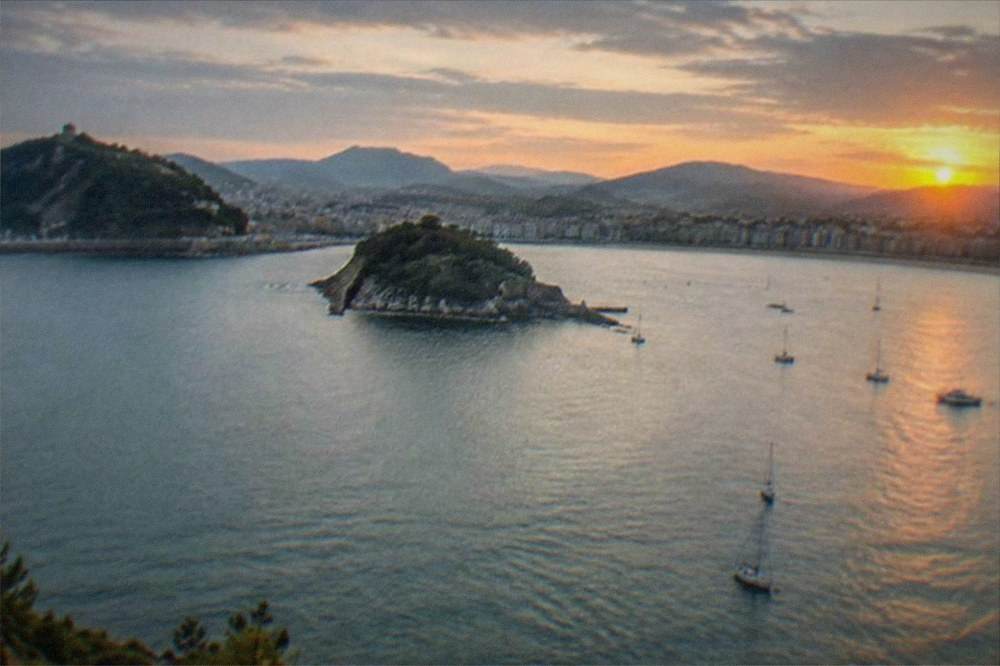
End the day on the water or beside it: a sunset sailing on the bay, then dinner in a cider house or a second, longer pintxo run in the Old Town. The txotx cider house season, in the tourism board's wording, runs from the middle of January to the end of April, and outside it the cider houses still serve the same menu, so the evening plan works in every month.
The sunset options on the water range from a short catamaran lap to a small boat run east along the cliffs, and the choice is mostly about how long you want to be out there and whether a drink on board matters to you. Other pages covering the same trip are gathered on San Sebastian Spain Guide.
For dinner, the cider house ritual is the one worth travelling for: at a sagardotegi the cider is poured straight from the barrel, the txotx, and the fixed meal is a thick txuleta steak with its own season's menu. The cider houses guide explains the ritual, and is the tour version, run with the Gipuzkoa cider house association. If the evening stays in the city instead, the San Sebastian nightlife and best bars pages map where the night actually goes.
How Much Time Do You Need For Each Part Of The Day?
The seafront walk takes about an hour at a relaxed pace, the Old Town lunch two hours, Monte Urgull or the island boat two to three hours, and the evening is open ended, so a realistic one day total is eight to ten hours of activity. The blocks below are sized so you can drop one without breaking the day, and the boat, the hill and the museum are interchangeable depending on weather.
The table shows the plan as blocks, with the season rule attached to each, because several parts of this day are seasonal and the season is the fact that matters.
| Block | Where | Time to allow | Season rule |
|---|---|---|---|
| Seafront walk | Paseo de la Concha to the Peine del Viento | About 1 hour each way | Year round |
| Old Town lunch | Parte Vieja pintxo bars | 1.5 to 2 hours | Year round |
| Monte Urgull | Hill, Castillo de la Mota | 2 hours | 08:00 to 21:00 May to September, to 19:30 October to April |
| Santa Clara boat and Hondalea | Harbour kiosk to island | 2 to 3 hours | Boat high season 1 June to 30 September; Hondalea same dates |
| San Telmo Museoa | Old Town edge | 1.5 hours | Closed Mondays; free Tuesdays |
| Sunset sailing | Harbour | 1 to 2 hours | Weather and sea permitting |
What Does One Day In San Sebastian Cost?
The fixed costs of this day are low: the seafront, Monte Urgull and the Old Town are free, the island boat is 5 EUR return, San Telmo Museoa is 10 EUR general admission and free every Tuesday, and the city bus fare is 1.95 EUR paid in cash. The variable cost is food and drink, and a pintxo lunch and a cider house dinner are the two expenses that decide whether the day runs cheap or expensive.
Here is the cost picture, with each amount attached to the service it belongs to.
| Item | Price | Notes |
|---|---|---|
| dBus city bus, occasional ticket | 1.95 EUR | Cash to the driver, no free transfers on cash |
| dBus night ticket | 2.65 EUR | Special night fare |
| MUGI card urban trip | 0.78 EUR | Anonymous card, urban 1 and 0 jumps |
| Santa Clara island boat, red line | 5 EUR return | High season, tickets at the kiosk on the day |
| Bay tour plus island, blue line | 8 EUR | 30 minute bay tour, last departure does not land |
| Monte Igueldo funicular, return adult | 5.50 EUR | Includes entry to the grounds |
| Monte Igueldo grounds entry on foot | 3.00 EUR | Per person, by any vehicle or walking |
| San Telmo Museoa, general | 10.00 EUR | Free every Tuesday, reduced 4.00 EUR |
Two warnings worth knowing. The Monte Igueldo funicular sells no downhill only ticket, so do not plan a walk up and a ride down. And the tourist tax: Norma Foral 3/2026 of Gipuzkoa takes effect on 1 January 2027, with bands per person per night that each council sets inside, at most 6 nights charged and under 18s exempt, but before that date no visitor pays it, so it does not belong in a one day budget yet.
Where Does One Day Fall Short In San Sebastian?
One day misses Monte Igueldo's funicular and amusement park, the Zurriola surf beach in Gros, the Chillida Leku museum in Hernani, and every day trip, and it leaves no room for a second evening, which is when this city does some of its best work. The fix is to treat the first day as the core loop and add a second for the hill and the beach, or a third for the coast and the French Basque Country.
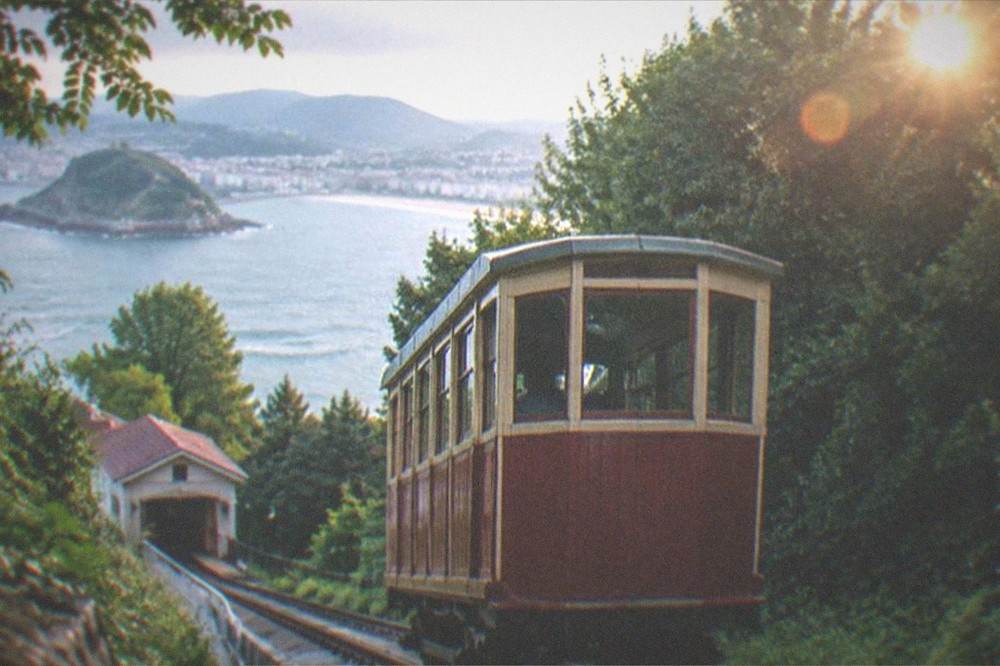
The funicular up Monte Igueldo opened on 25 August 1912 and the tourism board calls it the oldest in the Basque Country, a rack funicular with wooden cars running every 15 minutes, normally on the hour, quarter past, half past and quarter to. The Monte Igueldo guide covers it, and note that rides close on rainy days, which matters in a city with 141 rain days a year.
The day trip list is long, and the day trips from San Sebastian page ranks them: Hondarribia and Pasaia half a day, Getaria and Zarautz on the coast, Biarritz across the French border, and Bilbao with the Guggenheim for a full day. If your one day is actually the only day, the loop above is the right one to keep, and the tours below are the ones that compress it best when hours are short.
Common Questions About One Day In San Sebastian
What To Do In San Sebastian For A Day?
Walk La Concha to the Peine del Viento in the morning, eat pintxos in the Parte Vieja at midday, spend the afternoon on Monte Urgull or the Santa Clara island boat, and end with a sunset sailing and a cider house or pintxo bar evening. Every block sits within walking distance or a short boat ride of the others.
Can You See San Sebastian Without A Car?
Yes. The whole one day loop is walkable, the dBus city bus costs 1.95 EUR in cash for a single occasional ticket, and the MUGI card cuts an urban trip to 0.78 EUR. The island boat leaves from the harbour kiosk and the funicular, if you add Monte Igueldo, departs from the west end of Ondarreta.
Is One Day Enough For San Sebastian?
One day covers the bay, the Old Town, Monte Urgull and a sail on the water, but it misses Monte Igueldo, the Zurriola surf beach, Chillida Leku in Hernani and every day trip. Two days is the comfortable minimum and three lets you add the Gipuzkoa coast or the French Basque Country.
What Is The Best Month For A One Day Visit?
July and August are the warmest, at 18.9 and 19.5 C mean, but August averages 117 mm of rain against July's 86, and both are the busiest hotel months. May, June and September sit between 14.4 and 18 C with less rain than October or November, and September keeps the lifeguard and boat season to the 30th.
Do You Need To Book Anything Ahead?
Book the food and boat tours ahead if you want a guided pintxo crawl or a sunset sailing, and book a table at any Michelin starred restaurant well in advance. The Santa Clara boat sells tickets at the kiosk on the day, Hondalea needs no booking for the visit itself, and Monte Urgull, the seafront and the Old Town need nothing at all.
What If It Rains On Your One Day?
Swap the seafront for San Telmo Museoa, free every Tuesday and 10 EUR otherwise, or Tabakalera, which has free access and is open Tuesday to Sunday. The funicular closes on rainy days, but the Old Town pintxo bars and the cider houses run in any weather, and the full plan is on the rainy day itinerary.
The shape of the day is the point: beach, Old Town, hill, water, dinner, each a short walk from the last, and each one droppable if the sky or your feet say so. Start early on the Paseo de la Concha, and let the rest of San Sebastián arrange itself around lunch.