Basque Country Itinerary From San Sebastian
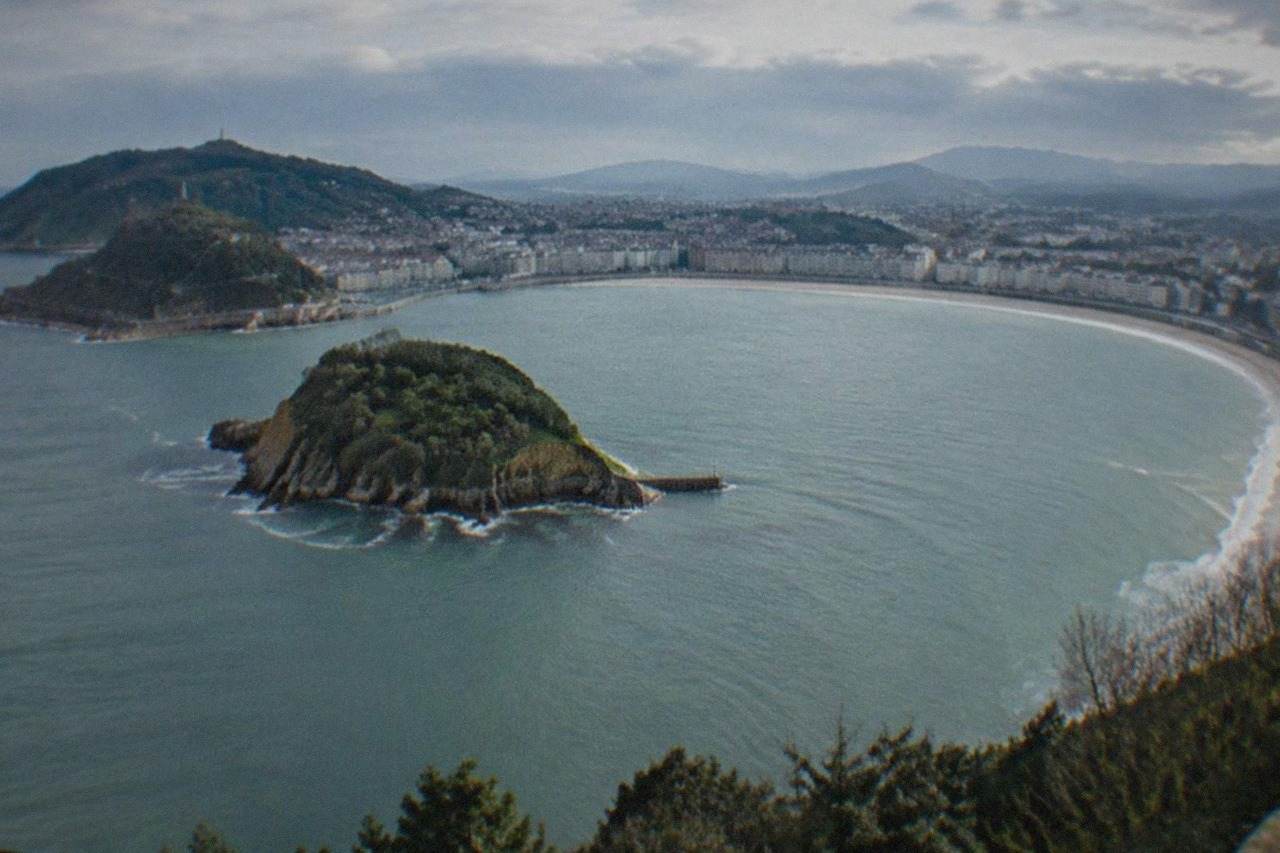
San Sebastián, whose Basque name is Donostia, sits on La Concha bay in Gipuzkoa, the Basque Province of northern Spain, and almost every corner of the Basque Country can be reached from it as a day trip.
Short answer
Base yourself in San Sebastián for five to seven days: two days for the city's beaches, Parte Vieja and Monte Igueldo, one for the Gipuzkoa coast at Getaria and Zumaia, one for the Camino del Norte or a cider house, and one or two for Pamplona, Bilbao or the French Basque Country.
San Sebastián, known in Basque as Donostia, is the natural base for a Basque Country itinerary: a compact city of 189,866 people on La Concha bay, in the province of Gipuzkoa in the Basque Country, Spain, with the coast, the mountains, Pamplona, Bilbao and the French border all within a day's return. The tourism board counts three airports within a little over 100 km, two of them international, and the city's own airport at Hondarribia sits 20 km away. This page lays out a full route, day by day, with the entry prices and season rules that are actually published, so the plan works in both July's 21.8 degree heat and November's 169 mm of rain.
Why Is San Sebastian The Best Base For A Basque Country Itinerary?
San Sebastián works as a Basque Country base because it is the region's food capital and its transport crossroads at the same time: the MICHELIN Guide Spain 2026 counts 11 stars across 6 restaurants inside the city, the Euskotren Topo reaches Hendaia in France in 37 to 38 minutes, and coach and minibus day trips run from the bus station to Bilbao, Pamplona, the French Basque towns and the Gipuzkoa coast, so a visitor can sleep in one place and see a different province every day.
The Michelin count deserves its precision. Akelaŕe and Arzak, both holding three stars in the 2026 edition, carry San Sebastián addresses. Martín Berasategui, also three-starred, is in Lasarte-Oria, a separate municipality, and Mugaritz is in Errenteria, so neither is "in San Sebastián", but both are minutes away by road or rail. The province of Gipuzkoa as a whole holds 19 stars across 11 restaurants in the same edition, which is a denser table than anywhere else in Spain for its size.
Transport is the other half of the argument. The Topo, the narrow-gauge Euskotren line, runs from the Amara station through Pasaia and on to Hendaia across the French border, with the occasional fare for that whole run listed at 2.90 EUR in the MUGI system. The Pasaia harbour boat is inside the urban fare band. Renfe Cercanias and the Lurraldebus network fan out from the same city centre. A visitor without a car is not stuck here.
How Many Days Do You Need For The Basque Country From San Sebastian?
Five days is the honest minimum and seven is comfortable: two days for San Sebastián itself, one for the Gipuzkoa coast at Getaria, Zarautz and Zumaia, one for the Camino del Norte or a cider house in Astigarraga, and one for either Pamplona or Bilbao, with a seventh day free for the French Basque Country at Biarritz, Bayonne and Saint-Jean-de-Luz. Fewer than five means choosing between the coast and the interior.
The table below shows one way to spread the days. Treat it as a frame rather than a law: rain reshapes this plan more than it would reshape a Mediterranean itinerary, because AEMET's Igeldo station records 1,507 mm a year over 141 rain days, and even the driest month, July, averages 86 mm. Keep one indoor option in hand for every outdoor day.
| Day | Base focus | Where you end up | Best season note |
|---|---|---|---|
| 1 | San Sebastián: La Concha, Ondarreta, Monte Igueldo | The Peine del Viento at sunset | Funicular closes rides on rainy days |
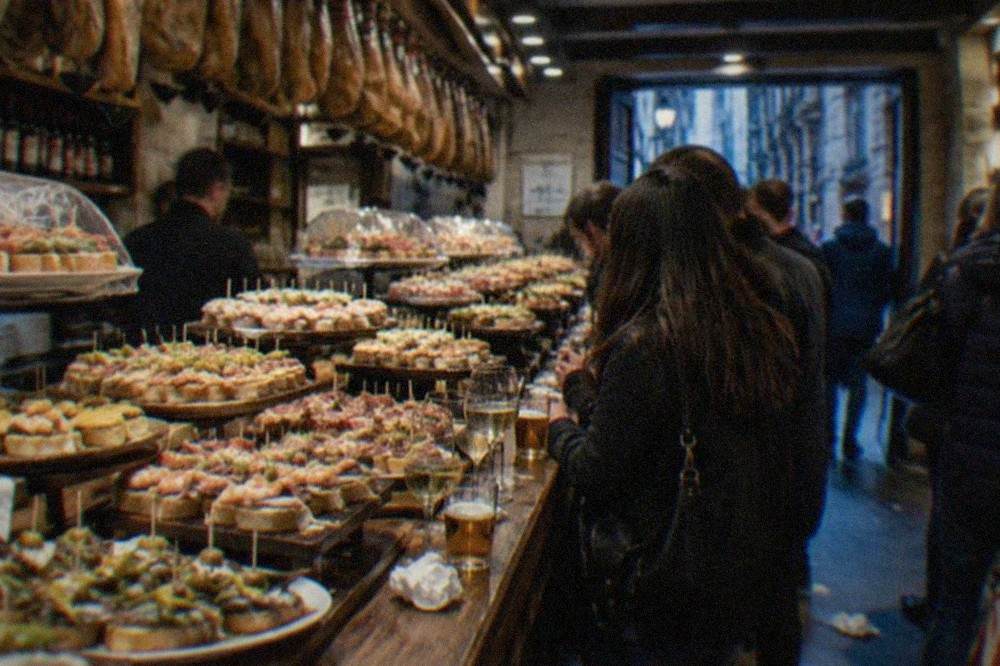
| 2 | San Sebastián: Parte Vieja, San Telmo Museoa, Monte Urgull | Pintxo bars after dark | San Telmo is free every Tuesday |
| 3 | Gipuzkoa coast: Zarautz, Getaria, Zumaia | The Zumaia flysch viewpoint | Boat and coastal walks need calm sea |
| 4 | Camino del Norte or Astigarraga cider houses | Txotx ritual at a cider house | Txotx season runs mid January to late April |
| 5 | Pamplona or Bilbao with the Guggenheim | Either old town by evening | Book museums ahead in August |
| 6 | French Basque Country: Biarritz, Bayonne, Saint-Jean-de-Luz | Back over the border at night | Carry a passport, not a visa change |
| 7 | Santa Clara island, Hondalea, Zurriola | A last swim or a surf lesson | Island boats run 1 June to 30 September |
If your time is shorter, the three days in San Sebastian plan keeps the city and the coast and drops the long day trips, and the wider northern Spain itinerary shows how this region chains into Cantabria and Asturias when you have ten days or more.
For the days you would rather not drive or plan yourself, these are the guided departures that fit this itinerary's shape.
What Should Your First Two Days In San Sebastian Cover?
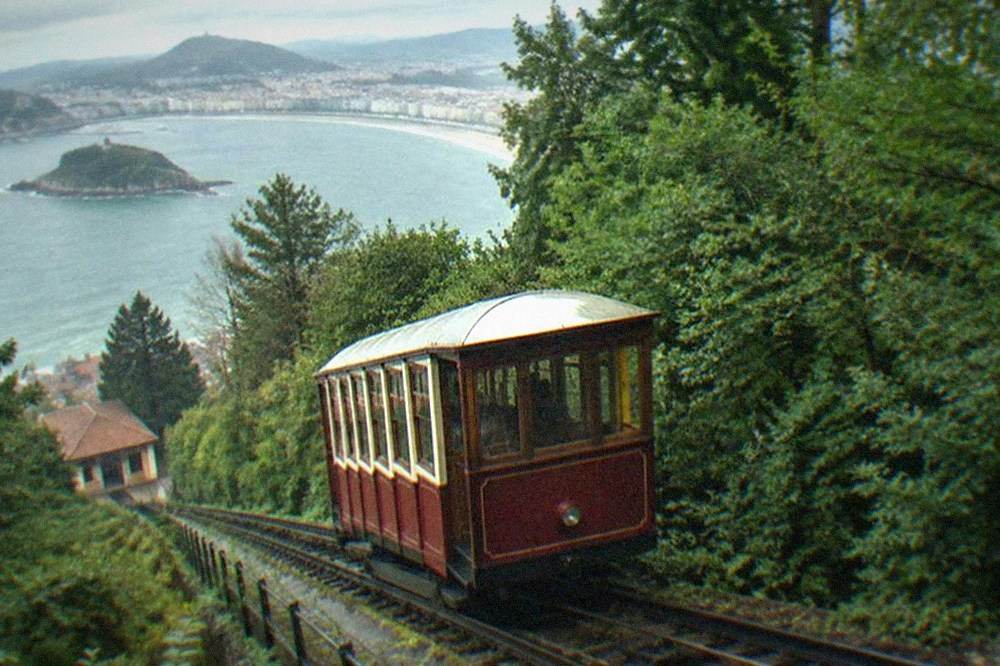
Day one belongs to the bay and the west side: La Concha, 1,350 metres of sandy beach with shallow water, then Ondarreta and the walk to the Peine del Viento, Eduardo Chillida's three steel sculptures of more than nine tonnes each, finished in 1977, and the Monte Igueldo funicular, a rack railway with wooden cars that opened on 25 August 1912.
Day two belongs to the Parte Vieja, San Telmo Museoa and Monte Urgull, whose access hours run 08:00 to 21:00 in the summer half of the year.
The council's own beach pages give the numbers worth knowing. La Concha averages 40 metres wide and 54,000 square metres, and the tide often limits the usable area. Ondarreta runs 600 metres at 100 metres wide. Zurriola, the surf beach on the Gros side, is 800 metres long with a strong swell, remodelled in 1994. Lifeguards are on all three beaches only from 1 June to 30 September, full hours 10:00 to 20:00 from 15 June to 15 September, so a June 5th swim is an unguarded one.
The funicular costs 5.50 EUR return for an adult, 2.50 EUR for a child up to 7, and the ticket includes entry to the grounds, which otherwise cost 3.00 EUR per person on foot or by vehicle. One rule from the operator's own site matters for planners: downhill-only funicular tickets are not on sale, so the walk-up, ride-down plan does not work. Rides close on rainy days. The full picture is in the Monte Igueldo guide.
Day two's indoor anchor, San Telmo Museoa, charges 10.00 EUR general and 4.00 EUR reduced, opens Tuesday to Sunday, and is free for everyone every Tuesday. Closed Mondays. That free Tuesday is worth building a whole week around if the budget is tight. The beaches overview covers what each stretch of sand is for, and the things to do in San Sebastian page is the full city list.
Which Coastal Towns Fill Day Three: Getaria, Zarautz And Zumaia?
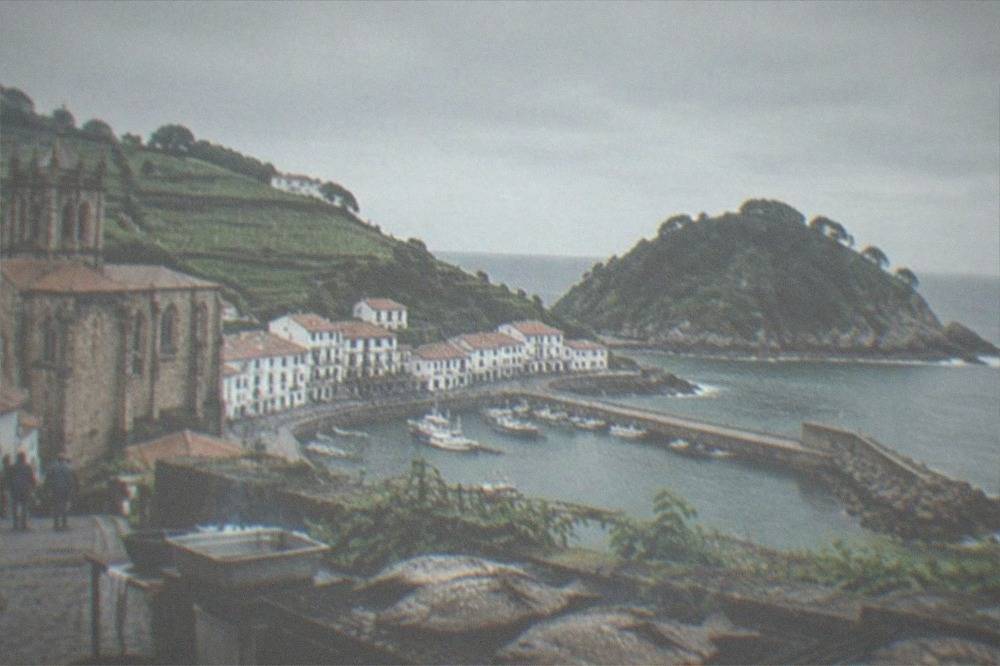
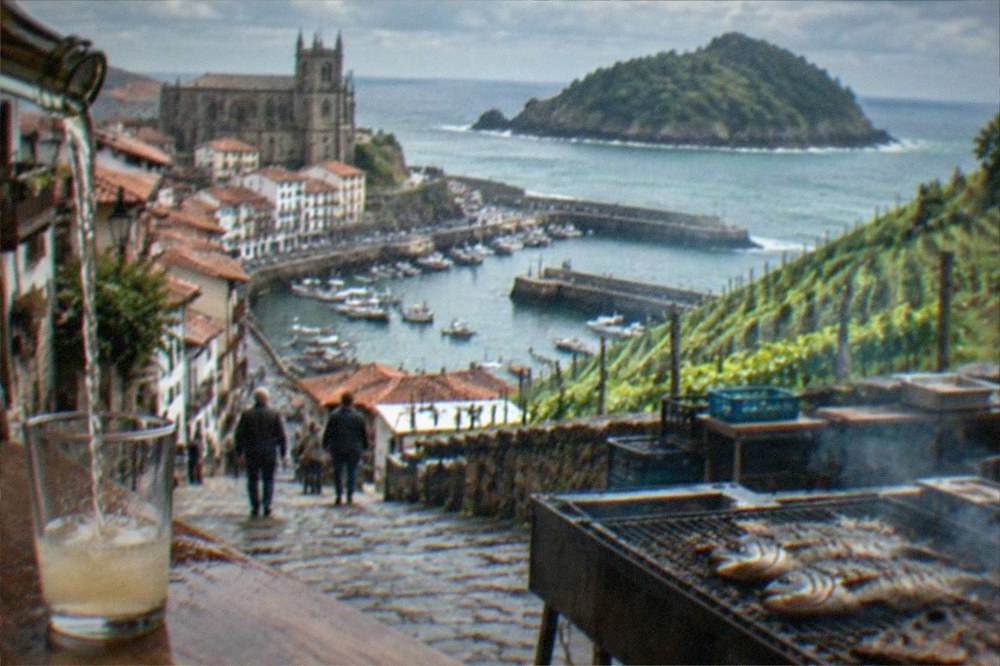
Day three runs west along the Gipuzkoa coast: Zarautz for its long beach, Getaria for the fishing port, grilled fish and the Cristobal Balenciaga Museoa, which charges 14 EUR general and 9 EUR reduced and opens Tuesday to Sunday from 10:30 to 18:00 between April and October, and Zumaia for the flysch, the layered rock cliffs of the Basque Coast UNESCO Global Geopark, which has held UNESCO Global Geopark status since 2015.
Getaria is the day's centre of gravity. Balenciaga was born there, and the museum built to his name sits against the old town wall. From November to March it drops to Wednesday to Sunday, 10:30 to 17:00, and in July and August it opens daily until 20:00, with last entry half an hour before closing. The town's other claim is Elkano, the one-starred restaurant in the MICHELIN Guide Spain 2026, and the grilled whole fish that the port is known for.
Zumaia is where the geology takes over. The flysch, tens of millions of years of alternating hard and soft rock laid down in stripes, runs along the shore, and the geopark that protects it covers Zumaia, Deba and Mutriku. It is a day trip from San Sebastián, not part of the city, and it is the reason many travellers give this coast a full day rather than an afternoon.
A guided txakoli day covers the same coast with the wine attached. The Getaria txakoli tour runs as a small-group half day with hotel pickup, and the listing carries its current price and rating:
Where Does The Camino Del Norte Fit The Itinerary?
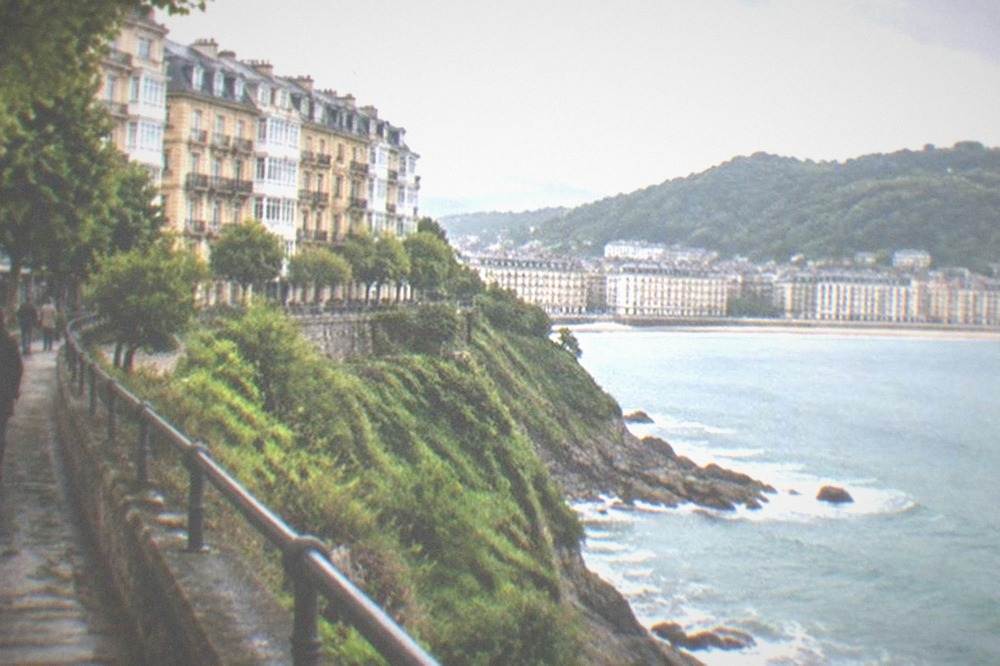
The coastal Camino de Santiago crosses San Sebastián as stage two and stage three of the tourism board's Gipuzkoa listing: Pasaia to Donostia, then Donostia to Orio, before the route continues through Zarautz, Getaria and Zumaia and on to Deba, so a fit walker can walk a genuine stage of a UNESCO-inscribed pilgrimage route, the Routes of Northern Spain, list number 669, without sleeping anywhere but San Sebastián.
The city itself is not a World Heritage Site, and no monument in it is inscribed on its own; the inscription belongs to the Camino routes, of which the coastal route is one. That distinction matters on a page like this, because the phrase "UNESCO" gets attached to the city loosely in a lot of travel copy. What is real is the trail: it comes over the hills from Pasaia in the east and leaves westwards towards Orio, and the tourism board lists no stage distances, so plan by map rather than by a kilometre figure quoted here. The rest of the planning pages sit on San Sebastian Spain Guide.
For walkers who want the trail with a guide and a glass at the end of it, there is a coastal option that pairs the walk with txakoli:
Should Pamplona Or Bilbao Take Day Five?
Pamplona and Bilbao are the two big day trips from San Sebastián, and the choice is a mood choice: Pamplona is the old Navarrese capital of the bull run and the fortress walls, reached on a shared coach day trip with a bilingual guide, while Bilbao is the Guggenheim and the Casco Viejo, reached on a small-group day that also takes in the Gaztelugatxe hermitage on the Biscay coast, so pick Pamplona for history and Bilbao for architecture and art.
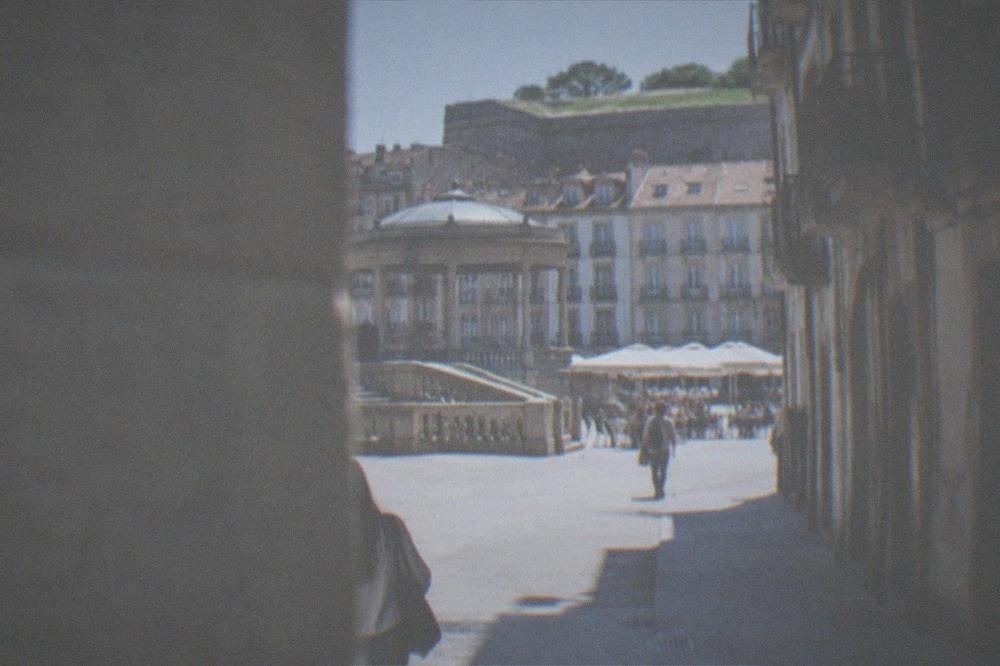
Pamplona is outside the Basque Country's administrative map, in Navarra, but it belongs to any itinerary built from San Sebastián because the day trip is short and the old city is compact. The shared coach tour runs with a bilingual guide and no lunch, which leaves the evening free back in San Sebastián.
Bilbao is the other pole. The Guggenheim, the Casco Viejo, and, on the way out of the city, the hermitage of Gaztelugatxe perched on its rock islet, are the standard pull. A small-group day from the San Sebastián bus station covers the hermitage and the museum in one run.
The shared Pamplona day, the one this itinerary treats as the default fifth day:
When Is The Best Month To Follow This Basque Country Itinerary?
The best months for this itinerary are June and September: AEMET's normals for its Igeldo station show June at 16.9 degrees mean with 90 mm of rain over about 10.6 rain days and 189 sun hours, and September at 18.0 degrees with 111 mm over 10.1 days and 179 sun hours, both warm enough for the beaches and quieter than August, which is the peak hotel month with 245,769 overnight stays in 2025 and 117 mm of rain, wetter than June, July or September.
That last comparison is the one most itineraries get wrong. August is not the dry month here; it is the busiest month, and it rains more in August than in the three months either side of it. The honest frame for the whole year is that this is a wet Atlantic city: 1,507 mm falls over 141 rain days in an average year, and no month averages under 86 mm.
| Month | Mean C | Rain mm | Rain days | Sun hours | Itinerary fit |
|---|---|---|---|---|---|
| Jan | 8.5 | 141 | 13.2 | 98 | Cider houses, museums, Tamborrada on 20 January |
| Feb | 8.7 | 110 | 11.6 | 107 | Quiet Old Town, txotx season |
| Mar | 10.3 | 113 | 12.4 | 144 | Museums, coastal walks between showers |
| Apr | 11.3 | 138 | 13.4 | 157 | Green hills, txotx until late April |
| May | 14.4 | 120 | 12.2 | 181 | Hiking, fewer crowds |
| Jun | 16.9 | 90 | 10.6 | 189 | Beaches open, lifeguards from 1 June |
| Jul | 18.9 | 86 | 9.8 | 196 | Driest month, Semana Grande build-up |
| Aug | 19.5 | 117 | 10.5 | 190 | Peak crowds, fireworks, regatta build-up |
| Sep | 18.0 | 111 | 10.1 | 179 | La Concha regattas, first two Sundays |
| Oct | 15.5 | 159 | 11.8 | 140 | Film festival, golden coast |
| Nov | 11.3 | 169 | 13.0 | 102 | Wettest month, indoor days |
| Dec | 9.1 | 151 | 12.4 | 93 | Santo Tomás fair on 21 December |
The seasonal closures follow the same calendar. Hondalea, Cristina Iglesias's installation in the Santa Clara island lighthouse, runs 1 June to 30 September, 11:00 to 18:30, free, no booking needed for the visit itself. The island boats run the same high season, with the red line at 5 EUR return and the blue bay tour at 8 EUR. After 30 September the island, the lifeguards and Hondalea all step back, and the itinerary shifts indoors. The best time to visit guide and the San Sebastian weather guide carry the full monthly detail.
If a guided day is how you want to handle the variable weather, these are the departures that cover this route's biggest days:
What Does A Basque Country Itinerary From San Sebastian Cost?
The published entry prices for this itinerary add up modestly: the Monte Igueldo funicular is 5.50 EUR return with grounds included, San Telmo Museoa is 10.00 EUR and free every Tuesday, the Balenciaga Museoa in Getaria is 14 EUR, the Santa Clara island boat is 5 EUR return in high season, a dBus city ride is 1.95 EUR cash and the Topo to Hendaia is 2.90 EUR occasional, so a week of entries and local transport costs less than one dinner at a starred restaurant.
The table gathers the figures that each venue or operator publishes itself. Product prices for guided tours are not in it, because those live on each operator's live listing and change with demand.
| Item | Published price | Source note |
|---|---|---|
| Monte Igueldo funicular, adult return | 5.50 EUR | Includes grounds entry; child up to 7 is 2.50 EUR |
| Monte Igueldo grounds on foot | 3.00 EUR | Per person, any vehicle or walking |
| San Telmo Museoa | 10.00 EUR, reduced 4.00 EUR | Free every Tuesday; closed Mondays |
| Cristobal Balenciaga Museoa, Getaria | 14 EUR, reduced 9 EUR | April to October, Tuesday to Sunday |
| Chillida Leku, Hernani | 14 EUR adults | Closed Tuesday and Wednesday |
| Santa Clara island boat, red line | 5 EUR return | High season, 1 June to 30 September |
| Bay blue line, 30 minute tour | 8 EUR | Last departure does not land |
| dBus city bus, cash | 1.95 EUR | No free transfers on cash |
| Topo, Amara to Hendaia | 2.90 EUR | Occasional MUGI fare, 1 jump |
| MUGI anonymous card, urban | 0.78 EUR | Cheapest way to ride repeatedly |
One tax note for 2027 planners: Norma Foral 3/2026 of Gipuzkoa creates a tourist tax from 1 January 2027, charged per person per night, at most 6 nights per stay, with under 18s exempt, and bands that reach up to 6.50 EUR for five-star hotels and up to 3.50 EUR for tourist apartments. Nobody pays it before that date, and each council, including San Sebastián's, sets its own rate inside the bands, so no single city figure exists to print yet.
How Do You Handle Rain On A Basque Country Itinerary?
Rain is a planning input here, not a disaster: with 141 rain days a year at the Igeldo station, every itinerary needs indoor days on standby, and San Sebastián has them in San Telmo Museoa, Tabakalera, which is free to enter and open Tuesday to Sunday until 21:00, the Aquarium, open all year except 25 December, 1 and 20 January, and the cider houses of Astigarraga, whose txotx season runs from the middle of January to the end of April by the tourism board's rule.
The pattern that works is simple. Keep the coast, the Camino and Monte Igueldo for the clear days, since the funicular stops on rain and the coastal walks are pointless in low cloud, and hold the museums, the market and the cider houses for the wet ones. The Aquarium's own hours page shows it closing on Mondays from October to March except long weekends, so midweek winter visits are the safe ones. The full wet-day plan is on the rainy day in San Sebastian itinerary.
Common Questions About Basque Country Itineraries From San Sebastian
How many days do you need for the Basque Country from San Sebastian?
Five days is the minimum that covers the city, the Gipuzkoa coast, one Camino or cider day and one long day trip to Pamplona or Bilbao. Seven days adds the French Basque Country and leaves room for rain. The three-day version keeps only the city and the coast.
Can you visit Bilbao from San Sebastian in one day?
Yes. Small-group day trips run from the San Sebastián bus station, some combining the Guggenheim with the Gaztelugatxe hermitage. The city is far enough that a day trip fills a full day, so it is not worth combining with anything else.
Is the French Basque Country part of a Basque Country itinerary?
Culturally yes, administratively no: Biarritz, Bayonne and Saint-Jean-de-Luz are in France. Coach day trips from San Sebastián cover all three in one run, and the Topo line reaches Hendaia in 37 to 38 minutes for a border town visit done independently.
What is the wettest month for this itinerary?
November, with 169 mm of rain over about 13 rain days in AEMET's 1981 to 2010 normals for the Igeldo station. July is the driest at 86 mm, and no month averages under that.
Do you need a car for a Basque Country itinerary from San Sebastian?
No. The Topo, dBus and Lurraldebus cover the city and the province, and guided day trips cover the coast, Pamplona, Bilbao and the French towns. A car helps for the geopark and the smaller cider houses, but the Pasaia harbour boat is inside the urban MUGI fare and the coastal towns are served by rail.
When is txotx cider season, and does it fit this itinerary?
The tourism board gives the season as from the middle of January to the end of April, a rule rather than a dated calendar. It fits a winter or spring itinerary best; cider house meals continue outside the season but without the txotx ritual of drinking straight from the barrel.
The itinerary that comes out of all this is a loop with one bed: mornings in San Sebastián, afternoons in a different province, and evenings back at the pintxo counters of the Parte Vieja, which is exactly what the city is built for.