San Sebastian Cooking Classes
Cooking classes are one of the most rewarding ways into San Sebastián's food culture, and this guide explains what a class actually involves, what you cook, and how to choose between the formats on offer.
Short answer
A San Sebastián cooking class is a hands-on session, usually in the city centre or Old Town, where a local chef teaches you to cook Basque dishes such as pintxos, txuleta steak and the burnt cheesecake, often with a market visit, a wine or cider tasting, and the meal you cooked eaten at the end.
San Sebastián, in the Basque Country of Spain, is a city whose food reputation outruns almost every other city in Europe, and a cooking class there puts you inside the kitchen rather than at the table. The city's Basque name is Donostia, and its official municipal name is Donostia / San Sebastián, and its restaurants hold 11 Michelin stars across 6 establishments in the MICHELIN Guide Spain 2026. But the classes on this page are not about tasting menus. They are about learning the everyday cooking that sits underneath the stars: pintxos assembled on bread, txuleta steak over fire, the burnt cheesecake that has crossed the Atlantic, and txakoli, the lightly sparkling local white wine poured from a height.
This guide covers what a class actually involves, what you cook, where classes run, and how the formats differ. If you want the broader eating picture first, the premium pintxo, wine and market tour covers the guided-crawl side of the city's food scene, and what to eat in San Sebastián sets out the dishes themselves.
What Is A San Sebastian Cooking Class Actually Like?
A San Sebastián cooking class is a hands-on session, usually two and a half to three and a half hours, in which a local chef walks a small group through cooking Basque dishes from scratch, and the session ends with everyone sitting down to eat what was cooked, typically with wine or cider poured alongside. Most classes run in the city centre or the Old Town, in English, and the best ones anchor the cooking in the city's real repertoire rather than generic Spanish tapas.
The hands-on part is the defining feature. A demonstration class, where you watch a chef cook, exists in many cities and is not what San Sebastián's cooking scene is built around. The classes listed here put a knife, a pan and a station in front of you. You shell the prawns, you build the gilda, you sear the steak, and you learn the one detail that separates a Basque kitchen from a home kitchen elsewhere: the cooking is simple, the ingredients are not.
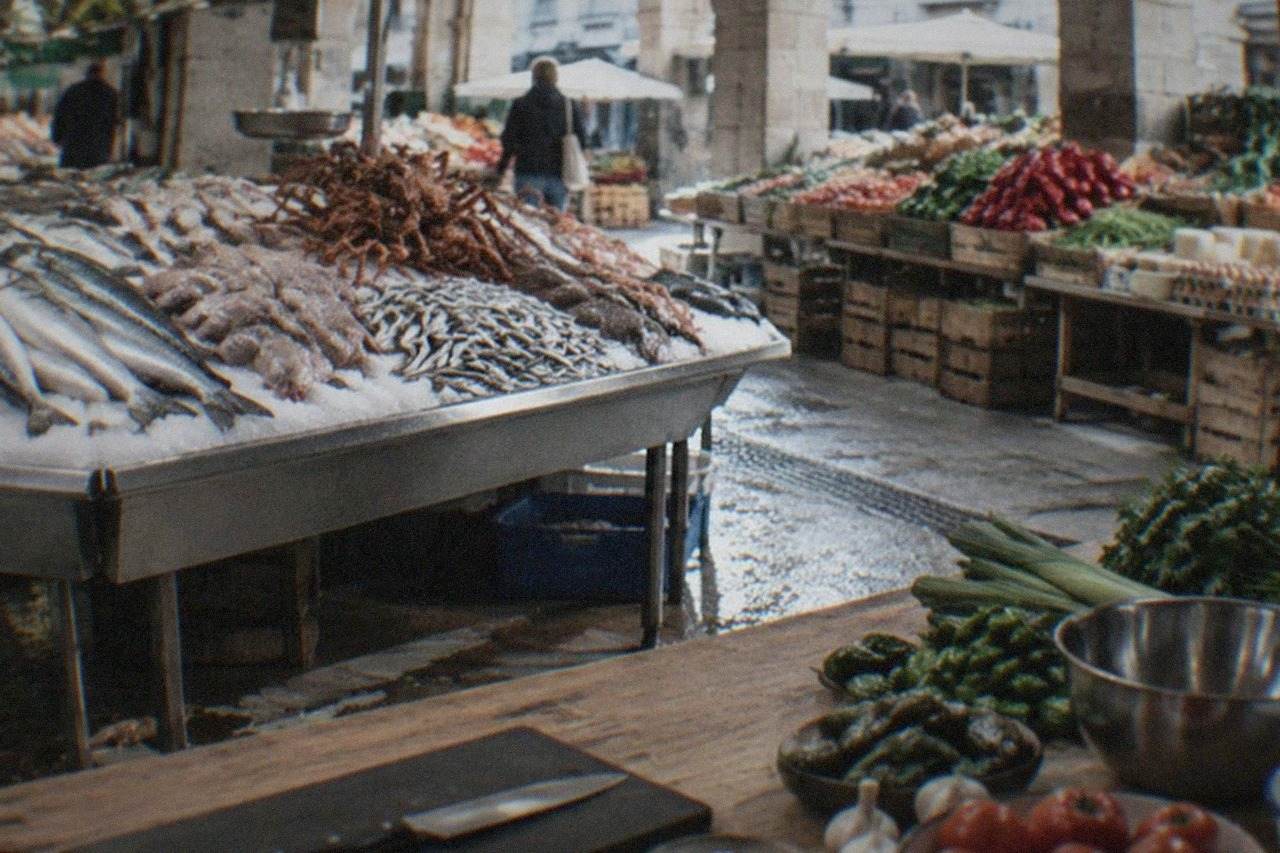
The structure of a typical session follows a rhythm. There is a short introduction to Basque food culture, then the cooking itself in stages, then the meal. Some classes open with a market visit, which changes the shape of the day: you buy the fish before you cook it, and the guide explains what the stalls sell and how locals shop. The Old Town and the streets around the Boulevard are where most classes are based, which means the walk to the venue passes the very bars whose food you are about to learn to make.
What you take home is technique rather than recipes alone. The classes that run well teach a handful of repeatable moves: how to build a pintxo so it holds together, how to cook a hake fillet without drying it, how to get the burnt top on a cheesecake, and how to pour txakoli the way it is poured here, from height, into a flat glass, so the wine breaks and sparkles.
Which Cooking Class In San Sebastian Should You Book?
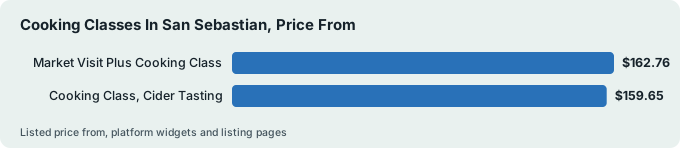
The class to book depends on what you want to walk away with: the market visit plus hands-on class suits cooks who want the full arc from stall to stove, the Basque cooking class with wine and cider tasting suits visitors who want a shorter session with drinks built in, and a pintxo-focused food tour suits people who would rather eat their way through the Old Town than stand at a hob. All three formats run in English, and all three end with you eating.
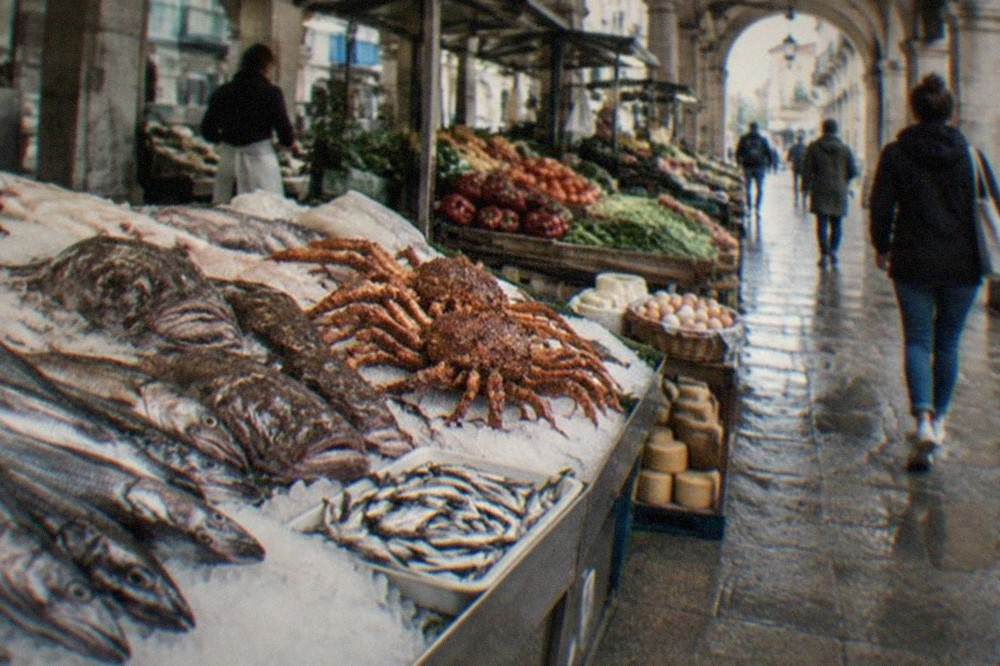
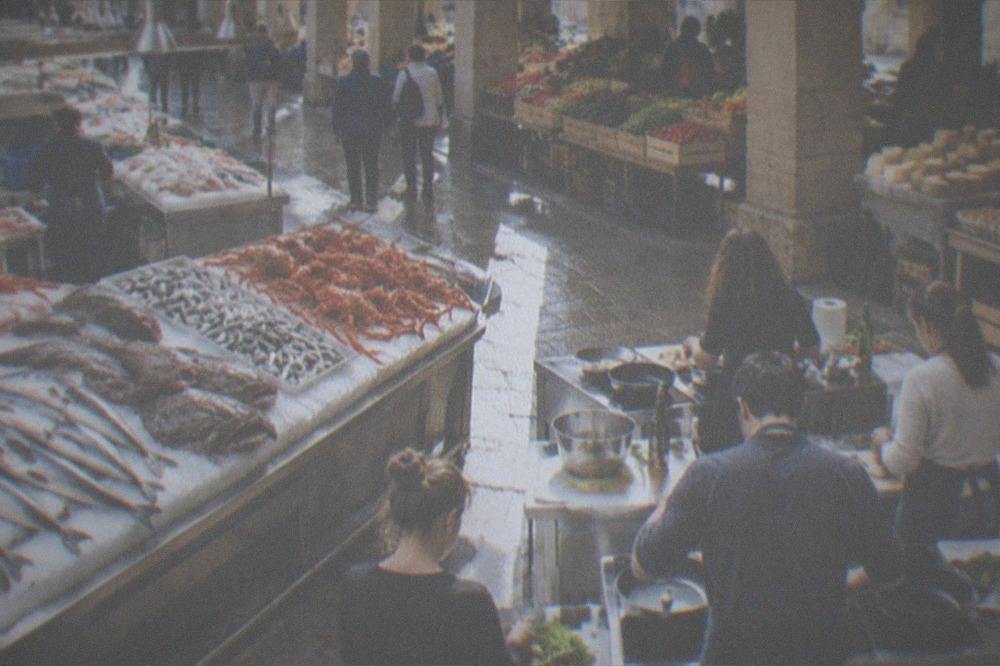
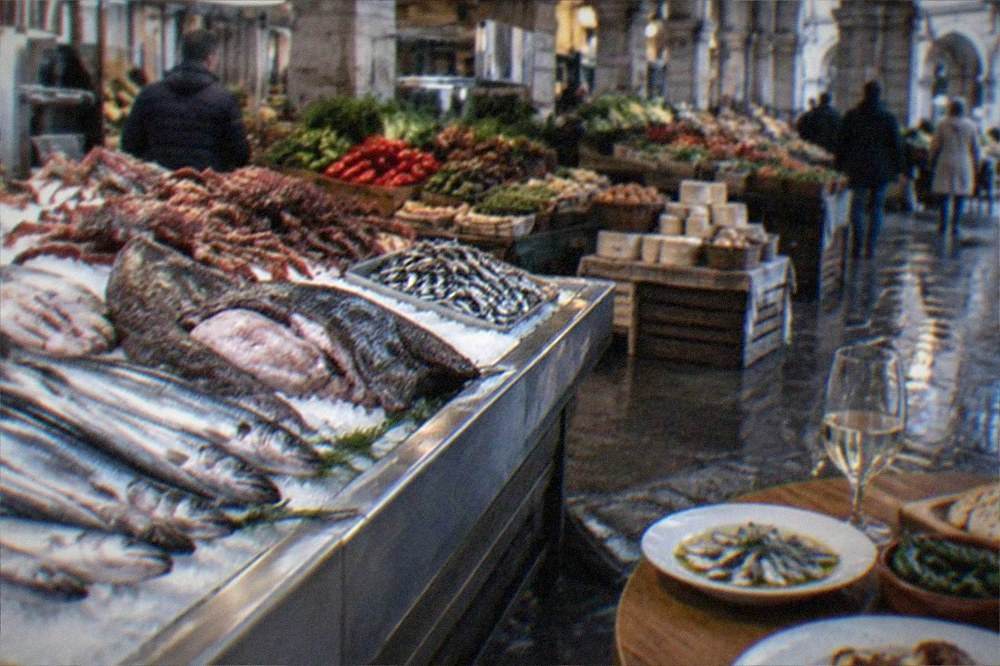
The market visit plus hands-on class is the format this site points most people towards, because it teaches the shopping and the cooking as one connected thing. San Sebastián's central market is Mercado de la Bretxa, at the edge of the Old Town, and a class that opens there shows you the raw material before you touch a pan. The listing for that class describes it as opening with a market visit and then moving to a hands-on English-language class cooking Basque signature dishes.
The shorter format skips the market and compresses the day. The Basque cooking class with wine and cider tasting, run from the city centre, is a hands-on class with local chefs that folds a wine and cider tasting into the session and ends with the meal you cooked. It suits a visitor with a half-day budget of time rather than a full afternoon.
The third route is not a cooking class at all but answers the same urge. A pintxo tasting tour, such as the eight-pintxo, five-drink walk that pairs each bite with Denomination of Origin wines, teaches you what the finished food tastes like across a run of Old Town bars. Some visitors book a crawl first and a class second, and the order works either way. The budget walking tour with a pintxo included covers the city-walk side of that combination.
If the market-plus-class format fits your trip, you can Check availability directly, and the full tour page on this site has more detail.
What Will You Actually Cook In A Class?
Most San Sebastián cooking classes teach a core Basque repertoire: pintxos such as the gilda and the txangurro-style crab toast, fish dishes built around hake or cod, txuleta steak cooked over high heat, and the city's famous burnt basque cheesecake, with txakoli or cider poured alongside the meal. The exact menu varies by class and by season, but the dishes come from the city's own kitchens, not from a pan-Spanish tapas script.
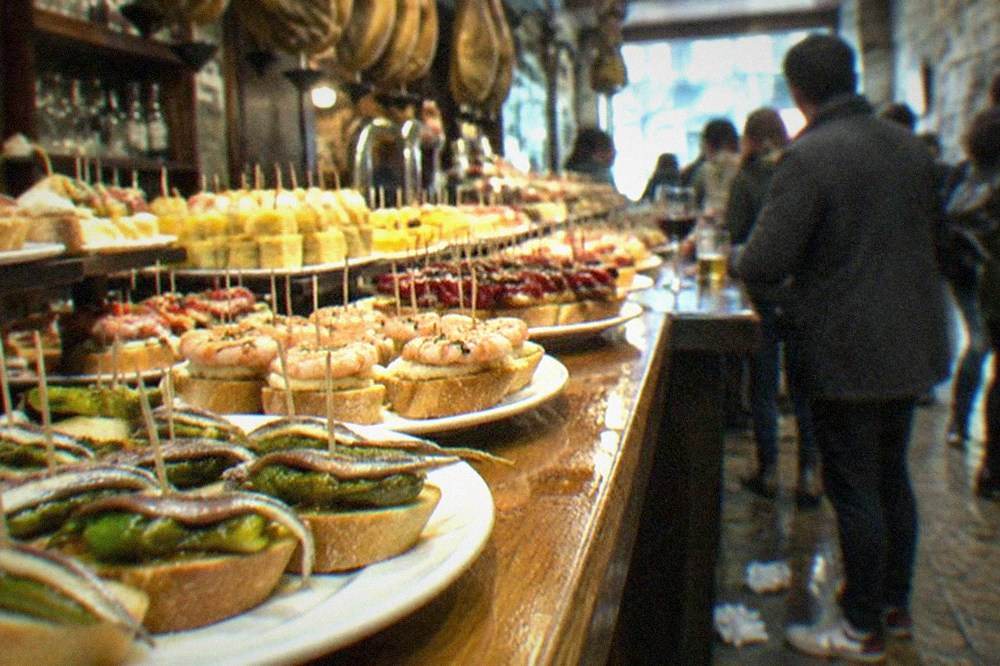
The gilda is the natural first pintxo. It is three ingredients on a skewer: a salted anchovy, a guindilla pepper and an olive. It is named after a character in the film Gilda, and it is the dish most classes start with because it teaches the foundational idea of pintxo cookery, which is that a small bite has to carry a full combination of salt, heat and fat in balance.
The table below sets out the dishes you are most likely to meet in a class kitchen, and what each one teaches you.
| Dish | What it is | What the class teaches |
|---|---|---|
| Gilda | Salted anchovy, guindilla pepper and olive on a skewer | Balance of salt, heat and fat in a single bite |
| Pintxos on bread | Small open-faced bites, hot or cold | Assembly, portion size and holding a topping together |
| Hake in green sauce | Fish fillet with parsley, garlic and wine | Gentle fish cookery and a pan sauce |
| Txuleta | Bone-in ribeye cooked over high heat | Fire control and resting the meat |
| Burnt Basque cheesecake | Cheesecake baked hot until the top darkens | The technique behind the city's most exported dessert |
| Purrusalda | Leek and potato soup, sometimes with salt cod | Basque home cooking and seasonal vegetables |
Txakoli deserves its own paragraph, because it is the local wine and it behaves differently from almost anything else. It is a lightly sparkling, high-acidity white made in the region, and the traditional pour is from height into a flat tumbler so the wine aerates and fizzes. Classes that include a tasting usually demonstrate this pour, and the txakoli guide on this site covers the wine itself in more depth. Cider is the other local drink, and the cider house tradition, with its txotx ritual of drinking straight from the barrel, is covered in the cider houses guide.
The burnt cheesecake is the dish that made the city's home cooking internationally famous. It is baked at a high temperature until the top goes dark, and the result is a deliberately caramelised crust over a soft centre. The story of the cake, and where to eat the original, is on the La Viña cheesecake page.
Where Do San Sebastian Cooking Classes Take Place?
Most cooking classes in San Sebastián take place in the city centre or at the edge of the Old Town, within a short walk of the Boulevard and the Mercado de la Bretxa, with the market-visit formats starting at the market itself and the standard formats meeting at a stated address near the class kitchen. The city is compact and flat between the centre and the beaches, so getting to a class meeting point rarely needs a vehicle.
The Old Town edge matters because it puts the class kitchen next to the source. A class that begins at a market stall and ends at a stove covers perhaps a few hundred metres on foot, all through streets lined with the bars whose food you are learning to cook. The Parte Vieja area guide describes that neighbourhood, and it explains how the districts fit together.
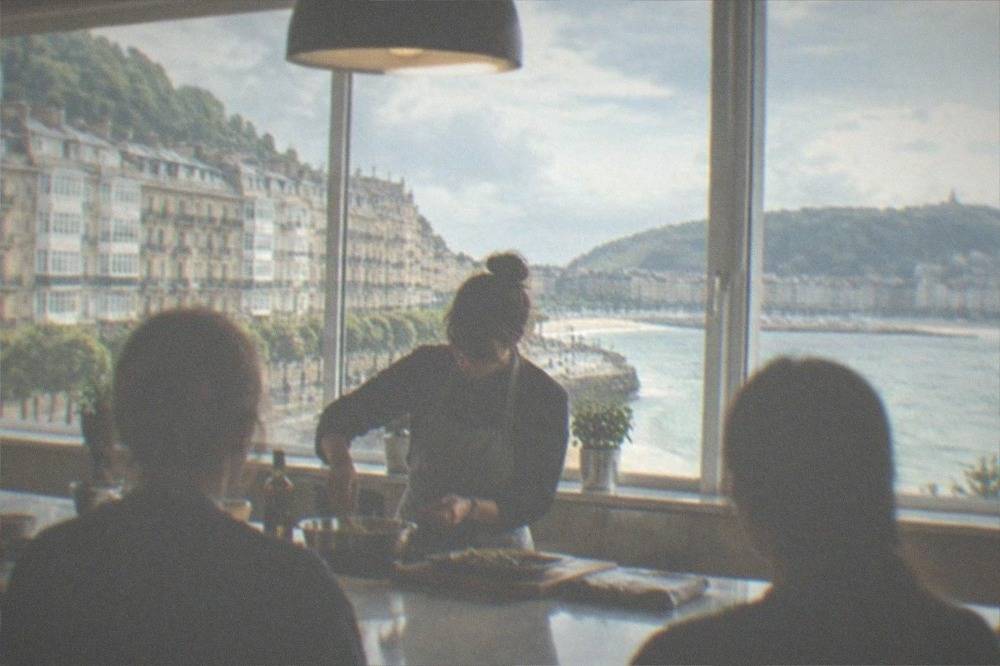
One practical note about timing: the city's eating clock runs late, and a class that ends with a meal often slides into the early evening. The guide to pintxos explains the local rhythm, which matters if you plan to keep going afterwards.
Weather is worth planning around too, not because classes run outdoors but because a market visit does involve walking. AEMET's climate normals for its Igeldo station show this is a wet Atlantic city: 1,507 mm of rain a year over 141 rain days, and even July, the driest month, averages 86 mm. A class with a market walk in November, the wettest month at 169 mm, is a different experience from the same class in July. The weather guide has the full picture.
How Do You Choose Between A Class, A Pintxo Tour And A Market Tour?
Choose a cooking class if you want to make the food yourself and take techniques home, choose a pintxo tour if you want to taste the finished food across several bars with a guide explaining it, and choose a market-plus-cooking combination if you want both the shopping and the cooking in one session. The three formats overlap in content but differ in what you do with your hands, and they suit different kinds of traveller.
The comparison below is the honest version of the decision.
| Format | What you do | What you take away | Best for |
|---|---|---|---|
| Hands-on cooking class | Cook the dishes yourself, then eat them | Techniques you can repeat at home | Cooks and curious travellers |
| Market visit plus class | Shop at the market, then cook | Ingredient knowledge plus technique | Visitors with a full half-day |
| Pintxo tasting tour | Eat across several bars with a guide | Context and a map of the bar scene | Eaters more than cooks |
| Cooking class with drinks tasting | Cook, then taste wine and cider with the meal | Techniques plus local drinks | Groups mixing cookers and drinkers |
The class with the wine and cider tasting, run from the city centre, is the format that suits a group split between enthusiastic cooks and people who mainly want a good evening. The listing describes local chefs, a wine and cider tasting folded into the session, and the meal you cooked at the end.
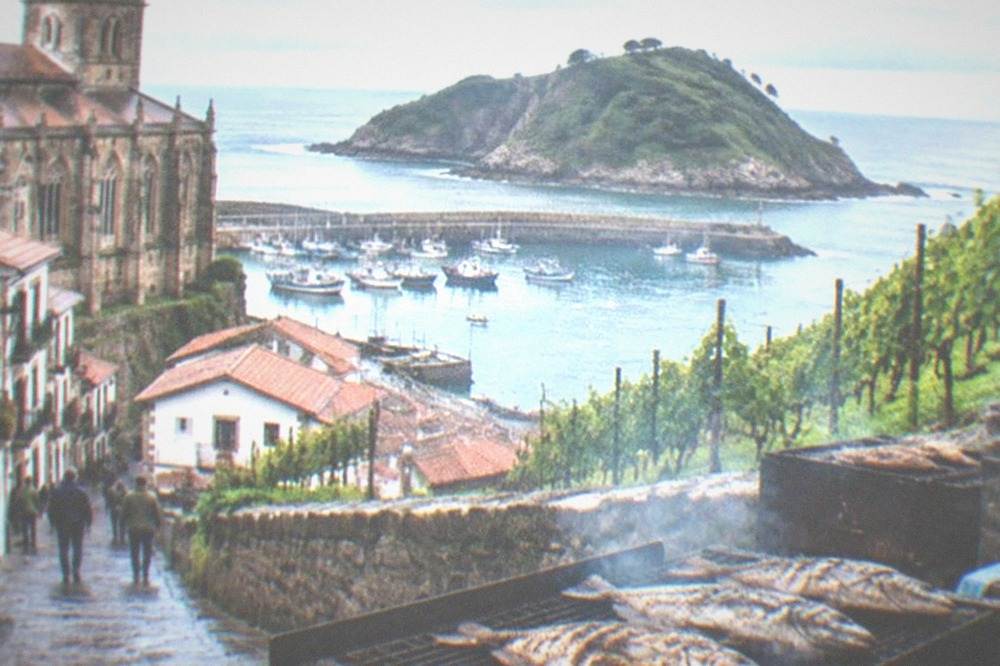
For visitors who want the eating side instead, the small-group Old Town pintxo crawl runs through bars, restaurants and gourmet shops from near the City Hall, and it has its own tour page on this site. The premium version adds reserved seating at each bar and a guided visit to the Mercado de la Bretxa, which is the closest a food tour comes to the market-visit half of a cooking class.
What Should You Know Before You Book A Class?
Before booking a San Sebastián cooking class, check three things on the listing: whether the session is in English or bilingual, whether the meal and drinks are included in the price or paid separately, and what the cancellation terms are, because seasonal demand in August, the city's busiest hotel month, can make popular classes sell out days ahead. Dietary needs should be raised with the operator before booking rather than on the day.
The demand point is real. INE's hotel occupancy data for the city shows August 2025 as the peak month for overnight stays, at 245,769, with July close behind at 239,124. July and August together carry 22 percent of the year's hotel stays in the city. Classes with small groups fill in that window. The best time to visit guide covers the trade-offs between the busy season and the quieter months.
Dietary requirements are the other thing to sort early. Basque cooking leans heavily on fish and on meat, and the txuleta is a beef ribeye, so a vegetarian or a visitor with an allergy needs the operator to adapt the menu in advance rather than improvise on the day. The vegetarian and gluten-free guide covers how the city's food scene handles these needs generally.
A few practical points about the city itself, all from the site's verified facts:
- The currency is the euro, and every local price in this city is quoted in EUR.
- Emergency services run on 112, and the local police number is 092.
- The city is walkable between the centre, the Old Town and the beaches, so a class meeting point is rarely far from a hotel in the centre. The where to stay guide covers the districts.
How Does A Cooking Class Fit Into A Longer Trip?
A cooking class fits best on the second or third day of a trip to San Sebastián, after you have eaten your way around the Old Town and before you head out on day trips, because the class gives you vocabulary for everything you eat afterwards, and it pairs naturally with a morning in the city and an afternoon or evening at the class kitchen. A three-day itinerary has room for a class, a pintxo crawl and one day trip.
The three days in San Sebastian itinerary is the natural frame for this. Day one for the city and the beaches, day two for the class and the Old Town bars, day three for the coast or the mountains. The one day guide explains why a class is usually too much for a single-day visit, when a pintxo tour fits better.
For day trips, the pairing that works with a food theme runs along the Gipuzkoa coast. Getaria, a fishing town west of the city, is both a txakoli town and the home of the Balenciaga museum, and the Getaria txakoli tour from the city includes hotel pickup. Further afield, the cider house tradition lives in Astigarraga, next to the city, and the traditional cider house tour with lunch is run with the Gipuzkoa cider house association and covers the orchard, the cellar, the txotx ritual and a full lunch. The cider houses guide explains the txotx season, which the tourism board describes as running from the middle of January to the end of April.
The table below shows how a class slots into trips of different lengths.
| Trip length | Where a class fits | What to pair it with |
|---|---|---|
| One day | Usually too long; take a pintxo tour instead | A walk of the Old Town and La Concha |
| Two days | Day two, morning or afternoon | Day one for the beaches and Monte Urgull |
| Three days | Day two | One day trip along the coast on day three |
| A week | Any mid-trip day | Rioja, Bilbao, the French Basque Country |
Common Questions About San Sebastian Cooking Classes
Do I need cooking experience to take a San Sebastian cooking class?
No. The classes listed on this site are hands-on but taught to home cooks, and the instructors walk the group through each dish step by step. The sessions are built for visitors, not for chefs, and the goal is technique you can repeat at home, not professional speed.
Are cooking classes in San Sebastian taught in English?
Yes, the main classes run in English. The market visit plus hands-on class is explicitly an English-language class, and the pintxo and walking tours on this site list English or bilingual departures. Check the listing for the session language before booking.
What dishes will I cook in a San Sebastian cooking class?
The core repertoire is pintxos including the gilda, fish dishes such as hake, txuleta ribeye steak, and the burnt Basque cheesecake, with txakoli or cider alongside the meal. The exact menu varies by class and season, and the operator states it on the listing.
Do I eat the meal I cook?
Yes. The standard format ends with the group sitting down to eat what was cooked, and the classes that include a wine or cider tasting pour the drinks with that meal. The listing for each class states exactly what is included.
How far ahead should I book a cooking class in San Sebastian?
Book as early as your dates allow if you are visiting in July or August, the two busiest hotel months in the city, because small-group classes sell out. Outside the peak season a few days ahead is usually enough, but check the operator's live listing for the dates you want.
Can I do a cooking class if I am vegetarian or have allergies?
Raise it with the operator before booking. Basque cooking leans on fish and beef, so a class needs notice to adapt the menu. The city's wider food scene has vegetarian options, but a class kitchen cannot improvise a full alternative menu on the day.
Where To Go Next After A Class
After a cooking class in San Sebastián, the natural next steps are the pintxo bars of the Old Town with your new vocabulary, the cider houses of Astigarraga if your trip falls in the txotx season, and a day trip along the Gipuzkoa coast to Getaria and Zumaia, where the txakoli you poured in class is made.
If the class has sharpened your appetite for the guided side of the city's food, the eight-pintxo, five-drink tasting walk pairs each bite with Denomination of Origin wines, and its card above carries the live listing. For the wider picture of what the city offers, the San Sebastian Spain Guide homepage collects every guide on this site, and the things to do in San Sebastian page is the full index of the city's activities. A cooking class teaches you how the city eats; the rest of the site shows you where to go and taste it.