Rioja Wine Day Trip From San Sebastian
The Rioja Alavesa wine country, with its walled capital Laguardia, is the one big day trip from San Sebastián that heads inland instead of to the coast, and this page covers how it works.
Short answer
Rioja Alavesa and Laguardia sit inland south-east of San Sebastián, and the verified way to see them in a day is a small-group tour from the city with winery visits and the walled town, with the operator's listing carrying price and duration.
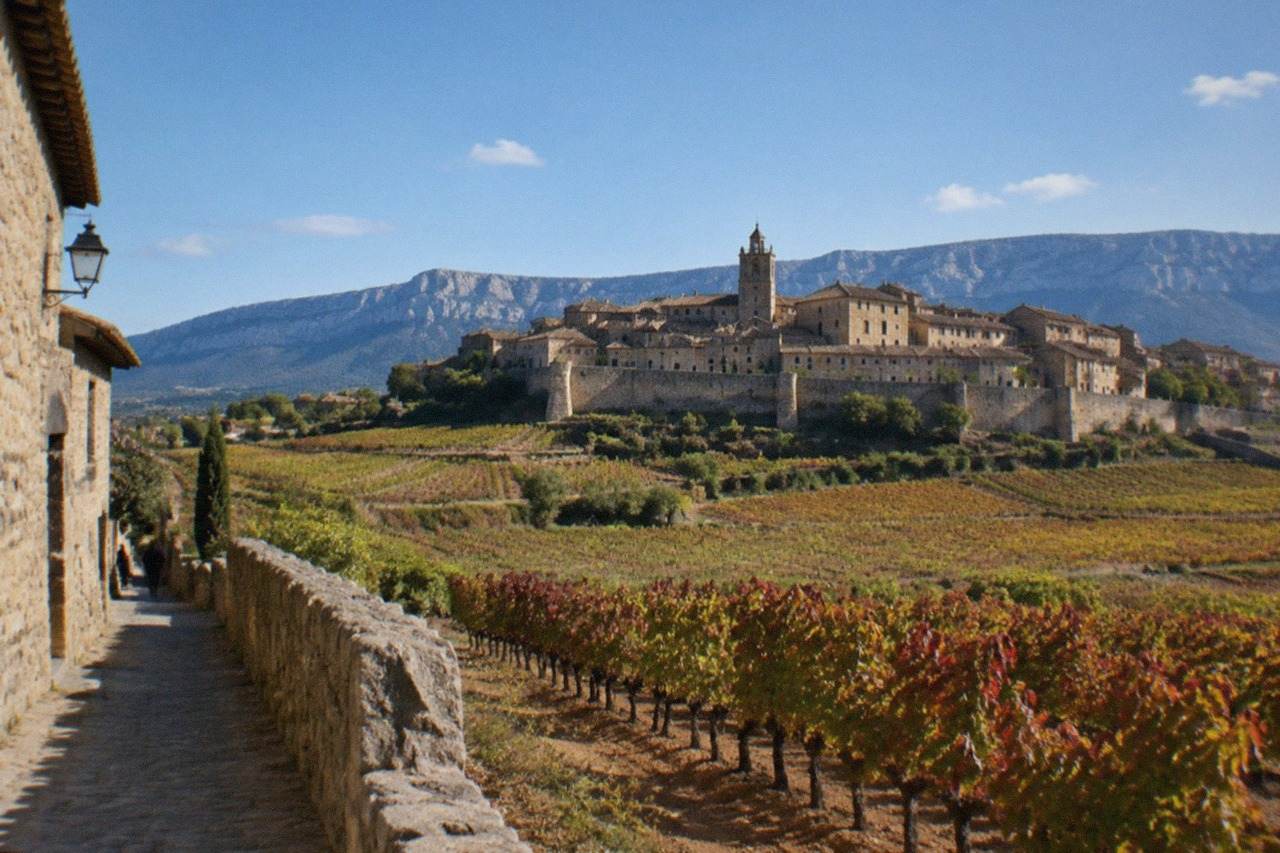
San Sebastián, the Basque city on La Concha bay whose official name is Donostia / San Sebastián, sits in Gipuzkoa on the wet Atlantic coast, and almost every famous day trip from it follows the shoreline: Getaria, Hondarribia, Zumaia, Biarritz. The exception runs the other way. Inland, south beyond the hills of the Basque Country's southern provinces, lies Rioja Alavesa, the northern strip of the Rioja wine region inside the province of Álava, and its stone capital Laguardia, a walled medieval town standing above rows of tempranillo vines. It is a different Spain from the one at the seaside: drier, warmer, older in its stone, and built almost entirely around wine.
This page lays out the trip the way a planner needs it: what the journey involves, what Laguardia itself is, how Rioja differs from the local txakoli you will be drinking in the city's pintxo bars, which seasons suit the visit, and how the verified day tour from San Sebastián handles the logistics. Where a figure matters and the record supplies it, the page gives it. Where the honest answer is that the detail lives on an operator's listing, it says that instead.
How Far Is Rioja Wine Region From San Sebastian?
The Rioja wine region's Alavesa strip, where Laguardia stands, lies inland to the south-east of San Sebastián, far enough that no one treats it as a half-day outing: it is a full-day trip by road, and the verified small-group tour from the city runs as a full day with winery visits and time in the walled town. The operator's live listing carries the exact duration, the current price and the departure point, so check it before planning around a specific timetable.
The reason the trip eats a whole day is simple geography. San Sebastián sits on the coast at the top of Gipuzkoa; Rioja Alavesa sits in the Ebro valley on the far side of the Basque highlands, in Álava. The road between them crosses hill country that slows everything down, which is why the organised options from the city are built as small-group days rather than quick hops, and why visitors who go without a tour either stay overnight in Logroño or Laguardia or drive themselves and accept a long round trip.
That inland position changes the weather as much as the landscape. AEMET's normals for its Igeldo station above San Sebastián record 1,507 mm of rain a year across 141 rain days, a genuinely wet Atlantic climate. Rioja's continental valley climate is the reason its grapes ripen the way they do. Anyone planning the same week for both the coast and the vineyards should pack for two countries' weather, because that is effectively what they are.
For contrast, the coastal day trips are all short hops by comparison: day trips from San Sebastian along the Gipuzkoa shore can be strung together by bus and train, while Rioja cannot. The trade is deliberate: you give the day to the road, and you get a wine region that the coast simply does not have.
What Makes Laguardia Worth The Trip From San Sebastian?
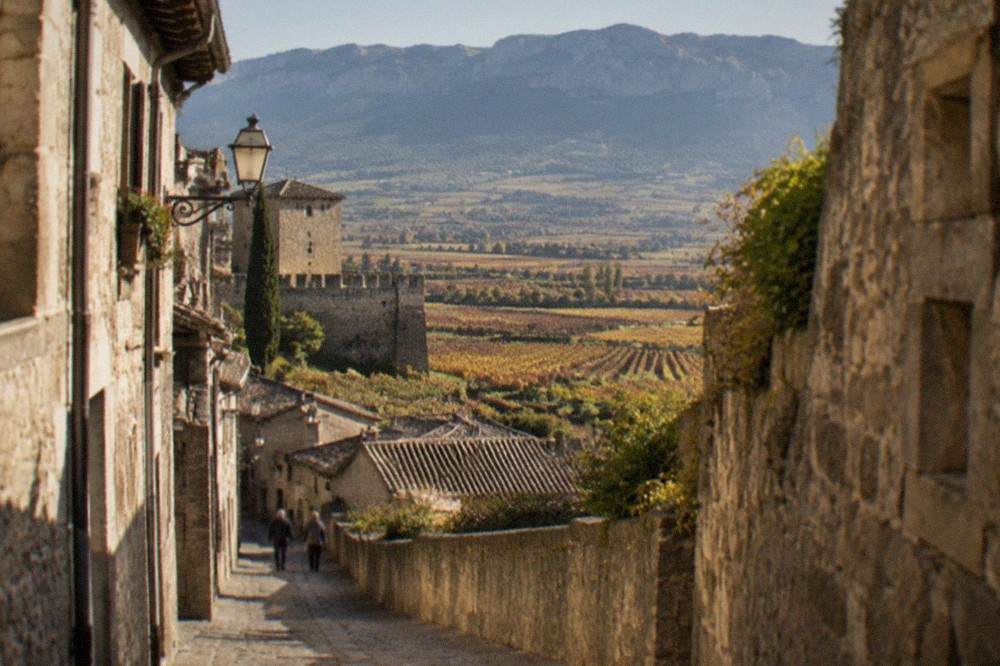
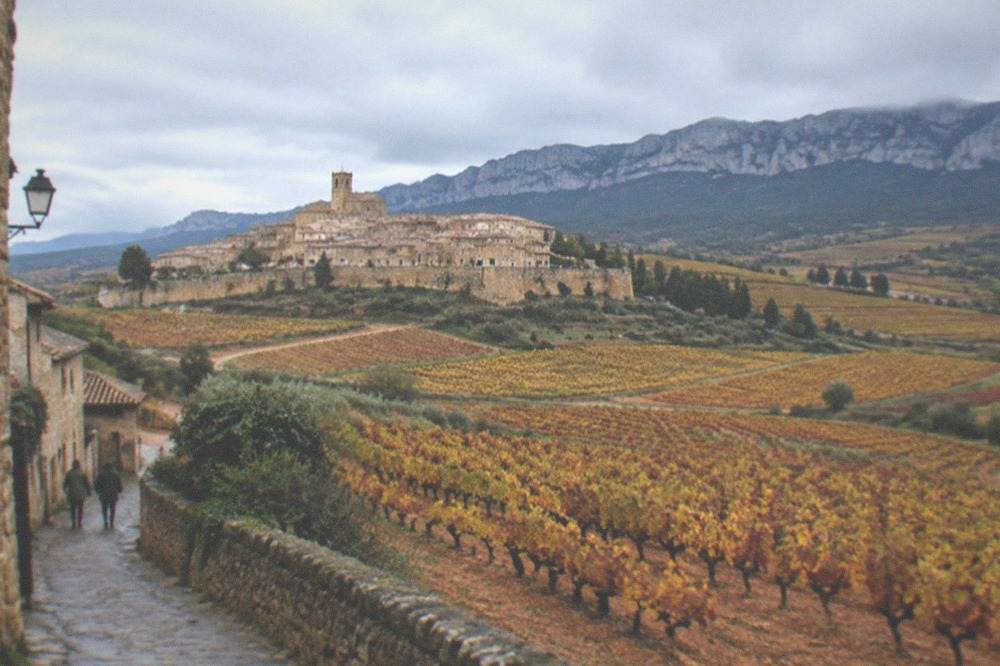
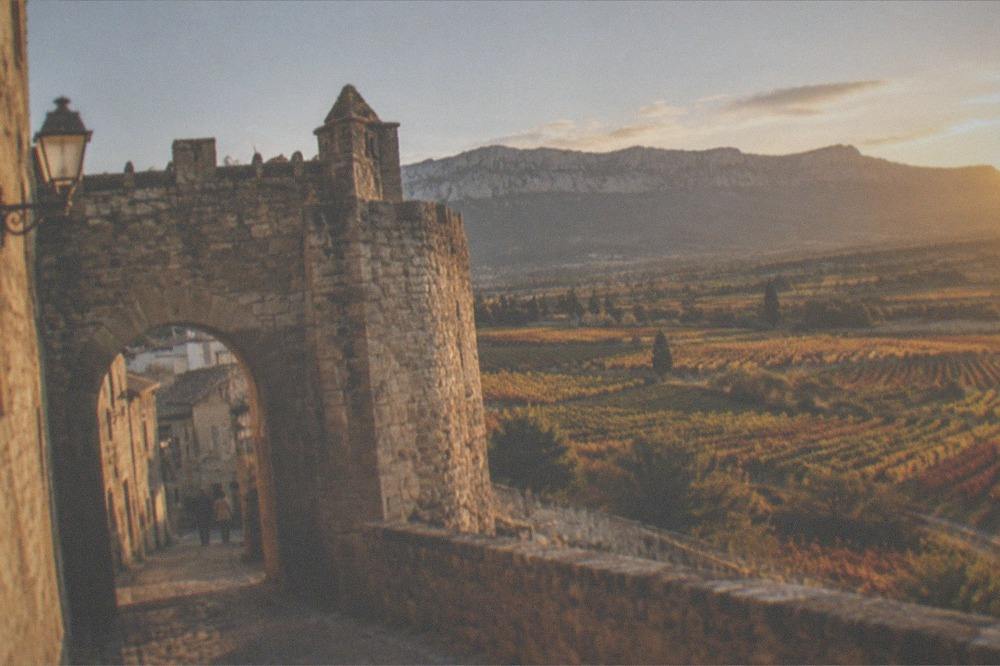
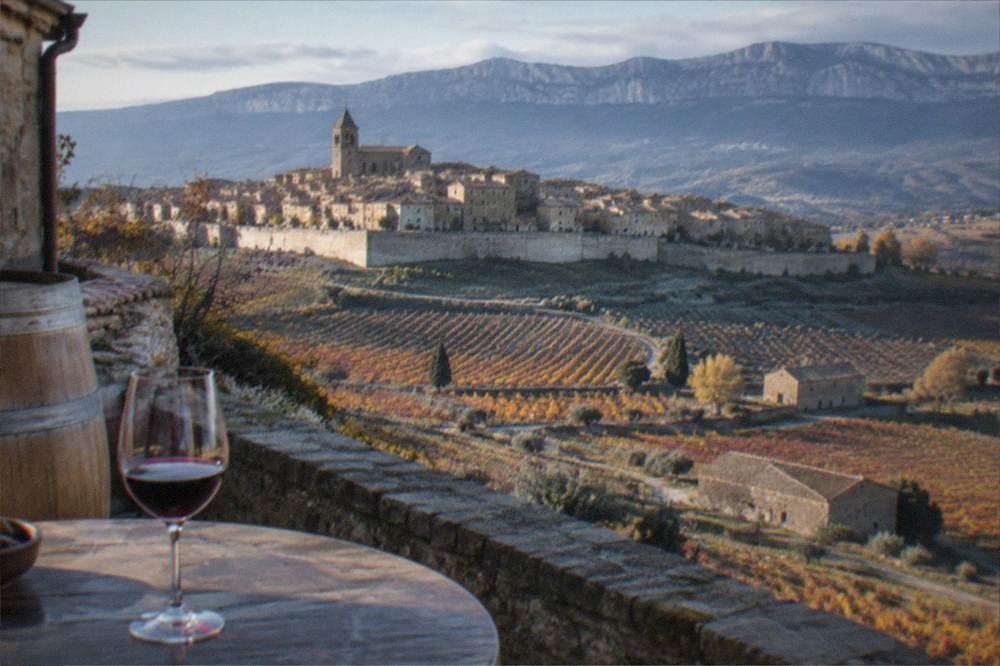
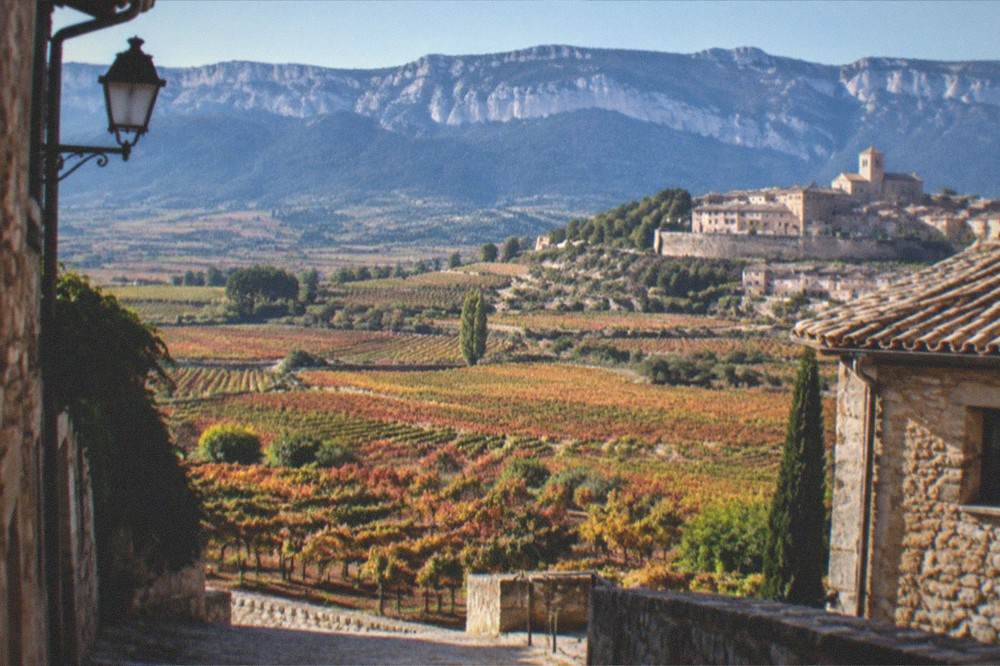
Laguardia is the walled medieval capital of Rioja Alavesa, a town of stone gates, narrow streets and cellars dug directly beneath the houses, and it sits in the middle of the vineyards rather than beside them, which is what makes it the natural destination for a wine day trip. Its old quarter is compact enough to walk in an hour, and its position above the vine plain is the view most people picture when they picture Rioja.
The town's character comes from what is under it as much as what is on top. The houses of the old quarter stand over family bodegas carved into the bedrock, a tradition of underground winemaking that shaped how the whole street level looks and functions. Today several of those cellars are visitable, and the town's bars and shops are built around the wine trade that surrounds them on every side. It is a working wine town, not a museum with a wine theme.
Laguardia also gives the day a shape that a bare winery visit does not. A typical organised day pairs a bodega tour and tasting with a walk inside the walls, so the trip covers both how the wine is made and where the people who made it have lived for centuries. The verified tour from San Sebastián is built exactly on that pattern: winery visits plus the walled town, in one small-group day, with the price, rating and duration all shown on the operator's live listing.
For visitors weighing Laguardia against the other inland option, Vitoria-Gasteiz, the difference is purpose: Vitoria is the Basque capital, a green city with a well-preserved medieval core, while Laguardia is small, walled and entirely about wine. If the day's aim is tasting tempranillo where it grows, Laguardia wins without argument.
What Does The Rioja Day Trip From San Sebastian Include?
The verified full-day tour from San Sebastián covers round-trip transport from the city, visits to Rioja wineries with tastings, and guided time in the walled town of Laguardia, all in a small-group format. What it does not cover is equally important to know: lunch arrangements, hotel pickups and private variants follow the listing's own terms, so read the inclusions on the operator's page before assuming a detail.
Every organised Rioja day from this city is a small-group product, and that format is the honest answer to the logistics problem. Driving yourself means a long day of winding roads and a driver who cannot taste; the tour puts a vehicle and a guide between you and both problems. The listing for the Rioja and Laguardia day names the departure point in the city, the winery visits, the walled town stop and the small-group size, and it carries the current price and rating, which this page deliberately does not repeat: figures for bookable products render from the listing, not from a guide page.
If a full Rioja day feels like too much of the holiday's budget in one block, the city's own wine experiences are a cheaper way to spend a morning on Basque wine culture. The pintxo tasting tour paired with Denomination of Origin wines runs in the Old Town and covers the same skill a bodega visit teaches, tasting with intent, at street level.
The two products answer different questions, and many visitors do both: the pintxo tour teaches you what the local glass tastes like, and the Rioja day shows you where Spain's most famous reds come from. Between them they cover the Basque Country's whole wine story, coast and valley.
Is Rioja The Right Wine Day, Or Is Txakoli The Better Basque Choice?
Rioja is Spain's most internationally famous red wine region, built on tempranillo and oak ageing, while txakoli is the Basque Country's own local white, poured everywhere in San Sebastián's pintxo bars, and the two compete for the same day-trip budget. The honest rule is this: if you want the famous name and the valley landscapes, go to Rioja; if you want the wine the city itself drinks, stay in Gipuzkoa and visit a txakoli winery on the coast.
The comparison matters because the two trips are the only wine day trips on this site's roster from the city, and they suit different travellers. Txakoli is a young, dry, lightly sparkling white made mostly from the hondarrabi zuri grape, poured with a high pour that shows its spritz, and the txakoli country of Getaria and Zarautz sits right on the coast road, close enough that the Getaria day trip doubles as a fishing-town visit. Rioja is the opposite profile: inland, red, oak-aged, and built for people who want the heavyweight name.
The table below sets the two against each other honestly, without pretending one is better.
| Rioja (Laguardia) | Txakoli (Getaria coast) | |
|---|---|---|
| Wine style | Red, tempranillo-based, oak ageing | Young dry white, lightly sparkling |
| Setting | Inland valley, walled stone town | Fishing ports and coastal hills |
| From San Sebastián | Full-day small-group tour | Half-day small-group tour with hotel pickup |
| Day-trip character | Long day, wine-focused | Short day, wine plus coast |
| Best for | Red wine drinkers, first Rioja visit | White wine drinkers, sea-and-wine mix |
The txakoli option from the roster is the Getaria tour: a half-day small-group trip to the fishing town with the tasting and hotel pickup included, and its price, rating and review count render on its own listing. If the Rioja day is the main course of a wine-focused trip, the Getaria morning is the appetiser.
For background on the local white before choosing, the site's txakoli guide covers what it is and how it is poured, and the answer page on what wine San Sebastian is known for settles the naming question: the city's wine is txakoli, and there is no wine called "San Sebastián" here at all.
What Is A Rioja Bodega Visit Actually Like?
A bodega visit in Rioja Alavesa is a guided walk through a working winery, typically from the vineyard or the pressing hall down into the barrel cellars, ending in a seated tasting of the house wines, and it runs year-round because the cellars are underground and the process continues in every season. The visit is structured, guided and timed, not a free wander, so it needs a booking, which is the main reason visitors from San Sebastián arrive on an organised day.
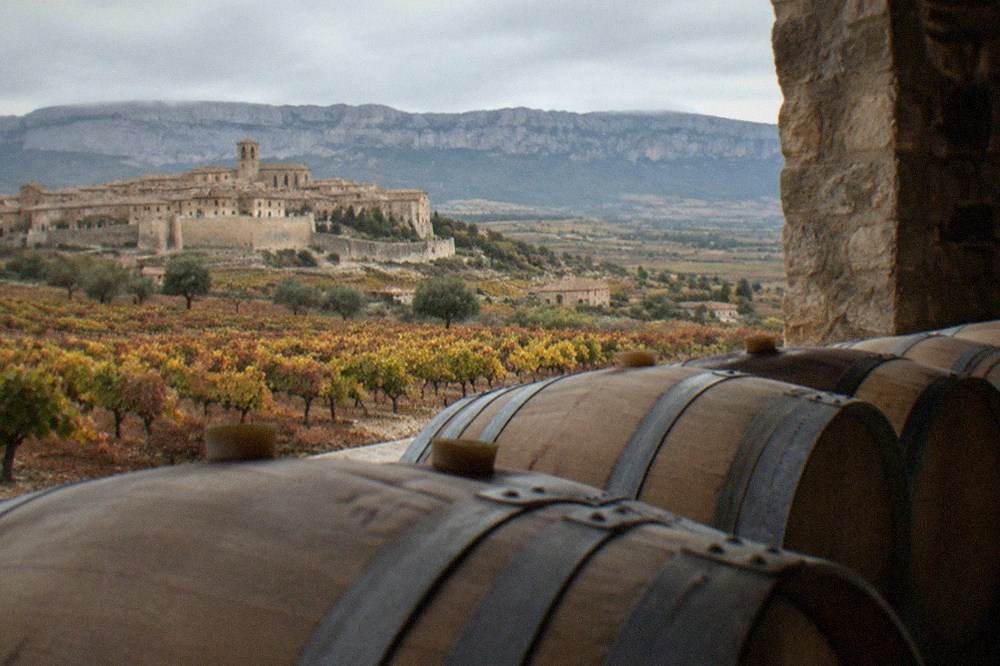
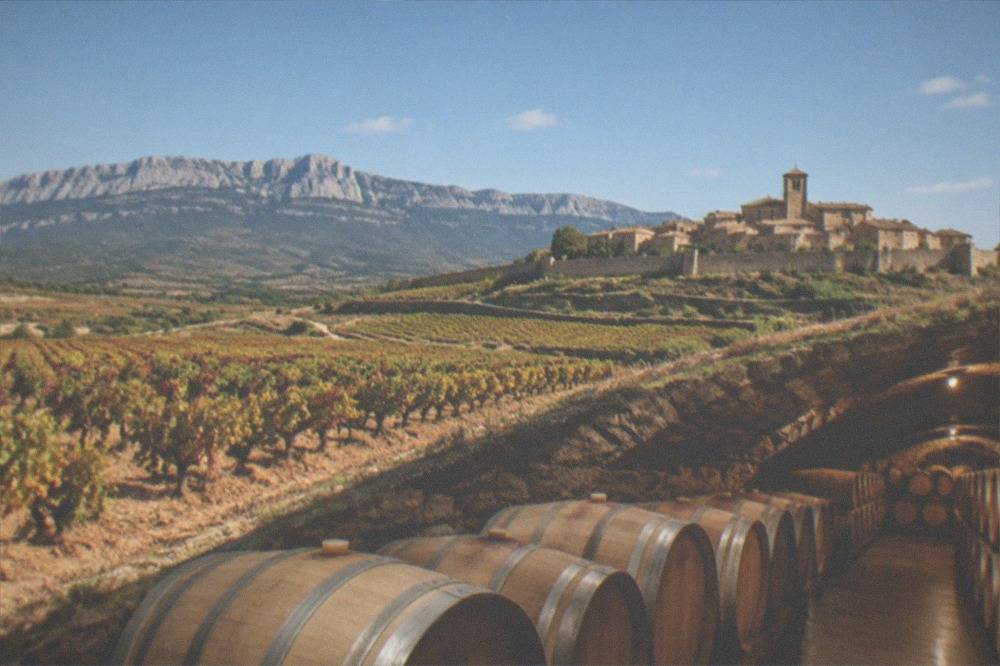
The underground cellars are the part people remember. Because Laguardia's old houses sit on bedrock hollowed into cellars, and the larger bodegas around the town dug their own, a visit moves between temperatures: the valley above, warm and bright, and the cellars below, cool and dark, where the barrels sit in rows. Guides explain the ageing system, the differences between the crianza, reserva and gran reserva categories, and what each glass in the tasting is meant to show. Tastings are seated and paced, with the whites and rosés of the region sometimes included alongside the reds. The rest of the planning pages sit on San Sebastian Spain Guide.
What a bodega visit is not is a bar crawl. It is closer to a museum tour with wine at the end, and the pacing suits it: the organised Rioja day from the city builds in winery time and town time in separate blocks, so nobody is rushing a tasting to catch a bus. The listing for that tour names the winery visits among its inclusions, and the current price and rating render there.
One planning note that the city's own research makes unambiguous: do not confuse Rioja's cellars with the Basque cider houses of the txotx season. The cider house season, in the tourism board's own wording, runs "from the middle of January to the end of April", and it is a different ritual entirely: standing in a cellar, catching cider straight from the barrel, then a fixed-menu lunch. If your trip falls in that window, the cider house day is a genuine rival to the Rioja day, and the site's cider house coverage lays out that tradition separately.
How Does The Rioja Day Trip Compare With San Sebastian's Other Day Trips?
The Rioja and Laguardia day is the longest-haul, most wine-focused option on the roster, while the coastal day trips are shorter, cheaper to reach and easier to do independently, so the choice comes down to what the day is for: the coast trips are about towns and sea, and the Rioja day is about wine and landscape. It is the only roster day trip that leaves the Basque coast entirely.
The roster's day trips split cleanly into three families: French Basque Country runs across the border, the Gipuzkoa coast runs along it, and Rioja runs inland. Each has a different rhythm, and the table below shows what each family offers rather than pretending they compete on one axis.
| Day trip family | Where it goes | What the day is about | Roster format |
|---|---|---|---|
| Rioja Alavesa | Laguardia and Rioja wineries, Álava | Wine, cellars, walled town | Full-day small-group tour |
| Gipuzkoa coast | Getaria, Zarautz, Zumaia, Hondarribia | Fishing ports, beaches, cliffs | Half-day and full-day tours |
| French Basque Country | Biarritz, Bayonne, Saint-Jean-de-Luz | Border towns, French culture | Coach and minibus days |
| Bilbao and inland Basque | Bilbao, Guggenheim, Gaztelugatxe | City, art, dramatic coast | Full-day small-group tour |
The coastal options have the advantage of independence: Bilbao can be reached by bus on your own schedule, and the French border towns have their own French Basque Country itineraries. Rioja is the one destination on this list where independent travel from San Sebastián genuinely costs you the day's flexibility, because the wineries need bookings and the drive is long, which is the practical case for the organised tour.
Visitors trying to fit everything into a short stay should sequence deliberately: a first day in the city following one day in San Sebastian, a coastal day, then the Rioja day as the finale. The wine day rewards being last, because by then you will have tasted txakoli in the pintxo bars and the Rioja reds will have something to answer.
When Is The Best Time Of Year For A Rioja Day Trip From San Sebastian?
The best window for a Rioja day trip from San Sebastián is late spring through early autumn, when the vineyards are green or in ripening colour and the inland valley is warm, roughly May to September on the coast's own climate record; the harvest period later in the season is the most atmospheric but also the busiest, and winter trips are perfectly possible, just barer vines and shorter days.
The climate table below is the coastal city's own record, AEMET's normals for the Igeldo station above San Sebastián, and it matters for the departure end of the day even though Rioja's valley runs warmer and drier. What it shows is that there is no dry month here: even July, the driest, averages 86 mm of rain, so the coastal morning you leave from can be wet even when the vineyards are in sunshine.
| Month | Mean temperature | Rainfall | Rain days | Sun hours |
|---|---|---|---|---|
| May | 14.4 C | 120 mm | 12.2 | 181 |
| June | 16.9 C | 90 mm | 10.6 | 189 |
| July | 18.9 C | 86 mm | 9.8 | 196 |
| August | 19.5 C | 117 mm | 10.5 | 190 |
| September | 18.0 C | 111 mm | 10.1 | 179 |
| October | 15.5 C | 159 mm | 11.8 | 140 |
The valley itself follows a different curve. Rioja Alavesa's continental climate means hot summers and cold winters, with the vine year running from winter pruning through spring budbreak, summer ripening and the harvest in early autumn. A visit in the months either side of the harvest sees the region at its most active, though that is also when the bodegas are busiest and small-group days book out furthest, so reserving ahead matters most then.
Winter visits have one quiet advantage: the cellars are the attraction, and they are the same temperature all year. A cold February day in Laguardia is still a warm hour underground, and the town's bars do not close for the season. The trade is the landscape, which is bare, and the light, which is short.
Can You Do Laguardia Without An Organised Tour?
Laguardia can be visited independently, but from San Sebastián it means either hiring a car and driving the inland road yourself, or combining public transport in a way that eats most of the day each way, so the realistic independent options are a self-drive day or an overnight stay in the wine region rather than a same-day return by bus and train. The organised small-group tour exists precisely because the independent day is awkward.
The self-drive version suits confident drivers and lets you set the pace: two or three bodega bookings of your own choosing, a long lunch in Laguardia, and the freedom to stop at the viewpoints over the vine plain. The costs are the driver who cannot taste, the need to book tastings directly with each winery, and parking, which in Laguardia means outside the walls, since the old quarter is not built for cars. Winter visits need an extra check, because bodega opening hours in the low season run shorter and some cellars keep limited days.
The public transport version is the one this page will not dress up. The pack verified for this destination gives no bus or train times to Laguardia, and inventing a connection is exactly the kind of plausible-sounding detail this site refuses to print. What can be said is structural: the rail network that serves San Sebastián runs along the coast, and the wine valley sits away from it, so anyone determined to go independently should check current connections with the operators themselves and plan for a slow journey or an overnight in Logroño or Laguardia.
For many visitors the decision tree is short. If you want wine, walls and no logistics, take the tour. If you want to linger, drive or stay over. If the day's budget only stretches to a short wine experience, stay in the city and drink txakoli where it is poured.
What Should You Book Ahead For A San Sebastian Trip That Includes Rioja?
Book the Rioja day before you travel, because the small-group format means places are genuinely limited and the harvest-season days fill first, and pair it with the city experiences you want most, pintxo tours and coastal trips, in the same sitting so the whole trip's shape is locked in. The listings carry free-cancellation terms, so early booking costs nothing if plans shift.
The reason to book the Rioja day first among the tours is its format. A pintxo tour runs several times a day and a bay boat sails on a schedule, but a full-day small-group inland trip has one departure a day and a small number of seats, and it is the trip most likely to be sold out on the dates you actually want. Reserving it early, then filling the rest of the trip around it, is the order that works.
The table below shows the booking order this site suggests for a wine-focused trip, based on how each product's format constrains availability.
| Book first | Why it goes first | Format |
|---|---|---|
| Rioja and Laguardia full day | One departure a day, small group, longest day | Small-group day trip |
| Getaria txakoli half day | Hotel pickup needs advance notice | Small-group half day |
| Old Town pintxo tour | Popular evenings fill up in high season | Small-group food tour |
| Bay boat or coastal walk | Flexible, book a day or two ahead | Scheduled and small-group |
The pairing that makes the most sense for a first visit is the Rioja day plus one city food experience, because together they cover the region's two wine worlds. The pintxo tour with paired Denomination of Origin wines is the strongest city complement to a Rioja day: it runs in the Old Town, it is built around tasting rather than eating fast, and it teaches the vocabulary the bodega visit will use.
For visitors who want the day trips spread wider rather than deeper, the Biarritz day trip and the coastal towns give the sea-side counterweight to the wine day, and the site's overall guide to things to do in San Sebastian is the page that assembles the full list.
Is The Rioja Day Trip Worth It Compared With Staying In The City?
For a first visit of three days or fewer, the Rioja day is a trade: it buys you Spain's most famous wine region and a walled town, and it costs you a full day away from San Sebastián's pintxo bars, beaches and bay, so it is worth it when wine is a stated priority of the trip and skippable when the city itself is the main event. On a stay of four days or more, it stops being a trade and becomes an easy yes.
The honest framing is that San Sebastián is one of the great food cities of Spain, and a day spent inland is a day not spent in the Parte Vieja. The city's own attractions, from La Concha to the Monte Igueldo funicular, the Peine del Viento and the Old Town's bars, fill three days without strain, and the site's coverage of what San Sebastian is known for lays out that case. Against that, Rioja is something the city cannot supply: the valley, the cellars and the reds that made Spanish wine internationally famous.
The tie-breaker questions are simple. Do you care about wine enough to spend a day on it? Do you have a fourth day to spare, or is the trip short? And does the inland landscape draw you, or does the thought of leaving the coast for a day feel like a loss? Two yeses out of three and the day pays for itself.
For a rainy-day comparison, note that the Rioja day is unusually rain-proof as day trips go: the cellars and the town are indoors, and the coach does the driving. The site's rainy day in San Sebastian planning covers the in-city alternatives, and in a wet week, which this coast serves up regularly, the wine valley is a sound swap.
Common Questions About Rioja Day Trips From San Sebastian
How far is rioja wine region from San Sebastian?
Rioja Alavesa, the strip of the Rioja region where Laguardia stands, lies inland to the south-east of San Sebastián, far enough that every organised visit from the city is built as a full-day small-group trip. The verified tour runs the round trip with winery visits and time in the walled town, and the operator's live listing carries the exact duration, price and departure point.
Can you visit Laguardia from San Sebastian in one day?
Yes. The full-day small-group tour from the city covers Rioja winery visits and the walled town of Laguardia in a single outing, with transport and a guide included. Independent same-day visits are possible by car but awkward by public transport, and the organised day exists because the wineries need bookings and the drive is long.
Is Rioja or txakoli the better day trip from San Sebastian?
They suit different tastes. Rioja is the famous red-wine region, an inland full day built around tempranillo and oak cellars. Txakoli is the Basque Country's own young white, tasted on a half-day trip to the coastal town of Getaria. Red wine drinkers and first-time Rioja visitors should choose the valley; anyone who wants sea with the wine should choose the coast.
What do you actually do at a Rioja winery visit?
A bodega visit is a guided walk through a working winery, from the vineyard or pressing hall into the underground barrel cellars, ending in a seated tasting of the house wines. It is structured and timed, needs a booking, and runs year-round because the cellars are underground.
When is the best time of year for the Rioja day trip?
Late spring through early autumn, roughly May to September, gives green or ripening vineyards and warm valley weather, with the harvest period the most atmospheric and busiest. Winter visits work too, since the cellars are the attraction and stay the same temperature all year, but the vines are bare and the days short.
Does the Rioja tour include lunch?
Check the operator's live listing for the current inclusions, since terms are set there rather than on this page. The listing names the winery visits, the walled town stop, the small-group format, the departure point and the current price and rating, and it is the authoritative source for what each ticket covers.
The Rioja day from San Sebastián is the one trip on this coast's roster that swaps the Atlantic for the Ebro valley, and for anyone whose trip has wine written through it, Laguardia's walls and the cellars beneath them are the strongest single day out the region offers.