Day Trips From San Sebastian
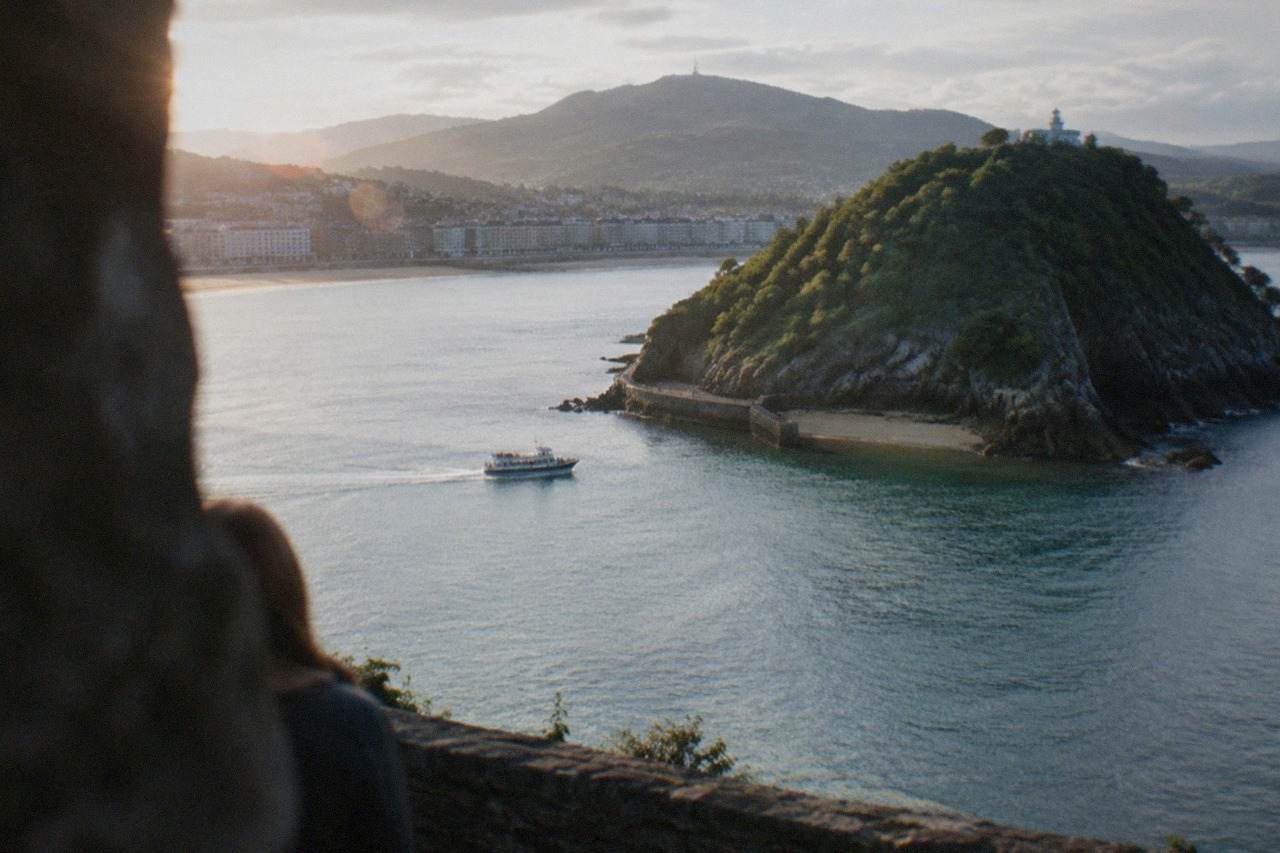
San Sebastián, known in Basque as Donostia, sits close to the French border, the Rioja wine region and some of the wildest coastline in northern Spain, which makes it one of the best bases for day trips in the country.
Short answer
The best day trips from San Sebastián are Biarritz and the French Basque Country, Bilbao with the Guggenheim, the txakoli fishing town of Getaria, the walled port of Hondarribia, the flysch cliffs of Zumaia and the Rioja wine town of Laguardia.
San Sebastián, in the Basque Country of northern Spain, is a small city with an unusual advantage: it sits within easy reach of the French border, the Rioja wine region, the Guggenheim in Bilbao and a stretch of Gipuzkoa coast where the cliffs record 60 million years of geological history. The city's Basque name is Donostia, and its official municipal name is Donostia / San Sebastián. This page lays out the day trips that work from the city, what each one offers, which venues have verified opening rules and prices, and how to choose between them. Several of these trips can also be done as guided excursions, and the listings further down carry the live details.
What Are Some Good Day Trips I Can Do In San Sebastian?
The strongest day trips from San Sebastián run in three directions: west along the Gipuzkoa coast to Getaria, Zarautz and the flysch cliffs of Zumaia; east to the French Basque towns of Biarritz, Bayonne and Saint-Jean-de-Luz; and inland to the Rioja wine region around Laguardia. Bilbao and the Guggenheim, the walled town of Hondarribia, the whale shipyard at Pasaia and Chillida's sculpture garden at Hernani complete the list. Each is a separate municipality or a different country, reached by coach, train, boat or a guided excursion.
That is the short list, and the table below shows what each destination is actually about, so you can match a trip to your interests rather than to a ranking. None of these towns is inside San Sebastián: Gipuzkoa is the province, and every place named here is its own municipality, in France, or in another Spanish province entirely.
| Destination | Where | What it is known for | Best for |
|---|---|---|---|
| Biarritz | French Basque Coast | Belle Epoque seaside resort, surf beaches, grand architecture | A first taste of France |
| Saint-Jean-de-Luz | French Basque Coast | Working fishing port with a sheltered sandy bay | Families, slower pace |
| Bayonne | French Basque Coast | Half-timbered old town, chocolate, the Nive river | Culture and riverside walks |
| Bilbao | Spain, Biscay | The Guggenheim, the old town of Casco Viejo | Art and architecture |
| Getaria | Gipuzkoa | Txakoli wine, grilled fish, the Balenciaga museum | Food and wine |
| Zumaia | Gipuzkoa | The flysch cliffs of the Basque Coast UNESCO Global Geopark | Dramatic coastal walking |
| Hondarribia | Gipuzkoa | Walled old town and fishing district beside the Bidasoa river | History and a half-day pace |
| Pasaia | Gipuzkoa | Albaola, where the San Juan whaleship is being built | Maritime heritage |
| Laguardia | Rioja, Alava | Walled hilltop town above working wineries | A full wine day |
A few of these trips pair naturally. Getaria and Zarautz share a coastline and often share a day. Biarritz, Bayonne and Saint-Jean-de-Luz are usually sold together on a single coach excursion, which is exactly what the related tour at the foot of this page does. Bilbao works best as a full day on its own, because the Guggenheim alone can absorb an entire afternoon. If you want a fuller treatment of any single destination, the site carries dedicated pages on the French Basque Country, on Biarritz and on Saint-Jean-de-Luz.
What Are The Best Day Trips From San Sebastian?
For many people the best single day trip is the French Basque Country: Biarritz, Bayonne and Saint-Jean-de-Luz, three towns that show the Basque Country's French side in one loop. The best food day is Getaria, home of txakoli wine and the Cristobal Balenciaga Museoa. The best art day is Bilbao and the Guggenheim, and the best full-day wine trip is the Rioja town of Laguardia. The best half-day trip is Hondarribia, close enough that the walled old town and the harbour fit before lunch.
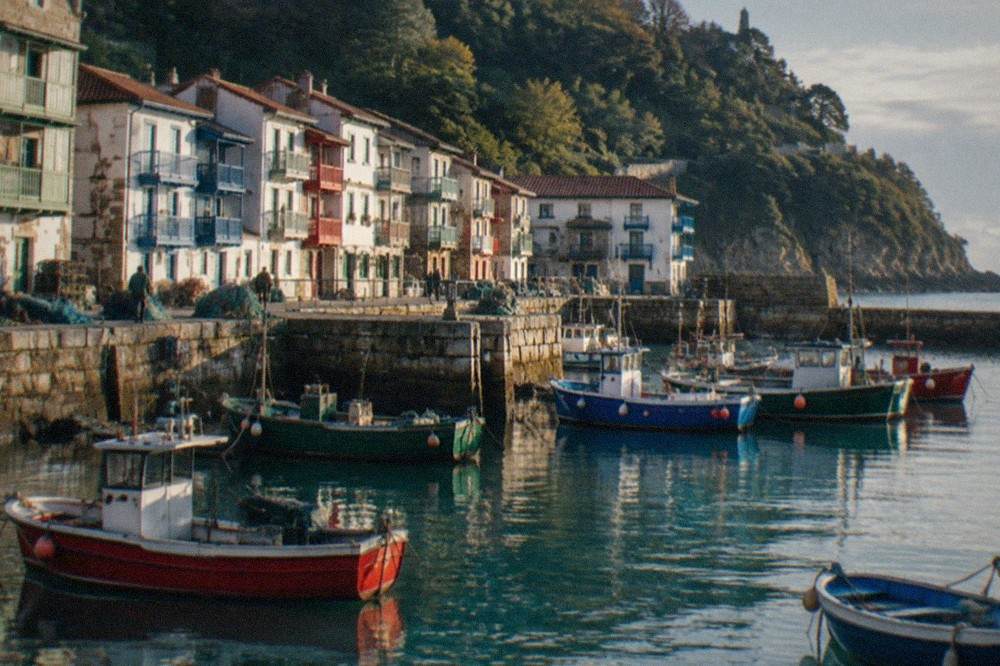
The ranking depends on what you want from a day out of the city. The French loop rewards travellers who want contrast: a border crossing, a different currency of habit in the cafes, architecture the Spanish side does not have. Getaria rewards eaters. The town is small, its harbour faces a rocky headland shaped like a mouse, and the fish restaurants along the port grill whole turbot over embers, the same style that earned Elkano its Michelin star in the MICHELIN Guide Spain 2026.
The Guggenheim day rewards anyone whose main interest is architecture and modern art, and it pairs with a walk through Bilbao's old quarter. Rioja rewards patience: it is the longest day of the set, a full-day small-group trip with winery visits and the walled town of Laguardia, and it suits visitors who have already seen the coast. Hondarribia suits anyone with only a morning, or anyone flying out of the airport at Hondarribia who wants one last town before departure.
One honest constraint shapes all of these trips: the weather. AEMET's climate normals for its Igeldo station, on Monte Igeldo above the city, record 1,507 mm of rain a year across 141 rain days, and even July, the driest month, averages 86 mm. November is the wettest at 169 mm. A coastal walking trip in November is a different proposition from the same walk in July, and the table below shows the numbers month by month so you can plan around them rather than hope.
| Month | Mean temperature C | Rain mm | Days with rain | Sun hours |
|---|---|---|---|---|
| Jan | 8.5 | 141 | 13.2 | 98 |
| Feb | 8.7 | 110 | 11.6 | 107 |
| Mar | 10.3 | 113 | 12.4 | 144 |
| Apr | 11.3 | 138 | 13.4 | 157 |
| May | 14.4 | 120 | 12.2 | 181 |
| Jun | 16.9 | 90 | 10.6 | 189 |
| Jul | 18.9 | 86 | 9.8 | 196 |
| Aug | 19.5 | 117 | 10.5 | 190 |
| Sep | 18.0 | 111 | 10.1 | 179 |
| Oct | 15.5 | 159 | 11.8 | 140 |
| Nov | 11.3 | 169 | 13.0 | 102 |
| Dec | 9.1 | 151 | 12.4 | 93 |
The station sits at 250 m on Monte Igeldo, so the seafront runs slightly warmer than these values, but the pattern holds: this is a wet Atlantic corner of Spain, and the driest months, July and June, are also the months with the most sun. If your trip falls between November and February, weight your plans toward the indoor options, the museums, the cider houses and the wineries, and keep the cliff walks for a dry forecast. The site's rainy day itinerary covers the in-city half of that problem.
What Are Some Good Towns To Visit Near San Sebastian?
The good towns near San Sebastián split into two groups. Inside Gipuzkoa: Getaria and Zarautz on the coast, Hondarribia on the French border, Pasaia with its whale shipyard, Tolosa with its market town character, and Hernani, home of the Chillida Leku sculpture museum. Across the border in France: Hendaia on the coast, Saint-Jean-de-Luz, Biarritz, Bayonne and the smaller villages of the French Basque interior. All of them are separate municipalities, and none of them is inside the city.
Hendaia deserves a specific mention because it is the easiest border town of all: the Euskotren Topo line runs from Amara in the city centre through to Hendaia, and the computed journey time from the operator's own timetable data is 37 to 38 minutes, with the occasional fare for that journey set at 2.90 EUR under the MUGI system. That makes a morning on the longest beach in the Basque Country a genuinely simple trip, with no border formalities to think about inside the Schengen area.
Pasaia is the surprise of the list. The harbour sits inside the urban fare zone, so the motor boat across the bay is covered by the ordinary MUGI ticket, 1.95 EUR in cash or 0.78 EUR with a MUGI card. On the far side, Albaola, the Basque Maritime Museum's shipyard, is building a full-scale reconstruction of the San Juan, a Basque whaling ship, using traditional methods in full public view. Publish no price for it here: the foundation sells its own visits, and the details live on its own site.
For a fuller account of the individual towns, the site carries pages on Hondarribia, Getaria and Zarautz, each with its own detail.
Can You Visit Biarritz And The French Basque Country From San Sebastian?
Yes, and it is the most popular day trip out of the city. Biarritz, Bayonne and Saint-Jean-de-Luz sit just across the border on the French Basque Coast, and the standard way to see all three in one day is a coach excursion that departs from the city, crosses at the Bidasoa river and returns in the evening. Independent travel by train or bus is possible but involves changes, so the guided option is the usual choice for those without a car.
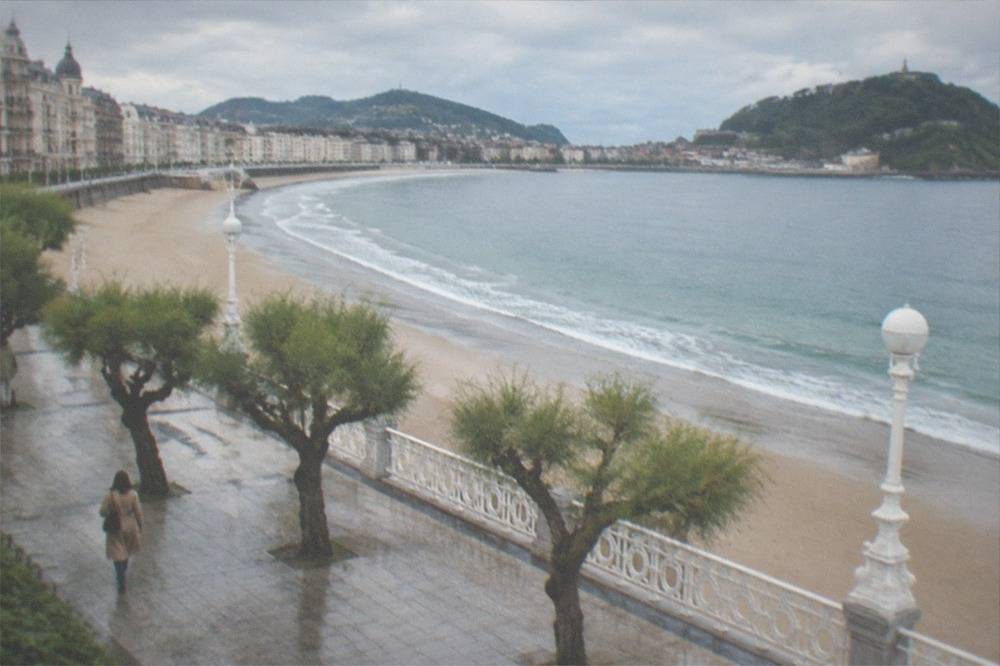
Biarritz is the headline. The town was the summer seat of the French imperial court, and its architecture still shows it: grand villas, a casino above the sea, and the Rocher de la Vierge, a rock islet reached by a footbridge. The beaches face open Atlantic swell, which is why the town is also a surf capital. Bayonne, upstream on the Nive river, is the cultural capital of the French Basque Country, with a half-timbered old town and a chocolate-making tradition. Saint-Jean-de-Luz is the gentlest of the three, a working fishing port around a sheltered bay, with a church where Louis XIV of France was married.
The guided excursion is the practical answer for a single day, because it solves the hardest part of the trip: the three towns do not fall on one rail line, and parking in Biarritz in summer is its own project. The related tour below runs exactly this loop, and there is a dedicated page comparing the two cities at San Sebastian versus Biarritz if you are deciding where to sleep as well as where to day trip.
The operator's live listing carries the current price, the departure point and the cancellation terms, and you can Check availability for your dates. If you would rather stay on the Spanish side of the border but keep the French flavour, Hondarribia's old quarter sits directly opposite the border on the same river.
Is Bilbao And The Guggenheim A Good Day Trip From San Sebastian?
Bilbao is one of the best day trips from San Sebastián, and the Guggenheim is the reason most people go. Frank Gehry's titanium building on the Nervion river is the most famous piece of contemporary architecture in Spain, and the city around it, the Casco Viejo old quarter, the covered market and the riverside walks, fills the rest of the day comfortably. The trip works by coach, by guided excursion or by public transport.
The building itself changed the city's economy, a transformation so complete it gave the planning world the phrase "the Guggenheim effect". Inside, the permanent collection rotates through large-scale installations, and the biggest gallery is built around single works at architectural scale. Outside, Jeff Koons' flower puppy stands guard at the entrance, and the riverside boardwalk in front of the museum is where the classic photographs are taken. The full index of guides sits on San Sebastian Spain Guide.
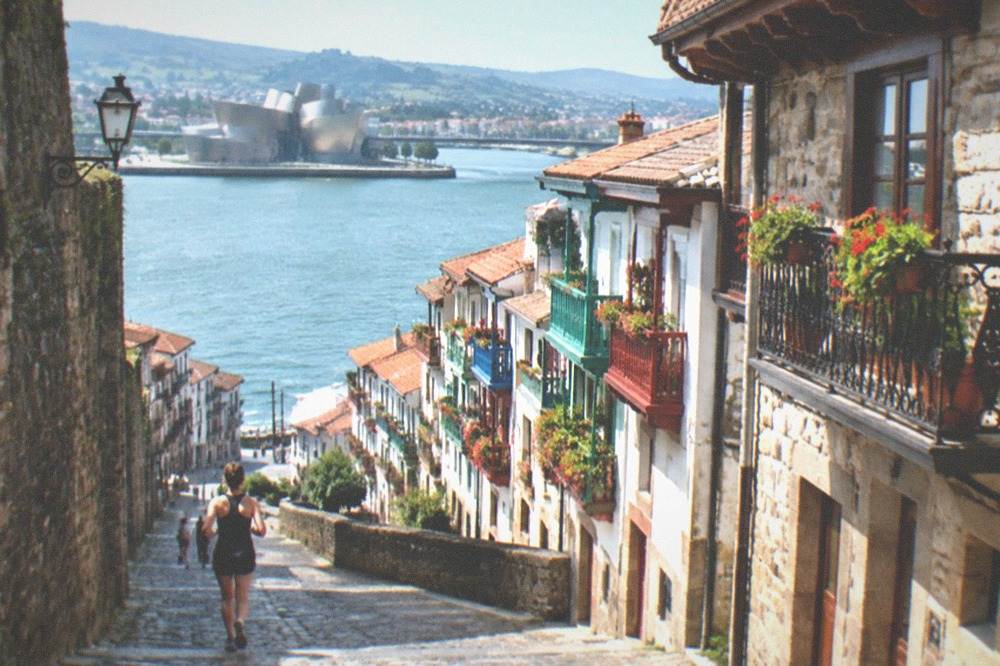
The strongest version of this trip combines Bilbao with a stop at San Juan de Gaztelugatxe, the hermitage on a rocky islet off the Biscay coast, reached by a stone footbridge. That combination, Gaztelugatxe in the morning and the Guggenheim in the afternoon, is exactly what one small-group excursion runs. The site has a dedicated page on the Bilbao day trip and one on Gaztelugatxe, and the tour below handles the whole loop.
The listing carries the current price, the group size and the departure details for this excursion. One planning note that matters: Gaztelugatxe involves a sustained walk down and back up a stone path, so it belongs on the dry-forecast half of your itinerary, and the Vitoria Gasteiz page covers the province-capital alternative if you want a city day without the coast.
What About Wine: Rioja, Txakoli And Getaria?
The wine day trips from San Sebastián run in two directions. West along the Gipuzkoa coast, Getaria is the home of txakoli, the lightly sparkling, high-acid white wine poured from height into the glass, and the town pairs its wineries with the Cristobal Balenciaga Museoa, admission 14 EUR, reduced 9 EUR. South, the Rioja day trip reaches the walled town of Laguardia and working wineries in Spain's most famous red wine region, a full-day small-group excursion.
Txakoli is the local answer to the question of what to drink, and Getaria is where it grows, on Atlantic-facing slopes above the fishing port. The wineries around the town pour it the traditional way, from arm's length above the glass so the wine breaks and aerates. The town itself is small enough to walk end to end, and the museum dedicated to the couturier Cristobal Balenciaga, who was born here, holds a collection of his work in a glass building that juts over the harbour wall. Its opening rules are verified and worth planning around, and the table below gives them in full.
| Season | Open days | Hours |
|---|---|---|
| November to March | Wednesday to Sunday | 10:30 to 17:00 |
| April to October | Tuesday to Sunday | 10:30 to 18:00 |
| July and August | Daily | 10:30 to 20:00 |
Last entry is 30 minutes before closing in every season, and the collection ticket covers the temporary shows as well. If the museum is your anchor, check the season against your travel dates: a Monday visit in May will find it shut.
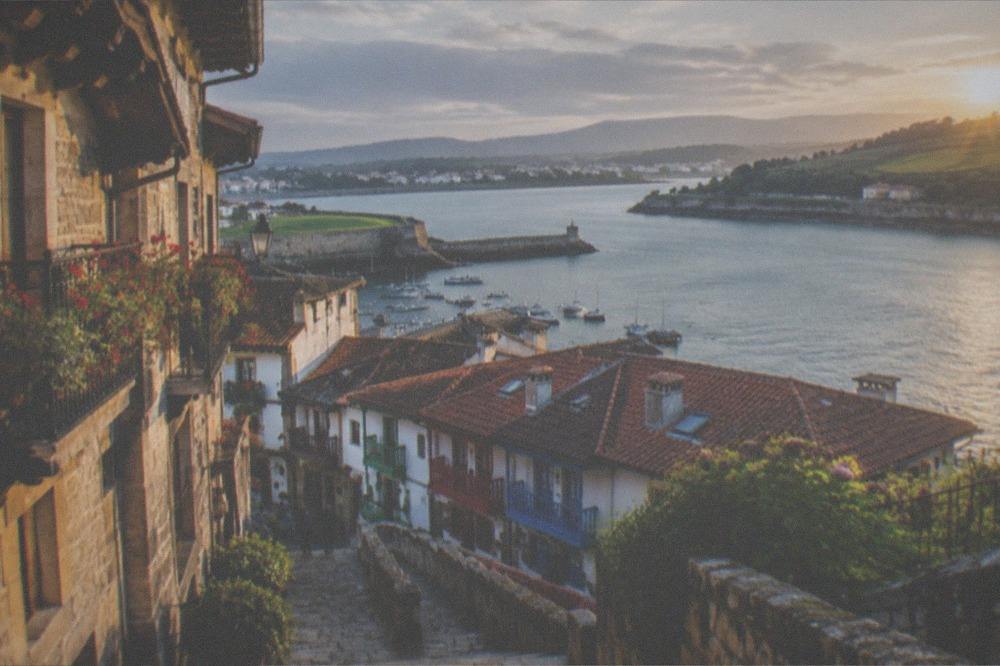
Rioja is a different proposition, a full-day trip into the Ebro valley with winery visits and a walled town. Laguardia is the classic stop, a hilltop village whose streets are closed to cars because the cellars run directly beneath the town. The guided version below handles the driving and the winery bookings, which matters because Rioja's tasting rooms generally want reservations, and the site's Rioja day trip page covers the region in its own right.
The listing carries the current price, the pickup arrangements and the group size for this small-group trip. For the cider side of Basque drinking culture, the txotx season runs from the middle of January to the end of April, when the cider houses around Astigarraga open their barrels and serve the ritual glass straight from the cask, alongside the salt-cod omelette and the grilled txuleta steak that make up the cider house menu.
Coastal Day Trips: Hondarribia, Pasaia, Zarautz And Zumaia
The Gipuzkoa coast gives San Sebastián its best half-day and its most spectacular full-day trips. Hondarribia, beside the airport, holds a walled medieval quarter and a colour-washed fishing district. Zarautz and Getaria share a single stretch of coast road. Zumaia, further west, is the gateway to the flysch cliffs of the Basque Coast UNESCO Global Geopark, where the rock layers read like a timeline, and where the coastal path between Zumaia and Deba is the region's signature walk.
Zumaia is the geology headline. The Itzurun beach cliffs expose layer after layer of sedimentary rock, and the Geopark, which covers Zumaia, Deba and Mutriku, has been a UNESCO Global Geopark since 2015 after joining the European network in 2010. The same shoreline appears in the guided coastal walk that runs from the city with txakoli tastings, and the site's Zumaia flysch page covers the geology in detail.
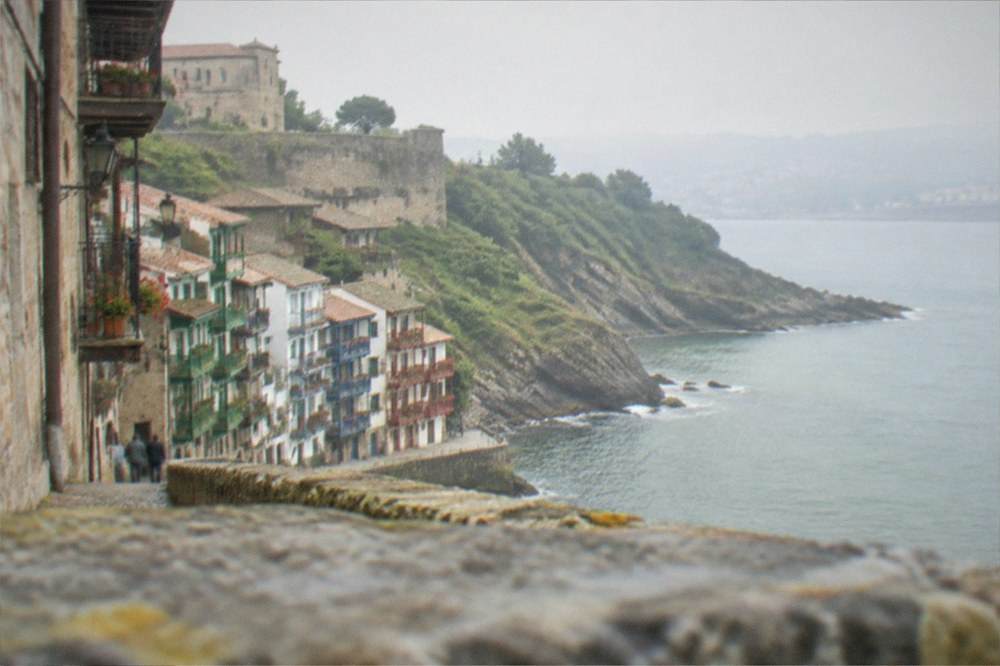
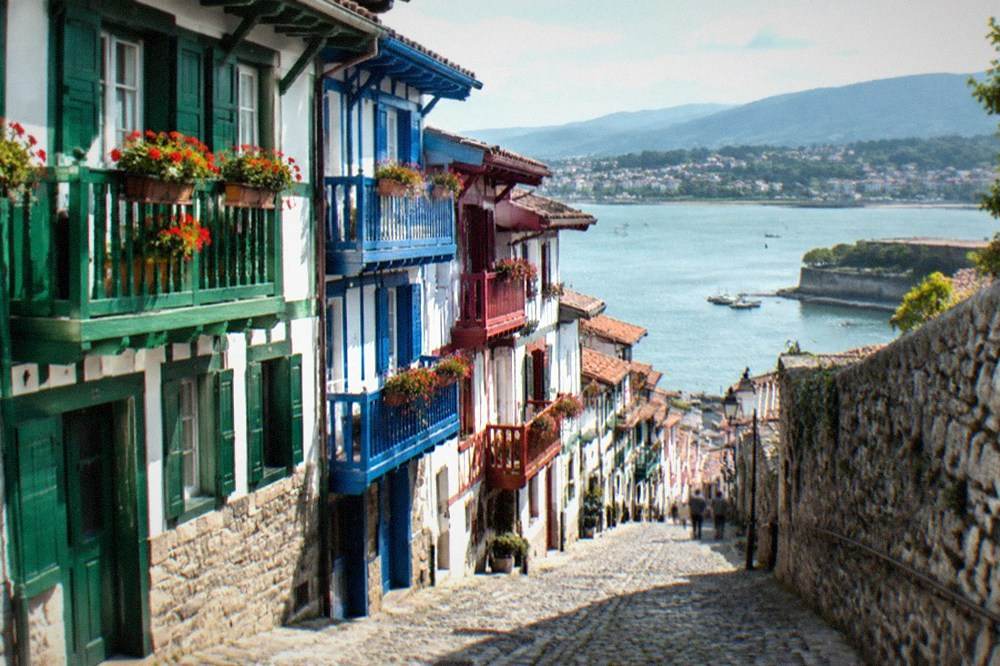
Hondarribia is the half-day. The town faces Hendaye across the Bidasoa, the river that marks the border, and its two halves are a study in contrast: the walled upper town with its stone houses, and the Marina district below, where the fishermen's houses are painted in reds, greens and blues. The beach sits on the bay. Zarautz, west of Getaria, adds the longest beach on this coast and a seafront promenade, and the three-town coastal loop, Zarautz, Getaria and Zumaia, is run as a single guided half-day.
The listing carries the current price and the vehicle arrangements for this coastal loop. For a sense of what the coast holds beyond these towns, the boat trips from the city's own harbour give the same cliffs and coves from the water, and the guided coastal walk with txakoli tastings covers the shoreline on foot.
How Do You Plan A Day Trip From San Sebastian Without A Car?
Plan around three verified transport facts. The Euskotren Topo runs from Amara in the city to Hendaia in France in 37 to 38 minutes, with the occasional fare at 2.90 EUR. The Pasaia motor boat sits inside the urban MUGI fare, 1.95 EUR in cash or 0.78 EUR with a MUGI card. Beyond those, the practical answer for most day trips is either the Lurraldebus network for Gipuzkoa towns or a guided excursion, whose listing carries the current duration and departure details.
The MUGI card is the single fare system for the province, covering dBus city buses, Lurraldebus and Euskotren, and its fares are set by zone jumps rather than by route. What a card costs to buy is not published in the sources used here, so check the operator before relying on one. For the French side, the border is invisible in practice inside Schengen, a 29-country area that includes Spain and France, so a day trip across it involves no passport control in normal conditions.
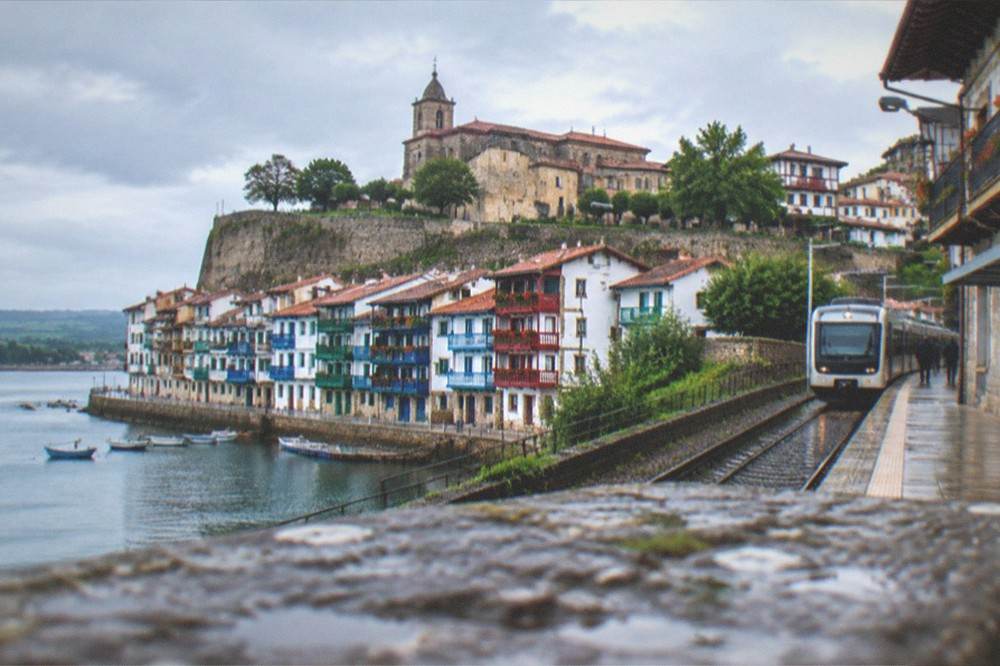
The venues you might visit on these trips have verified details worth collecting in one place, and the table below holds them. Note the pattern in the closing days: Chillida Leku shuts on Tuesdays and Wednesdays, the Balenciaga museum closes on Mondays outside high summer, and the cider museum in Astigarraga runs visits from 5.00 EUR with a premium tasting visit at 9.00 EUR.
| Venue | Town | Verified detail |
|---|---|---|
| Cristobal Balenciaga Museoa | Getaria | 14 EUR, reduced 9 EUR; last entry 30 minutes before closing |
| Chillida Leku | Hernani | 14 EUR adults, 10 EUR groups and concessions, 7 EUR under 18; closed Tuesdays and Wednesdays |
| Sagardoetxea cider museum | Astigarraga | Museum visit from 5.00 EUR, premium visit with tasting 9.00 EUR |
| Albaola shipyard | Pasaia | Builds the San Juan whaleship; visits sold on its own site |
| Basque Coast UNESCO Global Geopark | Zumaia, Deba, Mutriku | UNESCO Global Geopark since 2015 |
Chillida Leku deserves its own word. The museum holds Eduardo Chillida's large sculptures in a restored farmhouse and its grounds outside Hernani, and the same sculptor's work anchors the city's own seafront at the Peine del Viento, three steel forms of more than nine tonnes each, anchored to the rocks at the end of Monte Igeldo, created in 1977 with a granite plaza by the architect Luis Peña Ganchegui. A visitor who has stood at the Peine del Viento in the city is seeing the same hand at a different scale in Hernani.
One more table answers the question of what to do when the forecast turns, because on this coast it will at least once. These are the indoor anchors of the day-trip towns, and they are the reason a wet week here does not have to be a lost one.
| If it rains | Go to | Why it works wet |
|---|---|---|
| Coastal walk day | Getaria | The Balenciaga museum and the txakoli wineries are indoors |
| Bilbao day | Bilbao | The Guggenheim is a full afternoon under cover |
| France day | Bayonne | The covered old town and the chocolate makers are roofed |
| Cider day | Astigarraga | The txotx ritual and the meal happen in the cellar |
| Sculpture day | Hernani | Chillida Leku's barn holds the indoor collection |
The second band of tours above includes a city walking tour, which is the right move for a rain day that never lifts: the Old Town and the Romantic Area on foot, with separate English and Spanish departures, and the option of a private run. The site's one day in San Sebastian page covers the in-city alternative in full.
Common Questions About San Sebastian Day Trips
Do I need a car for day trips from San Sebastian?
No. The Topo line covers Hendaia, the urban fare covers the Pasaia boat, and the Lurraldebus network serves the Gipuzkoa towns. For the French loop, for Gaztelugatxe and for Rioja, a guided excursion is usually easier than driving, because it handles border roads, winery bookings and the parking that coastal towns do not offer in summer.
Can you do Getaria and Zumaia in one day?
Yes, and the standard guided version does exactly that, adding Zarautz as the third stop on a half-day loop along the coast road. Getaria needs the harbour, a winery and the Balenciaga museum, while Zumaia needs the cliff viewpoint at Itzurun beach. Doing both alone is possible but leaves little slack for lunch.
Is the Rioja day trip too far from San Sebastian?
It is the longest day trip on this list, a full-day small-group excursion with winery visits and the walled town of Laguardia. It suits a stay of four days or more, or a visitor whose main interest is wine. If one day is all you have in the city, the coast or the French loop fit better.
What is the cheapest day trip from San Sebastian?
Hendaia by the Topo line, at an occasional fare of 2.90 EUR each way, and Pasaia by motor boat, inside the urban fare at 1.95 EUR in cash. Both are short hops with a border town or a shipyard at the end, and neither needs a booking.
Which day trip is best with children?
Saint-Jean-de-Luz, with its sheltered sandy bay, and Hondarribia, with its short walls and fishing district, are the gentlest. Albaola at Pasaia works for children old enough to enjoy a wooden ship under construction, and Zumaia's beach sits directly under the flysch cliffs, so the geology arrives without a walk.
Can you visit Pamplona from San Sebastian?
Yes, there are both shared coach day trips and private day trips along the bull run route, the private one including a three-course Basque meal in a cafe. The site's Pamplona day trip page covers the options, and the shared version leaves lunch out, so plan for that.
The pattern across all of these trips is the same: pick one direction, check the season against the venue tables above, and let a guided excursion carry the logistics on the days when the timetable would otherwise eat the morning. That leaves the evening for the pintxo bars, which no day trip should be allowed to displace.