Northern Spain Itinerary With San Sebastian
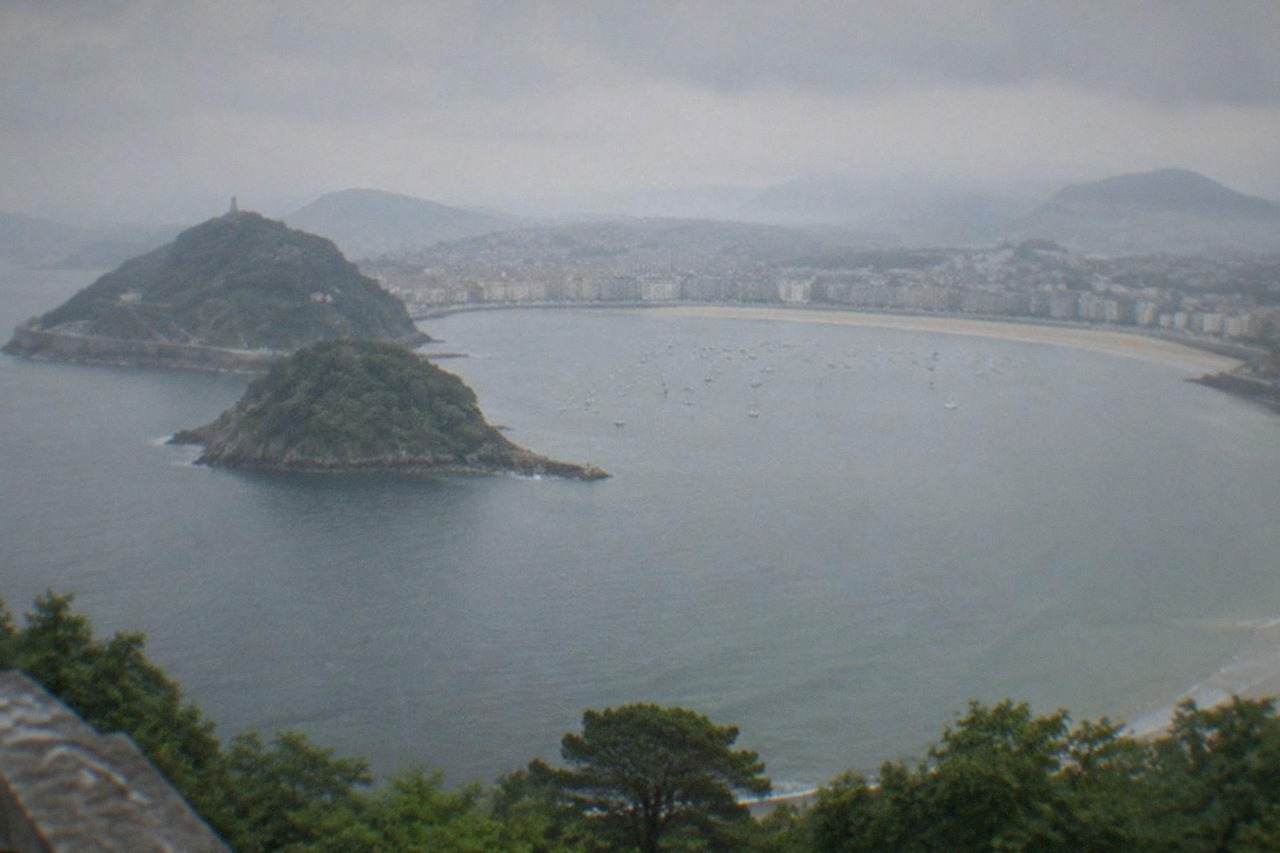
A Northern Spain itinerary works best when San Sebastián, the Basque city on La Concha bay whose official name is Donostia / San Sebastián, is the base: the city holds the region's food culture, its beaches and its rail links, and the coast, the mountains and the French border all sit within a day's return.
Short answer
Plan five to seven days: two to three in San Sebastián itself, then day trips to Hondarribia, Getaria, Zumaia, Bilbao and the French Basque coast, all reachable without changing hotels.
San Sebastián, in the Basque Country of northern Spain, is the natural hub for a Northern Spain itinerary. The city, whose Basque name is Donostia and whose official municipal name is Donostia / San Sebastián, sits on La Concha bay in the province of Gipuzkoa, 20 km from its own airport at Hondarribia, 45 km from Biarritz in France and 105 km from Bilbao. The tourism board describes it as having three airports within a little over 100 km, two of them international. That geography is the whole argument for basing a northern trip here: one hotel, and the coast, the cider country, the Rioja and the French Basque towns all become day trips.
This page lays out the route: how many days to give, what the city itself holds, which day trips earn their place, when to go, and what the entry prices along the way cost. The region's weather is Atlantic, not Mediterranean, and the itinerary below is built around that fact rather than against it. This San Sebastian Spain Guide is the site that covers every stop on the route in its own page.
What Does A Northern Spain Itinerary Around San Sebastian Look Like?
A workable Northern Spain itinerary runs five to seven days: two to three days inside San Sebastián itself, because the Old Town, the beaches and the two hills at the bay's mouth take at least two full days, then a day trip in a different direction each day, to places like Bilbao or the French Basque coast, returning to the same base every night. The city anchors the trip because it sits at the centre of the region's transport web, with the Topo rail line running east to the French border, Renfe running west and south, and coach day trips departing from the bus station to Bilbao, the French Basque coast and the fishing towns of Gipuzkoa.
The shape below is the one that fits most first visits. It front-loads the city, because San Sebastián's own sights, the Old Town, the beaches and the two hills at the bay's mouth, take at least two full days, then it radiates outward. Every day trip listed is a place this site has a dedicated page for, so you can go deeper on any leg before committing.
| Day | Base | Where you go | What the day is about |
|---|---|---|---|
| 1 | San Sebastián | Parte Vieja, La Concha, Monte Urgull | Old Town pintxos and the bay on foot |
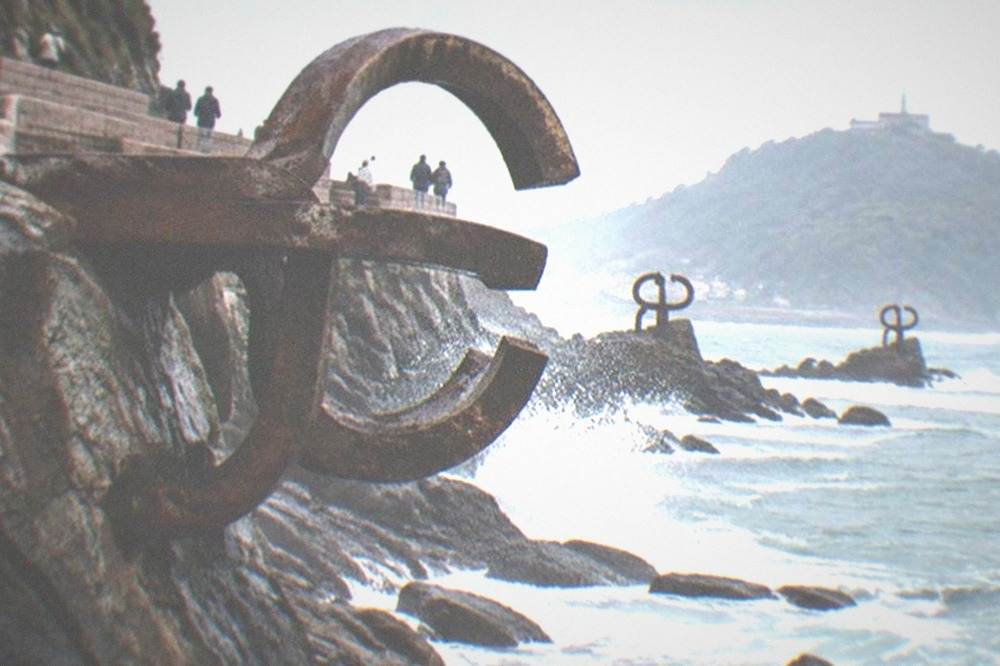
| 2 | San Sebastián | Monte Igueldo, Ondarreta, Peine del Viento | Funicular, the west end of the bay and the sculptures |
| 3 | San Sebastián | Getaria and Zarautz | Txakoli country and the coast road west |
| 4 | San Sebastián | Hondarribia and Pasaia | The border town and the harbour ferry |
| 5 | San Sebastián | Bilbao and the Guggenheim | The big-city day, by coach or train |
| 6 | San Sebastián | Biarritz and Saint-Jean-de-Luz | The French Basque coast, across the border |
| 7 | San Sebastián | Zumaia and the flysch | The Geopark cliffs, or a Rioja day inland |
Two shorter versions work if a week is too much. The three days in San Sebastián plan compresses the city and one coastal day trip, and the two days version is a fast city-and-beach pair. If you are arriving from a cruise call instead, the cruise port itinerary reorders the same highlights into a single day ashore.
Where Should You Base A Northern Spain Trip, And Why San Sebastian?
San Sebastián is the best base for a Northern Spain itinerary because it is the region's transport crossroads: its own airport is 20 km away at Hondarribia, Biarritz is 45 km, Bilbao is 105 km, and the Topo railway runs from the city's Amara station to Hendaia on the French border. The city also holds the densest concentration of things worth stopping for: three beaches, two hills, an Old Town built around pintxo bars, and, in the MICHELIN Guide Spain 2026, six restaurants holding eleven stars inside the municipality.
The alternative is Bilbao, which some travellers pick for its bigger airport. The honest trade-off is that Bilbao is a larger city with one world-class museum, while San Sebastián is smaller, walkable end to end, and closer to both the coast and France. This site compares the two cities directly on its San Sebastián vs Bilbao page, and the where is San Sebastián guide covers the geography in detail. For an itinerary that wants coast, France and food in one week, the Bay of Biscay city wins on position alone.
One detail that surprises visitors arriving by air: the airport bus network changed in 2026. Since 1 June 2026 line E21 no longer stops at San Sebastián Airport, and the operator lists lines E20, E23, E25, E27, E28, E29 and E30 as the airport services, with E30 running direct between the city and the airport. A tourism board page still names E21, so trust the operator's own list if you are planning the transfer.
How Many Days Should You Spend In San Sebastian Itself?
Give the city two full days at minimum, and three if food is the point of the trip: day one covers the Old Town, La Concha and Monte Urgull, day two takes Monte Igueldo, Ondarreta and the Peine del Viento, and a third day lets you add Santa Clara island, the museums and a long pintxo evening without rushing. Most first-time visitors under-budget the city, because the sights sit close together but the eating hours are late and unhurried.
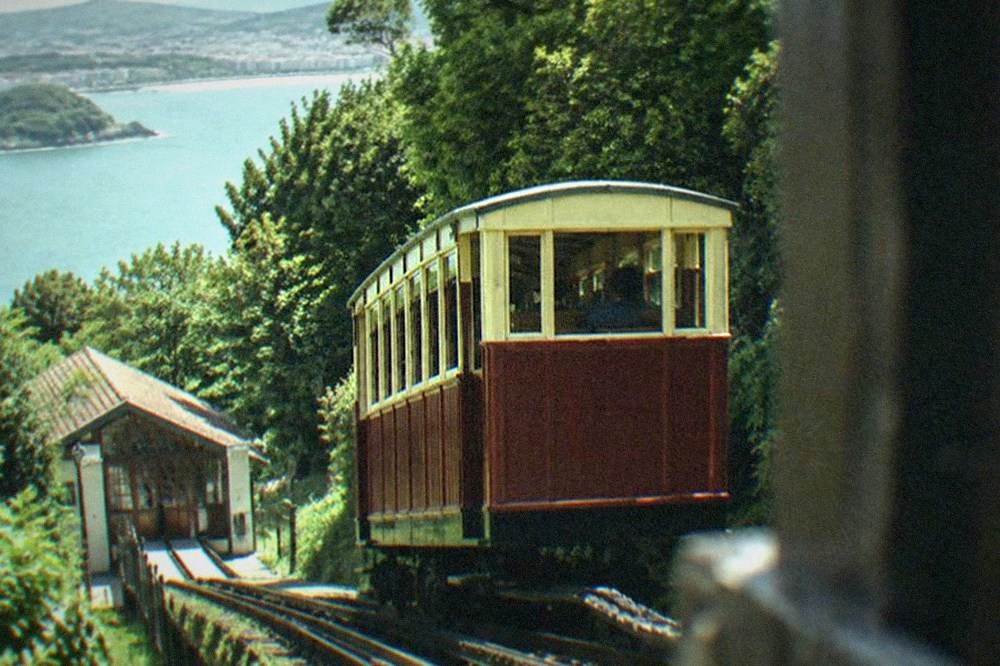
The city's own scale helps. La Concha runs 1,350 m along the bay, Ondarreta 600 m at its west end and Zurriola 800 m on the ocean side, and all three sit within a half hour's walk of one another. Monte Urgull, the hill on the bay's east side, keeps daylight access hours of 08:00 to 21:00 from 1 May to 30 September and 08:00 to 19:30 from 1 October to 30 April, so it fits at the end of any sightseeing day. Monte Igueldo, on the west side, is reached by a rack funicular that opened in 1912 and normally runs every 15 minutes; the funicular's own site lists a return adult ticket at 5.50 EUR, with the entry to the grounds included.
| City sight | What it is | Key fact from the venue or council |
|---|---|---|
| La Concha | 1,350 m sandy beach on the bay | Lifeguards 1 June to 30 September |
| Monte Urgull | Hill and park at the bay's east mouth | Open 08:00 to 21:00 in summer, closes 19:30 from 1 October |
| Monte Igueldo | Hilltop park reached by 1912 funicular | Return adult 5.50 EUR, grounds entry included |
| Peine del Viento | Three Chillida steel sculptures on the rocks | Definitive work created in 1977, given to the city |
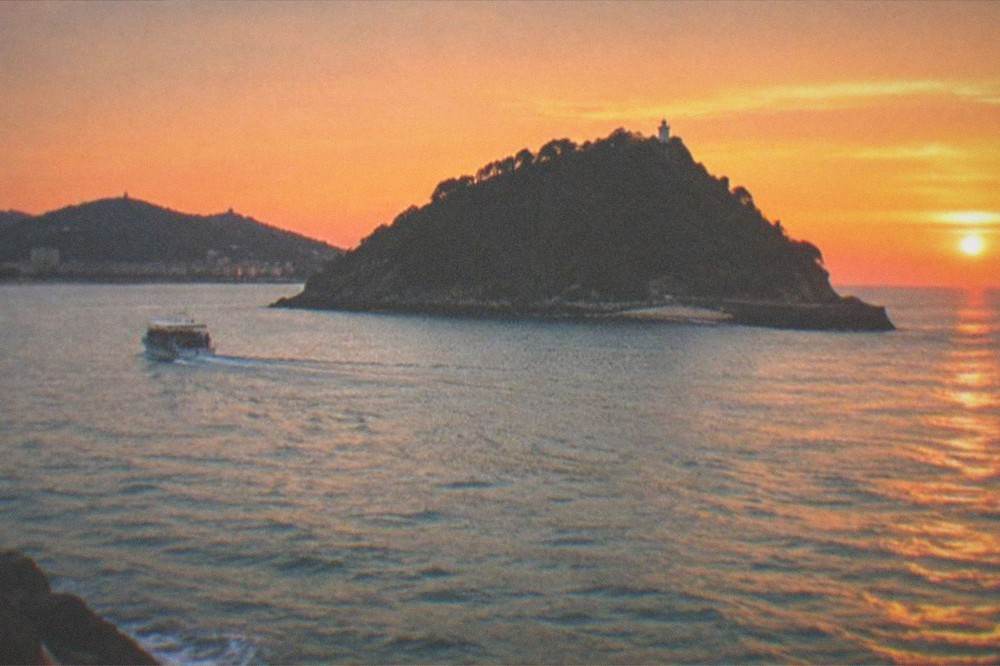
| Santa Clara island | Island in the middle of the bay | Boat high season 1 June to 30 September, 5 EUR return |
| San Telmo Museoa | City museum in an old convent | 10.00 EUR general, free every Tuesday |
If rain arrives, and it does, see the rainy day itinerary for the indoor plan. Families travelling with children have a dedicated San Sebastian with kids itinerary, and couples a for-couples version.
What Should You Actually Do On The City Days?
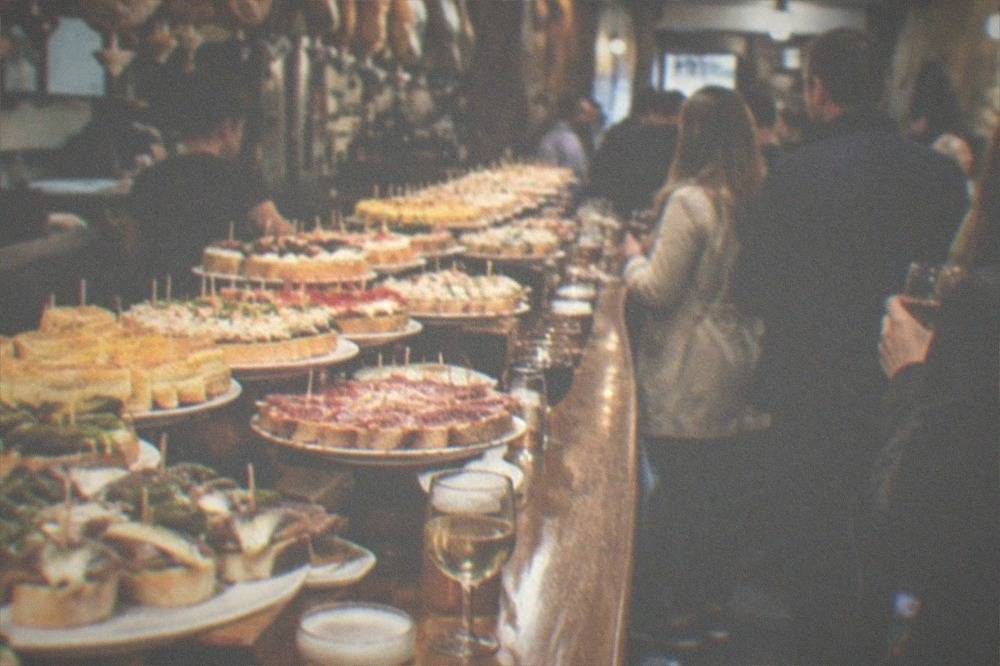
The two city days split cleanly: day one is the east side, the Old Town, La Concha and Monte Urgull, and day two is the west side, Ondarreta, the funicular up Monte Igueldo and the Peine del Viento at the rocks, with Santa Clara island and the bay boat fitting on whichever day has the calmer sea. The Old Town, the Parte Vieja, is where the pintxo bars concentrate, and the evening pintxo crawl is the city's central social ritual, not a tourist invention.
Day one can open with a guided walk: the Old Town walks on this site's walking tours page cover the same streets a local would show you. The bay itself deserves time on the water, and the boat with a stop on Santa Clara is the cheapest way out onto it; the island's boat operator runs the direct red line every 30 minutes in high season, 10:00 to 19:00, weather permitting, with the last return sailing at 20:00 from June to September. Hondalea, Cristina Iglesias's installation in the island's lighthouse, is free to visit, open 1 June to 30 September, in half-hourly sessions of about 20 minutes, with no booking needed for the visit itself, only the boat.
Day two heads west. Ondarreta's beach, 600 m long and 100 m wide on average, leads to the Peine del Viento, where three steel sculptures by Eduardo Chillida, each of more than nine tonnes, are anchored into the rocks at the foot of Monte Igueldo. The funicular ride up the hill doubles as the viewpoint: the ticket includes entry to the grounds, and the funicular's own site notes that tickets for the downhill-only journey are not on sale, so plan to ride both ways or walk the whole route down, not up.
The food is its own half-day. The city's pintxo culture is covered in depth on the pintxos in San Sebastian guide, and the site's what to eat page lists the signature dishes beyond the bar counters. A culinary tour with a guide is the efficient way in, and this one is capped at eight guests and led by a culinary expert:
The bay boat is the other half of the city's sightseeing economy, a short lap of La Concha with a stop on the island, and it fits neatly between the two hill days:
Which Day Trips From San Sebastian Belong On A Northern Spain Itinerary?
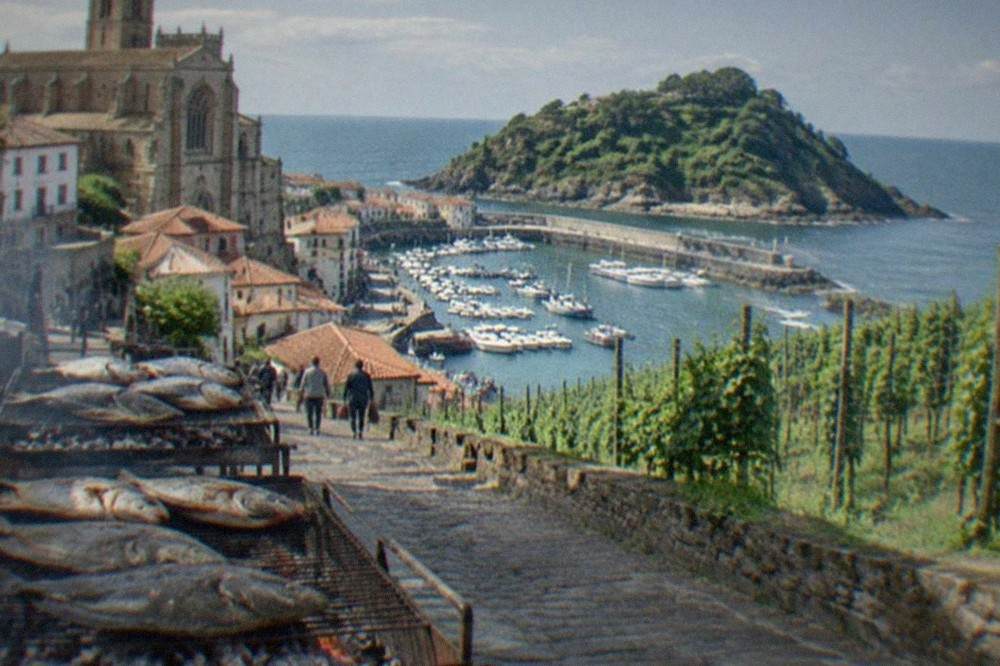
The strongest day trips from San Sebastián are, in order of ease: Hondarribia and Pasaia to the east, Getaria and Zarautz to the west along the txakoli coast, Bilbao and the Guggenheim to the west by coach, and Biarritz with Saint-Jean-de-Luz across the French border, with Zumaia's flysch cliffs and a Rioja winery day as the two inland-and-coast alternatives. All of them are returnable in a day from the city's bus station or by rail, and each has a dedicated page on this site with its own detail.
| Day trip | Direction | What it is | Deeper page on this site |
|---|---|---|---|
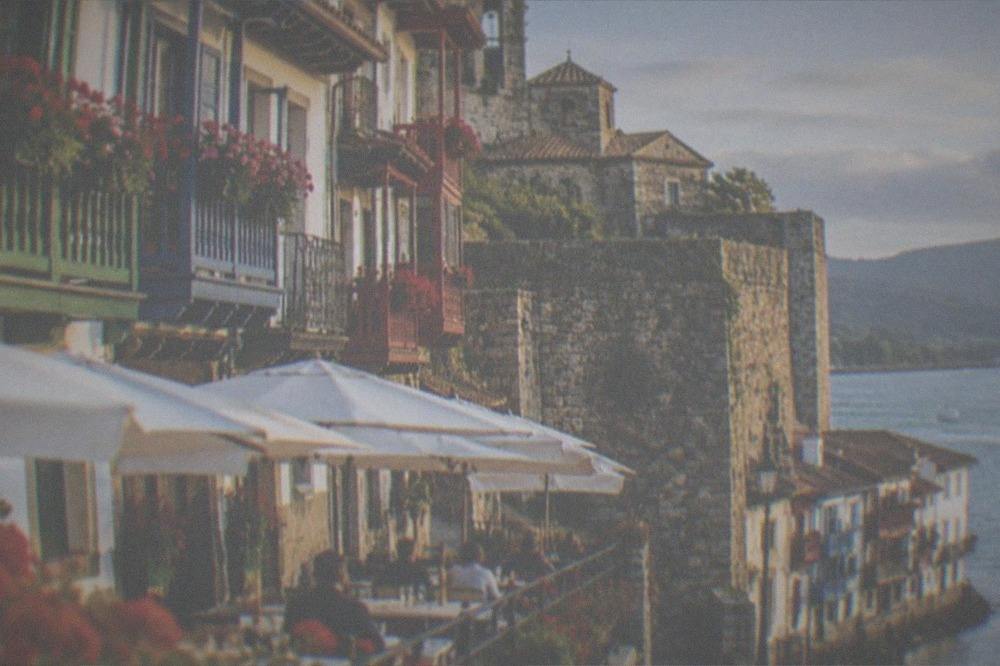
| Hondarribia | East, at the border | Walled old quarter and the airport town | Hondarribia |
| Pasaia | East | Harbour villages and the Albaola whaleship | Pasaia |
| Getaria | West | Fishing town, Balenciaga museum, txakoli | Getaria |
| Zarautz | West | Long beach town on the coast road | Zarautz |
| Zumaia | West | Flysch cliffs of the Basque Coast Geopark | Zumaia flysch |
| Bilbao | West, 105 km | Guggenheim and the old city | Bilbao day trip |
| Biarritz and Saint-Jean-de-Luz | North, into France | French Basque coast towns | Biarritz day trip |
| Rioja | South | Winery visits and walled Laguardia | Rioja day trip |
Two of these deserve their coach seats booked ahead. The Bilbao day pairs the Guggenheim with the Gaztelugatxe hermitage, the rocky islet with the stone stairway, and a small-group day trip from the bus station covers both. The French Basque day crosses to Biarritz, Bayonne and Saint-Jean-de-Luz in one loop, and a coach excursion does all three towns without the hassle of driving on French roads. The day trips from San Sebastian guide compares every option, including the shorter half-days.
The Camino de Santiago threads through several of these towns, which matters if you want a walking day inside the itinerary. The tourism board lists the coastal route's Gipuzkoa stages, and the second and third run through the city itself: Pasaia to Donostia, then Donostia to Orio. The site's Camino del Norte page covers walking it, and a guided hike over Mount Ulia to the lighthouse samples the same coastline in a half day.
When Is The Best Time To Run This Northern Spain Itinerary?
The best months for a Northern Spain itinerary around San Sebastián are June and September: both sit inside the lifeguard and island-boat season, June averages 16.9 C and 90 mm of rain while September averages 18.0 C and 111 mm, and both avoid the August peak, when hotel overnight stays in the city reach their yearly maximum of 245,769. May and July are the runners-up, May for lighter crowds and July for the driest weather of the year, 86 mm on average over about 10 rain days.
This is an Atlantic city and the numbers say so plainly. AEMET's climate normals for its Igeldo station, the 1981 to 2010 series, record 1,507 mm of rain across 141 rain days in an average year. No month averages under 86 mm, November is the wettest at 169 mm, and August, at 117 mm, is wetter than June, July or September. Anyone promising you a dry week on this coast is guessing. Pack for showers even in high summer, and let the site's San Sebastián weather guide handle the month-by-month detail.
| Month | Mean C | Rain mm | Rain days 1mm+ | Sun hours | Why it fits the itinerary |
|---|---|---|---|---|---|
| May | 14.4 | 120 | 12.2 | 181 | Warm bay, thin crowds |
| June | 16.9 | 90 | 10.6 | 189 | Full beach season opens |
| July | 18.9 | 86 | 9.8 | 196 | Driest month, peak season |
| August | 19.5 | 117 | 10.5 | 190 | Warmest, busiest, Semana Grande week |
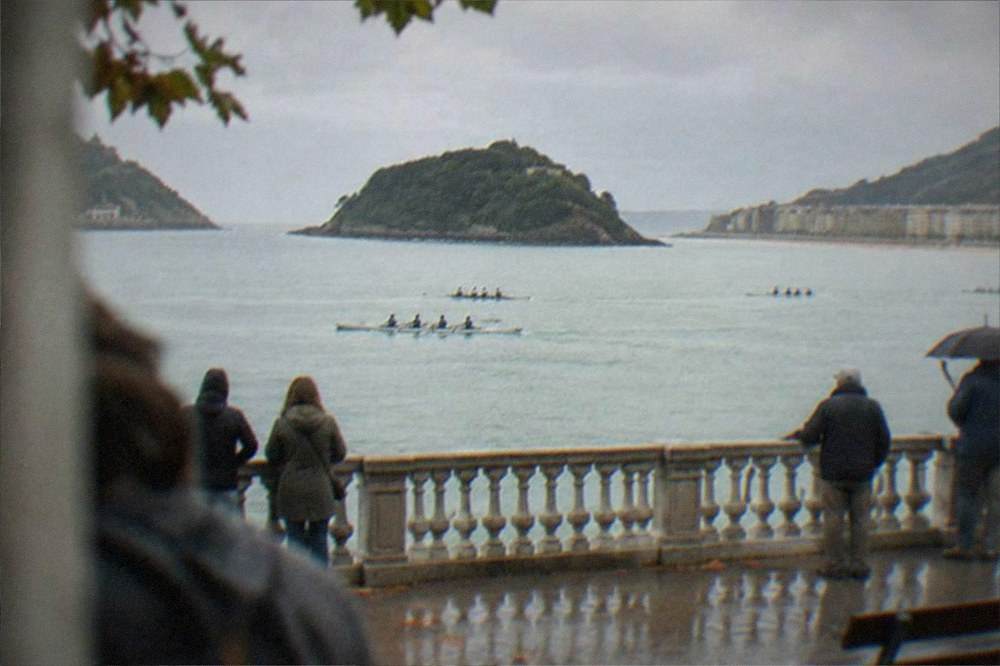
| September | 18.0 | 111 | 10.1 | 179 | Sea at its warmest, regattas |
| October | 15.5 | 159 | 11.8 | 140 | Quiet, wetter, hills still open |
The season rules matter more than the temperatures. Beach lifeguards serve all three beaches from 1 June to 30 September, with hours of 10:00 to 20:00 from 15 June to 15 September. The island boat's high season is the same window, 1 June to 30 September, plus Easter and long weekends. Hondalea on the island runs the same summer dates. After 30 September the bay loses its boat service to "consultar salidas", the low-season arrangement, and the beaches lose their lifeguards, so a September visit catches everything still running with the August crowds gone.
What Will The Northern Spain Itinerary Cost In Entry Prices?
The fixed entry prices on this route are modest: the Monte Igueldo funicular return is 5.50 EUR for an adult with grounds entry included, San Telmo Museoa is 10.00 EUR general admission and free every Tuesday, the Santa Clara island boat is 5 EUR return in high season, and Chillida Leku in Hernani is 14 EUR for an adult, so a full week of paid sights costs well under 50 EUR per person before food and lodging. The expensive part of a San Sebastián trip is the eating and the beds, not the sights.
| Sight or service | Price | Who says so |
|---|---|---|
| Monte Igueldo funicular, adult return | 5.50 EUR | The funicular's own site |
| Monte Igueldo grounds entry on foot or by vehicle | 3.00 EUR | The funicular's own site |
| San Telmo Museoa, general | 10.00 EUR | The museum's own site |
| San Telmo Museoa, reduced | 4.00 EUR | The museum's own site |
| Santa Clara island boat, return | 5 EUR | The boat operator's tariff page |
| Bay tour with island landing | 8 EUR | The boat operator's tariff page |
| Chillida Leku, adult | 14 EUR | The museum's own site |
| Tabakalera | Free access | The venue's own site |
Two warnings on money. First, the tourist tax: Gipuzkoa's Norma Foral 3/2026 takes effect on 1 January 2027 and is not charged before that date, so no visitor pays it on a 2026 trip. When it starts, the law sets bands per person per night, from 0.75 EUR at one-star hotels and pensions up to 6.50 EUR at five-star hotels and tourist-use dwellings, with at most six nights charged per stay and under-18s exempt; the city's own rate inside those bands has not been published on an official page, so no single figure can be honestly printed here. Second, the Michelin count: the MICHELIN Guide Spain 2026 lists eleven stars across six restaurants inside the municipality, including the three-star houses Akelaŕe and Arzak, while Martín Berasategui, also three stars, sits in Lasarte-Oria, a separate municipality, and Mugaritz in Errenteria. Book the starred tables months ahead or plan on pintxo bars instead, which is what much of the city does anyway. The is San Sebastian expensive guide handles the budget question in full.
Common Questions About A Northern Spain Itinerary With San Sebastian
Can you do Bilbao and San Sebastian on the same trip?
Yes, and it is the most common pairing in northern Spain. Bilbao is 105 km away by the Basque Government's own listing, and a coach day trip from the city's bus station covers the Guggenheim and Gaztelugatxe in one loop. Give San Sebastián at least two of the trip's nights, since its Old Town and beaches deserve unhurried evenings.
How many days do you need for Northern Spain?
Five days is the working minimum with San Sebastián as the base: two in the city and three day trips. Seven days lets you add the French Basque coast and the Zumaia flysch or a Rioja winery day without rushing. The how many days in San Sebastián guide breaks down the city portion day by day.
Do you need a car for a Northern Spain itinerary?
No. The Topo railway runs from the city's Amara station toward the French border, Renfe and coaches run west and south, and every day trip on this page has a coach or rail option from the city. A car helps for the Rioja day and the small coastal villages at your own pace, but the coastal Geopark towns and Bilbao are all reachable without one.
Is San Sebastian worth the detour on a Northern Spain trip?
The city is the reason travellers come to this coast at all: three beaches on one bay, an Old Town of pintxo bars, eleven Michelin stars across six restaurants in the 2026 guide, and hills at both ends of the bay with public access. The is San Sebastián worth visiting page makes the case in detail.
What is the rainiest month in San Sebastian?
November, with 169 mm of rain on average over 13 rain days at AEMET's Igeldo station, followed by October at 159 mm. July is the driest month and still averages 86 mm. Rain is part of this coast in every season, which is why this itinerary keeps indoor options, the museums and the pintxo bars, woven through every day.
The route holds together because the city does: one base on La Concha bay, days radiating out to France, the Geopark and Bilbao, and evenings back in the Old Town with a pintxo in hand. Pick your month from the climate table, book the starred tables early if you want them, and let the rest of the week follow the bay.