San Sebastian Neighbourhoods
San Sebastián, the Basque city on La Concha bay whose official name is Donostia / San Sebastián, packs six distinct neighbourhoods into a walkable strip between two hills. Here is what each one actually contains, with the council's own figures.
Short answer
San Sebastián has six neighbourhoods visitors actually use: Parte Vieja (the Old Town), Centro (the Romantic Area), Gros, Antiguo, Egia and Amara. The Old Town holds the pintxo bars and San Telmo Museoa, Centro holds the cathedral and the Boulevard, Gros faces Zurriola beach and the Kursaal, Antiguo sits by Ondarreta under Monte Igueldo, Egia holds Tabakalera, and Amara is the transport hub around the Euskotren station.
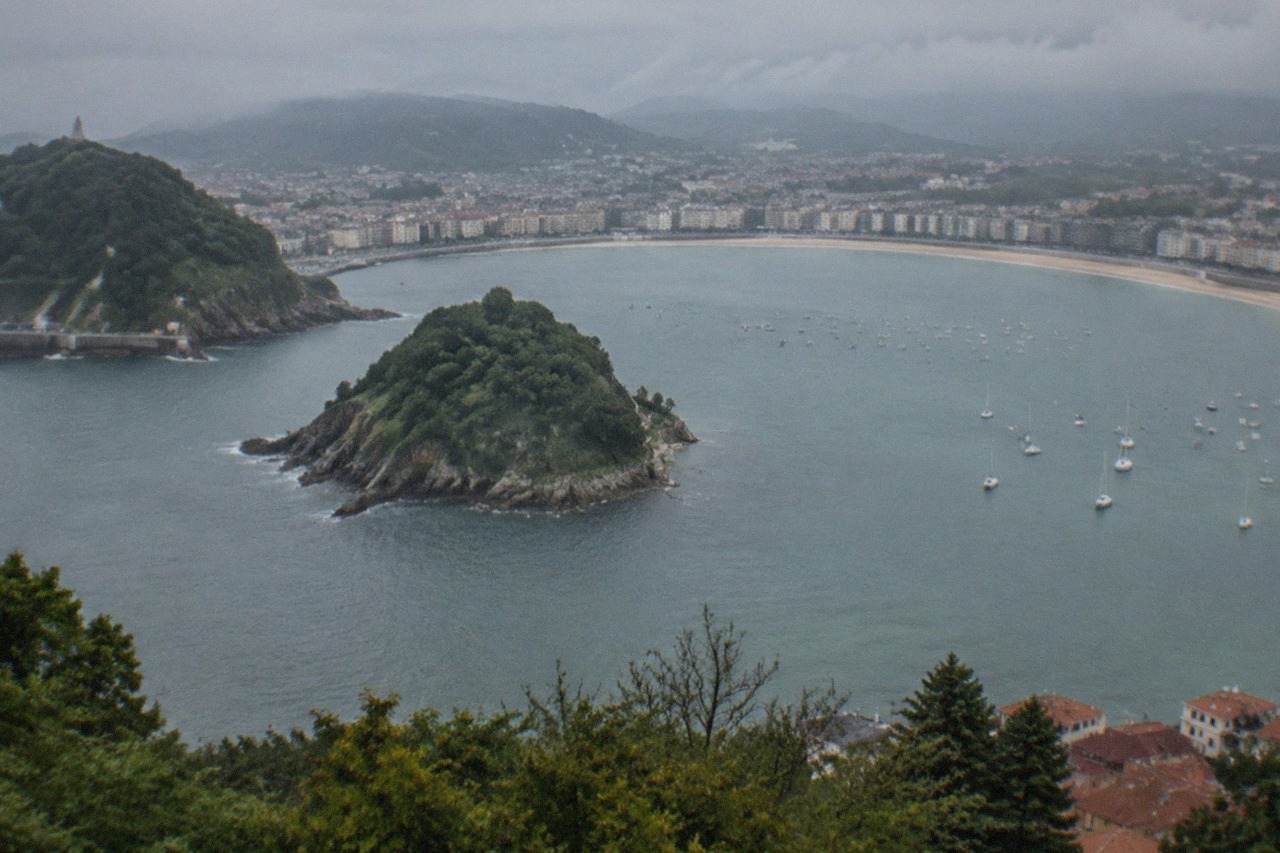
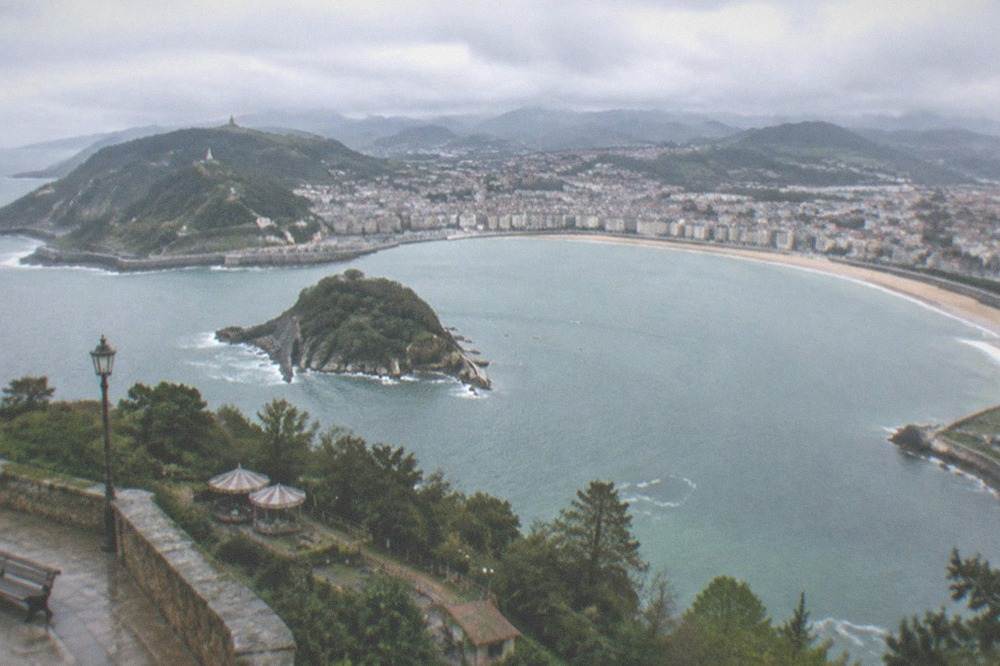
San Sebastián, in the Basque Country of Spain, is a city whose official name is Donostia / San Sebastián and whose whole visitor life plays out in a compact strip between Monte Urgull and Monte Igueldo, wrapped around La Concha bay. The municipal register counted 189,866 residents at 1 January 2025, and nearly everything a visitor comes for sits inside six neighbourhoods, each with a clear character of its own. This page, part of the San Sebastian Spain Guide site's coverage of the city, walks through them one by one, using the city council's own beach figures, the venues' own price pages and the AEMET climate record, so the practical details hold up.
What Are The Neighborhoods In San Sebastian?
The six neighbourhoods that matter to a visitor are Parte Vieja (the Old Town), Centro (the Romantic Area), Gros, Antiguo, Egia and Amara. Parte Vieja is the historic core of pintxo bars under Monte Urgull, Centro is the 19th-century grid around the Buen Pastor cathedral, Gros faces the surf beach of Zurriola, Antiguo lies beside Ondarreta under Monte Igueldo, Egia holds the Tabakalera culture centre beside the rail line, and Amara is the inland quarter around the Euskotren's Amara-Donostia station.
The city is small enough that you will cross several of these on foot without noticing, and the boundaries are mostly water and hills rather than streets. The River Urumea separates Centro and Parte Vieja from Gros; Monte Urgull closes the Old Town off from the open sea; Monte Igueldo, where the funicular has run since 25 August 1912, rises behind Antiguo at the west end of the bay.
The table below is the short version of the whole page: what each district is, and the one thing most people go there for.
| Neighbourhood | Character | The main draw |
|---|---|---|
| Parte Vieja | Medieval street plan, dense pintxo bars | Pintxos, Plaza de la Constitución, San Telmo Museoa |
| Centro | 19th-century Romantic Area grid | Buen Pastor cathedral, the Boulevard, La Bretxa market |
| Gros | Late 19th-century extension, younger feel | Zurriola beach, the Kursaal, Cristina Enea park |
| Antiguo | Residential quarter at the bay's west end | Ondarreta beach, the Peine del Viento, Monte Igueldo |
| Egia | Quarter beside the rail line east of the Urumea | Tabakalera, free entry, closed Mondays |
| Amara | Inland transport and residential quarter | Amara-Donostia Euskotren station, local life |
For orientation before anything else, the San Sebastian map guide shows how the pieces fit together, and the where is San Sebastian guide covers how the city sits inside Gipuzkoa and the Basque Country.
Is The Parte Vieja The Best Neighborhood For Pintxos And History?
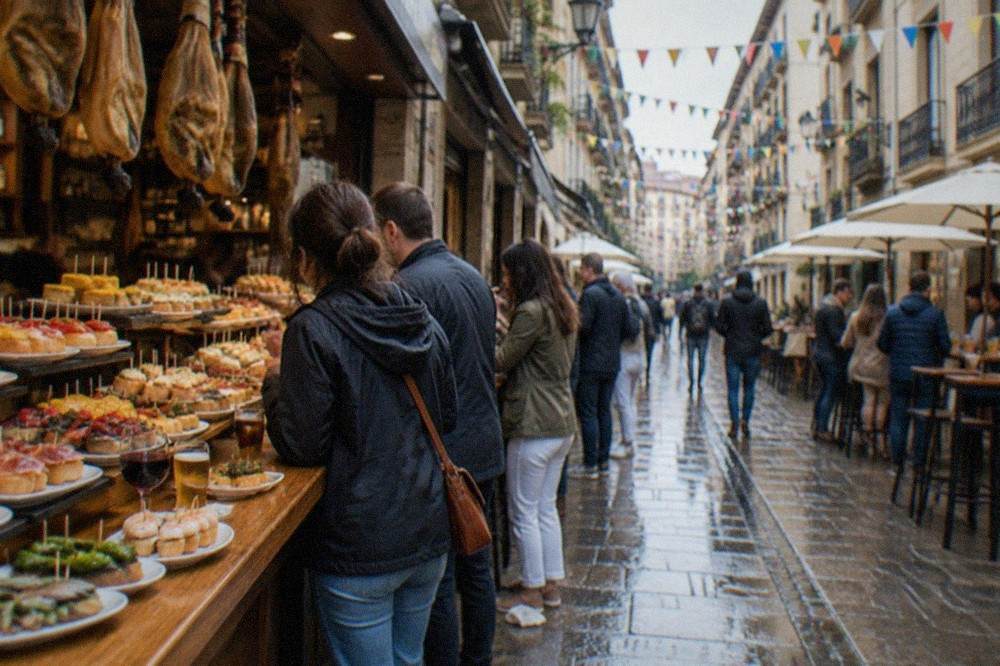
The Parte Vieja, the Old Town, is where San Sebastián keeps its medieval street plan, its densest concentration of pintxo bars and two of its most visited buildings, San Telmo Museoa and the Basilica of Santa María del Coro. It sits on the neck of land between Monte Urgull and the River Urumea, and its heart is Plaza de la Constitución, the old bullring whose numbered balconies still carry their painted suite numbers. The district is walkable end to end in minutes.
The Old Town is small and intense. Three streets, Calle Mayor, Calle 31 de Agosto and the port-side Paseo del Muelle, carry most of the foot traffic, and the lanes between them hold the bar after bar that made the city's name in food. If the vocabulary is new, the what are pintxos guide explains the small skewered or stacked bites that define the scene, and a proper evening crawl works best when you know how the bars pace themselves.
San Telmo Museoa sits at the western edge of the district, in a former convent against the rock of Urgull. The museum's own price page gives general admission at 10.00 EUR and a reduced ticket of 4.00 EUR for students, visitors over 65 and large families, and it lists free entry for everyone every Tuesday, free entry for under 25s, and closure on Mondays except holidays and long weekends. Winter hours run 10:00 to 19:00 from 1 November to 31 March, and summer hours to 20:00 from 1 April to 31 October.
Monte Urgull rises directly behind the district, and the tourism board gives its access hours as 08:00 to 21:00 from 1 May to 30 September and 08:00 to 19:30 from 1 October to 30 April, with the hill closed at night. The Castillo de la Mota at the top looks down over the whole Old Town. The district has its own full write-up at Parte Vieja.
The Old Town is also where most guided food walks begin, because the bars are close enough together that a group can cover a lot of ground. The shared pintxo tour led by a local, with drinks and tapas included, starts by City Hall at the district's edge, and the operator's live listing carries the current price and departure times.
For a slower pace, the self-guided Essence & Culture audio tour plays in an app and walks the city's core districts, the Old Town included. It suits a first afternoon, when you want the shape of the place before choosing bars.
What Is Centro, The Romantic Area, Like?
Centro, also called the Romantic Area (Zona Romántica in Spanish), is the 19th-century grid that spreads south and west of the Old Town, built after the city's old walls came down. Its landmarks are the Buen Pastor cathedral, the Boulevard that separates it from the Old Town, and the La Bretxa market area. The streets are regular and airy compared with the Old Town's lanes, and the district holds most of the city's serious shopping.
The Buen Pastor cathedral is the district's visual anchor, a neo-Gothic building that closes the view down Calle Postas and Avenida de la Libertad. The district's churches, the cathedral and the Basilica of Santa María del Coro back in the Old Town, are covered on their own pages elsewhere on this site, which hold the established facts and point to the venue for anything beyond it.
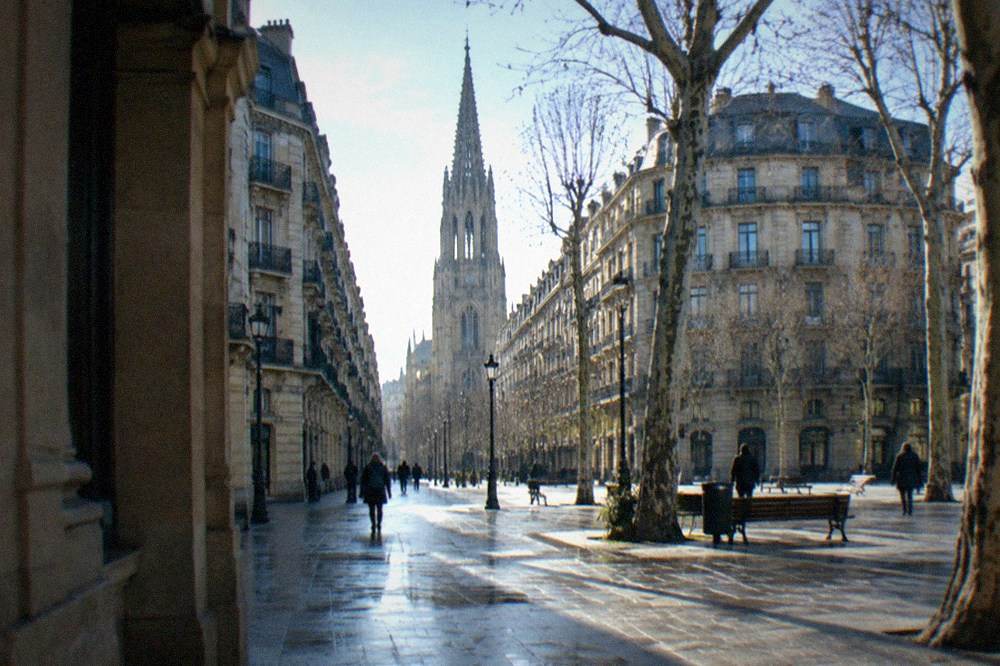
The Boulevard, the tree-lined walk between the Centro grid and the Old Town, is where the two halves of the city meet, and several of the city's food tours use it as a gathering point. The premium pintxo, wine and market tour starts at the Boulevard and includes a guided visit to the Mercado de la Bretxa, with reserved seating at each bar on the route.
Centro is flat, quick to cross and where the dBus network is densest, which makes it a practical base. The Centro area page goes deeper on where to eat and stay there, and it puts the district's prices in context against the rest of the city.
Is Gros Good For Surf And A Younger, Local Feel?
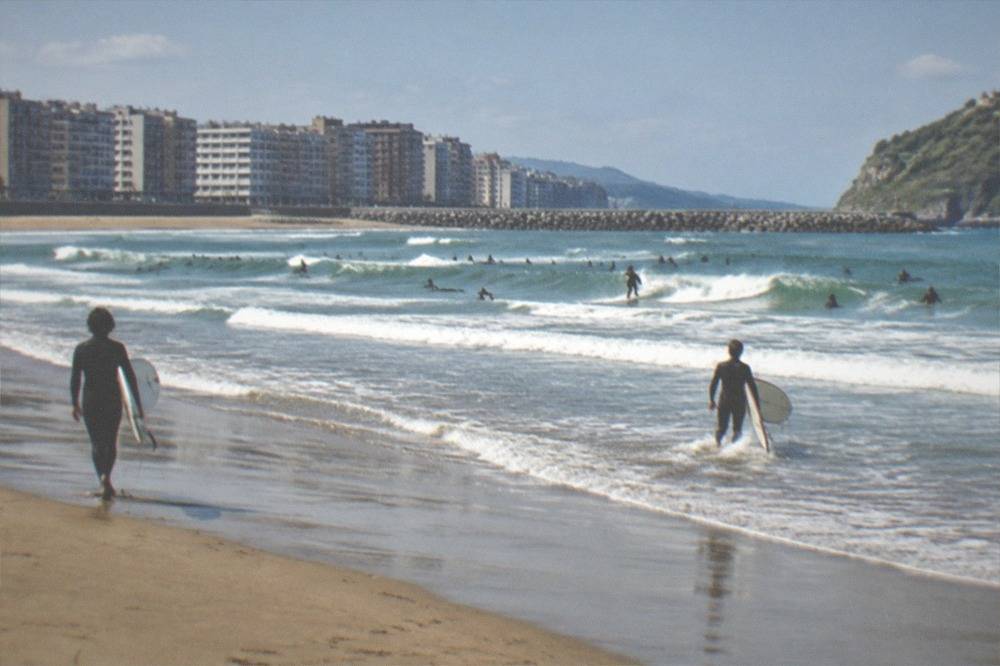
Gros is the district across the River Urumea from the Old Town and Centro, built out from the late 19th century on what had been sand and marshes. It faces Zurriola beach, the city's surf beach, holds the Kursaal congress and concert building at the Urumea's mouth, and contains the Cristina Enea park, a small wooded estate at the top of the district. It has a younger, more residential feel than Centro, with its own bar scene away from the Old Town crowds.
The council's own beach page gives Zurriola a mean length of 800 m and a mean width of 110 m, describes it as sandy and fairly open, and notes a strong swell, which is exactly why the surf schools cluster here. The beach was remodelled in 1994, the same page states. The Zurriola beach page covers the sand and surf in full.
The Kursaal, the two translucent cubes at the river mouth, was the subject of a 1990 competition in which six architects were invited, the Kursaal's own history page records, and Rafael Moneo's proposal won. Activity began in the Chamber Hall on 3 June 1999 and the building was officially inaugurated on 23 August 1999. The film festival uses it as one of its main venues each September.
The beach season rules matter here as everywhere on this coast. The council states that the lifeguard service runs on all three city beaches from 1 June to 30 September, with hours of 10:00 to 20:00 from 15 June to 15 September and 13:30 to 19:30 from 16 to 30 September. Outside those dates, there are no lifeguards at all.
| City beach | Mean length | Mean width | Mean area | Council description |
|---|---|---|---|---|
| La Concha | 1,350 m | 40 m | 54,000 m2 | Sandy and shallow; the tide often limits usable area |
| Ondarreta | 600 m | 100 m | 60,000 m2 | Sandy, heavy use; the Peine del Viento walk starts at its west end |
| Zurriola | 800 m | 110 m | 88,000 m2 | Sandy, fairly open, strong swell; remodelled in 1994 |
Gros is also a practical base for a surf-first trip. The surf lesson and pintxos tour runs in the district, with board, wetsuit, locker and hot shower included, followed by pintxos and drinks, and you can Check availability on the operator's live listing. The Gros area page covers the district's bars and streets in more detail.
What Are Antiguo And Ondarreta Like?
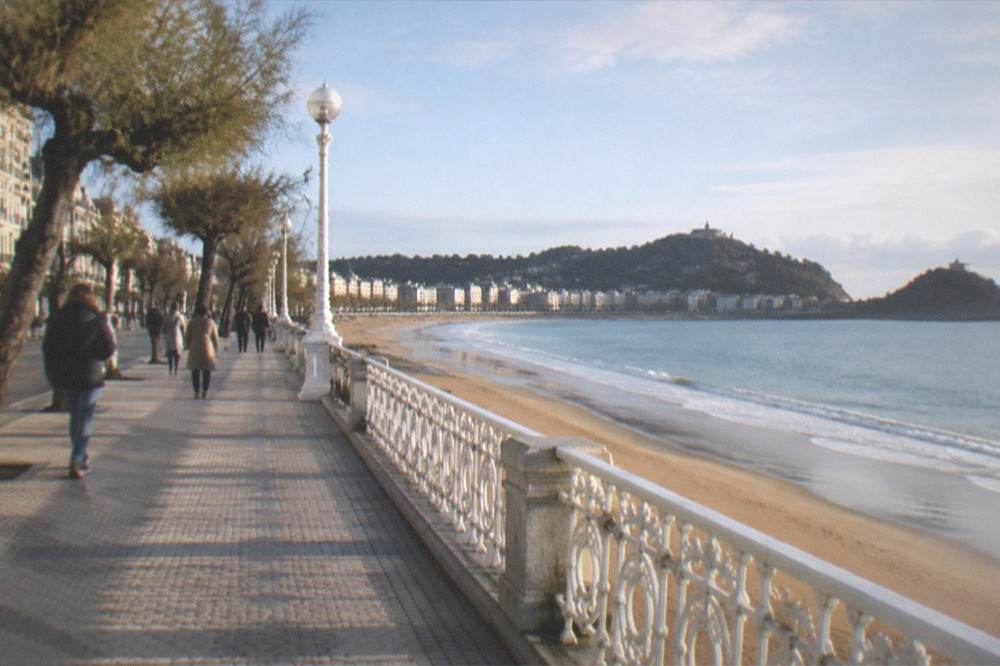
Antiguo is the residential district at the west end of La Concha bay, under Monte Igueldo, and its waterfront is Ondarreta beach, the council listing it at a mean 600 m long and 100 m wide. The district is where the city's belle époque summer houses were built around Miramar Palace, the 1893 residence commissioned by Queen María Cristina, and its west end finishes at the Peine del Viento, Eduardo Chillida's 1977 sculpture group anchored to the rocks.
Miramar Palace, the tourism board records, was built in 1893 at the request of Queen María Cristina, designed by the English architect Selden Wornum and built by José Goikoa, in an English country house style with gardens running down to the sea.
The Peine del Viento, the tourism board's sculpture page states, is three steel sculptures of more than nine tonnes each, anchored to the rocks at the end of Monte Igueldo; Chillida first made works under that title in 1952 and created the definitive work in 1977, giving it to the city, and the pink granite plaza is by the Basque architect Luis Peña Ganchegui.
Monte Igueldo rises behind the district. The funicular's own site gives a return adult ticket at 5.50 EUR and a child ticket at 2.50 EUR for children up to 7, a single adult at 4.00 EUR, and states that the funicular ticket includes entry to the grounds, while arriving by any vehicle or on foot costs 3.00 EUR per person. The site also states that tickets for the downhill funicular journey are not on sale, so the plan of walking up and riding down does not work here. The funicular normally runs every 15 minutes, its FAQ says. The Monte Igueldo page and the Antiguo area page carry the rest.
| Monte Igueldo ticket | Price | Notes from the operator's own site |
|---|---|---|
| Funicular return, adult | 5.50 EUR | Includes entry to the grounds |
| Funicular return, child up to 7 | 2.50 EUR | Includes entry to the grounds |
| Funicular single, adult | 4.00 EUR | Downhill-only tickets are not on sale |
| Grounds and viewpoint entry | 3.00 EUR | Per person, by any vehicle or on foot |
| Group return, 20 or more | 4.50 EUR | Not valid on weekends, holidays or long weekends |
What About Egia And Amara?
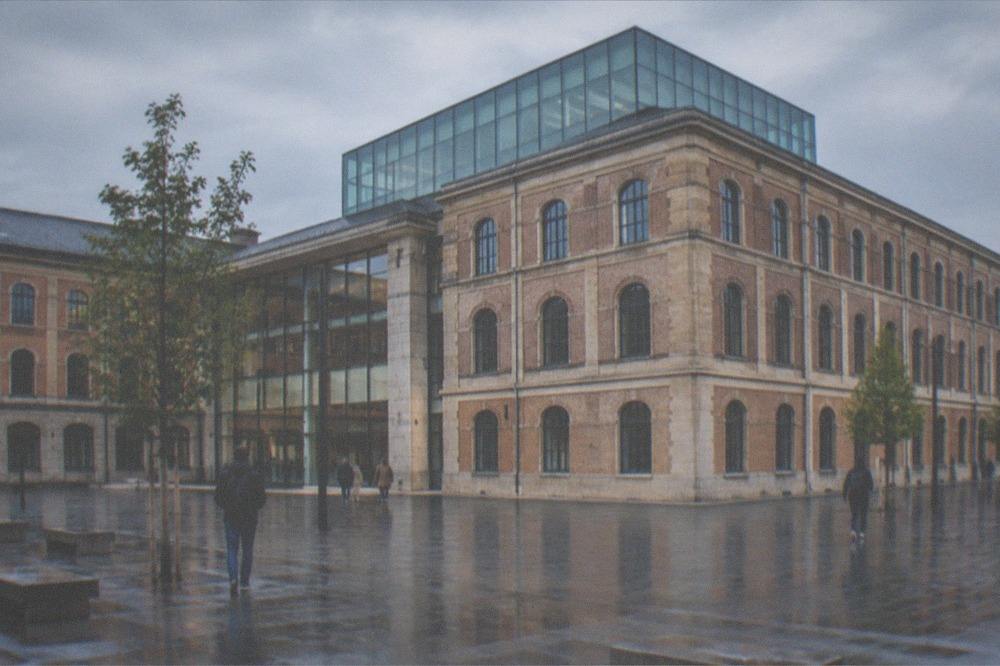
Egia is the district east of the River Urumea around the rail line, and its public face is Tabakalera, the former tobacco factory turned culture centre, which the venue's own page lists as free to enter, open Tuesday to Sunday 10:00 to 21:00 and closed on Mondays. Amara, inland to the south, is the city's transport hinge: the Euskotren Topo line's Amara-Donostia station is its working terminus, and the district is otherwise residential, with fewer visitor sights than any other quarter.
Tabakalera's exhibition halls on floors 0 and 1 open Tuesday to Sunday in two daily sessions, 11:00 to 13:00 and 16:00 to 20:00, with the building itself open to 21:00, the venue's own page states, and entry is free.
Amara matters to visitors mostly for the trains. The Topo, the Euskotren coastal line, runs from Amara-Donostia towards Hendaia, and the official timetable data gives a journey time of 37 to 38 minutes to Hendaia with a departure roughly every 30 minutes on the busiest service day, at an occasional fare of 2.90 EUR, which matches the MUGI system's one-jump occasional fare. The new underground through-stations in the city centre have no published opening date; civil works finished in June 2026 and fitting-out is under way, so Amara remains the working terminus. The Amara area page covers the district.
| MUGI and dBus ticket | Urban, 0 or 1 jumps | 1 jump | 2 jumps |
|---|---|---|---|
| Occasional ticket, cash | 1.95 EUR | 2.90 EUR | 5.40 EUR |
| Night ticket | 2.65 EUR | 3.70 EUR | 6.45 EUR |
| MUGI anonymous card | 0.78 EUR | 1.16 EUR | 2.16 EUR |
| MUGI personalised, trips 1 to 20 in the month | 0.59 EUR | 0.88 EUR | 1.64 EUR |
The dBus city bus network covers every district in this page, and the cash occasional fare is 1.95 EUR, or 2.65 EUR on the special night ticket, the operator's fare page states, though cash payment does not allow free transfers.
Which San Sebastian Neighborhood Should You Stay In?
Choose the Parte Vieja or Centro if you want the pintxo bars and the cathedral quarter within a five-minute walk of each other; choose Gros if surf and a younger local scene matter more than postcard views; choose Antiguo for the quiet west end of the bay near Ondarreta and the Peine del Viento. Egia suits travellers who want a local base near the stations, and Amara suits long-stay visitors who will ride the Topo or the buses anyway.
The honest planning answer depends less on quality than on what you plan to do, because none of these districts is far from any other. The best time to visit guide helps with the season, and the where to stay guide with the accommodation trade-offs district by district.
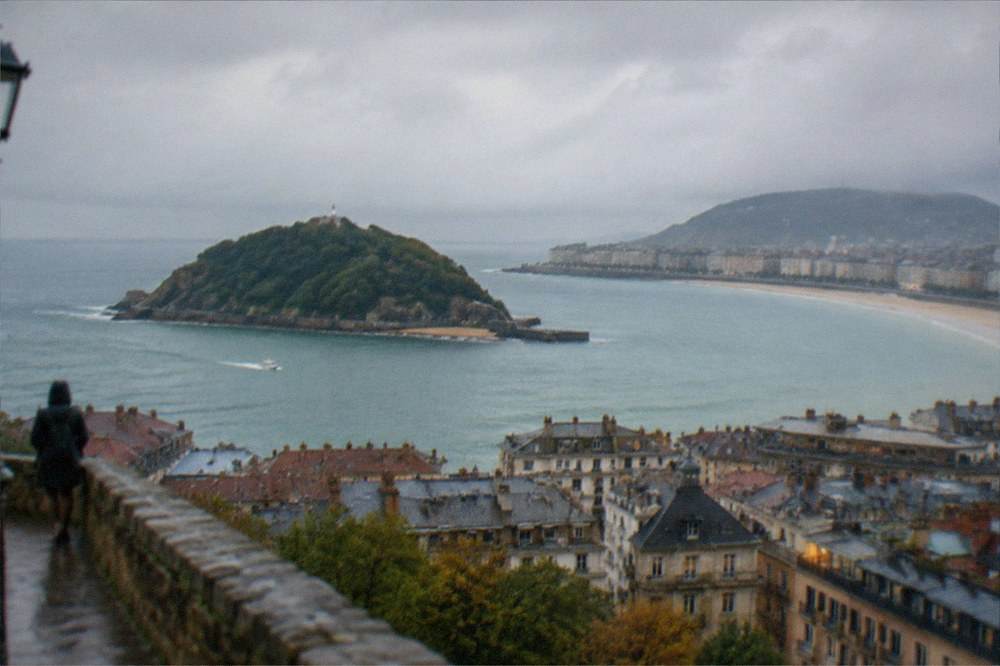
One planning fact shapes everything: this is a wet Atlantic city. AEMET's normals for its Igeldo station, on the hill at 250 m above the seafront, record 1,507 mm of rain a year over 141 rain days, and even July, the driest month, averages 86 mm over about 10 rain days. November is the wettest at 169 mm. The San Sebastian weather guide is the page to read with that in mind.
| Month | Mean temperature | Rain mm | Days with 1 mm or more | Sun hours |
|---|---|---|---|---|
| January | 8.5 C | 141 | 13.2 | 98 |
| April | 11.3 C | 138 | 13.4 | 157 |
| July | 18.9 C | 86 | 9.8 | 196 |
| October | 15.5 C | 159 | 11.8 | 140 |
| November | 11.3 C | 169 | 13.0 | 102 |
Two of the districts also carry the city's biggest cultural sights within a short walk of each other, which is why a bike or a long walk covers more of the city than first-time visitors expect. The bay bike tour rides the flat end-to-end route along the water through several of these districts, on a regular bike or with an e-bike option.
And for the full picture of what the city holds beyond these six quarters, the things to do in San Sebastian overview is the site's main planning page.
Common Questions About San Sebastian Neighborhoods
What Are The Neighborhoods In San Sebastian?
The six visitor-relevant neighbourhoods are Parte Vieja (the Old Town), Centro (the Romantic Area), Gros, Antiguo, Egia and Amara. The Old Town holds the pintxo bars and San Telmo Museoa, Centro holds the Buen Pastor cathedral and the Boulevard, Gros faces Zurriola beach, Antiguo sits by Ondarreta under Monte Igueldo, Egia holds Tabakalera, and Amara is the transport quarter around the Euskotren station.
Which San Sebastian Neighborhood Is Best For First-Time Visitors?
The Parte Vieja and Centro together, because they sit side by side and hold most of what a first visit is for: the pintxo bars, Plaza de la Constitución, San Telmo Museoa, the cathedral and the Boulevard. La Concha beach is a short walk west of the Centro grid, and Monte Urgull rises directly behind the Old Town.
Is Gros Or Centro Better For A Stay In San Sebastian?
Gros suits surfers and visitors who want a younger, more local bar scene beside Zurriola beach; Centro suits visitors who want the shopping streets, the cathedral and the Old Town on the doorstep. The two are separated only by the River Urumea and its bridges, so the choice is about atmosphere rather than distance.
Do You Need A Car To Move Between The San Sebastian Neighborhoods?
No. The districts between Monte Urgull and Monte Igueldo form one continuous walkable strip, and the dBus city network covers all of them with a cash occasional fare of 1.95 EUR, or 2.65 EUR on the night ticket, as the operator's fare page states. The MUGI card cuts the same urban trip to 0.78 EUR.
Which Neighborhood Is Closest To Monte Igueldo And The Peine Del Viento?
Antiguo. Ondarreta beach, at a mean 600 m long, is the district's waterfront, and the walk to the Peine del Viento starts at its west end, the council's beach page states. The Monte Igueldo funicular departs from beside the district, with a return adult ticket at 5.50 EUR on the operator's own site.
What Is The Quietest Of The San Sebastian Neighborhoods?
Amara, the inland residential quarter around the Euskotren station, has the fewest visitor sights of the six. Egia, across the river around Tabakalera, is similarly low-key and has the advantage of the free culture centre and the rail link. Both trade quiet for distance from the bay.
Whichever district you pick, the practical rules in this page hold across all of them: the beaches are lifeguarded only from 1 June to 30 September, the museums close on Mondays or on Tuesdays and Wednesdays depending on the venue, and the rain falls somewhere in the city on roughly 141 days a year, so pack for it and the neighbourhoods will look after the rest.