Antiguo Neighbourhood
Antiguo is the quiet residential and beachside district on the west side of San Sebastián, the Basque city on La Concha bay whose official name is Donostia / San Sebastián.
Short answer
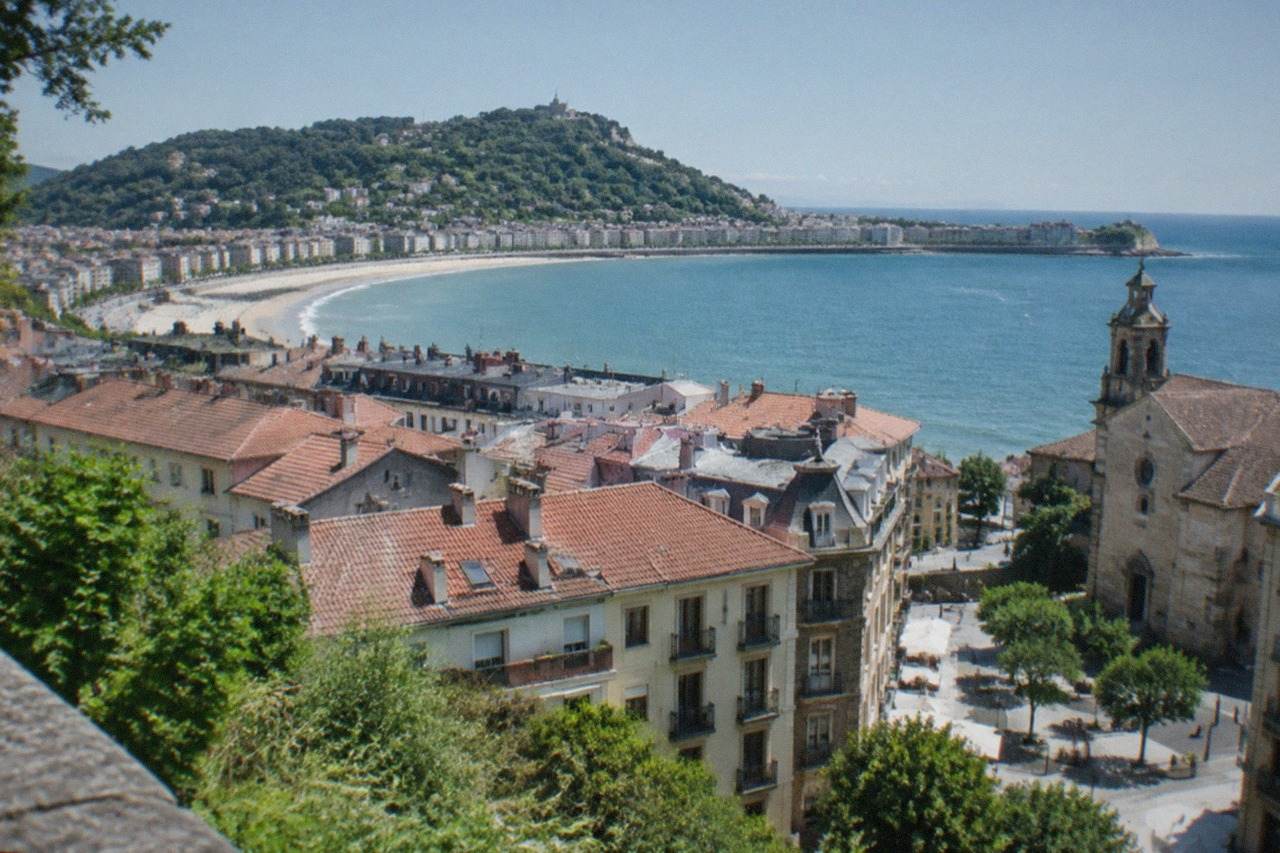
Antiguo is the neighbourhood at the western end of La Concha bay in San Sebastián, Basque Country, Spain. It holds Ondarreta beach, the base station of the Monte Igueldo funicular, the Peine del Viento sculptures and Miramar Palace, with a local, residential pace that separates it from the Old Town and Centro.
Antiguo sits at the western end of La Concha bay in San Sebastián, the city in the Basque Country of Spain whose official name is Donostia / San Sebastián. It is the neighbourhood many visitors walk through without naming: the stretch between the city centre and the Monte Igueldo funicular, with Ondarreta beach along its whole waterfront, the Peine del Viento sculptures at its far tip and Miramar Palace in its gardens halfway along. Where the Parte Vieja is bars and the Centro is shops, Antiguo is where the city actually lives, schools, apartment blocks, a parish church, a market hall and one of the three beaches the council lifeguards every summer.
This page from San Sebastian Spain Guide covers what Antiguo is, what there is to see there, how the funicular and the beaches work, where to eat, how the neighbourhood connects to the rest of the city, and whether it is the right base for your stay.
What Is The Antiguo Neighbourhood In San Sebastian?
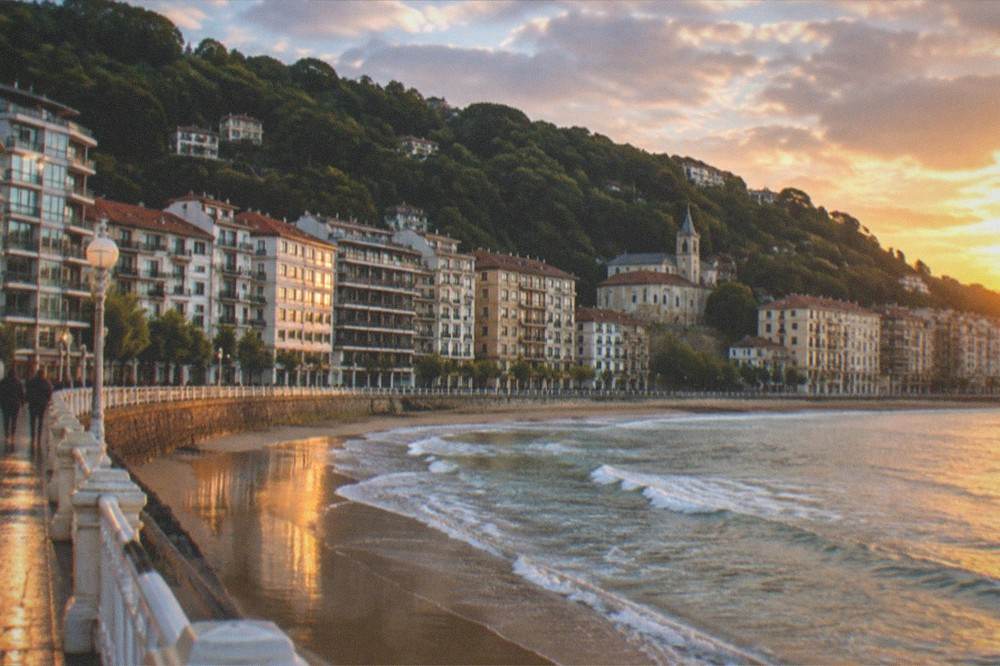
Antiguo is the district occupying the western shore of La Concha bay, running from Miramar Palace out to the Peine del Viento at the foot of Monte Igueldo. It grew around the church of San Sebastián Antiguo, the old medieval settlement that gave the city its name, and today it is a residential neighbourhood of apartment blocks and low-rise streets with Ondarreta beach as its whole waterfront. Its official and everyday name is simply Antiguo.
The name is the oldest thing about it. The medieval village that became the city stood here, around the church of San Sebastián Antiguo, before the walled town was rebuilt on the other side of the Urumea. The neighbourhood the visitor sees now is much newer: most of it is belle époque construction, wide streets, balconied apartment buildings and the gardens of Miramar Palace, built in 1893 at the request of Queen María Cristina and designed by the English architect Selden Wornum in an English country house style, with gardens that run down to the sea.
The tourism board describes Miramar Palace as an English-style house set in gardens reaching the coastline, and the palace grounds are the green hinge between the Centro and Antiguo. The palace itself is the summer landmark of the neighbourhood; the interior is a separate question, and this site gives no visiting hours for it because none are sourced.
Antiguo's character is best understood by comparison. It is quieter than the Old Town, more local than the beachfront of La Concha, and flatter and easier than Gros on the other side of the river. Visitors who stay here trade bar-hopping proximity for a five-minute walk to a lifeguarded beach and a funicular ride to one of the best viewpoints on the coast.
What Are The Best Things To See In And Around Antiguo?
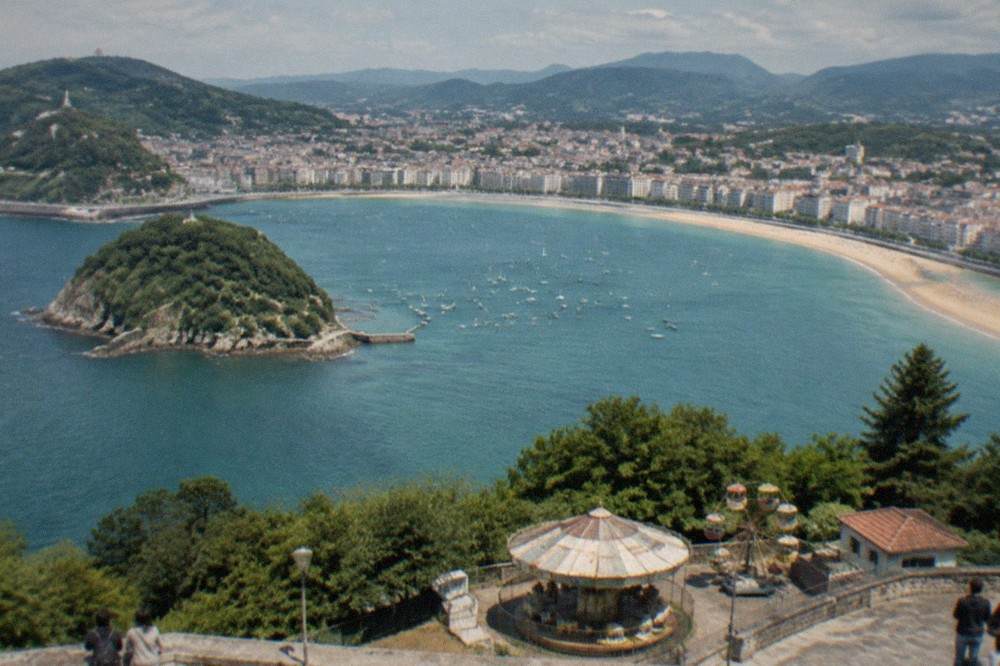
The five sights that define Antiguo are Ondarreta beach, the Miramar Palace gardens, the Peine del Viento sculptures by Eduardo Chillida, the base station of the Monte Igueldo funicular, and the Paseo del Peine del Viento walkway that runs along the rocks to the sculptures at the neighbourhood's western tip. All five sit within a single continuous waterfront walk of about a kilometre and a half, with no ticket needed except for the funicular.
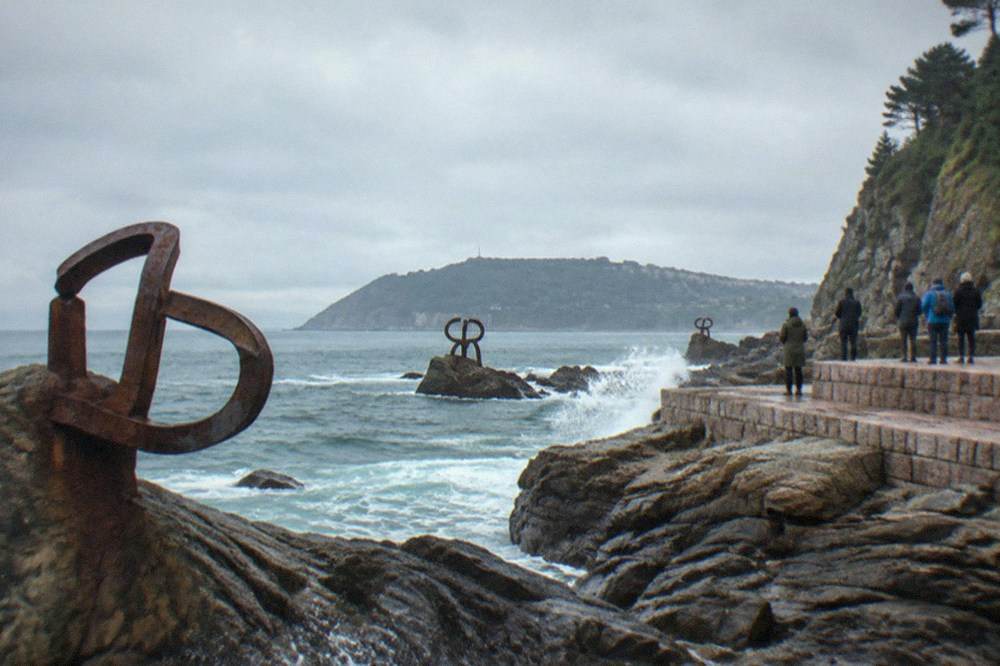
The Peine del Viento is the artistic landmark. Three steel sculptures, each of more than nine tonnes, are anchored to the rocks at the end of Monte Igueldo; Eduardo Chillida, who first made works under that title in 1952, created the definitive work in 1977 and gave it to the city, and the pink granite plaza around it is by the Basque architect Luis Peña Ganchegui. Waves strike the rocks and force spray through holes bored in the sculptures. It is a public plaza, open at all hours, and it is the single most photographed spot on this side of the bay.
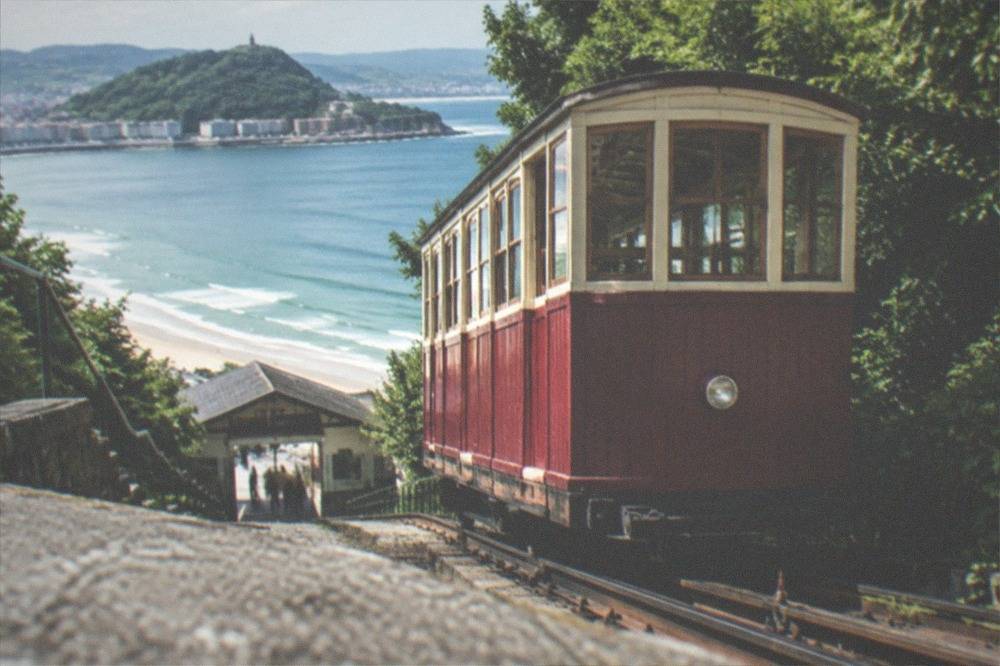
The funicular is the mechanical landmark. It opened on 25 August 1912, the tourism board calls it the oldest funicular in the Basque Country, and it is a rack funicular with wooden cars that climbs from the Antiguo end of the bay to the Monte Igueldo amusement park and viewpoint. The funicular's own site lists its fares and the park's entry rules, and the detail that matters most is printed on its home page: tickets for the downhill journey alone are not on sale, so the walk-up, ride-down plan does not work here.
A guided structure suits first-time visitors who want the geography explained rather than discovered. The must-see attractions walking tour covers the historic centre, and a guided bike tour along the flat bay is the natural way to reach Antiguo from the Old Town in one ride. For the full list of options across the city, see the things to do in San Sebastian page.
The table below gathers the sights of and around the neighbourhood with the figures the official sources give.
| Sight | What it is | Key fact from the official source |
|---|---|---|
| Ondarreta beach | Sandy city beach, the Antiguo waterfront | 600 m mean length, 100 m mean width, council figures |
| Miramar Palace | Royal summer palace and gardens, built 1893 | English country house style, architect Selden Wornum |
| Peine del Viento | Three steel sculptures by Eduardo Chillida on a granite plaza by Peña Ganchegui | Definitive work created 1977, given to the city |
| Monte Igueldo funicular | Rack funicular with wooden cars to the hilltop park | Opened 25 August 1912, runs every 15 minutes |
| Monte Igueldo park and viewpoint | Amusement park and bay viewpoint at the top | Entry included in the funicular ticket |
How Do You Get To Monte Igueldo From Antiguo?
The Monte Igueldo funicular's base station stands at the western end of Ondarreta beach, a short walk from anywhere in Antiguo. A return ticket costs 5.50 EUR for an adult and 2.50 EUR for a child up to 7 years, the funicular normally departs every 15 minutes on the hour, quarter past, half past and quarter to, and the ticket includes entry to the grounds at the top.
The funicular's own site gives the full fare list, and the differences matter. A single adult ticket is 4.00 EUR and a single child ticket 1.50 EUR, but the home page states that downhill-only tickets are not on sale, so a single is only useful in one direction of a plan that involves another way down. Groups of 20 or more, holders of a disabled card and holders of the San Sebastián Card pay 4.50 EUR return, and group discounts do not apply on weekends, holidays or long weekends. Entry to the grounds and viewpoint for anyone arriving by vehicle or on foot, rather than by funicular, is 3.00 EUR per person.
| Ticket | Adult | Child (up to 7) |
|---|---|---|
| Return funicular, grounds included | 5.50 EUR | 2.50 EUR |
| Single funicular | 4.00 EUR | 1.50 EUR |
| Groups of 20+, disabled card, San Sebastián Card (return) | 4.50 EUR | 4.50 EUR |
| Grounds and viewpoint entry on foot or by vehicle | 3.00 EUR | 3.00 EUR |
One more rule from the operator's own FAQ: rides close on rainy days. In a city where AEMET's Igeldo station records 141 rain days a year, that is not a footnote, it is a real chance of a closed funicular on any given afternoon, and the viewpoint at the top is exposed to the same weather. The Monte Igueldo page covers the hill in full, including the funicular's history.
Where Is Ondarreta Beach And When Is It Lifeguarded?
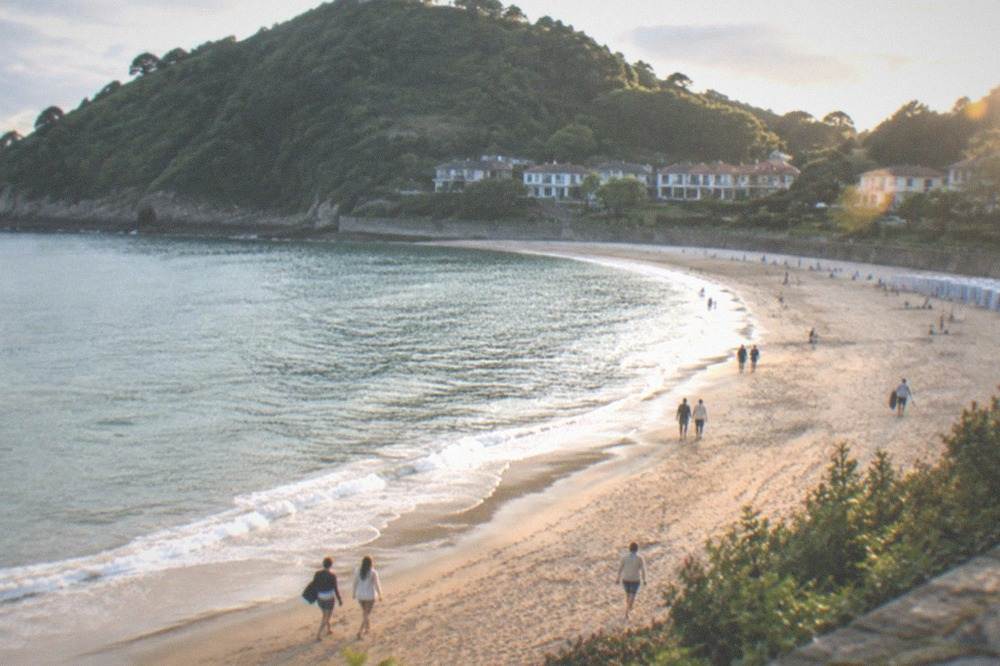
Ondarreta is the westernmost of the city's three beaches, running 600 metres along the Antiguo waterfront with a mean width of 100 metres, and the council's beach page describes it as sandy and heavily used, with the walk to the Peine del Viento starting at its west end. The lifeguard service on all three beaches runs 1 June to 30 September, with full hours of 10:00 to 20:00 from 15 June to 15 September.
The council's figures make Ondarreta the shortest of the three beaches but, at 100 metres of mean width, wider on average than La Concha's 40 metres. The council page also lists the summer hire prices: an awning costs 13.10 EUR a day at Ondarreta, a parasol 17.50 EUR and a tent 21.90 EUR, with hire running 15 June to 30 September. Assisted bathing for visitors with reduced mobility runs 15 June to 15 September.
The season rules are the part worth planning around. From 16 to 30 September the lifeguard hours are cut to 13:30 to 19:30, and after 30 September the service ends for the year on all three beaches. The same date closes the Santa Clara island boat's high season and Hondalea, the Cristina Iglesias installation in the island lighthouse, which the council lists as open 1 June to 30 September, 11:00 to 18:30, free, with no booking needed for the visit itself.
| Beach | Mean length | Mean width | Council description |
|---|---|---|---|
| La Concha | 1,350 m | 40 m | Sandy, shallow, the tide often limits usable area |
| Ondarreta | 600 m | 100 m | Sandy, mass use, Peine del Viento walk at the west end |
| Zurriola | 800 m | 110 m | Sandy, fairly open, strong swell |
Swimmers who want the other two beaches are a walk or a bus away: La Concha beach begins on the other side of the Miramar gardens, and Zurriola beach in Gros is the surf beach, described by the council as having strong swell. The full comparison is on the San Sebastian beaches page.
Where Do You Eat And Drink In Antiguo?
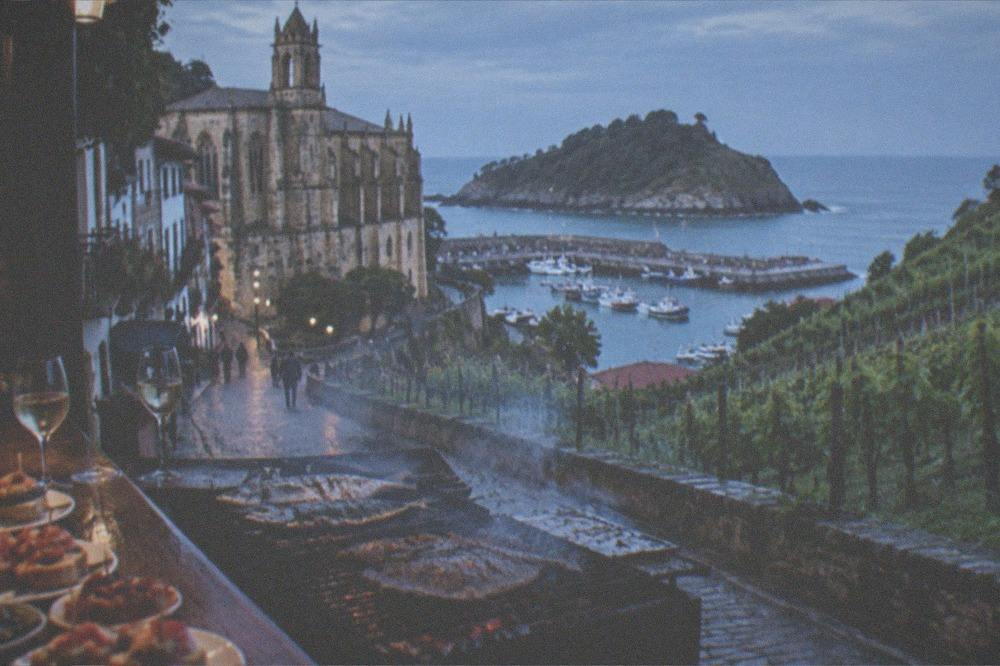
Antiguo eats like a neighbourhood rather than a visitor district: pintxo bars and small restaurants along its main streets and around the market, with the famous gourmet density sitting one neighbourhood over in the Old Town. The city's headline gastronomy, 11 Michelin stars across 6 restaurants inside the city in the MICHELIN Guide Spain 2026, is concentrated in and around the centre, not here, so Antiguo is where you eat the ordinary, excellent version of the city's food.
What that means in practice is pintxos rather than tasting menus. A pintxo is a small skewered or bread-based snack eaten standing at the bar, and the habit is explained in full on the what are pintxos page; the bars of Antiguo serve them the same way the Old Town does, with less queueing. The pintxos in San Sebastian guide covers the culture, and the best pintxo bars page lists the bars worth crossing the city for.
Two structured options suit a first evening. A guided market-and-pintxo tour opens with a visit to a market and reserved seating at each bar, which removes the standing-and-ordering problem entirely; the premium pintxo, wine and market tour has its own page at premium pintxo, wine and market tour, and you can Check availability for your dates.
For self-guided eating, the pattern is the same as anywhere in the city: bars are busiest in the early evening, a drink and a pintxo or two per bar, and moving between bars rather than sitting down for one long meal. The local white wine is txakoli, a lightly sparkling Basque wine poured from a height, and the cider houses of the province run their txotx season, in the tourism board's wording, from the middle of January to the end of April.
How Do You Get Around Antiguo And The Rest Of San Sebastian?
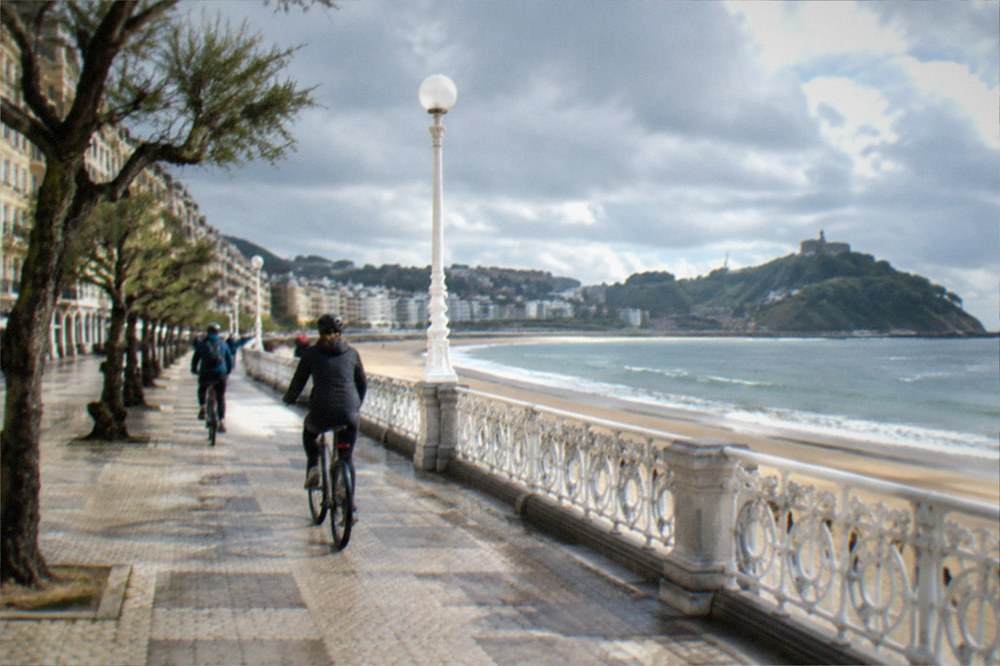
Antiguo is flat, compact and walkable, with the whole bay reachable on foot along the promenade, and city buses run under the MUGI fare system with a cash ticket at 1.95 EUR and a night ticket at 2.65 EUR, paid to the driver. The MUGI anonymous card cuts an urban journey to 0.78 EUR, and the same card works on the Lurraldebus interurban lines and the Euskotren Topo railway.
The dBus fare page states the cash prices and adds a detail worth knowing before boarding: cash payment does not allow free transfers. A MUGI card does, and the MUGI tariff table shows the card fares rising by zone jumps, 0.78 EUR urban, 1.16 EUR for one jump, 2.16 EUR for two. The personalised MUGI card, for trips 1 to 20 in a month, is cheaper still at 0.59 EUR urban.
| Ticket | Urban (0 jumps) | 1 jump | 2 jumps |
|---|---|---|---|
| Occasional ticket, cash | 1.95 EUR | 2.90 EUR | 5.40 EUR |
| Night ticket | 2.65 EUR | 3.70 EUR | 6.45 EUR |
| MUGI anonymous card | 0.78 EUR | 1.16 EUR | 2.16 EUR |
| MUGI personalised, trips 1 to 20 | 0.59 EUR | 0.88 EUR | 1.64 EUR |
For a visitor staying a few days and walking the bay, buses matter mostly for two trips: along to the Old Town in wet weather, and out to the eastern neighbourhoods. The Gros district sits across the river on the other side of the centre, and the full picture of the city's districts is on the San Sebastian neighbourhoods page.
A bike is the other natural option, because the whole bay is flat end to end. A guided bike tour rides the bay from the centre outward and is the easiest way to cover the Antiguo waterfront, the funicular base and the Peine del Viento in one loop with a guide explaining what you are passing.
What Is The Weather Like In Antiguo?
Antiguo shares the city's wet Atlantic climate: AEMET's normals for its Igeldo station, on the hill directly above the neighbourhood, record 1,507 mm of rain a year over 141 rain days, and even July, the driest month, averages 86 mm. Summer means highs around 21.8 C in July and 22.5 C in August, and the seafront runs slightly warmer than the station values because the station sits 250 m up on Monte Igeldo.
The honest planning rule for this coast is that no month is dry. August, at 117 mm, is wetter than June at 90 mm, July at 86 mm or September at 111 mm, and November, at 169 mm, is the wettest month of all. Sun hours peak in July at 196 and stay above 140 from March to October. The full monthly picture is on the San Sebastian weather page.
| Month | Mean max C | Mean min C | Rain mm | Rain days | Sun hours |
|---|---|---|---|---|---|
| May | 17.7 | 11.1 | 120 | 12.2 | 181 |
| June | 20.0 | 13.8 | 90 | 10.6 | 189 |
| July | 21.8 | 16.0 | 86 | 9.8 | 196 |
| August | 22.5 | 16.5 | 117 | 10.5 | 190 |
| September | 21.1 | 14.8 | 111 | 10.1 | 179 |
| October | 18.5 | 12.4 | 159 | 11.8 | 140 |
For Antiguo specifically, the weather decides two things: whether the funicular runs, because the operator closes rides on rainy days, and how much of Ondarreta is pleasant rather than windswept, because the beach faces the open bay. A rainy-day plan belongs in every itinerary here, and the city's museums, San Telmo among them, are the natural fallback when the sky closes in.
Should You Stay In Antiguo Or Another San Sebastian Neighbourhood?
Antiguo suits visitors who want a beach morning, a quiet night and a fifteen-minute walk to the centre, and it suits families best of all the city's districts because Ondarreta is the calmest lifeguarded beach and the whole waterfront is flat. It suits bar-hoppers worst: the pintxo density of the Parte Vieja is a walk or a bus away, and the late-night scene sits on the other side of the centre.
The trade is simple. Staying in Antiguo means waking up beside the water and paying neighbourhood prices for dinner; staying in the Old Town means the bars are downstairs and the beach is a walk. The where-to-stay decision usually follows the length of the trip: on a short stay, the centre wins on convenience, and on a week-long stay, Antiguo's calmer nights start to matter.
For a first visit built around the city's headline sights, a guided structure helps. The must-see attractions walking tour covers the historic centre in a small group or as a private option, and it pairs well with a day spent in Antiguo on your own.
Common Questions About The Antiguo Neighbourhood
What is the Antiguo neighbourhood in San Sebastian?
Antiguo is the district on the western shore of La Concha bay in San Sebastián, Basque Country, Spain, running from Miramar Palace out to the Peine del Viento. It grew around the church of San Sebastián Antiguo, the old medieval settlement that gave the city its name, and today it is a residential neighbourhood with Ondarreta beach along its waterfront.
How do you get to Monte Igueldo from Antiguo?
The funicular's base station stands at the western end of Ondarreta beach. A return ticket costs 5.50 EUR for an adult and 2.50 EUR for a child up to 7, the funicular normally departs every 15 minutes, and the ticket includes entry to the grounds at the top. Downhill-only tickets are not on sale, and rides close on rainy days.
Is Ondarreta beach lifeguarded?
Yes, in season. The council lifeguards all three beaches from 1 June to 30 September, with hours of 10:00 to 20:00 from 15 June to 15 September and reduced hours of 13:30 to 19:30 from 16 to 30 September. Outside those dates there is no lifeguard service.
What is the Peine del Viento?
It is a work by Eduardo Chillida: three steel sculptures, each of more than nine tonnes, anchored to the rocks at the end of Monte Igeldo on a pink granite plaza by the architect Peña Ganchegui. Chillida created the definitive work in 1977 and gave it to the city. It is a public plaza with no ticket.
Does it rain a lot in Antiguo?
Antiguo shares the city's wet Atlantic climate. AEMET's Igeldo station, on the hill directly above the neighbourhood, records 1,507 mm of rain a year over 141 rain days, and even July, the driest month, averages 86 mm. No month is dry here, so a rainy-day plan belongs in every itinerary.
Is Antiguo a good place to stay in San Sebastian?
It suits visitors who want a beach morning and a quiet night, and it suits families well because Ondarreta is the calmest of the three city beaches and the waterfront is flat. Visitors whose priority is the pintxo bars of the Old Town will prefer to stay closer to the Parte Vieja or the centre.
Antiguo rewards the slower half of any trip to this city: the beach hour before the crowds, the sculptures at the end of the rocks, the funicular when the sky is clear, and an ordinary neighbourhood bar at the end of it.