Where Is San Sebastian, Spain?
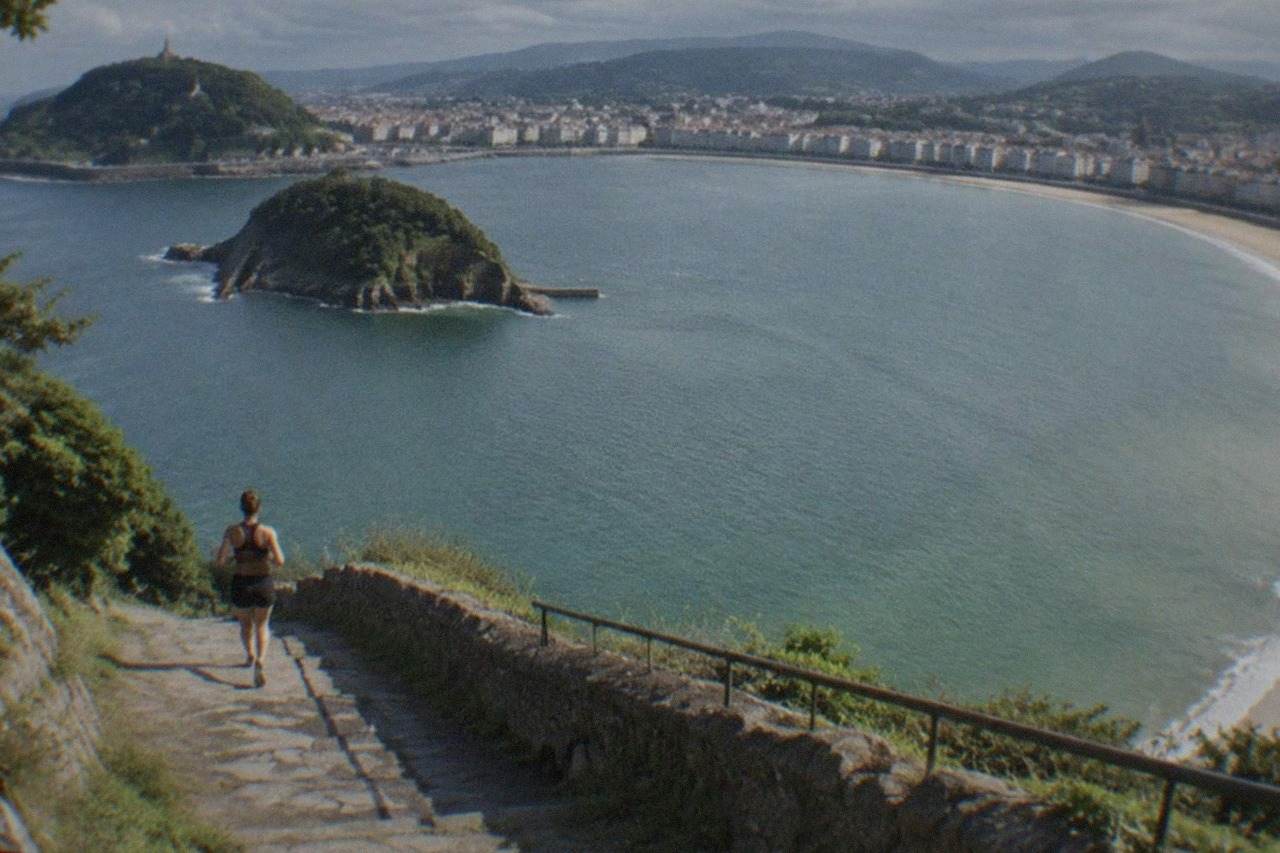
San Sebastián is a city in the Basque Country, an autonomous community in northern Spain, and the capital of the province of Gipuzkoa. It sits on La Concha bay on the Bay of Biscay, about 20 km from the French border.
Short answer
San Sebastián is in the Basque Country, an autonomous community in northern Spain, and is the capital of the province of Gipuzkoa. It sits on La Concha bay on the Bay of Biscay, about 20 km from the French border.
San Sebastián is a coastal city in the Basque Country, an autonomous community in northern Spain, and the capital of the province of Gipuzkoa. It stands on a near-perfect crescent of sand called La Concha, on the Bay of Biscay, roughly 20 km from the border with France. Its official municipal name is Donostia / San Sebastián, a double name set in 2012 so that either form can stand alone depending on the language, and Donostia is the city's Basque name. The municipal register recorded 189,866 residents at 1 January 2025, which makes it the largest city in Gipuzkoa and one of the ten largest in the Basque Country.
The name question matters more here than almost anywhere else, because "San Sebastián" is shared by places that have nothing to do with this city. The rest of this page pins down exactly where the Basque city sits, what surrounds it, how to reach it, and how to tell it from a town in Puerto Rico, a winery in Florida and a suburb of Madrid. The basics are covered in more depth on what San Sebastian is known for and in the San Sebastian beaches guide, and the question of whether the trip is worthwhile at all has its own page at is San Sebastian worth visiting.
Where Is San Sebastian, Spain, On The Map?
San Sebastián sits on the Bay of Biscay coast of northern Spain, at the western end of the Pyrenees, in the autonomous community of the Basque Country, of which it is the capital of the province of Gipuzkoa. The city wraps around La Concha bay and the River Urumea, and the French border is about 20 km east, with the French Basque town of Hendaye the first stop across it. The nearest big Spanish city is Bilbao, about 105 km west by road.
Three hills frame the city and give it its shape: Monte Urgull between the Old Town and the sea, Monte Igueldo closing the west end of La Concha, and Mount Ulia rising to the east above the Zurriola beach and the Gros district. Santa Clara island sits inside the bay. The city centre is compact and flat, with the Parte Vieja, the old town, between Urgull and the Urumea, and the 19th-century grid of the Centro district stretching south from La Concha's promenade.
The geography explains much of what the city is. The bay faces north-west, so the Atlantic swell arrives with force, which is why Zurriola, the open beach on the Gros side, carries the council's warning of strong swell and is the surfing beach. The two bays either side of Urgull, La Concha and Ondarreta, are sheltered and shallow. The green hills close to the water are the other half of the picture: AEMET's weather station on Monte Igeldo, 250 m up, records 1,507 mm of rain a year over 141 rain days, and this is a wet Atlantic city, not a dry Mediterranean one.
Because the name is shared, a quick disambiguation table saves confusion. None of the places below has anything to do with the Basque city, and no fact about any of them belongs on a trip plan for this one.
| Place called San Sebastián | Where it actually is | What it is |
|---|---|---|
| San Sebastián, Puerto Rico | North-west Puerto Rico | A mountain town; its famous street festival takes place in San Juan |
| San Sebastián Winery | St. Augustine, Florida, USA | A winery that owns the phrase "San Sebastián wine" |
| San Sebastián de los Reyes | Beside Madrid, Spain | A commuter town in the Madrid region |
| San Sebastián de La Gomera | Canary Islands, Spain | The port town of the island of La Gomera |
| San Sebastián del Oeste | Jalisco, Mexico | A former mining village in the mountains |
Is San Sebastián Basque Or Spanish?
Both, formally and at once. San Sebastián is a Spanish city inside the Kingdom of Spain, and it is also a Basque city: it lies in the Basque Autonomous Community, where Basque and Spanish share official status, and its own official name, Donostia / San Sebastián, was set by the 2012 provincial order so that either the Basque form or the Spanish form can be used alone. It is the capital of Gipuzkoa, one of the three provinces of the Basque Autonomous Community.
The double name is not a nickname but a legal fact. The Orden Foral of 27 July 2012 of the Diputación Foral de Gipuzkoa changed the official name to "Donostia / San Sebastián", with the slash and spaces, following a council agreement, so that either name works on its own depending on the language of the speaker or document. In everyday use you will hear both: Donostia is the Basque name, San Sebastián the Spanish one, and signs, timetables and official pages mix them freely. The Donostia or San Sebastian guide covers the naming in full.
Politically, the city is Spanish in the sense that Spain is the sovereign state, and Basque in the sense that it belongs to the Basque Autonomous Community, Euskadi, which has its own parliament, government, police force (the Ertzaintza) and tax arrangements. The Basque Country in the cultural sense is larger than the autonomous community: it also includes the neighbouring Chartered Community of Navarre and the French Basque Country across the border, the Pays Basque, whose towns Biarritz, Bayonne and Saint-Jean-de-Luz sit within an hour of the city. That cross-border position is why a coach day trip from San Sebastián to France is a normal Saturday outing rather than an expedition.
Linguistically, both Basque and Spanish are spoken in the city, and Basque, Euskara, is a language unrelated to Spanish or any other Indo-European language. Street names, beach names and dish names in the city switch between the two constantly: pintxos, txakoli, txotx, Zurriola, Ondarreta, Urgull and Parte Vieja are all Basque spellings you will meet on day one. The language in San Sebastian guide goes deeper for visitors wondering which language to greet people in.
Getting oriented in a city this compact rewards a guide, and a first afternoon on foot is the usual way to do it.
A guided walk also settles the geography fastest, because the old town, the river mouth and the bay all sit within a few minutes of one another and a local pointer saves the first hour of map-reading.
How Do You Get To San Sebastian?
The city is reached by air through three airports within a little over 100 km, by the Euskotren and Renfe rail network, and by road along the A-8 motorway, which runs the Atlantic coast from Bilbao to the French border. San Sebastián Airport (EAS) at Hondarribia is 20 km away, Biarritz Airport (BIQ) in France is 45 km, and Bilbao Airport (BIO) is 105 km, and the tourism board lists direct services from the latter two into the city.
The airport picture is genuinely triangular, and which corner you fly into usually depends on where you are coming from rather than on which airport is best. The smallest of the three, EAS, sits at Hondarribia, a separate municipality, and is the closest. Since 1 June 2026 the bus line E21 no longer stops at the airport at all, despite what older pages still say, and the operator now lists the direct line to the city as E30 among its airport services. The full list of Lurraldebus lines serving the airport is E20, E23, E25, E27, E28, E29 and E30.
| Airport | Code | Distance from San Sebastián | Position |
|---|---|---|---|
| San Sebastián Airport, Hondarribia | EAS | 20 km | Spain, west bank of the Bidasoa estuary |
| Biarritz Airport | BIQ | 45 km | France, French Basque Coast |
| Bilbao Airport | BIO | 105 km | Spain, 105 km west along the coast |
| Vitoria-Gasteiz Airport | VIT | 100 km | Spain, inland; no direct service listed |
From Bilbao Airport the Basque Government's page lists the PESA Lurraldebus coach into San Sebastián at 17.10 EUR, running roughly hourly, though that page carries no date, so it is worth re-reading the operator before relying on the fare. By train, the Euskotren "Topo" line runs east along the coast towards the French border, and its Amara-Donostia station to Hendaia journey takes 37 to 38 minutes with a train about every 30 minutes on the busiest days, at an occasional fare of 2.90 EUR, which matches the MUGI one-jump fare. The Renfe station in the centre handles the Spanish long-distance network. A new underground section of the Topo under the city finished its civil works in June 2026, but no opening date has been published, and Amara remains the working terminus.
Within the city and the province, the MUGI card is the single fare system covering dBus city buses, Lurraldebus and Euskotren, charged by zone jumps. The cash occasional fare for a city bus is 1.95 EUR, the night ticket 2.65 EUR, and a MUGI anonymous card cuts an urban trip to 0.78 EUR. The getting around San Sebastian guide has the full detail, and the how to get to San Sebastian guide covers each route in turn.
| Ticket type | Urban (0 or 1 jump) | 1 jump | 2 jumps | 3 jumps |
|---|---|---|---|---|
| Occasional, cash | 1.95 EUR | 2.90 EUR | 5.40 EUR | 7.90 EUR |
| Night ticket | 2.65 EUR | 3.70 EUR | 6.45 EUR | 8.95 EUR |
| MUGI anonymous card | 0.78 EUR | 1.16 EUR | 2.16 EUR | 3.16 EUR |
| MUGI personalised, trips 1 to 20 in the month | 0.59 EUR | 0.88 EUR | 1.64 EUR | 2.41 EUR |
Whichever way you arrive, the centre is small enough that a first walk the same afternoon is realistic, and many do exactly that before dinner in the old town.
What Is The Weather Like In San Sebastian?
San Sebastián has a wet oceanic climate, with mild winters, warm but not hot summers, and rain in every month of the year. AEMET's climate normals for its Igeldo station, for the 1981 to 2010 period, give an annual mean of 13.5 C, 1,507 mm of rain across 141 rain days, and a July that still averages 86 mm of rain over about 10 days. November is the wettest month at 169 mm, and no month averages less than 86 mm.
The honest summary for a traveller: pack a rain layer whatever the month, and do not plan around a dry summer, because there is not one. August, at 19.5 C mean, is the warmest month, and even it averages 117 mm of rain, more than June, July or September. The station sits at 250 m on Monte Igeldo, so the seafront runs slightly warmer than these figures. The upside of all that Atlantic water is the green that closes in on the city from every hillside, and the San Sebastian weather guide and the best time to visit guide translate the numbers into planning advice.
| Month | Mean C | Mean max C | Mean min C | Rain mm | Sun hours |
|---|---|---|---|---|---|
| January | 8.5 | 11.0 | 5.9 | 141 | 98 |
| April | 11.3 | 14.5 | 8.1 | 138 | 157 |
| July | 18.9 | 21.8 | 16.0 | 86 | 196 |
| August | 19.5 | 22.5 | 16.5 | 117 | 190 |
| September | 18.0 | 21.1 | 14.8 | 111 | 179 |
| November | 11.3 | 14.0 | 8.7 | 169 | 102 |
What Is There To See Inside San Sebastian?
The city's sights cluster around its bay and its two hills: La Concha, Ondarreta and Zurriola beaches along the water, Monte Urgull and Monte Igueldo at either end, Santa Clara island in the middle of the bay, and the Parte Vieja old town and the Centro grid between them. La Concha runs 1,350 m with a mean width of 40 m, Ondarreta 600 m, and Zurriola 800 m, and all three are sandy beaches with lifeguards from 1 June to 30 September.
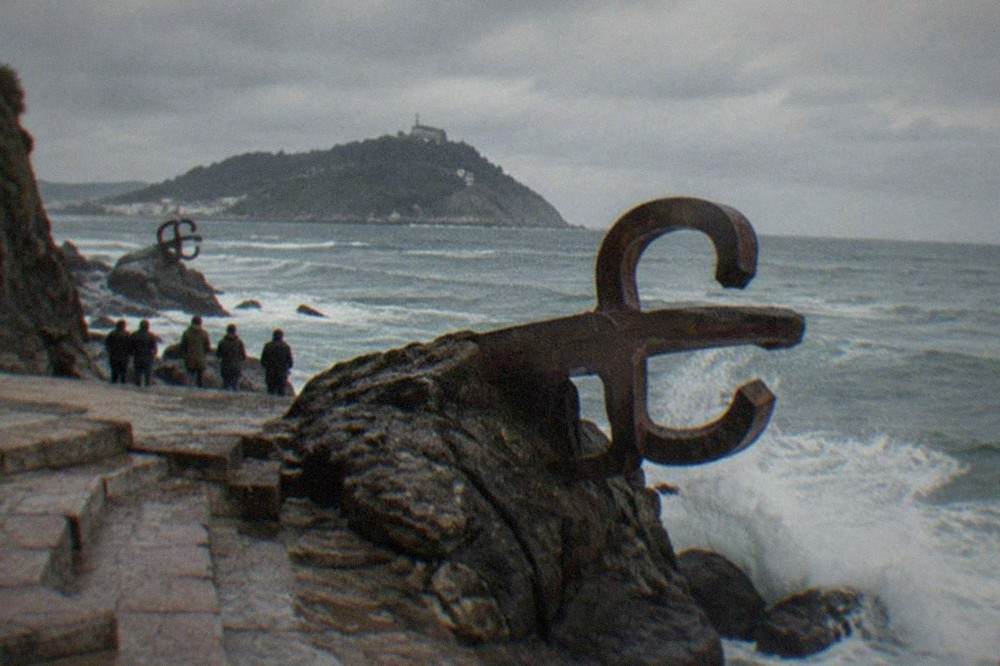
The bay is the organising feature. La Concha, the big crescent, is sandy and shallow, and the council notes the tide often limits its usable area. Ondarreta, at the west end below Monte Igueldo, is wider on average at 100 m, and the walk to the Peine del Viento, Eduardo Chillida's three steel sculptures anchored to the rocks, starts from its west end. Zurriola, on the far side of the Urumea mouth in Gros, is the open one: 800 m long, remodelled in 1994, with strong swell and the surf crowd that follows it. The surfing in San Sebastian guide covers that side of the bay.
| Beach | Mean length | Mean width | Character, per the council's own page |
|---|---|---|---|
| La Concha | 1,350 m | 40 m | Sandy, shallow, tide often limits usable area |
| Ondarreta | 600 m | 100 m | Sandy, heavy summer use, walk to the Peine del Viento at its west end |
| Zurriola | 800 m | 110 m | Sandy, fairly open, strong swell, remodelled in 1994 |
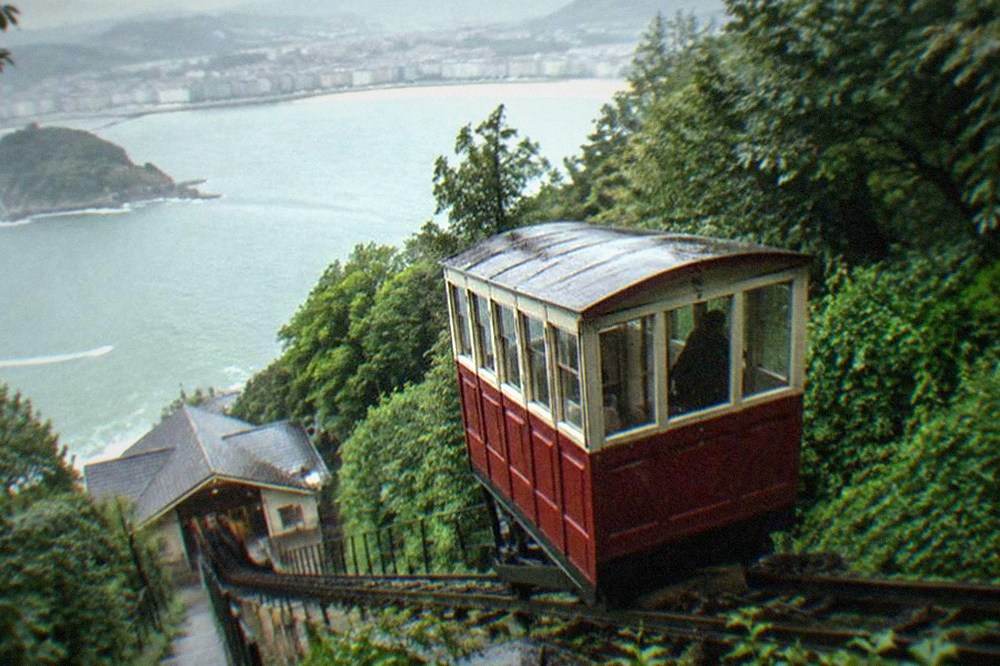
Monte Urgull, between the old town and the bay, is a wooded hill with the Castillo de la Mota on top and access hours that change with the seasons: 08:00 to 21:00 from 1 May to 30 September, and 08:00 to 19:30 from 1 October to 30 April. Monte Igueldo, at the other end, has been reached by a rack funicular with wooden cars since 25 August 1912, which the tourism board calls the oldest funicular in the Basque Country; its own site lists a return adult ticket at 5.50 EUR, a single at 4.00 EUR, and grounds entry included in the funicular fare, with downhill-only tickets not on sale. The Monte Igueldo guide and the Monte Urgull guide cover both hills.
Santa Clara island, in the middle of the bay, is a short boat ride from the harbour. The operator's own tariff page lists the direct Red line at 5 EUR return in high season, 1 June to 30 September, sailing every 30 minutes weather and sea permitting, and the Blue line bay tour with an island landing at 8 EUR. On the island, Hondalea, Cristina Iglesias's installation inside the lighthouse, is free to visit in summer, open 1 June to 30 September from 11:00 to 18:30, with no booking needed for the visit itself, only the boat. It is a seasonal attraction, not an all-year one, and the Santa Clara island guide explains the rhythm.
The island boat is the one excursion that leaves from the city centre itself, so it slots easily into a bay day alongside the promenade walk and a climb of one of the hills.
Museums round out the indoor side. San Telmo Museoa, in the old town, holds the city's history collection, opens Tuesday to Sunday, charges 10.00 EUR general and 4.00 EUR reduced, and is free for everyone on Tuesdays. Tabakalera, the former tobacco factory turned contemporary culture centre, is free to enter and closed on Mondays. Chillida Leku, the sculpture museum in the orchard at Hernani, is outside the city, open every day except Tuesday and Wednesday, with adult admission at 14 EUR and a free car park.
Why Is San Sebastian Famous For Food?
San Sebastián is one of the most decorated restaurant cities in Europe: the MICHELIN Guide Spain 2026 counts 11 stars across 6 restaurants inside the city, including two three-star houses, Akelaŕe and Arzak, and the wider province of Gipuzkoa holds 19 stars across 11 restaurants. Beneath the starred dining sits the pintxo culture of the Parte Vieja, small bites served at bar counters, which the city treats as an everyday institution rather than a tourist show.
The pintxo, a skewer or slice of bread topped with anything from a Gilda of anchovy, olive and guindilla to elaborate modern compositions, is the city's everyday currency of eating. Bars in the old town display them along the counter, and the local rhythm is to move from bar to bar with a small drink at each, txakoli, the lightly sparkling local white wine, being the traditional pour. The what are pintxos guide and the pintxos in San Sebastián guide cover the custom, and the best pintxo bars guide names the rooms worth queuing for.
| Restaurant | Stars, MICHELIN Guide Spain 2026 | Location |
|---|---|---|
| Akelaŕe | 3 | Donostia / San Sebastián |
| Arzak | 3 | Donostia / San Sebastián |
| Amelia by Paulo Airaudo | 2 | Donostia / San Sebastián |
| iBAi by Paulo Airaudo | 1 | Donostia / San Sebastián |
| Itzuli, new in the 2026 edition | 1 | Donostia / San Sebastián |
| Kokotxa | 1 | Donostia / San Sebastián |
One geography note that trips up many guides: Martín Berasategui, another three-star house, is in Lasarte-Oria, and Mugaritz is in Errenteria, both separate municipalities, so neither belongs to a count of restaurants "in San Sebastián". The province-level figure of 19 stars across 11 restaurants includes them, and the Michelin restaurants guide sorts the two levels properly. The 2027 edition of the guide is announced on 24 November 2026 in Huesca, so these counts carry an edition name for a reason.
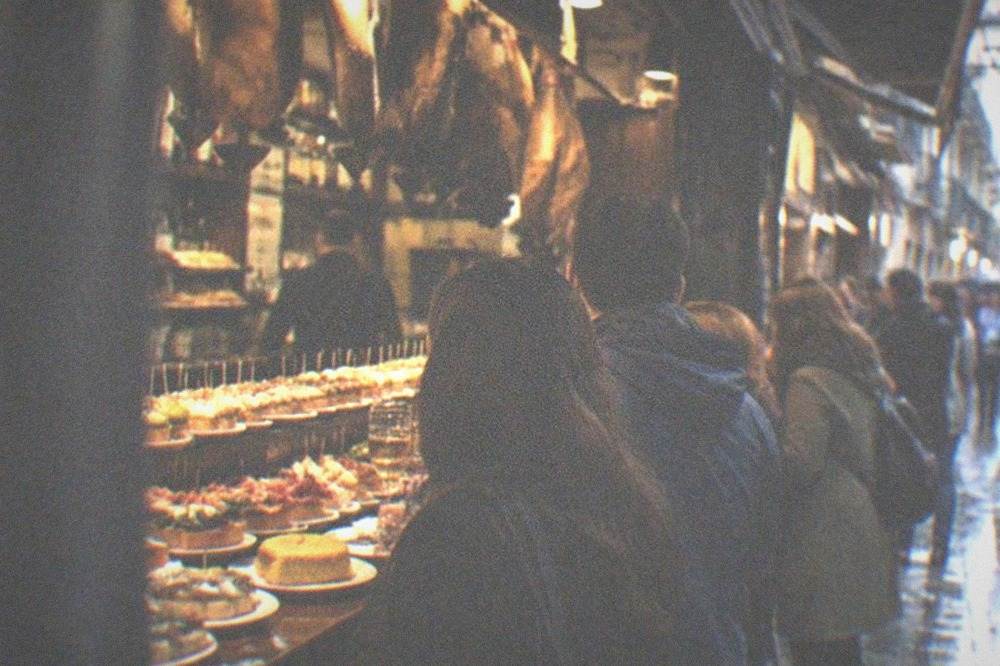
A guided crawl through the old town is the standard introduction to this side of the city, and it works equally well on a first evening or on a rainy one, which the climate makes a real possibility.
What Lies Around San Sebastian?
Within an hour of the city, in three different directions, sit the French Basque towns of Biarritz, Bayonne and Saint-Jean-de-Luz across the border, the fishing and cider towns of the Gipuzkoa coast including Getaria and Zumaia, and the mountains and walled towns inland such as Laguardia in Rioja. The coastal Camino de Santiago route passes through the city itself, arriving from Pasaia and leaving towards Orio, which is the city's only UNESCO World Heritage link.
The Gipuzkoa coast west of the city is a chain of small ports: Zarautz with its long beach, Getaria, the home of txakoli vineyards and the Balenciaga museum, and Zumaia at the start of the flysch cliffs of the Basque Coast UNESCO Global Geopark, a designation the area has held since 2015. Hondarribia, at the mouth of the Bidasoa on the border, is a half-day trip with a walled old quarter, and Pasaia, east of the city, shelters the Albaola shipyard where the San Juan whaleship is being rebuilt. The day trips from San Sebastián guide ranks them all.
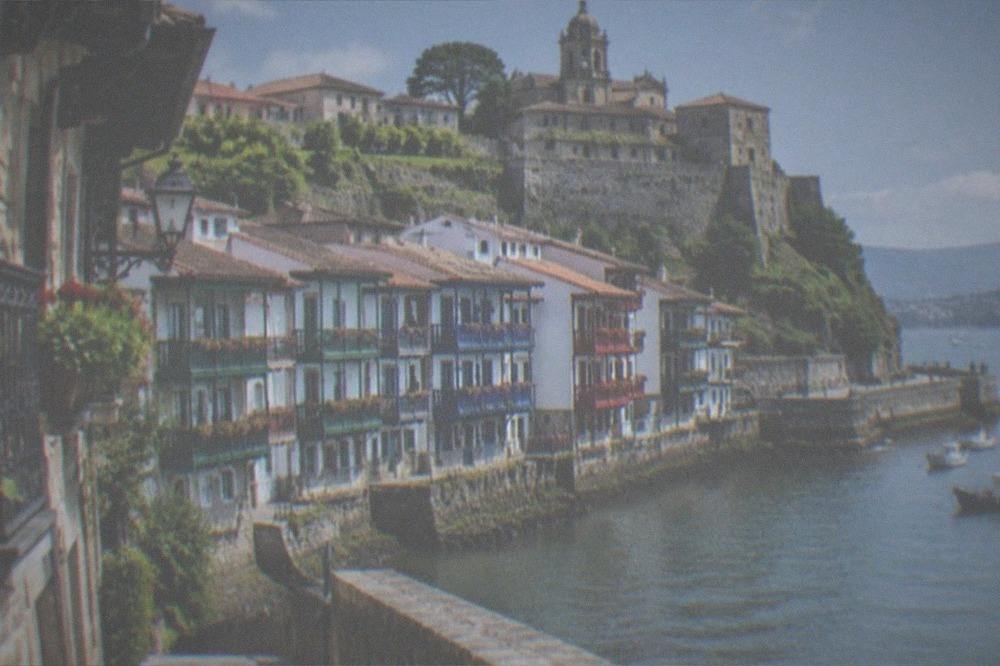
Inland, the cider houses of Astigarraga, a separate municipality a short way out of the city, run the txotx season from the middle of January to the end of April, when cider is poured straight from the barrel at height and served with the traditional cod omelette and txuleta steak menu. The cider houses guide covers the ritual. Further out, the Rioja wine region and its walled town of Laguardia make a full-day circuit, and the txakoli guide handles the local white that is poured everywhere nearer home.
The Camino de Santiago, the coastal Northern route, crosses the city as stage two and three of the tourism board's listing: arriving from Pasaia into Donostia, then leaving Donostia for Orio on the way towards Zarautz, Getaria, Zumaia and eventually Deba. That route, not the city itself, is what carries the UNESCO World Heritage inscription, "Routes of Santiago de Compostela: Camino Francés and Routes of Northern Spain", list number 669. The city's own cultural credential is different: it was European Capital of Culture in 2016, shared with Wrocław.
With the coast, the border and the wine country all in range, the choice of excursion is usually a matter of weather and appetite, and these three are the ones worth weighing first.
Each of those runs on a set schedule from the centre, so they pair naturally with a morning in the old town and an evening back on the pintxo route.
How Many Days Do You Need In San Sebastian?
Two full days cover the core of San Sebastián comfortably: one for the bay, the beaches and one hill, and one for the old town, the pintxo bars and a museum or the island. Three days add the second hill, a coastal half-day to Getaria or Hondarribia, and a slower eating pace, and the INE hotel data shows why summer weekends feel tight, with 245,769 hotel overnight stays in August 2025 against 115,910 in January of the same year.
The seasonal shape of the city matters when planning. August is the peak month for hotel stays, and August also carries Semana Grande, the city's big festival, which the tourism board fixes to the week of 15 August, Saturday to Saturday, and which includes the International Fireworks Competition over the bay. September brings the La Concha regattas on the first two Sundays, a tradition first held in 1879, and the film festival, whose 74th edition ran 18 to 26 September 2026. The San Sebastián festivals guide lays out the calendar, and the how many days in San Sebastián guide builds the itineraries, with one day in San Sebastián for the tightest case.
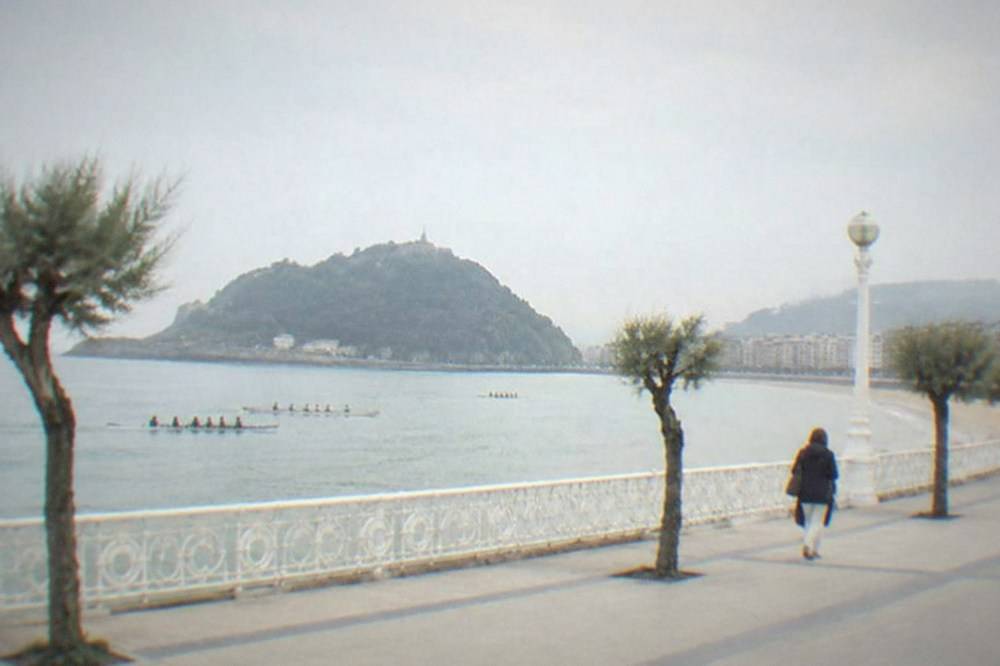
For a first visit built around the centre, a guided orientation is the efficient opener, and the short walk below is the one most first-time visitors book.
It ends with a pintxo and a drink included, which is a fitting last stop before the rest of the trip takes over.
Common Questions About Where San Sebastian Is
Is San Sebastián Basque or Spanish?
Both. It is a Spanish city, inside the Kingdom of Spain, and it is the capital of Gipuzkoa, a province of the Basque Autonomous Community, where Basque and Spanish share official status. Its official municipal name is Donostia / San Sebastián, set by the 2012 provincial order so either form can stand alone depending on the language.
Is San Sebastian in Spain or France?
San Sebastián is in Spain, in the Basque Country, though only about 20 km from the French border. The French Basque towns of Hendaye, Biarritz, Bayonne and Saint-Jean-de-Luz are close enough for day trips, and a coach excursion to the French Basque Country is a regular outing from the city.
What is the closest airport to San Sebastian?
San Sebastián Airport, EAS, at Hondarribia, 20 km from the city. Biarritz Airport in France is 45 km away and Bilbao Airport is 105 km, and the tourism board lists direct services into the city from both of those, which many visitors find easier than the small local airport.
Is Donostia the same city as San Sebastian?
Yes. Donostia is the Basque name and San Sebastián the Spanish name of one city, and the official municipal name since 2012 is the double form Donostia / San Sebastián, with either usable alone.
What sea is San Sebastian on?
The Bay of Biscay, the Atlantic. The city faces north across La Concha bay, which is why its climate is wet and oceanic rather than Mediterranean, and why the open Zurriola beach carries strong swell for surfing.
What province and region is San Sebastian in?
It is in the province of Gipuzkoa, and it is that province's capital, inside the Basque Autonomous Community (Euskadi) in northern Spain. Gipuzkoa is one of the three provinces of the autonomous community, alongside Bizkaia and Araba/Álava.
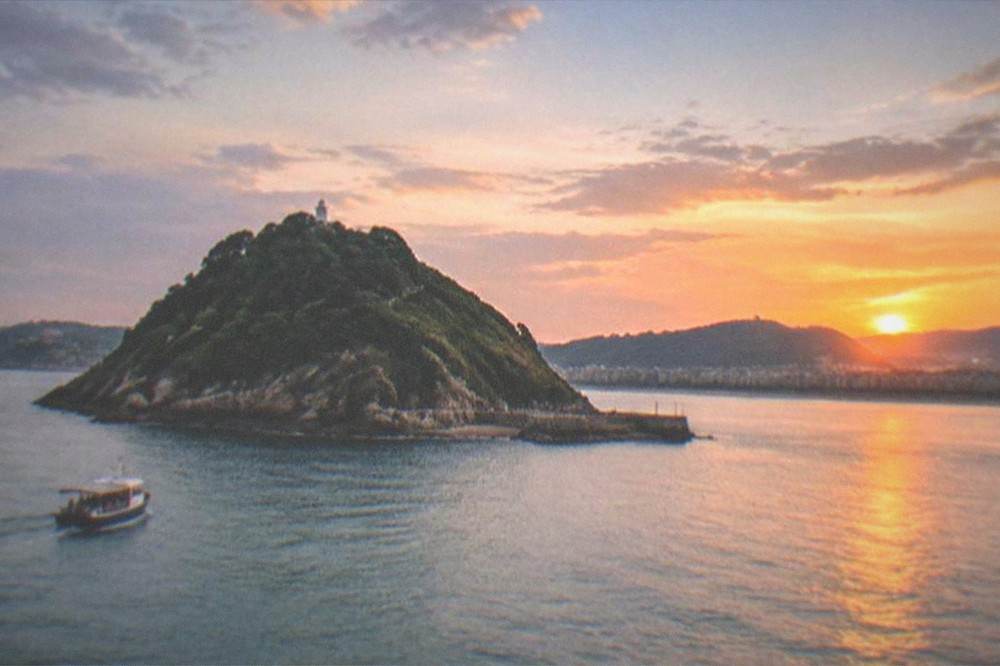
That is the whole position in one frame: a Basque and Spanish city of 189,866 people on an Atlantic bay in Gipuzkoa, 20 km from France, ringed by hills that guarantee rain and green in equal measure, and within an hour of the cider coast, the flysch cliffs and the French Basque Country. Whether you arrive through EAS, Biarritz or Bilbao, the bay is the same one from every postcard, and the San Sebastian Spain Guide covers each part of it, from what to eat in San Sebastián to the Camino del Norte route that passes through the city on its way west.