Centro And The Romantic Area
Centro San Sebastián is the Romantic Area of the Basque city of Donostia / San Sebastián: the promenade along La Concha, the Miramar Palace gardens, the Boulevard and the market, all in one walkable district between the old town and the Antiguo.
Short answer
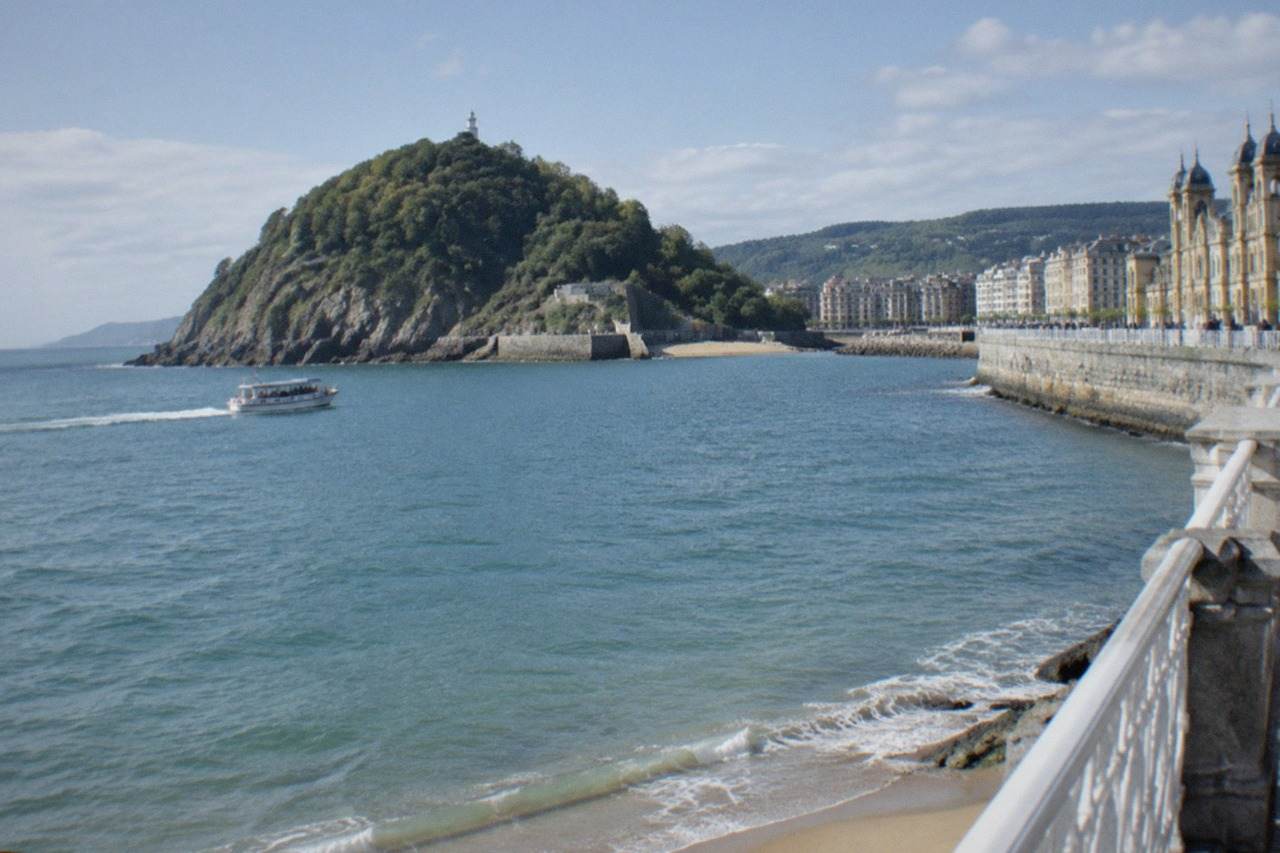
Centro San Sebastián, the Romantic Area, is the district that wraps the east end of La Concha bay between the Parte Vieja and the Antiguo. The promenade, Miramar Palace, the Buen Pastor Cathedral, the La Bretxa market and the Kursaal across the river make it the natural base for a first visit, and everything in it works on foot.
Centro San Sebastián is the Romantic Area of Donostia / San Sebastián, the city on La Concha bay in Gipuzkoa, in the Basque Country of Spain. The official municipal name, Donostia / San Sebastián, joins the Basque and Spanish forms of one name, and this page uses San Sebastián throughout, the form visitors hear in the streets. The Centro is the district that wraps the east end of the bay: the promenade, the shopping streets behind it, the Miramar Palace gardens toward the west and the river mouth toward the east. It is where most first visits are spent, and where most of the city's guided tours set out from.
What Is The Centro In San Sebastian?
The Centro, known as the Romantic Area, is the elegant district that wraps the east end of La Concha bay in San Sebastián, sitting between the Parte Vieja old town and the Antiguo quarter. Its streets hold the city's main shopping, the Buen Pastor Cathedral, the La Bretxa market and the seafront promenade, and the whole district works on foot. Many visitors sleep here, eat here and set out from here.
The name does the explaining. The old town, the Parte Vieja, is the medieval core east of the Centro, dense with pintxo bars and festival crowds, and covered in full on the Parte Vieja area page. The Centro is the later, wider district laid out around it, the one whose architecture, gardens and promenade gave San Sebastián its reputation as a belle city by the sea. The neighborhoods guide places all of them on one map: Gros across the river, Egia beyond the station, Amara inland and the Antiguo at the bay's west end under Monte Igueldo.
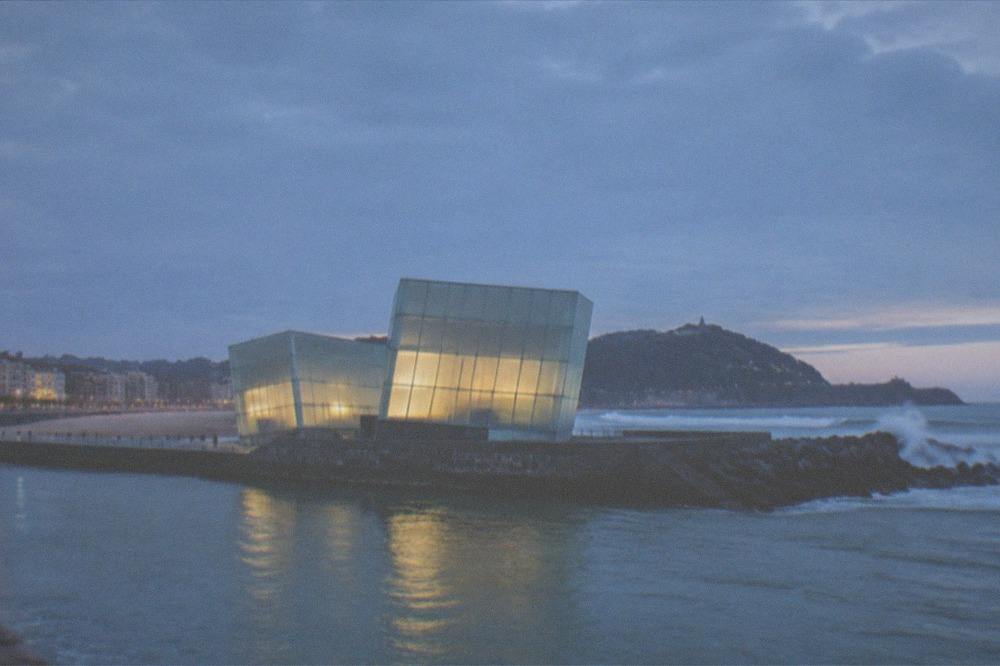
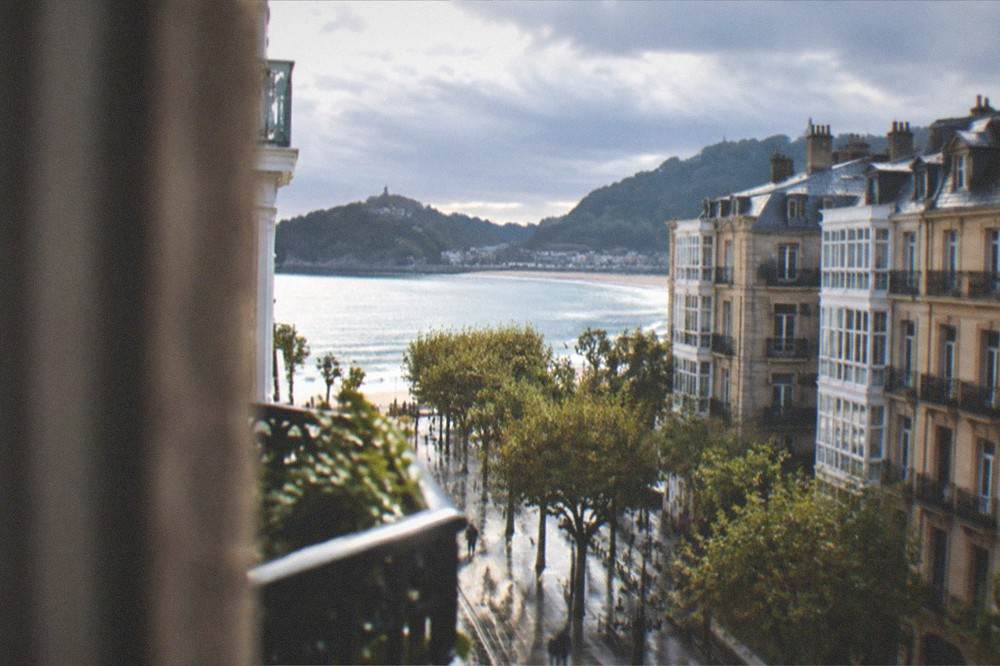
Orientation is simple, because the bay does it for you. Stand with your back to the water at the Centro seafront and the district rises gently behind you in a grid of streets. The Buen Pastor Cathedral closes the view at the top of the shopping streets, and the La Bretxa market sits beside them. Turn left along the promenade and it runs on past the Miramar Palace gardens toward Ondarreta; turn right and it reaches the harbour, the Parte Vieja and the river mouth, where the Kursaal's two glass volumes stand on the far bank at the edge of Gros.
Four landmarks in and around the district carry the whole story of the Centro's built character, and each one has a documented date behind it.
| Landmark | Date | Who made it | What the record says |
|---|---|---|---|
| Miramar Palace | Built 1893 | English architect Selden Wornum, built by José Goikoa | Built at the request of Queen María Cristina, English country house style, gardens running down to the sea |
| Kursaal | Inaugurated 23 August 1999 | Rafael Moneo, chosen in 1990 | Six architects were invited: Botta, Foster, Isozaki, Moneo, Navarro Baldeweg and Luis Peña Ganchegui; activity began in the Chamber Hall on 3 June 1999 |
| Peine del Viento | 1977 | Eduardo Chillida, plaza by Peña Ganchegui | Three steel sculptures of more than nine tonnes each, anchored to the rocks at the end of Monte Igeldo; Chillida first used the title in 1952 and gave the definitive work to the city |
| Monte Igueldo funicular | Opened 25 August 1912 | Rack funicular with wooden cars | The tourism board calls it the oldest funicular in the Basque Country |
What Are The Best Things To See In Centro San Sebastian?
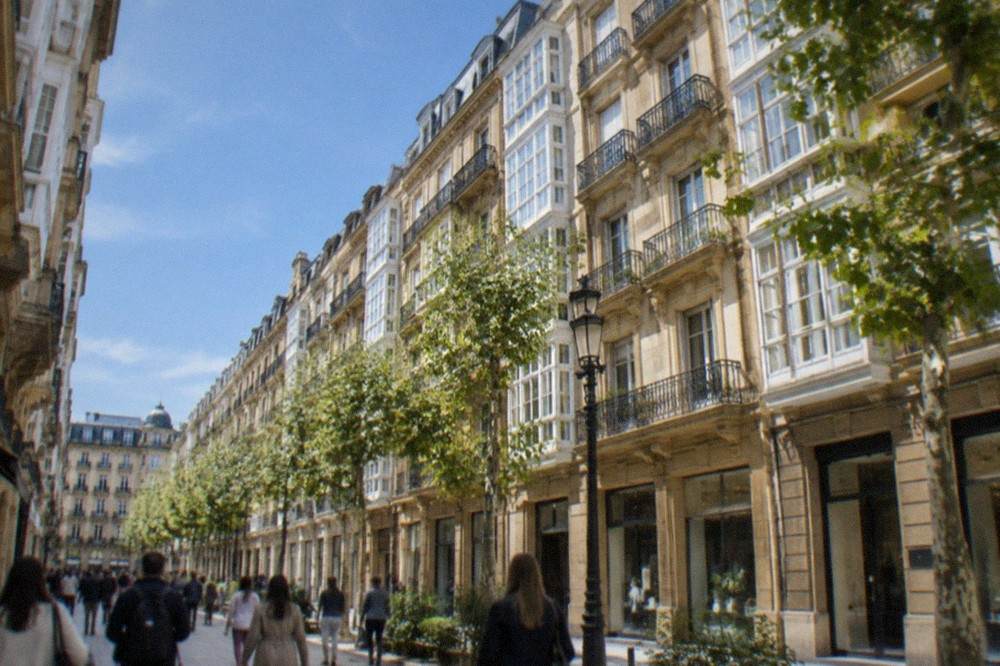
The sights that define Centro San Sebastián are the La Concha promenade along the bay, the Buen Pastor Cathedral at the top of the shopping streets, the Miramar Palace gardens toward the west end, the La Bretxa market and the Kursaal concert halls across the Urumea river mouth. Every one of them can be seen from the street without a ticket, and the district between them is compact enough to cross entirely on foot.
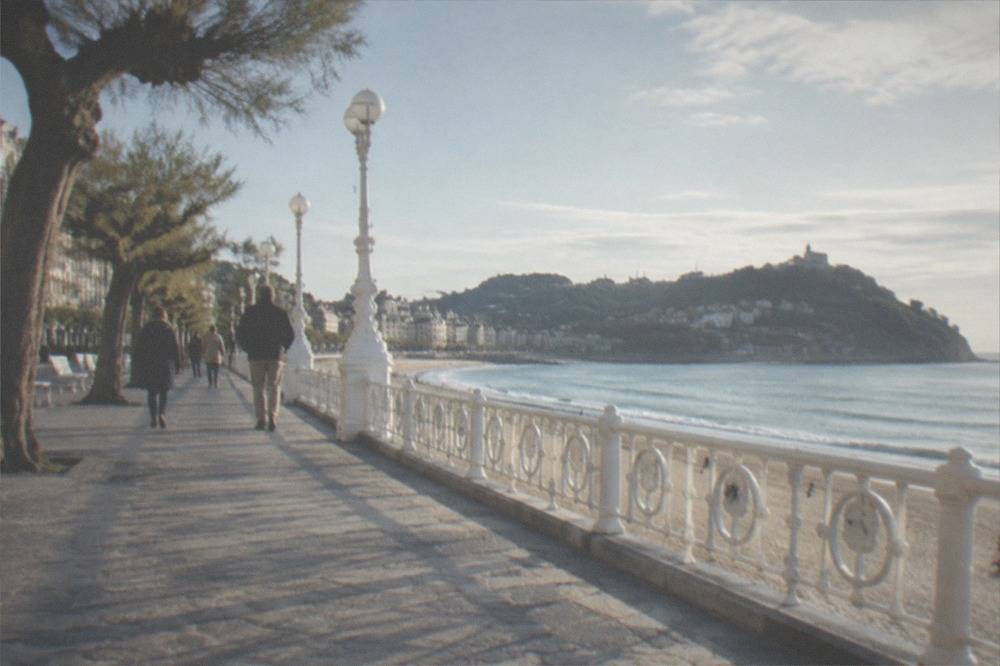
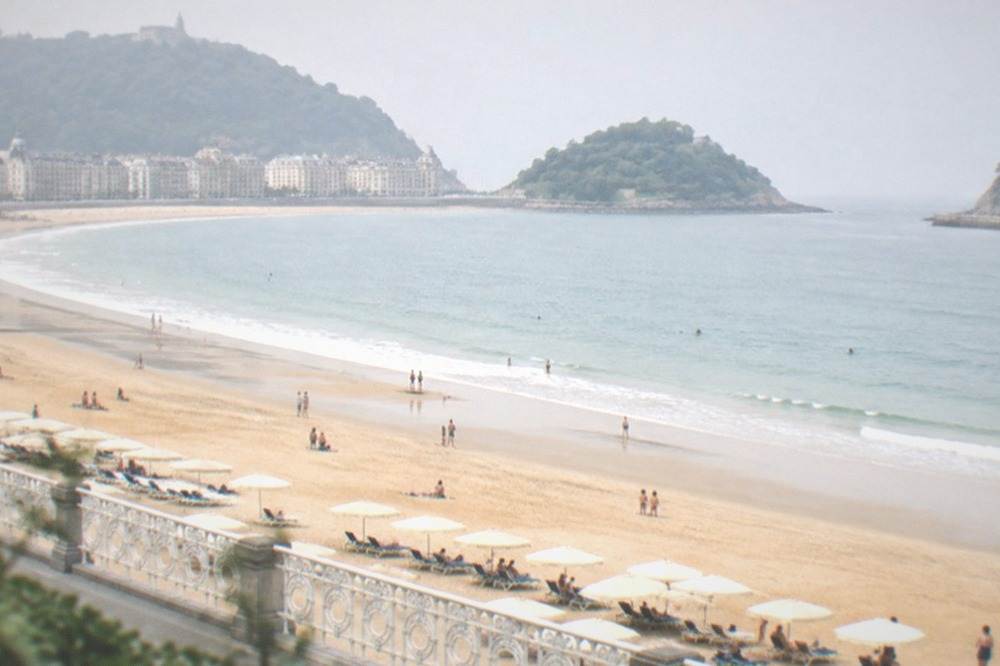
Start at the water. The promenade is the Centro's front room, and the bay it faces is the reason the city exists as a resort at all: La Concha's mean length is 1,350 m of shallow sand, with Santa Clara island floating in the middle and Monte Urgull closing the view at the east end. The La Concha beach guide covers the water itself; from the Centro side you simply walk it, out past the Miramar Palace grounds and on toward Ondarreta, where the walk to the Peine del Viento begins at the beach's west end.
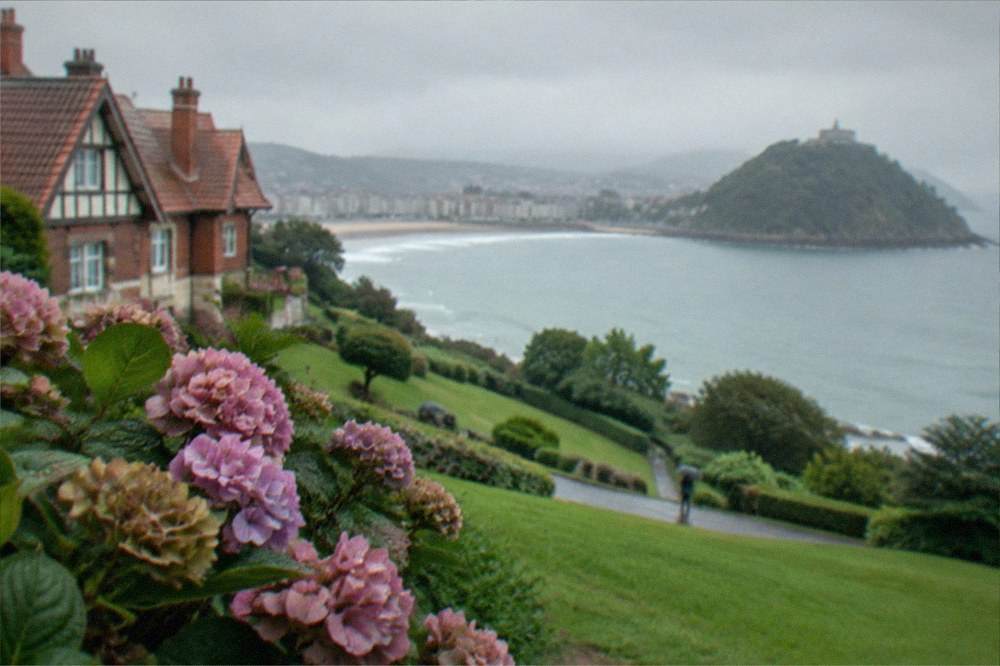
The Miramar Palace is the Centro's most storied building. It was built in 1893 at the request of Queen María Cristina, designed by the English architect Selden Wornum and built by José Goikoa, in the style of an English country house, with gardens running down to the sea. The palace grounds sit between the Centro seafront and Ondarreta, and the building's interior arrangements and garden hours are the venue's to confirm.
The Buen Pastor Cathedral anchors the inland side of the district. Its visiting hours and any admission arrangements are likewise best confirmed with the venue itself, but as an orientation landmark it is unbeatable: the cathedral stands at the top of the Centro's streets, and the whole district slopes down from its doors to the sand.
Across the river, the Kursaal belongs to the Centro's view even though its address is on the Gros bank. Rafael Moneo's design was chosen in 1990 from a field of six invited architects, activity began in the Chamber Hall on 3 June 1999, and the building was officially inaugurated on 23 August 1999. Its two glass volumes catch the light at the river mouth, and they are the first thing you see looking east along the bay from the Centro promenade. What the city is known for beyond this district, from the beaches to the food, is laid out in the guide to what San Sebastian is known for.
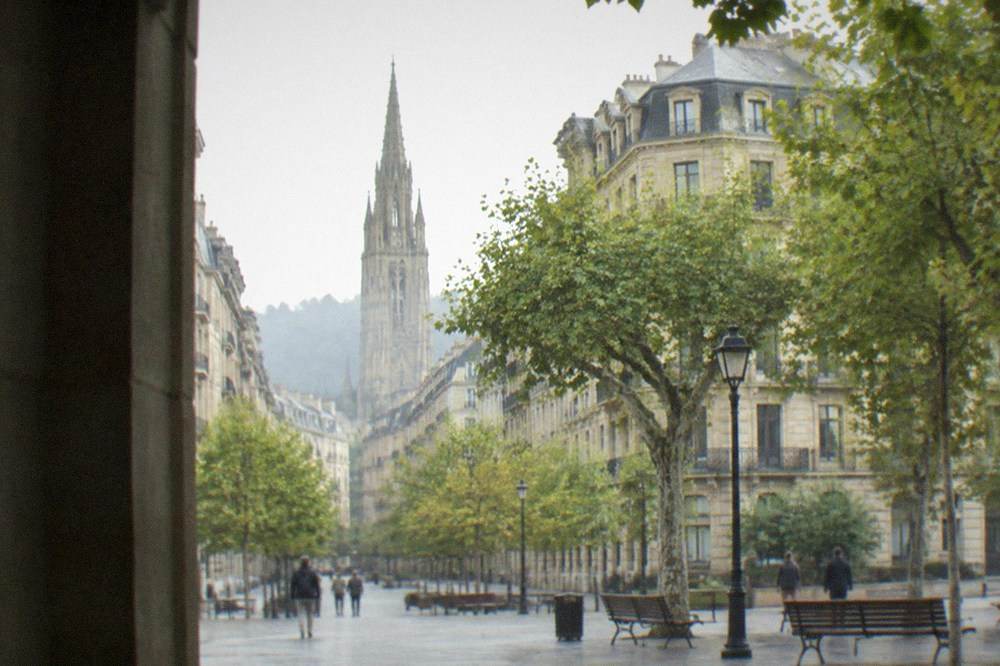
For a first map of the district, a guided walk is the efficient option: the City Highlights tour covers the Old Town and the Romantic Area on foot, with separate English and Spanish departures, and it finishes where the Centro begins.
A guided hour or two saves the guesswork of a first afternoon, and the three tours below are the ones that meet in or beside the Centro itself, so you can walk to the meeting point from almost any hotel in the district.
How Close Is Centro San Sebastian To La Concha Beach?
Centro San Sebastián sits directly on La Concha beach: the promenade runs the full mean length of 1,350 m along the edge of the district, and the sand begins where the Centro streets end. Lifeguards patrol from 1 June to 30 September, with full 10:00 to 20:00 hours from 15 June to 15 September, and parasol and lounger hire operates on the sand through the same summer window. The council's own beach pages give the numbers, and they are worth reading before you pack, because the three beaches of the bay are very different pieces of water.
| Beach | Mean length | Mean width | Mean area | Council description |
|---|---|---|---|---|
| La Concha | 1,350 m | 40 m | 54,000 m2 | Sandy and shallow; the tide often limits the usable area |
| Ondarreta | 600 m | 100 m | 60,000 m2 | Sandy, in heavy use; the walk to the Peine del Viento starts at its west end |
| Zurriola | 800 m | 110 m | 88,000 m2 | Sandy and fairly open, with a strong swell; remodelled in 1994 |
The Centro faces La Concha, the shallowest and calmest of the three, which is why families gravitate to this side of the bay. Ondarreta continues the same sand at the west end past Miramar, and Zurriola, the surfers' beach, opens east of the river mouth in Gros. The beaches guide compares all three in full, and the Zurriola page on this site covers the swell side of the city.
The summer service calendar is the detail that changes a beach day, so here it is as the council publishes it.
| Service | Dates | Hours or price |
|---|---|---|
| Lifeguards, all three beaches | 1 June to 30 September | 15 June to 15 September 10:00 to 20:00; 16 to 30 September 13:30 to 19:30 |
| Parasol and awning hire, La Concha and Zurriola | 15 June to 30 September | Awning 13.10 EUR a day, lounger 3.50 EUR, lounger with parasol 8.40 EUR |
| Parasol and awning hire, Ondarreta | 15 June to 30 September | Awning 13.10 EUR a day, parasol 17.50 EUR, tent 21.90 EUR |
| Assisted bathing for reduced mobility | 15 June to 15 September | Booked through the beach service |
Outside that window the sand is still there and the promenade still runs its 1,350 m, but the beaches are unguarded and hire is closed for the season. That is the honest trade of an Atlantic city: the water is swimmable and the bay is beautiful, and the calendar is short.
The bay itself is a destination, and the trips on it leave from the harbour at the Centro's east edge. The island boat runs its high season from 1 June to 30 September, plus Easter and long weekends; outside that the operator asks you to consult departures.
| Trip from the seafront | Price | What the operator lists |
|---|---|---|
| Santa Clara island boat, red line, direct | 5 EUR return | 10:00 to 19:00, every 30 minutes weather and sea permitting, last boat back 20:00 in June to September, tickets at the kiosk on the day |
| Bay tour plus island, blue line | 8 EUR | 30-minute sailing with departures from 12:00 to 19:30; the last departure does not allow landing |
| Children under 4 | Free | On both lines |
| Monte Igueldo funicular, return | Adult 5.50 EUR, child 2.50 EUR | Child means up to 7 years; the ticket includes entry to the grounds; normally runs every 15 minutes |
| Monte Igueldo grounds and viewpoint on foot | 3.00 EUR per person | Applies to entry by any vehicle or on foot; no downhill-only funicular ticket is on sale |
On Santa Clara itself, the Hondalea installation by Cristina Iglesias sits in the island lighthouse, inaugurated in 2021. Its summer season runs 1 June to 30 September, 11:00 to 18:30, in small groups of about twenty minutes, free, with no booking needed for the visit itself; the boat is the thing you arrange, at the kiosk on the day, and everything depends on weather and sea. The Monte Igueldo guide covers the funicular hill at the bay's west end.
Where Do You Eat And Drink In Centro San Sebastian?
Eating in Centro San Sebastián runs from the La Bretxa market at the top of the district to the pintxo bars of the Boulevard and the boundary with the Parte Vieja, and the MICHELIN Guide Spain 2026 counts 11 stars across 6 restaurants inside the city, led by Akelaŕe and Arzak with three stars each. The Centro itself is the meeting point: several of the city's food tours start on the Boulevard or by City Hall, and the old town's bars begin a street away. For what a pintxo actually is, the pintxos explainer covers the tradition in detail.
The MICHELIN count deserves its own table, because the arithmetic is the part that gets garbled elsewhere. Martín Berasategui, with three stars, is in Lasarte-Oria, a separate municipality, and Mugaritz is in Errenteria, so neither counts toward the city's total no matter how often a headline says otherwise.
| Restaurant | Stars in the MICHELIN Guide Spain 2026 | Town |
|---|---|---|
| Akelaŕe | 3 | Donostia / San Sebastián |
| Arzak | 3 | Donostia / San Sebastián |
| Amelia by Paulo Airaudo | 2 | Donostia / San Sebastián |
| iBAI by Paulo Airaudo | 1 | Donostia / San Sebastián |
| Itzuli, new in 2026 | 1 | Donostia / San Sebastián |
| Kokotxa | 1 | Donostia / San Sebastián |
Every one of those figures belongs to the 2026 edition by name, and the 2027 edition is announced on 24 November 2026 in Huesca, so the list will be re-read that day. Star dining is a booking project, though, and the Centro's everyday strength is the ordinary excellence underneath it: the market, the bars, the txakoli poured everywhere. The best pintxo bars guide and the wider pintxos in San Sebastian guide list where to stand and what to order, and bar prices move with the season, so check the board in the room rather than any number printed in advance.
The most efficient introduction to the Centro's food is a guided one, and the two strongest options meet inside the district. The premium tour starts on the Boulevard, works through pintxo bars with reserved seating at each stop, and includes a guided visit to the Mercado de la Bretxa; the tour's own page has the details.
The small-group crawl starts by City Hall, at the seam between the Centro and the old town, and spends its time in the pintxo bars, restaurants and gourmet shops of the Parte Vieja. Its own page covers the route.
How Do You Get Around Centro San Sebastian Without A Car?
You do not need a car in Centro San Sebastián. The district is flat and compact, a single cash dBus ticket costs 1.95 EUR and the night ticket 2.65 EUR, and a MUGI card cuts an urban trip to 0.78 EUR, or 0.59 EUR for the first twenty personalised trips in a month. The Euskotren Topo runs from Amara station toward the French border, and the whole bay is walkable end to end on the promenade.
The bus fares come from the operator's own tariff, and the card prices from the MUGI system that runs buses and trains across Gipuzkoa on one ticket. Cash paid to the driver does not allow free transfers, which is the one trap worth knowing before you board. Other pages covering the same trip are gathered on San Sebastian Spain Guide.
| Ticket | Urban fare, 0 jumps | Notes |
|---|---|---|
| Occasional dBus ticket, cash | 1.95 EUR | Paid to the driver; no free transfers |
| dBus night ticket | 2.65 EUR | Special night tariff |
| MUGI anonymous card | 0.78 EUR | Works on dBus, Lurraldebus and Euskotren |
| MUGI personalised card, trips 1 to 20 in the month | 0.59 EUR | The 69.5 percent discount band |
In practice you will walk. The Centro's grid means every street either runs to the beach or away from it, and nothing in the district is more than a gentle slope from the promenade. The buses matter for the edges: the Antiguo and Monte Igueldo at the west end, Amara and the station inland, Gros across the river. The honest answer for a first visit on foot is the Centro or the Parte Vieja, with everything else a short ride away.
For a first hour in the district itself, the short guided walk is the one that fits: it starts in the City Centre, covers the essentials on foot, and ends with a pintxo and a drink included in the price. The tour's page has the meeting point, and Check availability for your dates.
What Events Light Up Centro San Sebastian Through The Year?
Centro San Sebastián's year turns on the bay: Semana Grande always falls in the week of 15 August and brings the International Fireworks Competition over the water, the film festival's 74th edition ran 18 to 26 September 2026, the Quincena Musical's 87th edition filled 2 to 30 August 2026, and the La Concha regattas row the first two Sundays of September, which were 6 and 13 September in 2026. Tamborrada drums the city on 20 January and the Santo Tomás fair closes the year on 21 December. The Centro promenade is the front row for almost all of it.
The fireworks of Semana Grande are watched from this seafront, the regattas are rowed on the water in front of it, and the regatta tradition is old: the Bandera de La Concha was first held in 1879, the women's flag since 2008, with the women rowing at 11:00 and the men at 12:00 on each of the two Sundays. Jazzaldia's 61st edition took place in 2026, and the Behobia-San Sebastián road race, 61st edition, runs 8 November 2026.
The rhythm matters for planning more than any single date. August is the city's peak month by every measure, from the 245,769 hotel overnight stays recorded by INE for August 2025, the year's highest, to the festival calendar stacked on top of it. January belongs to the drummers, December to the fair, and the months between carry the film festival, the regattas and the race. Whatever the month, the Centro is where the city gathers to watch.
Which Tours Start From Centro San Sebastian?
Most of San Sebastián's guided tours meet in or beside the Centro: the walking tours and food tours cluster on the City Centre streets and the Boulevard, the e-bike tours set off from Calle Reyes Catolicos, and the bay boats leave from the harbour at the district's east edge. Booking runs through each operator's live listing, and the meeting point is printed on the listing, so a Centro hotel puts nearly every departure within a short walk.
The e-bike history ride is the Centro tour with the longest reach: it follows the city's bike-lane network out to the beaches, covers Basque history and culture on the way, and starts from Calle Reyes Catolicos in the heart of the district.
Beyond the district, the same departure logic applies. The bay boat with the Santa Clara island stop leaves from the harbour at the Centro's edge, and the day trips to Biarritz, Bilbao and the Gipuzkoa coast towns leave from the bus station, a short ride or a longer walk inland. The full range, from food tours to cooking classes to surf lessons on Zurriola, is gathered in the site's rundown of things to do in San Sebastian.
These three are the ones that meet closest to the Centro, and between them they cover a first walk, a ride and a crawl.
When Is The Best Time To Visit Centro San Sebastian?
The best time for Centro San Sebastián is the late shoulder: May averages 14.4 C and 181 sun hours, June 16.9 C and 189, and September 18 C and 179, against August's peak warmth of 19.5 C and the year's biggest crowds. No month is dry: July, the driest, still averages 86 mm of rain over 9.8 rain days, and November, the wettest, takes 169 mm. AEMET's normals for its Igeldo station, which sits 250 m up on Monte Igueldo, are the source, and the seafront runs slightly warmer than the station's figures.
| Month | Mean C | Mean max C | Mean min C | Rain mm | Rain days 1 mm or more | Sun hours |
|---|---|---|---|---|---|---|
| Jan | 8.5 | 11 | 5.9 | 141 | 13.2 | 98 |
| Feb | 8.7 | 11.5 | 5.9 | 110 | 11.6 | 107 |
| Mar | 10.3 | 13.4 | 7.2 | 113 | 12.4 | 144 |
| Apr | 11.3 | 14.5 | 8.1 | 138 | 13.4 | 157 |
| May | 14.4 | 17.7 | 11.1 | 120 | 12.2 | 181 |
| Jun | 16.9 | 20 | 13.8 | 90 | 10.6 | 189 |
| Jul | 18.9 | 21.8 | 16 | 86 | 9.8 | 196 |
| Aug | 19.5 | 22.5 | 16.5 | 117 | 10.5 | 190 |
| Sep | 18 | 21.1 | 14.8 | 111 | 10.1 | 179 |
| Oct | 15.5 | 18.5 | 12.4 | 159 | 11.8 | 140 |
| Nov | 11.3 | 14 | 8.7 | 169 | 13 | 102 |
| Dec | 9.1 | 11.6 | 6.6 | 151 | 12.4 | 93 |
| Year | 13.5 | 16.5 | 10.6 | 1,507 | 141.1 | 1,816 |
Read the table honestly and it says two things at once. The summers are warm, with August's mean maximum at 22.5 C and July the sunniest month at 196 hours. And it rains in every month of the year, 1,507 mm across 141 rain days annually, with August wetter at 117 mm than June at 90, July at 86 or September at 111. This is an Atlantic city, not a Mediterranean one, and the packing list should say so. The weather guide works through the detail, and the best time to visit guide weighs climate against crowds.
The crowd numbers come from INE's hotel occupancy survey for the city's tourist point, hotels only. August 2025 recorded 245,769 overnight stays, the year's peak, against 115,910 in January, a little over twice as many. May 2025 came in at 205,326 and September at 216,759, both busy but below the August high, and 63.7 percent of 2025's overnight stays came from residents abroad. The shoulder months give you the same promenade with more of it to yourself, and the rain comes either way, so the choice is really between warmth and room.
Common Questions About Centro San Sebastian
Is Centro San Sebastian the same as the Old Town?
No. The old town is the Parte Vieja, the dense medieval core at the east end of the Centro, and the Centro is the Romantic Area district laid out around it, running from the old town's edge to the Antiguo along La Concha. The two meet by City Hall, and most food tours cross the seam within their first hour.
Do you pay a tourist tax in Centro San Sebastian?
Not before 1 January 2027. Norma Foral 3/2026 of Gipuzkoa sets per-person, per-night bands by accommodation category, up to 6.50 EUR at the top band, with at most 6 nights charged per stay and under 18s exempt. Each council sets its own rate inside the bands, and San Sebastián's own rate has not been published on an official page, so confirm with your accommodation before you travel.
How do you get from the airport to Centro San Sebastian?
San Sebastián Airport, EAS, sits at Hondarribia, 20 km from the city per the tourism board. Since 1 June 2026 bus line E21 no longer stops at the airport, at either stop, to board or to alight; the operator lists lines E20, E23, E25, E27, E28, E29 and E30 as the airport services, and E30 is the direct line to the city. Journey time and fare zone are the operator's to confirm.
Can you walk from Centro San Sebastian to Monte Igueldo?
Yes, along the bay. The promenade continues past Ondarreta, whose west end is the start of the walk to the Peine del Viento, and the Monte Igueldo grounds lie beyond, with entry on foot at 3.00 EUR per person. The funicular sells no downhill-only ticket, so a walk up means arranging the ride down in advance or walking back, and the rides close on rainy days.
Is La Concha beach good for swimming?
The council describes La Concha as sandy and shallow, with a mean length of 1,350 m, and notes that the tide often limits the usable area. Lifeguards patrol from 1 June to 30 September, with full hours from 15 June to 15 September, and assisted bathing for reduced mobility runs 15 June to 15 September. Outside the season the sand is open and unguarded.
Is Centro San Sebastian expensive?
Costs vary more by table than by district: the pintxo bars of the old town and the Boulevard run cheaper than the starred dining the city is famous for, and bar prices change with the season, so check the board in the room. The site's cost guide works through the detail at is San Sebastián expensive.
The Centro rewards exactly the pace it was built for: a slow promenade, a market in the morning, a bar at midday and the bay doing its work in the background, in every season the Atlantic allows.