Tabakalera
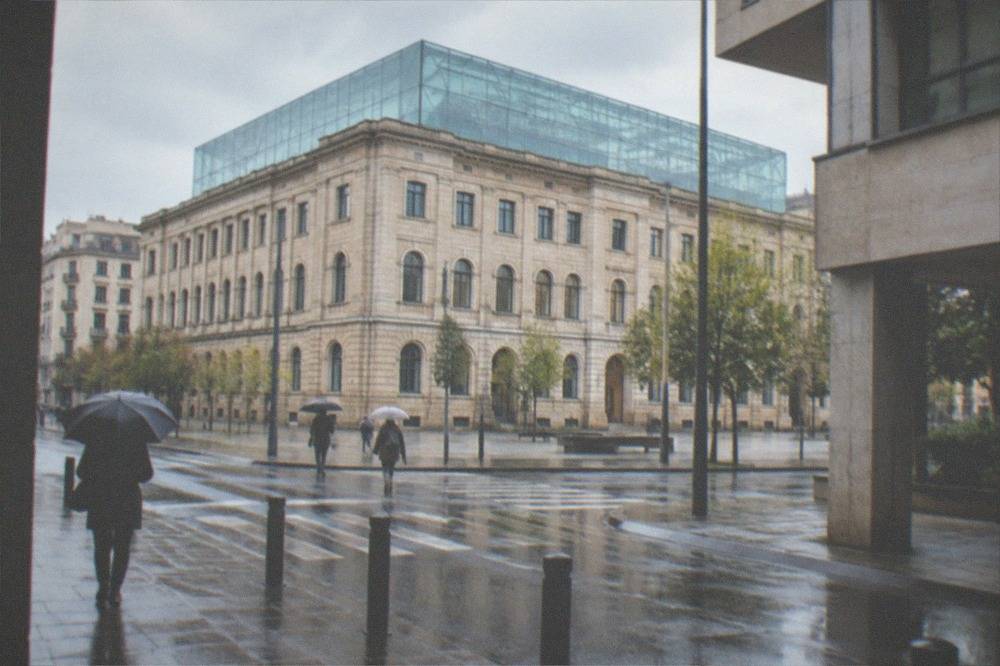
Tabakalera is San Sebastián's free contemporary culture centre, a converted industrial building open Tuesday to Sunday with exhibitions, film and workspaces, and it costs nothing to walk in.
Short answer
Tabakalera in San Sebastián, Basque Country, Spain, is a free-access contemporary culture centre housed in a former tobacco factory. The building is open Tuesday to Sunday and holidays from 10:00 to 21:00 and closed on Mondays. Entry is free, and the exhibition halls on floors 0 and 1 open in two daily sessions, 11:00 to 13:00 and 16:00 to 20:00.
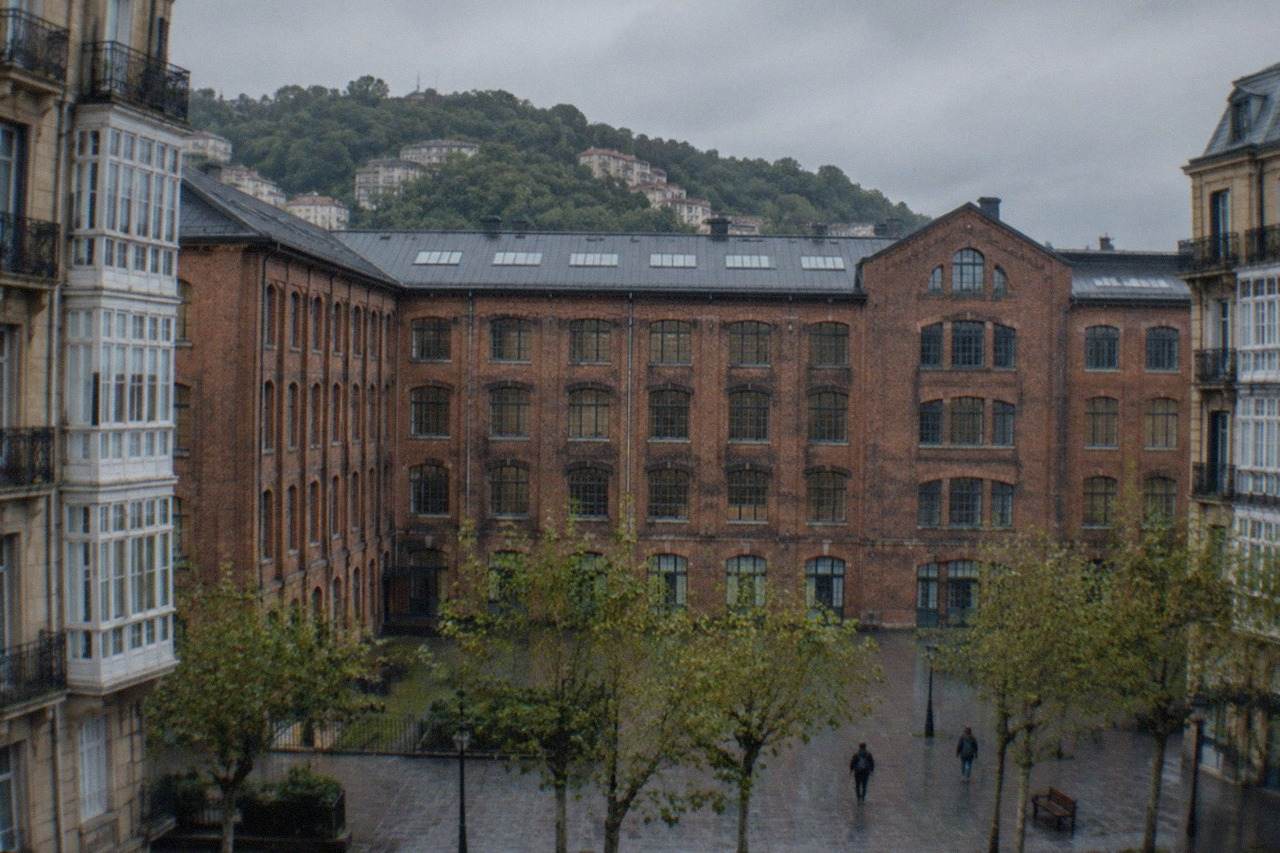
Tabakalera is the contemporary culture centre of San Sebastián, the Basque city on La Concha bay whose official name is Donostia / San Sebastián, and it is one of the few major cultural venues in the city that costs nothing to enter. The building began life as the city's tobacco factory, an industrial block whose name still carries the trade, and it now holds exhibition halls, a cinema programme, media labs and workspaces for artists. Its own visiting page gives free access, Tuesday to Sunday and holidays from 10:00 to 21:00, with Mondays closed. For a city whose reputation leans heavily on food, it is the clearest sign that San Sebastián's cultural life runs deeper than pintxos, and it makes a strong pairing with the museums and beaches covered on San Sebastian Spain Guide and in the wider things to do in San Sebastian roundup.
What Is Tabakalera In San Sebastian?
Tabakalera is a free-access centre for contemporary culture in San Sebastián, Basque Country, Spain, set in a former tobacco factory. The building is open Tuesday to Sunday and on holidays from 10:00 to 21:00 and is closed on Mondays. Entry costs nothing, and the exhibition halls on floors 0 and 1 run in two daily sessions, 11:00 to 13:00 and 16:00 to 20:00. The venue hosts exhibitions, film screenings and artist workspaces under one roof.
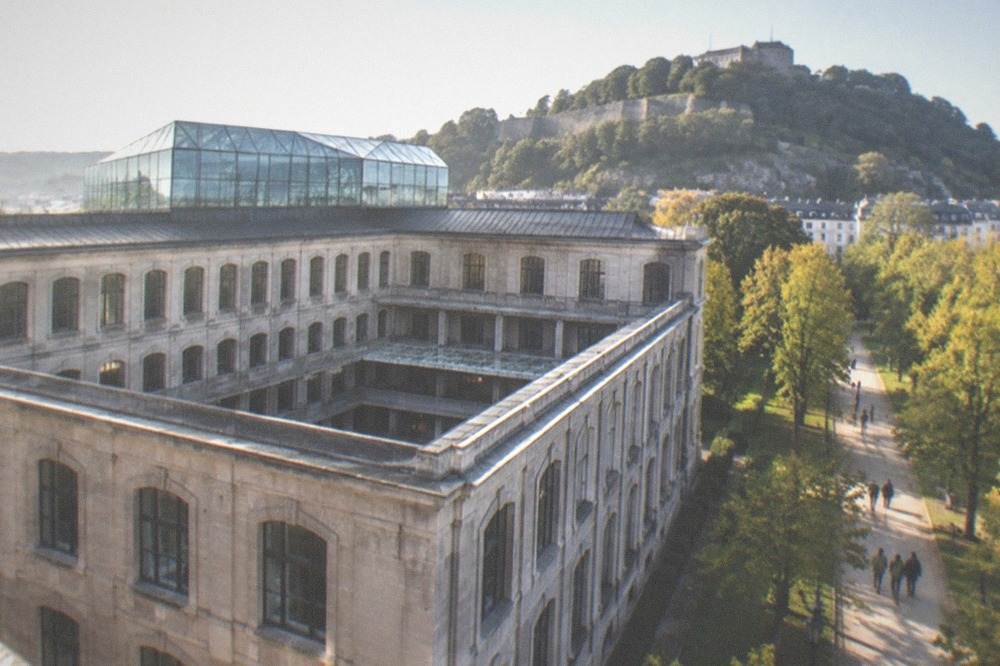
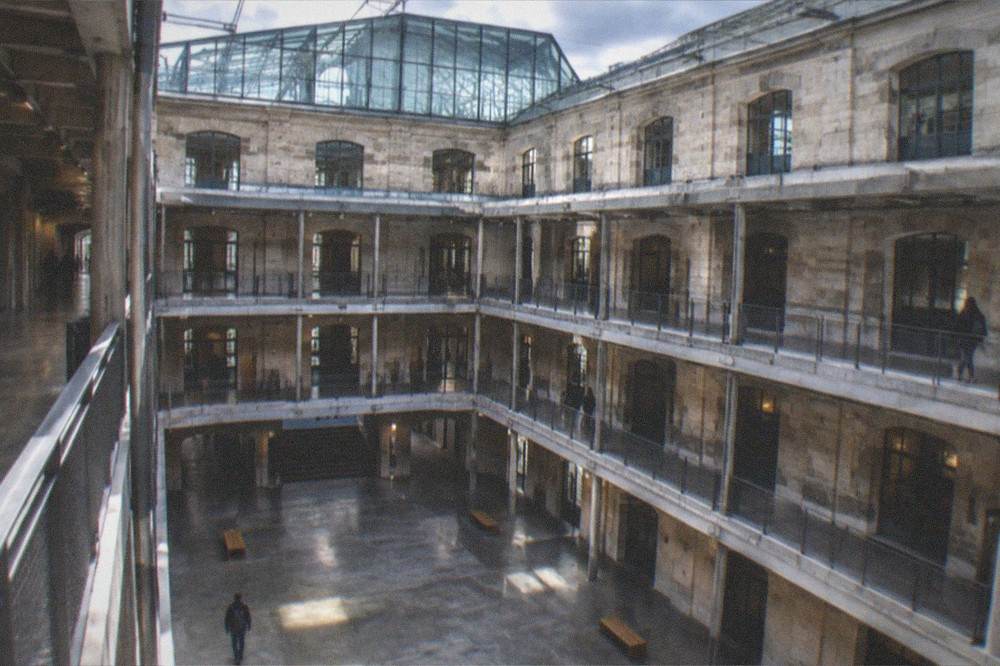
The name tells the building's first story. A tabakalera is a tobacco factory in Basque usage, and this one was an industrial landmark of the city before its conversion into a cultural centre. The renovation kept the industrial shell and filled it with a different kind of production: exhibitions, moving-image work, publications and residencies rather than cigarettes. The venue's own visiting page lists free access as the baseline, which puts it in a small group of large cultural institutions in the city that charge nothing at the door.
The comparison with the city's other museums is worth making early, because it shapes how visitors use the building. San Telmo Museoa, the fine arts and Basque history museum at the edge of the Old Town, charges 10.00 EUR general admission and 4.00 EUR reduced, though it opens free to everyone every Tuesday. Tabakalera asks for nothing on any open day. That difference makes it the natural bad-weather stop, the drop-in-between-things stop, and the stop for travellers watching a budget in a city that is not cheap, a question this site covers separately in its guide to San Telmo.
It is also a working building rather than a sealed one. Alongside the exhibition halls there are spaces for creative work, which changes the rhythm of a visit: the ground floor carries the flow of people coming and going, while the halls themselves open and close on their own session times. The practical consequence, covered in detail below, is that a visitor who arrives at 13:30 will find the building open but the exhibitions shut until 16:00.
What Are The Opening Hours And Prices At Tabakalera?
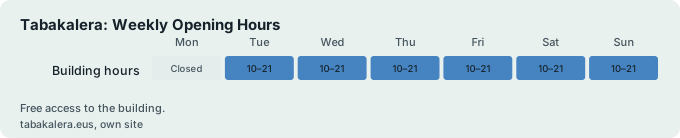
Tabakalera is free to enter, and the building keeps the same hours year round: Tuesday to Sunday and holidays, 10:00 to 21:00, closed on Mondays. The exhibition halls on floors 0 and 1 open in two sessions each open day, 11:00 to 13:00 and 16:00 to 20:00. The building closes at 14:00 on 24 and 31 December and is fully closed on 25 December and 1 January. There is no admission charge for any of it.
The venue's own hours page is the source for all of this, and it splits the day in a way first-time visitors regularly miss. The building is a public space with a long daily window, while the exhibition halls are ticketed sessions with a lunchtime gap. Plan around the gap. Arriving at 10:00 gives you an hour to wander the building, read, or have a coffee before the halls open at 11:00; arriving at 12:30 gives you half an hour inside the halls before they close at 13:00.
The table below sets out the full week as the venue publishes it.
| Space | Monday | Tuesday to Sunday and holidays | 24 and 31 December | 25 December and 1 January |
|---|---|---|---|---|
| Building (free access) | Closed | 10:00 to 21:00 | Closes 14:00 | Closed |
| Exhibition halls, floors 0 and 1 | Closed | 11:00 to 13:00 and 16:00 to 20:00 | Closes 14:00 | Closed |
The holiday closures deserve a note for winter travellers. The 25 December and 1 January closures are standard, but the 14:00 early close on 24 and 31 December catches people who assume a normal evening visit is possible on those days. If your trip sits over Christmas or New Year, treat the afternoons of those two days as closed.
The free entry also compares well against the city's other paid institutions, which is useful when you are sequencing a day. The next table puts Tabakalera beside the other major cultural venues whose prices and hours are published by the venues themselves.
| Venue | Entry cost | Opening pattern |
|---|---|---|
| Tabakalera | Free | Tuesday to Sunday and holidays, 10:00 to 21:00, closed Mondays |
| San Telmo Museoa | 10.00 EUR general, 4.00 EUR reduced | Tuesday to Sunday, free every Tuesday, closed Mondays |
| Chillida Leku (Hernani) | 14 EUR adults, 10 EUR reduced | Daily 10:00 to 19:00 except Tuesday and Wednesday |
| Eureka! Zientzia Museoa | 10 EUR museum, 12.50 EUR museum plus planetarium | Tickets sold in combined tiers |
| Aquarium | Hours published, prices not stated here | Daily in July and August, Monday closures October to March |
Read that table as a budgeting tool. A family looping through Tabakalera and the Eureka! science museum in one day spends nothing at the first stop and per-person ticket fees at the second, while a rainy Tuesday built around San Telmo's free entry and Tabakalera's free halls costs nothing at either.
What Can You See Inside Tabakalera In San Sebastian?
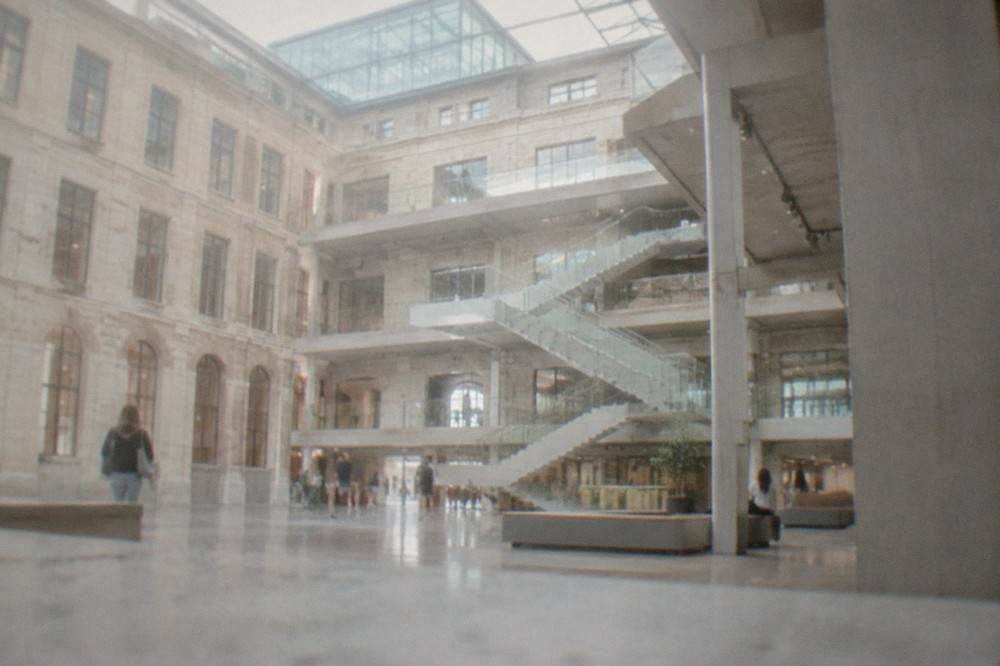
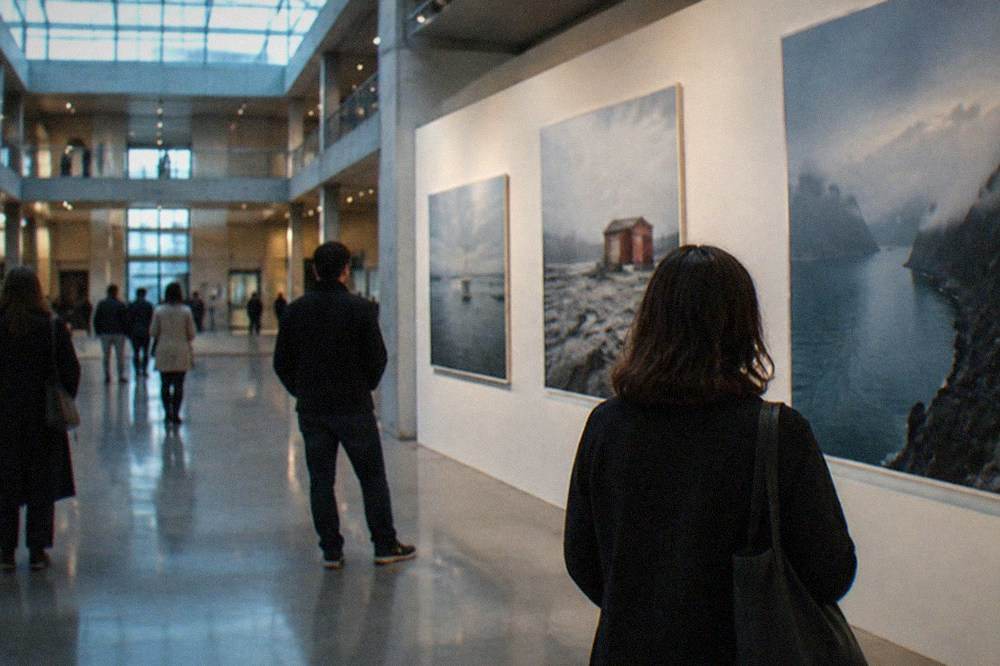
Inside Tabakalera you find the exhibition halls on floors 0 and 1, which open 11:00 to 13:00 and 16:00 to 20:00 on every open day, plus a cinema programme, media and creation spaces, and free public areas across the building. Everything is free to access. The halls are the core of a visit, and the building itself, a converted tobacco factory, is a large part of the experience.
The exhibition halls are the main draw. They sit on the two lower floors and hold a rotating programme of contemporary shows, which means no two visits a few months apart are the same. Because the venue publishes session times rather than a single continuous window, the halls have a calmer, more defined rhythm than a conventional museum: people arrive for the 11:00 opening or the 16:00 one, and the space empties and refills around the lunchtime break.
Beyond the halls, the building works as a cultural infrastructure. The conversion of a factory into a centre for contemporary creation means the programme leans towards moving image, photography, design and digital work, with screenings and talks folded into the calendar. Check the venue's own site before a visit for what is showing, because the exhibition programme is the one thing about Tabakalera that genuinely changes month to month, and this page deliberately does not list individual shows that will have closed by the time you read it.
For visitors who want structure rather than self-guiding, the city's guided walks cover the historic streets while Tabakalera covers the contemporary side. A walk with a local's insight into the pintxo bars of the Old Town pairs naturally with an afternoon in the halls, and the operator's live listing carries the current dates and availability.
How Do You Get To Tabakalera In San Sebastian?
Tabakalera sits in the Egia district of San Sebastián, a short distance east of the city centre, and the whole city centre is compact enough to be explored on foot. A single dBus city bus ticket paid in cash costs 1.95 EUR, or 2.65 EUR for the special night ticket, and a MUGI anonymous card charges 0.78 EUR for an urban trip. The venue is walkable from the Kursaal and the river.
The building's position matters for planning. Egia is the district across the Urumea river from the centre, and Tabakalera stands in it as the neighbourhood's cultural anchor, close to the Kursaal Congress Centre on the far side of the water. A visitor staying in the Centre or the Old Town crosses the river and is there within an easy stroll; a visitor coming from Gros or Zurriola approaches from the beach side. The city's flat geography between Monte Urgull and the river makes this one of the simplest cultural walks in San Sebastián.
For anyone using public transport, the fare structure is published by the operators themselves. The dBus city network charges 1.95 EUR for an occasional ticket paid in cash to the driver, and 2.65 EUR for the special night ticket, with the caveat on the operator's own page that cash payment does not allow free transfers. The MUGI card system, which covers city buses, the regional Lurraldebus network and Euskotren, drops an urban trip to 0.78 EUR on an anonymous card. The card itself has a purchase price this site does not publish, because the pack does not carry it.
| Ticket | Price | Notes |
|---|---|---|
| dBus occasional ticket, cash | 1.95 EUR | Paid to the driver, no free transfers |
| dBus special night ticket | 2.65 EUR | Night fare |
| MUGI anonymous card, urban trip | 0.78 EUR | Urban is 0 jumps on the MUGI table |
| MUGI occasional ticket, urban | 1.95 EUR | Matches the cash bus fare |
Cyclists have an easy run too. The city's bike-lane network is flat along the bay and the river, and the e-bike tours that follow it pass through this side of the city; the listing for a small-group electric bike ride gives the practical details for anyone who prefers a guided ride to a self-led one.
What Is There Near Tabakalera In San Sebastian?
Around Tabakalera, all within the Egia and Centre districts, you find the Kursaal Congress Centre across the river, Cristina Enea park a short walk away, Monte Urgull and its access paths, and the beaches of Zurriola and La Concha beyond it. Monte Urgull opens 08:00 to 21:00 from 1 May to 30 September and 08:00 to 19:30 from 1 October to 30 April. None of these neighbours charges an entry fee except the Kursaal's ticketed events.
Egia is a district that visitors tend to pass through without stopping, which makes Tabakalera a good excuse to slow down in it. The Kursaal, Rafael Moneo's congress centre and concert hall inaugurated in 1999, stands at the river mouth on the other side of the Urumea and is one of the city's modern landmarks; this site covers it in its own Kursaal page. Between the two, the river walk is one of the flattest, easiest stretches of the city.
Cristina Enea park, covered in the site's Cristina Enea guide, gives the area its green pause, while Monte Urgull, the wooded hill between the Centre and La Concha, is the big walk on the other side of the river. The hill's access hours are seasonal: the tourism board gives 08:00 to 21:00 from 1 May to 30 September and 08:00 to 19:30 from 1 October to 30 April, and it is closed at night. The Monte Urgull page carries the detail.
The next table sequences the neighbours by what they offer, so you can build a half-day around the venue.
| Neighbouring sight | District | What it is | Entry |
|---|---|---|---|
| Kursaal | Centre, at the river mouth | Congress centre and concert hall by Rafael Moneo, inaugurated 1999 | Free to see outside, ticketed events inside |
| Cristina Enea park | Egia / Centre edge | A quiet historic park | Free |
| Monte Urgull | Centre | Wooded hill with fortifications and city views | Free, seasonal access hours |
| Zurriola beach | Gros | Sandy beach with strong swell, 800 m long | Free |
| San Telmo Museoa | Old Town edge | Basque history and fine arts museum | 10.00 EUR, free Tuesdays |
| La Concha beach | Centre | The main bay beach, 1,350 m long | Free |
The beach figures in that table come from the city council's own beach pages: La Concha runs 1,350 m long and Zurriola 800 m, with the council describing Zurriola's swell as strong. Both are covered in full on the La Concha and Zurriola pages.
Is Tabakalera Worth Visiting With Kids Or In The Rain?
Tabakalera is one of the best rain-day stops in San Sebastián because it is free, indoors, open until 21:00 every day except Monday, and large enough to fill a wet afternoon. With kids it works as an easy, low-pressure visit, though the exhibition halls' session times mean you should aim for the 11:00 to 13:00 or 16:00 to 20:00 windows. The city averages 1,507 mm of rain a year, so a wet-day plan is not optional.
The rain point is not a joke in this city. AEMET's climate normals for its Igeldo station, the series for 1981 to 2010, record 1,507 mm of rain over 141 days a year, and even July, the driest month, averages 86 mm across about ten rain days. November is the wettest at 169 mm. Any San Sebastián itinerary needs indoor capacity, and a free venue that stays open to 21:00 is the most flexible indoor capacity the city has. This site keeps a dedicated rainy day guide for exactly this problem.
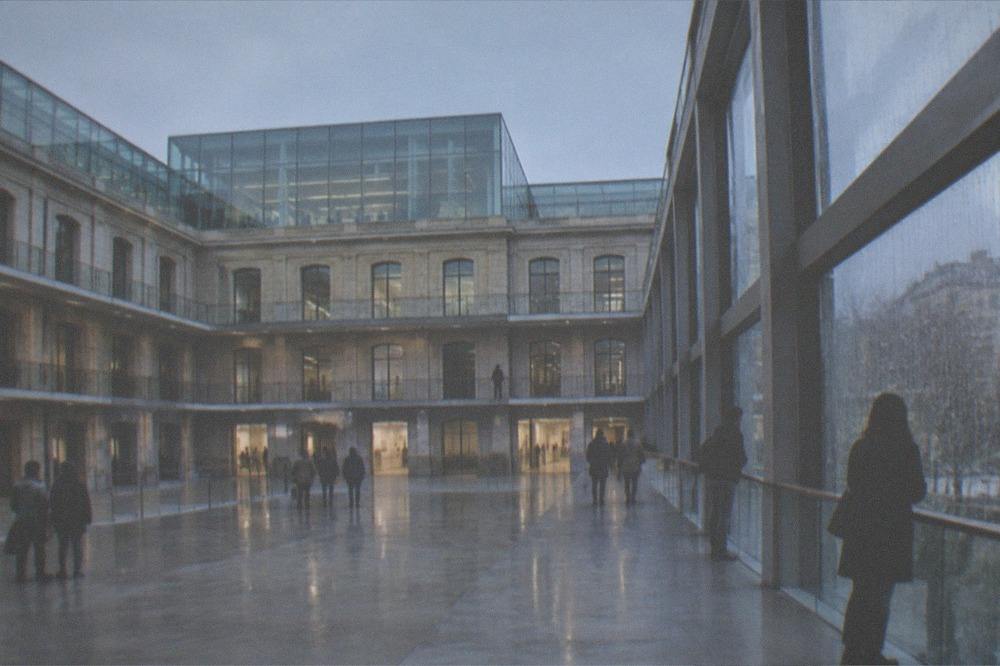
With children, the venue's character matters more than its content list. Contemporary exhibitions change, so what a family meets on a given day varies, but the free entry removes the risk of paying for a show that does not hold a child's attention for long. The building's open ground-floor spaces and long hours make it forgiving: a family can arrive, stay forty minutes, and leave without having spent anything. For a structured kids' day, the Eureka! science museum with its planetarium is the city's dedicated family option, and Tabakalera is the free counterweight to it.
The one planning rule for families is the Monday closure. The building is closed on Mondays, like San Telmo and Tabakalera's neighbour the Aquarium in the winter half of the year, so a Monday in San Sebastián needs a different plan: the beaches, the hills, or the Old Town streets. A guided walk of the Old Town fills a Monday well, and the operator's live listing shows the current departure options.
When Is The Best Time To Visit Tabakalera In San Sebastian?
The best time to visit Tabakalera is any open day outside the exhibition halls' break, and the practical answer is the 11:00 to 13:00 session or the 16:00 to 20:00 session, Tuesday to Sunday. The building itself runs 10:00 to 21:00. Avoid Mondays, when it is closed, and arrive before 14:00 on 24 and 31 December. Weather barely matters, which is the point of an indoor venue.
Season shapes the visit less here than at the city's outdoor sights, but it is not irrelevant. The hotel seasonality data for the city, from the INE hotel occupancy survey for the tourist point Donostia-San Sebastián, shows August as the peak month, with 245,769 overnight stays in 2025 against 115,910 in January. More visitors in the building means more competition for the calm of the halls, and the free venues in this city carry the overflow on wet August afternoons.
The table below folds the venue's rules into a quick planner.
| Situation | Best move |
|---|---|
| Wet afternoon, any month | Arrive for the 16:00 hall session, stay into the evening |
| Monday visit | Skip it, the building is closed; walk the Old Town or Urgull instead |
| Christmas week | Go before 14:00 on 24 and 31 December, closed 25 December and 1 January |
| August peak | Use the 11:00 session, before the afternoon crowds build |
| Short visit between sights | Walk the free building areas any open day from 10:00 |
For travellers building the rest of the day around the visit, the food side of the city is never far. A shared pintxo tour with a local guide runs in the evenings, and the Old Town crawl after a Tabakalera afternoon is a classic pairing; the operator's live listing shows the current schedule and availability.
Why Does Tabakalera Matter To San Sebastian's Cultural Scene?
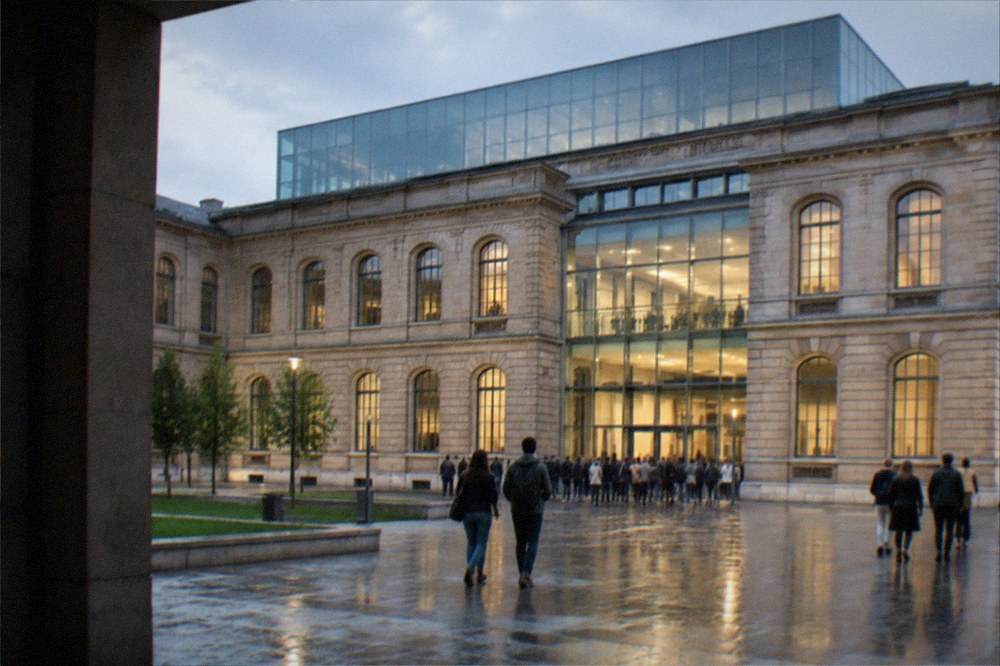
Tabakalera matters because it is the city's largest free contemporary culture venue, open to 21:00 six days a week, and it anchors the Egia district's regeneration around a converted industrial building. It gives San Sebastián a modern cultural counterweight to its Old Town museums, at no cost to the visitor, and its closed Mondays align it with the museum rhythm of the city rather than the commercial one.
San Sebastián's cultural identity is usually told through food: the MICHELIN Guide Spain 2026 lists 11 stars across 6 restaurants inside the city, and the tourism board markets the gastronomy first. Tabakalera is the other half of the story. A city that was European Capital of Culture in 2016, shared with Wrocław, keeps a permanent contemporary culture institution at its centre, and the free door is part of the intent: culture here is not gated behind a ticket in the way the star restaurants are gated behind a reservation.
The industrial inheritance also matters to how the building reads. A factory conversion keeps the scale of the original trade, and the contrast between the Old Town's 19th-century belle époque streets and this working cultural plant is one of the sharper contrasts in the city. Visitors who come only for the beaches and the bars leave without seeing it, which is precisely why it rewards the traveller who walks ten minutes past the Kursaal.
Common Questions About Tabakalera In San Sebastian
Is Tabakalera free?
Yes. The venue's own visiting page states free access to the building, and the exhibition halls on floors 0 and 1 carry no admission charge either. The building is open Tuesday to Sunday and holidays, 10:00 to 21:00, closed Mondays.
What are Tabakalera's opening hours?
The building opens Tuesday to Sunday and on holidays from 10:00 to 21:00, and it is closed on Mondays. The exhibition halls on floors 0 and 1 run two daily sessions, 11:00 to 13:00 and 16:00 to 20:00. On 24 and 31 December the building closes at 14:00, and it is fully closed on 25 December and 1 January.
Is Tabakalera open on Mondays?
No. The venue is closed on Mondays, the same weekly closure as San Telmo Museoa. On Mondays, plan for the city's outdoor sights instead, such as Monte Urgull, which opens 08:00 to 21:00 from 1 May to 30 September and 08:00 to 19:30 from 1 October to 30 April.
How long should a visit to Tabakalera take?
The exhibition halls' sessions run two hours in the morning and four in the afternoon, and a visit typically fits within one session. Because entry is free, a short visit costs nothing but time, so the venue works as both a full afternoon and a quick stop between the river walk and dinner.
Can you visit Tabakalera with children?
Yes, and the free entry makes it low-risk with kids. The exhibitions change through the year, so what a family meets varies by season, but the building's open public areas and long hours are forgiving of a short stay. Aim for the 11:00 to 13:00 or 16:00 to 20:00 hall sessions.
Where is Tabakalera in San Sebastian?
It stands in the Egia district, east of the city centre across the Urumea river, close to the Kursaal Congress Centre at the river mouth. It is an easy walk from the Centre, the Old Town and Gros, and city buses reach the area on the dBus network.
Tabakalera gives San Sebastián a free, modern, rain-proof cultural anchor a short walk from the river, and its Tuesday to Sunday door is open to anyone who crosses it.