Miramar Palace
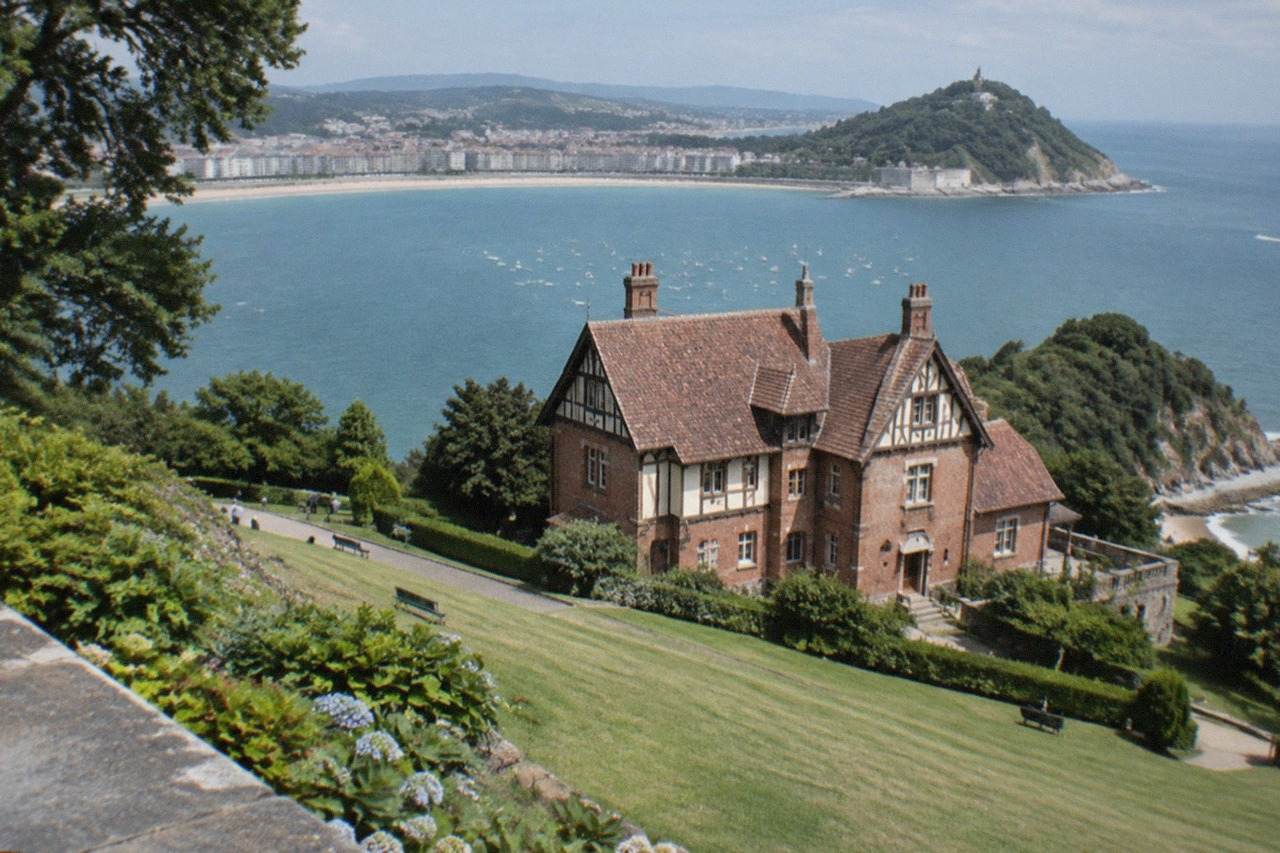
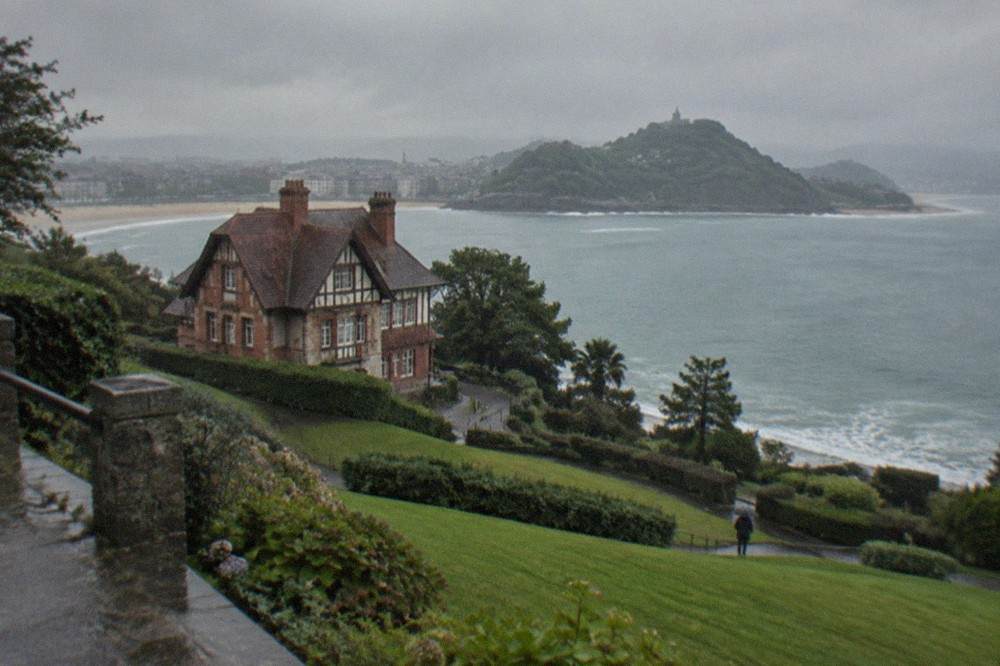
Miramar Palace is the former royal summer residence of Queen Maria Cristina, built in 1893 in an English country house style on the headland between La Concha and Ondarreta beaches in San Sebastián, Basque Country, Spain.
Short answer
Miramar Palace is a former royal summer residence built in 1893 at the request of Queen Maria Cristina, designed by the English architect Selden Wornum and built by Jose Goikoa. It stands in gardens that run down to the sea between La Concha and Ondarreta beaches, and it is one of the city's most photographed viewpoints.
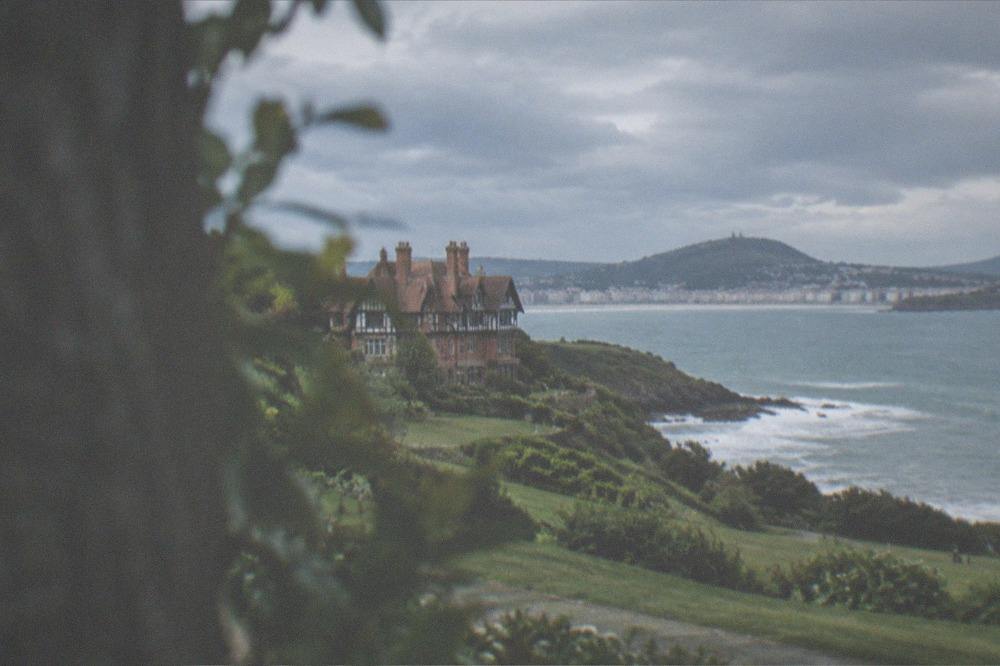
Miramar Palace stands on the headland that separates La Concha from Ondarreta, in San Sebastián, the Basque Country city on the Cantabrian coast of Spain whose official name is Donostia / San Sebastián. The tourism board records that it was built in 1893 at the request of Queen María Cristina, designed by the English architect Selden Wornum and built by José Goikoa, in the style of an English country house, with gardens that run down towards the sea. It is not a museum to queue for but a landmark to walk around: the palace closes the view at the west end of La Concha, and the ground around it links the two beaches, the Paseo de la Concha promenade and the path out to the Peine del Viento. This page sets out what the record actually says about the building, what surrounds it, what the nearby sights cost, and how the seasons change the visit.
What Is Miramar Palace In San Sebastian?
Miramar Palace is a former royal summer residence built in 1893 at the request of Queen María Cristina, designed by the English architect Selden Wornum and built by José Goikoa, in an English country house style, standing in gardens that run down to the sea on the headland between La Concha and Ondarreta. It is a landmark rather than a museum: the building, its grounds and its setting are the attraction.
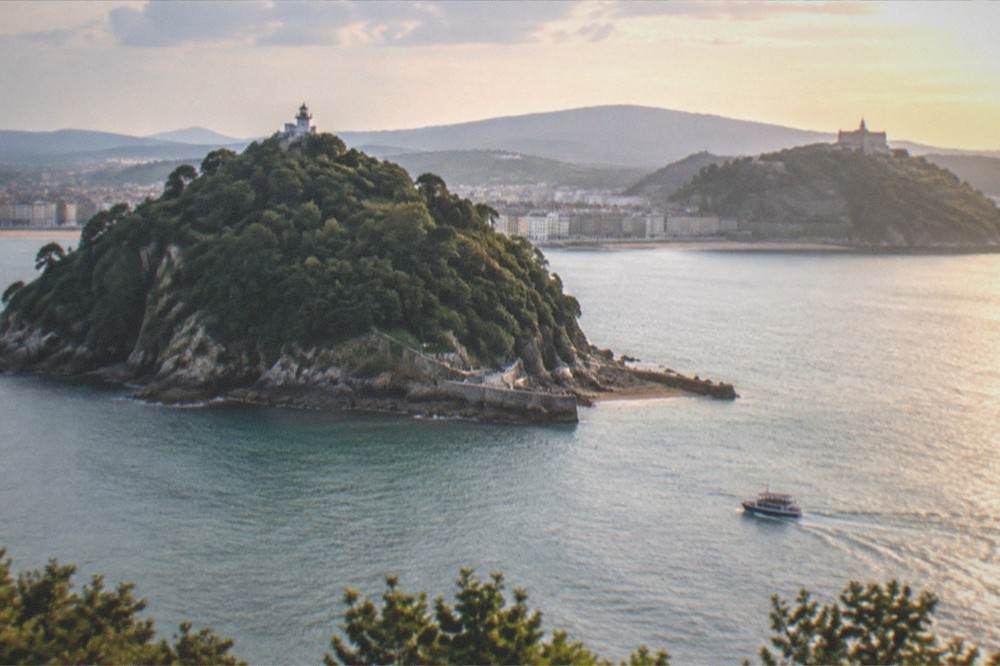
The palace belongs to the era when the Spanish court moved to the coast each summer, and the Belle Epoque buildings scattered along the bay, the Hotel María Cristina among them, come from the same period. The tourism board's description is the reliable summary of the building: a 19th-century royal residence in English country house style, set in gardens that slope towards the water. The record this site publishes says nothing about interior visiting arrangements, so nothing is claimed here about going inside. What a visitor actually gets is the setting: the headland, the garden slopes, the two beaches on either side and the view across the bay to Santa Clara island and Monte Igeldo.
The palace also works as a geography marker. Stand at the building and La Concha stretches east, Ondarreta west, and the promenade wraps around the whole headland. The council's beach pages give La Concha a mean length of 1,350 metres and Ondarreta 600 metres, so the palace sits at the junction of the two. First-time visitors who walk the full promenade loop usually pass the palace twice without trying.
The table below gathers the verified facts about the building in one place, each figure attached to the subject it belongs to.
| Fact | Detail | Source of the record |
|---|---|---|
| Built | 1893 | Official tourism board |
| Commissioned by | Queen María Cristina | Official tourism board |
| Architect | Selden Wornum, English | Official tourism board |
| Builder | José Goikoa | Official tourism board |
| Style | English country house | Official tourism board |
| Setting | Gardens running down to the sea, between La Concha and Ondarreta | Official tourism board |
| Status | Former royal summer residence, not a World Heritage Site | UNESCO list and tourism board |
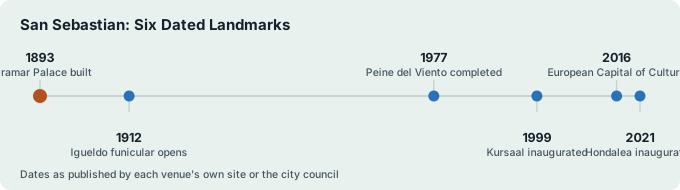
One correction worth making while the subject is open: the city's only UNESCO World Heritage link is the coastal Camino de Santiago route, inscribed as part of the "Routes of Santiago de Compostela: Camino Francés and Routes of Northern Spain", which crosses the city. No building in San Sebastián, Miramar Palace included, is inscribed on its own. The city was European Capital of Culture in 2016, shared with Wrocław, which is a different kind of designation entirely.
Where Is Miramar Palace And How Do You Reach It?
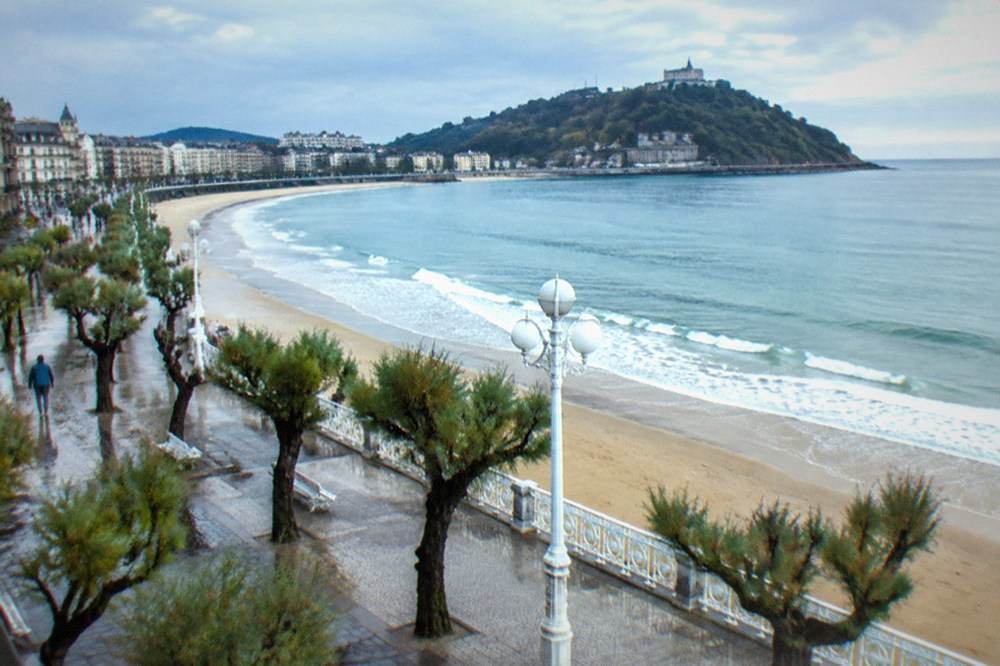
Miramar Palace occupies the headland between La Concha beach and Ondarreta beach, at the west end of the Paseo de la Concha promenade, roughly a 20 to 30 minute walk from the Old Town along the seafront. No transport is needed: the promenade runs flat the whole way, and the palace grounds sit directly beside it. The council's beach pages place La Concha's 1,350 metres of sand east of the headland and Ondarreta's 600 metres west of it, with the palace between the two.
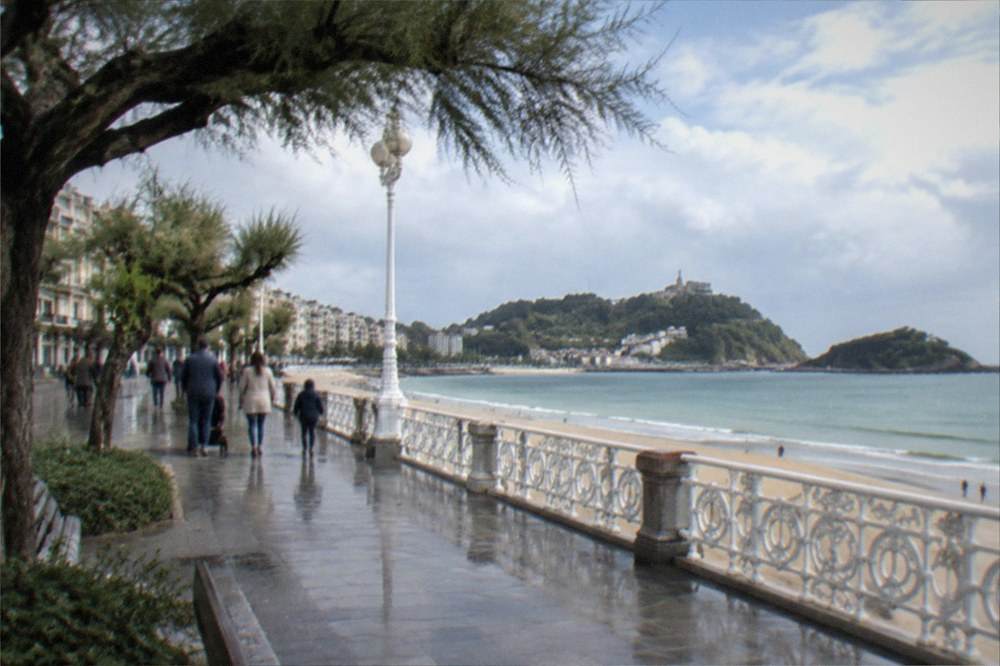
The walk itself is the reason most people come this way. The Paseo de la Concha curves around the bay with the beach on one side and Belle Epoque facades on the other, and the promenade railings are among the most photographed ironwork in Spain. The palace appears at the point where the bay's curve straightens out towards the Peine del Viento. From there the seafront continues west past Ondarreta to the sculptures at the foot of Monte Igeldo.
For anyone who would rather not walk the whole bay alone, a guided tour covers the ground with a local's insight, and the Old Town walk pairs well with an afternoon on the promenade. The listing for this one gives its price, rating and duration on the operator's page, and the same tour reappears in the comparison band below.
Cyclists have an easier option still. The bay is flat end to end, and a bike tour along it is one of the most popular ways to cover the promenade, the palace headland and the beaches in a single loop. The listing for the e-bike history ride gives its price, rating and duration on the operator's page.
The public transport picture around the palace is simple. The MUGI tariff, the single fare system that covers dBus city buses, Lurraldebus and Euskotren across Gipuzkoa, prices an urban occasional ticket at 1.95 EUR cash and a night ticket at 2.65 EUR, with the anonymous MUGI card charging 0.78 EUR for the same urban trip. The dBus fare page notes that cash payment does not allow free transfers, so a card is the better buy for anyone making more than one hop. The council's beach pages for La Concha and Ondarreta both describe the seafront as the pedestrian spine of this part of the city, and in practice almost nobody buses to the palace itself.
What Can You See Around The Palace Grounds?
The palace headland is the hinge of the west side of the bay: La Concha beach runs east from it, Ondarreta runs west, the Peine del Viento sculptures stand at the far end of Ondarreta below Monte Igeldo, and the Monte Igueldo funicular, running since 25 August 1912, climbs from the seafront above the beach. The funicular's return ticket, 5.50 EUR for an adult, includes entry to the grounds and viewpoint at the top.
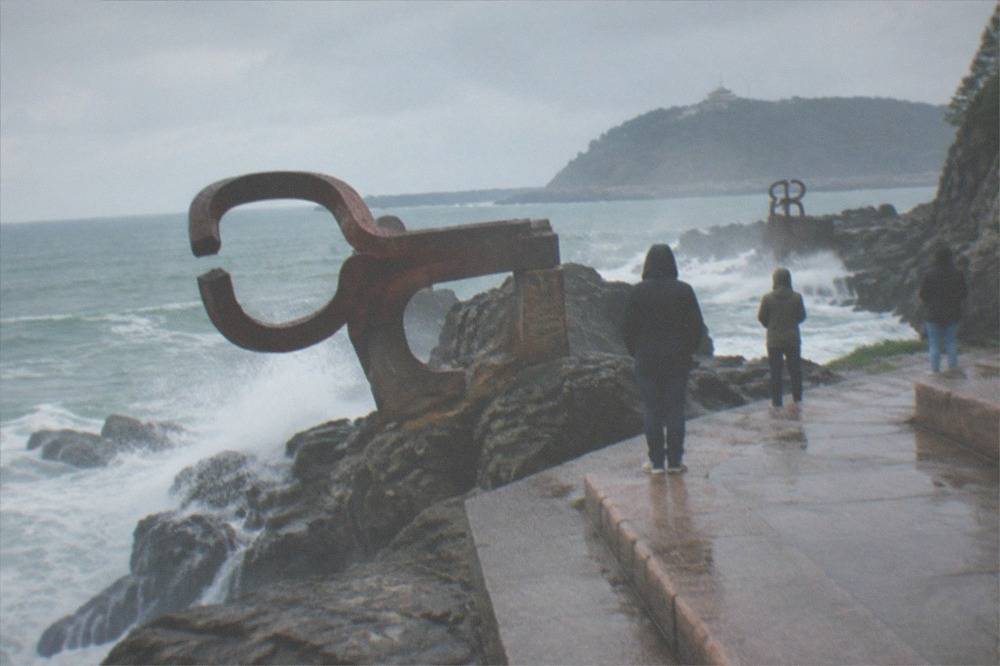
The Peine del Viento is the cultural high point of the walk west. The tourism board's record: three steel sculptures by Eduardo Chillida, each weighing more than nine tonnes, anchored to the rocks at the end of Monte Igeldo, with a pink granite plaza by the Basque architect Luis Peña Ganchegui. Chillida first made works under the title in 1952 and created the definitive sculpture in 1977, giving it to the city. The sculptures face the open Atlantic, and the waves that break against them are the whole point of the location. Our page on the Peine del Viento sculptures covers them in detail.
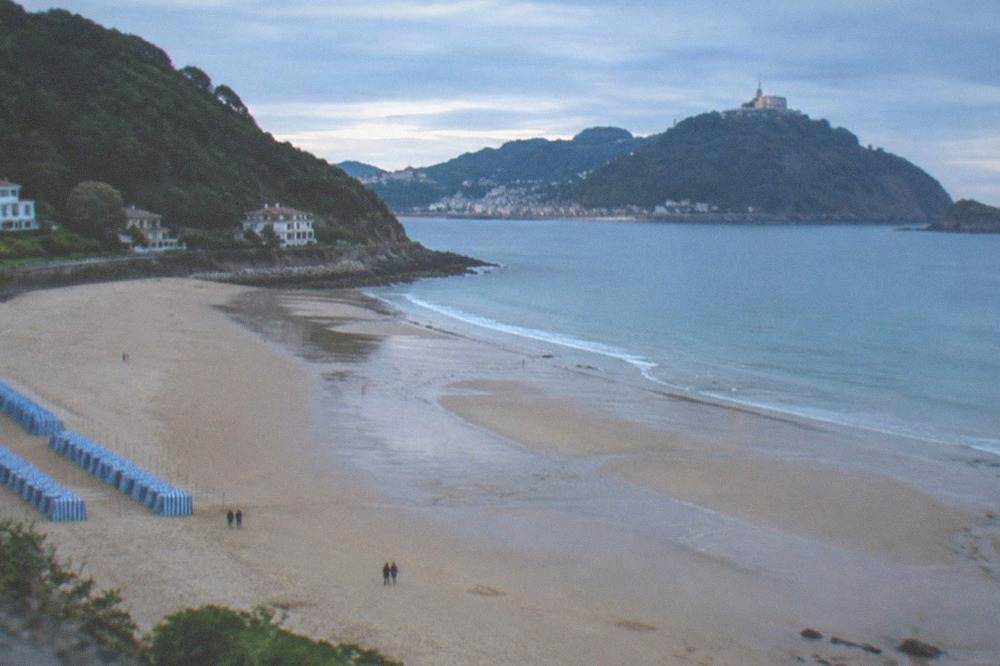
East of the palace, La Concha needs no introduction, but the council's figures are worth knowing before you plan a beach day. The table below gives the council's own measurements for the three city beaches, and it shows why the palace headland matters: it separates the calm, shallow, family-oriented La Concha from the more open Ondarreta and the swells of Zurriola on the far side of the river.
| Beach | Mean length | Mean width | Mean area | Council description |
|---|---|---|---|---|
| La Concha | 1,350 m | 40 m | 54,000 m2 | Sandy and shallow; the tide often limits usable area |
| Ondarreta | 600 m | 100 m | 60,000 m2 | Sandy, heavy use in summer; the walk to the Peine del Viento starts at its west end |
| Zurriola | 800 m | 110 m | 88,000 m2 | Sandy and fairly open, with strong swell; remodelled in 1994 |
The lifeguard and hire season is a fixed rule worth planning around: the council runs lifeguards on all three beaches from 1 June to 30 September, with hours of 10:00 to 20:00 from 15 June to 15 September, and reduced hours of 13:30 to 19:30 from 16 to 30 September. Parasol and awning hire runs 15 June to 30 September, and on La Concha and Zurriola an awning costs 13.10 EUR a day, a lounger 3.50 EUR and a lounger with parasol 8.40 EUR. Outside the summer window the beaches are open and walkable, but the services are not there. Our La Concha beach and Ondarreta pages carry the full detail.
If you want a structured way to see the headland and the stories behind it, a guided walk is the natural fit here.
When Is The Best Time Of Year To Visit Miramar Palace?
The palace grounds and the promenade around them are open to the sky in every season, so the weather decides the visit more than any calendar does. AEMET's climate normals for its Igeldo station, period 1981 to 2010, show July as the driest month at 86 mm of rain over 9.8 rain days and a mean maximum of 21.8 C, while November is the wettest at 169 mm. There is no dry season here, only wetter and less wet.
The honest reading of the normals is that this is an Atlantic city, not a Mediterranean one, and the seafront microclimate runs slightly warmer than the station values because Igeldo sits 250 metres up on Monte Igeldo. August, the busiest month on the bay, is actually wetter than June, July or September: 117 mm against 90, 86 and 111. Anyone promising a rain-free summer in San Sebastián is guessing. The practical planning advice is simpler than a forecast: come in the shoulder months for space and green gardens, come in July and August for the warmest water and the fullest season of services, and carry a rain layer whenever you come.
| Month | Mean max C | Rain mm | Rain days | Sun hours |
|---|---|---|---|---|
| May | 17.7 | 120 | 12.2 | 181 |
| June | 20.0 | 90 | 10.6 | 189 |
| July | 21.8 | 86 | 9.8 | 196 |
| August | 22.5 | 117 | 10.5 | 190 |
| September | 21.1 | 111 | 10.1 | 179 |
| October | 18.5 | 159 | 11.8 | 140 |
| November | 14.0 | 169 | 13.0 | 102 |
Crowds follow the sun hours more than the rain. INE's hotel occupancy survey for the Donostia-San Sebastián tourist point, which covers hotels only, counted 245,769 hotel overnight stays in August 2025, the peak of the year, against 115,910 in January. July and August together accounted for 22 percent of the year's hotel stays. April through October never dropped below 200,000 stays a month in 2025. In plain terms: the promenade around the palace is busiest in high summer, and the gardens, which cost nothing to wander, are at their quietest from November to March, when the rain is at its heaviest.
What Does It Cost To Visit The Sights Near Miramar Palace?
The palace grounds and the promenade cost nothing, and most of the walkable sights around the headland are free to see. The paid items nearby are specific and modest: the Monte Igueldo funicular's return ticket is 5.50 EUR for an adult and 2.50 EUR for a child up to 7, entry to the grounds and viewpoint by any other route is 3.00 EUR per person, and the Santa Clara island boat charges 5 EUR return in high season.
The funicular deserves its own note because its own site is precise about what is and is not sold. The return ticket includes entry to the grounds at the top. A single adult ticket is 4.00 EUR and a single child ticket 1.50 EUR. Groups of 20 or more, disabled card holders and San Sebastián Card holders pay 4.50 EUR return, and group discounts do not apply on weekends, holidays or long weekends. One thing the site states plainly: tickets for the downhill funicular journey only are not on sale, so the walk-up, ride-down plan does not work here. The funicular normally runs every 15 minutes, on the hour, quarter past, half past and quarter to, and its FAQ says rides close on rainy days, which in this climate is a real planning factor.
| Sight near the palace | Admission | Notes from the operator or council |
|---|---|---|
| Palace grounds and promenade | Free | Open-air seafront, no ticketed entry recorded |
| Monte Igueldo funicular, return | 5.50 EUR adult, 2.50 EUR child up to 7 | Includes entry to the grounds; downhill-only tickets not sold |
| Monte Igueldo grounds and viewpoint, other access | 3.00 EUR per person | By vehicle or on foot |
| Santa Clara island boat, red line | 5 EUR return | High season 1 June to 30 September, every 30 minutes, weather permitting |
| Santa Clara island boat, blue line | 8 EUR | 30 minute bay tour plus island; the last departure allows no landing |
| San Telmo Museoa | 10.00 EUR general, 4.00 EUR reduced | Free every Tuesday; closed Mondays except holidays |
The island boat's season rule matters as much as its price. The operator, Motoras de la Isla, runs its high season from 1 June to 30 September, plus Easter and long weekends, with the red line direct to the island every 30 minutes from 10:00 to 19:00 and the last boat back at 20:00 in the June to September window. Outside high season the operator says departures are on request. Hondalea, Cristina Iglesias' installation in the island's lighthouse, follows the same season: free to visit, in half-hour sessions from 11:00 to 18:30, from 1 June to 30 September inclusive, with no booking needed for the visit itself. Our Santa Clara island page has the full picture.
If a guided layer over the seafront appeals, the Old Town walking tour covers the stories behind the palaces and the promenade, and you can Check availability for a date that suits you.
For a fuller plan around the palace, the things to do in San Sebastian page collects the whole city, and the Monte Igueldo and Monte Urgull pages cover the two hills that frame the bay.
Is Miramar Palace Worth Visiting With Kids?
Yes, mainly for the walk rather than the building. The promenade from the city centre to the palace is flat and stroller-friendly, La Concha beside it is the council's shallow, sandy family beach, and the funicular up Monte Igeldo, running since 1912 with a return child ticket at 2.50 EUR, is a genuine treat for children. The palace itself is a visual landmark, so families should plan the headland as part of a beach-and-funicular loop rather than a destination in its own right.
The council's beach descriptions point families to the right sand. La Concha is sandy and shallow, with the caveat that the tide often limits the usable area. Ondarreta is sandy and wide at 100 metres mean width. Zurriola, across the river in Gros, is the one the council flags for strong swell, which is exactly why surfers like it and why small children do not. Assisted bathing for visitors with reduced mobility runs on the beaches from 15 June to 15 September, inside the main lifeguard window.
The funicular is the reliable crowd-pleaser. The tourism board calls it the oldest funicular in the Basque Country, a rack funicular with wooden cars that opened on 25 August 1912, and the Monte Igueldo site lists free parking for visitors arriving by road. Children up to 7 ride the return for 2.50 EUR, and the ticket includes the grounds and viewpoint at the top. The one hard rule from the operator's own home page bears repeating for families who plan to walk up the hill: downhill-only funicular tickets are not on sale.
For teenagers and adults, the paid tours around the bay earn their keep. The premium pintxo and market tour, with reserved seating at each bar and a guided visit to Mercado de la Bretxa, is the food-focused option, and its price, rating and duration are on the operator's listing.
The e-bike history ride is the other strong family option for anyone with confident teenage cyclists, since it follows the city's bike-lane network out to the beaches and its figures are on the listing too.
What Else Should You Know Before You Go?
Three season rules and one tax rule shape any visit to this coast. The beach lifeguards, the island boat's high season and Hondalea all run 1 June to 30 September, Monte Urgull closes at 19:30 from 1 October after running to 21:00 all summer, and no tourist tax is charged in San Sebastián before 1 January 2027, when Norma Foral 3/2026 of Gipuzkoa takes effect with bands of up to 6.50 EUR per person per night for five-star hotels.
The tourist tax detail is worth getting right because it is new law, not current practice. The Gipuzkoa law, published in the Boletín Oficial del País Vasco on 25 June 2026, takes effect on 1 January 2027. It sets bands per person per night, with at most 6 nights charged per stay and under 18s exempt, and each council picks its own rate inside the bands. San Sebastián's own municipal rate is not published on an official page, so this site prints none. Stays booked before 5 February 2026 are not charged under the law's transitional provision.
Monte Urgull, the green hill on the east side of the bay opposite the palace, follows its own clock: access from 08:00 to 21:00 between 1 May and 30 September, and from 08:00 to 19:30 from 1 October to 30 April. The hill is closed at night. The Castillo de la Mota on its summit holds the Casa de la Historia de Urgull, a small museum run by San Telmo, though this site publishes no hours or price for it because none is sourced.
The museums within reach of a palace visit are worth a short table, since several sit on or near the same seafront loop.
| Venue | Admission | Days closed | Hours where published |
|---|---|---|---|
| San Telmo Museoa | 10.00 EUR general, 4.00 EUR reduced | Mondays, 1 and 20 January, 25 December | Winter 10:00 to 19:00, summer 10:00 to 20:00 |
| Tabakalera | Free access | Mondays | Building 10:00 to 21:00; exhibition halls in two daily blocks |
| Chillida Leku, Hernani | 14 EUR adults, 10 EUR groups, students and over 65, 7 EUR under 18 | Tuesdays and Wednesdays | Daily 10:00 to 19:00 on open days |
| Aquarium | Not published by this site | Mondays October to March, except long weekends | Varies by month; ticket office closes 60 minutes before |
Chillida Leku sits in Hernani, a separate municipality outside the city, which is why its hours differ from everything in town. The Aquarium's admission prices are not printed here because the official shop renders them client-side; its hours are published and vary by season. The San Telmo Museoa, Tabakalera and Aquarium pages carry the details.
If the palace headland is one stop on a longer stay, the three tours below are the ones this site would shortlist for covering the bay, the beaches and the food scene without doubling back on yourself.
Common Questions About Miramar Palace In San Sebastian
Can you go inside Miramar Palace?
No visiting hours or admission arrangement for the palace interior appears in any official source this site publishes, so nothing is claimed here. What the record supports is the exterior: the 1893 building, its English country house style and the gardens that run down to the sea between La Concha and Ondarreta. Treat the palace as a landmark on a seafront walk and plan your time around the grounds, the beaches and the Peine del Viento.
How old is Miramar Palace?
The official tourism board records that Miramar Palace was built in 1893, at the request of Queen María Cristina, to designs by the English architect Selden Wornum, with construction carried out by José Goikoa. It belongs to the era when the Spanish court summered on this coast, the same period that produced the Belle Epoque hotels and facades along the bay.
Is Miramar Palace free to visit?
The palace grounds and the promenade around the headland cost nothing, and the seafront walk that links La Concha, the palace and Ondarreta is free in every season. The paid items nearby are separate: the Monte Igueldo funicular at 5.50 EUR adult return, the island boat at 5 EUR return in high season, and museums such as San Telmo Museoa at 10.00 EUR, free every Tuesday.
Which beach is closest to Miramar Palace?
Two of them, one on each side. La Concha, 1,350 metres of shallow sandy beach by the council's measurement, runs east from the palace headland towards the city centre. Ondarreta, 600 metres long and 100 metres wide on average, runs west towards the Peine del Viento and the foot of Monte Igeldo. The palace sits exactly between them.
Can you walk from Miramar Palace to the Peine del Viento?
Yes, and it is one of the best flat walks in the city. The route follows the seafront past Ondarreta beach to the three Chillida sculptures anchored in the rocks at the end of Monte Igeldo, on the pink granite plaza by Peña Ganchegui. The record gives no distance for this stretch, so none is printed, but the whole west side of the bay is one continuous promenade.
When is the best month to see Miramar Palace?
July is the driest month in AEMET's Igeldo normals at 86 mm of rain, and August the warmest at a 22.5 C mean maximum, but August is also the peak of the hotel season, with 245,769 hotel overnight stays recorded in the city in August 2025. May, June and September combine decent sun hours, 181, 189 and 179 respectively, with thinner crowds, and the gardens cost nothing whenever you come.
The palace headland rewards the unhurried: walk out from the centre along the promenade, take the gardens and the view across to Santa Clara, continue west to the Peine del Viento, and ride the 1912 funicular if the weather holds. More planning help, from itineraries to neighbourhood guides, is on the rest of San Sebastian Spain Guide, including our Zurriola beach page for the surf side of the city.