Best Time To Visit San Sebastian
San Sebastián, the Basque city on La Concha bay whose official name is Donostia / San Sebastián, rewards visitors who plan around rain, crowds and festival weeks rather than around a simple sunny-season rule.
Short answer
May, June and September are the best months to visit San Sebastián: warm enough for the beach, quieter than August, and drier than the winter half of the year, though no month in this Atlantic city is ever genuinely dry.
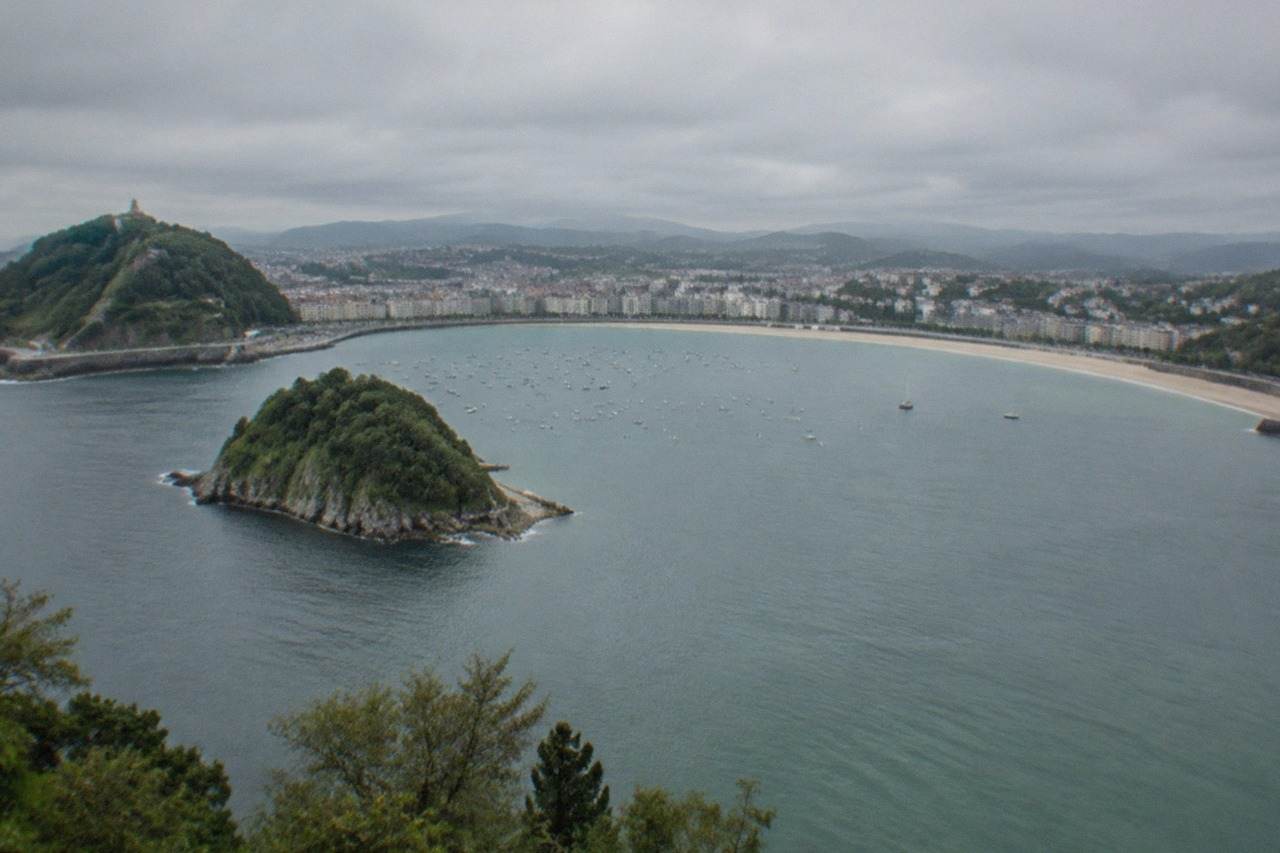
San Sebastián, in the Basque Country of northern Spain, is a city best planned around its weather record rather than around a generic sunny-season rule. The official municipal name is Donostia / San Sebastián, and the city wraps around the curve of La Concha bay, backed by the hills of Monte Igueldo and Monte Urgull. AEMET's climate normals for its Igeldo station, on the hill at 250 m, record 1,507 mm of rain a year spread over 141 days with at least 1 mm, so the honest answer to when to go is never "whenever it is dry", because no such month exists. What does change, sharply, is temperature, daylight, crowd pressure and what is open, and those are the levers this guide pulls.
What Month Is Best To Visit San Sebastián?
May, June and September are the best months to visit San Sebastián. AEMET's Igeldo normals give May a mean of 14.4 C and June 16.9 C, with September at 18.0 C, all warm enough for the bay without the August crush, and their rainfall, 120 mm, 90 mm and 111 mm, sits below the winter months. September adds the La Concha regattas on the first two Sundays, and June opens the lifeguard season on all three beaches on 1 June.
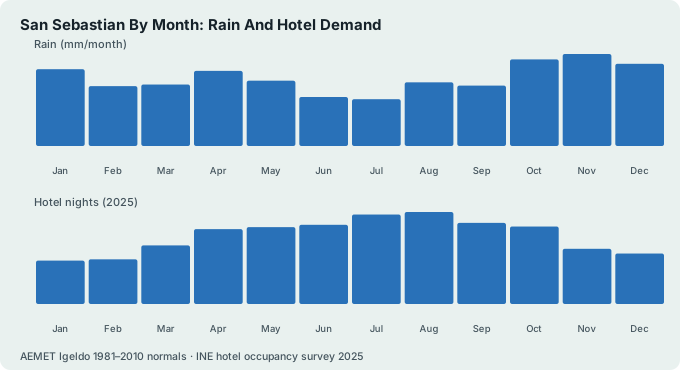
The reasoning behind those three months is arithmetic as much as preference. August is the peak of everything: AEMET gives it the warmest means, 19.5 C overall and a mean daily maximum of 22.5 C, but it also carries 117 mm of rain, more than June's 90 or July's 86, and INE's hotel occupancy data shows August 2025 as the busiest month of the year in the city's hotels, with 245,769 overnight stays. That is a little over twice January's figure. July and August together account for 22 percent of the year's hotel overnight stays, so the summer high season is real and concentrated.
May offers the same long evenings without the same pressure on restaurant tables. The AEMET series gives May 181 hours of sunshine against June's 189 and July's 196, and a mean daily maximum of 17.7 C, which is walking weather and terrace weather even when it is not swimming weather. September is the connoisseur's pick: the sea has had all summer to warm, the lifeguards are still on the beaches until 30 September, and the regatta Sundays put the traineras racing on the bay in front of the promenade. The full weather breakdown covers the month-by-month detail.
What Is The Best Time Of Year To Visit San Sebastian?
Late spring and early autumn are the best time of year to visit San Sebastián, with a clear split by purpose: May and June for hiking, the hills and the first beach days, and September for swimming, the regattas and warm sea temperatures after the summer. August suits travellers who want Semana Grande and full beach service and accept the biggest crowds. October to April suits travellers whose plans are museums, pintxos and coastal walks, with the wettest weather from November to January.
The city's year divides into four practical seasons, and each has a different character. The table below sets them out against the AEMET normals for the Igeldo station, which sits 250 m up on Monte Igeldo, so the seafront itself runs slightly warmer than these figures.
| Season | Months | Mean temp range (AEMET Igeldo) | Rain per month | Character |
|---|---|---|---|---|
| Late spring | May to June | 14.4 to 16.9 C | 120 mm down to 90 mm | Green hills, long evenings, lifeguards from 1 June |
| High summer | July to August | 18.9 to 19.5 C | 86 mm to 117 mm | Peak crowds, Semana Grande, all services running |
| Early autumn | September to October | 18.0 C down to 15.5 C | 111 mm rising to 159 mm | Regattas, warm sea, services until 30 September |
| Winter half | November to April | 8.5 C to 14.4 C means | 138 mm to 169 mm | Quiet streets, museums, txotx cider season mid-January to end of April |
Two seasonal rules shape autumn planning more than the temperature does. Hondalea, Cristina Iglesias' installation in the Santa Clara island lighthouse, runs its free visits only from 1 June to 30 September, and the island boat's high season ends on 30 September the same day the lifeguards leave the beaches. After that date the city does not shut, but its summer layer does, and the October visitor trades beach days for empty pintxo bars and the first autumn rains. The October guide and the November guide cover that half of the year in detail.
Is April A Good Time To Go To San Sebastian?
April is a good month to visit San Sebastián for city sightseeing, eating and walking, and a poor month for the beach. AEMET's Igeldo normals give April a mean of 11.3 C with a mean daily maximum of 14.5 C, and 138 mm of rain over 13.4 rain days, which makes April marginally the month with the most rain days in the whole year. The compensation is 157 hours of sunshine, green hillsides and hotel demand far below the summer peak.
April's 13.4 days with at least 1 mm of rain edge above January's 13.2 and November's 13.0, so it is not a month to bet a beach holiday on. But the rain statistic needs context: 13.4 rain days means roughly half the month is dry, and the showers of an Atlantic spring often pass in hours rather than days. What April reliably delivers is the city itself: San Telmo Museoa is open Tuesday to Sunday, Tabakalera is free to enter, and the Parte Vieja's pintxo bars run all year with far shorter waits than in August.
The value case is strong too. INE's hotel occupancy series shows April 2025 with 200,055 overnight stays in the city's hotels against August's 245,769, so the streets and the restaurant queues run noticeably lighter. April also sits inside the txotx cider season, which the tourism board describes as running from the middle of January to the end of April, so it is the last comfortable month to stand in a cider house in Astigarraga holding a glass under the barrel. The cider house guide explains the ritual.
What Is The Best Time To Go To San Sebastian?
The best time to go to San Sebastián is late June or early September if you want to swim, and any month from May to July if your priority is hiking, the hills and long coastal light. September is the strongest single answer: the sea is at its warmest after the summer, the La Concha regattas run on the first two Sundays, all beach services run until 30 September, and hotel demand is below the August peak.
September's case rests on three verified facts. First, the regattas: the Bandera de La Concha, first held in 1879, races on the first two Sundays of September, with the women's race at 11:00 and the men's at 12:00, and the 2026 dates were 6 and 13 September. Second, the season rule: lifeguards, parasol hire and the island boat all run until 30 September, so the summer infrastructure is still in place. Third, the crowd arithmetic: INE recorded 216,759 hotel overnight stays in September 2025 against August's 245,769, a real drop in pressure with the warmest sea of the year still on offer.
June makes the same argument from the other end of the summer. The lifeguard season opens on 1 June, Hondalea's free visits open the same day, and AEMET gives June the lowest rainfall of any month except July, 90 mm over 10.6 rain days. June 2025 hotel overnight stays were 211,534, well under August. The one thing June cannot offer is a sea that has had the summer to warm, which is why swimmers lean September and walkers lean June.
How Does San Sebastian Weather Change Month By Month?
San Sebastián's weather runs from a January mean of 8.5 C to an August mean of 19.5 C, with rainfall in every single month of the year: AEMET's Igeldo normals show no month below 86 mm, and the wettest month, November, averages 169 mm. Sunshine ranges from 93 hours in December to 196 hours in July, and the mean daily maximum never exceeds 22.5 C in any month, which is why the city rarely feels oppressively hot even at the August peak.
The full AEMET series for the station Donostia / San Sebastián, Igeldo, period 1981 to 2010, is worth reading as a table rather than as a summary, because the pattern is not the simple summer-winter arc of a Mediterranean city. August, the warmest month, is wetter than June, July and September. April has more rain days than January. The station sits at 250 m on Monte Igeldo, so the seafront promenade runs slightly warmer than these numbers in practice.
| Month | Mean C | Mean max C | Rain mm | Rain days 1mm+ | Sun hours |
|---|---|---|---|---|---|
| Jan | 8.5 | 11.0 | 141 | 13.2 | 98 |
| Feb | 8.7 | 11.5 | 110 | 11.6 | 107 |
| Mar | 10.3 | 13.4 | 113 | 12.4 | 144 |
| Apr | 11.3 | 14.5 | 138 | 13.4 | 157 |
| May | 14.4 | 17.7 | 120 | 12.2 | 181 |
| Jun | 16.9 | 20.0 | 90 | 10.6 | 189 |
| Jul | 18.9 | 21.8 | 86 | 9.8 | 196 |
| Aug | 19.5 | 22.5 | 117 | 10.5 | 190 |
| Sep | 18.0 | 21.1 | 111 | 10.1 | 179 |
| Oct | 15.5 | 18.5 | 159 | 11.8 | 140 |
| Nov | 11.3 | 14.0 | 169 | 13.0 | 102 |
| Dec | 9.1 | 11.6 | 151 | 12.4 | 93 |
The practical reading of that table is a packing rule rather than a date rule: bring a rain layer in every month, and in the November-to-January stretch plan each day with an indoor alternative. The rainiest month question digs into the November peak, and the site's rainy day guide lists what stays rewarding when the rain settles in.
When Is San Sebastian At Its Busiest?
San Sebastián is at its busiest in August, which INE's hotel occupancy data shows as the peak month for the city's hotels with 245,769 overnight stays in 2025, ahead of July's 239,124, and it is busiest of all during Semana Grande, which always runs the week of 15 August, Saturday to Saturday, and in 2026 ran 8 to 15 August. The film festival in the second half of September and the Tamborrada on 20 January add two further concentrated spikes.
The occupancy table tells the crowd story month by month. These figures cover hotels only, from INE's occupancy survey for the tourist point Donostia-San Sebastián, so apartments and hostels sit outside them, but the shape of the year is unmistakable.
| Month 2025 | Hotel overnight stays | Month 2025 | Hotel overnight stays |
|---|---|---|---|
| January | 115,910 | July | 239,124 |
| February | 119,367 | August | 245,769 |
| March | 156,670 | September | 216,759 |
| April | 200,055 | October | 207,158 |
| May | 205,326 | November | 147,334 |
| June | 211,534 | December | 134,960 |
April to October never drops below 200,000 overnight stays, so there is no hidden empty month in the warm half of the year. The genuine quiet is November to March, when the monthly totals fall back noticeably from their summer high. Within the busy months, the specific weeks to know about are the ones with festivals attached, listed in the table below.
| Event | Date or rule | Crowd effect |
|---|---|---|
| Semana Grande (Aste Nagusia) | Always the week of 15 August, Saturday to Saturday; 2026 ran 8 to 15 August | Peak week of the year, includes the International Fireworks Competition |
| La Concha regattas | First two Sundays of September; 2026: 6 and 13 September | Promenade and bay fill for the 11:00 and 12:00 races |
| Film festival | 74th edition ran 18 to 26 September 2026 | Hotels tighten, red-carpet zone around the Kursaal |
| Tamborrada | 20 January every year | City-wide drumming day, hotels busy for one night |
| Santo Tomás fair | 21 December every year | One-day Basque fair across the city's squares |
The August guide covers the peak month in detail, including the fireworks competition that fills the bay each night of Semana Grande. If you want the festival atmosphere without the August rates, the September film festival week is the alternative, though it brings its own squeeze around the Kursaal.
What Month Is Best For Beaches And Swimming In San Sebastian?
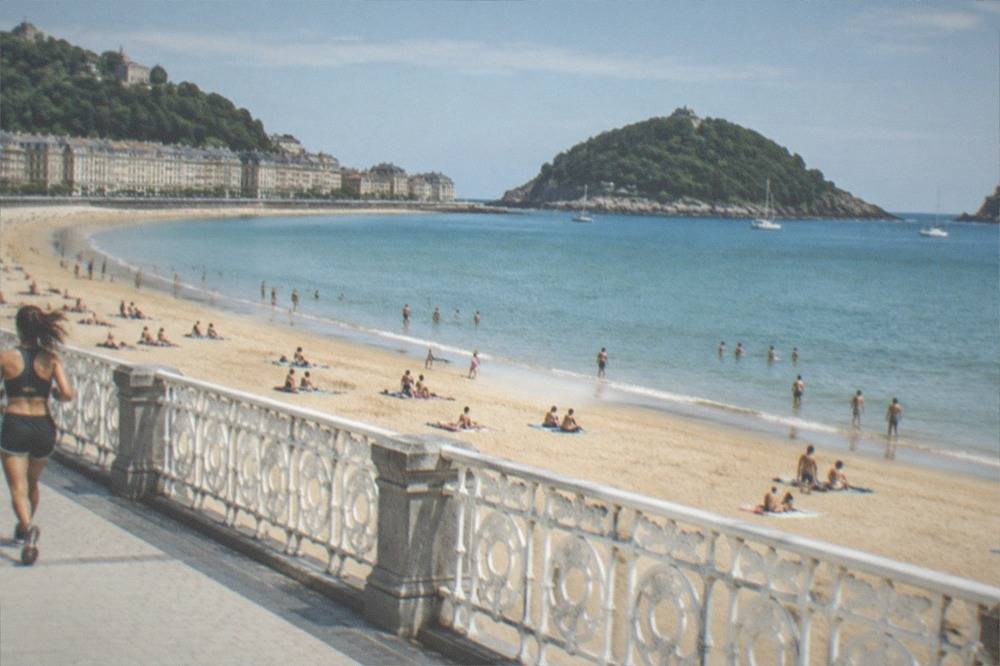
For beaches and swimming in San Sebastián, the best months are July to mid-September, when the mean daily maximum runs from 21.8 C to 22.5 C and the lifeguard service is fully staffed on all three beaches from 15 June to 15 September between 10:00 and 20:00. September is the best swimming month for water warmth, since the sea has absorbed the whole summer, and the season's services run until 30 September.
The city's three beaches have distinct characters, and the beaches guide compares them in full. The council's own figures give La Concha a mean length of 1,350 m with shallow water, Ondarreta 600 m with the walk to the Peine del Viento at its west end, and Zurriola 800 m with a strong swell that suits surfers more than families. The lifeguard season on all three runs 1 June to 30 September, with full 10:00 to 20:00 cover from 15 June to 15 September and reduced 13:30 to 19:30 hours from 16 to 30 September. Parasol and awning hire runs 15 June to 30 September.
What the beach calendar means in practice is that 1 June is a soft opening and 30 September a hard close. Before mid-June the sand is empty and the sea is at its coldest after the winter. After 30 September the beaches remain open and walkable, but the summer service layer, lifeguards, hire and assisted bathing, is gone, and the island boat to Santa Clara drops to "consultar salidas" for departures. Swimmers who want the warmest water with the fewest crowds should look at the first half of September, after the August peak of overnight stays has passed and before the season closes.
What Month Is Best For Food, Pintxos And Cider Houses?
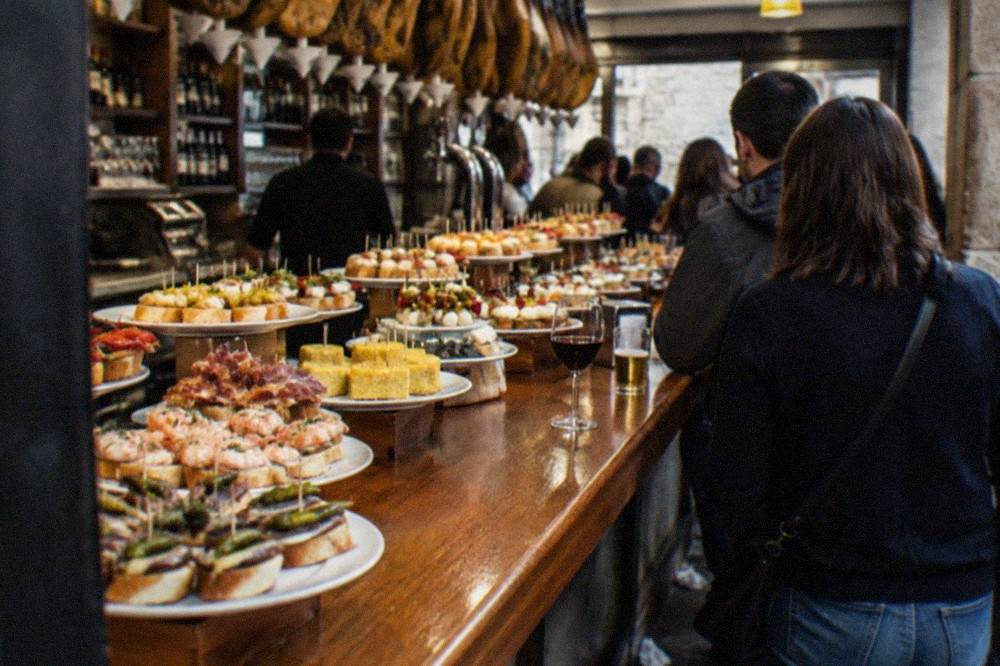
For food, the best months in San Sebastián are January to April for the txotx cider season, which the tourism board describes as running from the middle of January to the end of April, and October to March for the city's Michelin-starred restaurants, when tables are easier to book than in the summer rush. Pintxo bars run all year, but the Parte Vieja is at its most navigable outside August and the September film festival week.
The city's food reputation is not seasonal in the way a beach resort's is. The MICHELIN Guide Spain 2026 lists 6 restaurants holding 11 stars inside the city, including two of Spain's three-star houses, Akelaŕe and Arzak, and the province of Gipuzkoa holds 19 stars across 11 restaurants. Those tables book out further ahead in July and August than in February. The Michelin restaurants guide covers who is where, including the fact that Martín Berasategui sits in Lasarte-Oria, a separate municipality, and not in the city itself.
The cider house calendar is the one genuinely seasonal food event. In txotx season, cider houses in and around Astigarraga open their barrels, and visitors stand glass in hand as the shot of cider is released from chest height, an eating style the cider houses guide explains in full. The season's rule, mid-January to the end of April, means February and March are the ideal months to combine a quiet city with a working cider house. The rest of the year the cider houses still serve, but the barrel ritual is the winter attraction.
For pintxo bars, timing within the day matters more than timing within the year. The when locals eat pintxos question explains the evening rhythm, and the pintxos guide covers the bars. A February evening crawl with a table at a star restaurant and a cider house lunch the next day is a food itinerary August cannot match for ease.
What Is San Sebastian Like In Winter?
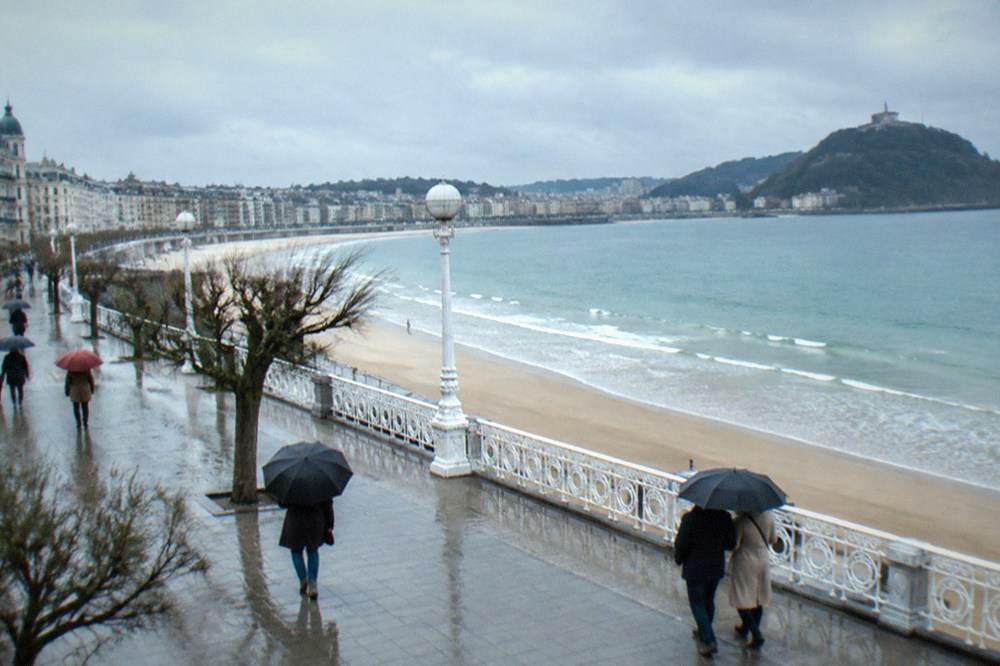
San Sebastián in winter, from November to February, is mild on paper and wet in practice: AEMET's Igeldo normals give means of 11.3 C in November, 9.1 C in December and 8.5 C in January, with 169 mm, 151 mm and 141 mm of rain respectively, the three wettest months of the year alongside October's 159 mm. The payoff is the quietest streets of the year, and the Tamborrada on 20 January.
Winter in this city is not a shutdown, it is a change of subject. The beaches empty, the lifeguards leave after 30 September, and Monte Urgull shortens its access hours to 08:00 to 19:30 from 1 October. But the museums keep their schedules: San Telmo Museoa runs Tuesday to Sunday with winter hours of 10:00 to 19:00 from 1 November, and its free-entry Tuesday applies every week of the winter. Tabakalera stays free and open. The pintxo bars of the Parte Vieja are at their most relaxed, and the txotx season opens in the middle of January.
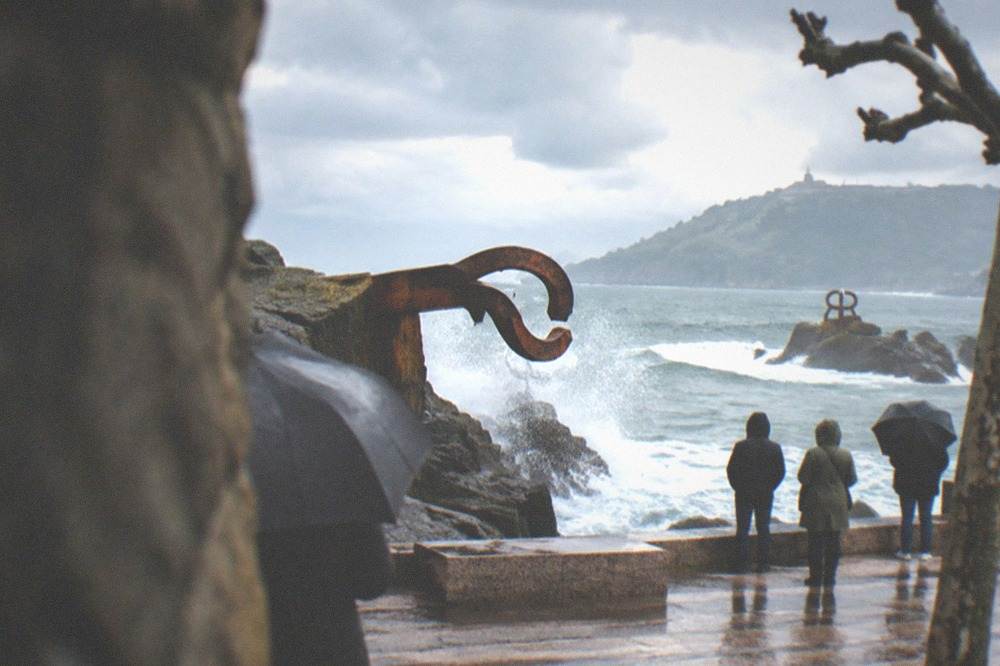
The winter traveller's trade is simple. Against the rain, which AEMET's record makes impossible to promise away, winter offers the city's cultural layer without queues: the Casa de la Historia on Urgull, the Peine del Viento in dramatic sea conditions, and a film-festival city in its ordinary clothes. The Santo Tomás fair on 21 December fills the squares with Basque rural produce for one day. Anyone weighing the winter months against a summer visit should read is San Sebastian worth visiting alongside the month guides, and decide whether their itinerary leans beach or museum.
Which Month Should You Actually Pick?
Pick September for the strongest all-round visit to San Sebastián, May or June for hills and long light without peak crowds, and February or March for food, cider houses and near-empty streets. Avoid the week of 15 August unless Semana Grande is precisely what you came for, and treat November as the month to skip if your itinerary has no indoor plan, since it is the wettest month in the AEMET record at 169 mm.
The ranking below is a planning summary, not a verdict on the city in any month. It is built from the AEMET normals, the INE hotel occupancy series and the seasonal rules on beach and boat services, and each row carries the reason a traveller would pick it.
| Rank | Month | Best for | Main drawback |
|---|---|---|---|
| 1 | September | Warm sea, regattas, all services until 30 September | Film festival week tightens hotels |
| 2 | June | Green hills, lifeguard season from 1 June, 90 mm rain | Sea still cool after winter |
| 3 | May | Long evenings, 181 sun hours, light crowds | Too cool for swimming, 120 mm rain |
| 4 | July | Driest month at 86 mm, 196 sun hours | Near-August crowds |
| 5 | October | Quiet pintxo bars, autumn light | 159 mm rain, beach season over |
| 6 | March | Txotx season, quiet city | 113 mm rain, cool means of 10.3 C |
| 7 | February | Cider houses, lowest crowds of winter | 110 mm rain, 107 sun hours |
| 8 | April | Green season, 157 sun hours | Most rain days of any month, 13.4 |
| 9 | December | Christmas lights, Santo Tomás fair | 151 mm rain, 93 sun hours |
| 10 | January | Tamborrada on 20 January, txotx season opens | Coldest month at 8.5 C mean |
| 11 | August | Warmest month, Semana Grande | Peak crowds, 117 mm rain |
| 12 | November | Quietest of the wet months | Wettest month, 169 mm rain |
August sits low on that list not because of weather but because of demand: it is the warmest month in the AEMET series and the busiest in the INE series at the same time, and it is wetter than June, July or September. Travellers whose dates are locked to the school holidays should not read that as a warning against the city, only as a case for booking restaurants and the best pintxo bars well ahead. Everyone else can buy the same warm bay with shorter queues by shifting three weeks either side of the peak.
What Should You Know About Seasonal Closures When You Pick Dates?
The seasonal closures that matter in San Sebastián cluster around 30 September: lifeguards, parasol hire, assisted bathing, Hondalea's free visits and the island boat's high season all end on that date, and Monte Urgull closes at 19:30 instead of 21:00 from 1 October. In winter, San Telmo Museoa closes Mondays and runs shorter hours from 1 November, and Monte Igueldo's funicular stops running on rainy days, which makes it a fair-weather attraction from November to March.
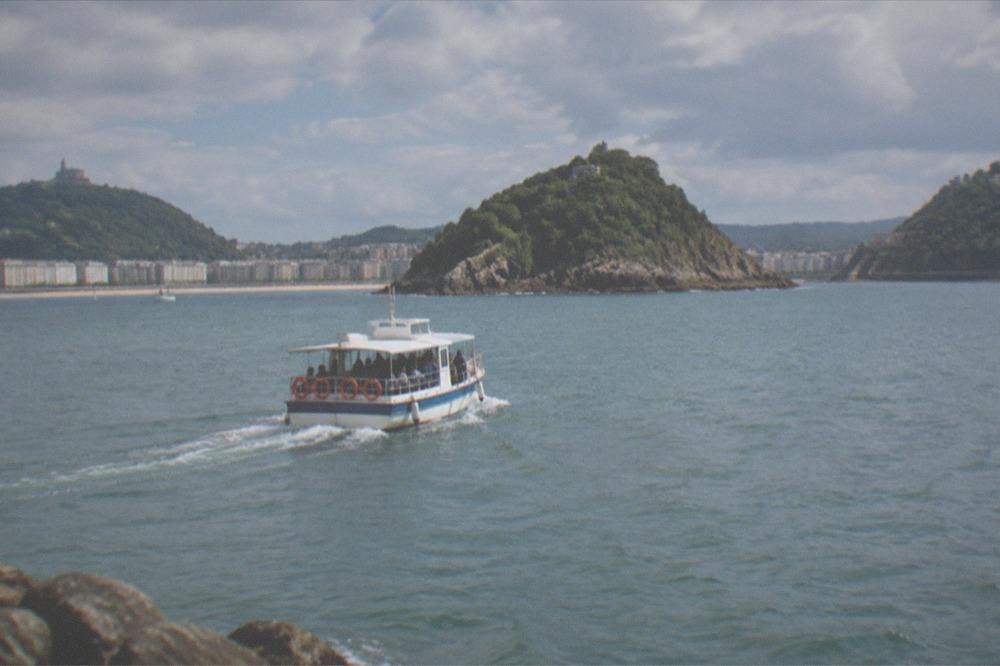
A date in the first week of October looks, on a temperature table, almost identical to a date in the last week of September, 18.0 C mean against a few degrees less. The services table is what actually changes. The Santa Clara island boat runs its red line, direct to the island every 30 minutes from 10:00 to 19:00, only in high season, 1 June to 30 September, plus Easter and long weekends; outside that window the operator's answer is "consultar salidas", check departures. Hondalea, the free installation in the island's lighthouse, keeps the same window, 1 June to 30 September, 11:00 to 18:30, with sessions every half hour and no booking needed beyond the boat itself.
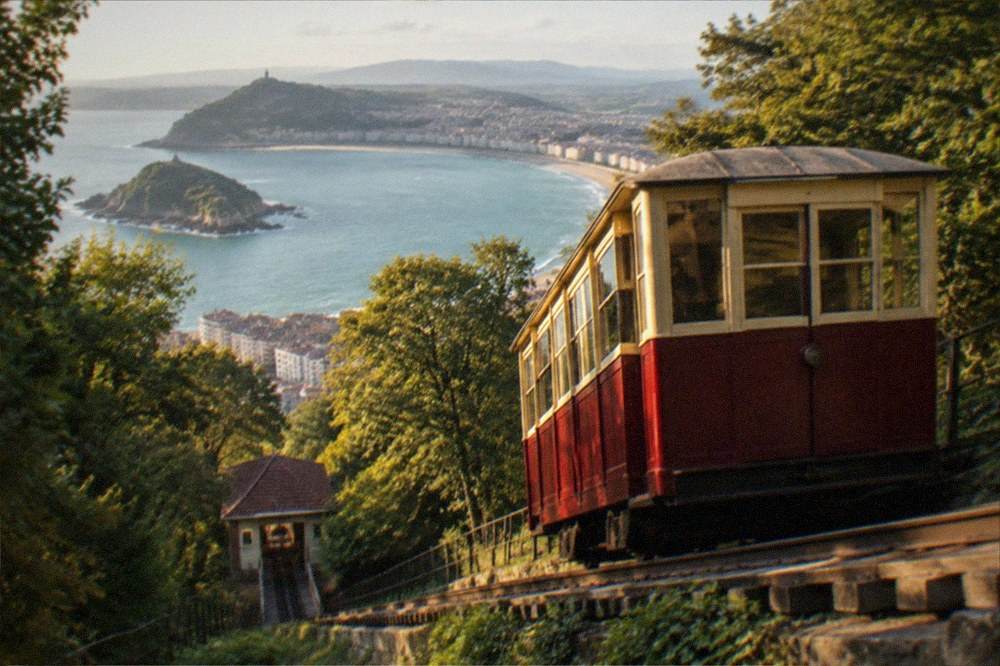
The winter half of the year has its own calendar of reduced hours rather than closures. Monte Urgull's access hours run 08:00 to 21:00 from 1 May to 30 September and 08:00 to 19:30 from 1 October to 30 April. San Telmo Museoa shifts to winter hours, 10:00 to 19:00, from 1 November, and stays closed Mondays outside holidays and long weekends. The funicular up Monte Igueldo keeps running, but its own site states rides close on rainy days, so a November visit to the hilltop viewpoint needs a fallback plan, and the Monte Igueldo guide on this site lists the fares and the rules.
How Many Days Do You Need, And Does The Season Change That?
Three days in San Sebastián cover the bay, the Old Town and one hill, and the season changes the total: in May or September three days is comfortable, while in August or during Semana Grande the same itinerary stretches toward four because queues, crowds and restaurant waits slow every block of it. In winter, three days works again, with museum hours replacing beach hours in the plan.
The how many days guide sets out the one, two and three day itineraries in full. The seasonal adjustment is about friction rather than distance. Nothing in this city is far apart: the bay is a 20 minute walk end to end, the Parte Vieja sits at its eastern corner, and the funicular to Monte Igueldo starts at the western end of Ondarreta. What changes with the calendar is how long each stop takes. An August pintxo crawl moves bar to bar with waits at each counter; a February one barely pauses. A summer beach afternoon competes directly with sightseeing hours; a winter afternoon costs nothing to shorten when the rain arrives.
Budget interacts with season too, and the is San Sebastian expensive guide covers the year-round picture. Hotel demand is the main seasonal price lever in the INE data, with August at 245,769 overnight stays against February's 119,367, and the festival weeks, Semana Grande in August and the film festival in September, adding their own spikes inside those months. Booking early matters most in the four weeks around 15 August.
Common Questions About The Best Time To Visit San Sebastian
Is San Sebastian dry in summer?
No. AEMET's normals for the Igeldo station record rain in every month, and July, the driest, still averages 86 mm over about 10 rain days. August is wetter than June, July or September at 117 mm. Summer rain in this Atlantic city often arrives in short heavy showers rather than all-day drizzle, but a rain layer belongs in the suitcase in every season.
What is the warmest month in San Sebastian?
August, with a mean of 19.5 C and a mean daily maximum of 22.5 C in AEMET's Igeldo series. July is close behind at 18.9 C and 21.8 C. Because the station sits 250 m up on Monte Igeldo, the seafront itself runs slightly warmer than these figures.
What is the rainiest month in San Sebastian?
November, with 169 mm of rain over 13 rain days at AEMET's Igeldo station. December follows at 151 mm and October at 159 mm. The winter half of the year, November to March, carries the wettest stretch of the calendar.
When is Semana Grande held?
Semana Grande, or Aste Nagusia, always runs the week of 15 August, Saturday to Saturday, and in 2026 it ran 8 to 15 August. The festival includes the International Fireworks Competition over the bay each night. It is the busiest and most crowded week of the city's year.
Can you swim in La Concha outside summer?
The beach itself is open all year, but the lifeguard service runs 1 June to 30 September only, with full hours of 10:00 to 20:00 from 15 June to 15 September. Outside those dates swimming is unattended. The sea is at its warmest in September after the whole summer, which is why early September is the strongest swimming month.
Do you need to book restaurants ahead in every season?
In July, August and the September film festival week, yes, and the Michelin-starred tables need lead time in any month. From November to March the city's hotel overnight stays sit well below their summer peak, and walk-in chances at pintxo bars and mid-range restaurants improve sharply, though star restaurants still book out.
Whatever month the calendar hands you, this San Sebastian Spain Guide exists because the city rewards planning: the rain record rewards a museum backup, the season rules reward knowing which services end on 30 September, and the crowd data rewards travelling a few weeks either side of August. Pick September for the warm sea and the regattas, May or June for the green hills, or February for cider house tables with room to breathe, and the things to do in San Sebastian list will fill the days either way.