La Concha Beach
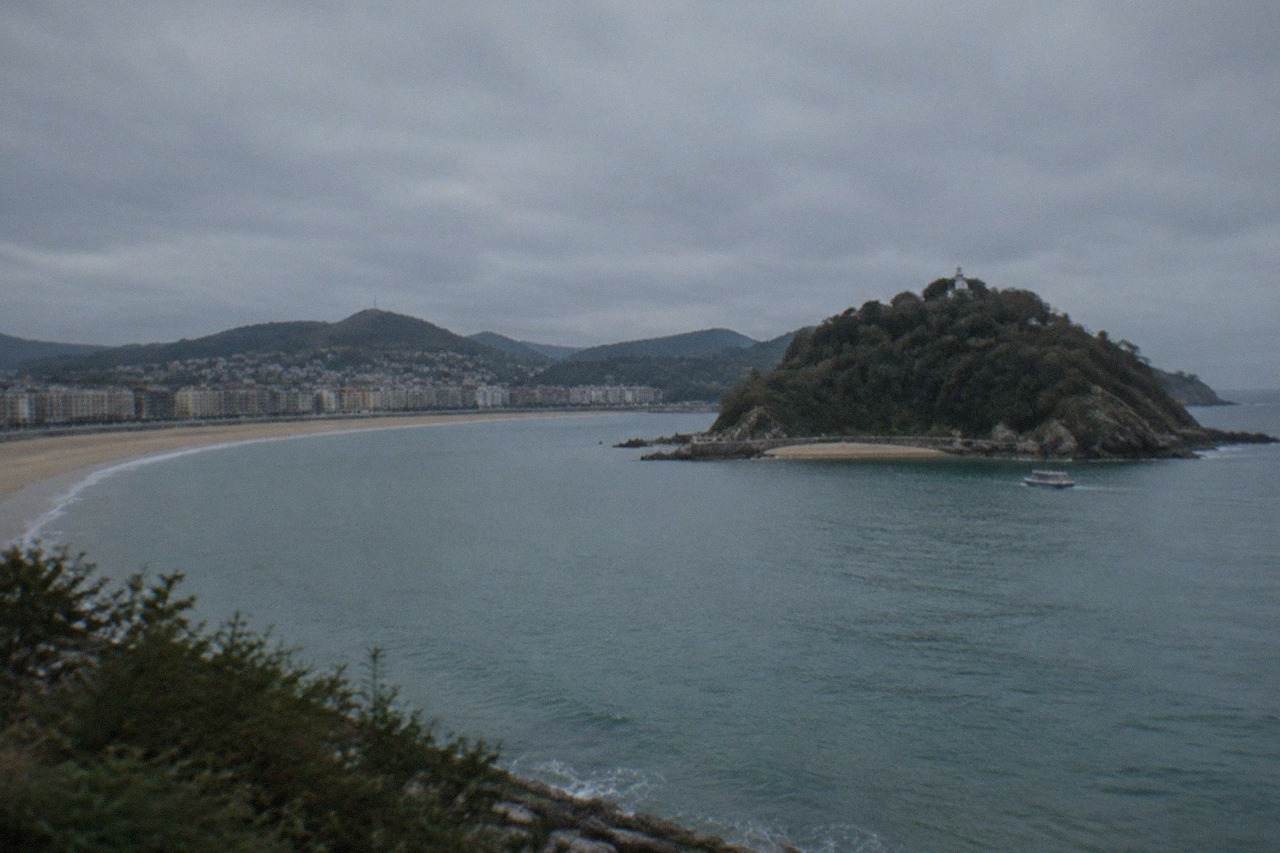
La Concha is the shell-shaped beach that defines San Sebastián, in the Basque Country of Spain: 1,350 metres of shallow sand in a bay framed by Monte Urgull, Monte Igueldo and Santa Clara island.
Short answer
La Concha beach is famous for its near-perfect shell-shaped bay in the centre of San Sebastián, Spain: 1,350 metres of shallow sand overlooked by two hills and an island, the promenade that links them, and the regattas, festivals and buildings that grew up around it.
La Concha is the beach that San Sebastián, in the Basque Country of Spain, is built around, in the city whose official name is Donostia / San Sebastián. The council's own beach page measures it at 1,350 metres long with a mean width of 40 metres, a shallow sandy shelf inside a bay enclosed by Monte Urgull on the east, Monte Igueldo on the west and Santa Clara island in the middle of the water. The shell it is named for is real: from the heights on either side the sand traces the arc of a concha, and that shape, not any single facility, is what made the bay the postcard of the Basque coast. The same council page notes that the tide often limits the usable sand, which is the honest starting point for everything below.
This page gathers what the official sources state about the beach itself: its measurements, its lifeguard season, the boats to the island, the regattas that have been rowed on this water since 1879, and the buildings and hills that frame the sand. For the wider city picture, the site's own overview of things to do in San Sebastian covers the Old Town, the hills and the day trips beyond the bay.
Why Is La Concha Beach Famous?
La Concha beach is famous for its shell-shaped bay in the centre of San Sebastián, a city in the Basque Country of Spain: 1,350 metres of shallow sand, measured by the city council, set in a bay enclosed by Monte Urgull, Monte Igueldo and Santa Clara island, with a promenade, belle époque buildings, a spa and a 19th-century regatta all sharing the same water. The bay's shape is the reason the city grew into a royal summer resort in the 19th century, and the reason it is still the image the city is known by. No other beach in Spain sits inside a complete natural amphitheatre of this kind with an island moored in the middle.
The fame is not one thing but a stack of them. Queen María Cristina's Miramar Palace, built in 1893 on the headland between La Concha and Ondarreta, turned the bay into a court resort, and the tourism board's page on the palace records the English country house style and the gardens that run down to the sea. The Bandera de La Concha regatta, first held in 1879, brings the best Basque trainera crews onto this exact water on the first two Sundays of September. And the sand itself, shallow and sheltered, made the bay a bathing resort when bathing was still a novelty in Spain.
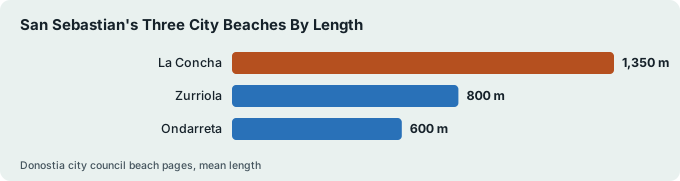
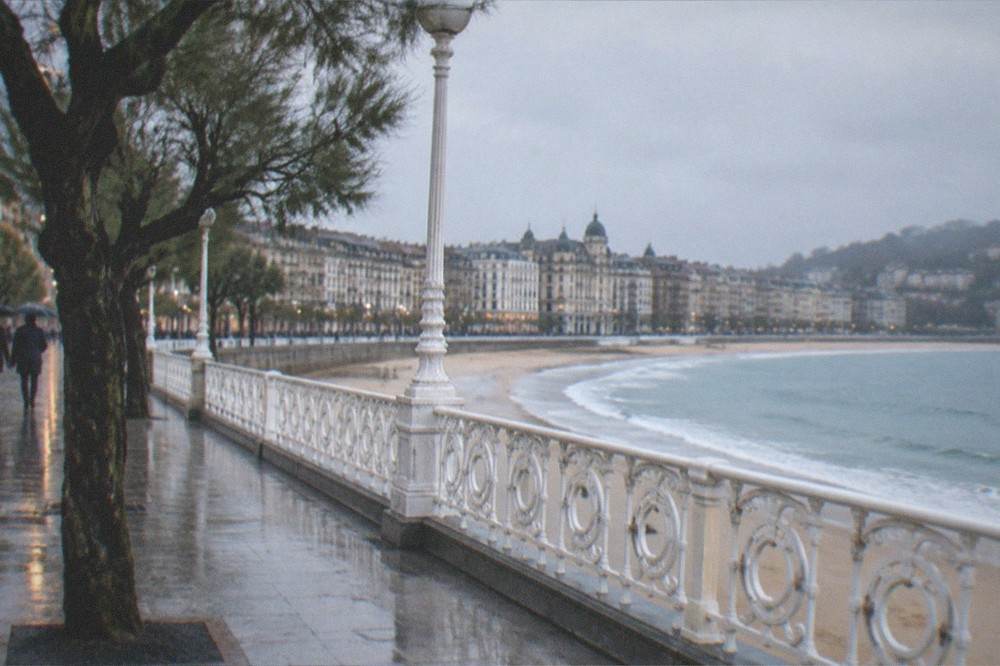
What a visitor sees today follows from that history. The promenade runs the full length of the beach with the white railings and the lamp posts that appear on nearly every photograph of the city, the La Perla spa sits on the sand itself, and the two hills at either end, Monte Urgull and Monte Igueldo, give the bay its walls. The table below shows how the beach compares with the city's other two, using the council's own figures.
| Beach | Mean length | Mean width | Mean area | Council description |
|---|---|---|---|---|
| La Concha | 1,350 m | 40 m | 54,000 m2 | Sandy, shallow, the tide often limits usable area |
| Ondarreta | 600 m | 100 m | 60,000 m2 | Sandy, mass use, the walk to the Peine del Viento starts at its west end |
| Zurriola | 800 m | 110 m | 88,000 m2 | Sandy, fairly open, strong swell, remodelled in 1994 |
A fourth, small beach sits on Santa Clara island, which the council's beach index names alongside the three on the mainland. For a direct comparison of which strand suits which visitor, the site's own answer on which beach is better in San Sebastian breaks the choice down.
The bay is also the stage for the city's calendar. Semana Grande, always the week of 15 August, brings its International Fireworks Competition onto the water here, and the regattas close the summer. The site's guide to the La Concha regatta covers the rowing in detail.
How Big Is La Concha Beach And What Is The Sand Like?
The council's beach page gives La Concha a mean length of 1,350 metres and a mean width of 40 metres, covering a mean area of 54,000 square metres, described as sandy and shallow, with the tide often limiting the usable sand. Those are the municipal figures, and they are the ones to quote, since the tourism board rounds them to "more than 1300 metres". The beach is the longest of the city's three and the narrowest, which is the direct result of the tide: at low water the sand spreads, at high water the sea reaches the promenade wall in places.
The shallowness matters more than the length. The bay shelves gently, so the water stays walkable for a long way out, which is why the beach became a bathing resort and why families use it. The council's description pairs "sandy, shallow" with the tide warning, and both halves are equally true on any given afternoon.
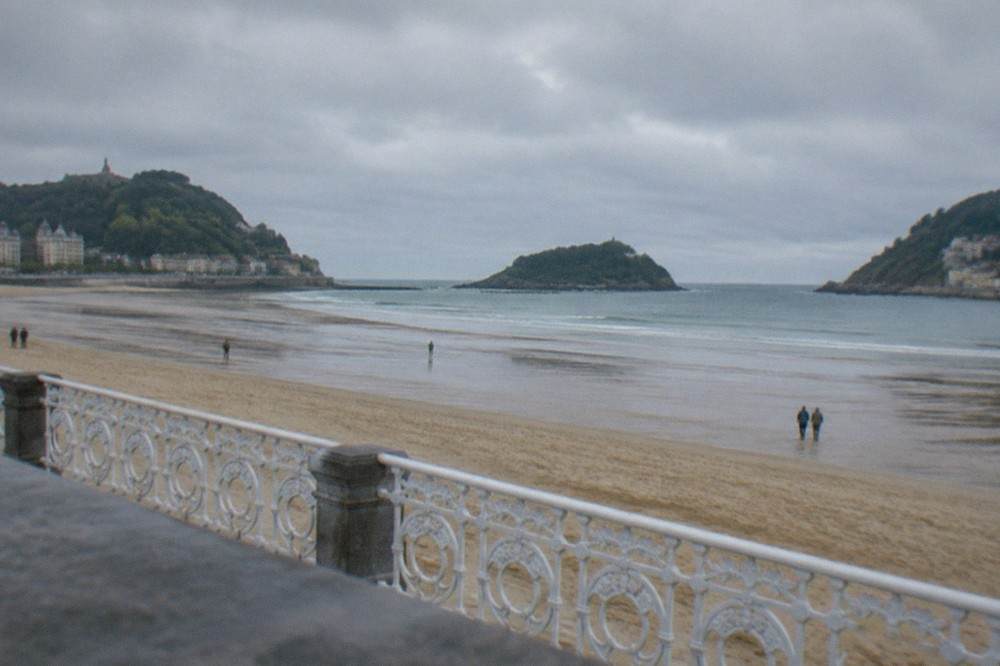
The sand itself is fine and pale, and the promenade behind it carries the whole bay walk. Because the beach faces south across the water toward Monte Igueldo, it keeps sun through the afternoon that the east-facing Zurriola loses earlier. The two headlands cut the swell: the council describes Zurriola as having strong swell and La Concha as shallow, and that contrast is the reason swimmers and surfers sort themselves between the two beaches without being told to.
What the beach does not have is space at high tide in the warm months. The 40-metre mean width is a mean, not a floor, and August, the peak month for the city's hotels, puts the sand under real pressure. INE's hotel occupancy survey records 245,769 overnight stays in the city in August 2025, the highest month of the year, against 115,910 in January, so the crowd on the sand follows the calendar closely.
When Do Lifeguards Work At La Concha Beach?
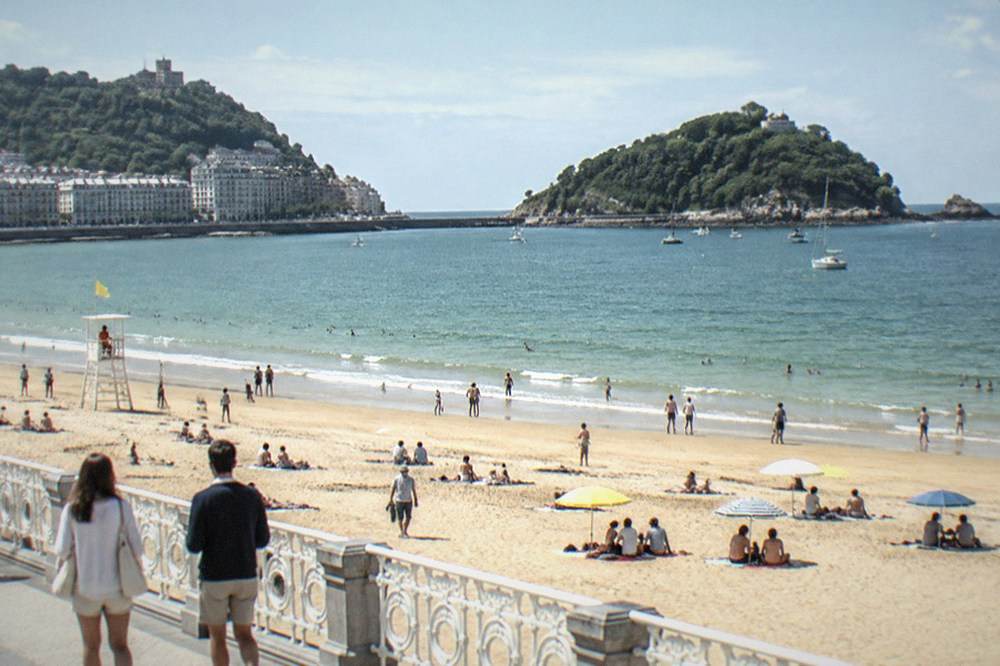
Lifeguards work all three city beaches, La Concha included, only from 1 June to 30 September, with hours of 10:00 to 20:00 from 15 June to 15 September and reduced hours of 13:30 to 19:30 from 16 to 30 September, according to the city council's beach page. Outside that window there is no lifeguard service on the sand, so a swim in October or May is a swim without cover. The same page sets the season for parasol and awning hire from 15 June to 30 September, and assisted bathing for reduced mobility from 15 June to 15 September.
The season rule is the one detail a summer visitor can plan around and an autumn visitor must know. The lifeguard dates are fixed rules published by the council, not day-to-day notices, so they hold every year unless the council changes them. The table gathers the beach's service calendar as the council states it.
| Service | Season | Hours or detail |
|---|---|---|
| Lifeguards, all three beaches | 1 June to 30 September | 10:00 to 20:00 from 15 June to 15 September; 13:30 to 19:30 from 16 to 30 September |
| Parasol and awning hire, La Concha | 15 June to 30 September | Awnings 13.10 EUR a day, lounger 3.50 EUR, lounger with parasol 8.40 EUR |
| Assisted bathing, reduced mobility | 15 June to 15 September | Council-run service on the beach |
| Monte Urgull access | 1 May to 30 September | 08:00 to 21:00; from 1 October to 30 April it closes at 19:30 |
The hire prices in that table are the council's own, for La Concha and Zurriola; Ondarreta's list differs slightly, with parasols at 17.50 EUR and tents at 21.90 EUR. The council also publishes a weekly bathing water rating for its beaches, updated through the season, which is the right place to check water quality rather than any third-party summary.
For the questions this page does not own: whether you can swim at La Concha has its own answer page, and so does whether La Concha beach is free.
What Sits On And Around The Beach?
The beach's immediate surroundings are the La Perla spa on the sand, the promenade with its white railings running the full 1,350 metres, the Miramar Palace grounds at the west end, the Parte Vieja Old Town at the east end, and the two hills, Urgull and Igueldo, closing the bay. Every one of these is walkable from the sand in minutes, which is the practical reason the beach anchors most visits: the city's food, its Old Town and its viewpoints all sit on the bay's rim.
The La Perla spa building stands on the beach itself, between the sand and the promenade, a remnant of the belle époque bathing culture that made the bay fashionable. At the east end, the Parte Vieja begins within a few minutes' walk of the sand, and with it the pintxo bars the city is known for. At the west end, past Ondarreta, the Peine del Viento, Eduardo Chillida's three steel sculptures of more than nine tonnes each on the rocks, ends the bay walk.
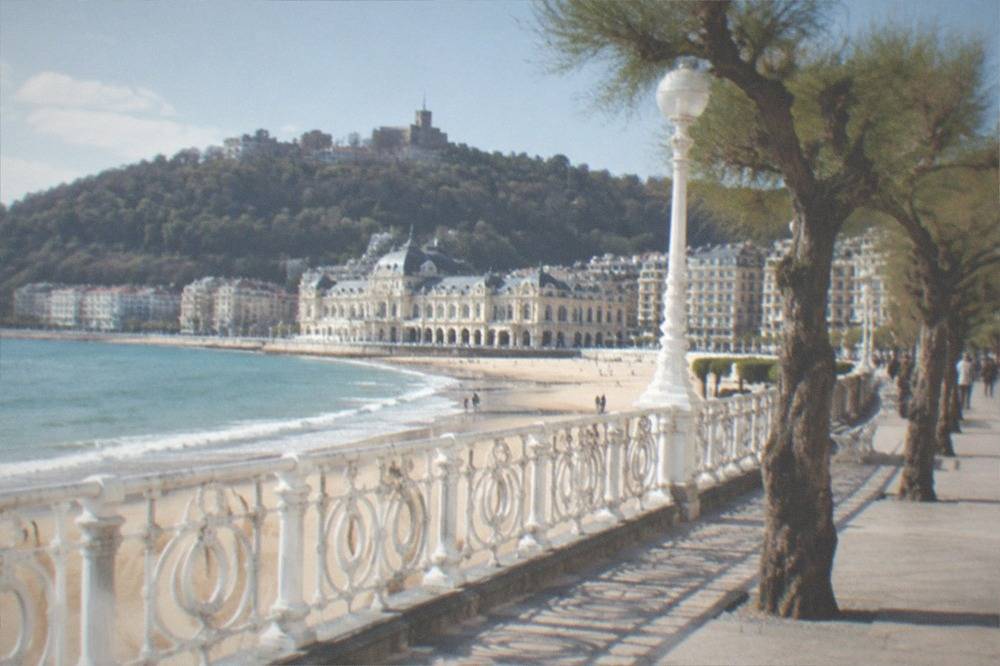
The table lists what stands where, so a walk around the bay can be planned from one place.
| Place | Position relative to La Concha | What it is |
|---|---|---|
| La Perla spa | On the sand, mid-bay | Historic spa and wellness building on the beach itself |
| Miramar Palace | West end, on the headland | Palace built 1893 for Queen María Cristina, gardens run to the sea |
| Parte Vieja | East end of the bay | The Old Town, its bars and Plaza de la Constitución |
| Monte Urgull | East headland | Hill with the Castillo de la Mota, access 08:00 to 21:00 in summer |
| Monte Igueldo | West headland | Hill with the 1912 funicular and viewpoint |
| Santa Clara island | Middle of the bay | Island with a small beach and the Hondalea work in the lighthouse |
The two hills deserve their own note. Monte Urgull closes at 21:00 from 1 May to 30 September and 19:30 the rest of the year, per the tourism board's page, and its summit museum is the small Casa de la Historia run by San Telmo. Monte Igueldo's funicular, opened on 25 August 1912 and described by the tourism board as the oldest in the Basque Country, runs every 15 minutes, and its own site states that the return ticket includes entry to the grounds. The site's page on Monte Igueldo covers that hill in full, and Monte Urgull has its own page too.
What Role Does Santa Clara Island Play In The Bay?
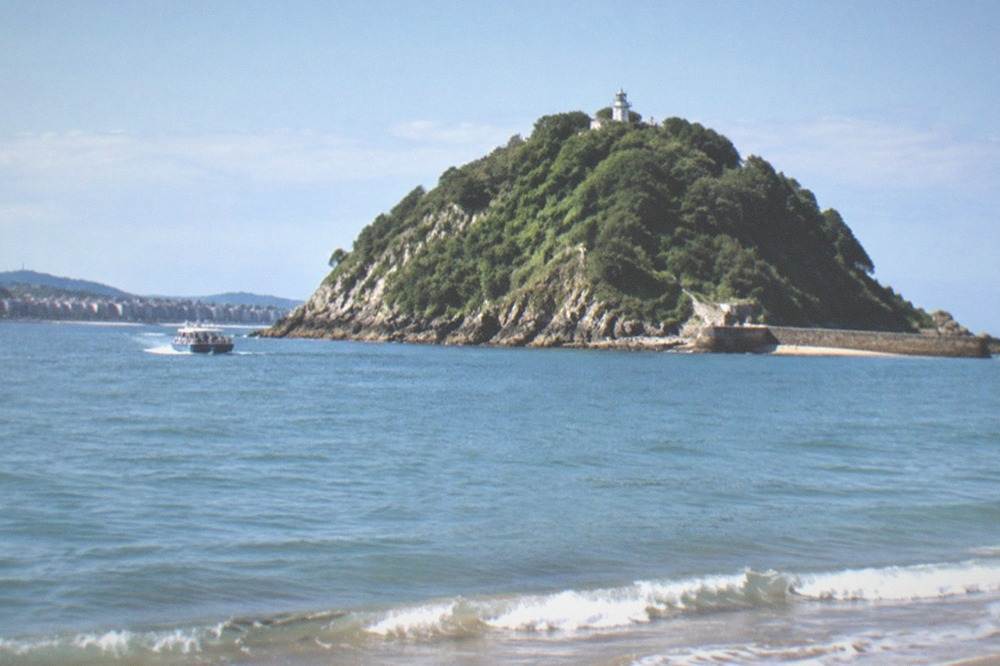
Santa Clara island sits in the middle of La Concha bay and carries a fourth, small beach named by the council, a lighthouse holding Hondalea, Cristina Iglesias's work inaugurated in 2021, and a boat service whose high season runs 1 June to 30 September with direct red-line crossings at 5 EUR return every 30 minutes, weather permitting. The operator, Motoras de la Isla, runs the red line direct to the island from 10:00 to 19:00 in high season, with the last boat back at 20:00 from June to September, and a blue line that adds a 30-minute bay tour for 8 EUR. Children under 4 travel free.
The island is the reason the bay photographs the way it does: it breaks the horizon, gives the water a focal point and hides the open sea beyond. It is also a real destination, not just scenery, with its own beach and the lighthouse. Hondalea is the detail most guides miss: the council's page states it is open only from 1 June to 30 September inclusive, 11:00 to 18:30, in free sessions of about 20 minutes every half hour, with no booking needed for the visit itself, only the boat. It is not open all year, and the boat service itself depends on weather and sea. The rest of the planning pages sit on San Sebastian Spain Guide.
| Island service | Season or detail | Price |
|---|---|---|
| Red line, direct to island | High season 1 June to 30 September, 10:00 to 19:00 every 30 min, last return 20:00 | 5 EUR return |
| Blue line, bay tour plus island | Departures 12:00 to 19:30, last sailing does not allow landing | 8 EUR |
| Children under 4 | Free on both lines | 0 EUR |
| Hondalea, in the lighthouse | 1 June to 30 September, 11:00 to 18:30, free, about 20 minutes, no booking for the visit | Free |
Outside high season, which the operator defines as 1 June to 30 September plus Easter and long weekends, the island boats run only on request, so no winter landing should be promised. The site's full page on Santa Clara island covers the island on its own.
What Weather Should You Expect At La Concha Beach?
AEMET's climate normals for its Igeldo station, period 1981 to 2010, show a mild, wet Atlantic climate around the bay: mean temperatures from 8.5 C in January to 19.5 C in August, a mean daily maximum of 22.5 C in August, and 1,507 mm of rain a year over 141 rain days, with July, the driest month, still averaging 86 mm. The station sits 250 m up on Monte Igueldo, so the seafront runs slightly warmer than these values, but the pattern holds: this is not a dry city, and no month averages under 86 mm of rain.
The beach season and the weather season do not match neatly. August is the warmest month and the busiest, INE's survey recording 245,769 hotel overnight stays in the city that month in 2025, but August is also wetter than June, July or September, at 117 mm against 90, 86 and 111. July is the driest and sunniest month, with 196 sun hours. The table gives the months a beach visitor actually weighs.
| Month | Mean C | Mean max C | Rain mm | Rain days 1 mm+ | Sun hours |
|---|---|---|---|---|---|
| June | 16.9 | 20.0 | 90 | 10.6 | 189 |
| July | 18.9 | 21.8 | 86 | 9.8 | 196 |
| August | 19.5 | 22.5 | 117 | 10.5 | 190 |
| September | 18.0 | 21.1 | 111 | 10.1 | 179 |
| October | 15.5 | 18.5 | 159 | 11.8 | 140 |
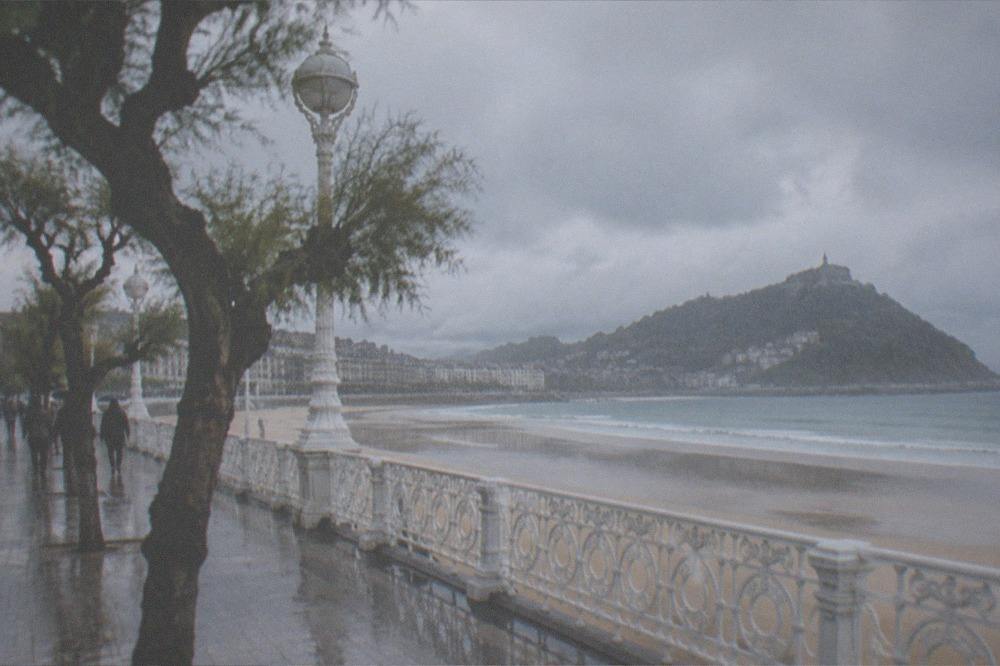
The practical reading: bring something for rain even in August, treat the September lifeguard cut-off on the 16th as the real end of the beach season, and expect the seafront to feel a degree or so warmer than the hilltop figures suggest. The site's month-by-month guides apply these normals to each month's calendar, starting with the July guide.
What Can You Do On The Water At La Concha?
The bay offers the island boats, a spa on the sand, and sailing trips from the harbour, while the regatta in September puts trainera crews on the water, and the Camino de Santiago coastal route crosses the city right beside the beach. The water is the beach's second life: the same bay that swimmers use in the morning carries boats, rowing crews and walkers' views all day.
A private sailing trip with a local skipper is the way to see the shell shape from outside it, and the harbour sits at the east end of the beach.
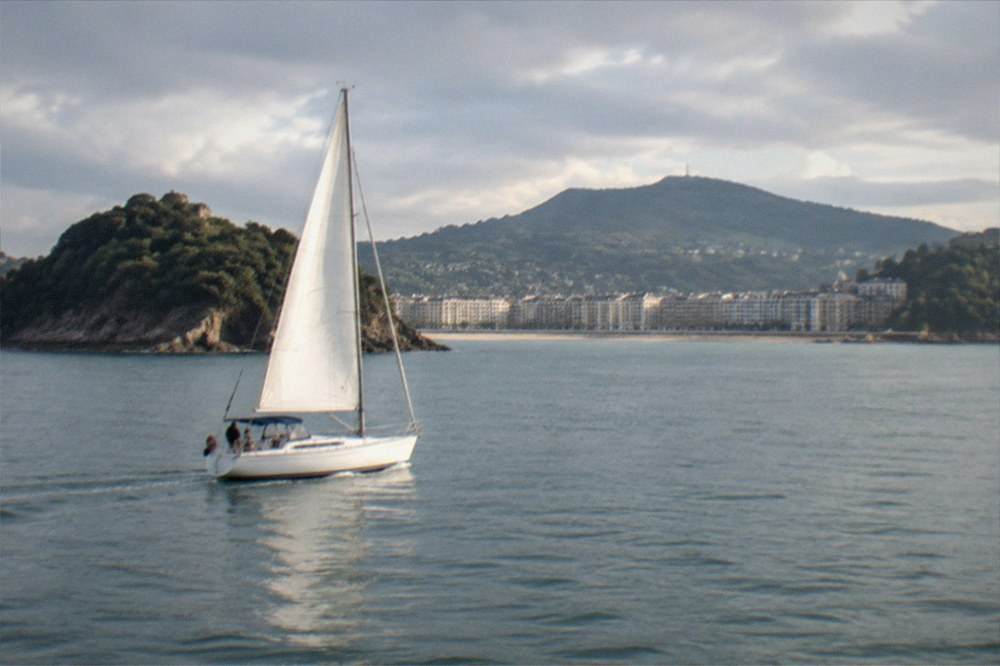
For a self-guided option, an audio tour of the city's essence and culture pairs well with a slow lap of the promenade, and the coastal Camino route, whose second stage the tourism board lists as Pasaia to Donostia and its third as Donostia to Orio, passes along the bay on its way west.
The regatta deserves its own line. The Bandera de La Concha, first held in 1879 with the women's flag rowed since 2008, closes the beach's summer on the first two Sundays of September, and the crowd stands on this sand to watch. The site's La Concha regatta guide covers the crews, the course and the viewing.
Where Should You Stay Near La Concha Beach?
The streets behind the beach hold the city's classic hotels, from the grande dame properties at the east end near the Old Town to smaller stays in the Centro and Antiguo districts, all within a short walk of the sand, and the site's beachfront and Old Town hotels guide covers the choice in detail. The bay's east end, around the Parte Vieja and Centro, puts the beach, the pintxo bars and the harbour in one walkable cluster; the west end, toward Ondarreta and Antiguo, is quieter and closer to the Peine del Viento.
The trade-off is simple: the east end is louder and nearer the food, the west end is calmer and nearer the hills. The site's guide to beachfront and Old Town hotels works through the districts, and the wider question of what the city is known for beyond the bay, from its Michelin-starred restaurants to its festivals, is answered on what San Sebastian is known for.
Common Questions About La Concha Beach In San Sebastian
Why is La Concha beach famous?
For its shell-shaped bay: 1,350 metres of shallow sand, measured by the city council, enclosed by Monte Urgull, Monte Igueldo and Santa Clara island, with a royal resort history, a spa on the sand and a regatta first held in 1879 all sharing the same water.
How long is La Concha beach?
The council's beach page gives a mean length of 1,350 metres and a mean width of 40 metres, covering a mean area of 54,000 square metres, and notes that the tide often limits the usable sand.
When are lifeguards on duty at La Concha?
From 1 June to 30 September only, from 10:00 to 20:00 between 15 June and 15 September, and from 13:30 to 19:30 between 16 and 30 September, per the city council's beach page.
Can you walk to Santa Clara island?
No, it is reached by boat. The operator's red line runs direct to the island every 30 minutes in high season, 1 June to 30 September, at 5 EUR return, weather and sea permitting, with the last boat back at 20:00 from June to September.
Which end of La Concha is best for staying near?
The east end, near the Parte Vieja and Centro, puts the beach, the Old Town's bars and the harbour in one walkable cluster; the west end toward Ondarreta is quieter and closer to the Peine del Viento.
Does it rain at La Concha in summer?
Yes, regularly. AEMET's Igeldo station shows August averaging 117 mm of rain over about 10 rain days, more than June, July or September, so this is a wet Atlantic bay even at its warmest.
The bay, in the end, is the city's floor plan: the beach at the centre, the hills as walls, the island in the middle, and the Old Town, the spa, the regatta and the promenade all arranged around one shell of sand.