What Is San Sebastian Known For?
San Sebastián, in the Basque Country of Spain, is known for one of the finest city beaches in Europe, a pintxos culture that turned bar snacks into an art form, and a concentration of Michelin-starred kitchens unmatched for its size.
Short answer
San Sebastián (Donostia / San Sebastián) is famous for La Concha bay, its pintxos bar scene in the Parte Vieja, 11 Michelin stars across 6 restaurants in the city, the San Sebastián International Film Festival, and a wet Atlantic climate that keeps the hills green.
San Sebastián, in the Basque Country of Spain, is the city on La Concha bay whose official municipal name is Donostia / San Sebastián, and it is known for three things above all: a shell-shaped beach that sits inside the city itself, a bar food culture called pintxos that has no real equivalent anywhere else, and a density of Michelin-starred restaurants that no other city of 189,866 people approaches. The municipal register counted 189,866 residents at 1 January 2025. It also rains here, 1,507 mm a year over 141 rain days at AEMET's Igeldo station, which is part of why the place looks the way it does. This page sets out what the city is genuinely famous for, what is worth planning around, and what a first visitor should not miss.
Why Is San Sebastian So Famous?
San Sebastián is famous because it combines a city beach of rare quality with one of the world's most concentrated fine-dining scenes: La Concha runs 1,350 metres of sand inside the city, the MICHELIN Guide Spain 2026 lists 11 stars across 6 restaurants inside the municipality, and the pintxos bars of the Parte Vieja turn every evening into a moving feast. The San Sebastián International Film Festival, held every September, adds a second, cinematic claim to fame.
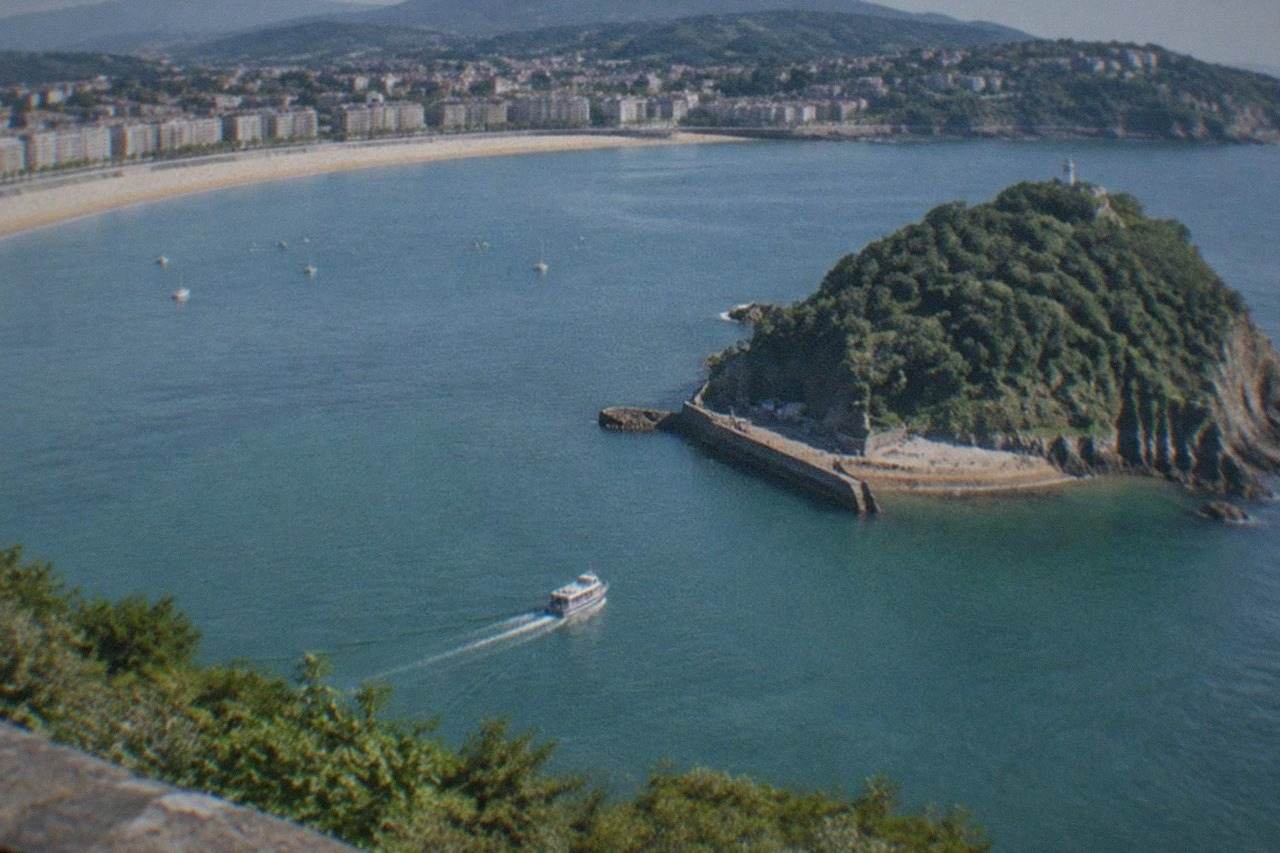
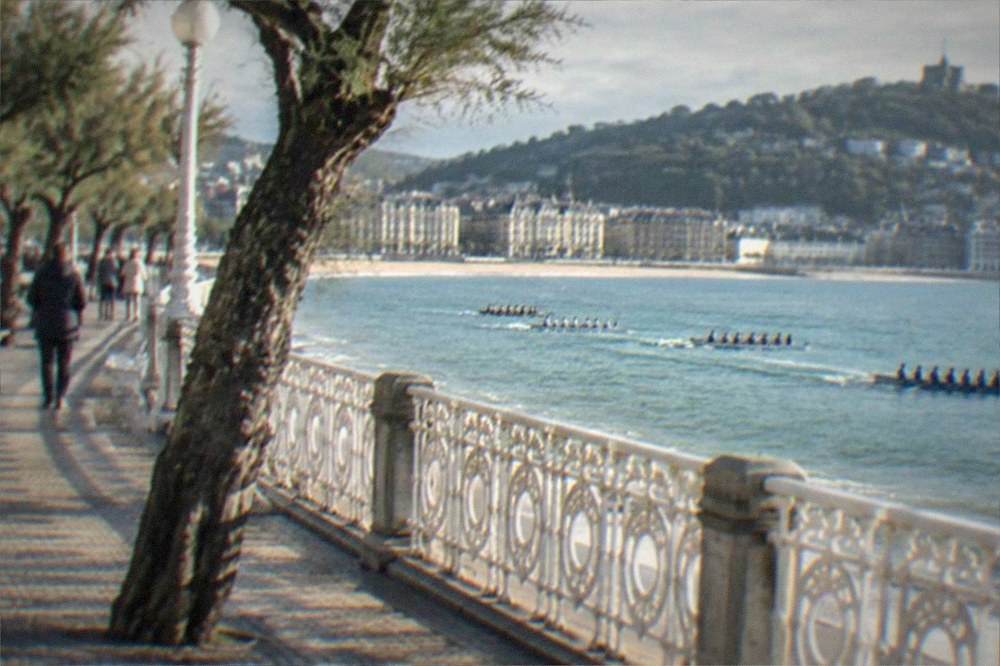
The fame rests on geography as much as food. The city wraps around a nearly enclosed bay, with Monte Urgull on one side, Monte Igueldo on the other and Santa Clara island sitting in the middle, so the beach and the hills are not day trips but the street plan itself. The council's beach page gives La Concha a mean length of 1,350 metres and describes the tide as often limiting the usable area, which tells you how central the sand is to daily life here.
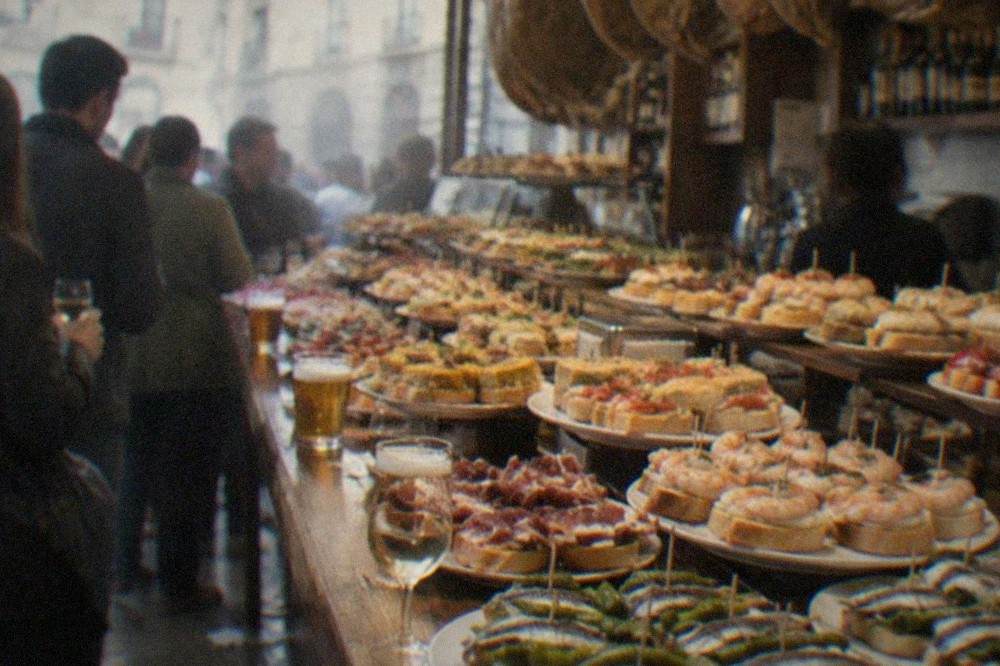
The food reputation has two layers. The first is the Michelin count: inside the city, Akelaŕe and Arzak each hold three stars, Amelia by Paulo Airaudo holds two, and iBAi, Itzuli and Kokotxa hold one each in the 2026 edition. The second layer is cheaper and more democratic, the pintxos bars of the Old Town, where a gilda, an anchovy, olive and guindilla skewer, costs a fraction of a tasting menu and is arguably the more famous of the two. If you are weighing the city against its neighbours, the is San Sebastian worth visiting question has its own page.
What Is San Sebastian Known For Around The World?
Around the world San Sebastián is known as a food city first and a beach city second: the MICHELIN Guide Spain 2026 counts 11 stars across 6 restaurants inside the municipality, the province of Gipuzkoa holds 19 stars across 11 restaurants, and the city's pintxos bars, cider houses and txakoli wineries spread that reputation well beyond the starred tables.
The bay, the film festival and the Camino de Santiago coastal route complete the picture.
The Michelin table for the province, read from the guide's own 2026 list, looks like this. Note that Martín Berasategui sits in Lasarte-Oria and Mugaritz in Errenteria, both separate municipalities, so they are not counted inside the city even though every food article lumps them together.
| Stars | Restaurant | Town |
|---|---|---|
| 3 | Akelaŕe | Donostia / San Sebastián |
| 3 | Arzak | Donostia / San Sebastián |
| 3 | Martín Berasategui | Lasarte-Oria |
| 2 | Amelia by Paulo Airaudo | Donostia / San Sebastián |
| 2 | Mugaritz | Errenteria |
| 1 | iBAi by Paulo Airaudo | Donostia / San Sebastián |
| 1 | Itzuli (new in 2026) | Donostia / San Sebastián |
| 1 | Kokotxa | Donostia / San Sebastián |
| 1 | Elkano | Getaria |
| 1 | Alameda | Hondarribia |
| 1 | Ama | Tolosa |
The 2027 edition of the guide is announced on 24 November 2026 in Huesca, so every figure in that table expires that day. The full starred picture, including the three-star houses, is on the Michelin restaurants page.
Beyond the tables, the city's name travels through its film festival, whose 74th edition ran 18 to 26 September 2026, and through the Camino de Santiago: the coastal route of the Northern Camino, inscribed by UNESCO as part of "Routes of Santiago de Compostela: Camino Francés and Routes of Northern Spain", crosses the city on its way from Pasaia to Orio. The city itself is not a World Heritage Site, and no monument in it is inscribed on its own, but pilgrims walking the coast pass straight through.
Three experiences cover most of what people come for, and a guided version of each exists:
What Is So Special About San Sebastián?
What is special about San Sebastián is scale: a city of 189,866 people holds a 1,350 metre city beach, a deep fishing-town food culture, 11 Michelin stars, an international film festival and two forested hills inside the walkable centre, all within about three kilometres of bayfront. European Capital of Culture in 2016, shared with Wrocław, it packs a cultural weight out of proportion to its size.
Start with the bay, because everything else arranges itself around it. La Concha is not a suburb beach but the city's front room, with Ondarreta continuing it to the west below Monte Igueldo and Zurriola opening east to the Atlantic swell. The council describes Zurriola as fairly open with a strong swell, remodelled in 1994, which is why surfers gather there rather than in the bay. The San Sebastian beaches page compares all three.
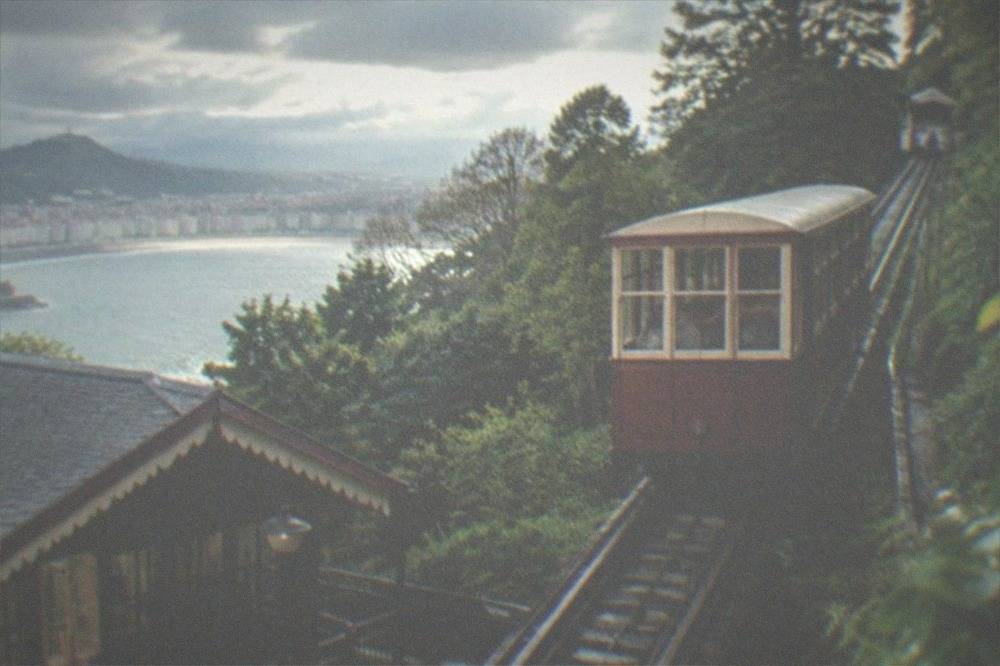
Then the hills. Monte Urgull, closed at night, opens 08:00 to 21:00 from 1 May to 30 September and 08:00 to 19:30 the rest of the year, and holds the Castillo de la Mota at its summit. Monte Igueldo on the other flank has run a rack funicular with wooden cars since 25 August 1912, which the tourism board calls the oldest in the Basque Country, and the funicular ticket includes entry to the grounds. The funicular's own site lists a return adult fare of 5.50 EUR, and its home page notes that downhill-only tickets are not on sale.
What Not To Miss San Sebastián?
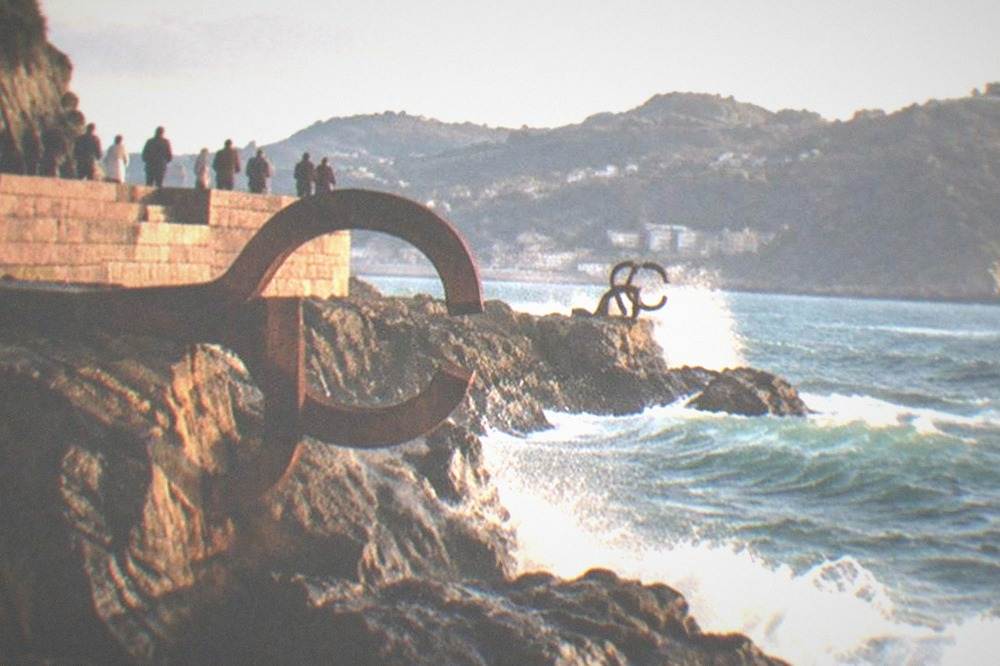
What not to miss in San Sebastián: walk La Concha promenade to the Peine del Viento, Eduardo Chillida's three steel sculptures from 1977 set into the rocks on a plaza by Luis Peña Ganchegui; eat pintxos in the Parte Vieja in the evening; ride the 1912 funicular up Monte Igueldo for the bay view; and cross to Santa Clara island, whose boat runs a high season of 1 June to 30 September. The Peine del Viento is free to stand at, the island return boat costs 5 EUR.
The table below gathers the essentials, with the season rules that matter, because several of these are not open all year.
| Essential | What it is | Season rule to know |
|---|---|---|
| La Concha promenade and Peine del Viento | Bayfront walk west to Chillida's 1977 sculptures | Open all year, free |
| Parte Vieja pintxos bars | Evening bar crawl through the Old Town | Bars open year round, busiest evenings |
| Monte Igueldo funicular | Rack funicular of 1912, wooden cars | Rides close on rainy days, per the park's own FAQ |
| Santa Clara island boat | 30 minute crossing, return 5 EUR | High season 1 June to 30 September |
| Hondalea, Cristina Iglesias | Free artwork in the island lighthouse, since 2021 | 1 June to 30 September, 11:00 to 18:30, no booking needed |
| Monte Urgull and Castillo de la Mota | Wooded hill with the city's best free panorama | 08:00 to 21:00 in summer, to 19:30 from 1 October |
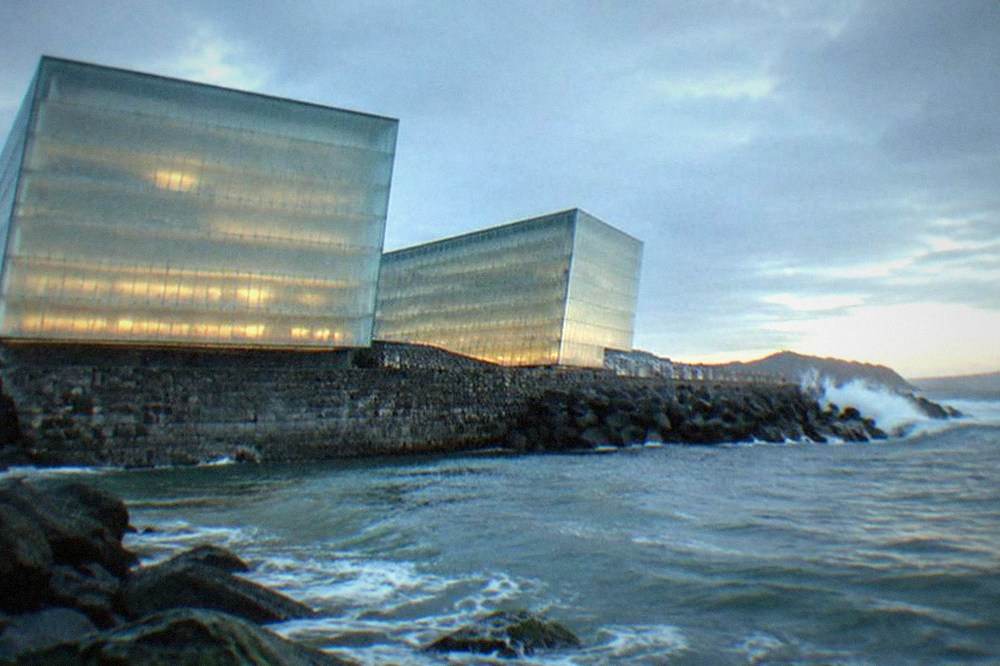
| Kursaal | Rafael Moneo's glass cubes, inaugurated 23 August 1999 | Visible from outside any time |
The Old Town is the one place where a guide genuinely changes the experience, because the bars are dozens, the specialities differ from street to street, and nobody arrives knowing which counter serves the thing worth crossing town for. A local's insight into the pintxo bars is exactly what the Old Town walking tour sells, and it can be booked on the operator's live listing: Check availability.
Is The Food Really The Main Reason People Come To San Sebastian?
Yes: the food is the main reason people come to San Sebastián, and it operates at every price level at once, from a gilda on a bar counter to the 11 Michelin stars inside the city in the 2026 guide. The pintxos bar crawl, the cider house txotx ritual, which the tourism board places from the middle of January to the end of April, and the txakoli of neighbouring Getaria together form a food culture you can eat through for a week without repeating yourself.
What a pintxo actually is has its own treatment on this site, but the short version is a small, often skewered serving eaten standing at the bar, one or two per bar, moving on. The evening crawl through the Parte Vieja is the local way of doing it, and the pintxos in San Sebastian page goes bar by bar. The question of what food San Sebastian is famous for beyond pintxos, txuleta steak, the baked cheesecake that La Viña turned into a global dish, has its own answer page, as does what is so special about the San Sebastian cheesecake.
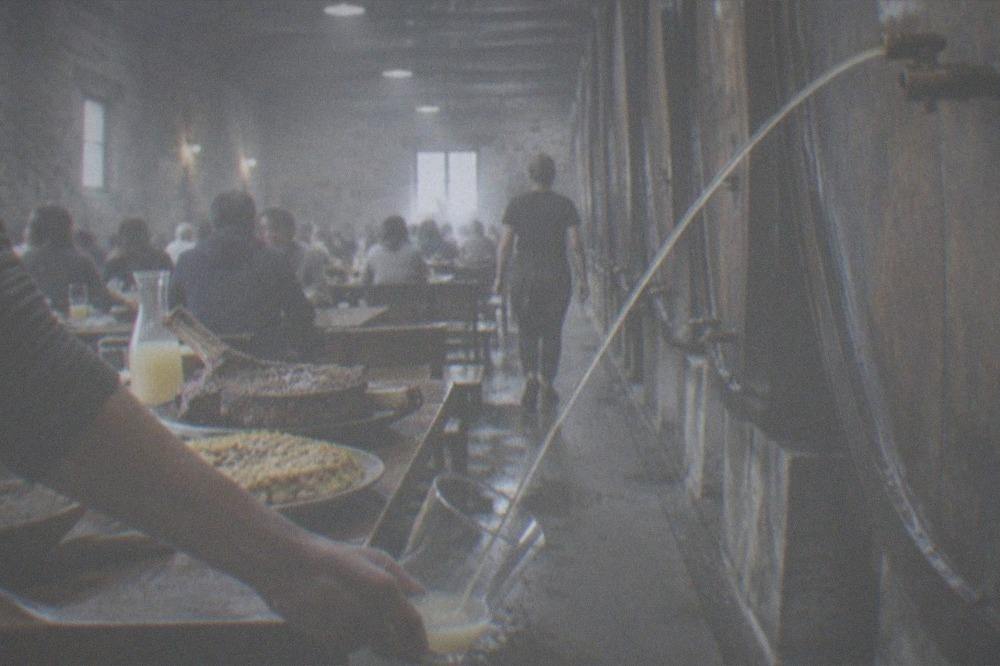
The cider house season is the other half of the food year. The txotx ritual, standing in the cellar while cider shoots straight from the barrel, runs from the middle of January to the end of April in the tourism board's wording, with Astigarraga, a separate municipality a short bus ride away, as the heartland. Guided versions of both halves of this food culture, the pintxo crawl with paired wines and the cider house with lunch, are listed by their operators and can be compared on their live listings.
When Is San Sebastian At Its Best?
San Sebastián is at its best from late May to late September, when AEMET's Igeldo normals show mean temperatures of 14.4 C in May rising to 19.5 C in August and the lifeguards, the island boat and Hondalea are all running their 1 June to 30 September season, but the honest headline is that no month is dry: July, the driest, still averages 86 mm of rain over about 10 rain days, and November averages 169 mm.
The climate table below is AEMET's own normals for its Igeldo station, period 1981 to 2010, taken at 250 m on the hill, so the seafront runs slightly warmer than these values. Read the rain column before promising anyone a beach week.
| Month | Mean C | Rain mm | Days 1mm+ rain | Sun hours |
|---|---|---|---|---|
| May | 14.4 | 120 | 12.2 | 181 |
| June | 16.9 | 90 | 10.6 | 189 |
| July | 18.9 | 86 | 9.8 | 196 |
| August | 19.5 | 117 | 10.5 | 190 |
| September | 18.0 | 111 | 10.1 | 179 |
| October | 15.5 | 159 | 11.8 | 140 |
| November | 11.3 | 169 | 13.0 | 102 |
The full twelve months sit on the weather page of this site, and the best time to visit page weighs crowds against the calendar. One honest note on the calendar: August is the peak hotel month, with 245,769 hotel overnight stays in August 2025 against 115,910 in January, from the INE hotel occupancy series, and July and August together account for 22 percent of the year's hotel stays.
The festival calendar is the other thing that shapes when people come.
| Event | Date or rule |
|---|---|
| Tamborrada drum festival | 20 January every year |
| Txotx cider season | Middle of January to end of April |
| Semana Grande, with fireworks competition | The week of 15 August, Saturday to Saturday |
| Quincena Musical | 2 to 30 August in its 87th edition |
| La Concha regattas | First two Sundays of September, first held 1879 |
| San Sebastián International Film Festival | Late September, 74th edition ran 18 to 26 September 2026 |
| Behobia-San Sebastián race | 8 November in its 61st edition |
| Santo Tomás fair | 21 December every year |
What Is Around San Sebastian That People Travel For?
Around San Sebastián people travel for the Basque coast and the French Basque Country: Getaria for txakoli and grilled fish, Zumaia for the UNESCO Global Geopark flysch that has been a Global Geopark since 2015, Hondarribia for its fortified old quarter, Bilbao for the Guggenheim, and Biarritz and Saint-Jean-de-Luz across the French border, all reachable as day trips from the city's bus station or with hotel pickup.
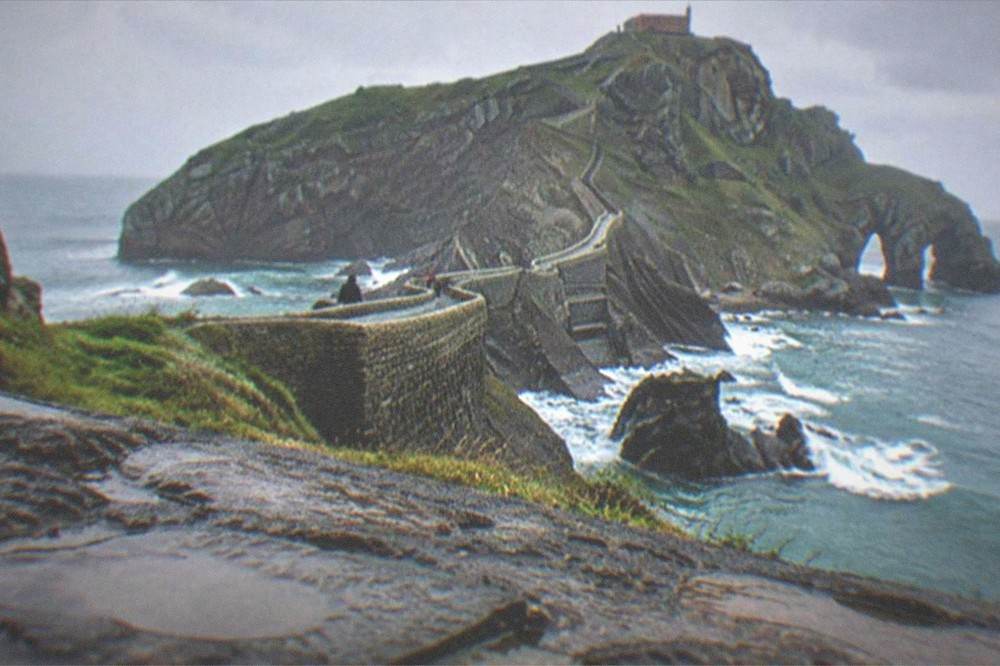
The day trip menu is unusually rich for a city this size, and the day trips from San Sebastian page ranks them. The most asked-about single excursion is Bilbao with the Guggenheim and the Gaztelugatxe hermitage, the islet reached by a stone footbridge that film audiences know from Game of Thrones, and the small-group version from San Sebastián is listed by its operator with live availability.
The Camino connection matters here too. The coastal route's stages as the tourism board lists them run Irun to Pasaia, then Pasaia to Donostia, then Donostia to Orio, so pilgrims arrive in the city on foot and leave it west along the coast toward Orio, Zarautz and Getaria.
What Do People Ask Before Their First Trip To San Sebastian?
Before a first trip to San Sebastián people ask about the rain, the cost, the language, how many days to stay and how to get around, and the honest answers are: it rains year round, it is one of Spain's pricier cities though not uniformly so, Basque and Spanish are both official and English is widespread in tourism, two or three days covers the centre well, and the city is compact enough to walk almost everywhere.
Cost first. The city has a reputation for expense that its hotel and restaurant prices partly earn, and the why San Sebastian is so expensive answer breaks it down honestly. Against that, the free layer is real: the beaches cost nothing, Monte Urgull costs nothing, the Peine del Viento costs nothing, Tabakalera's building is free access, and Hondalea's island visit is free once you have paid the boat.
Getting around needs almost no planning inside the city. The centre, the three beaches and both hills sit within walking distance of each other, and the how many days in San Sebastian question has its own page, as does where San Sebastian is for anyone still placing it on the map. The name question, Donostia versus San Sebastián, is answered on the Donostia or San Sebastian page: the official municipal name since 2012 is "Donostia / San Sebastián", and either form can stand alone depending on the language.
Two drinks questions come up constantly and both have dedicated answer pages: what wine San Sebastian is known for, which is txakoli, and what the famous drink of San Sebastian is. Neither is answered at length here, because each has its own page.
The three tours below are the ones that cover the city's fame most directly, a walk through the Old Town, a guided pintxo crawl, and the biggest day trip:
For anyone assembling a full plan from this page, the site's own root list of things to do in San Sebastian is the place to start, and this guide sits alongside it as the answer to the fame question itself. More on the city's standing is on San Sebastian Spain Guide throughout.
Common Questions About San Sebastian
What is so special about San Sebastián?
San Sebastián fits a 1,350 metre city beach, two forested hills, an Old Town of pintxos bars and 11 Michelin stars inside a walkable city of 189,866 people. It was European Capital of Culture in 2016, shared with Wrocław. The combination of a real beach resort and a serious food city in one compact place is what makes it special.
What not to miss San Sebastián?
Walk the La Concha promenade west to the Peine del Viento, eat pintxos in the Parte Vieja in the evening, ride the 1912 funicular up Monte Igueldo, and take the boat to Santa Clara island. The island boat and Hondalea run a high season of 1 June to 30 September, so time the visit accordingly.
Is San Sebastián the food capital of Spain?
It is the strongest candidate on the Michelin measure: the MICHELIN Guide Spain 2026 lists 11 stars across 6 restaurants inside the municipality, and the province of Gipuzkoa holds 19 stars across 11 restaurants. The pintxos bar culture gives the city a food scene below the starred level too, which most starred cities lack.
Is San Sebastián a UNESCO World Heritage Site?
No. The city itself is not inscribed and no monument in it is listed on its own. Its only World Heritage link is the Camino: the coastal route of the "Routes of Santiago de Compostela: Camino Francés and Routes of Northern Spain" crosses the city on the Pasaia to Orio stages.
Does it rain a lot in San Sebastián?
Yes, year round. AEMET's Igeldo station records 1,507 mm of rain over 141 rain days a year, and even July, the driest month, averages 86 mm over about 10 rain days. November is the wettest at 169 mm. Pack for showers in any month, including midsummer.
How many days do you need in San Sebastián?
Two days cover the bay, the Old Town and one hill comfortably. Three lets you add Santa Clara island, Monte Igueldo and a half-day trip such as Hondarribia or Getaria. The how many days question has a full page of its own on this site.
The short version of all of it: San Sebastián is famous for a beach most cities would build a whole resort around, a bar-food culture that turned into a global food reputation, and enough starred kitchens, festivals and coastal day trips that the fame keeps renewing itself.