Is San Sebastian Worth Visiting?
San Sebastián, in the Basque Country of Spain, draws more than a million hotel guests a year to a bay that is barely two kilometres across. Here is whether it deserves yours.
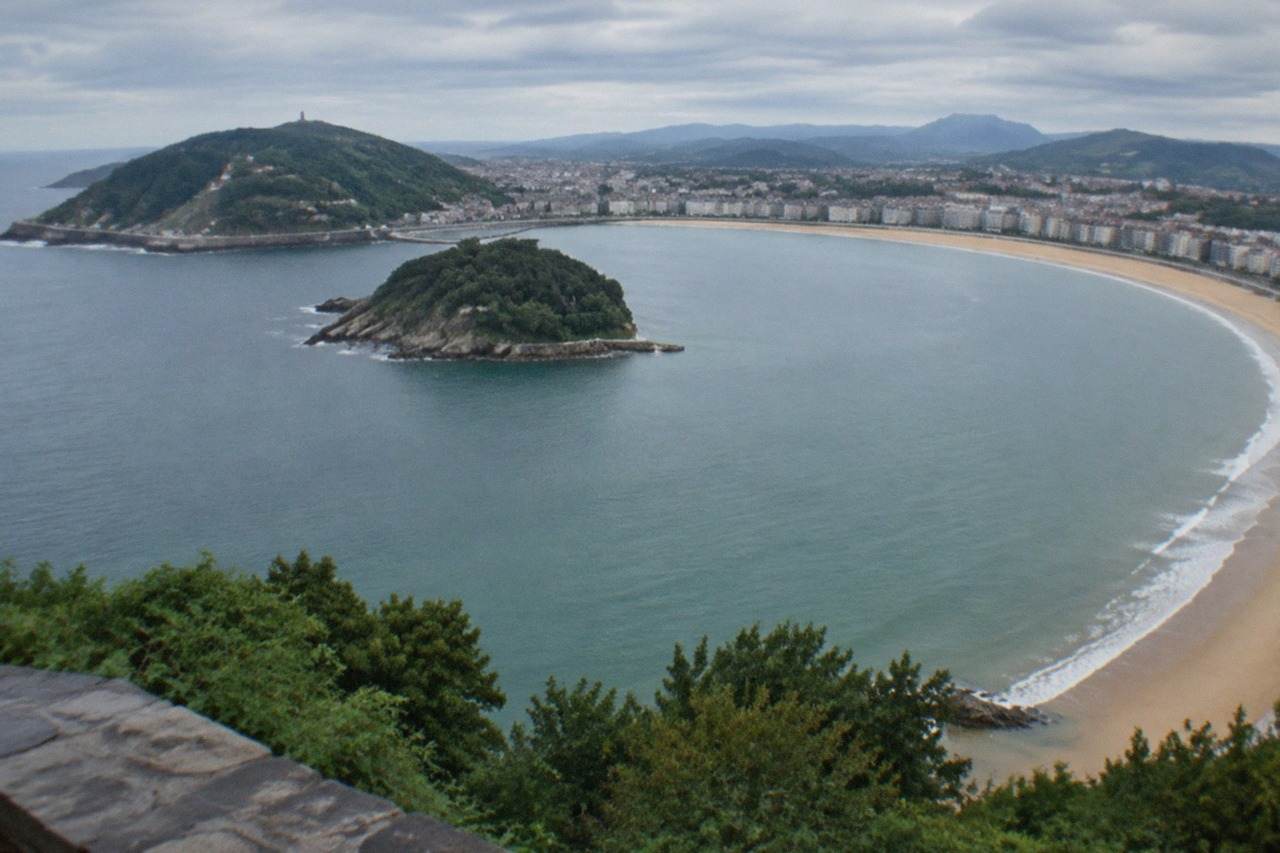
Short answer
Yes, for most travellers. San Sebastián concentrates a famous food scene, three city beaches and walkable hills into a small, safe city of 189,866 people. The honest caveat is the rain: AEMET records 1,507 mm a year, so no visit is guaranteed dry. It suits food lovers, beach walkers and slow travellers more than nightlife seekers or sun guarantee hunters.
San Sebastián, the Basque city on La Concha bay in the province of Gipuzkoa, Spain, is one of the few European destinations where the hype and the geography actually match. Its official municipal name is Donostia / San Sebastián, and Donostia is the name you will hear in Basque on every street corner. The city's own hotel registers counted 1,051,562 arrivals and 2,199,966 overnight stays in 2025, with 63.7 percent of those nights spent by residents of other countries, according to the INE hotel occupancy survey. People are not coming by accident. The question this page answers is whether you should join them, and the honest answer has a wet footnote.
Is San Sebastian, Spain Worth Visiting?
Yes, San Sebastián is worth visiting, because it packs a bay beach, two more surf and family beaches, a walkable Old Town and the densest concentration of celebrated eating in Spain into a city of 189,866 people. The MICHELIN Guide Spain 2026 lists 6 restaurants holding 11 stars inside the city itself. The one thing no guide can promise is sun: AEMET's Igeldo station records 1,507 mm of rain a year across 141 rain days, so pack for weather as well as for pintxos.
That is the short version. The longer version is that San Sebastián earns its reputation in three ways that are unusually easy to verify rather than merely believe. First, the food: the MICHELIN Guide Spain 2026 counts 11 stars across 6 restaurants inside the municipality, including two three-star houses, Akelaŕe and Arzak, and the everyday eating culture of pintxo bars sits underneath that formal layer like a second cuisine. Second, the setting: the city council's own beach pages describe La Concha as 1,350 metres of sand averaging 40 metres wide, Ondarreta as 600 metres by 100, and Zurriola as 800 metres by 110, all three of them working city beaches with lifeguards from 1 June to 30 September rather than resort fringes. Third, the scale: almost everything a visitor wants sits within a walk or a short bus ride, and the hills that frame the bay, Urgull and Monte Igueldo, are public parks with views rather than remote excursions.
The counterargument deserves space too. This is a wet Atlantic city, not a Mediterranean one, and the climate table below shows why. It is also genuinely busy in August, when hotel overnight stays peak at 245,769 in a single month, more than twice the January figure. And it is not cheap, which is why this site keeps a whole page on the cost question. None of these are reasons to stay away. They are reasons to go with the right expectations, in the right month, with the right shoes.
What Makes San Sebastian Worth The Trip?
The case for San Sebastián rests on three pillars you can check rather than trust: a food scene with 11 Michelin stars across 6 restaurants inside the city in the MICHELIN Guide Spain 2026, three council-run beaches within walking distance of the centre, and a compact layout where the Old Town, the bay and two hilltop parks all sit inside roughly half an hour on foot of each other. Few cities of under 200,000 people offer anything comparable.
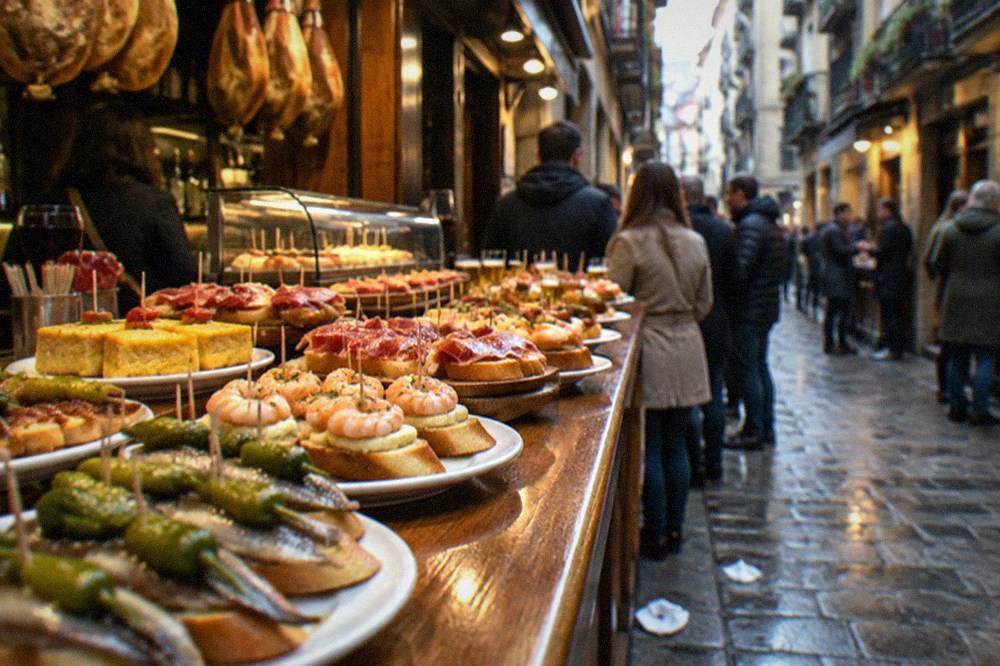
Start with the food, because that is what brings most people. The Michelin table below shows the city's own holdings in the current edition; the province of Gipuzkoa holds 19 stars across 11 restaurants in total, but Martín Berasategui sits in Lasarte-Oria and Mugaritz in Errenteria, both separate municipalities, so neither belongs to a list of places you can walk to from your hotel here. What you can walk to is the pintxo culture of the Parte Vieja, where the eating happens standing up, bar by bar, and where the question is less whether the food is good and more how many bars one evening can hold. If that sentence means nothing to you yet, start with what a pintxo actually is and then move on to where to eat them.
| Stars | Restaurant | Location |
|---|---|---|
| 3 | Akelaŕe | Donostia / San Sebastián |
| 3 | Arzak | Donostia / San Sebastián |
| 2 | Amelia by Paulo Airaudo | Donostia / San Sebastián |
| 1 | iBAi by Paulo Airaudo | Donostia / San Sebastián |
| 1 | Itzuli, new in the 2026 edition | Donostia / San Sebastián |
| 1 | Kokotxa | Donostia / San Sebastián |
The table shows the city's starred restaurants in the MICHELIN Guide Spain 2026. The 2027 edition is announced on 24 November 2026 in Huesca, so treat any star count as belonging to that edition by name.
Then there is the bay itself. La Concha is the postcard, but the council's description carries a practical warning worth repeating: the tide often limits the usable area of the sand. Ondarreta, at the foot of Monte Igueldo, is where the walk to the Peine del Viento sculptures begins, and Zurriola, remodelled in 1994, is the open one, where the council notes a strong swell and where the surf schools cluster. All three beaches share the same lifeguard season, 1 June to 30 September, with full 10:00 to 20:00 cover from 15 June to 15 September. Outside that window you can still walk the sand, you simply swim without the flags. The full beach-by-beach picture is on the beaches guide.
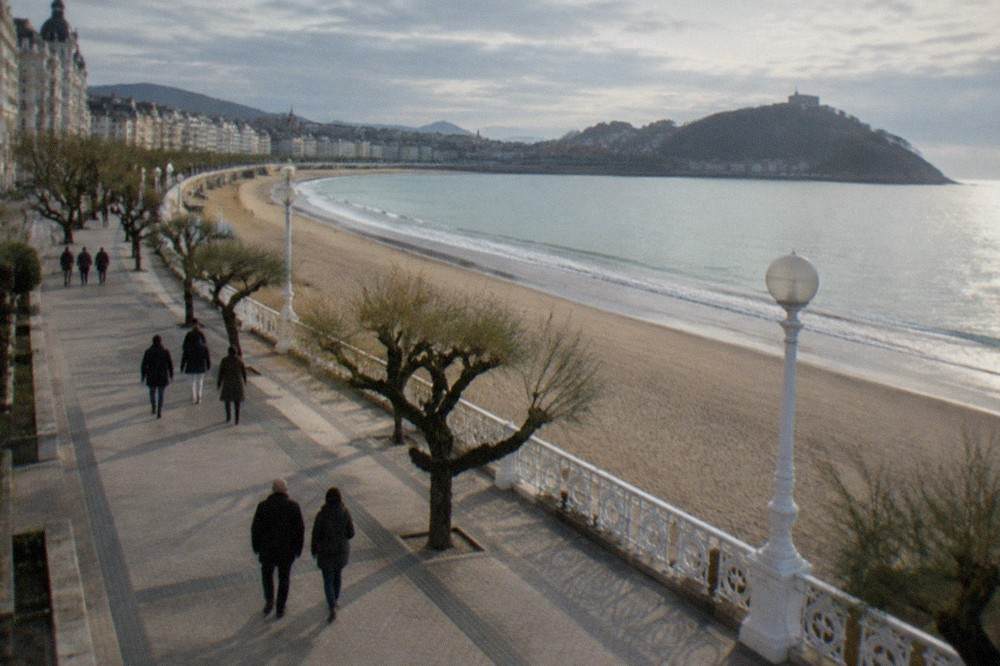
And there is the scale. Monte Urgull, the hill between the Old Town and the sea, is a public park open 08:00 to 21:00 from 1 May to 30 September and 08:00 to 19:30 the rest of the year, with the Casa de la Historia in the old fort at its top. Monte Igueldo, on the other side, has been reachable by a rack funicular with wooden cars since 25 August 1912, which its own site says is the oldest in the Basque Country, and a return adult ticket costs 5.50 EUR, child 2.50 EUR, entry to the grounds included. Between them sits the whole city. That walkability is the quiet reason people who came for two nights keep extending to four.
A first visit rewards a guide more than most cities, because the story of the place, the burnings, the belle éoque promenade, the Basque revival, is not written on the walls. These are the tours this site rates for a first-timer:
How Many Days Do You Need In San Sebastian?
Two full days is the honest minimum and three is the comfortable standard for San Sebastián, because the city itself is small but its two hills, three beaches and Old Town bar circuit eat time faster than their distances suggest. A first day covers the Old Town, La Concha and one hilltop; a second adds the second hill, the Peine del Viento and the serious eating; a third absorbs the weather, the museums and a boat on the bay.
The reason three days beats two is not distance, it is rhythm. Pintxo bars fill up, the funicular queue lengthens after noon, San Telmo Museoa closes on Mondays, and the weather here can take an afternoon away from you without apology. San Telmo is worth a half day on its own: general admission is 10.00 EUR, reduced 4.00 EUR, entry is free for everyone every Tuesday, and the museum runs 10:00 to 20:00 in summer and 10:00 to 19:00 in winter, Tuesday to Sunday. Tabakalera, the old tobacco factory turned culture centre, is free to enter and open Tuesday to Sunday until 21:00. This site has a fuller breakdown at how many days in San Sebastian, but the short planning logic is this: day one for the classic bay and Old Town loop, day two for food and the west side, day three for whatever the rain moved.
A sample shape for three days, using only what is known:
| Day | Morning | Afternoon | Evening |
|---|---|---|---|
| 1 | Old Town and Plaza de la Constitución on foot | Monte Urgull paths and the bay views | Pintxo bars in the Parte Vieja |
| 2 | Funicular up Monte Igueldo, 5.50 EUR return | Ondarreta and the Peine del Viento walk | A booked dinner, starred or otherwise |
| 3 | San Telmo Museoa, free on Tuesdays | Bay boat to Santa Clara island, 5 EUR return | Zurriola and the Gros bars |
The table is a planning frame, not a schedule: every line in it comes from a price or a season the venues themselves publish, and every one of those prices can change. The island boat runs its high season from 1 June to 30 September, departures every 30 minutes from 10:00 to 19:00 weather permitting, and outside that season the operator says to consult departures. Hondalea, Cristina Iglesias' installation in the island's lighthouse, follows the same season, 1 June to 30 September, 11:00 to 18:30, free, no booking needed for the visit itself.
If you would rather have the orientation done for you on day one, a guided walk is the efficient choice. The city highlights walk covers the Old Town and the Romantic Area with separate English and Spanish departures:
Is San Sebastian Expensive?
San Sebastián is one of the pricier cities in Spain for eating and sleeping, but the cost is avoidable in layers: the pintxo bar tier sits far below the starred tier, the beaches and hills cost nothing, and the main museums charge 10 to 14 EUR at most. The tourist tax adds nothing to a 2026 or earlier stay, because the Gipuzkoa law does not take effect until 1 January 2027.
The eating economics deserve their own sentence structure. A city where a three-star tasting menu exists is also a city where the bar culture is the daily default, and the bar culture is built on small plates ordered one at a time, which gives a visitor direct control over the running total. The starred layer is the exception, the bar layer is the rule, and the distance between them is the widest in Spanish eating. This site's cost page goes into the detail, and the expensive-city question answers it directly.
On the tourist tax, be precise, because a lot of secondhand pages get it wrong. Norma Foral 3/2026 of Gipuzkoa, published in the Boletín Oficial del País Vasco on 25 June 2026, takes effect for stays from 1 January 2027. The law sets bands per person per night, from 0.75 to 1.75 EUR for one-star hotels and pensiones up to 4.50 to 6.50 EUR for five-star hotels and tourist-use dwellings, with at most 6 nights charged per stay and under 18s exempt. Each council picks its own rate inside those bands, and the city of San Sebastián's own rate has not been published in an official source this site could verify, so no single figure is printed here. Before 1 January 2027, nobody pays it at all.
| Item | Price or rule | Source level |
|---|---|---|
| dBus city bus, occasional ticket | 1.95 EUR | Operator fare page |
| dBus night ticket | 2.65 EUR | Operator fare page |
| Monte Igueldo funicular, adult return | 5.50 EUR | Funicular's own site |
| Monte Igueldo grounds entry on foot | 3.00 EUR | Funicular's own site |
| San Telmo Museoa general admission | 10.00 EUR | Museum's own site |
| Santa Clara island boat, return | 5 EUR | Operator tariff page |
| Tourist tax before 1 January 2027 | Not charged | Gipuzkoa law, Norma Foral 3/2026 |
The table gathers the fixed, published prices a first visitor is most likely to meet. Beach equipment hire adds more if you want it: the council lists an awning at La Concha or Zurriola at 13.10 EUR a day and a lounger at 3.50 EUR, running 15 June to 30 September.
Does The Rain Ruin A San Sebastian Trip?
No, but it will interrupt one: AEMET's Igeldo station, at 250 metres on Monte Igeldo, records 1,507 mm of rain a year over 141 rain days, and even July, the driest month, averages 86 mm across about 10 rain days. No month averages under 86 mm. The right plan is not to hope for dry weather but to book indoor alternates, museums, markets, cooking classes, alongside the beach and hill days.
The climate table is the single most useful thing a first-time visitor can read, because it corrects the picture most people arrive with. San Sebastián is an Atlantic city, on the same wet coast as Bordeaux, not a Mediterranean one, and the numbers say so plainly. More of these guides are collected on San Sebastian Spain Guide.
| Month | Mean C | Mean max C | Rain mm | Rain days 1mm+ | Sun hours |
|---|---|---|---|---|---|
| Jan | 8.5 | 11.0 | 141 | 13.2 | 98 |
| Mar | 10.3 | 13.4 | 113 | 12.4 | 144 |
| May | 14.4 | 17.7 | 120 | 12.2 | 181 |
| Jul | 18.9 | 21.8 | 86 | 9.8 | 196 |
| Aug | 19.5 | 22.5 | 117 | 10.5 | 190 |
| Sep | 18.0 | 21.1 | 111 | 10.1 | 179 |
| Oct | 15.5 | 18.5 | 159 | 11.8 | 140 |
| Nov | 11.3 | 14.0 | 169 | 13.0 | 102 |
The table shows AEMET's climate normals for the Igeldo station, series 1981 to 2010, for a selection of months; the seafront runs slightly warmer than these values because the station sits 250 metres up. Two honest readings follow. August, the busiest month with 245,769 hotel overnight stays in 2025, is wetter than June, July and September, so the peak month trades crowd for a real chance of showers. And November, at 169 mm, is the wettest month of all, which is one reason the best time to visit question has a more interesting answer than simply "summer".
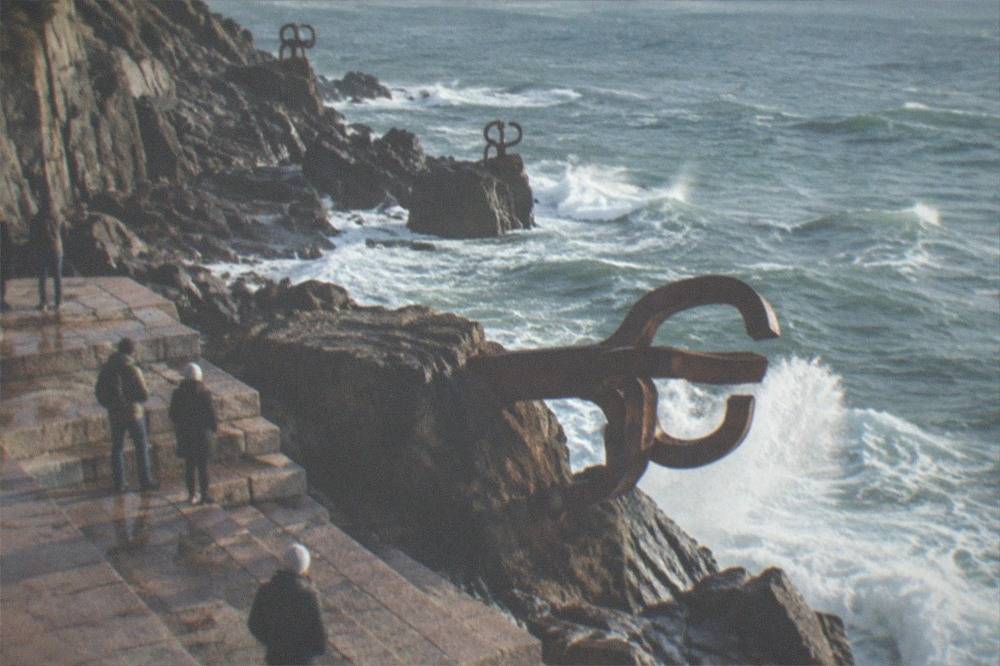
The rain plan writes itself. San Telmo on a wet morning, free on a Tuesday. Tabakalera, free, until 21:00. La Bretxa market, then a cooking class, then a long pintxo evening, because the bars do not close for weather. The city's own tourism board sells the txotx cider house season, which the board dates from the middle of January to the end of April, precisely because that is the time of year the beaches are off the table. A rainy-day plan for the city is worth reading before you pack, and this site keeps one.
Is Donostia Worth Visiting?
Is Donostia worth visiting? Yes, and Donostia is not a different place: it is the Basque name of the same city, whose official municipal name is Donostia / San Sebastián, confirmed by the Orden Foral published in the BOE in 2012. A search for Donostia and a search for San Sebastián lead to the same bay, the same pintxo bars and the same rain. The only practical difference is linguistic, and the city is fully bilingual.
The name question is worth one paragraph because it confuses real bookings. The municipal register records the city as Donostia / San Sebastián, slash and spaces, and either form may be used alone depending on the language. Signage, menus and announcements appear in Basque and Spanish side by side, and English is common in the tourist layer. If a booking site offers you "Donostia" as a destination, it is offering you this city, not a suburb or a rival. This site has a fuller page on the Donostia versus San Sebastian question, and a geography page on where San Sebastian actually is for anyone still placing it on the wrong coast.
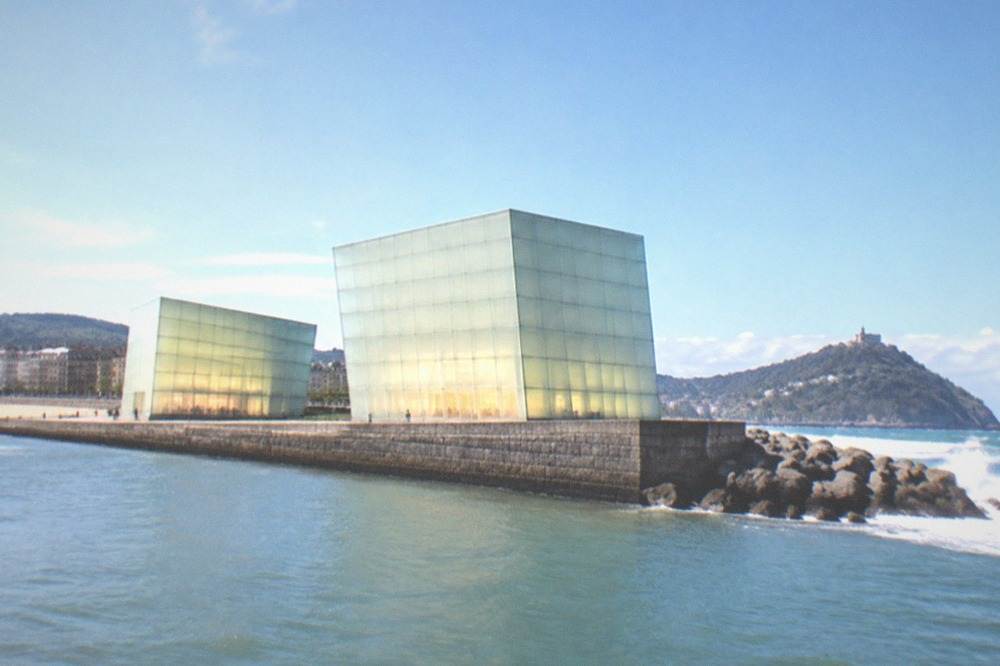
Is It Worth Having A Car In San Sebastian?
Is it worth having a car in San Sebastián? No, for most visits a car is a cost and a parking problem, not a benefit, because the centre is compact, the beaches and hills are walkable, and the local fares are low: the dBus occasional ticket is 1.95 EUR and the MUGI card fare for urban journeys is 0.78 EUR. A car earns its keep only for a multi-stop Gipuzkoa or Rioja road trip, or for reaching trailheads the trains skip.
The arithmetic is one-sided. The city bus network's own fare page prices the occasional ticket at 1.95 EUR paid to the driver, with a night ticket at 2.65 EUR, and the MUGI card system, which covers dBus, Lurraldebus and Euskotren across the whole province, prices an anonymous card journey inside the urban zone at 0.78 EUR. Parking in the centre is scarce and paid. Meanwhile the two things a car would unlock, the coastal villages and the wine country, are already served by rail and coach: the Euskotren Topo line runs from the city's Amara station to Hendaia across the French border, a journey of 37 to 38 minutes at a 2.90 EUR occasional fare, and the day-trip coaches leave from the bus station on set schedules.
| Way to travel | What the verified record states |
|---|---|
| On foot | The Old Town, the three beaches and both hills are connected by promenade and path |
| dBus city bus | Occasional ticket 1.95 EUR, night ticket 2.65 EUR, 1.95 and 2.65 EUR confirmed in the official fare data |
| MUGI card, urban | 0.78 EUR per journey with the anonymous card |
| Euskotren Topo to Hendaia | 37 to 38 minutes, 2.90 EUR occasional fare, roughly every 30 minutes at peak |
| Day-trip coaches | Depart from the bus station for Bilbao, the French Basque Country and the Gipuzkoa coast |
The table summarises what the operators and the open fare data publish. The one caveat is the new underground Topo section under the city: the Basque Government announced in June 2026 that the civil works are finished, but no opening date has been published, so Amara remains the working terminus and no timetable promise beyond that should be trusted.
How Does San Sebastian Compare With Bilbao Or Biarritz?
San Sebastián holds its own against both neighbours, but the honest comparison is qualitative, because the figures here cover San Sebastián only. Bilbao is the bigger city with the Guggenheim and a grittier urban scale; Biarritz is the French surf town directly up the coast, 45 km away by the tourism board's own distance listing. San Sebastián's edge is concentration: bay, beaches, hills and eating in the smallest footprint.
Comparisons are where travel writing cheats most often, so here is the rule this page follows: the numbers below belong to San Sebastián, and the other two cities are described only in character a reader can check. Bilbao sits 105 km away by the tourism board's listing, with direct airport coach service, and it offers an industrial-port city rebuilt around a single famous museum. Biarritz, 45 km, is a French basque resort with surf heritage and a different price language. What neither replicates is the layout here: a 1,350 metre beach that is also a city street, an Old Town you can cross in ten minutes that contains a whole national cuisine in bar form, and two public hills bookending the bay. The trade is that San Sebastián is smaller and wetter than the image in a visitor's head, and the August crowds are real, with July and August together accounting for 22 percent of the year's hotel nights in 2025.
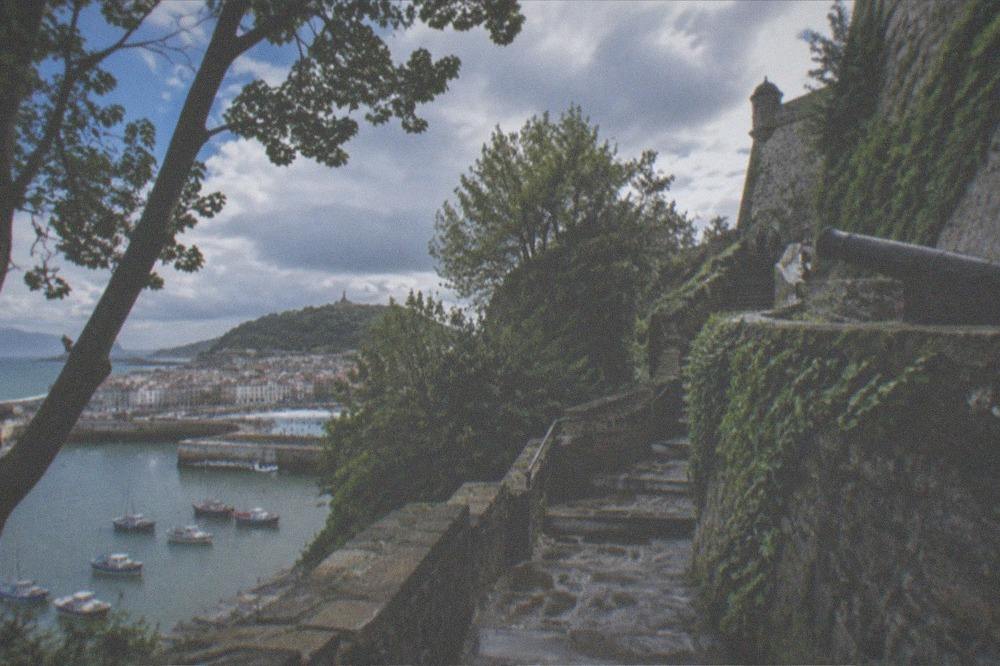
For a day out of the city, the coast and the border country are the standard moves, and several of them run as organised tours from the bus station. The trio below is this site's pick of the day-trip tier, including the half-day to Hondarribia and the Pasajes villages that gives the strongest flavour of the province without a long drive.
What Is Worth Seeing In San Sebastian In Each Season?
The best things to do in San Sebastián change with the calendar more than in most Spanish cities, because the beach season, the regatta season, the film festival and the cider season each own a distinct slot. Beaches and lifeguards run 1 June to 30 September, the La Concha regattas fill the first two Sundays of September, the film festival takes over the city in late September, and the txotx cider season runs from mid-January to the end of April.
The festival calendar is a real reason to time a visit, not a footnote. The tourism board dates the biggest ones precisely:
| Event | Date or rule | What it is |
|---|---|---|
| Tamborrada | 20 January every year | The drumming festival that fills the Old Town from morning |
| Santo Tomás fair | 21 December every year | Rural fair across the city, stalls and txistorra |
| Semana Grande, Aste Nagusia | The week of 15 August, Saturday to Saturday; 2026 ran 8 to 15 August | The main festival, with the International Fireworks Competition |
| La Concha regattas | First two Sundays of September; 2026: 6 and 13 September | Trainera racing, first held 1879, women's flag since 2008 |
| International Film Festival | 74th edition ran 18 to 26 September 2026 | The city's cinema festival, venues around the bay |
| Behobia-San Sebastián race | 61st edition, 8 November 2026 | The cross-border running race from Hendaia |
The table lists the events whose dates the official sources state. Jazzaldia, the jazz festival, held its 61st edition in 2026, and the Quincena Musical ran 2 to 30 August 2026, but their exact dates move each year, so check the festivals before booking around them.
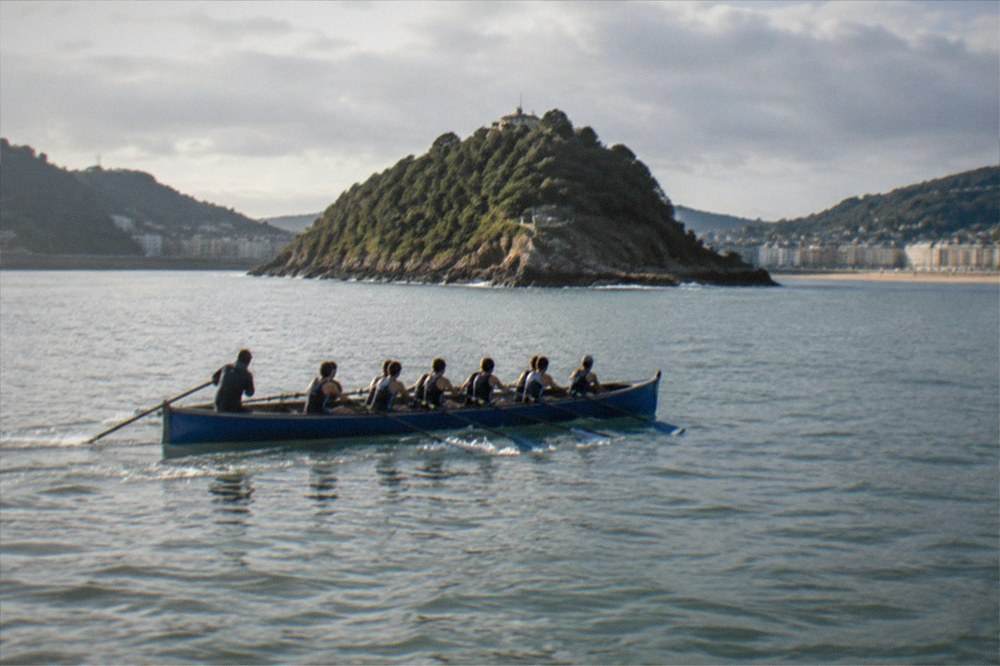
Season by season, the honest pattern is this. Spring, March to May, is the walking and pintxo season: the Camino de Santiago's coastal route passes through the city on its way from Pasaia to Orio, and the hills are green. Summer, June to September, is the beach and festival season, with lifeguards, the island boats and Hondalea all running, and the crowds at their peak. Autumn, October and November, is the wettest stretch, with November's 169 mm the yearly maximum, but also the calmest streets and the film festival. Winter is Tamborrada, the cider houses and the cheesecake-and-coffee city, with January's mean temperature at 8.5 degrees and the sun hours down to 98 for the month.
One more thing belongs on any worth-visiting page: the bay from the water. The short boat with a stop on Santa Clara island costs 5 EUR return in high season and turns the postcard view around, looking back at the city instead of out to sea. It is the cheapest change of perspective in the city:
And for a deeper cut of the city than a walk gives, the Old Town walk with a local's insight into the pintxo bars is the pick of the walking tier:
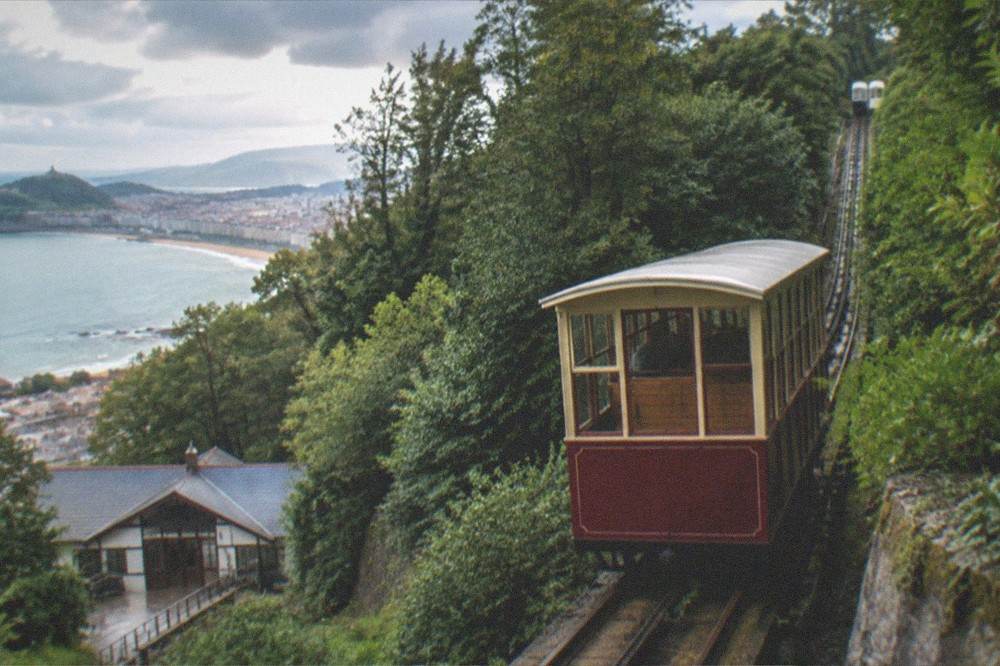
Who Should Skip San Sebastian?
San Sebastián is the wrong choice for three kinds of traveller: anyone who needs a guaranteed sun-and-sand package holiday, because no month here averages under 86 mm of rain; anyone whose main holiday goal is big-city nightlife or blockbuster sightseeing, because this is a small, calm city whose sights are modest in scale; and anyone who cannot or will not pay Basque-city restaurant prices, because the eating is the attraction and it is not the cheapest tier in Spain.
That is the honest reverse of the case. The city is not a theme park of monuments; its cathedral, its basilica and its palaces are fine buildings, not world-famous ones, and the only UNESCO listing that touches the place is the Camino route that crosses it, since the city itself holds no World Heritage inscription. It was European Capital of Culture in 2016, shared with Wrocław, which tells you the cultural programme is the point rather than a single monument. If your ideal day is a beach club and 30 degrees, the Mediterranean coast is a different holiday. If your ideal day is four bars, two viewpoints and a hill, this city is close to unbeatable, and the what the city is known for page expands the case.
For the practicalities, this site's own pages cover the rest: getting to the city, where to stay, and the master list of things to do in San Sebastian.
Common Questions About Visiting San Sebastian
Is San Sebastián, Spain worth visiting?
Yes, for most travellers. The city combines 11 Michelin stars across 6 restaurants in the MICHELIN Guide Spain 2026, three council-run beaches and two walkable hilltop parks in a compact city of under 200,000 people. The trade-off is Atlantic weather: AEMET's Igeldo station records 1,507 mm of rain a year, so pack for showers even in summer.
Is San Sebastian walkable?
Yes, unusually so. The Old Town, all three beaches and the bases of both Monte Urgull and Monte Igueldo sit within roughly half an hour on foot of each other, connected by the La Concha promenade. The hills themselves involve real climbs, and the funicular on Monte Igueldo costs 5.50 EUR return if you would rather ride.
Do they speak English in San Sebastian?
The city is officially bilingual in Basque and Spanish, and English is widely used in hotels, museums and the tourist trade. Menus in the Old Town often carry English translations, and guided tours run in separate English and Spanish departures. A few Basque words, like kaixo for hello, are appreciated but never required.
Is San Sebastian safe for tourists?
Yes, it is considered a safe city by normal European urban standards. The emergency number is 112 and the local police number is 092. The main practical risks are ordinary ones: pickpocketing in festival crowds in August, and swimming outside the lifeguard season, which runs 1 June to 30 September on all three beaches.
When is the best month to visit San Sebastian?
For beach weather with the fewest rain days, July averages 9.8 rain days and 196 sun hours, the best combination in the year, though it is also the busiest period after August. May and September offer milder crowds with 181 and 179 sun hours respectively. November is the wettest month at 169 mm and is best chosen only for the indoor and eating programme.
Is San Sebastian worth visiting in winter?
Yes, if you come for the right things. January holds Tamborrada, the drumming festival on 20 January, and the txotx cider house season runs from mid-January to the end of April. The mean January temperature is 8.5 degrees and the month averages 98 sun hours, so winter here is a food and festival season rather than an outdoor one.
The verdict, in one sentence: San Sebastián is worth visiting for almost everyone who values food, walking and coastal scenery over guaranteed sun, and the rain that comes with the deal is the price of a city that looks the way this one does.