Semana Grande (Aste Nagusia)
Semana Grande, or Aste Nagusia in Basque, is San Sebastián's main festival, always held in the week of 15 August, Saturday to Saturday, and centred on the International Fireworks Competition over La Concha bay.
Short answer
Semana Grande, in Basque Aste Nagusia, is the big annual festival of San Sebastián in the Basque Country, Spain. It always runs the week of 15 August, Saturday to Saturday; the 2026 edition ran 8 to 15 August. Its centrepiece is the International Fireworks Competition, fired over La Concha bay each night of the week.
Semana Grande, called Aste Nagusia in Basque, is the great August festival of San Sebastián, the city on La Concha bay in the Basque Country of Spain whose official name is Donostia / San Sebastián. The tourism board states the rule plainly: the festival always falls in the week of 15 August and runs Saturday to Saturday, and the 2026 edition ran from 8 to 15 August. Its signature event is the International Fireworks Competition, fired over the bay every night of the week, which is why the festival's full local reputation rests as much on what happens over the water as on what happens in the streets. For anyone weighing the whole city against a festival visit, the question of whether San Sebastian is worth visiting answers itself differently in this week than in any other.
The week lands at the peak of the city's visitor year. INE's hotel occupancy survey recorded 245,769 hotel overnight stays in Donostia-San Sebastián in August 2025, the highest month of the year and a little over twice the January figure. Anyone planning to be here for it is planning to be here with everyone else, and this page covers what the festival is, what happens during it, and how to plan around the crowds. The full spread of things to do in San Sebastián the rest of the year is covered on the site's main guide, and this page is the deep dive on the festival week itself.
What Is The Semana Grande In San Sebastian 2026?
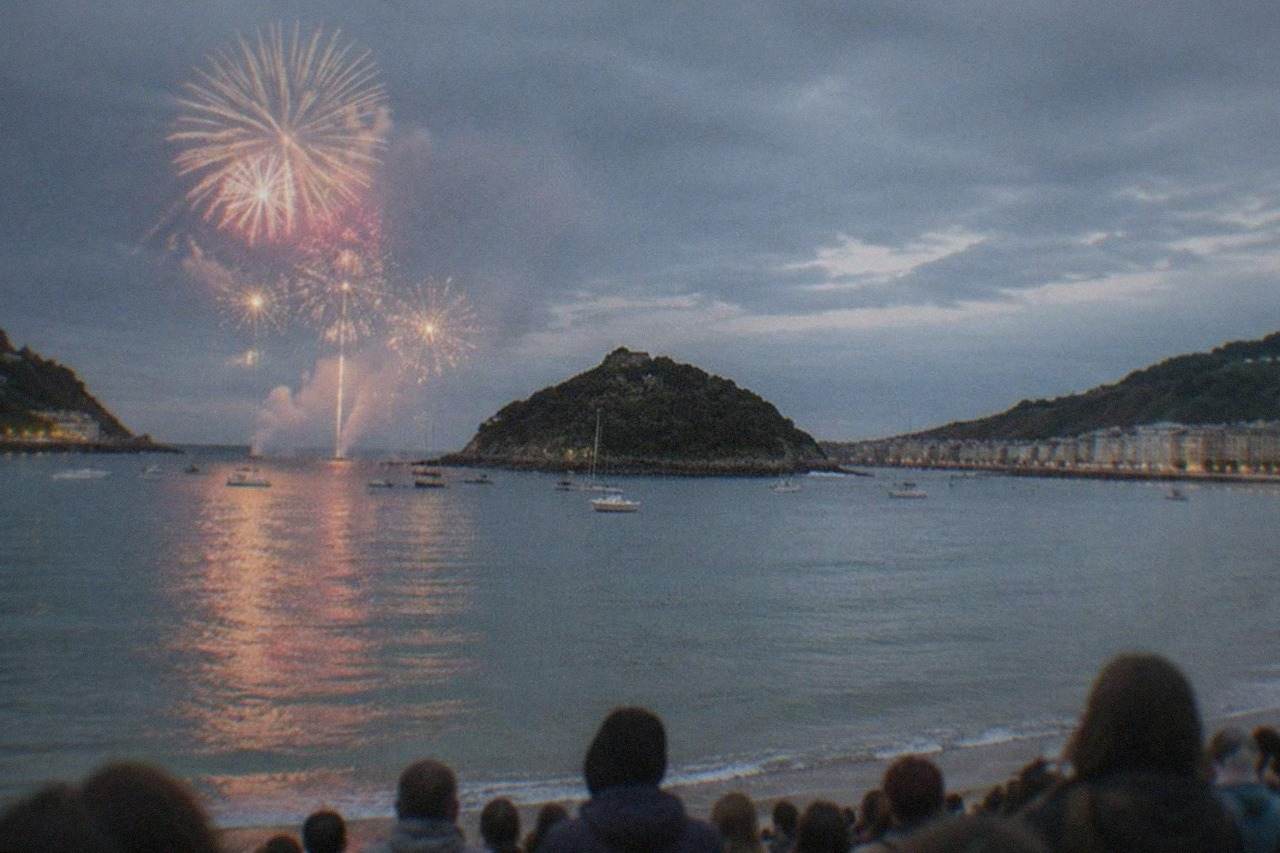
Semana Grande, or Aste Nagusia in Basque, is the main annual festival of San Sebastián in the Basque Country, Spain. The rule is fixed: it always takes place in the week of 15 August, Saturday to Saturday, and the 2026 edition ran 8 to 15 August. The week's defining event is the International Fireworks Competition, with displays fired over La Concha bay on each night of the festival, watched from the beach and promenade.
The tourism board publishes the rule rather than a fixed calendar date, because the Saturdays move with the calendar. That means the dates for any given year have to be checked with the organiser or the tourism board before you book, and the 2026 dates, 8 to 15 August, show the pattern: the festival opens on the Saturday that begins the week containing 15 August and closes on the following Saturday. The 15th itself, the feast of the Assumption, sits inside the week and is a public holiday across Spain, which is part of why the whole week feels like one continuous celebration.
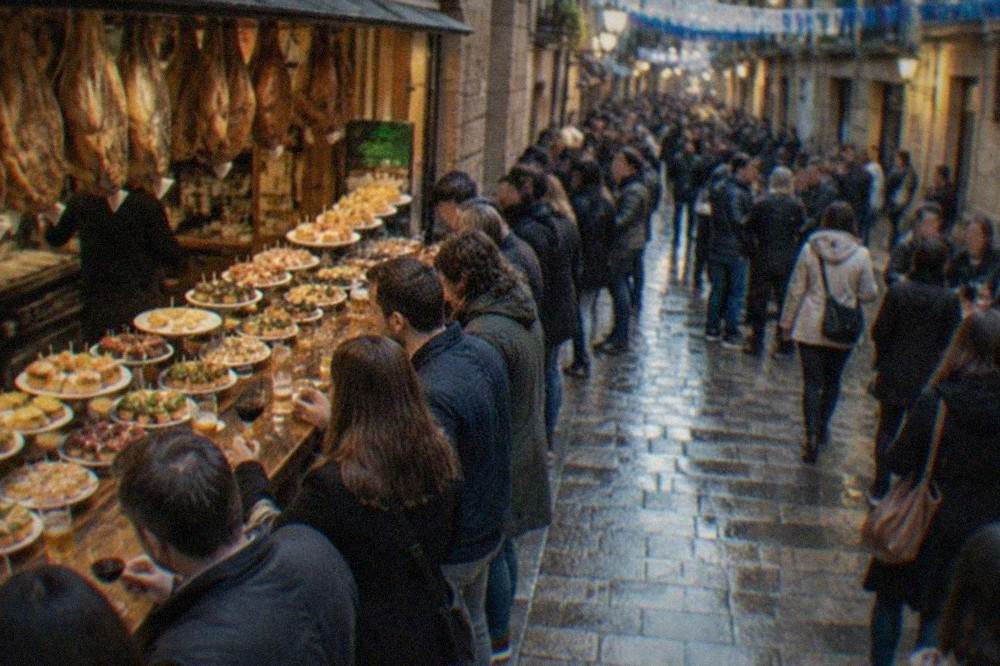
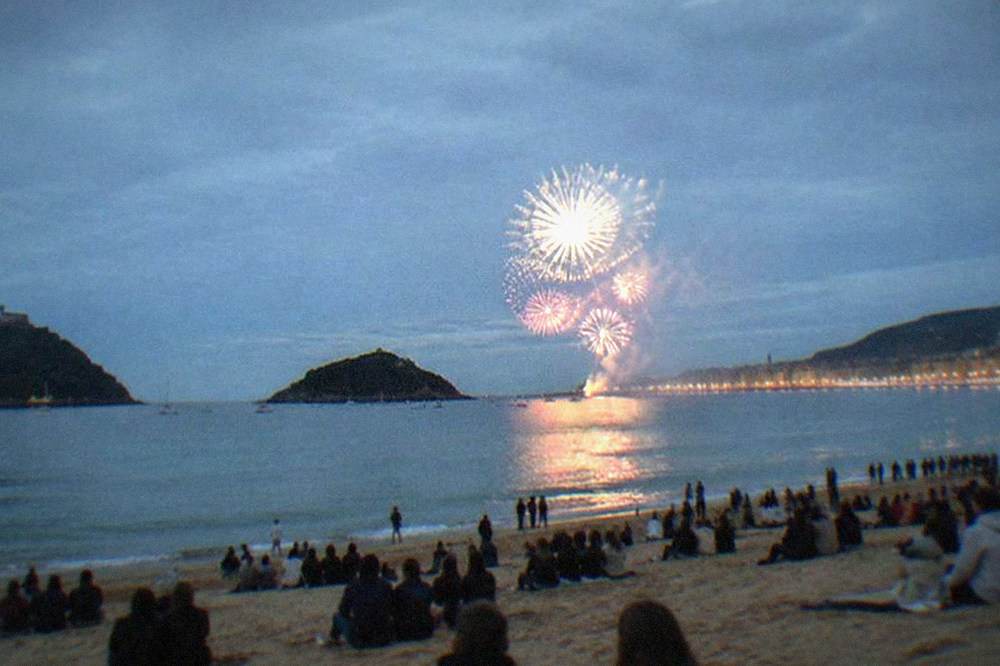
The International Fireworks Competition is the element that makes this festival different from a generic summer street party. Pyrotechnic companies compete, one display per night, over the water of La Concha bay, and the audience stands on the sand or along the promenade with the illuminated Monte Igueldo funicular and the Peine del Viento coastline behind the bursts. It is free to watch from the beach, and the whole city orients its evening around the schedule. The bay itself, one of the most photographed urban beaches in Europe, has its own page on La Concha beach for visitors who want the non-festival version of it.
The festival sits inside a dense cultural summer. Quincena Musical, the city's classical music festival, ran its 87th edition from 2 to 30 August 2026, which overlaps Semana Grande entirely, and the San Sebastián International Film Festival follows in September, holding its 74th edition from 18 to 26 September 2026. August in this city is not a quiet month with one party added; it is a programmed festival season with Semana Grande at its centre, and the wider question of what San Sebastian is known for is impossible to answer without it.
What Is The Big Week In San Sebastian?
"The big week" is the literal translation of Semana Grande, and Aste Nagusia means exactly the same thing in Basque: the big week. It is the local name for the festival of the week of 15 August in San Sebastián, Basque Country, Spain, the same event described by both names, with the fireworks competition over La Concha bay as its nightly centrepiece and the Saturday to Saturday format as its fixed structure.
The two names are interchangeable on the ground. Spanish speakers say Semana Grande, Basque speakers say Aste Nagusia, and official tourism material uses both. If you see "Aste Nagusia" on a poster or a programme, it is not a different festival, it is the same week. This matters for searchers too, because the festival is widely written about under either name, and some listings only carry one of them. The story of the city's two names, Donostia and San Sebastián, is told on the Donostia or San Sebastian page.
The big week is also, in practical terms, the big week for the city's hotels. The INE hotel figures for Donostia-San Sebastián show August as the peak month, and the festival week is the peak of the peak. The table below puts the month in context using the 2025 hotel overnight stays from INE's occupancy survey, which covers hotels only.
| Month 2025 | Hotel overnight stays | Month 2025 | Hotel overnight stays |
|---|---|---|---|
| January | 115,910 | July | 239,124 |
| February | 119,367 | August | 245,769 |
| March | 156,670 | September | 216,759 |
| April | 200,055 | October | 207,158 |
| May | 205,326 | November | 147,334 |
| June | 211,534 | December | 134,960 |
August 2025's 245,769 stays were the year's highest, and July and August together accounted for roughly a fifth of the year's hotel nights. The share of those stays by residents abroad was 63.7 percent, which tells you the festival week draws an international crowd alongside the Spanish holidaymakers.
What Is The San Sebastian August Festival 2026?
The San Sebastián August festival in 2026 was Semana Grande, or Aste Nagusia, held from Saturday 8 August to Saturday 15 August 2026, following the fixed rule that the festival always occupies the week of 15 August. The International Fireworks Competition ran nightly over La Concha bay through that week, and the city's Quincena Musical classical festival overlapped it with its 87th edition from 2 to 30 August 2026.
For 2027 and every year after, the dates shift with the calendar while the rule stays the same: the Saturday that opens the week containing 15 August is the first day, and the following Saturday is the last. The tourism board states the Saturday to Saturday rule on its Semana Grande page, and that page is the place to confirm the dates for the year you travel. This guide will not guess a future year's dates, and neither should you when booking. The same caution applies to the city's other big events, which is why the site keeps a page on what the festival in San Sebastian Spain 2026 was rather than a page of guessed 2027 calendars.
The festival week is also the busiest week of the year for the city's pintxo bars, and it rewards visitors who plan where to eat rather than drifting. The Old Town, the Parte Vieja, fills to its edges on fireworks nights, and a guided food walk is one way to get a table in the crush. The premium pintxo tour with reserved seating and a market visit runs during the festival period, and its listing carries the current price and availability.
What Happens During The Days Of Semana Grande?
The published structure of Semana Grande is the fireworks competition each night over La Concha bay, plus a programme of street activity across the festival week in San Sebastián: concerts, fairground attractions and crowd events in the city centre, with the Old Town and the seafront as the main stages. The tourism board's festival page is the source for the full day-by-day programme each year, because the individual daytime and evening events change from edition to edition.
The fixed spine of the week is the fireworks. Each night of the festival, a competing pyrotechnic company fires a display over the bay, and the competition has an international field. The audience gathers on La Concha beach and the promenade, and the display is visible from much of the seafront. Beyond that spine, the programme is published edition by edition: the tourism board lists the festival under its fiestas section and publishes the year's programme there.
The festival week sits inside the city's wider summer calendar, and the table below shows the annual rules the tourism board publishes for the other major events, so you can see what else is on in the weeks around the fireworks.
| Event | Annual rule or 2026 date | Notes |
|---|---|---|
| Semana Grande (Aste Nagusia) | Always the week of 15 August, Saturday to Saturday | 2026 ran 8 to 15 August; includes the International Fireworks Competition |
| Quincena Musical | 87th edition ran 2 to 30 August 2026 | Classical music festival, overlaps the festival week |
| La Concha regattas (Bandera de La Concha) | First two Sundays of September | 2026: 6 and 13 September; women 11:00, men 12:00; first held 1879 |
| San Sebastián International Film Festival | 74th edition, 18 to 26 September 2026 | Follows the festival month |
| Jazzaldia | 2026 was the 61st edition | Exact dates published by the festival each year |
| Tamborrada | 20 January every year | The city's drum festival, in winter |
| Santo Tomás fair | 21 December every year | Winter fair day |
| Behobia-San Sebastián race | 61st edition, 8 November 2026 | Road race into the city |
The regattas deserve a special mention for August visitors who stay on into September: the Bandera de La Concha, first rowed in 1879, with a women's flag since 2008, is held on the first two Sundays of September, so the bay that hosts the fireworks in August hosts competitive rowing a few weeks later. If your trip spans the change of month, you may catch both.
Where To Watch The Fireworks In San Sebastian?
The fireworks of Semana Grande are fired over La Concha bay, and the standard place to watch them is La Concha beach and its promenade, which the council lists as a 1,350 metre sandy beach. The displays are free to watch, and the beach fills early on competition nights, so the practical advice is to arrive well before the scheduled start and pick a spot with a clear line to the water.
The bay's geography does most of the work. La Concha curves between Monte Urgull and Monte Igueldo, and the beach faces the water where the displays are fired, so almost any spot on the sand has a view. Ondarreta, the council's 600 metre beach at the west end of the bay, and the area around the Peine del Viento at its far western tip also face the water. The council describes the walk to the Peine del Viento as starting from Ondarreta's west end. The full set of San Sebastian beaches gives the alternatives for daytime hours between fireworks nights.
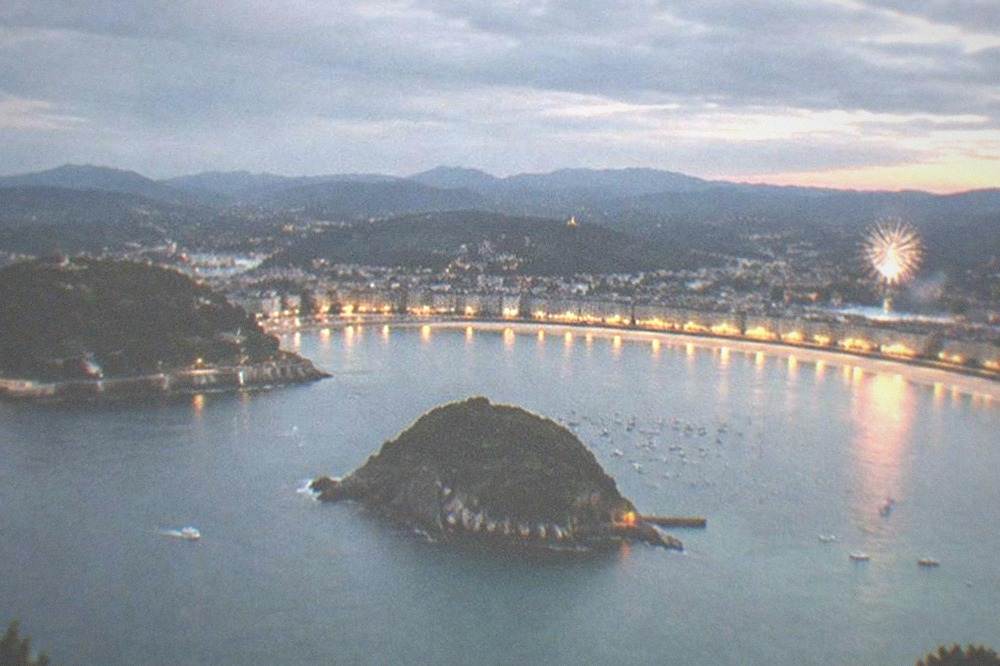
One thing to hold onto during the festival week: it rains here. AEMET's normals for its Igeldo station show August averaging 117 mm of rain over about 10.5 rain days, which is more rain than June, July or September average. The seafront usually runs slightly warmer and drier than the station's readings, since the station sits 250 metres up on Monte Igeldo, but a fireworks night can still be a wet one, and a light rain layer is not overcautious in this city in any month. The month-by-month detail lives on the San Sebastian weather page.
Is Semana Grande A Good Time To Visit San Sebastian?
Semana Grande is the best time to visit San Sebastián if you want the festival itself: nightly fireworks over La Concha bay, a full street programme and the city at its most animated, with the 87th edition of the Quincena Musical classical festival overlapping in 2026. It is the worst time to visit if you want quiet, cheap or empty: August is the city's peak hotel month, with 245,769 hotel overnight stays in August 2025, and the festival week is the busiest of it.
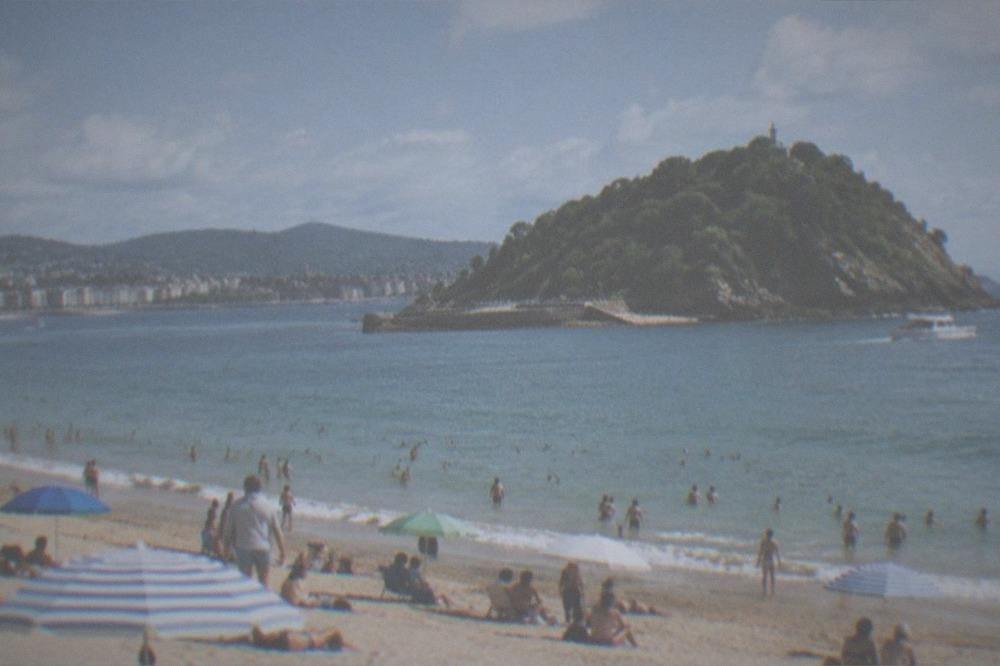
The honest framing is that you are choosing between atmosphere and calm. The city's beaches are at full service in August: the council states the lifeguard season on all three beaches runs 1 June to 30 September, with hours of 10:00 to 20:00 from 15 June to 15 September. Parasol and awning hire runs 15 June to 30 September, with an awning at La Concha or Zurriola at 13.10 EUR a day and a lounger at 3.50 EUR. The sea is at its warmest of the year, with AEMET's normals showing an August mean of 19.5 degrees and a mean maximum of 22.5.
The table below pulls the August numbers together with the neighbouring months, from AEMET's published normals for the Igeldo station, period 1981 to 2010.
| Month | Mean C | Mean max C | Rain mm | Days with 1 mm+ rain | Sun hours |
|---|---|---|---|---|---|
| June | 16.9 | 20.0 | 90 | 10.6 | 189 |
| July | 18.9 | 21.8 | 86 | 9.8 | 196 |
| August | 19.5 | 22.5 | 117 | 10.5 | 190 |
| September | 18.0 | 21.1 | 111 | 10.1 | 179 |
| October | 15.5 | 18.5 | 159 | 11.8 | 140 |
Note the shape of that table: August is the warmest month but not the driest, and September, with the regattas and the film festival, is nearly as warm with less rain. Visitors chasing the festival come in August; visitors chasing the city with fewer people often do better in September or in the shoulder months covered on the best time to visit page.
Where To Eat And Drink During The Festival Week?
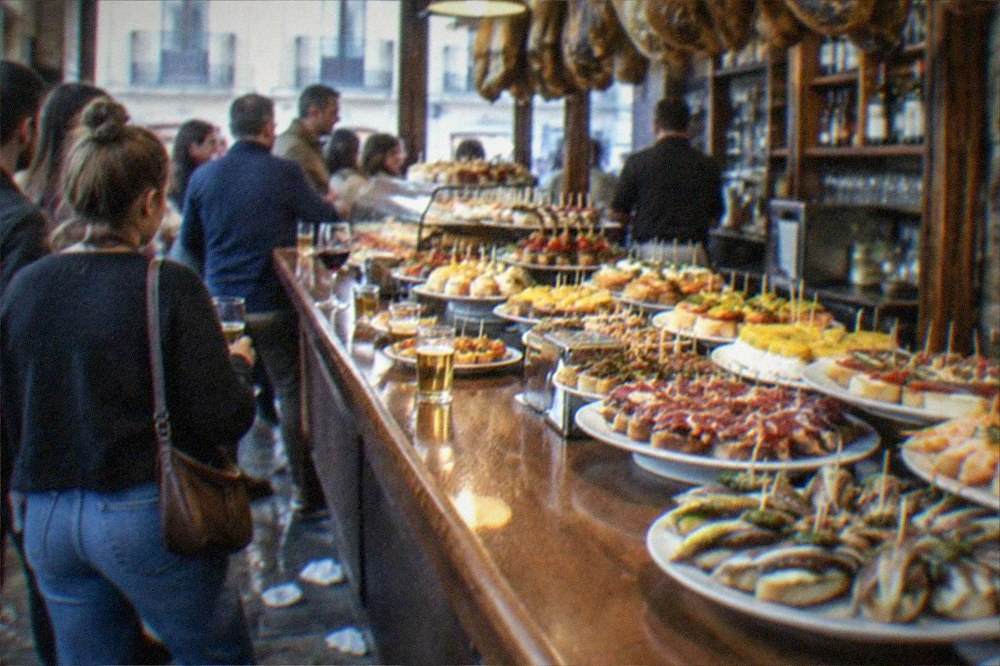
The Old Town, the Parte Vieja, is the centre of eating and drinking during Semana Grande, and its pintxo bars are the city's signature evening activity, but the festival week pushes them to capacity on fireworks nights. The practical options are three: book ahead where a bar takes bookings, go early before the post-fireworks surge, or join a guided pintxo tour with reserved seating, such as the premium pintxo, wine and market tour, whose listing shows the current price and departure times.
Pintxos are the small bites served on the counters of the Old Town's bars, and the festival week is their busiest test of the year. What a pintxo actually is, and how it differs from a tapa, is explained on the what are pintxos page. The bars cluster in the Parte Vieja and around the Boulevard, and the evenings run late, with the fireworks audience spilling out of the beach and into the bars afterwards. A tour with reserved seats removes the queueing problem entirely, and the premium tour pairs its bar stops with a guided visit to Mercado de la Bretxa, the city's central market.
For a different register of the same food culture, the small-group Old Town pintxo and wine crawl covers bars, restaurants and gourmet shops in a group format, and its own listing carries the current rating and availability. Both tours have their own pages on this site, and both run through August. The bars themselves, and where to find the best of them outside festival week, are covered on the best pintxos bars page.
If you want the food culture without the crowds at all, the cider houses offer it in a different setting. The txotx season, when cider is poured straight from the barrel, runs from the middle of January to the end of April by the tourism board's rule, so it does not overlap the festival, but the farmhouse and cider house day trip with its included meal runs year-round and shows a side of Basque eating the Old Town cannot fit. The cider houses page explains the ritual and the meal in full.
How Do You Get Around San Sebastian During The Festival?
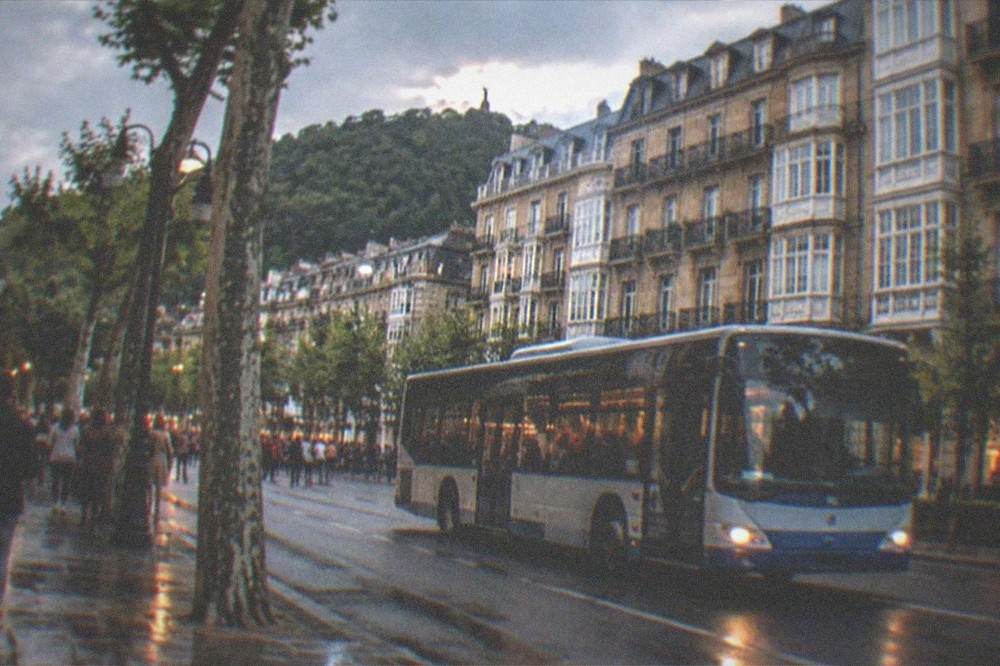
The city centre of San Sebastián is compact and walkable, and during Semana Grande most festival activity is within walking distance of the Old Town and the bay, so the honest answer is that you mostly do not need transport at all. For the trips you do need, the dBus city network charges 1.95 EUR for an occasional cash ticket and 2.65 EUR for the night ticket, and the MUGI card system covers city buses, Lurraldebus regional buses and the Euskotren Topo line under one fare structure.
The dBus fare page states both cash prices, and notes that cash payment does not allow free transfers, which matters on festival nights when you might otherwise hop between neighbourhoods. The MUGI tariff table gives the card prices: 0.78 EUR for an urban trip with the anonymous card against the 1.95 EUR cash fare, so a card pays for itself quickly on a multi-day stay. The Topo line, the Euskotren service from Amara-Donostia towards Hendaia, takes 37 to 38 minutes for that cross-border run, though the festival itself never requires it.
The transport table below gathers the fares the operators themselves publish.
| Ticket | Price | Source detail |
|---|---|---|
| dBus occasional cash ticket | 1.95 EUR | No free transfers on cash |
| dBus night ticket | 2.65 EUR | Special night fare |
| MUGI anonymous card, urban (1 and 0 jumps) | 0.78 EUR | Covers dBus, Lurraldebus, Euskotren |
| MUGI occasional ticket, 1 jump | 2.90 EUR | Matches the Topo Amara to Hendaia fare |
| Monte Igueldo funicular, adult return | 5.50 EUR | Includes entry to the grounds |
| Santa Clara island boat, red line return | 5 EUR | High season 1 June to 30 September |
Two of those rows are festival-adjacent. The Monte Igueldo funicular, opened in 1912 and described by the tourism board as the oldest in the Basque Country, carries visitors to the hilltop viewpoint above the bay where the fireworks are fired, and its own site notes that the return ticket includes entry to the grounds; the hill itself has a full page on Monte Igueldo. The island boat's high season, 1 June to 30 September, covers the whole festival week, and a trip out to Santa Clara island gives a view of the bay from the water between fireworks nights.
What Should You Know Before Booking A Trip For The Festival?
Book accommodation early and expect peak pricing, because Semana Grande week is the busiest of the year in a city whose August hotel stays, 245,769 in 2025, are already the annual peak. Confirm the festival dates for your year from the tourism board's rule, the week of 15 August Saturday to Saturday, before locking flights. No tourist tax is charged in San Sebastián before 1 January 2027, so trips in 2026 are unaffected by the Gipuzkoa law that takes effect then.
That tax point is worth stating precisely, because the law is real but not yet in force. Norma Foral 3/2026 of Gipuzkoa, published in the Basque Official Gazette on 25 June 2026, takes effect from 1 January 2027 and sets bands per person per night, with at most six nights charged per stay and under 18s exempt. Each council sets its own rate inside the bands, and the city of San Sebastián's own rate is not yet published, so any trip before 2027 involves no tourist tax at all.
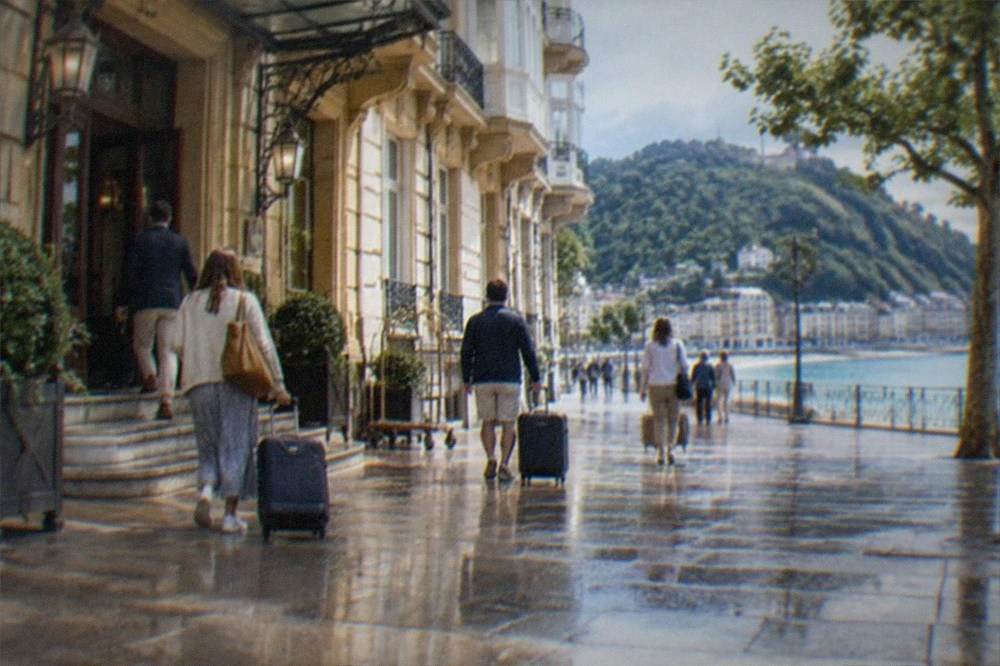
Beyond the tax, the planning basics for the week are these. The beaches run their full summer service, with lifeguards until 20:00 through 15 September. The city's museums keep their normal rules: San Telmo Museoa, whose general admission is 10.00 EUR with free entry for everyone every Tuesday, sits right on the edge of the Old Town and makes a good daytime counterweight to the festival nights. And the weather will be warm but not reliably dry, so plan at least one indoor option for a wet evening, of which the city has plenty. How many days to give the city in total is answered on the how many days in San Sebastian page, and the honest answer during festival week is one more than you think.
For a self-guided structure to the days between fireworks, the city essence and culture audio tour runs as a phone-based walk of the main sights, and its listing shows the current price; it is a way to see the centre with a narrative attached while keeping your evenings free for the bay.
The wider festival context of the city, including the answer to what the festival in San Sebastian Spain 2026 was, is covered on the festival answer page, and the full year of sightseeing on the main things to do in San Sebastian guide. For the week itself, the tourism board's programme is the final word on what is on each day, and this site's own San Sebastian Spain Guide covers the city around it.
Common Questions About Semana Grande In San Sebastian
What is the Semana Grande in San Sebastian 2026?
Semana Grande, or Aste Nagusia, is the main August festival of San Sebastián in the Basque Country, Spain. The 2026 edition ran from Saturday 8 August to Saturday 15 August, following the fixed rule that the festival always occupies the week of 15 August, Saturday to Saturday. Its nightly centrepiece is the International Fireworks Competition over La Concha bay.
What is the big week in San Sebastian?
The big week is the literal translation of Semana Grande, and Aste Nagusia means the same in Basque. Both names refer to the same festival, the week of 15 August, and official tourism material uses them interchangeably. It is not a separate event.
What is the San Sebastian August festival 2026?
The San Sebastián August festival in 2026 was Semana Grande, held 8 to 15 August, with the International Fireworks Competition firing nightly over La Concha bay. The Quincena Musical classical festival overlapped it, running its 87th edition from 2 to 30 August 2026. For later years, the dates follow the week of 15 August rule, Saturday to Saturday.
When is Semana Grande held each year?
Always in the week of 15 August, running Saturday to Saturday, as the tourism board states. Because the calendar shifts, the exact dates move each year, so confirm them with the tourism board or the organiser for the year you plan to travel before booking anything non-refundable.
Is the fireworks competition free to watch?
Yes. The International Fireworks Competition is fired over La Concha bay and watched from the beach and promenade, which are public. Arrive well before the scheduled start time on competition nights, because the beach fills early during the festival week.
Does it rain during Semana Grande?
It can. AEMET's normals for its Igeldo station show August averaging 117 mm of rain over about 10.5 rain days, which is wetter than June, July or September on average. The seafront runs slightly warmer than the hilltop station readings, but a rain layer is still sensible packing for this city in any month.
The festival week, in the end, is the one week of the year when San Sebastián's two great public spaces, the bay and the Old Town, are both working at full tilt at once, and the visitors who enjoy it most are the ones who book the room early, confirm the dates from the rule, and give the pintxo bars a plan rather than a hope.