The Gilda: San Sebastian's Original Pintxo
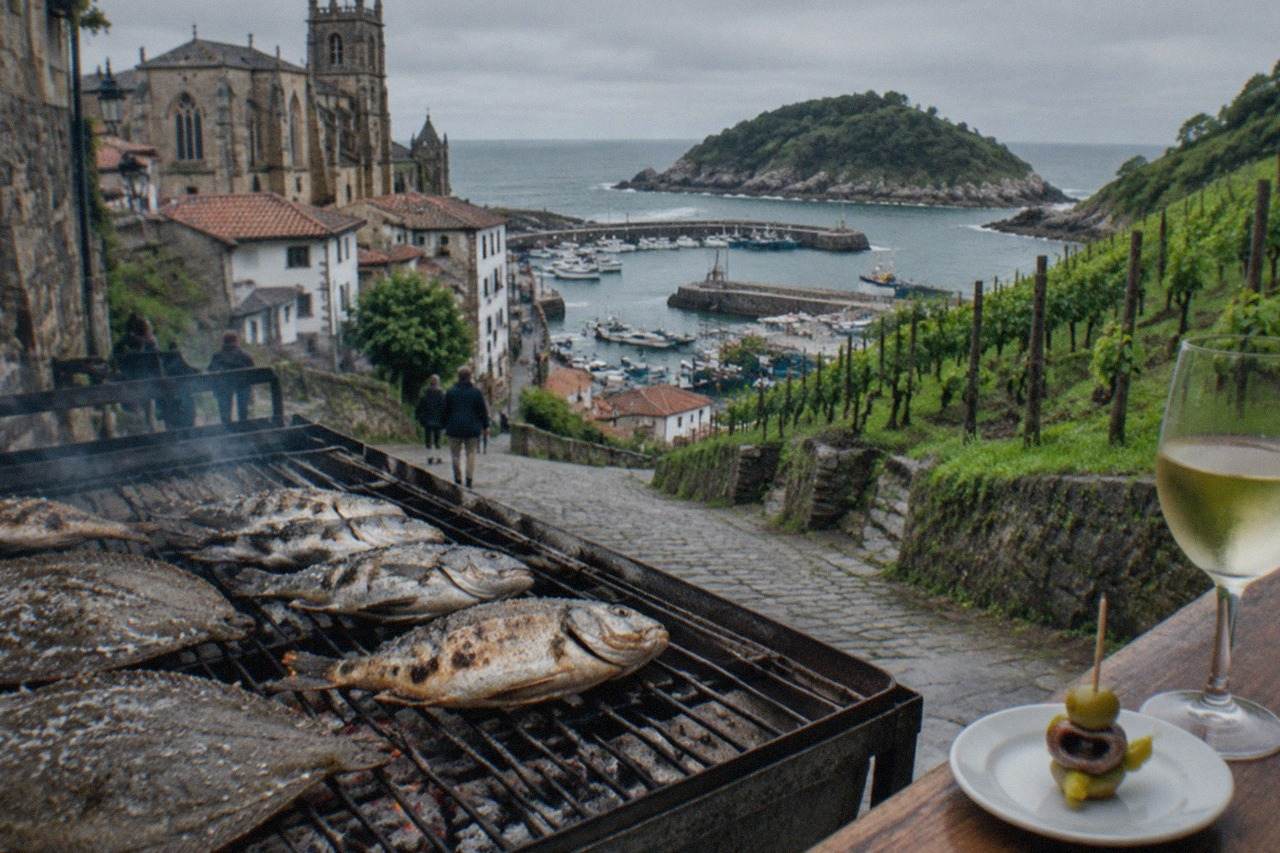
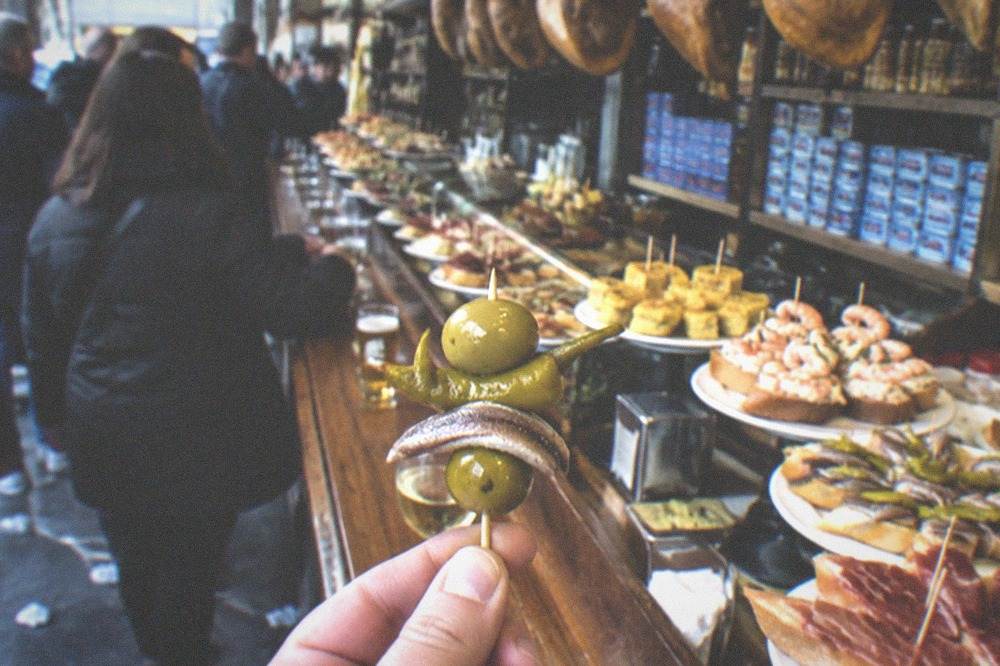
The gilda is the pintxo that defines San Sebastián: an anchovy, a pickled Basque chilli and an olive on a toothpick, salty, sharp and cold, ordered standing at a bar in the Old Town with a glass of txakoli.
Short answer
A gilda is a pintxo made of three ingredients on a skewer: a salted anchovy, a pickled Basque guindilla chilli and a green olive, usually the fat gordal type. It is eaten cold, in one or two bites, standing at the bar, and it is the pintxo most closely identified with San Sebastián in the Basque Country, Spain.
The gilda is the pintxo that defines San Sebastián, the Basque city on La Concha bay whose official name is Donostia / San Sebastián: a salted anchovy, a pickled guindilla chilli and a green olive, skewered together on a toothpick and eaten cold, standing at the bar. It is small, aggressive and unforgettable, a mouthful of salt, vinegar and oil that works as an appetite opener rather than a meal, and it is the one bite that every pintxo bar in the Old Town is measured against. This page explains what a gilda is, where its name comes from, how it is built, what to drink beside it, how locals actually eat it and where to find the versions worth crossing the city for.
What Is A Gilda Pintxo In San Sebastian?
A gilda is a cold pintxo built on a single toothpick: a filleted salt-cured anchovy wrapped around or threaded with a pickled Basque guindilla chilli and a green olive, usually the large gordal type. It is eaten in one or two bites at the bar, never heated, never plated, and it is treated in San Sebastián as the reference point of the whole pintxo tradition, the skewer that every bar keeps on its counter as a matter of pride.
The word pintxo itself means "spike" or "skewer" in the Basque spelling used in this city, and the gilda is the most literal expression of the idea: everything on the stick, nothing beside it, nothing warm. It belongs to the family of skewered pintxos rather than the mounted slices of bread that dominate bar counters elsewhere in Spain, and it is the oldest and simplest of them. If you are new to the whole tradition, start with the guide to what pintxos actually are, then come back here, because the gilda only makes full sense once you understand that a pintxo bar is a place for many small, intense bites rather than one ordered dish.
The gilda works because of contrast. The anchovy brings salt and the deep savoury character of a properly cured fish, the guindilla brings a soft pickled heat and a clean vinegar snap, and the gordal olive brings fat, bitterness and bulk. None of the three is cooked, so the quality of each raw ingredient is the whole dish. A lazy anchovy from a tin of brine cannot hide behind a chilli, and a bar that cares about its gilda is telling you something about everything else on its counter.
Where Does The Gilda's Name Come From?
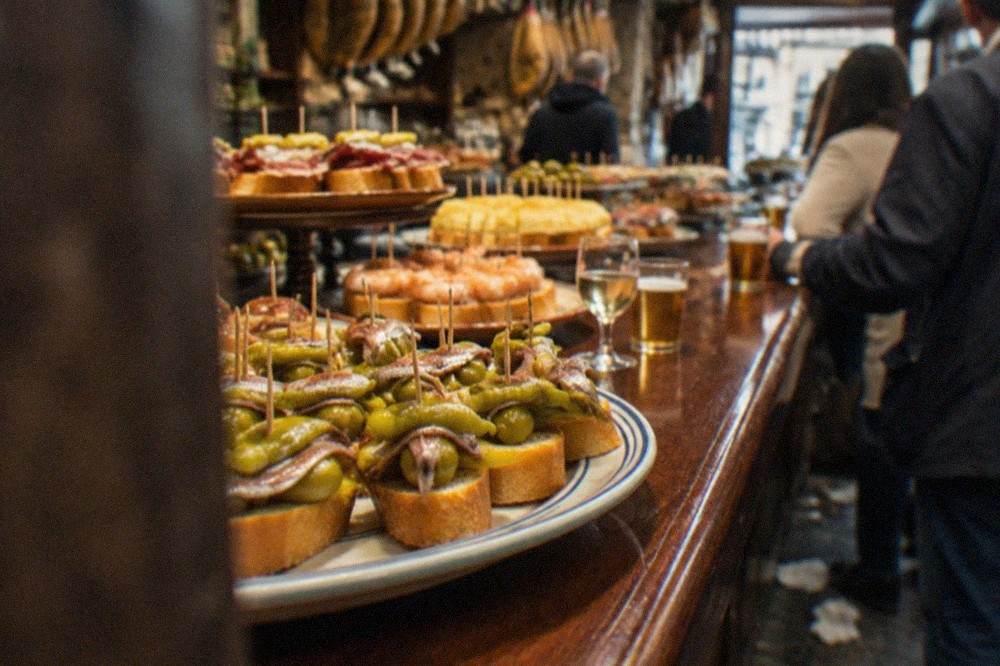
The gilda takes its name from the Hollywood film Gilda, whose title character was described in the story of the pintxo's invention as "the first bite that is never enough", salty, green and a little fiery in temperament. The skewer was born in a bar in the city, in the years after the Spanish Civil War when Basque bars were rebuilding their counters, and the name stuck because the personality of the character and the personality of the pintxo matched exactly.
The naming story is told across the city's bars and repeated by the tourism board's gastronomy pages: the film gave the pintxo its name, and the pintxo gave the city a mascot. Whatever version of the origin you hear, and several bars have claimed the first skewer over the decades, the constant is the comparison. Gilda the character was green, sharp and dangerous to know. The pintxo is green from the olive and the chilli, sharp from the vinegar, and dangerous in the way all good pintxos are dangerous: you cannot stop at one.
That origin matters for how you eat it. The gilda was born as an appetite opener, something to stand at the bar with while you decided what to eat next, and it has kept that role. Ordering a gilda and a small glass of something cold is how an evening in the Old Town begins, not how it ends. The wider guide to pintxos in San Sebastián covers how that evening usually unfolds, bar to bar, but the gilda is always the opening move.
A guided crawl is one way to meet the gilda properly, because the guide who leads it will walk you past the tourist-facing counters and into the bars where the anchovy is cured with care. The alternative is to build your own route, and the rest of this page gives you everything you need to do that.
How Is A Gilda Made, Piece By Piece?
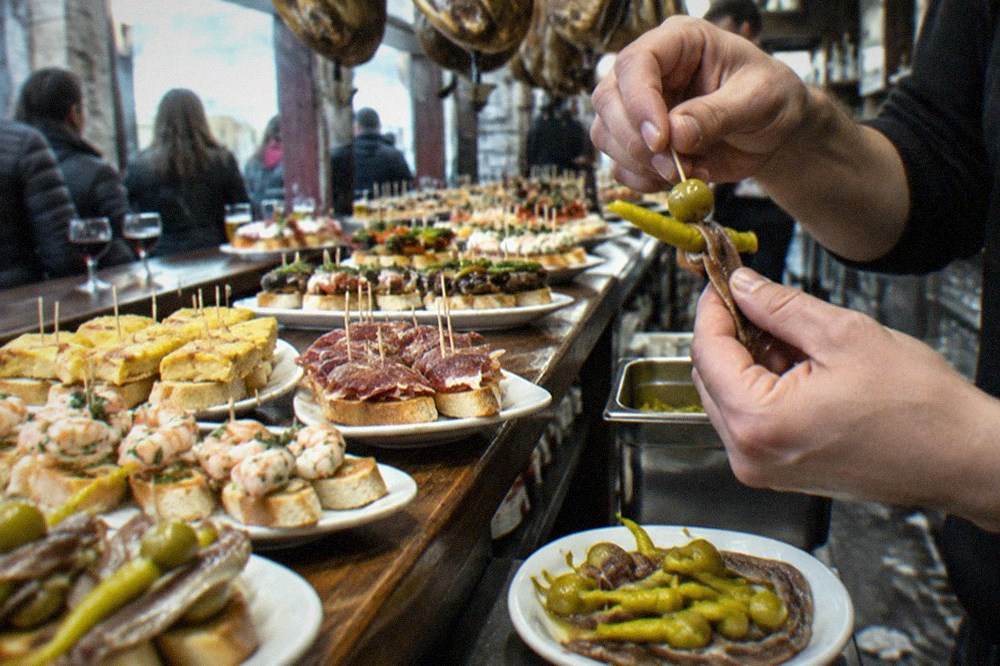
A gilda is assembled, not cooked: a filleted anchovy, cured in salt and oil, is threaded onto a toothpick with a pickled guindilla chilli, the thin green Basque pepper, and a gordal olive, the fat Seville-style green olive. The classic order on the skewer runs anchovy, chilli, olive, and the anchovy is often wound around the chilli so the three eat as one bite. Nothing touches heat, and the assembly takes seconds.
Each component has a job, and the table below breaks them down.
| Component | What it is | What it contributes |
|---|---|---|
| Anchovy | A salt-cured fillet, packed in oil, Basque or Cantabrian curing | Salt, umami depth, the body of the bite |
| Guindilla | A thin green chilli pickled in vinegar, a Basque preserve | Gentle heat, acidity, the snap |
| Gordal olive | A large green olive, sometimes stuffed with a red pepper | Fat, bitterness, bulk and texture |
| Toothpick | A short wooden skewer | Holds the three together so they eat as one |
The anchovy is the component that separates a good gilda from a great one. Cantabrian and Basque anchovies are cured in salt for months before they are filleted and packed in oil, and their flesh stays firm and rosy rather than dissolving into brine. Bars that cure their own, or buy from a named conservas house, put that on display, and a gilda made with a serious anchovy tastes like a different dish from one made with a bargain tin.
The guindilla is the quiet hero. It is not a hot pepper in the fresh-chilli sense: pickled, it delivers a mild warmth and a lot of vinegar, which is what cuts the oil of the anchovy and the fat of the olive. The gordal olive, the big green Seville olive, is usually stuffed with a strip of red pepper, which adds a sweet note that rounds the bite off. Some bars thread a second anchovy, some use a smaller olive, some add a caper, and every variation has defenders, but the three-part version is the one the name belongs to.
What Should You Drink With A Gilda In San Sebastian?
The classic pairing for a gilda is txakoli, the young, lightly sparkling white wine of the Basque coast, poured cold and from a height so the bubbles wake up; dry cider in txotx season and a small beer are the two other standard answers. All three work because the gilda is salty and vinegary, and the drinks that cut it are dry, cold and acidic rather than rich.
Txakoli is the local white, grown mostly along the Gipuzkoa coast around Getaria, and its high acidity and slight spritz are built for exactly this kind of bite. The full guide to txakoli explains how it is made and why the traditional pour drops the bottle a long way into the glass. The short version here: the wine is young, pale, sharply dry, and it rinses the anchovy's salt off the palate so the next gilda tastes as bright as the first.
| Drink | Character | Why it works with a gilda |
|---|---|---|
| Txakoli | Young white, dry, lightly sparkling, served very cold | Acidity and spritz cut the salt and oil |
| Basque cider | Flat, dry, still, poured in small amounts | Sharp apple dryness against the anchovy |
| Small beer, caña or zurito | A short cold pour of lager | Clean and cold, the everyday bar answer |
| Manzanilla sherry | Salty, dry, chilled | A more serious match, salt meeting salt |
Cider is the seasonal answer. The txotx season, which the tourism board describes as running from the middle of January to the end of April, is when the cider houses of Gipuzkoa open their barrels, and a gilda beside a glass of cider is a common enough pairing that some bars keep both on the counter year round. The zurito, the small short beer of Basque bars, is the least ceremonial and probably the most common choice, because it asks nothing of you and it is always cold.
When And How Do Locals Eat Gilda Pintxos?
Locals eat gildas standing at the bar, in the late morning before lunch or from early evening onward, ordering one or two at a time with a small drink and moving between bars rather than settling at a table. The custom is to pay as you go or run a tab per bar, never to sit down for a single gilda, and the pintxo hour before dinner is when the Old Town counters are at their fullest.
The rhythm matters more than the quantity. An evening in the Parte Vieja, the Old Town, is built from short stops: one bar for its gilda, the next for its hot pintxo from the plancha, the next for something else again. The answers page on when people eat pintxos in San Sebastián covers the clock in detail, but the shape of it is simple, a light late-morning round, a longer evening round, and no single bar asked to carry the whole night.
| Moment | What happens | The gilda's role |
|---|---|---|
| Late morning | A short round before lunch | The opener, one gilda and a zurito |
| Early evening | Bar to bar before a later dinner | The constant, ordered at nearly every stop |
| After a meal | A last standing drink | Sometimes one final gilda instead of dessert |
| Festival days | Counters at their fullest | The fastest bite to eat in a crowd |
Ordering is done at the bar, by pointing and by name, and the toothpick is part of the accounting: at counters where pintxos are not individually ticketed, the sticks are how the bar counts what you ate. Asking for "una gilda" is enough, and asking which anchovy the bar uses is a fair question that usually gets a proud answer. Nobody waits for a table for a gilda, and nobody eats one with cutlery. The rest of the planning pages sit on San Sebastian Spain Guide.
Where To Find The Best Gilda Pintxos In San Sebastian?
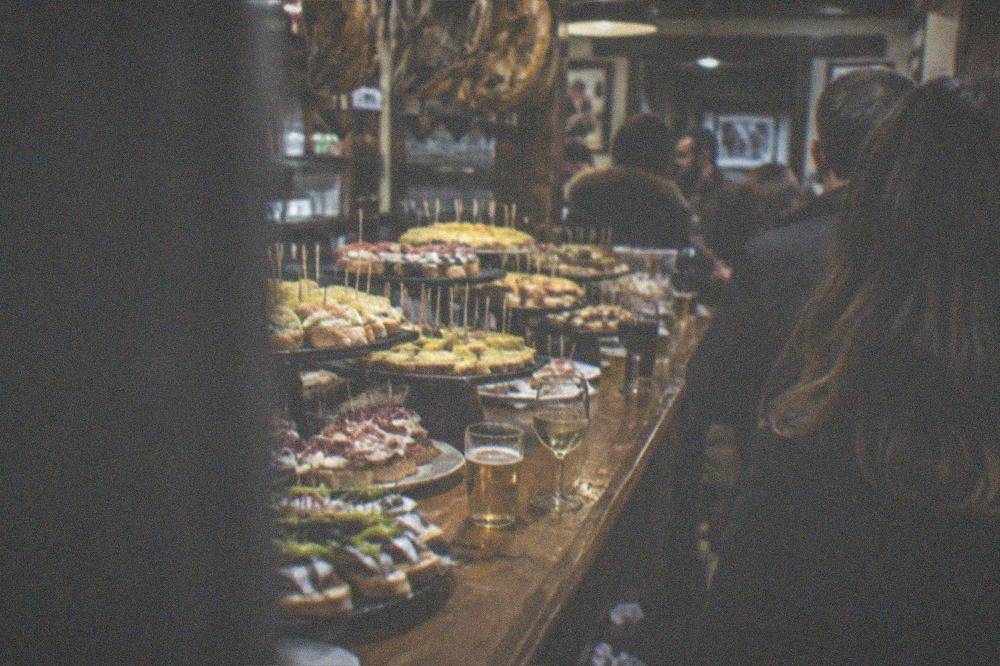
The best gildas are found in the Old Town, the Parte Vieja, and along the streets just inland from the harbour, where the bars that claim a hand in the skewer's invention still keep it on the counter, and in the Centro and Gros neighbourhoods where newer counters have taken the classic seriously. No single bar owns the gilda, and the honest way to find your favourite is to taste three or four in one evening and rank them yourself.
The Old Town is the historic home of the pintxo, and the guide to the best pintxo bars walks the streets bar by bar. The bars that claim the gilda's invention sit in the heart of it, near the port, and their counters are the place to start. What you are looking for is simple and visible: anchovies with firm, rosy flesh rather than grey-brown brine fillets, guindillas with a bright vinegar smell, and olives that are big enough to matter in the bite.
| Neighbourhood | Character of the counters | What to expect from the gilda there |
|---|---|---|
| Parte Vieja | Old bars, high counters, port-side streets | The classic versions and the origin stories |
| Centro | Smarter bars around the Boulevard and Reyes Católicos | Refined gildas, premium anchovies |
| Gros | Younger bars near Zurriola | Variations, extra components, playful versions |
| Antiguo and Ondarreta | Neighbourhood bars away from the crowds | Local pace, fewer tourists, honest counters |
A guided crawl saves you the ranking work, and the small-group Old Town pintxos and wine tour is built around exactly these streets. For a deeper dive with a culinary expert leading a group capped at eight, there is the unique culinary pintxo tour, which treats the gilda as the first lesson of the evening:
The shared pintxo tour led by a local covers the same ground at a lower commitment, and it is a good first evening if you want the customs explained before you try them solo:
How Does The Gilda Fit Into A Wider Pintxo Evening?
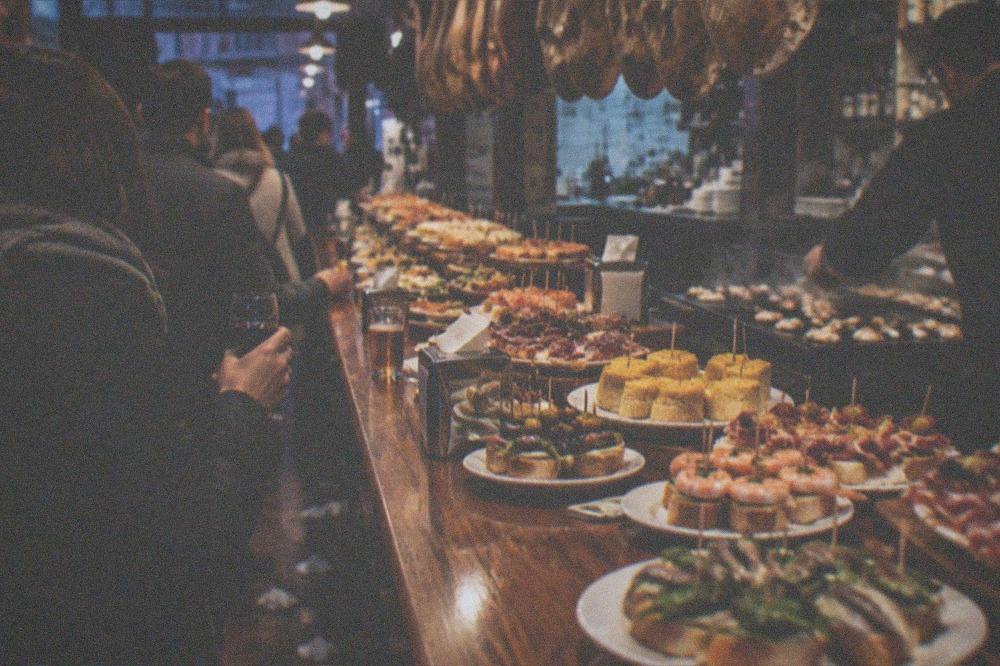
The gilda is the opening bite of a pintxo evening, not the whole of it: a typical route pairs it with hot plancha pintxos, a bar known for its seafood, and a final stop for something sweet, with the gilda ordered at the first and often the last bar. Building the evening around one dish would miss the point of the tradition, which is variety in small doses.
A workable shape for an evening, and one that locals would recognise, runs like this: a first stop for a gilda and a txakoli to open the appetite, a second stop for whatever hot pintxo the bar is known for, a third for a seafood skewer or a plate of the day, and a closing stop for the city's most famous dessert, the burnt Basque cheesecake, which has its own complete guide on this site. The guide to what to eat in San Sebastián fills in the rest of the city's menu, from txuleta steak to the seafood that comes off the Cantabrian coast.
| Stop | What to order | Why it belongs there |
|---|---|---|
| First bar | A gilda and a small txakoli | Opens the palate, sets the pace |
| Second bar | A hot plancha pintxo | Contrast with the cold gilda |
| Third bar | A seafood skewer or ración | The city's coast on the plate |
| Last stop | Burnt cheesecake or a sweet pintxo | The standard closing note |
The premium pintxo tour, with reserved seating at each bar and a guided visit to the Mercado de la Bretxa, is the version of this route with all the logistics handled:
If your evening grows into a full weekend, the guide to how many days to spend in San Sebastián suggests how to spread the eating across days without repeating yourself, and the city's Michelin-starred restaurants are there if one night should rise above the rest.
Can You Make A Gilda At Home?
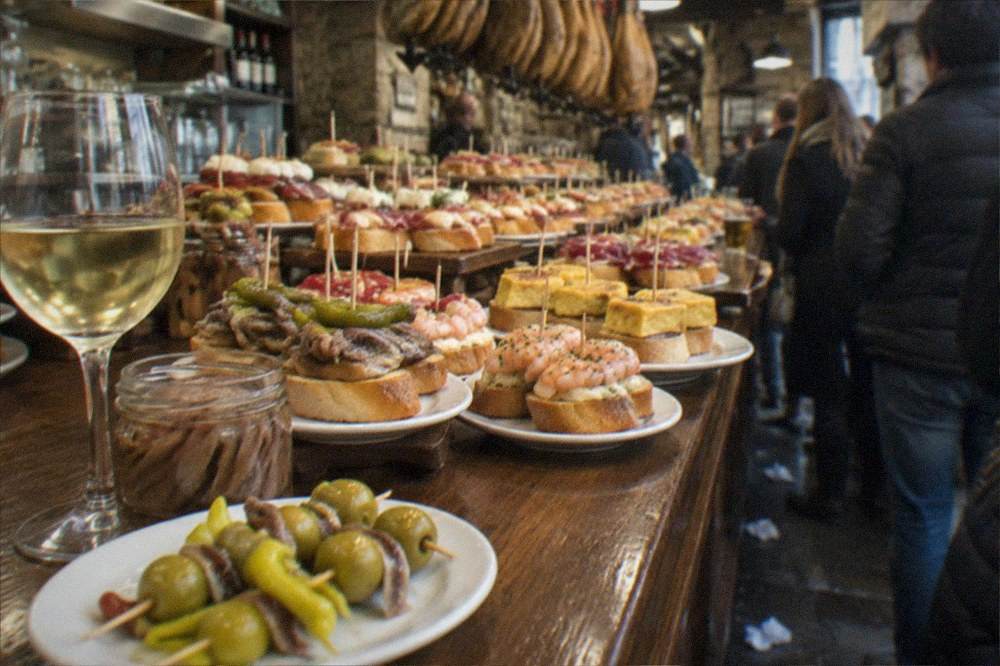
Yes, a gilda is one of the few pintxos that transfers fully to a home kitchen, because it involves no cooking at all: buy good salt-cured anchovies in oil, pickled guindilla chillis and fat green gordal olives, thread them onto toothpicks in the order anchovy, chilli, olive, and serve them cold with something dry to drink. The whole skill is in the shopping, not the assembly.
The shopping list is short, and the quality rule is absolute. Look for anchovies described as Cantabrian or Basque cured, sold in oil in glass jars rather than brine in tins, with flesh that holds together when lifted. Guindillas are sold pickled in jars, sometimes labelled piparras, the thinner Basque variety, and either works, though the piparra is closer to what the city's bars use. Gordal olives, the big green ones, often stuffed with red pepper, are widely available.
| Ingredient | What to buy | What to avoid |
|---|---|---|
| Anchovies | Salt-cured fillets in oil, Cantabrian or Basque | Fillets in brine, mushy or grey |
| Guindilla | Pickled green chillis, ideally piparras | Fresh chillis, anything vinegary-sweet |
| Olives | Gordal green olives, pepper-stuffed | Small brined olives, canned black olives |
| Toothpicks | Short wooden skewers | Nothing, the skewer is the point |
Assembly takes seconds and there is a technique worth knowing: wind the anchovy fillet around the guindilla before you thread it, so the fish, the chilli and the olive arrive in the mouth together instead of sliding apart. Serve them straight from the fridge, on a small plate, with the drink already poured. A home gilda with a cold txakoli in a San Sebastián glass is a fair souvenir of the city, and it is the pintxo most likely to become a habit once you are home.
Is The Gilda Really The City's Signature Bite?
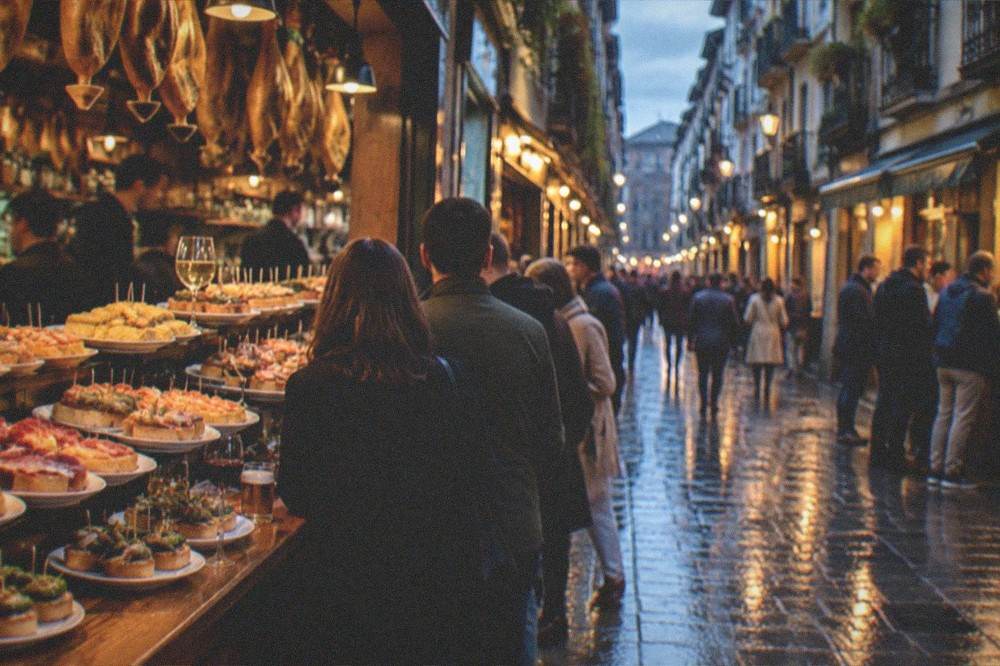
In the minds of the city's bars and most of the people who write about its food, yes: the gilda is the pintxo that carries San Sebastián's name, the bite that appears in nearly every serious counter in the Old Town and the one that locals defend with the most feeling. It is not the most elaborate pintxo in the city, and that is exactly the point, because it is the one where the raw ingredients cannot be disguised.
The city's food reputation runs from these counters up to the highest level of formal dining, and the thread between them is the same respect for raw material. A gilda with a great anchovy and a starred tasting menu are working from the same conviction, that the quality of the ingredient is the dish. That is why the gilda, the cheapest and smallest thing on any counter, is the one connoisseurs judge a bar by.
For visitors planning the wider trip, the overview of what San Sebastián is known for places the pintxo tradition in the context of the beaches, the festivals and the surrounding coast, and the main things to do in San Sebastian page gathers the full range of the city's plans. The gilda is the entry point, and it is a good one, because once you have tasted a serious version you understand the standard the whole city eats by.
Common Questions About Gilda Pintxos In San Sebastian
What Is A Gilda Pintxo?
A gilda is a cold pintxo on a toothpick: a salt-cured anchovy, a pickled Basque guindilla chilli and a green gordal olive, eaten in one or two bites at the bar. It is the pintxo most closely identified with San Sebastián.
Why Is It Called A Gilda?
It is named after the Hollywood film Gilda. The story told in the city's bars is that the pintxo, salty, green and sharp, reminded its inventor of the film's character, and the name replaced whatever the skewer was called before.
What Do You Drink With A Gilda?
Txakoli, the young dry white of the Basque coast, is the classic pairing, poured cold. A small beer or dry Basque cider work just as well, and the rule is that the drink should be dry and cold to cut the salt of the anchovy.
Is A Gilda Spicy?
Barely. The pickled guindilla brings a gentle warmth and a lot of vinegar rather than real heat, so the gilda reads as sharp and tangy rather than hot. Almost nobody finds one too spicy.
Where Did The Gilda Originate?
In a bar in San Sebastián, in the years after the Spanish Civil War, and several Old Town bars near the port have claimed the first skewer. The film connection is the part of the story everyone agrees on.
Can You Make A Gilda At Home?
Yes, and it is the easiest pintxo to make, because nothing is cooked. Buy good anchovies in oil, pickled guindillas and gordal olives, thread them onto a toothpick, wind the anchovy around the chilli, and serve cold.
The gilda is a small thing done extremely well, which is the whole argument of San Sebastián's food culture in one bite, and any bar that hands you a great one has told you everything you need to know about how seriously this city takes its counters.