San Sebastian Weather By Month
AEMET's Igeldo station records 1,507 mm of rain a year across 141 rain days in San Sebastián, so this page takes the city's weather month by month and shows what the numbers mean for a visit.
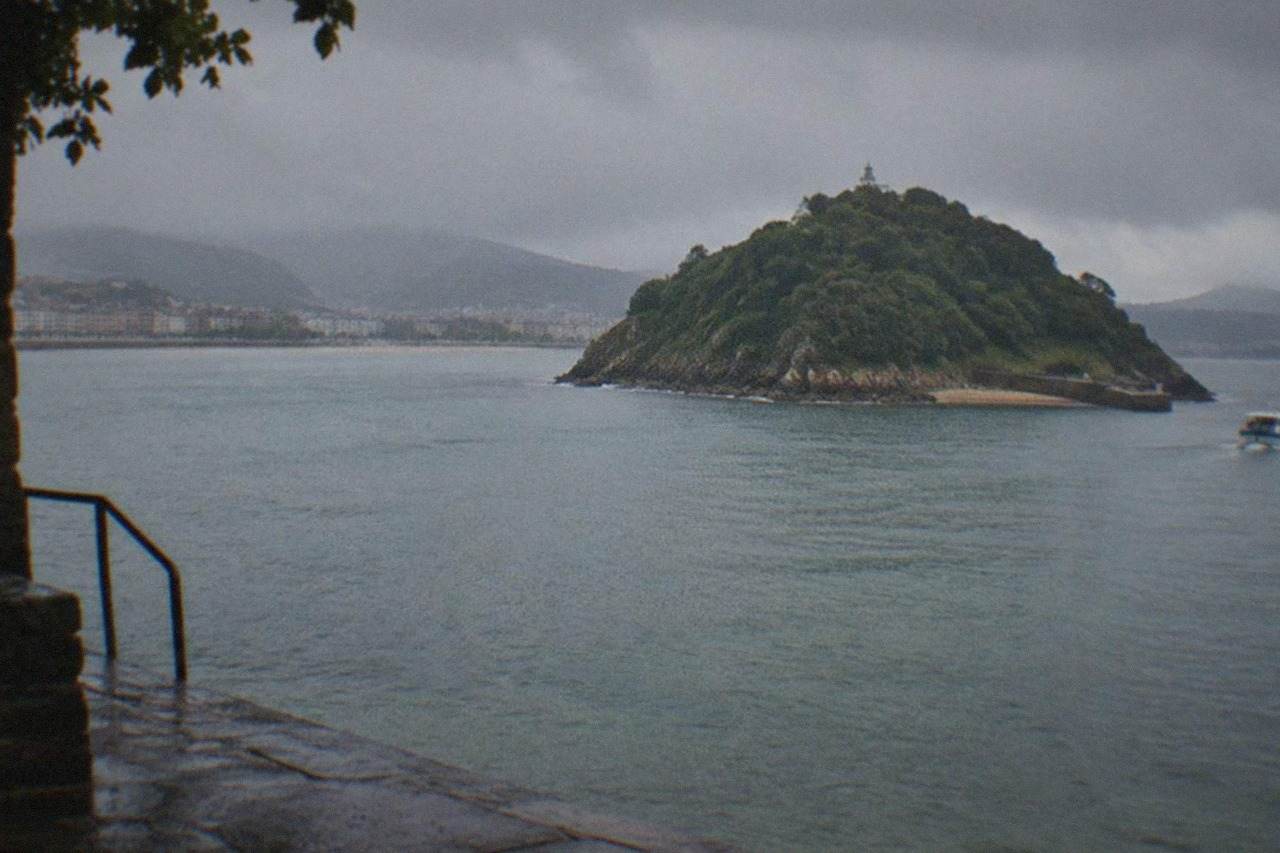
Short answer
San Sebastián has a wet Atlantic climate: mild winters, warm but showery summers, 1,507 mm of rain a year over 141 rain days, and a July that still averages 86 mm. The driest, sunniest stretch is June to August, and November is the wettest month.
San Sebastián, the Basque city on La Concha bay whose official name is Donostia / San Sebastián, sits on the Atlantic coast of Gipuzkoa in northern Spain, and its weather is the single thing that surprises most first-time visitors. AEMET's climate normals for its Igeldo station, on Monte Igeldo 250 m above the seafront, record 1,507 mm of rain a year falling across 141 days with at least 1 mm. That is not a footnote to the forecast, it is the defining fact of the climate, and it shapes everything here: the green hills around the bay, the surf swell on Zurriola, the awnings over the Old Town bars, and the way locals treat a rainy afternoon as an invitation rather than a setback.
This page takes the city's weather month by month, using the AEMET normals for the Igeldo station, period 1981 to 2010, which is the series AEMET publishes on the station page. Because the station sits 250 m up on Monte Igeldo, the seafront itself runs slightly warmer than these values. Nothing here is a promise of dry weather: no month in the record averages under 86 mm of rain, and the planning advice below assumes you will see at least some rain whenever you come.
What Kind Of Climate Does San Sebastian Have?
San Sebastián has a wet oceanic, Atlantic climate, not a Mediterranean one: mild winters, warm but showery summers, rain in every single month, and mean temperatures that run from 8.5 C in January to 19.5 C in August. AEMET's Igeldo station records 1,507 mm of rain a year over 141 days with at least 1 mm, and 1,816 hours of sunshine, from 93 hours in December to 196 in July. July is the driest month and still averages 86 mm.
The contrast with southern Spain is the point. A reader arriving from a Mediterranean mental model, blue-sky summers, dry heat, rain confined to a short winter, will misread this city completely. The Bay of Biscay sits directly north, the prevailing winds come off it, and the air arrives carrying water. The result is a climate closer to Brittany or the west of Ireland than to Barcelona, with the compensation that the countryside around the city stays green all year and the light on the bay changes by the hour.
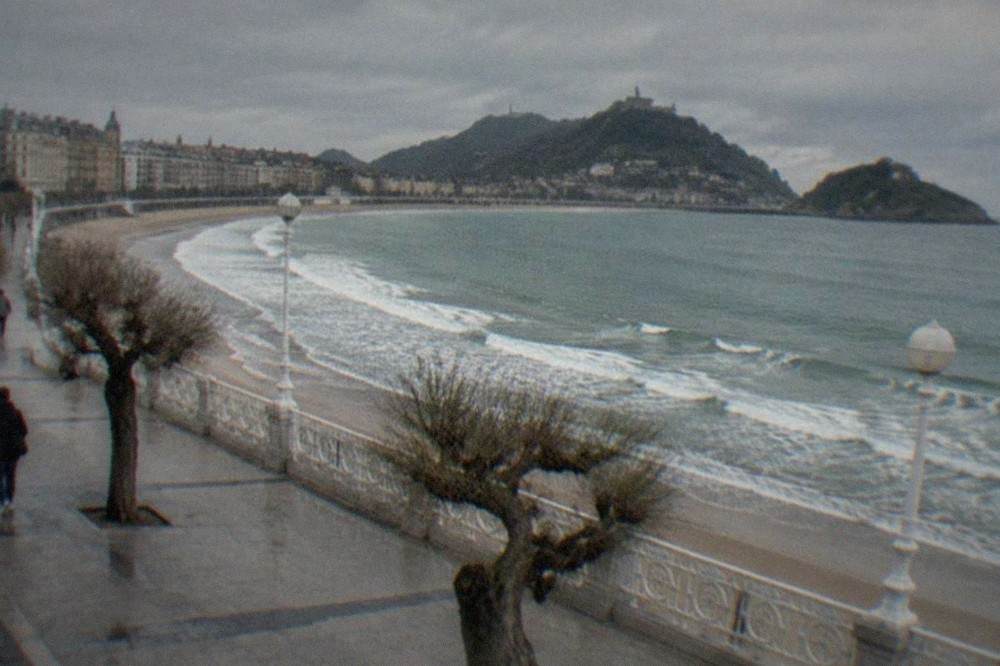
The numbers behind that summary, month by month, come from AEMET's normals for the Igeldo station. The first table shows temperature and sunshine, the second shows rainfall, and the two together answer most of the practical questions a visitor has.
| Month | Mean C | Mean max C | Mean min C | Sun hours |
|---|---|---|---|---|
| January | 8.5 | 11.0 | 5.9 | 98 |
| February | 8.7 | 11.5 | 5.9 | 107 |
| March | 10.3 | 13.4 | 7.2 | 144 |
| April | 11.3 | 14.5 | 8.1 | 157 |
| May | 14.4 | 17.7 | 11.1 | 181 |
| June | 16.9 | 20.0 | 13.8 | 189 |
| July | 18.9 | 21.8 | 16.0 | 196 |
| August | 19.5 | 22.5 | 16.5 | 190 |
| September | 18.0 | 21.1 | 14.8 | 179 |
| October | 15.5 | 18.5 | 12.4 | 140 |
| November | 11.3 | 14.0 | 8.7 | 102 |
| December | 9.1 | 11.6 | 6.6 | 93 |
The rainfall half of the record is where the planning happens. Days with rain means days recording at least 1 mm, so drizzle below that threshold is not even counted in these figures.
| Month | Rain mm | Days with 1 mm or more |
|---|---|---|
| January | 141 | 13.2 |
| February | 110 | 11.6 |
| March | 113 | 12.4 |
| April | 138 | 13.4 |
| May | 120 | 12.2 |
| June | 90 | 10.6 |
| July | 86 | 9.8 |
| August | 117 | 10.5 |
| September | 111 | 10.1 |
| October | 159 | 11.8 |
| November | 169 | 13.0 |
| December | 151 | 12.4 |
| Year | 1,507 | 141.1 |
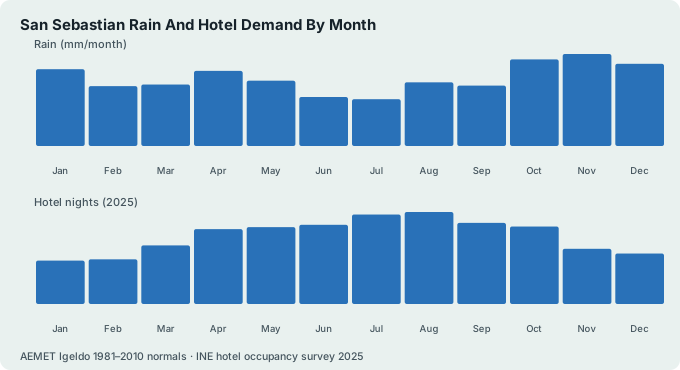
Read the rainfall table carefully before booking, because the intuitive reading is wrong in two places. August, high summer, is wetter than June, July or September, at 117 mm against July's 86. And April, at 13.4 rain days, marginally exceeds January's 13.2, so spring is not a dry escape from winter. The full picture of the wettest month has its own dedicated answer, and the question of whether the rain is really as constant as people say does too: the rainiest month question is answered in detail on the rainiest month page, and whether it rains a lot here is covered on the does-it-rain-a-lot page.
Why Is San Sebastian So Rainy?
San Sebastián is rainy because it faces the Bay of Biscay on Europe's Atlantic seaboard, directly in the path of the wet westerly and northerly flows that dominate the region, and the sea surface keeps supplying moisture year round. AEMET's Igeldo station records 1,507 mm annually over 141 rain days, with no month under 86 mm. The same ocean that makes the city mild in winter makes it wet in every season.
Geography does the work. The city sits at the foot of hills that rise straight out of the coast, Monte Igeldo to the west, Monte Urgull and Mount Ulia framing the bay, and the moist Atlantic air is forced upward as it meets that terrain, which squeezes the rain out of it. There is no mountain wall tall enough to shelter the city behind a rain shadow, and no continental dry belt to the south close enough to matter. What the Bay of Biscay sends, San Sebastián receives.
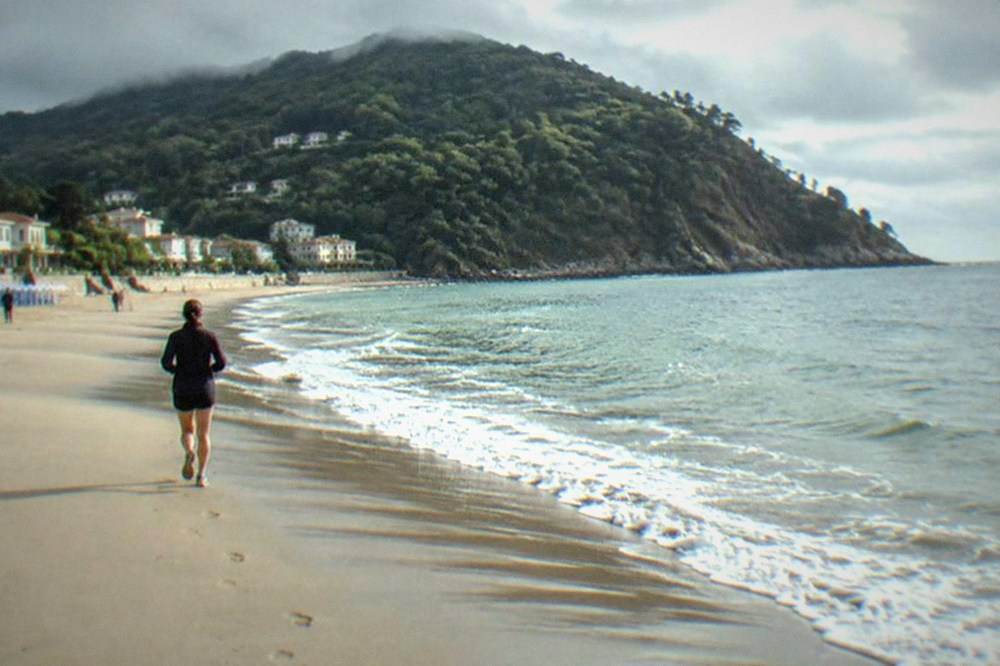
The rain is also the reason the city looks the way it does. The hills around the bay stay green through August, the txakoli vineyards on the coastal slopes to the east need that water, and the cider apple orchards of Gipuzkoa depend on it. A dry San Sebastián would be a different city with different food, and the cider house meal, the txotx ritual and the local white wine are all, in a sense, by-products of the weather this page is about. If that angle appeals, the cider houses guide and the txakoli guide go deeper.
The practical consequence is simple: rain here is a rhythm, not an event. A typical wet day is a morning shower, a bright afternoon, another shower at dusk. Locals do not reorganise their lives around it, and the pintxo bars fill up regardless. The rainy day guide builds a full day around the assumption of rain, and the food is the obvious centrepiece.
Which Months Have The Best Weather In San Sebastian?
June and July are the best weather months in San Sebastián by the record: July averages 196 sun hours, the highest of the year, a mean maximum of 21.8 C and the lowest rainfall at 86 mm, while June is close behind with 189 sun hours and 90 mm. August is the warmest month at 19.5 C mean and 22.5 C mean maximum, but it is wetter than June or July, at 117 mm.
So the choice within summer is a real one. July gives the best balance of sun and dryness on paper. August gives the warmest temperatures and the sea at its most swimmable, but the rainfall record shows that the 117 mm average includes thunderstorm-type downpours. September remains genuinely warm, 18.0 C mean and 21.1 C mean maximum, with 179 sun hours, and it is the month the La Concha regattas fill the bay, on the first two Sundays of the month in 2026, 6 and 13 September.
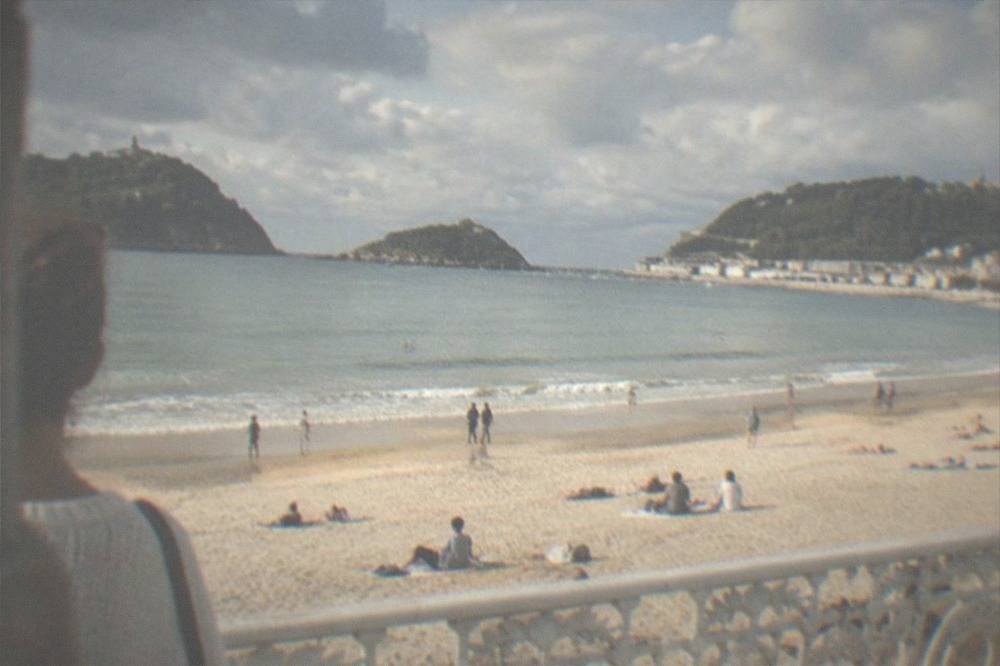
The shoulder months reward a different kind of visitor. May averages 181 sun hours, more than any winter month by a wide margin, and 14.4 C mean. October drops to 140 sun hours but holds a 15.5 C mean. Neither is a beach month by local standards, and the beach lifeguard service, which the council runs on all three beaches from 1 June to 30 September, brackets exactly the window locals consider the swimming season. The best time to visit guide weighs these months against crowds and prices, and the beaches guide covers what each stretch of sand is like.
The table below condenses the year into four planning blocks, using only the AEMET normals above. It is a planning summary, not a forecast, and the rain column alone should tell you a rain layer belongs in the bag in every one of them.
| Season | Months | Mean C range | Sun hours per month | Rain mm per month | What it feels like |
|---|---|---|---|---|---|
| High summer | June to August | 16.9 to 19.5 | 189 to 196 | 86 to 117 | Warm, bright, showers still regular |
| Early autumn | September to October | 15.5 to 18.0 | 140 to 179 | 111 to 159 | Mild sea, increasing rain from October |
| Winter | November to February | 8.5 to 11.3 | 93 to 107 | 110 to 169 | Cool, damp, changeable |
| Spring | March to May | 10.3 to 14.4 | 144 to 181 | 113 to 138 | Fresh, green, showers easing toward June |
How Warm Does San Sebastian Get In Summer?
Summer in San Sebastián is warm rather than hot: August, the warmest month, averages 19.5 C with a mean daily maximum of 22.5 C and a mean minimum of 16.5 C, while July averages 18.9 C with a 21.8 C mean maximum. AEMET's Igeldo station sits 250 m above the seafront, so the beaches themselves run slightly warmer than these figures, and nights stay mild enough that air conditioning is not standard everywhere.
That is a modest summer by Spanish standards, and it is exactly why the city is pleasant in it. The sea moderates every extreme: heatwaves arrive here several degrees lower, and the nights rarely feel oppressive. The trade-off is the August rain figure, 117 mm, which is higher than July's 86 mm despite August being the warmer month. Summer rain here tends to arrive in short, heavy bursts rather than all-day drizzle, and the bay clears again quickly afterwards. The wider set of guides lives on San Sebastian Spain Guide.
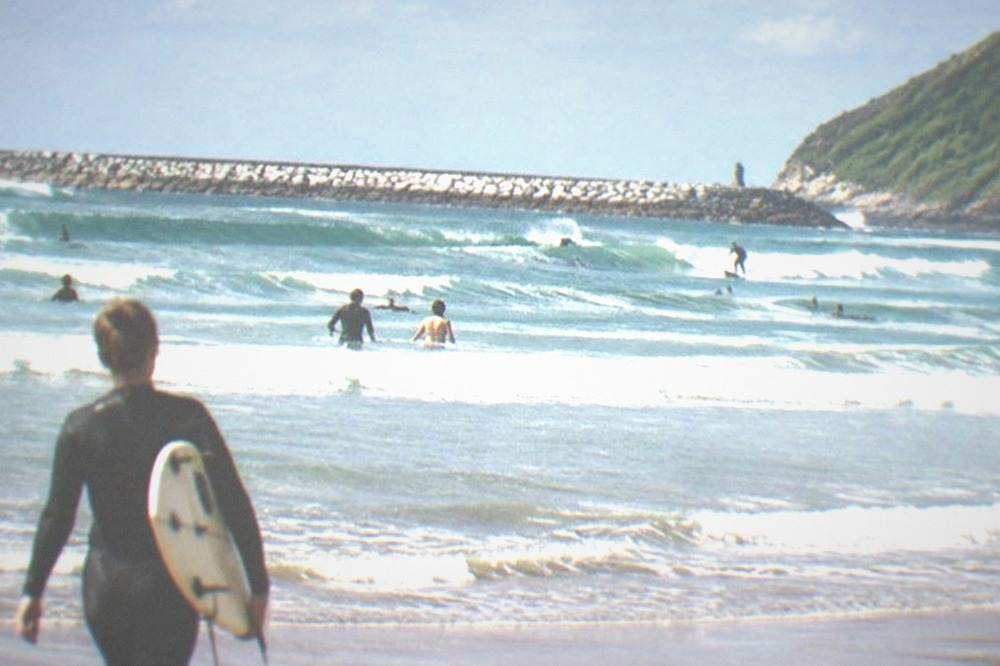
The sea itself is part of the summer story. Zurriola, on the Gros side, is the open, swell-facing beach where the surf schools base themselves, and the council's own beach page describes it as having a strong swell. La Concha and Ondarreta are the sheltered sandy stretches inside the bay. The lifeguard season on all three, 1 June to 30 September, with hours of 10:00 to 20:00 from 15 June to 15 September, is the council's definition of the safe swimming window, and it matches the warmest water of the year.
A grey summer afternoon is not a lost one. The Old Town's pintxo bars are at their best when the weather turns, and a guided crawl through them turns the forecast into an itinerary.
What Is Winter Weather Like In San Sebastian?
Winter in San Sebastián is mild and damp rather than cold: January, the coolest month, averages 8.5 C with a mean maximum of 11.0 C and a mean minimum of 5.9 C, and December averages 9.1 C. Rainfall stays high, 141 mm in January and 151 mm in December, and sunshine bottoms out at 93 hours in December and 98 in January, so winter days are short, grey and frequently wet, but rarely freezing.
Snow in the city is not part of the published record for the Igeldo station in these normals, and the winter that matters here is the Atlantic kind: changeable, with bright spells between fronts. The sea keeps the temperature floor high, and the same February that gives the city 110 mm of rain also gives it 107 sun hours, more than January, which is a real difference in how the month feels.
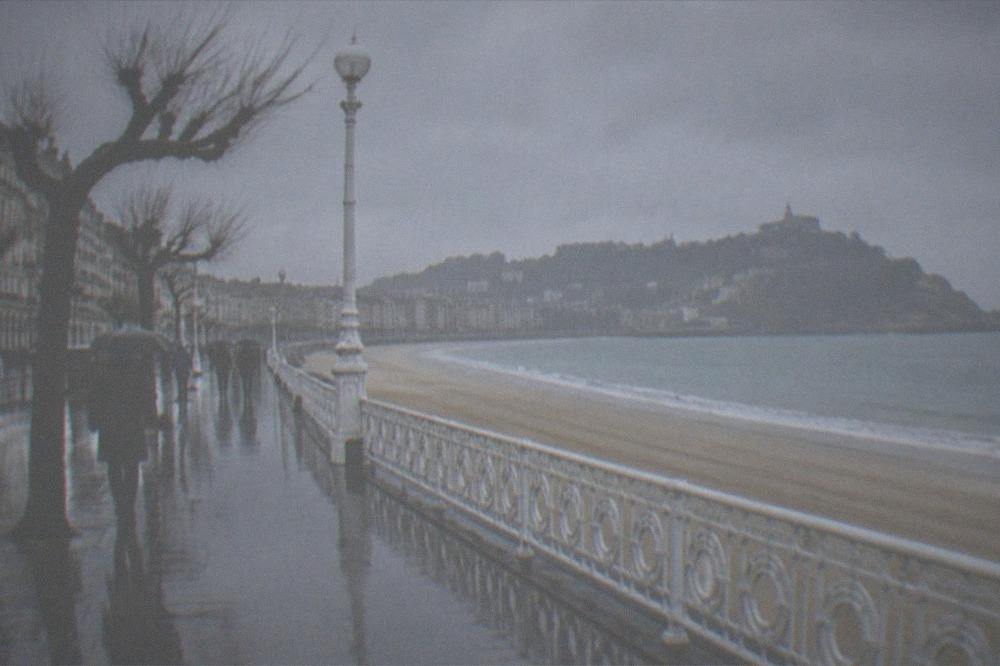
Winter is also when the city's calendar turns inward. The Tamborrada drum festival fills 20 January every year, the Santo Tomás fair lands on 21 December, and the txotx cider season, in the tourism board's wording, runs from the middle of January to the end of April, which makes winter the natural season for a cider house lunch in Astigarraga. The cider houses are built for exactly this weather, big communal tables, a hot cod omelette and grilled txuleta steak, and the ritual of tasting the cider straight from the barrel. The cider houses guide covers how the meal works.
How Should You Pack For San Sebastian Weather?
Pack for San Sebastián as a layered, rain-ready city in every month: a waterproof jacket or umbrella is needed year round because no month averages under 86 mm of rain, a warm layer is needed even in summer when the 16.0 to 16.5 C mean minimums make evenings feel cool, and comfortable waterproof-capable shoes matter more than heavy coats, since winter mean maximums stay at or above 11.0 C.
The layering advice is not boilerplate, it is arithmetic from the table above. A July day can run from a 16.0 C night to a 21.8 C afternoon, and an August evening on the Peine del Viento seafront, where the wind comes straight off the bay, feels cooler than the promenade behind it. In winter the spread is narrower, 5.9 C to 11.0 C in January, so a proper coat is warranted but extreme cold gear is not.

The packing table below is built from the AEMET normals only, and it deliberately gives ranges rather than false certainties. Check the forecast close to departure, because Atlantic weather moves fast and a week's difference can flip the picture entirely.
| Month block | Rain mm | Mean max C | Rain layer | Warm layer | Extras |
|---|---|---|---|---|---|
| June to August | 86 to 117 | 20.0 to 22.5 | Light waterproof | Evening layer | Swimwear, beach towel |
| September to October | 111 to 159 | 18.5 to 21.1 | Waterproof jacket | Mid layer | Umbrella |
| November to February | 110 to 169 | 11.0 to 14.0 | Waterproof jacket | Coat or heavy mid layer | Umbrella, sturdy shoes |
| March to May | 113 to 138 | 13.4 to 17.7 | Packable rain shell | Fleece or jumper | Umbrella |
One packing note that is specific to this coast: the wind matters as much as the rain. Zurriola's strong swell is a council-documented fact, and the seafront walks from Ondarreta to the Peine del Viento are fully exposed to it, so a hood works better than an umbrella on the exposed stretches even when the rain is light. The umbrella earns its place in the Old Town's narrow streets instead.
What Can You Do In San Sebastian When It Rains?
When it rains in San Sebastián the city moves indoors, and the strongest options are the pintxo bars of the Parte Vieja, the cooking classes that turn a grey afternoon into a meal, the museums, and the cider houses of Astigarraga. San Telmo Museoa is 10.00 EUR general entry and free every Tuesday, Tabakalera has free access Tuesday to Sunday, and the Aquarium is open daily in July and August, 10:00 to 20:00, with Mondays closed from October to March except long weekends.
The indoor San Sebastián is not a consolation prize, it is half the reason the city is famous. The pintxo bar crawl is an indoor activity by design, and the pintxos guide explains how ordering at the bar works. A cooking class goes further and gives you the meal as well as the technique, and the market-plus-class format starts at La Bretxa, the city's central market. The what to eat guide is the broader map of the city's food.

The museum half of a rain day splits neatly by neighbourhood. San Telmo Museoa, at the edge of the Old Town against Monte Urgull, covers Basque history and society, and its free Tuesday is the best-value dry hour in the city. Tabakalera, the old tobacco factory by the station, is a contemporary culture centre with free access to the building. The Aquarium, on the harbour, is the family default, though its admission prices are best checked on the day at the ticket office. The San Telmo guide and the Aquarium guide carry the details.
The table below pairs each rain-day option with what it is and the season rules that apply to it. Every figure comes from the venue's own published information.
| Rain-day option | What it is | Key season rule or price |
|---|---|---|
| San Telmo Museoa | Basque history museum at the foot of Monte Urgull | 10.00 EUR general, free every Tuesday, closed Mondays |
| Tabakalera | Contemporary culture centre in a former tobacco factory | Free access, closed Mondays |
| Aquarium | Harbour-side aquarium, the family default | Daily 10:00 to 20:00 in July and August, Mondays closed October to March except long weekends |
| Pintxo bar crawl | Bar-to-bar eating in the Parte Vieja | No season rule, evenings busiest |
| Cooking class | Hands-on Basque class with a market visit format | Booked tours, runs year round |
| Cider house lunch | Txotx ritual and meal in Astigarraga | Txotx season runs mid-January to end of April |
Common Questions About San Sebastian Weather
Is San Sebastian warm enough for the beach in summer?
Yes, in the local sense: July and August mean maximums of 21.8 C and 22.5 C, with the seafront running slightly warmer than the Igeldo station values, and the council's supervised beach season running 1 June to 30 September. August is the warmest month, but it also averages 117 mm of rain, so beach days are mixed with showers rather than guaranteed.
Does it rain every day in San Sebastian?
No, but rain is a regular part of life there. The AEMET normals show 141 days a year with at least 1 mm of rain, and even July, the driest month, averages about 10 such days. The rain usually arrives in showers between bright spells rather than settling in for the whole day.
What is the coldest month in San Sebastian?
January, with a mean of 8.5 C, a mean maximum of 11.0 C and a mean minimum of 5.9 C. December is close behind at 9.1 C mean. Freezing weather is rare on the coast, and the sea keeps winter temperatures well above what inland Spain can reach.
Is October a good time to visit San Sebastian?
October is mild, with a mean of 15.5 C and a mean maximum of 18.5 C, but it is also one of the wetter months at 159 mm, and sunshine drops to 140 hours. It suits visitors who want the food, the walks and the regatta-season aftermath without summer crowds, provided they pack for rain.
Do I need an umbrella in San Sebastian in summer?
Yes, pack a rain layer even in July and August. July averages 86 mm of rain and August 117 mm, so summer showers are a normal part of the record, and they tend to be short and heavy rather than long and steady.
Where can I check the San Sebastian forecast before my trip?
AEMET, the Spanish national weather service, publishes the forecast and the climate normals for its Igeldo station in San Sebastián, and the live sea temperature for the bay is also available online. Check the forecast in the final week before travel, because Atlantic weather changes faster than most climates.
The weather in San Sebastián is not an obstacle to work around, it is the reason the city is green, the food culture is indoor, and the light on La Concha changes all day. Pack a rain layer in every month, plan the pintxo bars for the showers, and the climate becomes part of the trip rather than a complaint about it.