How Many Days In San Sebastian?
The honest answer for San Sebastián in the Basque Country, Spain: two nights covers the core, three or four lets you eat and walk at the city's own pace, and a week only feels long if you never leave the bay.
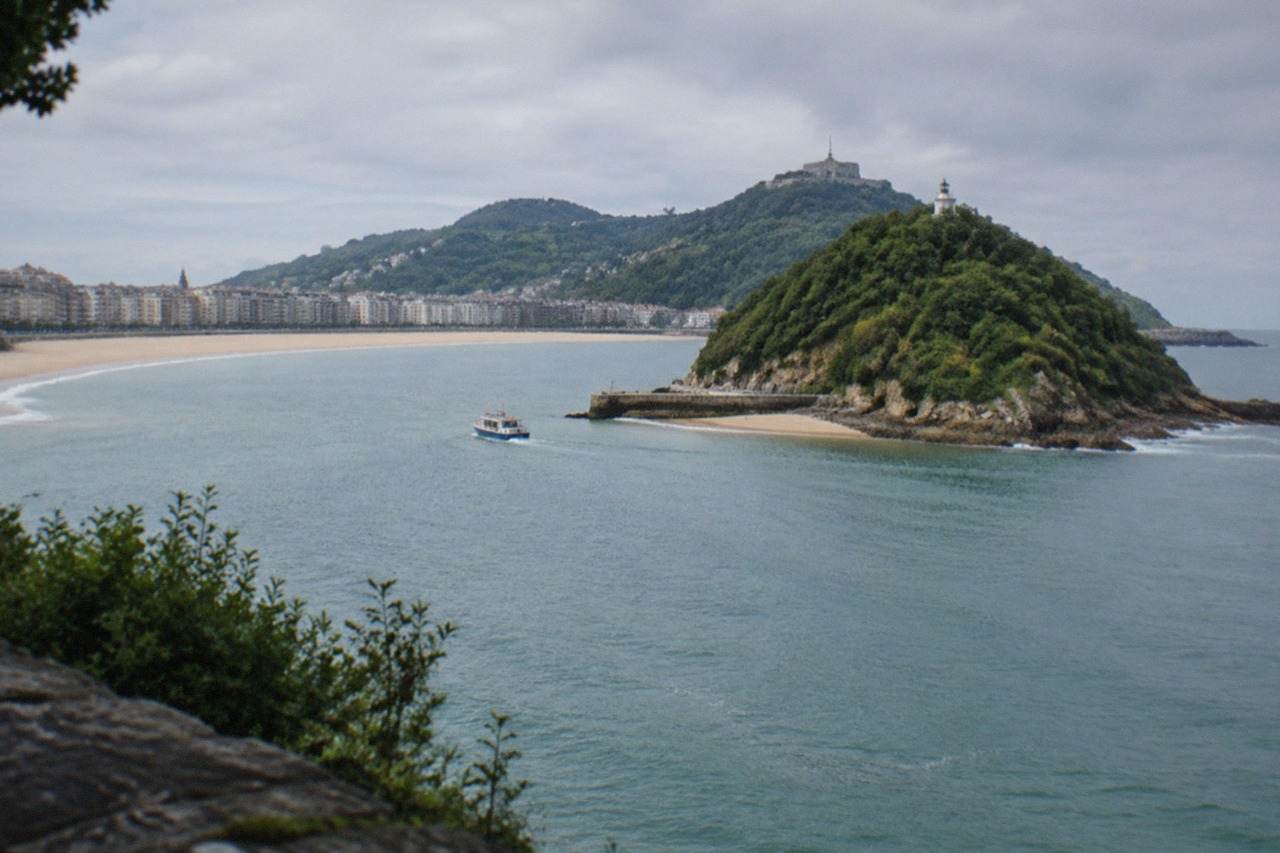
Short answer
Two nights is the minimum for the Old Town, La Concha and a pintxo evening; three to four nights is the sweet spot for most visitors; seven days is not too long if you add day trips to Getaria, Hondarribia, Pasaia or Bilbao.
San Sebastián, the Basque city on La Concha bay whose official name is Donostia / San Sebastián, is small enough to walk end to end and dense enough that the walk takes a week of evenings to finish properly. The question of how many days to give it has a real answer, and it depends on three things: whether you count eating as an activity, whether you want the beaches as beaches rather than as a backdrop, and whether you are willing to spend part of your stay outside the city at all. This page works through each stay length with the city's own numbers, from its climate table to its hotel occupancy figures, so the decision is based on what the place actually offers rather than on a generic formula.
How Many Days Do You Need In San Sebastian?
Three nights are enough for the Old Town, La Concha, one hill, one beach session and two proper pintxo evenings, with a morning left over for a market or a museum. Two nights is the working minimum and covers the core sights at a brisk pace. Beyond four nights, the city itself stops adding new ground and the extra days are best spent on day trips along the Gipuzkoa coast or across the French border.
The reason three nights works is structural. The city's sightseeing spine, the Parte Vieja, the bay promenade, Monte Urgull and Monte Igueldo, is compact, but its two headline activities, pintxo bars and the beaches, are both evening-and-afternoon pursuits that collide with each other. A one-day visitor has to choose between a beach afternoon and a long bar evening. A three-night visitor does not.
The city's own tourism statistics support the three-to-four night instinct. INE's hotel occupancy survey recorded 2,199,966 hotel overnight stays in the city in 2025 against 1,051,562 hotel arrivals, which works out to roughly two nights per arriving hotel guest, and 63.7 percent of those stays belonged to residents abroad, visitors who have flown or driven a long way and tend to stretch the stay once they are here. The average visitor is not a day tripper. For more on what the city actually holds, see what San Sebastian is known for and whether San Sebastian is worth visiting.
How Many Days Is Enough For San Sebastián?
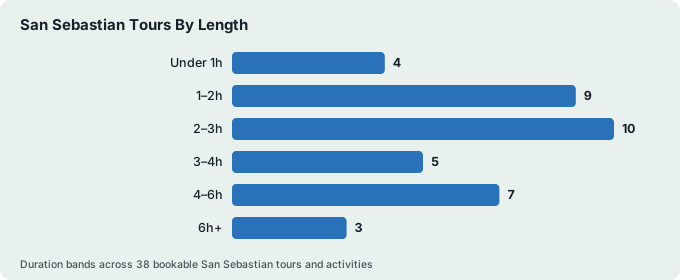
Two full days is enough to see San Sebastián without feeling rushed: day one for the Parte Vieja, La Concha and Monte Urgull, day two for Monte Igueldo, Ondarreta and the Peine del Viento, with both evenings given to pintxo bars. Three days is enough to also swim, visit San Telmo or Tabakalera and take the Santa Clara island boat. Anything past day four should be spent out of the city, in Getaria, Hondarribia, Pasaia or Bilbao.
That is the compressed verdict, and the rest of this page unpacks it. The city divides naturally into day-sized blocks, and the table below shows how they stack up. Notice that the beaches and the pintxo bars are not blocks at all: they are what you do at the ends of every day, whatever the day's block was.
| Stay length | What it comfortably covers | What it misses |
|---|---|---|
| 1 day | Parte Vieja, La Concha promenade, Monte Urgull, one pintxo evening | Both hills, the island, swimming, any museum |
| 2 days | Adds Monte Igueldo, Ondarreta, Peine del Viento, a second pintxo area | Swimming days, museums, any day trip |
| 3 days | Adds Santa Clara island boat, San Telmo or Tabakalera, a real beach session | Day trips beyond the city |
| 4 days | Adds a full day trip, Getaria or Hondarribia or Pasaia | The deeper Basque coast, Rioja |
| 7 days | Adds Bilbao, the French Basque coast, a cider house meal, a second beach rhythm | Almost nothing within two hours |
The one-day row is the honest one: a single day in this city is a highlight reel, and it works only because the geography cooperates. Monte Urgull rises straight off the Old Town, La Concha runs along the base of everything, and the pintxo bars are all inside four streets. A cruise passenger can genuinely do it, and the cruise port guide covers that case in detail.
A first afternoon is where most itineraries wobble, because arrival times rarely cooperate. A self-guided audio tour or a short bay sailing solves that: both run most of the year, neither needs a group to assemble, and both end you near the Old Town in time for the evening.

What Does One Day In San Sebastian Realistically Cover?
One day in San Sebastián covers the Parte Vieja, the La Concha promenade, a walk up Monte Urgull and one solid pintxo evening, and nothing more. There is no realistic version of a single day that also includes Monte Igueldo, a swim, Santa Clara island or a museum, because each of those is a half-day commitment on its own and the hills and the bars eat the hours around them.
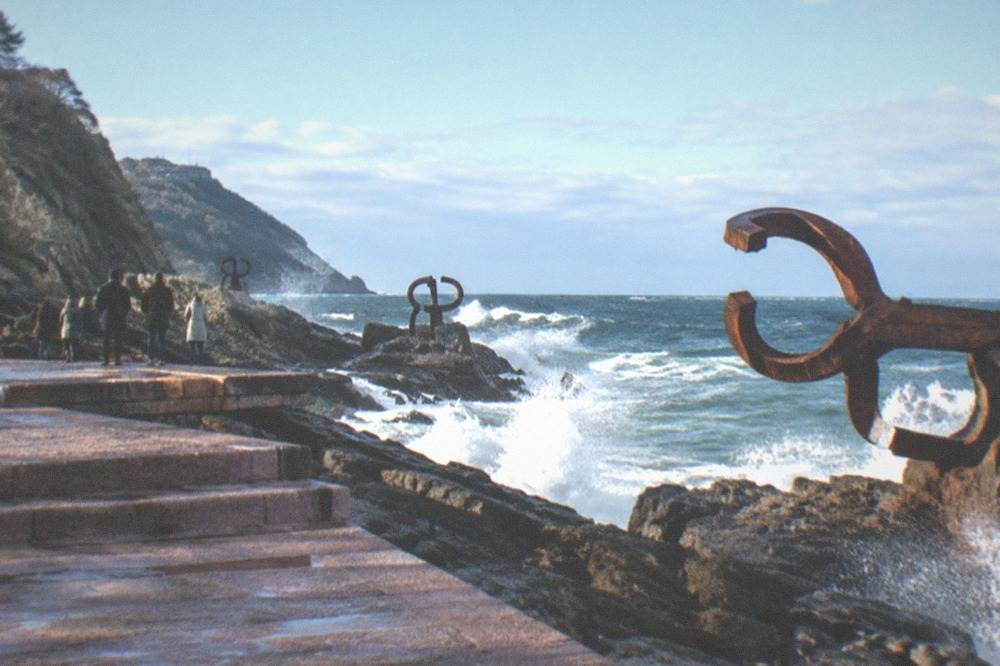
The arithmetic is unforgiving. Monte Urgull's access hours run 08:00 to 21:00 from 1 May to 30 September and 08:00 to 19:30 the rest of the year, so it fits early or late, but Monte Igueldo's funicular, which opened in 1912 and runs every 15 minutes, is a west-end trip that pairs naturally with Ondarreta and the Peine del Viento, the 1977 Chillida work anchored in the rocks at the end of Monte Igeldo. Pairing both hills with the Old Town in one daylight stretch means seeing everything at a walk-past speed.
The single-day visitor should also skip the beach as a swimming plan. The lifeguard service on all three city beaches runs only from 1 June to 30 September, 10:00 to 20:00 from mid-June to mid-September, and a swimming session plus a shower plus the walk back costs a full afternoon. The one day itinerary page breaks the compressed day into hours.
How Many Days Should We Spend In San Sebastián?
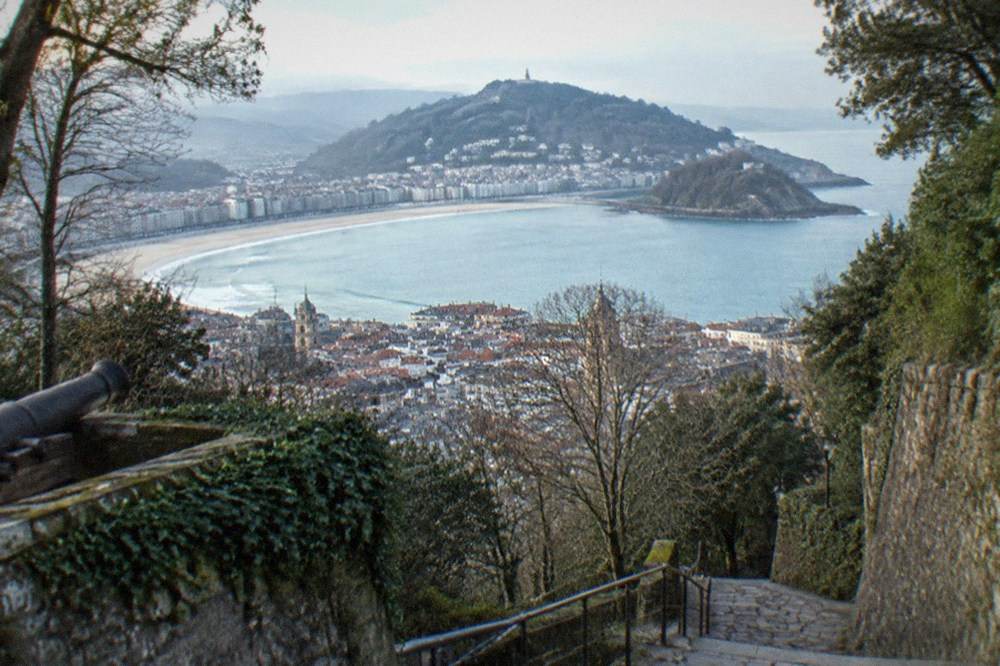
A couple or a small group should spend three or four days in San Sebastián: three for the city itself, with the fourth spent outside it. Two days works if the trip is part of a wider Basque route, but it forces a choice each evening between the Old Town bars and anything else. Five or more days in the city alone, with no day trips, is more than the city's sightseeing can carry.
The four-day version has a clean shape. Days one and two take the two hills and the two bayside faces of the city. Day three takes the water, the Santa Clara island boat, whose high season runs 1 June to 30 September with 5 EUR return tickets on the direct red line, plus a museum, San Telmo is free every Tuesday, and a beach session. Day four leaves town. The rest of the planning pages sit on San Sebastian Spain Guide.
Where the fourth day goes depends on appetite. The Gipuzkoa coast east and west of the city is the obvious answer: Getaria for txakoli and the Balenciaga museum, Hondarribia for its fortified old quarter, Pasaia for the whaleship yard at Albaola. When to go is really a season question as much as a distance question, and the best time to visit guide lays out the main options.
For a deeper treatment of the two-night and three-night versions, read two days in San Sebastián and three days in San Sebastian. If four days is your starting point rather than your question, the site's own answer page on whether 4 days in San Sebastian is too much takes that case directly.
How Many Nights Do You Need In San Sebastián?
You need two nights to have one full day in San Sebastián, three nights to have two full days plus arrival and departure evenings, and four nights is the point at which the evenings stop being travel logistics and start being the trip itself. The pintxo culture is an evening culture, so every night added buys more than every day added.
This is the counterintuitive part of the planning. Most cities reward extra days. This one rewards extra evenings, because the pintxo bar crawl, the txakoli poured high into the glass, the gilda on its toothpick, is an after-dark activity, and the city's bar density means a different four bars every night for a week without repetition. The pintxos in San Sebastian and best pintxo bars guides map that half of the city.
The nights also carry the seasonal weight. The San Sebastian weather reality is Atlantic, not Mediterranean: AEMET's Igeldo station records 1,507 mm of rain across 141 rain days a year, and even July, the driest month, averages 86 mm. Rain in the evening means bars, which is no loss at all. Rain all day means the museum and market layer matters, and that layer needs a spare half day to use.
| Nights | Full days available | Realistic shape of the stay |
|---|---|---|
| 1 | 0, plus fragments | Arrival evening, a morning, departure |
| 2 | 1 | One full day, two pintxo evenings |
| 3 | 2 | Two full days, one museum or island slot |
| 4 | 3 | Adds a full day trip |
| 5 | 4 | Adds a second day trip or a second beach rhythm |
| 7 | 6 | City plus three or four day trips |
Is 7 Days Too Long In San Sebastián?
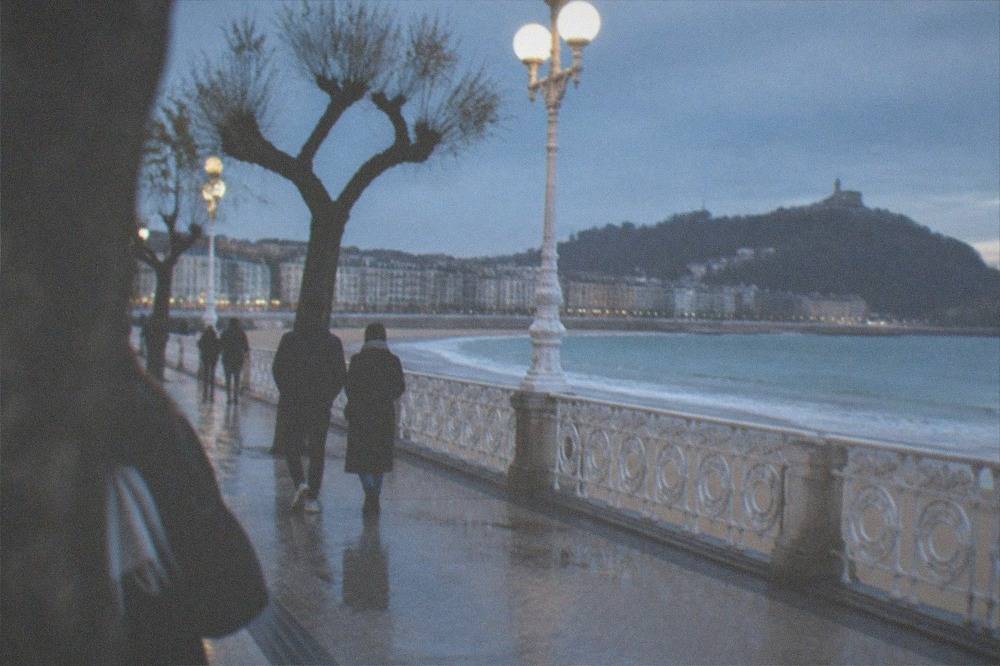
Seven days is not too long in San Sebastián, but only if at least two or three of them leave the city. Seven days inside the municipality alone would exhaust the city's sights by day four and then repeat, whereas a week based in San Sebastián, with day trips to Getaria, Zumaia, Hondarribia, Pasaia, Bilbao and the French Basque coast, is one of the better week plans in northern Spain.
The week-based-in-the-city plan works because of where the city sits. It is 20 km from the airport at Hondarribia, 45 km from Biarritz, 105 km from Bilbao by the tourism board's own distances, and the Euskotren Topo line runs from the city's Amara station to Hendaia across the French border in 37 to 38 minutes on a frequency of every 30 minutes on the busiest service day, at an occasional fare of 2.90 EUR. A week here is a week in a transport hub for a coast, not a week trapped in one town.
The day-trip layer, using only distances and facts from the city's own sources, looks like this:
| Day trip from San Sebastián | What it is | How it fits a week |
|---|---|---|
| Getaria | Fishing town, txakoli country, Balenciaga museum | Half or full day, west |
| Hondarribia | Fortified old quarter beside the airport | Half day, east |
| Pasaia | Bay village, the Albaola whaleship yard | Half day, east |
| Zumaia | Flysch coast inside the Basque Coast UNESCO Global Geopark | Full day, west |
| Bilbao | Guggenheim and the old city | Full day, 105 km |
| Biarritz and the French coast | Biarritz, Bayonne, Saint-Jean-de-Luz | Full day, 45 km |
| Hernani | Chillida Leku, open daily except Tuesdays and Wednesdays | Half day |
Two of those rows deserve a flag. The Basque Coast Geopark has been a UNESCO Global Geopark since 2015, but it is Zumaia, Deba and Mutriku, not the city. And the city's own World Heritage link is the coastal Camino de Santiago route that crosses it, part of the inscription "Routes of Santiago de Compostela: Camino Francés and Routes of Northern Spain": the city itself holds no inscription of its own. The Camino del Norte stages listed by the tourism board put Pasaia to Donostia and Donostia to Orio as consecutive coastal stages, which is exactly the walking a seven-day visitor can borrow for a day.
Does The Season Change How Many Days You Need?
Yes, the season changes the answer more than the itinerary does. Summer stays can lose whole afternoons to rain, AEMET's normals show August at 117 mm of rain against July's 86, so beach plans need buffer days, while October through April stays shift their weight onto bars, museums and cider houses and run comfortably on two or three nights. August is the city's busiest hotel month by a wide margin, which crowds the bar evenings but fills the festival calendar.
The climate table is a planning tool that tends to go unnoticed. These are AEMET's published normals for the Igeldo station, period 1981 to 2010, at 250 m on Monte Igeldo, so the seafront runs slightly warmer than the figures show.
| Month | Mean C | Mean max C | Rain mm | Rain days 1mm+ | Sun hours |
|---|---|---|---|---|---|
| Jan | 8.5 | 11.0 | 141 | 13.2 | 98 |
| Feb | 8.7 | 11.5 | 110 | 11.6 | 107 |
| Mar | 10.3 | 13.4 | 113 | 12.4 | 144 |
| Apr | 11.3 | 14.5 | 138 | 13.4 | 157 |
| May | 14.4 | 17.7 | 120 | 12.2 | 181 |
| Jun | 16.9 | 20.0 | 90 | 10.6 | 189 |
| Jul | 18.9 | 21.8 | 86 | 9.8 | 196 |
| Aug | 19.5 | 22.5 | 117 | 10.5 | 190 |
| Sep | 18.0 | 21.1 | 111 | 10.1 | 179 |
| Oct | 15.5 | 18.5 | 159 | 11.8 | 140 |
| Nov | 11.3 | 14.0 | 169 | 13.0 | 102 |
| Dec | 9.1 | 11.6 | 151 | 12.4 | 93 |
Read it honestly: no month is dry, November is the wettest at 169 mm, and April averages 13.4 rain days, more than January's 13.2. A summer visitor planning beach days should plan one more night than the activity list demands, because a washed-out beach afternoon in a two-night stay is a lost third of the trip.
The season also switches whole activity layers on and off. The lifeguards, the island boat's high season, the Hondalea installation in the island lighthouse, open 1 June to 30 September, 11:00 to 18:30, free, no booking needed for the visit itself, all end on 30 September. The txotx cider house season, by the tourism board's own wording, runs from the middle of January to the end of April. A February visitor and a July visitor are, in activity terms, visiting two different cities, and the February one is cheaper and quieter per night.
| Season | What is on | What is off | Best stay length |
|---|---|---|---|
| June to September | Beaches with lifeguards, island boat, Hondalea, bay boats | Txotx cider season | 4 to 7 nights, with rain buffer |
| Mid-January to end April | Txotx cider houses, San Telmo's free Tuesdays | Beach services, island high season | 2 to 3 nights |
| May, October | Hills, museums, pintxo evenings, quieter bars | Hondalea, beach lifeguards | 3 nights |
| August | Semana Grande, the week of 15 August, fireworks competition | Nothing, but crowds peak | 4+ nights |
What Should Each Day Of A Three Day Stay Actually Be?
A good three day split gives day one to the east side, Monte Urgull, the Parte Vieja and the Old Town pintxo bars, day two to the west side, Monte Igueldo, Ondarreta and the Peine del Viento, and day three to the water and the indoor layer, the Santa Clara island boat, San Telmo or Tabakalera, and a beach afternoon. The two evenings are bar evenings and need no itinerary at all.
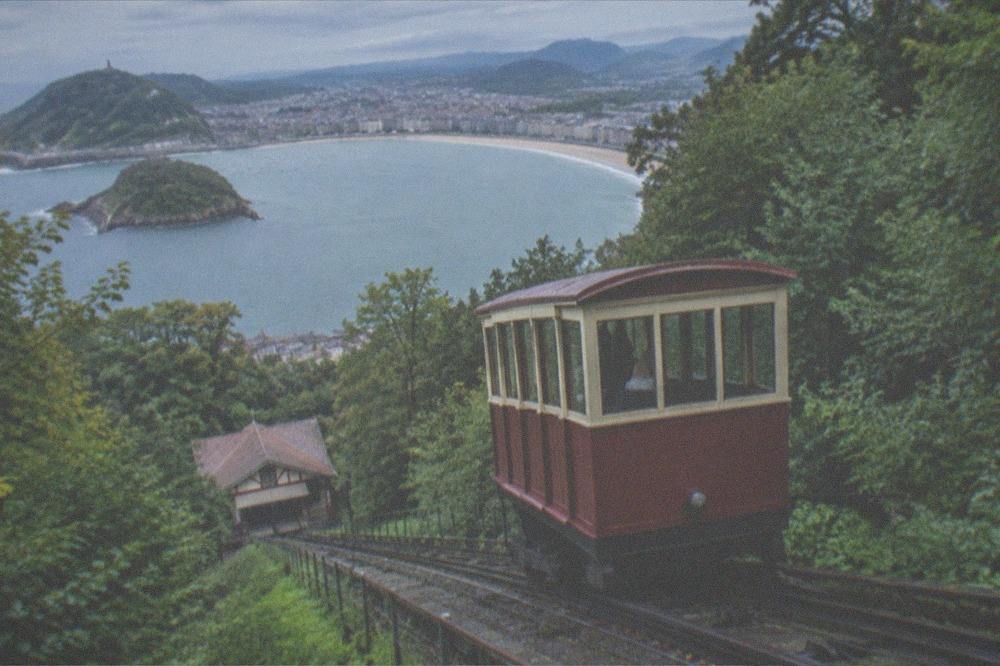
The split follows the city's geography rather than a sight-ranking. Urgull, the hill with the Castillo de la Mota at the top, sits directly behind the Old Town, so day one never uses transport. Igueldo, the amusement park hill at the west end, pairs with Ondarreta beach and the Peine del Viento because the funicular, 5.50 EUR return for an adult with entry to the grounds included, lands you at the top and the walk down to the sculptures is the point of the trip. Note the funicular site's own notice: tickets for the downhill journey alone are not on sale, so the plan is ride up, walk the grounds, ride down.
Day three is the flexible one. In season, the island boat's blue line, 8 EUR, does a 30 minute bay tour with island landing, and the red line, 5 EUR return, goes direct. Out of season, the boat's high season ends 30 September and departures after that are by consultation, so day three becomes San Telmo, 10.00 EUR general admission, free every Tuesday, plus Tabakalera, which has free access to the building, closed Mondays like San Telmo.
For visitors who want a guide's structure on at least one of those days, the city's tour layer covers every one of the three blocks: a shared pintxo evening for day one, a boat for day three, and for the in-between hours a self-guided audio walk of the city's essence and culture, which runs on your own clock and costs less than a single bar round. You can Check availability on the operator's live listing.
The audio format suits this city unusually well, because the walk between stops is the attraction. A guide-led group moves at the group's pace, whereas a phone-led route lets you stand at the Peine del Viento for as long as the waves are putting on their show and skip the stretch of promenade you already walked on arrival day. That flexibility is worth a lot on a short stay, where every hour is accounted for.
Does A Food-Focused Trip Need More Days?
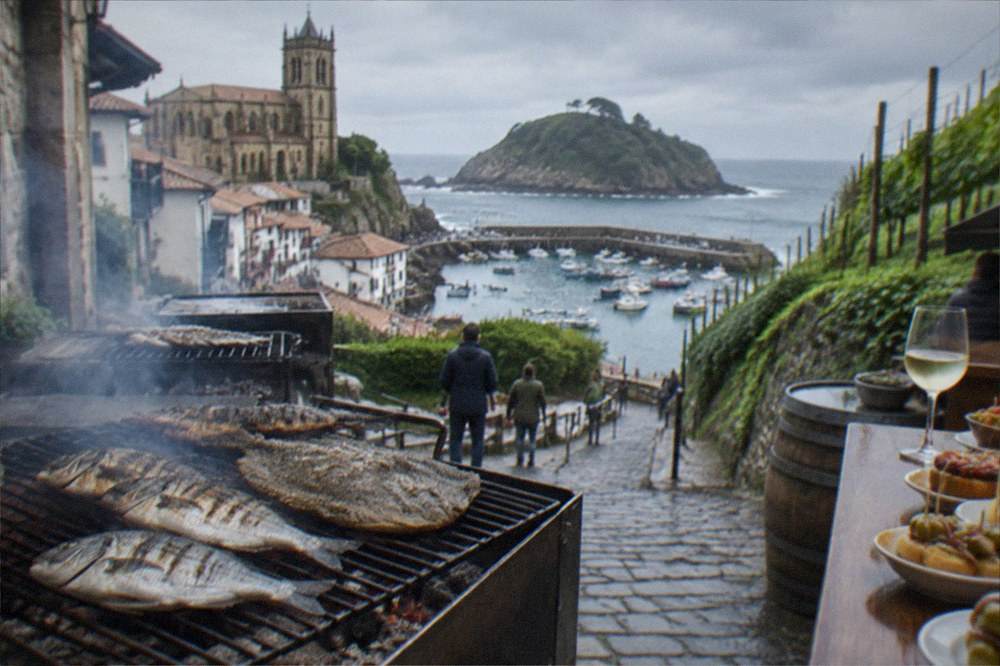
Yes, a trip built around eating needs one more night than a sightseeing trip of the same size. San Sebastián's dining layer is not one slot a day, it is three: the morning market and coffee layer, the pintxo evening layer, and the sit-down restaurant layer, and in a city holding 11 Michelin stars across 6 restaurants in the MICHELIN Guide Spain 2026, the sit-down layer often needs booking a day or two ahead, which itself eats calendar.
The starred layer is the part visitors misjudge. Akelaŕe and Arzak, both three stars, are inside the city, but Martín Berasategui, also three stars, is in Lasarte-Oria, a separate municipality, and Mugaritz is in Errenteria, so a dinner at either of those is a taxi ride and belongs on a day trip line of the plan, not the restaurant list. The province of Gipuzkoa as a whole holds 19 stars across 11 restaurants in the 2026 edition. The Michelin restaurants and best restaurants guides take that layer properly.
The everyday layer is what actually fills the days. The what are pintxos explainer covers the form itself, and the what to eat in San Sebastian guide covers the full plate list, but the planning point is this: a serious eater uses evenings the way a beach visitor uses afternoons, and a four-night stay gives four bar rounds, one long lunch and one starred dinner without anything feeling crammed. The La Viña cheesecake alone, the original burntop basque cheesecake, justifies the walk to the west end, and that walk pairs with Ondarreta and the Peine del Viento on the same afternoon.
Common Questions About Days In San Sebastian
Is one day enough to see San Sebastian?
One day covers the Parte Vieja, the La Concha promenade, Monte Urgull and one pintxo evening, which is the core of the city. It does not cover Monte Igueldo, the island, a swim or any museum. Cruise passengers and Madrid or Bilbao day trippers do it constantly, but it is a highlight reel rather than the city at its own pace.
How many days is enough for San Sebastián?
Two full days is enough to see the city without rushing, and three days is enough to add the island boat, a museum and a real beach session. Four days is the point at which you should spend the extra day outside the city, on the Gipuzkoa coast or across the French border, rather than adding more city sights.
Can you do San Sebastian without a car?
Yes, and a car is a hindrance in the centre. The city is walkable end to end, the Euskotren Topo line covers the coastal towns east into France, and day-trip buses run from the bus station. Only the Rioja and inland day trips genuinely benefit from a tour or a hire car.
Is San Sebastian too expensive for a long stay?
Length of stay matters less than what the evenings cost. The pintxo layer is priced per bar and per drink, so a long stay can be run cheaply in the bars or expensively in the starred restaurants, and the two sit at opposite ends. The site's guide to whether San Sebastián is expensive breaks the budget down properly.
What is the minimum stay if you only want the food?
Two nights, three evenings if arrival is early enough. The pintxo culture is an evening culture, so nights are the unit that counts, and the city's bar density means two evenings already cover a dozen bars without repetition. Add a third night if a starred restaurant or a cider house meal is on the list.
Does a rainy forecast ruin a short stay?
No, because the city's indoor layer is strong and its bar layer is weatherproof. San Telmo and Tabakalera cover museum hours, the Old Town bars cover evenings, and the AEMET normals show rain on roughly 10 days even in the driest month, so locals plan around it rather than against it. A one-night stay is the only length that a bad forecast genuinely hurts.
The Verdict On Stay Length
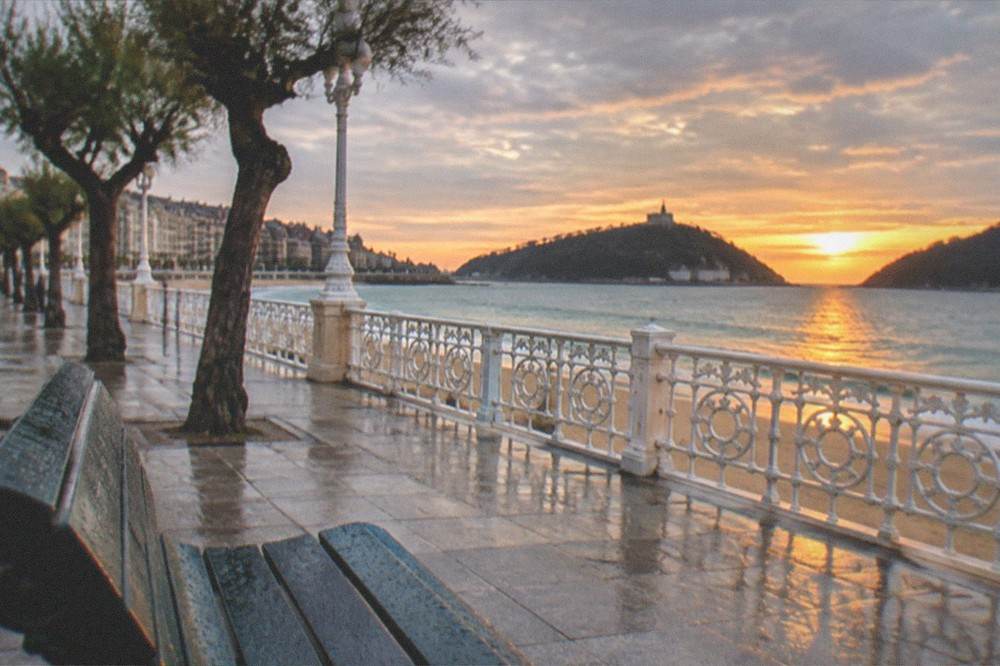
Two nights is the floor, three to four is the sweet spot for almost everyone, and seven is only too long if you refuse to leave the municipality. The city's sightseeing saturates around day three, its eating layer never saturates, and its position on the Gipuzkoa coast means every day past four converts cleanly into a day trip that is better than a fourth repeat of the same four streets.
That is the whole decision, and it bends mainly on season and on how much of the trip is about the table. A February visitor here for cider houses and bars is finished in three nights and happy. A July visitor here for the beaches, the fireworks of Semana Grande, the week of 15 August, and the bay wants four or five plus a rain buffer, because August averages 117 mm of rain and the beach calendar needs slack. Plan the nights around the evenings, spend day four onwards on the coast, and the length takes care of itself.