San Sebastian Itinerary
A day-by-day plan for San Sebastián in the Basque Country, Spain, built around the tides, the pintxo bar hours and the two hills that frame La Concha bay.
Short answer
Three days is the sweet spot for San Sebastián: day one for La Concha, the Parte Vieja and pintxos, day two for Monte Igueldo and Monte Urgull, day three for a boat on the bay and a day trip or a deeper food experience. Two days covers the essentials; five lets you add the Gipuzkoa coast and the French Basque Country.
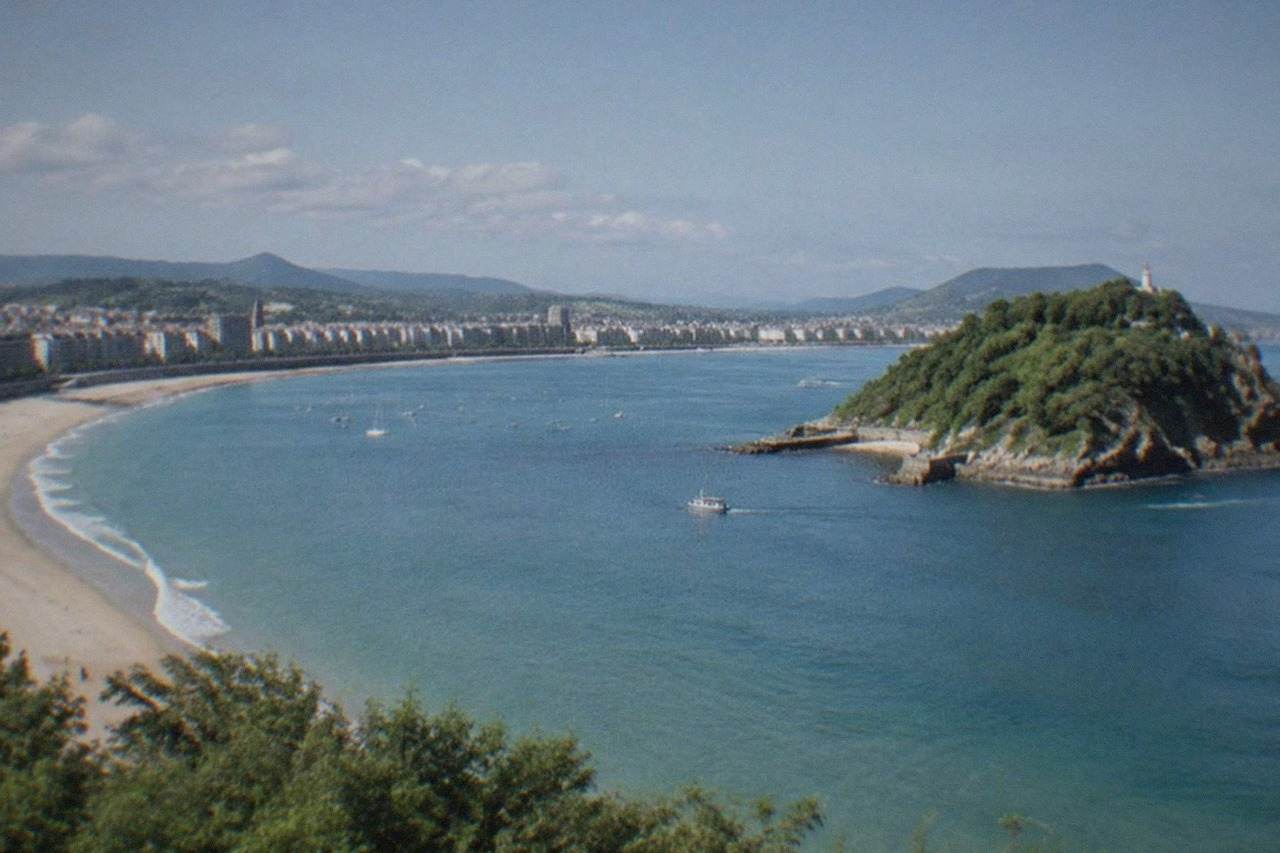
San Sebastián, in the Basque Country of northern Spain, is a city built around a single bay: La Concha curls between two wooded hills, Monte Igueldo and Monte Urgull, with Santa Clara island sitting in the middle of the water. The official municipal name is Donostia / San Sebastián, and Donostia is the Basque name you will hear on the street. This itinerary lays the city out day by day, one to five days, using verified hours, fares and season rules so the plan survives contact with reality rather than collapsing at a closed funicular or an unstaffed beach.
The shape of any visit is fixed by three things. First, the city is compact: the three beaches, the Old Town and both hills fit inside a walkable rectangle. Second, the food runs on a Spanish clock, with pintxo bars filling in the early evening and kitchens closing late. Third, it rains: AEMET's normals for its Igeldo station record 1,507 mm a year over 141 rain days, so every day of this plan carries an indoor fallback.
How Many Days Do You Need For A San Sebastian Itinerary?
Three days is a sensible length for a stay in San Sebastián: one day for La Concha beach, the Parte Vieja and an evening pintxo crawl, one for the two hills that frame the bay, and one for the water, either a boat on La Concha or a day trip along the Gipuzkoa coast. Two days covers the essentials at a faster pace. Four or five days adds the cider houses of Astigarraga, the fishing town of Getaria and the French Basque Country across the border.
The honest arithmetic is about pace, not distance. Everything central is close together, but the city rewards slowness: a long lunch, a second round of pintxos, an hour doing nothing on Ondarreta. Visitors who compress the city into a single day see the bay and eat well, then leave without ever getting above the rooftops or out onto the water.
This table matches each length of stay to a realistic plan:
| Days | What fits comfortably | What you add |
|---|---|---|
| 1 | La Concha, the Parte Vieja, Monte Urgull, an evening pintxo crawl | Nothing: pick two, skip the rest |
| 2 | All of the above plus Monte Igueldo and a boat on the bay | One deeper food experience |
| 3 | Two full city days plus a day trip or a cider house lunch | Getaria, Hondarribia or Pasaia |
| 4 | Three city days plus one Gipuzkoa coast or French Basque trip | Zumaia, Zarautz or Biarritz |
| 5 | Everything above at a relaxed pace, with a rain day to spare | A Rioja day or the Camino stretch to Orio |
If you are still deciding, how many days you need in San Sebastian breaks the trade-offs down further, and the best time to visit changes the answer: August, the peak month for hotel stays in the INE series, rewards early starts more than any other month.
What Does The Perfect First Day In San Sebastian Look Like?
Start at La Concha in the morning, walk the full 1,350 metre length of the sand before the crowds build, then cross into the Parte Vieja for lunch and spend the afternoon on Monte Urgull, which is open 08:00 to 21:00 from 1 May to 30 September and 08:00 to 19:30 the rest of the year. Finish with a pintxo crawl in the Old Town from early evening, moving between three or four bars rather than settling in one.
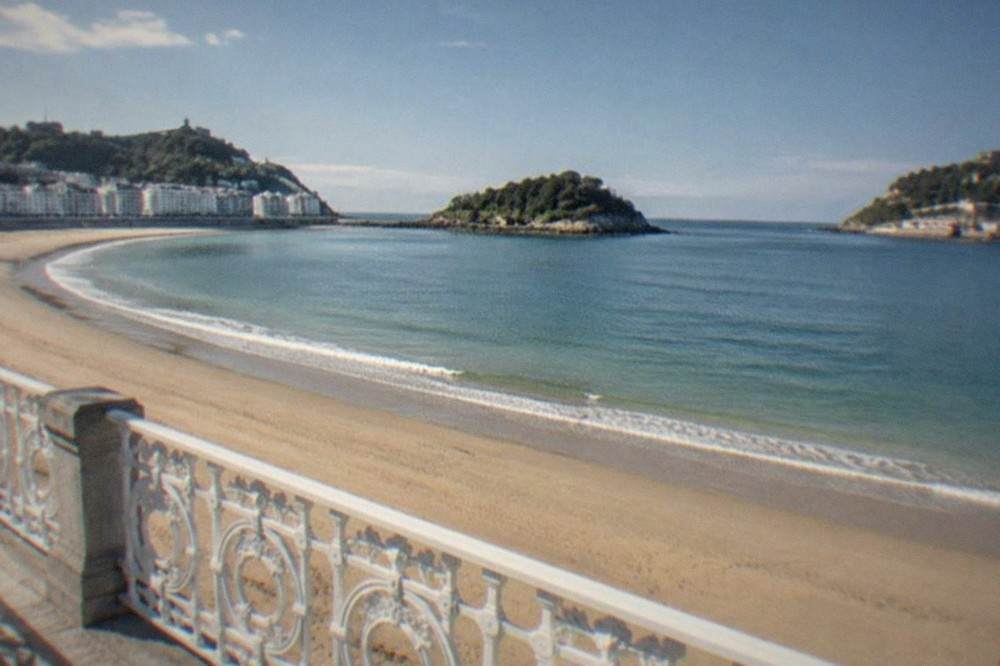
The morning belongs to the beach. The council's own page gives La Concha as 1,350 metres long and 40 metres wide on average, and warns that the tide often limits the usable area, so the sand you get depends on when you arrive. Lifeguards are on duty only from 1 June to 30 September, with full 10:00 to 20:00 hours from 15 June to 15 September, so a June or September swim is a lifeguarded swim and an October one is not.
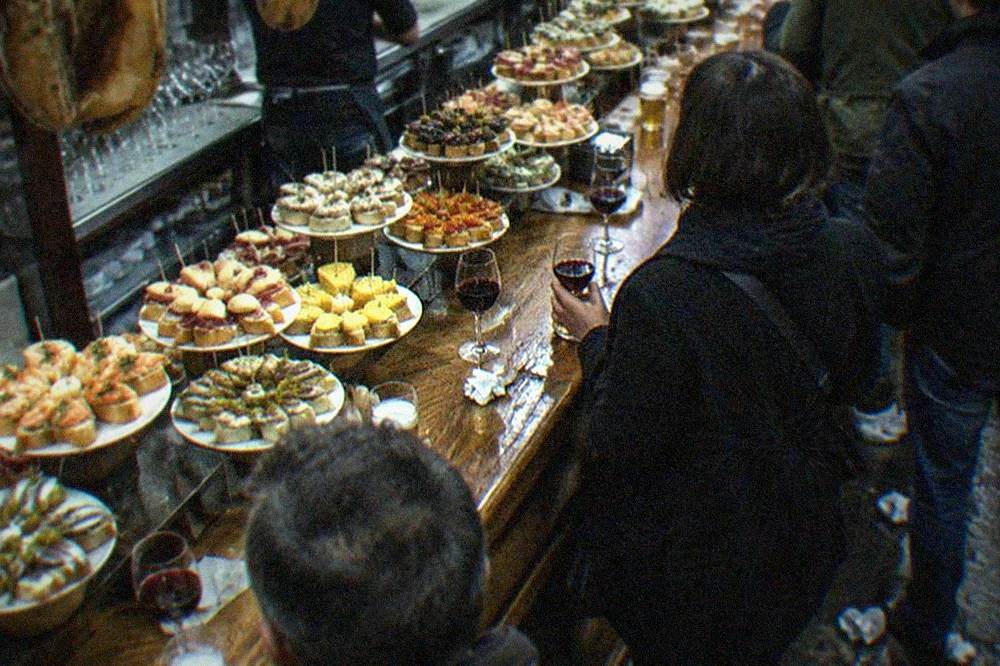
Cross the Urumea river mouth or walk the Paseo de la Concha around to the Parte Vieja, the Old Town, for lunch. This is the densest grid of pintxo bars in the city, and lunch is the calmer window for it: the same bars that queue out of the door at nine in the evening have stools free at two in the afternoon. The Parte Vieja and its bars deserve a page of their own, but the itinerary version is simple: order one or two pintxos and a drink in each bar, then move on.
The afternoon goes up. Monte Urgull rises straight off the Old Town's east end, holds the Castillo de la Mota at its summit, and costs nothing to walk. The Casa de la Historia inside the castle is run by San Telmo, though its current hours are not published, so treat the hill itself as the destination and the museum as a bonus if you find it open. The view down over the whole bay is the single best orientation a first-time visitor gets.
A first evening in the Old Town is a decision about guidance. The one day in San Sebastian plan covers the same ground solo, but a guided crawl solves the one problem a first visit has: knowing which bar for which pintxo.
What Should Day Two Of A San Sebastian Itinerary Include?
Day two takes the west end of the bay: Ondarreta beach in the morning, the Peine del Viento sculptures at its far tip, then the Monte Igueldo funicular up to the hilltop, which costs 5.50 EUR return for an adult and includes entry to the grounds. Come back down for a late lunch and give the afternoon to Zurriola beach in Gros, the surf-facing strand the council describes as fairly open with a strong swell.
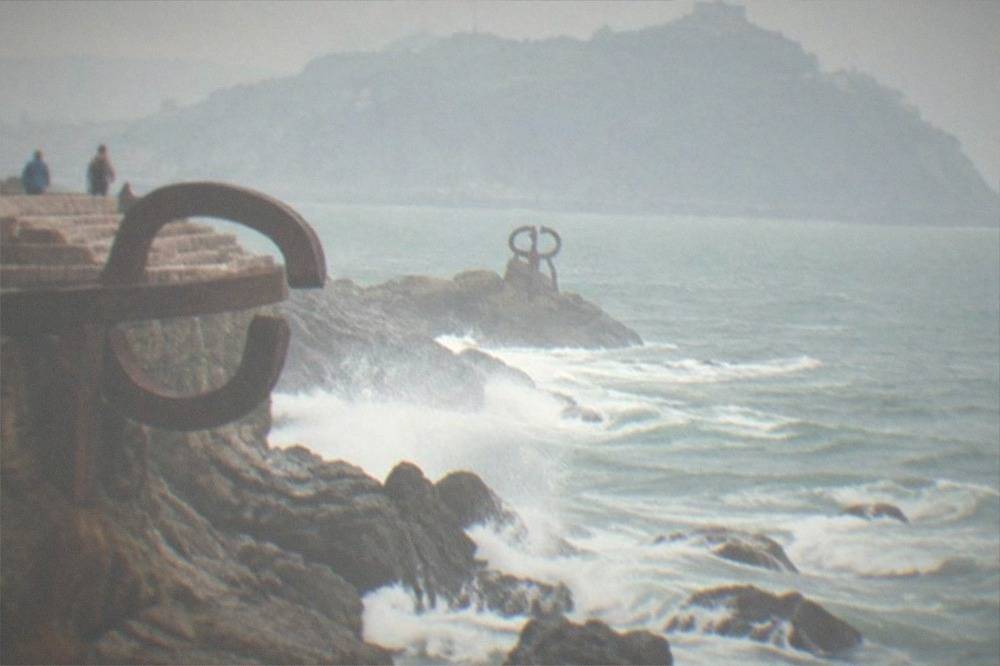
Ondarreta is the quieter sibling of La Concha: 600 metres long and 100 metres wide on the council's figures, sitting under Miramar Palace's gardens. At its west end the promenade runs out to the Peine del Viento, Eduardo Chillida's three steel sculptures, each weighing more than nine tonnes, anchored into the rocks in 1977 on a pink granite plaza by the architect Luis Peña Ganchegui. Waves hit the rock below and force air and spray up through the sculpture's embedded nozzles, and the council's beach page notes the walk to it starts at Ondarreta's west end, which makes the pairing natural.
The funicular to Monte Igueldo opened on 25 August 1912, and the tourism board calls it the oldest funicular in the Basque Country, a rack railway with wooden cars. The operator's own site gives the fares: 5.50 EUR adult return, 2.50 EUR for children up to 7, with a 4.00 EUR single that almost nobody should buy, because the home page states plainly that tickets for the downhill-only journey are not on sale. The ticket includes entry to the grounds at the top. The funicular normally runs every 15 minutes, on the hour, quarter past, half past and quarter to, and its FAQ says rides close on rainy days, which in a city with 141 rain days a year is a plan-changing detail.
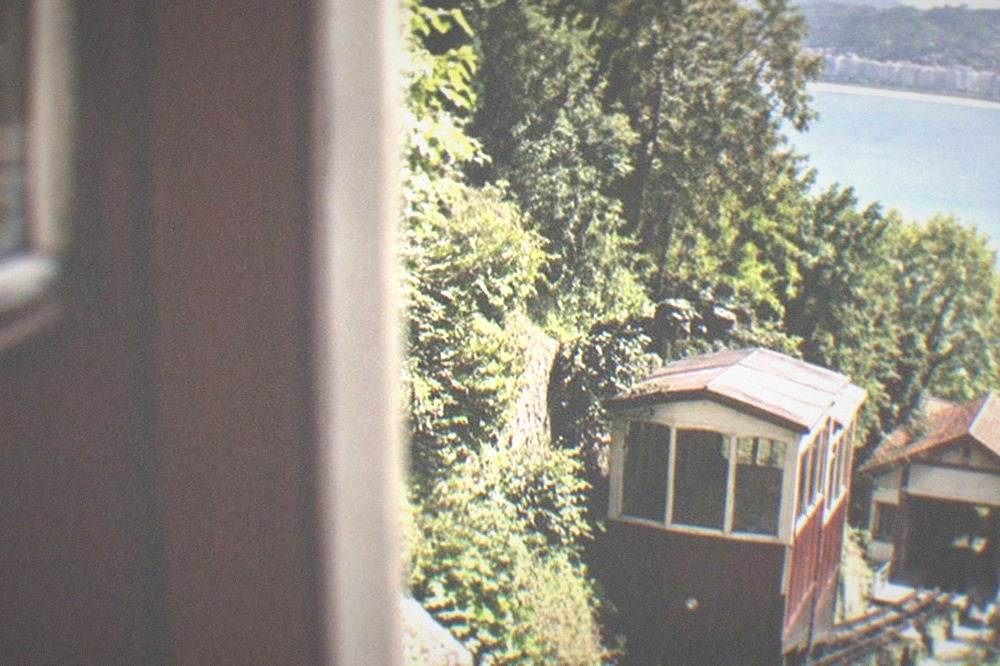
The hilltop is a viewpoint first and an amusement park second. From the top the whole bay reads at once: La Concha's full curve, Santa Clara island, Urgull on the far side. The Monte Igueldo guide covers the park's details, but the itinerary point is timing: come up mid-afternoon, stay for the view, and ride down before the operator's last departure rather than gambling on a walk, since the funicular sells no downhill-only ticket.
Come down and head east to Gros. Zurriola beach, 800 metres long and 110 wide, faces open ocean, and the council's description, strong swell, is the reason it carries the city's surf culture. If a lesson is on your list, the surf scene in San Sebastian explains the options, and the surf lesson and pintxos combination tour pairs the two halves of a Gros day into one booking: board, wetsuit, locker and hot shower, then pintxos and drinks after.
For dinner, Gros is where the city eats when it is not eating in the Old Town: fewer tourists, a younger crowd, and bars that run later. The evening pintxo hours matter everywhere in Spain, and what time people eat pintxos answers the scheduling question directly.
If the walking days of this itinerary are the part you most want a guide for, the self-guided audio option below covers the city's essence and culture at your own pace, and bookings can be cancelled up to 24 hours before.
How Do You Fill Three Days Or More In San Sebastian?
Day three belongs to the water and the wider region: a bay boat to Santa Clara island in the morning, whose high season runs 1 June to 30 September with a 5 EUR return fare, then either a cider house lunch in Astigarraga, a coastal walk on the Camino de Santiago, or a day trip by coach to Getaria, Hondarribia or across the French border. Four and five day stays simply add more of these.
The island is the part of the bay that many visitors only look at. The operator, Motoras de la Isla, runs the red line direct to Santa Clara every 30 minutes from 10:00 to 19:00 in high season, weather and sea permitting, with the last boat back at 20:00 from June to September, at 5 EUR return, tickets at the kiosk on the day. The blue line adds a 30 minute bay tour and costs 8 EUR. Children under 4 travel free. Outside the high season the operator says to consult departures, so treat the island as a June-to-September plan. More of these guides are collected on San Sebastian Spain Guide.
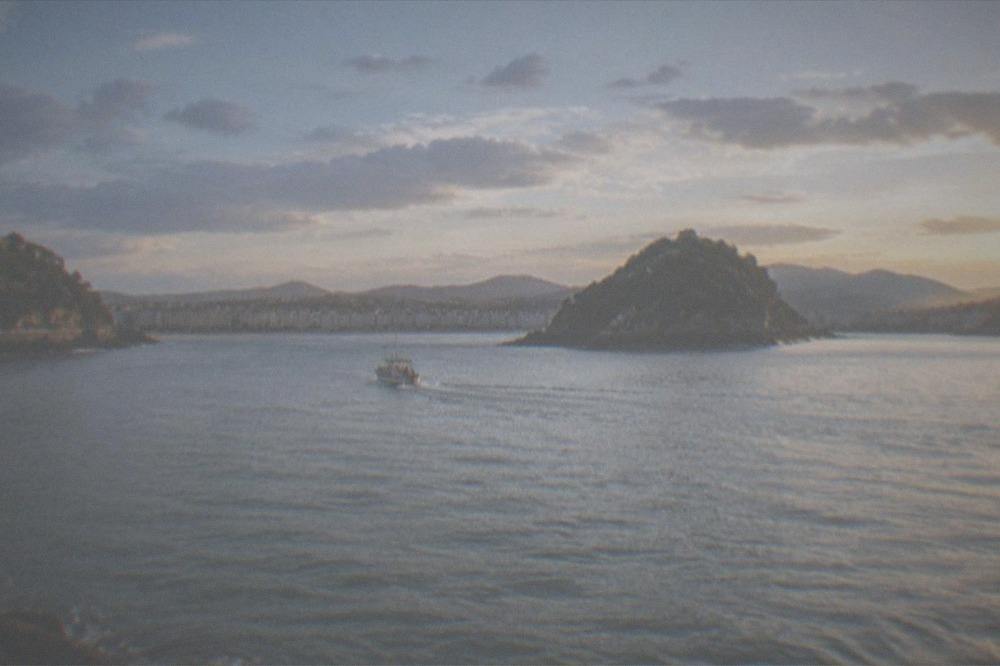
On the island, one detail is worth the crossing by itself: Hondalea, Cristina Iglesias's installation in the island lighthouse, inaugurated in 2021. The council's page gives it open 1 June to 30 September, 11:00 to 18:30, sessions every half hour, free, no booking needed for the visit itself, only the boat. It closes after 30 September and is not open all year, which is exactly the kind of season rule an itinerary has to respect.
A cheaper, faster version of the water day is the bay boat with an island stop, which holds a one-day ticket and audio commentary, or the eco-catamaran, a hybrid vessel with a phone audio guide and an onboard bar. The boat tours overview compares all of them.
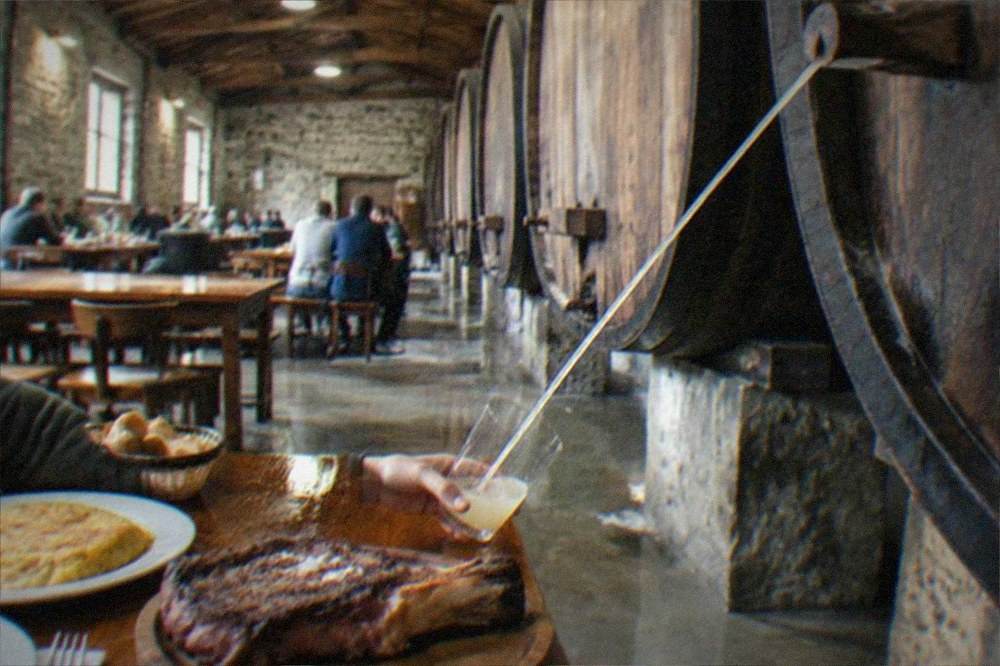
For the afternoon, pick one of three directions. Astigarraga, a separate municipality a short ride out, is the cider house capital: the tourism board runs the txotx season from the middle of January to the end of April, when cider is poured straight from the barrel, but cider houses serve the menu year round and the traditional cider house tour with lunch covers the orchard, the cellar, the txotx ritual and the meal. Alternatively, the Camino de Santiago's coastal route crosses the city, with the tourism board listing the Pasaia to Donostia stage arriving and the Donostia to Orio stage leaving, no distances given, and a guided hike over Mount Ulia covers the coastal stretch to the lighthouse. The third direction is a coach day trip: Getaria for txakoli and the Balenciaga museum, Hondarribia for the fortified old quarter, or Bilbao with the Guggenheim.
This table matches the third-day fork to what each option actually is:
| Day three option | Where | What it involves | Season rule |
|---|---|---|---|
| Santa Clara island boat | La Concha bay | 30 min crossing, optional Hondalea visit | Boats daily 1 Jun to 30 Sep |
| Cider house lunch | Astigarraga | Txotx ritual from the barrel, cod omelette and txuleta | Txotx pouring mid-Jan to end April |
| Camino coastal hike | Mount Ulia toward Pasaia | Guided walk on the Camino del Norte | Year round, weather dependent |
| Getaria txakoli trip | Getaria | Fishing town, txakoli tasting, hotel pickup | Year round |
| Bilbao and Gaztelugatxe | Bilbao | Hermitage islet, then the Guggenheim | Book Gaztelugatxe access ahead |
How Does The Weather Change A San Sebastian Itinerary?
Plan around rain, not around heat: AEMET's Igeldo station records 1,507 mm of rain a year over 141 rain days, and even July, the driest month, averages 86 mm, so no San Sebastián itinerary should promise a dry day. August, at 19.5 C mean and 117 mm of rain, is wetter than June, July or September. Build each day with one indoor block, and treat the beaches as bonuses rather than fixtures.
The station sits 250 m up on Monte Igeldo, so the seafront runs slightly warmer than these numbers, but the pattern holds: this is a wet Atlantic city, never a dry one. The table below is the month-by-month reality your dates will land in.
| Month | Mean C | Rain mm | Rain days | Sun hours |
|---|---|---|---|---|
| Jan | 8.5 | 141 | 13.2 | 98 |
| Mar | 10.3 | 113 | 12.4 | 144 |
| May | 14.4 | 120 | 12.2 | 181 |
| Jul | 18.9 | 86 | 9.8 | 196 |
| Sep | 18.0 | 111 | 10.1 | 179 |
| Nov | 11.3 | 169 | 13.0 | 102 |
The practical consequences are specific. The funicular closes its rides on rainy days. The island boats depend on weather and sea. The beaches lose their lifeguards after 30 September. A wet afternoon has good options, though: San Telmo Museoa, at 10.00 EUR general admission and 4.00 EUR reduced, is free for everyone every Tuesday, and open Tuesday to Sunday, closed Mondays. Tabakalera, the former tobacco factory turned cultural centre, has free access to the building and is closed Mondays too. The rainy day itinerary is built entirely around this problem.
Where Should You Eat On Each Day Of A San Sebastian Itinerary?
Anchor each day around one proper meal and one pintxo crawl: lunch at 14:00 or later in a sit-down restaurant, then bars from 20:00, because kitchens and bars run on the Spanish clock and eating at 18:00 means eating alone. Day one crawls the Parte Vieja, day two eats in Gros near Zurriola, day three takes a cider house lunch in Astigarraga or a restaurant on the day trip. The cheesecake at La Viña is the city's standard dessert order.
The city's food reputation is not marketing noise: the MICHELIN Guide Spain 2026 counts 11 stars across 6 restaurants inside the city, including the three-star houses Akelaŕe and Arzak, while Martín Berasategui's three stars sit in Lasarte-Oria, a separate municipality. You do not need a starred table to eat well, but the depth beneath the stars is why the food deserves a scheduled slot in the plan rather than whatever is nearest when hunger strikes.
For visitors who want the food explained rather than just eaten, two formats work inside an itinerary. A cooking class sits well on a rainy afternoon or a slower fourth day, and the market visit plus hands-on class version opens at the Old Town market before the class itself. A guided pintxo walk slots into any evening, and the premium version adds reserved seating at each bar plus a guided visit to Mercado de la Bretxa, which removes the two frictions of a crawl, standing room and choosing.
A simple eating frame for the three-day plan:
| Day | Lunch anchor | Evening plan | Dessert or extra |
|---|---|---|---|
| 1 | Old Town sit-down restaurant | Parte Vieja pintxo crawl, 3 or 4 bars | La Viña cheesecake |
| 2 | Gros, near Zurriola | Cider house menu or a Basque cooking class | Txakoli poured high and thin |
| 3 | Cider house lunch in Astigarraga, or the day trip's town | Light bars back in the city | Gilda pintxo to close |
What Practical Rules Should The Itinerary Respect?
Respect five season rules that the brochures omit: lifeguards and island boats run 1 June to 30 September, Hondalea on the island closes after 30 September, Monte Urgull closes at night, 21:00 in summer and 19:30 in winter, the funicular sells no downhill-only ticket and closes in rain, and the city's museums close on Mondays more often than not. No tourist tax is charged before 1 January 2027, so it does not affect any stay in 2026.
The Monday closures deserve the most emphasis, because a first day that falls on a Monday strips out San Telmo, Tabakalera and the Aquarium, which the venue's own page lists as closed Mondays from October to March except long weekends. Flip the plan: beaches and hills on Monday, museums any other day.
Getting around needs almost no planning. The city is flat along the bay and walkable end to end, and where walking fails, the dBus city fare is 1.95 EUR cash, with a 2.65 EUR night ticket, and cash does not allow free transfers. The MUGI card system covers city buses, regional buses and the Euskotren Topo, whose Amara to Hendaia run takes 37 to 38 minutes on the published timetable. The new underground Topo section has finished its civil works but no opening date has been published, and Amara remains the working terminus, so no itinerary should depend on a station beside La Concha yet.
If the itinerary is one leg of a wider trip, the Basque Country itinerary and the northern Spain itinerary extend the same route outward, and the root things to do in San Sebastian page indexes every option by category. Families should read the San Sebastian with kids adjustments, and couples the for couples version, before locking the plan.
Common Questions About San Sebastian Itineraries
Is three days enough for a San Sebastian itinerary?
Yes. Three days covers the bay, both hills, the Old Town, a boat trip and one day trip, at a pace that leaves room for long lunches. Two days works for the essentials; five is the comfortable maximum before the city itself runs out and the itinerary becomes a Gipuzkoa coast tour.
What is the best first day in San Sebastian?
La Concha in the morning, the Parte Vieja for lunch, Monte Urgull in the afternoon and a pintxo crawl in the evening. That single day touches the city's four essentials, the beach, the Old Town, the hill view and the food, without any transport beyond your own feet.
Do you need to book anything in advance?
Book starred restaurants well ahead, and book Gaztelugatxe access if that day trip is in the plan. The funicular, the island boats and the museums all sell on the day, and Hondalea on Santa Clara needs no booking for the visit itself, only the boat crossing.
What if it rains during the itinerary?
Swap the hill and beach blocks for San Telmo Museoa, free every Tuesday, Tabakalera, which has free access, or a Basque cooking class. The funicular closes its rides in rain and the island boats depend on sea conditions, so the outdoor half of any day is the half to sacrifice.
Is San Sebastian walkable enough to skip a car?
Yes inside the city. The beaches, Old Town, both hills and Gros all sit within a walkable rectangle, and dBus covers the rest at 1.95 EUR a cash fare. A car only earns its keep on the day trips, and the coastal coach tours cover those without one.
When do the beaches have lifeguards?
From 1 June to 30 September on all three beaches, with 10:00 to 20:00 hours from 15 June to 15 September and reduced 13:30 to 19:30 hours from 16 to 30 September. Outside that window you swim, surf and walk the sand unguarded.
The itinerary that works is the one that keeps its indoor block ready, keeps Monday out of the museum column, and treats the bay as the spine everything else hangs from.