San Sebastian Nightlife
San Sebastián, the Basque city on La Concha bay whose official name is Donostia / San Sebastián, runs its evenings through the pintxo bars of the Old Town rather than through clubs, and this guide covers where to go, what to eat and how to get home.
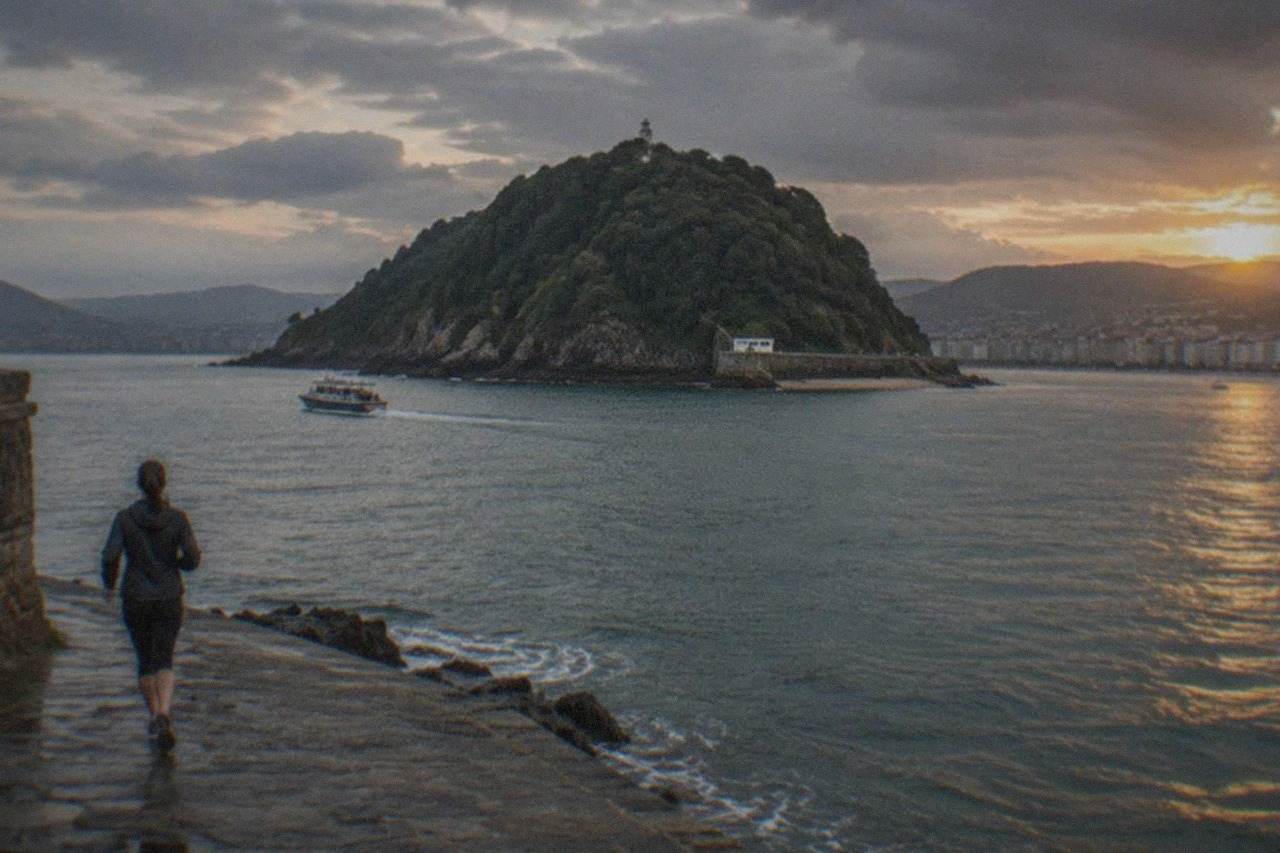
Short answer
Yes. San Sebastián nightlife centres on the pintxo bars of the Parte Vieja and the wider Gros and Centro bar scenes, with evening bay boats, cider houses and festival weeks layered on top. It is a food-first, late-dining city rather than an all-night clubbing one.
San Sebastián, in the Basque Country of Spain, is a city whose official name is Donostia / San Sebastián, and whose evenings belong to food more than to dance floors. The night here starts late, moves from bar to bar, and treats a skewer of gilda pintxos and a glass of txakoli as seriously as other cities treat a cocktail menu. This guide covers what the city offers after dark: which neighbourhoods carry the bar scene, how the pintxo crawl actually works, what the evening boats and festival weeks add, and how the last transport home runs.
Before the detail, one honest framing. The question of whether this is a party city in the clubbing sense has its own dedicated page, and the short version is that San Sebastian's party-town character is best understood as late dining and bar-hopping rather than nightlife in the Ibiza sense. What follows is the practical guide to those evenings.
Does San Sebastian Have Good Nightlife?
Yes, San Sebastián has genuinely good nightlife, but it is food-led rather than club-led. The evening runs through the pintxo bars of the Parte Vieja and the wider Gros and Centro scenes, with dinner starting late and bars filling afterwards. The MICHELIN Guide Spain 2026 counts 11 stars across 6 restaurants inside the city, so the top end of a night out here can be one of the best dinners in Spain, while the everyday version is a crawl from bar to bar.
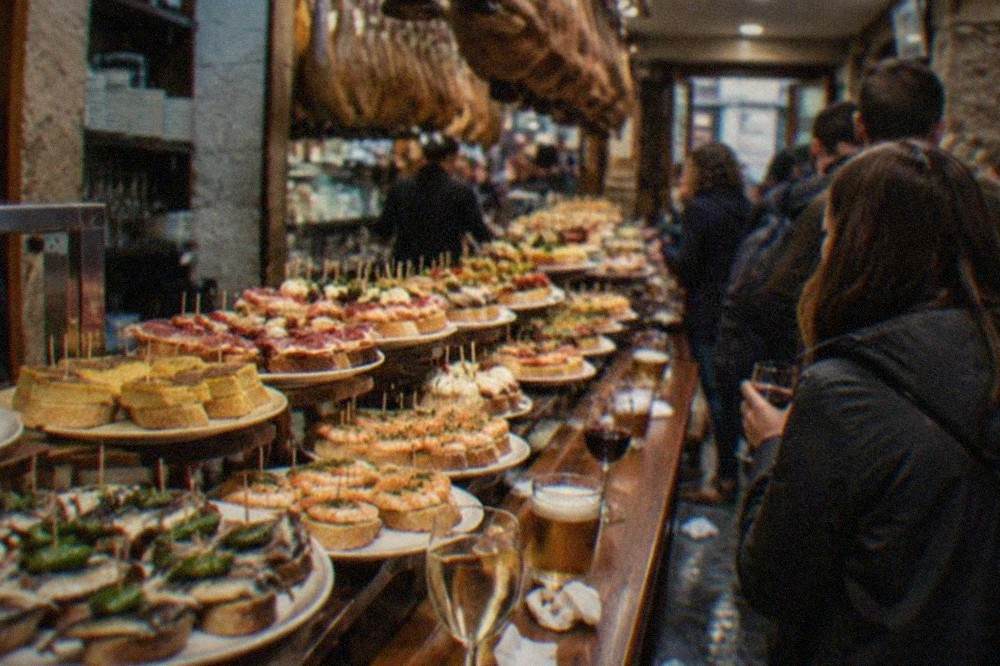
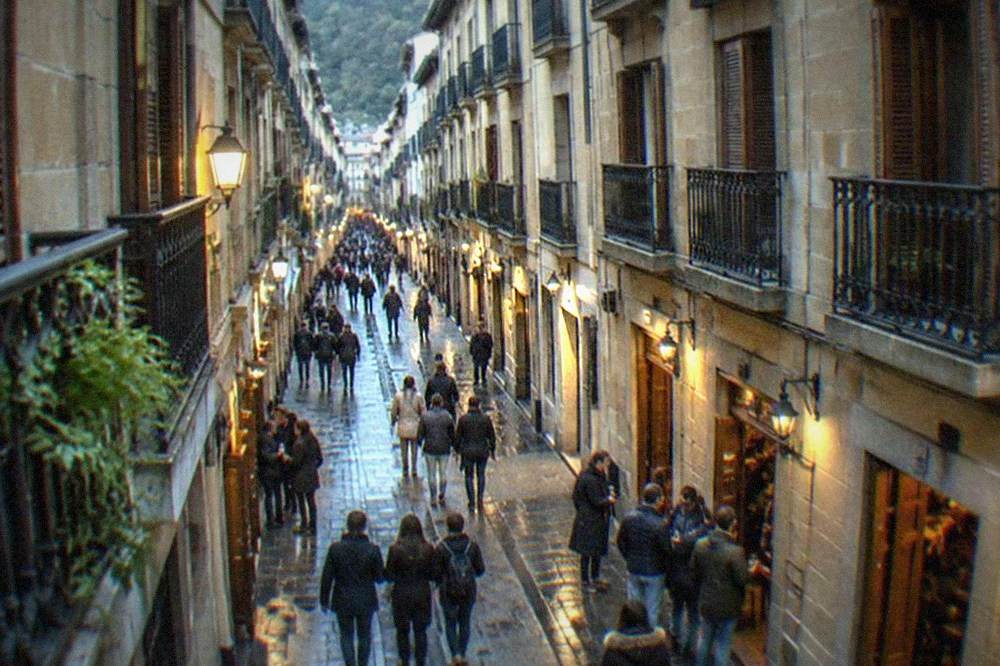
The character of the night matters more than the count of venues. A typical evening in the Parte Vieja is not one venue at all: it is five or six. Locals call the custom txikiteo, moving between bars with a small drink and a pintxo at each, and the bars in the narrow streets around Plaza de la Constitución are built for exactly that rhythm, with standing room rather than seating and the bar top doing the work of a table.
The scene is also unusually seasonal. August is the peak month for hotel overnight stays in the city, and the festival calendar adds fireworks competitions, jazz and film weeks that push the evening streets well past midnight. A winter night is quieter, wetter and much more about the bars themselves.
Where To Go Out In San Sebastian At Night?
The Parte Vieja, the Old Town, is the centre of San Sebastián nightlife and holds the densest run of pintxo bars in the city. Gros, across the river, is the younger, more local alternative with surf-town energy, and Centro, the Romantic Area, carries calmer wine bars and restaurant evenings. Antiguo and Egia are quieter, with a handful of neighbourhood bars rather than a scene.
Each area has a distinct job on a night out. The table below summarises what each part of the city offers after dark, and the deeper neighbourhood guides cover them street by street.
| Area | Night character | What an evening looks like |
|---|---|---|
| Parte Vieja | Dense pintxo bar scene, the heart of the night | Bar-to-bar crawl, standing at counters, late and loud at weekends |
| Gros | Local, younger, surf neighbourhood | Casual bars around the Zurriola beach end of the city |
| Centro | Calmer, restaurant-led | Wine bars, dinner-focused venues, theatre and concert nights |
| Antiguo | Residential and quiet | A few neighbourhood bars, early finish |
| Egia | Laid-back, student-influenced | Low-key bars near the Kursaal end of the river |
The Parte Vieja guide covers the Old Town streets in detail, and the Gros and Centro pages do the same for their sides of the river. For the bars themselves, the best pintxo bars round-up is the companion page to this one, and what pintxos actually are explains the food that anchors the whole evening.
A guided evening takes the pressure off the first night. The pintxo and wine tasting above pairs eight pintxos with five drinks across the Old Town edge, and the walking tours in the same band are the daytime counterpart that leaves your evening free. The must-see attractions walk covers the historic centre, and the Getaria txakoli trip is a half-day out to the fishing town where much of the white wine poured in these bars is made, as the txakoli guide explains.
What To Do In San Sebastian After Dark?
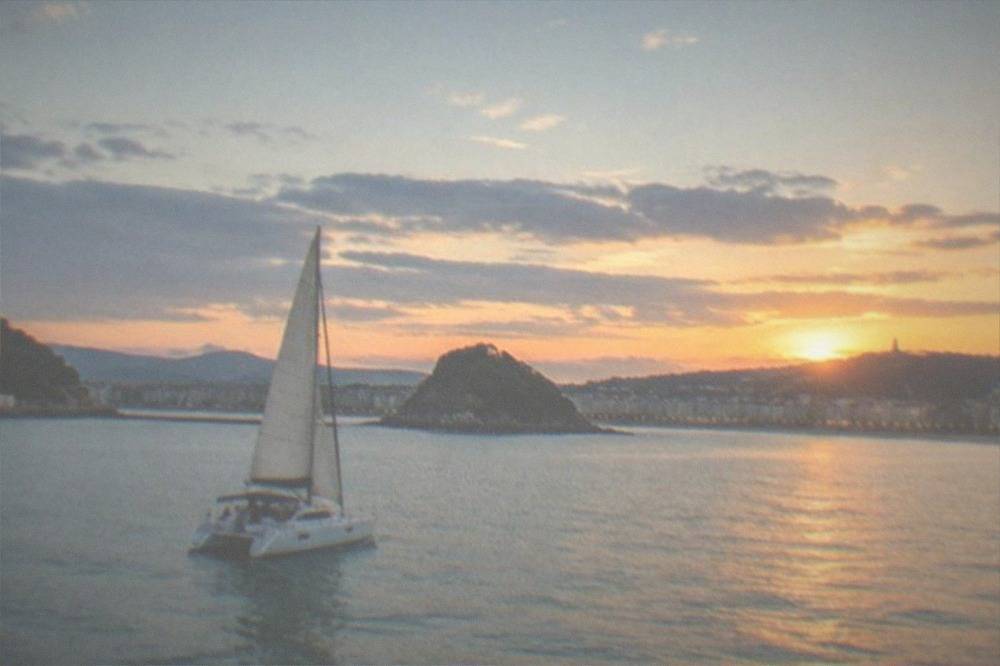
After dark, San Sebastián offers pintxo bar crawls, late dinner, sunset and evening boat sailings on La Concha bay, cider house evenings in the surrounding Gipuzkoa countryside, and festival-week fireworks and concerts in summer. The Kursaal concert hall programmes evening performances, and the bay itself stays lively, with the island boat running until early evening in high season and sunset sailings departing from the harbour.
The evening boats are the part that tends to get overlooked. A sunset sailing on the silent eco-catamaran leaves from the harbour with a drink included, and the small-boat sunset run east along the cliffs to Pasaia includes cava. In high season, defined by the operator as 1 June to 30 September, the island boat to Santa Clara runs until early evening, and the Santa Clara island guide covers the crossing.
The cider houses are an evening institution of their own. The txotx season, in the tourism board's wording, runs from the middle of January to the end of April, when barrels are opened straight from the barrel and the meal is a fixed one, and the cider houses guide covers the ritual. A guided cider house tour with lunch runs from the city with hotel-area pickup, and the operator is the Gipuzkoa cider house association itself.
For music and performance, the Kursaal, whose building by Rafael Moneo was inaugurated in 1999, is the city's main concert hall, and the Kursaal guide covers its programme and architecture. The Quincena Musical festival fills August with classical concerts, and Jazzaldia, the city's jazz festival, whose 2026 edition was the 61st, takes over stages including open-air ones in July.
How Do You Get Home Late In San Sebastian?
The dBus night ticket costs 2.65 EUR paid in cash to the driver, against 1.95 EUR for the ordinary occasional ticket, and the MUGI card cuts a single urban trip to 0.78 EUR, or 0.59 EUR for a personalised card holder within their first 20 trips of the month. The Euskotren Topo runs from Amara-Donostia to Hendaia every 30 minutes on the busiest service day, for a 2.90 EUR occasional fare. Cash bus tickets do not allow free transfers.
Those figures come from the MUGI tariff and the dBus fare page, and they are the ones that matter at the end of a night. The table below sets out the fares that apply to getting home inside the city and out along the coast.
| Ticket | Urban 1, 0 jumps | 1 jump | 2 jumps | 3 jumps |
|---|---|---|---|---|
| Occasional, cash | 1.95 EUR | 2.90 EUR | 5.40 EUR | 7.90 EUR |
| Night ticket | 2.65 EUR | 3.70 EUR | 6.45 EUR | 8.95 EUR |
| MUGI anonymous card | 0.78 EUR | 1.16 EUR | 2.16 EUR | 3.16 EUR |
| MUGI personalised, trips 1 to 20 in the month | 0.59 EUR | 0.88 EUR | 1.64 EUR | 2.41 EUR |
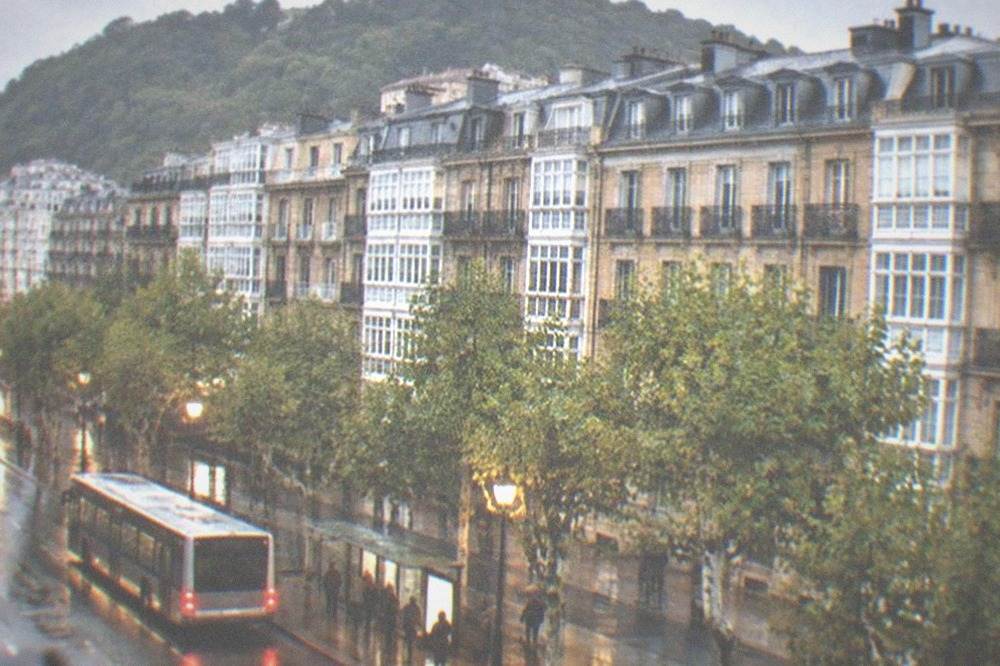
Two honest warnings about late transport. First, the new underground Topo section through the city centre has no published opening date: the Basque Government announced on 8 June 2026 that the civil works are complete and fitting-out has begun, and Amara remains the working terminus, so plan around Amara, not around a station beside La Concha. Second, the exact hours of the last buses on each dBus line are on the operator's own pages, and no figure for them is reproduced here, so check the line you need before you rely on it. The getting around guide and the Euskotren guide carry the fuller transport picture.
Does San Sebastian Nightlife Change With The Seasons?
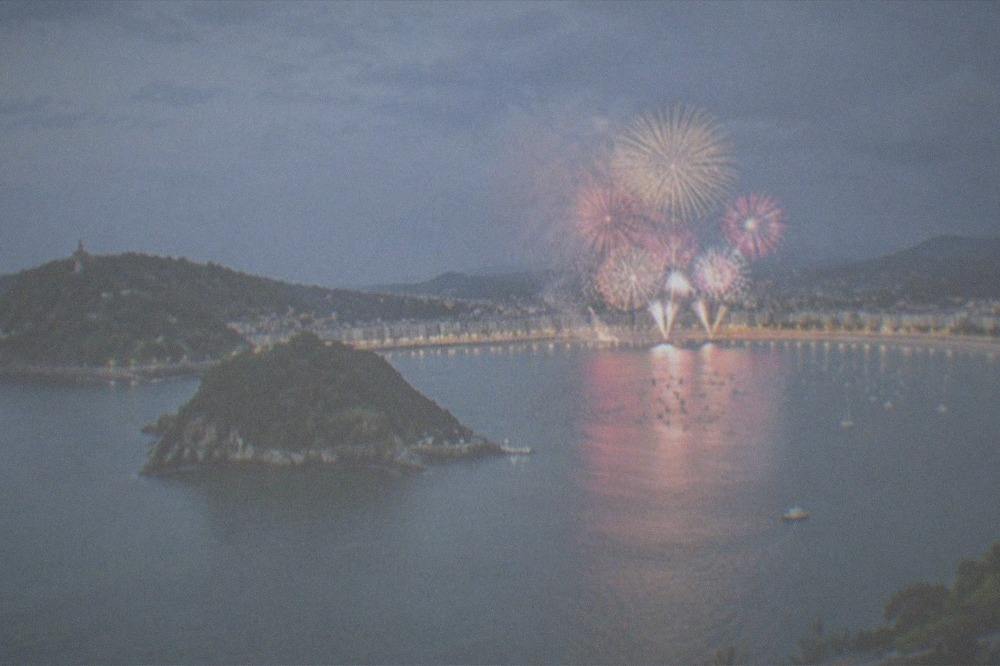
San Sebastián nightlife changes sharply with the seasons. August is the peak month for hotel overnight stays in the city, and Semana Grande, always the week of 15 August, adds fireworks competitions that fill the bay at midnight. The film festival in late September and Jazzaldia in July push evenings later still, while from November to February the nights are quieter, wetter and centred on the indoor bar scene, with November averaging 169 mm of rain, the wettest month at AEMET's Igeldo station.
The rain is not a footnote here, it is the planning reality. AEMET's normals for the Igeldo station, at 250 m on Monte Igeldo, so the seafront runs slightly warmer, show rain on roughly 10 days even in July, the driest month, and 141 rain days across the year. The table below gives the numbers that decide whether your night out is a bay-side one or an indoor one. The full index of guides sits on San Sebastian Spain Guide.
| Month | Mean max C | Rain mm | Days with 1 mm or more | Sun hours |
|---|---|---|---|---|
| January | 11.0 | 141 | 13.2 | 98 |
| March | 13.4 | 113 | 12.4 | 144 |
| May | 17.7 | 120 | 12.2 | 181 |
| July | 21.8 | 86 | 9.8 | 196 |
| August | 22.5 | 117 | 10.5 | 190 |
| September | 21.1 | 111 | 10.1 | 179 |
| November | 14.0 | 169 | 13.0 | 102 |
The festival calendar is the other seasonal engine. The San Sebastián festivals guide lists the fixed dates: Tamborrada on 20 January fills the night with drumming, the La Concha regattas on the first two Sundays of September bring the bay crowds, and the film festival, whose 74th edition ran 18 to 26 September 2026, turns late September into the city's most cinematic week. For month-by-month planning, the best time to visit guide weighs the seasons against each other.
What Does A Night Out In San Sebastian Cost?
The transport costs of a night out in San Sebastián are fixed and published: 1.95 EUR for a cash city bus ticket, 2.65 EUR for the night ticket, 2.90 EUR for a Topo trip to Hendaia, and 5.50 EUR for a return adult ticket on the Monte Igueldo funicular. What the bars themselves charge is not published in any official source, so no per-pintxo price is printed here: each bar sets its own prices and the bar itself is the reference.
That last point is deliberate. No pintxo bar, restaurant or cafe on this destination had its prices verified for this guide, and an invented average would be worse than none. What can be said is how the spending works structurally: a txikiteo evening is pay-as-you-go, one small drink and one pintxo per bar, settled at each counter, so the cost scales with how many bars you visit rather than with a single cover charge.
| Evening element | What is verified | Where the figure comes from |
|---|---|---|
| City bus, cash | 1.95 EUR | dBus fare page |
| City bus, night ticket | 2.65 EUR | dBus fare page |
| Topo to Hendaia, occasional | 2.90 EUR | Euskotren timetable data, MUGI tariff |
| Igueldo funicular, adult return | 5.50 EUR, includes grounds entry | Funicular's own site |
| Pintxo bars | Prices set by each bar | No official figure exists |
| Guided evening tours | Printed on each listing | The operator's live listing |
For the guided options, the price, rating and duration render on each listing and are not repeated here. The premium pintxo and market tour, with reserved seating at each bar, and the small-group Old Town crawl, both have their own pages: the premium pintxo tour and the Old Town pintxos and wine tour, each with an inline availability check beside it: Check availability.
The cider house evening in the same band deserves a note: the txotx ritual, pouring cider straight from the barrel, is an evening meal in itself and the run by the Gipuzkoa cider house association includes the lunch or dinner at the farmhouse table. The is San Sebastián expensive guide covers the wider cost picture of the city, and the how many days question helps you budget evenings across a stay.
How Does The Pintxo Crawl Actually Work At Night?
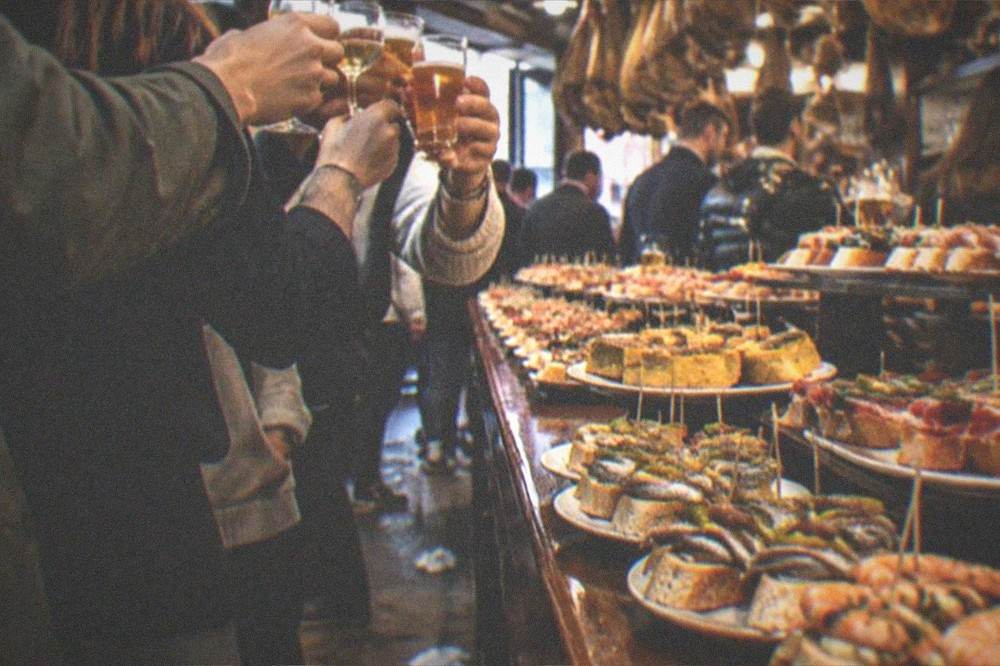
The pintxo crawl, txikiteo, works bar by bar: you order one or two pintxos and a small drink at the counter, eat them standing, pay, and move to the next bar. There is no cover charge and no route, the custom is to spread the evening across several bars, and the busiest nights are Thursday to Saturday when the Parte Vieja counters fill after dinner service begins. The drink poured most often is txakoli, the local white wine, served from a height so it fizzes in the glass.
The mechanics are simple once you have seen them once. Pintxos are laid out on the bar top, cold ones on trays and hot ones ordered to the kitchen, and you pay at the end of your stop, not before. The pintxos in San Sebastián guide walks through the ordering customs in more detail, and the gilda pintxo page covers the anchovy, olive and guindilla skewer that is the city's signature bite.
For a first evening, a guided crawl removes the language and etiquette questions at a stroke. The small-group Old Town crawl, the shared pintxo tour with drinks included, and the eight-guest culinary tour all do this work, and the tasting tour below is the paired-wine version, with Denomination of Origin wines matched to each of its eight pintxos.
If you would rather plan the same evening yourself, the best pintxo bars guide is the bar-by-bar companion, and the best bars page widens the net beyond the pintxo counters to the city's drinking spots generally.
Where Does A Special Night Out In San Sebastian End Up?
A special night out in San Sebastián ends at one of the city's MICHELIN-starred tables, and the MICHELIN Guide Spain 2026 counts 11 stars across 6 restaurants inside the city: Akelaŕe and Arzak with three stars each, Amelia by Paulo Airaudo with two, and iBAi by Paulo Airaudo, Itzuli, new in the 2026 edition, and Kokotxa with one each. Martín Berasategui also holds three stars but sits in Lasarte-Oria, a separate municipality, not in the city.
The distinction matters because lists that put Martín Berasategui inside San Sebastián are quietly wrong about the geography. The table below is the verified city count, and the Michelin restaurants guide covers each table in depth.
| Stars | Restaurant | Edition |
|---|---|---|
| 3 | Akelaŕe | MICHELIN Guide Spain 2026 |
| 3 | Arzak | MICHELIN Guide Spain 2026 |
| 2 | Amelia by Paulo Airaudo | MICHELIN Guide Spain 2026 |
| 1 | iBAi by Paulo Airaudo | MICHELIN Guide Spain 2026 |
| 1 | Itzuli, new in the edition | MICHELIN Guide Spain 2026 |
| 1 | Kokotxa | MICHELIN Guide Spain 2026 |
For the sweet ending, the city's most exported dessert is the burnt basque cheesecake from La Viña in the Old Town, and the La Viña cheesecake guide tells its story, with the wider San Sebastián cheesecake tradition covering the imitators. A night that ends with a slice of it, back in the Parte Vieja where the evening began, is the city's own closing time.
Common Questions About San Sebastian Nightlife
Does San Sebastian have good nightlife?
Yes. The city runs a food-led night centred on the pintxo bars of the Parte Vieja, with a younger bar scene in Gros, evening boats on the bay, and festival weeks that push the streets late. It is not primarily a clubbing city.
Where is the best area for a night out in San Sebastian?
The Parte Vieja, the Old Town, has the densest run of pintxo bars and is the centre of the night. Gros is the more local, younger alternative, and Centro is the calmer, restaurant-led option.
What time does nightlife start in San Sebastian?
Late by northern European standards. Dinner and the bar crawl build through the evening and peak after dark, with weekends the busiest nights in the Old Town. The exact hours of any named bar are set by the bar itself and are not published in any official source.
How do you get home late in San Sebastian?
The dBus night ticket costs 2.65 EUR in cash, the ordinary occasional ticket 1.95 EUR, and a MUGI card cuts a single urban trip to 0.78 EUR. The Topo runs from Amara to Hendaia in 37 to 38 minutes for a 2.90 EUR occasional fare. Check the operator's pages for each line's last departure.
Is San Sebastian nightlife good in winter?
It moves indoors. November is the wettest month at 169 mm of rain in the AEMET Igeldo normals, so winter nights are bar-centred, and Tamborrada on 20 January fills the streets with drumming, while the txotx cider season runs from mid-January to the end of April.
Can you do a pintxo tour at night in San Sebastian?
Yes. Several guided pintxo and wine tours run in the evening hours, including a small-group Old Town crawl and a paired tasting of eight pintxos with five wines. Prices, ratings and times are on each operator's live listing.
A night out in San Sebastián is really a walk with stops: a glass here, a skewer there, the bay at one end of it and a cheesecake at the other, and the city has spent a century perfecting exactly that shape.