3 Days In San Sebastian
Three days is enough to cover San Sebastián's two beaches, two hills, the Old Town and the bay by boat, provided the days are planned around the tide, the rain and the Monday closures.
Short answer
Spend day one on La Concha, the Old Town and Monte Urgull; day two on Monte Igueldo, the Peine del Viento and Ondarreta; day three on the water, Zurriola and Gros. Book the pintxo crawl for one evening and the sunset sailing for another, and keep Monday free of museums.
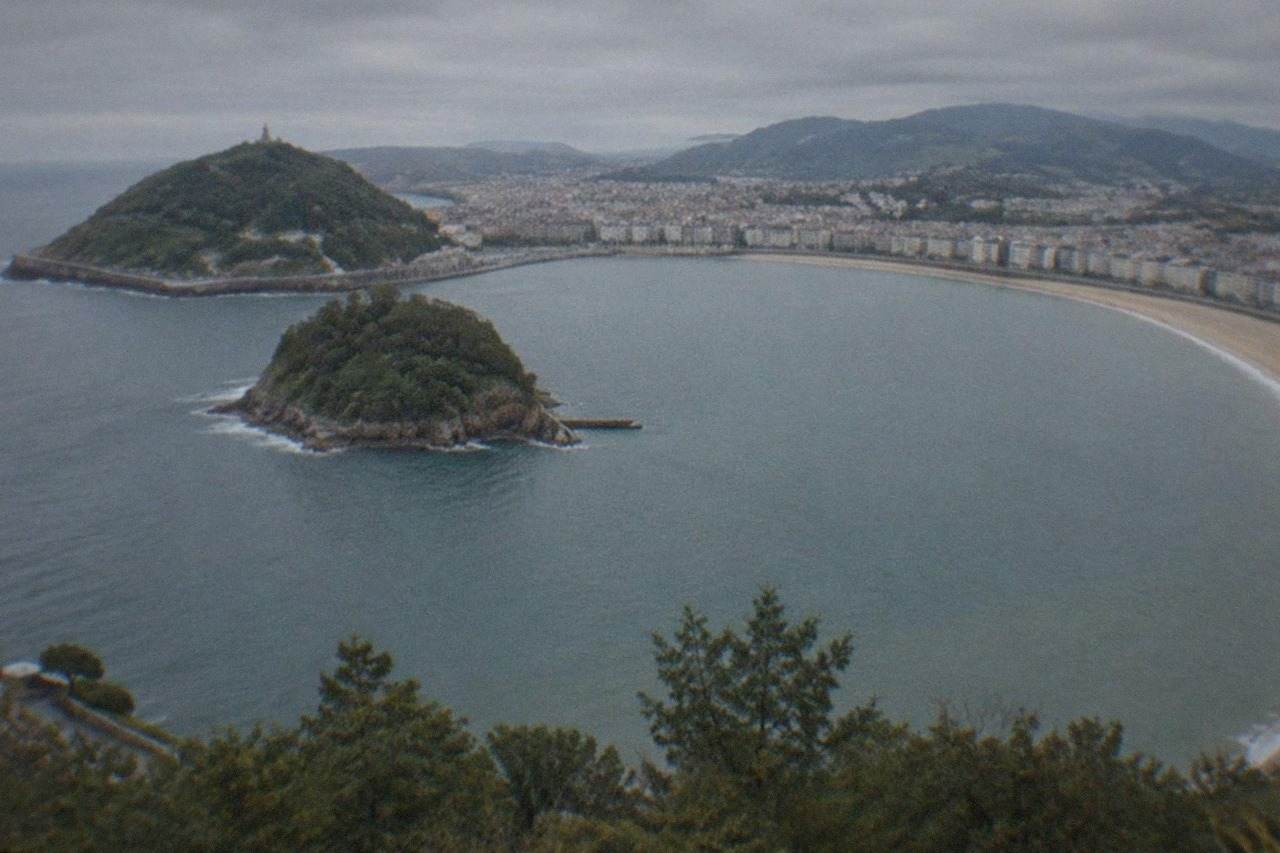
Three days is the sweet spot for San Sebastián, the Basque city on La Concha bay in Gipuzkoa, Spain, whose official name is Donostia / San Sebastián and whose Basque name, Donostia, is used on its own just as often. The city is compact enough that nothing on this itinerary needs a car, and rich enough that a rushed day still leaves half of it unseen. This page lays out a day-by-day plan that works in any season, with the fares, opening rules and closures that decide whether a plan survives contact with reality.
One warning shapes everything else: it rains here. AEMET's climate normals for its Igeldo station, the series covering 1981 to 2010, record 1,507 mm a year across 141 rain days, and even July, the driest month, averages 86 mm. Pack a rain layer for every one of the three days, and read the San Sebastian weather guide before locking in dates. If the trip is shorter, the one day in San Sebastian plan covers the essentials; if it stretches, four days is not too much.
What Can You Realistically See In 3 Days In San Sebastian?
Three days covers all three city beaches, both harbour hills, the Old Town, the Peine del Viento, the bay by boat and at least one serious pintxo evening, with room left for either a museum morning or a half-day trip along the coast. It does not cover a Bilbao day and the city in the same three days without cutting something, so pick one or the other. The plan below keeps every day walkable from the centre.
The city's geometry makes this easy. La Concha and Ondarreta form one continuous stretch of sand on the west side of the bay, Zurriola faces the open sea on the east side, and the Old Town, the Parte Vieja, sits between them under Monte Urgull. Monte Igueldo, with its 1912 funicular, closes the bay to the west. Almost everything in this itinerary is within a half-hour walk of anything else.
Here is the shape of the three days at a glance. The table is the skeleton; the sections below put flesh on each day.
| Day | Morning | Afternoon | Evening |
|---|---|---|---|
| Day 1 | La Concha and the promenade | Old Town, Plaza de la Constitución, Monte Urgull | Pintxo bars in the Parte Vieja |
| Day 2 | Funicular up Monte Igueldo | Peine del Viento and Ondarreta | Cooking class or cider house meal |
| Day 3 | Bay boat and Santa Clara island | Zurriola, Gros, Kursaal | Sunset sailing from the harbour |
A note on Mondays: San Telmo Museoa, Tabakalera and the Aquarium are all closed on Mondays outside holiday weeks, so slot museums onto day two or three if the trip includes a Monday. The full closure rules are in the venue table further down.
Where Should You Stay For 3 Days In San Sebastian?
Stay in the Centro or Parte Vieja districts for a three-day trip: everything in this itinerary is then walkable, and the dBus network covers anything that is not. The Gros district, behind Zurriola beach, is the quieter alternative with the same walking access. A car is a hindrance, not a help, for all three days.
The centre puts La Concha ten minutes one way and the Old Town five minutes the other. Ondarreta and the Peine del Viento are a twenty-minute walk along the promenade. Zurriola is across the river mouth, fifteen minutes on foot. Only Monte Igueldo's upper station and any day trip need transport, and both have it.
City buses are cheap and simple: the dBus occasional ticket paid in cash to the driver is 1.95 EUR, the night ticket 2.65 EUR, and cash does not allow free transfers, so a card is worth having for more than a couple of rides. The MUGI fare system covers the city buses, the Lurraldebus interurban lines and the Euskotren Topo under one card, with an anonymous card charging 0.78 EUR for an urban trip. The card's purchase price is not published by the operator, so check at a sales point before relying on one.
Guided walks are the cheapest structured way to get oriented on day one, and the two below fit the three-day plan without eating an afternoon.
The two days in San Sebastian itinerary drops day three's boat and beach morning; the guide to how many days you need explains the trade-offs at every length.
What Should You Do On Day One In San Sebastian?
Day one is the classic circuit: walk the full La Concha promenade in the morning, spend the afternoon in the Old Town and up Monte Urgull, and end with a pintxo crawl through the Parte Vieja bars. Every part of that day is free except the pintxos, and none of it needs transport.
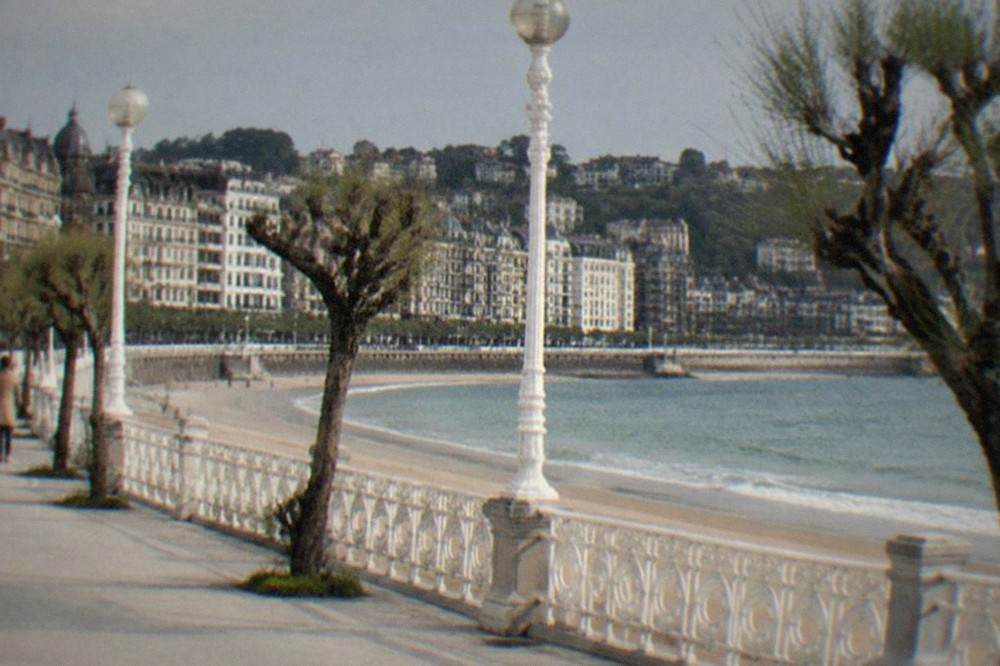
Start at the eastern end of La Concha and walk the promenade west. The council's own beach page measures La Concha at 1,350 metres of sand, and notes that the tide often limits the usable area, so the walk is the reliable pleasure and the swim is a bonus. The two white railings-and-lampposts stretches of promenade are the most photographed part; the La Concha beach guide covers the tide, the lifeguard season and the island views in detail.
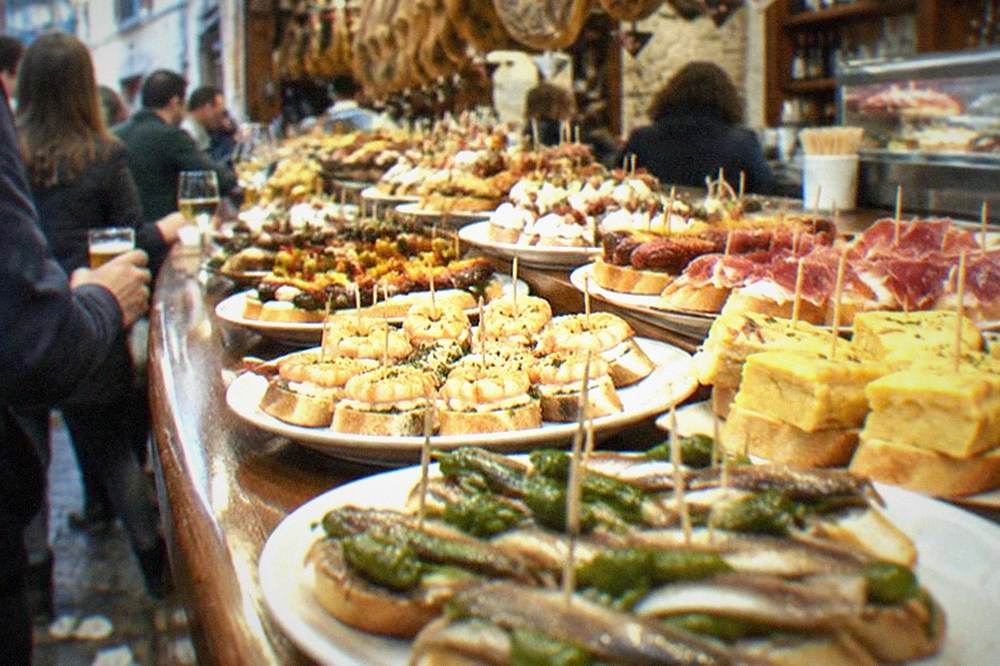
Cross into the Parte Vieja for lunch. The Old Town is the dense grid of streets behind the harbour, and its bars are the reason many visitors come at all; the guide to pintxos in San Sebastian explains what a pintxo is and how the bars work, and the site's best-bars page names the ones worth queueing for. Plaza de la Constitución, the old bullring turned square, is the natural midpoint.
In the afternoon, climb Monte Urgull. The tourism board lists the access hours: 08:00 to 21:00 from 1 May to 30 September, and 08:00 to 19:30 from 1 October to 30 April, because the hill closes at night. The path up from the Parte Vieja passes the English Cemetery and ends at the Castillo de la Mota, with the whole bay below. The Monte Urgull guide maps the routes.
For the evening, decide between going alone and going guided. A short guided walk that ends with a pintxo and a drink included is the low-commitment option, and its own page has the details: the walking tour with pintxo and drink. Check availability. A small-group crawl through the Old Town bars is the deeper one, and it has its own page too: the Old Town pintxos and wine tour. Doing both in one evening is redundant; pick by how much you want explained.
What Should You Do On Day Two In San Sebastian?
Day two goes west: take the 1912 funicular up Monte Igueldo in the morning, walk down to the Peine del Viento sculptures at the far end of Ondarreta, spend the afternoon on Ondarreta or in San Telmo Museoa, and give the evening to a cooking class or a cider house meal. The funicular return fare is 5.50 EUR for an adult.
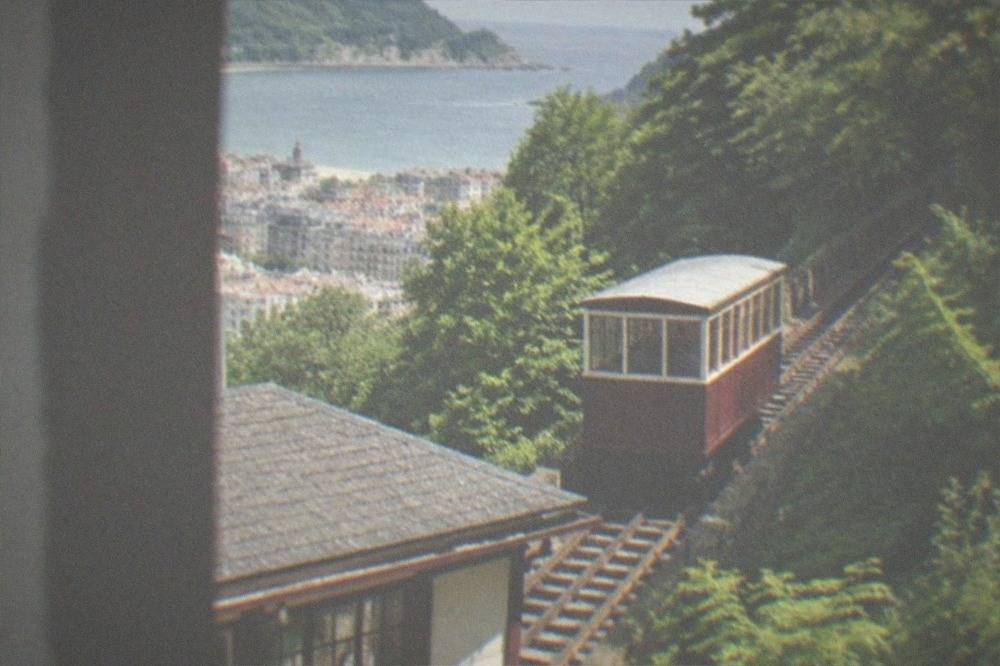
The funicular opened on 25 August 1912 and the tourism board calls it the oldest in the Basque Country, a rack funicular with wooden cars. Its own site says it normally runs every 15 minutes, on the hour, quarter past, half past and quarter to, more often when busy. The return ticket, 5.50 EUR adult and 2.50 EUR for a child up to 7, includes entry to the grounds at the top; walking up or arriving by any vehicle costs 3.00 EUR per person for the grounds alone.
One rule from the operator's own home page matters: tickets for the downhill-only funicular journey are not on sale. Ride up and walk down, or ride both ways, but do not plan to walk up and ride down. The rides also close on rainy days, which in this city is a real possibility in any month. The Monte Igueldo guide has the full fare table and the walking options.
From the top, the view down over the whole bay is the payoff. Come down and continue west along Ondarreta to the Peine del Viento, Eduardo Chillida's three steel sculptures, each of more than nine tonnes, anchored in the rocks in 1977 on a pink granite plaza by the architect Luis Peña Ganchegui. Waves hit the holes in the rock and send spray through them; on a calm day it is a sculpture, on a swell it is a performance.
Spend the afternoon indoors if the weather turns, or on Ondarreta if it holds. San Telmo Museoa, in a former convent at the edge of the Old Town, charges 10.00 EUR general admission, 4.00 EUR reduced for students, visitors over 65 and large families, and is free for everyone every Tuesday, plus free for under 25s on any open day. It opens Tuesday to Sunday and closes on Mondays.
| Venue | Admission | Open | Closed |
|---|---|---|---|
| San Telmo Museoa | 10.00 EUR, reduced 4.00, free Tuesdays | Tue to Sun, 10:00 to 20:00 summer, 19:00 winter | Mondays |
| Tabakalera | Free entry to the building | Tue to Sun, 10:00 to 21:00 | Mondays |
| Aquarium | Not published on the official page | Tue to Sun outside summer, daily July and August | Mondays Oct to Mar, except long weekends |
| Chillida Leku, Hernani | 14 EUR adult, 10 reduced, 7 under 18, free to 8 | Daily 10:00 to 19:00 | Tuesdays and Wednesdays |
For the evening, the two strongest options are a hands-on Basque cooking class, which ends with you eating the meal you cooked, or the cider house route. The txotx cider season runs from the middle of January to the end of April by the tourism board's rule, so time the trip accordingly if the cider houses are the draw; outside the season a farmhouse and cider house visit with the meal included still runs as a booked tour.
What Should You Do On Day Three In San Sebastian?
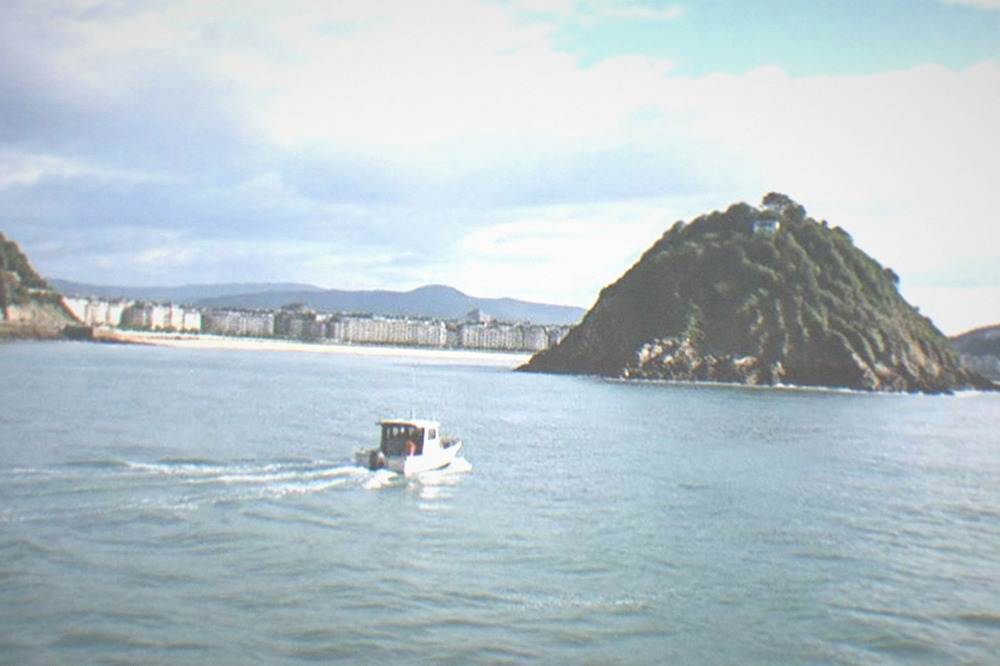
Day three is the water day: take the bay boat to Santa Clara island in the morning, spend the early afternoon on Zurriola and in Gros, and finish with a sunset sailing from the harbour. The island boat's high season is 1 June to 30 September, so outside that window the day flips and the sailing becomes the only boat.
The island boat is run by Motoras de la Isla, and its own tariff page gives the details. The red line runs direct to Santa Clara, 10:00 to 19:00 every 30 minutes in high season, weather and sea permitting, at 5 EUR return, with tickets at the kiosk on the day; children under 4 travel free. The blue line adds a 30-minute bay tour before the island stop and costs 8 EUR, with fixed departures through the afternoon, though the last one does not allow landing. In low season the operator says to consult departures rather than promising a timetable. The wider set of guides lives on San Sebastian Spain Guide.
On the island, Hondalea, Cristina Iglesias's underwater sculpture installation in the lighthouse, is free and needs no booking for the visit itself, only the boat. Its season matches the island's: 1 June to 30 September, 11:00 to 18:30, sessions every half hour, small groups. The council's page for the visit is explicit that it is not open all year.
Back on land, cross to Zurriola. The council's page describes it as 800 metres of fairly open sand with a strong swell, remodelled in 1994, and it is the surfers' beach of the three. The Gros district behind it is where the city's younger bar life sits, and the Kursaal congress centre, Rafael Moneo's building inaugurated on 23 August 1999, anchors the eastern end. Lifeguards are on all three beaches only from 1 June to 30 September, 10:00 to 20:00 from 15 June to 15 September and 13:30 to 19:30 for the rest of September, so swim inside those hours in season and treat the water with respect outside it.
The evening belongs to the sunset sailing. A sunset departure on the silent eco-catamaran, with a drink included, closes the three days the way the first one opened them, from the water looking back at the bay. Keep the booking flexible: in a city where no month averages under 86 mm of rain, a sunset is never guaranteed, and a sailing that can be moved to another evening is worth more than one that cannot.
What Should You Eat Across 3 Days In San Sebastian?
Plan the eating as deliberately as the sightseeing: one guided pintxo evening, one self-guided crawl through bars the guide names, and one sit-down meal, either a cooking class you eat the results of or a cider house lunch with the txotx ritual. The city's food reputation is not hype: the MICHELIN Guide Spain 2026 counts 11 stars across 6 restaurants inside the municipality.
The Michelin count needs care. The 2026 edition lists 6 restaurants holding 11 stars inside the city: Akelaŕe and Arzak with three stars each, Amelia by Paulo Airaudo with two, and iBAI by Paulo Airaudo, Itzuli and Kokotxa with one each. Martín Berasategui's three stars sit in Lasarte-Oria and Mugaritz's two in Errenteria, both separate municipalities, so neither belongs in a count of the city. The question of how many 3-star restaurants there are is answered directly on its own page.
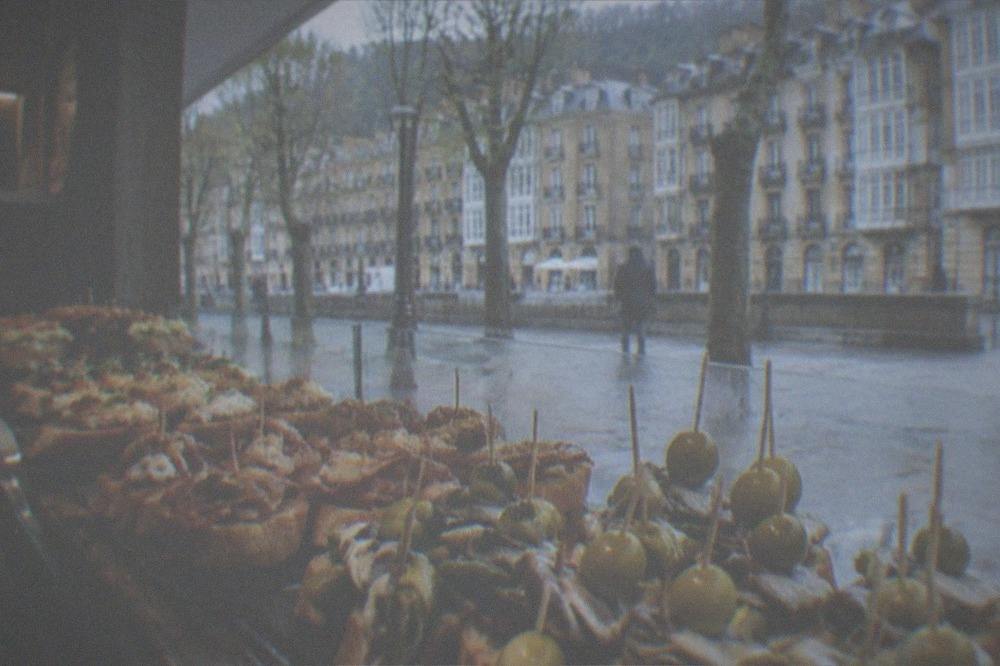
Many visitors will not eat at any of them. The pintxo bars are the city's daily food: gildas, txuleta steak, the burnt cheesecake that La Viña created, and txakoli, the local white wine, poured from a height. Breakfast catches visitors out because bars open late by northern European habits, so plan the mornings around coffee stops rather than hotel expectations.
A budget note that is honest rather than precise: pintxo prices vary bar by bar and this page prints no band, because none is verified. What a specific tour includes is printed on its own listing; what a bar charges is on its counter. The guide to whether San Sebastian is expensive works through the costs that can be stated with sources.
What Does 3 Days In San Sebastian Cost To Get Around?
Getting around for three days costs almost nothing if it is walked: the city bus cash fare is 1.95 EUR a ride, the MUGI anonymous card charges 0.78 EUR for an urban trip, and the only transport costs this itinerary adds are the 5.50 EUR funicular return, the 5 EUR island boat return and whatever a day trip costs. No journey in the plan needs a taxi.
The fare system is zonal and card-based. MUGI is the single fare system for all of Gipuzkoa's buses and the Euskotren Topo, charging by zone jumps: an urban trip in Donostia and to Pasaia's harbour is the 0-jump fare, and each jump beyond adds to the price. The table below gives the occasional cash fares and the two card tiers the operator publishes.
| Ticket | Urban, 0 jumps | 1 jump | 2 jumps | 3 jumps |
|---|---|---|---|---|
| Occasional, cash | 1.95 EUR | 2.90 EUR | 5.40 EUR | 7.90 EUR |
| Night ticket | 2.65 EUR | 3.70 EUR | 6.45 EUR | 8.95 EUR |
| MUGI anonymous card | 0.78 EUR | 1.16 EUR | 2.16 EUR | 3.16 EUR |
| MUGI personalised, trips 1 to 20 in a month | 0.59 EUR | 0.88 EUR | 1.64 EUR | 2.41 EUR |
For a three-day visit staying inside the city, the honest arithmetic favours feet. The whole itinerary above is walkable, and the buses matter mainly for reaching Monte Igueldo's road entrance or the bus station for a day trip. The Euskotren Topo, the little rail line from Amara toward the French border, is worth knowing for one specific reason: its occasional fare from the Amara zone to the Hendaia zone is 2.90 EUR, and the feed's own timetable shows the run taking 37 to 38 minutes. Hendaye is a beach town over the border and works as a cheap add-on afternoon.
One transport fact to get right: the new underground Topo section through the city centre finished its civil works in June 2026 but has no published opening date, and Amara remains the working terminus. Do not plan around a central underground station that does not yet exist.
Should You Add A Day Trip To A 3-Day San Sebastian Trip?
Add a half-day trip, not a full one, if the three days must stay intact: the Gipuzkoa coast run to Zarautz, Getaria and Zumaia, or the Hondarribia and Pasajes half-day, both fit without gutting a city day. A full Bilbao day means dropping day three of this itinerary entirely, because the Bilbao, Guggenheim and Gaztelugatxe trip runs about nine hours.
The half-day options leave from the bus station and return with the afternoon intact. Hondarribia, the fishing port town where the airport actually sits, pairs with Pasajes de San Juan in a four-hour run. The coast drive west covers Zarautz, Getaria, home of the Balenciaga museum and the txakoli bodegas, and Zumaia on the flysch. Getaria's txakoli tour with hotel pickup is the food-focused version of the same coast.
The trade-off is real. Three days in the city with no day trip is a full plate; three days with a nine-hour Bilbao day means the city gets two. The Basque Country itinerary and the northern Spain itinerary are the answer if the trip can grow beyond three days at all.
| Day trip | Direction | Time | Best for |
|---|---|---|---|
| Hondarribia, San Juan and San Pedro | East, toward the airport | Half day | Port towns, fortified walls |
| Zarautz, Getaria and Zumaia | West along the coast | Half day | Beaches, txakoli, the flysch |
| Biarritz and Bayonne | Across the French border | Full day | French Basque coast |
| Bilbao, Guggenheim and Gaztelugatxe | West to Bilbao | Full day, about 9 hours | Architecture, the hermitage |
| La Rioja and Laguardia | South to wine country | Full day, about 8 hours | Wineries, walled town |
What If It Rains During Your 3 Days In San Sebastian?
Rain is a scheduling problem, not a cancellation: swap the beach and boat blocks for San Telmo Museoa, Tabakalera and the Aquarium, keep the pintxo evenings exactly where they are, and remember the funicular closes its rides on rainy days. Every month of the year averages rain here, so a wet block is a plan that was always going to be needed.
The full wet-weather plan is on the rainy day in San Sebastián itinerary. The numbers say plan for it: November averages 169 mm of rain across 13 rain days, October 159 mm, and even August, the busiest month, averages 117 mm, which is wetter than June, July or September. The INE hotel figures show why the crowds come anyway: August 2025 recorded 245,769 overnight stays in the city's hotels, the year's peak, and no month from April to October dropped below 200,000.
| Month | Mean temp | Rain mm | Rain days | Sun hours |
|---|---|---|---|---|
| January | 8.5 C | 141 | 13.2 | 98 |
| April | 11.3 C | 138 | 13.4 | 157 |
| July | 18.9 C | 86 | 9.8 | 196 |
| August | 19.5 C | 117 | 10.5 | 190 |
| November | 11.3 C | 169 | 13.0 | 102 |
The wet-weather venues hold up. San Telmo's free Tuesday works in any weather, Tabakalera's building is free to enter Tuesday to Sunday until 21:00, and the Aquarium is open daily in July and August and Tuesday to Sunday the rest of the year, closed on Mondays from October to March except long weekends. The cooking classes are indoor by design, and a cider house lunch does not care about the sky. The boat tours do, and the operators say so: the island service depends on weather and sea.
Common Questions About 3 Days In San Sebastian
Is 3 days in San Sebastian enough?
Yes. Three days covers all three beaches, both harbour hills, the Old Town, the Peine del Viento and a bay boat, with a pintxo evening to spare. It is not enough to add a full Bilbao day without cutting a city day, so choose between deepening the city and widening the trip.
What is the best order for the 3 days in San Sebastian?
Put the Old Town and Monte Urgull on day one, Monte Igueldo and the Peine del Viento on day two, and the water day on day three, so the boat and the sunset sailing sit last and can be moved earlier if the forecast turns. Keep museums off any Monday, when San Telmo, Tabakalera and the Aquarium all close.
Do you need a car for 3 days in San Sebastian?
No. Every block of this itinerary is walkable from Centro, the Parte Vieja or Gros, and the city bus cash fare is 1.95 EUR for anything that is not. A car only earns its parking fees on a day trip, and the half-day trips run from the bus station by coach anyway.
What should you not miss in 3 days in San Sebastian?
The La Concha promenade walk, one proper pintxo evening in the Parte Vieja, the Peine del Viento at the end of Ondarreta, and the view from Monte Urgull or Monte Igueldo. If the season allows, the Santa Clara island boat with Hondalea in the lighthouse is the detail most itineraries skip.
When is the best time to spend 3 days in San Sebastian?
June and September give warm sea temperatures with thinner crowds than August, and September adds the La Concha regattas on the first two Sundays. July is the driest month on the AEMET normals at 86 mm, but August is the busiest by a wide margin in the INE hotel figures. Avoid nothing on weather grounds alone: every month rains.
Can you do San Sebastian in 3 days without a tour?
Yes, the city is legible on foot and every sight in this plan is self-serve. The tours earn their place on the food side, where a guided pintxo crawl or cooking class buys access and explanation that a first-time visitor cannot replicate alone, and on the water, where the sunset sailing is an experience rather than transport.
The three-day shape holds in every season, and the full list of options, from free walks to private sailing, is on the site's tours overview. For the wider question of whether the city deserves the days at all, the case is made with numbers on this site's is San Sebastián worth visiting guide, and the root things to do in San Sebastian page is the master list this itinerary draws from.