2 Days In San Sebastian
Two days is enough to see the Old Town, all three beaches, one of the city's hills and the bay from the water, with time left for pintxos in the Parte Vieja.
Short answer
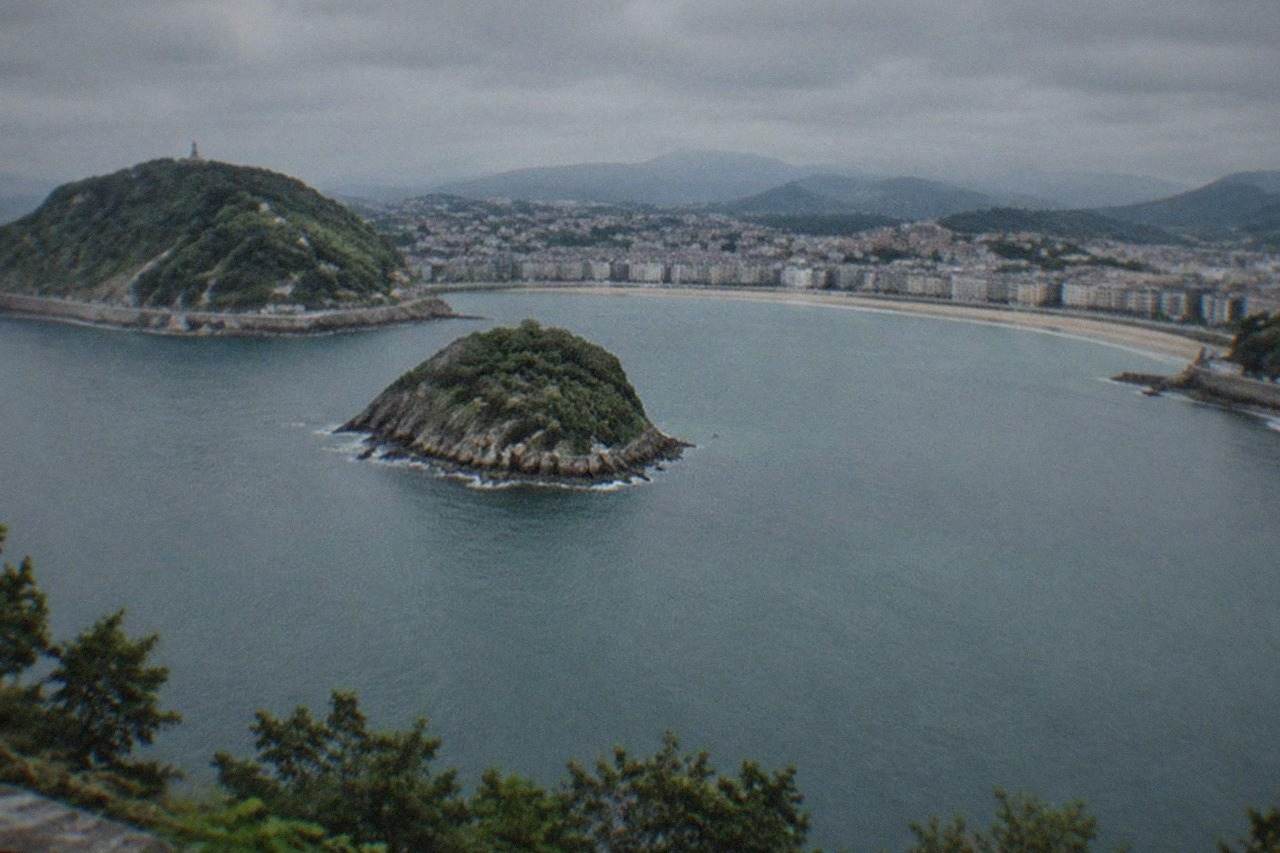
Two days in San Sebastián covers the Parte Vieja and Monte Urgull on day one, then La Concha, Ondarreta and Monte Igueldo, before Zurriola, Gros and a bay boat on day two. It is tight but workable, and it leaves the big day trips for a third day.
Two days in San Sebastián, the Basque city on La Concha bay whose official name is Donostia / San Sebastián, is enough for the Old Town, all three city beaches, one hill with a viewpoint and a boat on the water, as long as you accept that this is a wet Atlantic city where even July averages 86 mm of rain. The city itself is compact: the council lists La Concha at 1,350 metres, Ondarreta at 600 and Zurriola at 800, and all three sit within an easy walk of one another. What two days does not cover is the day trips, Bilbao, Biarritz, Getaria and the Rioja all need their own day, and the question of whether you should stretch to three is covered in the guide to how many days you need in San Sebastian.
Is 2 Days In San Sebastian Enough?
Two days is enough for the city itself and tight for anything beyond it. In two days you can cover the Parte Vieja, Monte Urgull, La Concha, Ondarreta with the Peine del Viento, Monte Igueldo, Zurriola and Gros, plus one boat trip on the bay, and still eat pintxos every evening. Two days is not enough to add Bilbao, Biarritz, Getaria or the Rioja, each of which is a full day away from the city.
The honest framing is that San Sebastián rewards depth over distance. The INE hotel figures for the city show 2,199,966 hotel overnight stays in 2025, and August alone, the peak, held 245,769 of them, so plenty of visitors do compress the city into a short stay. The mistake is trying to bolt a day trip onto a two-day visit: the coach day to Bilbao, the Guggenheim and Gaztelugatxe runs nine hours, and the French Basque Country excursion runs nine as well. Either one eats a whole day of your two.
If two days is all you have, spend both inside the city and save the day trips for a return trip. If you can add a third day, the three days in San Sebastian itinerary adds one excursion without rushing the city, and the answer page is 4 days in San Sebastian too much takes the argument further.
The shape of the two days below splits the city geographically: day one takes the eastern half, the Old Town and the hill behind it, and day two takes the western beaches and the funicular hill, then crosses the river to Zurriola and Gros. Here is the plan at a glance.
| Day | Morning | Afternoon | Evening |
|---|---|---|---|
| Day 1 | Old Town walk and Plaza de la Constitución | Monte Urgull and the Castillo de la Mota | Pintxos in the Parte Vieja |
| Day 2 | La Concha, Ondarreta and the Peine del Viento | Monte Igueldo funicular and viewpoint | Zurriola, Gros and a sunset boat |
What Should Day 1 Morning In San Sebastian Look Like?
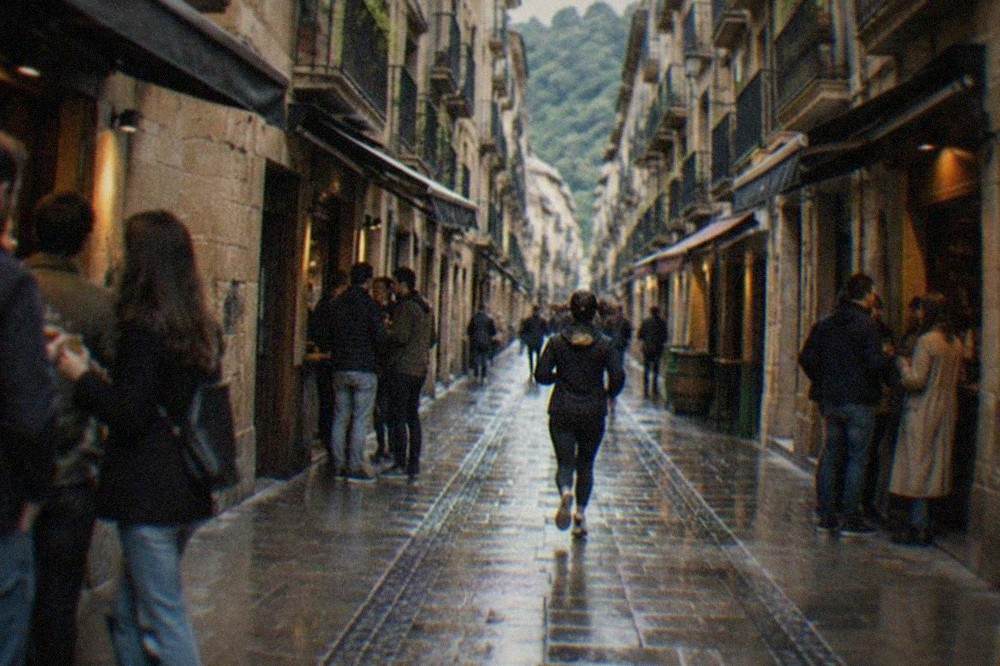
Start day one in the Parte Vieja, the Old Town, because it holds the densest cluster of sights in the city: Plaza de la Constitución, the Buen Pastor cathedral area just outside it, the Basilica of Santa María del Coro and the port at the foot of Monte Urgull. A two-hour guided walk of the historic centre covers the must-see sights with a small group or a private option, and it leaves the afternoon free for the hill.
The Parte Vieja is the oldest part of San Sebastián, and its street grid is small enough that a morning is genuinely sufficient. The Plaza de la Constitución, the old bullring whose balconies still carry numbered boxes, sits at its heart, and the port and the Monte Urgull slopes frame it on the east. A guided walk is the efficient choice for a two-day visit because it front-loads the orientation: the must-see attractions walk has a private option, and there is a cheaper short walk that ends with a pintxo and a drink included, with its own page at walking tour with pintxo and drink.
If you would rather walk alone, the same ground works self-guided: the Plaza de la Constitución, the 31 de Agosto street, the port and the seafront by the Real Club Nautico. The city also has free GuruWalk options, including a bilingual historic walk with a radioguide that starts at Plaza Cervantes, where you pick the English session and tip the guru at the end. Free walks are tip based, so they cost nothing but the tip you choose.
Budget the morning generously including a coffee stop, and do not plan an early lunch: eating hours in the Basque Country run late, and the pintxo bars do not fill until well into the evening. The morning is for looking, the evening is for eating.
How Do You Spend Day 1 Afternoon On Monte Urgull?
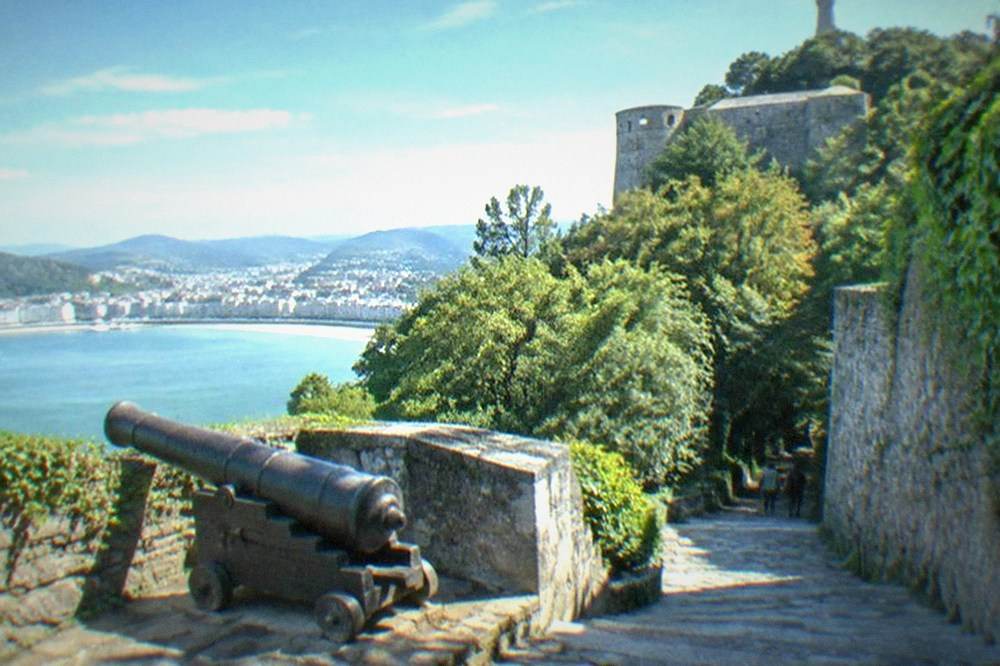
Climb Monte Urgull after lunch, because the hill sits directly behind the Old Town and its access hours are fixed: from 1 May to 30 September it is open 08:00 to 21:00, and from 1 October to 30 April 08:00 to 19:30. The summit holds the Castillo de la Mota and the Casa de la Historia, a small museum run by San Telmo, and the paths down lead to the Peine del Viento side or back to the port.
Urgull is the green hill between the Old Town and the mouth of the bay, and the tourism board describes its access hours as a season rule, so the closing time depends on when you visit rather than on any day-to-day notice. The hill is closed at night. The reward at the top is the view over La Concha and the whole city, plus the English Cemetery and the remains of the fortifications on the way up.
The Casa de la Historia inside the Castillo de la Mota is a small museum, and the pack gives no current hours or price for it, so check with San Telmo Museoa before counting on a visit. The museum's main site in the Old Town is easier: San Telmo opens Tuesday to Sunday, general admission is 10.00 EUR with a reduced ticket of 4.00 EUR, and entry is free for everyone every Tuesday. Its hours are seasonal, 10:00 to 19:00 in winter and 10:00 to 20:00 in summer, and it closes on Mondays.
The walk up and down Urgull is the afternoon's only fixed commitment. Come down through the trees to the Paseo de la Concha side if you want to end on the promenade, or back to the port if you want to be near the bars. Details on the hill and its paths are in the Monte Urgull guide.
Where Should Day 1 Evening Go In San Sebastian?
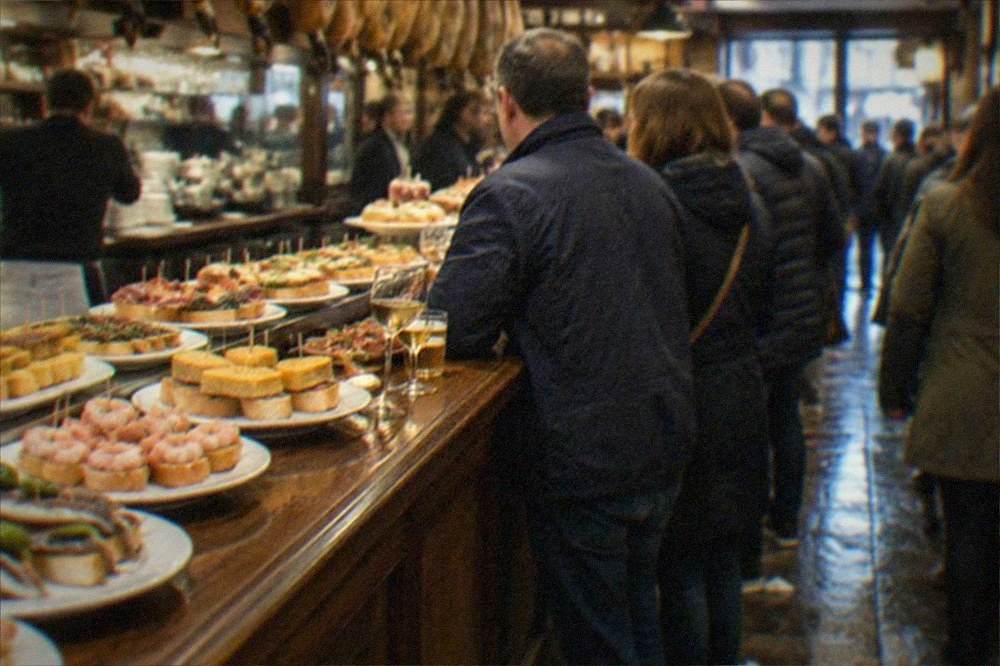
Spend day one's evening on pintxos in the Parte Vieja, because the Old Town's bar density is the reason many visitors come to San Sebastián at all, and the bars fill from late evening onward. A shared pintxo tour led by a local includes drinks and tapas, and the small-group Old Town crawl through bars, restaurants and gourmet shops is the other proven format.
Pintxos are the Basque answer to tapas: small servings, often on bread with a skewer, ordered one at a time and eaten standing at the bar. The Gilda, an anchovy, guindilla pepper and olive on a skewer, is the canonical example, and the bars of the Parte Vieja run from the streets around the 31 de Agosto to the port edge. What a pintxo costs bar to bar is its own question, covered on the site, but the structure of a crawl is simple: two or three bars, one or two pintxos and a drink at each, and keep moving.
A guided crawl solves a real problem on a short visit: it removes the guesswork of which bars to enter, and the guide orders for the group. The premium version adds reserved seating at each bar plus a guided visit to Mercado de la Bretxa. Solo, the same evening works with a little prior reading, and the bars are close enough together that a bad choice costs you one pintxo, not the night.
One planning note: dinner hours run late, and the bars are busiest from late evening. If you want a table rather than standing room, the restaurants fill too, and the Michelin conversation, six restaurants holding 11 stars inside the city in the MICHELIN Guide Spain 2026, is a separate evening's project entirely, and not a two-day default.
What Does Day 2 Morning In San Sebastian Cover?
Day two's morning belongs to the western beaches: La Concha, the city's 1,350-metre main beach, then Ondarreta at 600 metres, whose west end is where the walk to the Peine del Viento begins. The Peine del Viento itself, three steel sculptures by Eduardo Chillida set in a pink granite plaza by Luis Peña Ganchegui, was completed in 1977 and given to the city.
Walk the full length of La Concha first, from the town hall end toward Ondarreta, because the promenade is flat and the council describes the beach as sandy and shallow, with the tide often limiting the usable area. Ondarreta continues west, wider at 100 metres, and the tourism board calls the stretch beyond it the start of the walk to the Peine del Viento. The sculptures, more than nine tonnes of steel each, are anchored to the rocks at the foot of Monte Igeldo, and the plaza is free to stand on at any hour.
The beaches carry a season rule worth knowing if you are planning to swim: the lifeguard service on all three beaches runs 1 June to 30 September, from 10:00 to 20:00 between 15 June and 15 September, and the council hires out parasols and loungers over the same summer window. Outside those dates you swim at your own judgement. The beach data at a glance:
| Beach | Mean length | Mean width | Character per the council |
|---|---|---|---|
| La Concha | 1,350 m | 40 m | Sandy, shallow, tide often limits usable area |
| Ondarreta | 600 m | 100 m | Sandy, heavy use in summer |
| Zurriola | 800 m | 110 m | Sandy, fairly open, strong swell |
More on the main strand is in the La Concha beach guide, and the surf-facing Zurriola, which the council flags for strong swell, is covered in its own guide on the site.
How Do You Fit Monte Igueldo Into Day 2?
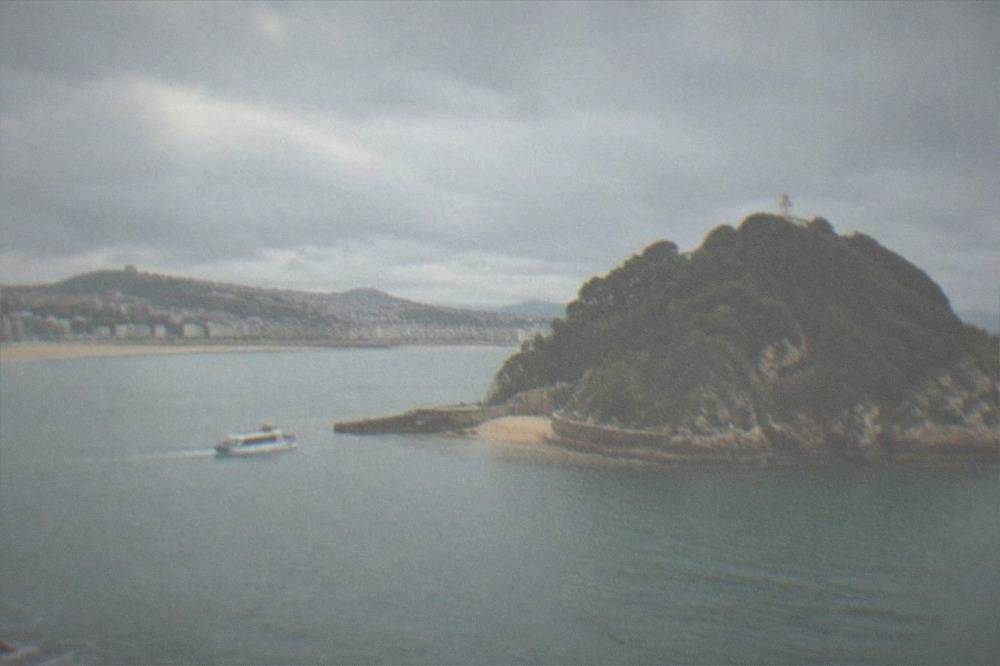
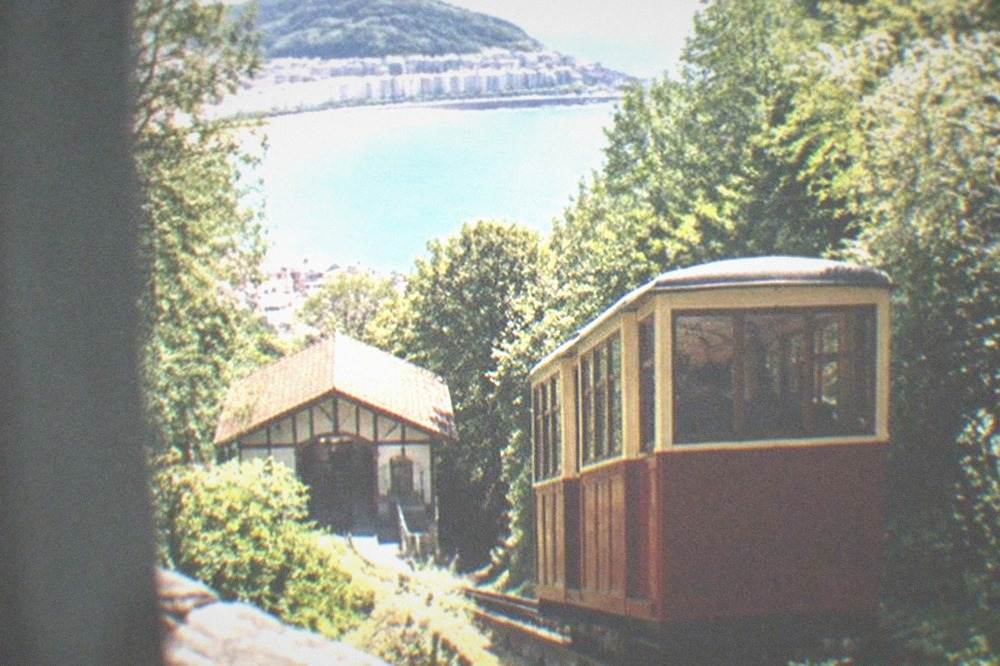
Take the Monte Igueldo funicular in the afternoon of day two: it opened on 25 August 1912, the tourism board calls it the oldest funicular in the Basque Country, and the return fare on the funicular's own site is 5.50 EUR for an adult and 2.50 EUR for a child up to 7, with the ticket including entry to the grounds. The funicular normally runs every 15 minutes, and rides close on rainy days.
The hill's own site is the source for all of this, and two of its rules matter for planning. First, there is no downhill-only ticket: the home page states plainly that tickets for the downhill journey are not on sale, so the plan of walking up and riding down does not work, you ride both ways or you walk both ways. Second, entry to the grounds and viewpoint by any other route, vehicle or on foot, is 3.00 EUR per person, so the funicular return is not the only way up. The full index of guides sits on San Sebastian Spain Guide.
The view from the top is the whole bay, Santa Clara island and the city, and the amusement park up there is a separate consideration whose calendar the pack does not give, so check the hill's own site before promising anyone the rides. The full picture, including how to get there, is in the Monte Igueldo guide.
| Ticket | Adult | Child up to 7 |
|---|---|---|
| Funicular return | 5.50 EUR | 2.50 EUR |
| Funicular single | 4.00 EUR | 1.50 EUR |
| Grounds and viewpoint entry on foot or by vehicle | 3.00 EUR | 3.00 EUR |
Group discounts exist for parties of 20 or more, disabled card holders and San Sebastián Card holders, but the hill's own site says they do not apply on weekends, holidays or long weekends, which describes most two-day visits. Assume full fare.
What Should Day 2 Evening In San Sebastian Be?
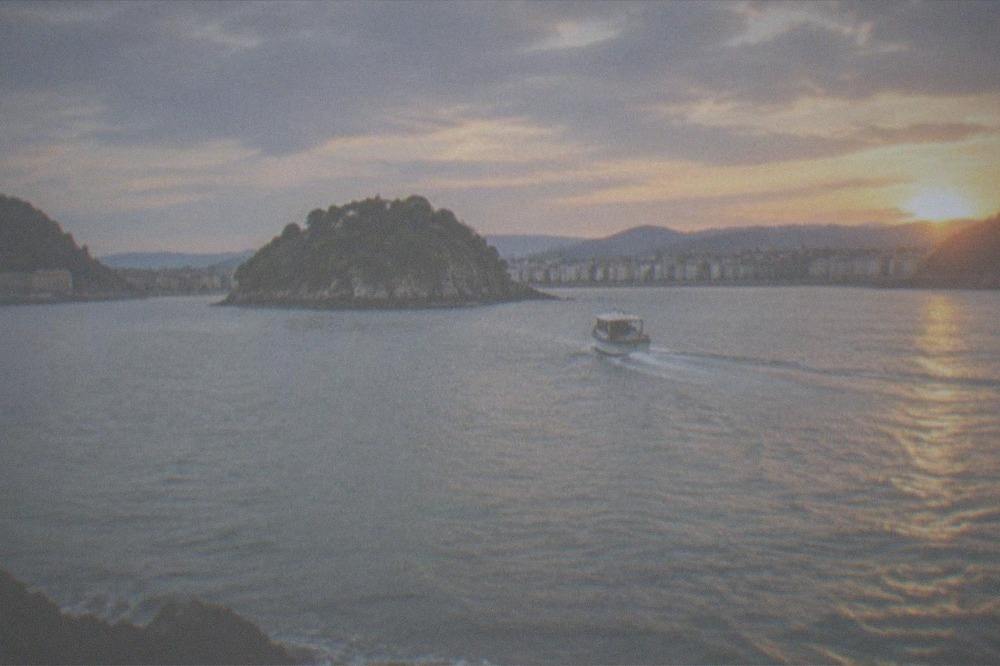
Give day two's evening to Zurriola, Gros and the water: cross the Urumea to the surf beach and the Gros neighbourhood, then take a boat, because the bay boat with a stop on Santa Clara island sails 30 minutes with audio commentary and the ticket is valid for one day, while the small-boat sunset run east along the cliffs to Pasaia includes cava.
Zurriola is the city's open, swell-facing beach, remodelled in 1994, and Gros is the neighbourhood behind it, younger and less touristed than the Old Town, with its own bar scene. It is also where the surf schools are based, and the combined surf lesson and pintxos tour, board, wetsuit, locker and hot shower followed by pintxos and drinks, is based in Gros for exactly this reason.
The water is the better evening plan. The bay boat is the cheap, quick option, and its ticket doubles as island access: Santa Clara's own boat service runs its high season from 1 June to 30 September, with the direct red line every 30 minutes from 10:00 to 19:00, weather and sea permitting, at 5 EUR return, and the blue line bay tour plus island at 8 EUR. The island's Hondalea, Cristina Iglesias' work in the lighthouse, is free to visit in season, open 1 June to 30 September from 11:00 to 18:30 in half-hour sessions, with no booking needed for the visit itself, only the boat.
| Boat option | What it covers | Season rule |
|---|---|---|
| Bay boat with island stop | 30-minute sailing, audio commentary, island landing, ticket valid 1 day | Runs to the island's own high-season calendar |
| Santa Clara red line, operator | Direct to the island, every 30 minutes, 10:00 to 19:00 | High season 1 June to 30 September |
| Santa Clara blue line, operator | 30-minute bay tour plus island, 8 EUR | Last departure allows no landing |
| Hondalea in the lighthouse | Free, half-hour sessions, about 20 minutes | 1 June to 30 September, 11:00 to 18:30 |
The sunset small-boat run to Pasaia is the splurge version, a coastal run east with cava on the sunset departure, and the eco-catamaran sunset sail, one hour with a drink, sits between the two on price. All of them leave from the harbour, all of them are weather dependent in a city where no month averages under 86 mm of rain, and all of them end close to the Gros bars.
Where Do You Eat Across Two Days In San Sebastian?
Plan to eat pintxos both evenings and one proper restaurant meal a day, because the bar crawl is the city's default dinner format and the restaurants run late. Breakfast and coffee are their own small culture, the cheesecake baked at La Viña is the dessert that travels, and the txotx cider house season, when cider is poured straight from the barrel, runs from the middle of January to the end of April per the tourism board.
The eating map splits by neighbourhood. The Parte Vieja holds the densest pintxo bar cluster, Gros holds a younger scene closer to Zurriola, and the Centro holds the restaurants and the Café scene around the Buen Pastor cathedral. The cider houses named for Donostia and Astigarraga sit at the edge of the city, and the cider house tour run by the Gipuzkoa cider house association covers the orchard, the cellar, the txotx ritual and lunch in four hours, which is a half-day commitment rather than an evening one.
For a two-day visit the practical split is: pintxos in the Parte Vieja on day one, and Gros on day two, with one longer lunch, the cheesecake, or a cider house, taking whichever slot suits the weather. The question of where locals eat in San Sebastián has its own answer page, and the full food background, from what a pintxo is to the txuleta steak, is on the site's food guides.
The Michelin layer is worth naming honestly: 11 stars across 6 restaurants inside the city in the MICHELIN Guide Spain 2026, with Akelaŕe and Arzak holding three stars each at San Sebastián addresses. Those are bookings made well ahead, not spontaneous two-day decisions, and Martín Berasategui, the third three-star in the province, is in Lasarte-Oria, a separate municipality, not in the city.
What Does 2 Days In San Sebastian Cost To Plan?
The fixed costs of this two-day plan are small and mostly municipal: the Monte Igueldo funicular return at 5.50 EUR, the grounds entry at 3.00 EUR on foot, San Telmo Museoa at 10.00 EUR with free Tuesdays, the Santa Clara boat at 5 to 8 EUR, and city bus fares of 1.95 EUR cash or 0.78 EUR with a MUGI card. Accommodation, food tours and the paid boats are priced on their own listings, and no hotel rate belongs on this page.
The transport piece is genuinely cheap. The dBus city fare page gives the occasional cash ticket at 1.95 EUR and the night ticket at 2.65 EUR, and the MUGI card fare for an urban trip is 0.78 EUR, though the card's own purchase price is not listed there so check the operator. Cash payment does not allow free transfers. The city is walkable enough that most two-day visitors never board a bus at all.
| Item | Price | Source of the figure |
|---|---|---|
| dBus occasional ticket, cash | 1.95 EUR | The operator's fare page |
| dBus night ticket | 2.65 EUR | The operator's fare page |
| MUGI card fare, urban | 0.78 EUR | The MUGI tariff |
| Monte Igueldo funicular return, adult | 5.50 EUR | The funicular's own site |
| Monte Igueldo grounds entry on foot | 3.00 EUR | The funicular's own site |
| San Telmo Museoa general admission | 10.00 EUR | The museum's own site |
| Santa Clara island boat, red line return | 5 EUR | The boat operator's tariff page |
| Santa Clara blue line, bay tour plus island | 8 EUR | The boat operator's tariff page |
One tax note that will start appearing in every San Sebastián planning conversation: Norma Foral 3/2026 of Gipuzkoa creates a tourist tax that takes effect on 1 January 2027, charged per person per night with a maximum of six nights per stay and under 18s exempt, and each council sets its own rate inside provincial bands. Before that date no visitor pays it, and the city's own rate has not been published on an official page, so no figure for it appears here.
What If It Rains During Your 2 Days?
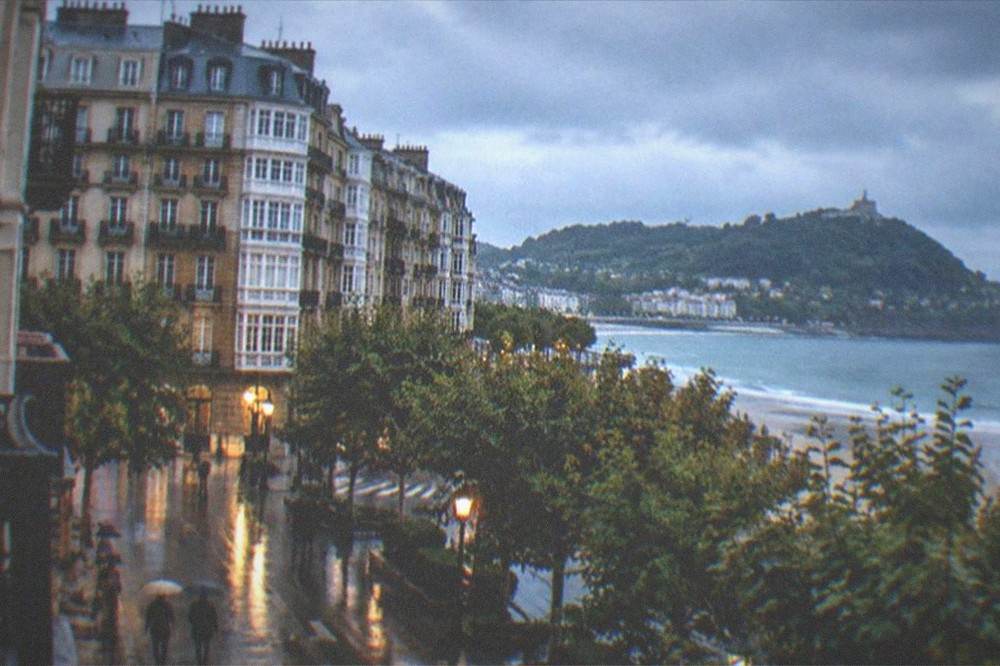
It will rain, statistically: AEMET's Igeldo station records 1,507 mm a year over 141 rain days, and the driest month, July, still averages 86 mm over about 10 rain days. The wettest month is November at 169 mm, and August, at 117 mm, is wetter than June, July or September, so pack for rain in any season and keep indoor options in the plan.
The two-day plan survives rain with substitutions. The Monte Igueldo funicular closes its rides on rainy days, per the hill's own FAQ, so swap that afternoon for San Telmo Museoa, free on Tuesdays, or Tabakalera, the free-entry cultural centre that opens Tuesday to Sunday and closes on Mondays. The aquarium is open all year except 25 December, 1 January and 20 January, though its admission prices are not published on a readable official page, so check at the desk. The full wet-weather plan, including the indoor options in order, is the rainy day in San Sebastian itinerary.
The monthly picture, for choosing when those two days fall:
| Month | Mean temp C | Rain mm | Rain days 1 mm+ | Sun hours |
|---|---|---|---|---|
| January | 8.5 | 141 | 13.2 | 98 |
| April | 11.3 | 138 | 13.4 | 157 |
| July | 18.9 | 86 | 9.8 | 196 |
| August | 19.5 | 117 | 10.5 | 190 |
| November | 11.3 | 169 | 13.0 | 102 |
The station sits 250 m up on Monte Igeldo, so the seafront runs slightly warmer than these values. The seasonal guide to the best time to visit and the San Sebastian weather page carry the full monthly table.
How Does This 2-Day Plan Change With Kids Or As A Couple?
With kids, drop Monte Urgull's longer paths and the long pintxo crawl, keep the funicular, the bay boat with its island stop and Zurriola, and lean on the free beaches between 1 June and 30 September when the lifeguards are on duty. As a couple, the plan holds, with the sunset boat replacing the second bar crawl and one longer dinner replacing the second crawl's second half.
The family version of this city is its own page, the San Sebastian with kids itinerary, and the couples version likewise, San Sebastian for couples. The core two-day skeleton, Old Town, one hill, the western beaches, the funicular and the water, is the same in every version, because the geography does not change.
For the first-day orientation, the must-see attractions walking tour is the one booking that earns its place in a two-day visit: it covers the historic centre in a small group or private, and every other hour of the plan depends on knowing that ground. Check availability before you lock the rest of day one, and see the tour's own listing for the current price and dates.
Common Questions About 2 Days In San Sebastian
Is 2 days in San Sebastian enough?
For the city itself, yes: the Old Town, Monte Urgull, all three beaches, Monte Igueldo and a bay boat fit into two days. For the day trips, Bilbao, Biarritz, Getaria or the Rioja, no, each is a full day and needs a third day at minimum.
What is the best order for 2 days in San Sebastian?
Day one east: the Parte Vieja in the morning, Monte Urgull in the afternoon, pintxos in the evening. Day two west: La Concha and Ondarreta in the morning, the Monte Igueldo funicular in the afternoon, Zurriola, Gros and a sunset boat in the evening.
Do you need a car for 2 days in San Sebastian?
No. Every stop in this plan is walkable or reachable by city bus at 1.95 EUR cash, and the two hills are climbed on foot or by the funicular. A car only earns its cost if you add a day trip, and even then the coach excursions depart from the city.
Can you visit Monte Igueldo and Monte Urgull on the same day?
You can, but it is a lot of climbing for one day. The plan above separates them, Urgull on day one and Igueldo on day two, which keeps each afternoon to one hill and leaves the evenings free.
Is the Santa Clara island visit worth it on a short trip?
Yes, if you are there between 1 June and 30 September, when the island boat runs its high season and the Hondalea installation in the lighthouse is open, free, from 11:00 to 18:30. The bay boat ticket is valid for one day, so you can land, look, and sail back.
Two days in San Sebastián, spent this way, gives you the city the way it is built to be seen: on foot, from two hills, from the water, and standing at a bar counter with a skewer in one hand. For the fuller version of the same idea, see the one day in San Sebastian itinerary if your trip is shorter, the three days in San Sebastian itinerary if it is longer, and the root things to do in San Sebastian page for the complete index of the city's sights, bars and day trips.