Where To Stay In San Sebastian
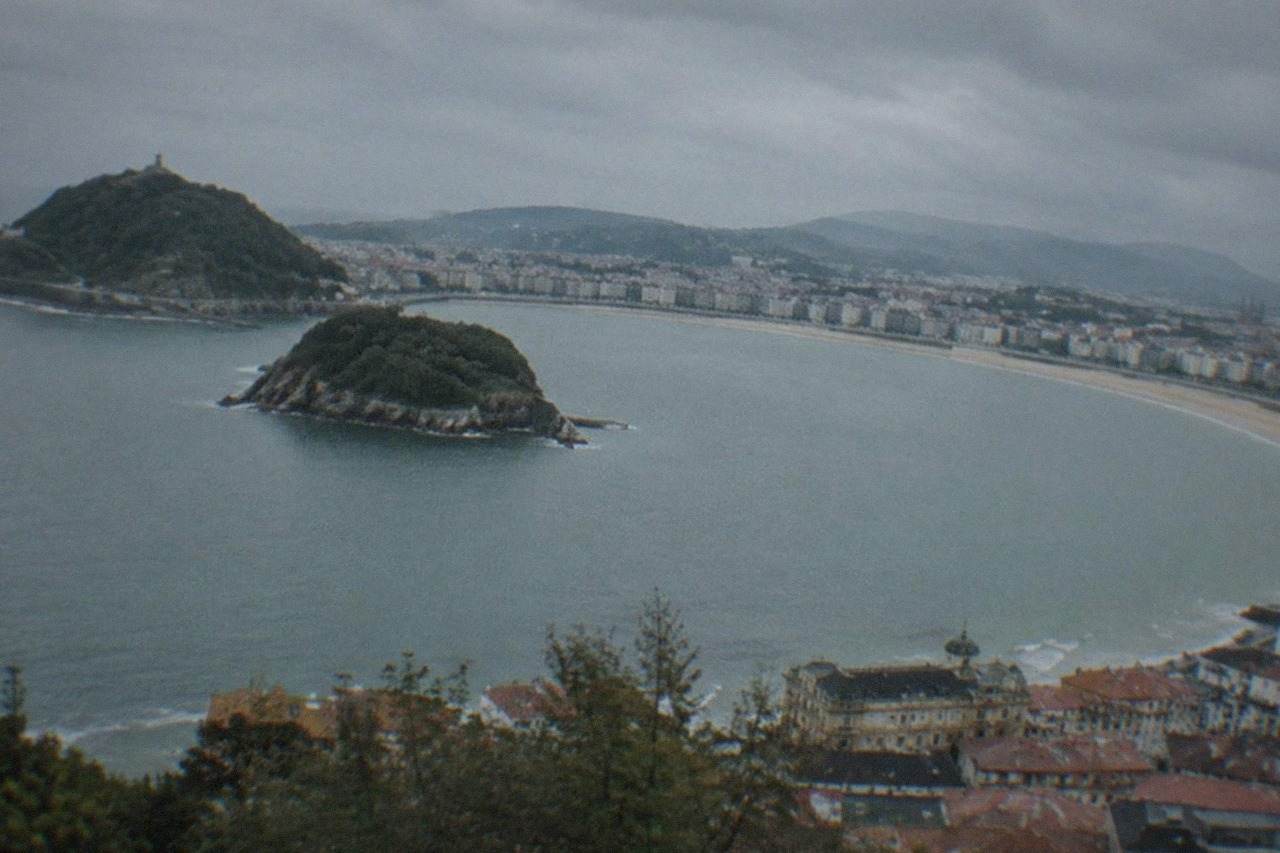
San Sebastián, in the Basque Country of Spain, is small enough that almost nowhere in the city is far from the water, but the part you sleep in still shapes the whole trip. This guide walks through each area of the city, whose official name is Donostia / San Sebastián, and matches it to the kind of visit you are planning.
Short answer
For most first-time visitors the best area to stay in is the Centro district just behind La Concha, or the eastern edge of the Parte Vieja (Old Town): both put the beach, the pintxo bars and the bus stops within a short walk. Families tend to do better near Ondarreta in Antiguo, surfers and a younger crowd in Gros, and budget travellers around Amara near the station.
San Sebastián, in the Basque Country of Spain, packs its beaches, its pintxo bars and its Michelin-starred kitchens into a city of 189,866 registered residents, and the part of it you sleep in shapes the whole trip. The city's official name is Donostia / San Sebastián, it sits on La Concha bay in the province of Gipuzkoa, and almost every neighbourhood touches either sand or a hill. That compactness is the good news. The catch is that the city is genuinely seasonal: hotel overnight stays in August 2025 reached 245,769 against 115,910 in January, so where you stay also decides how crowded your street feels.
This page works through the areas one by one: the Parte Vieja, Centro, Gros, Antiguo and Amara, with the practical facts that attach to each, including the beach dimensions the city council publishes and the fare system that connects them all. If the broader case for the city is still open, the guide to whether San Sebastian is worth visiting covers it, and how many days to spend in San Sebastian helps once the area is picked.
What Part Of San Sebastián Is Best To Stay In?
For a first visit, the best base is the strip between the Parte Vieja and the centre: the streets behind La Concha's promenade and the eastern Old Town around Plaza de la Constitución. From there the beach, the pintxo bars, the Kursaal and the mount trails are all reachable on foot, and the dBus network starts from the same centre. Families usually prefer Antiguo beside Ondarreta, surfers and night owls prefer Gros, and Amara suits anyone who wants station-side convenience.
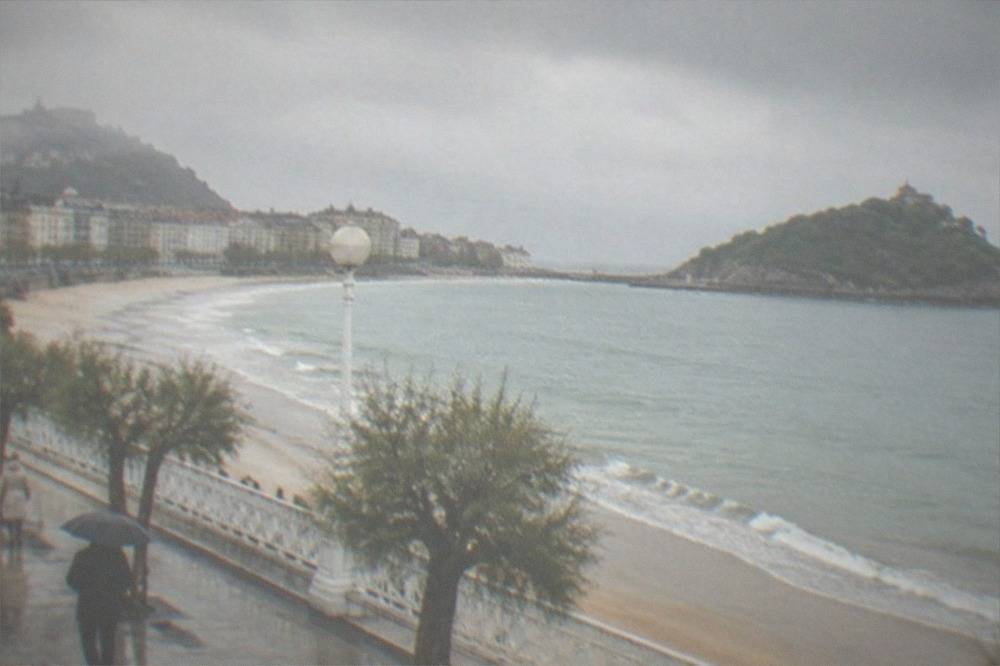
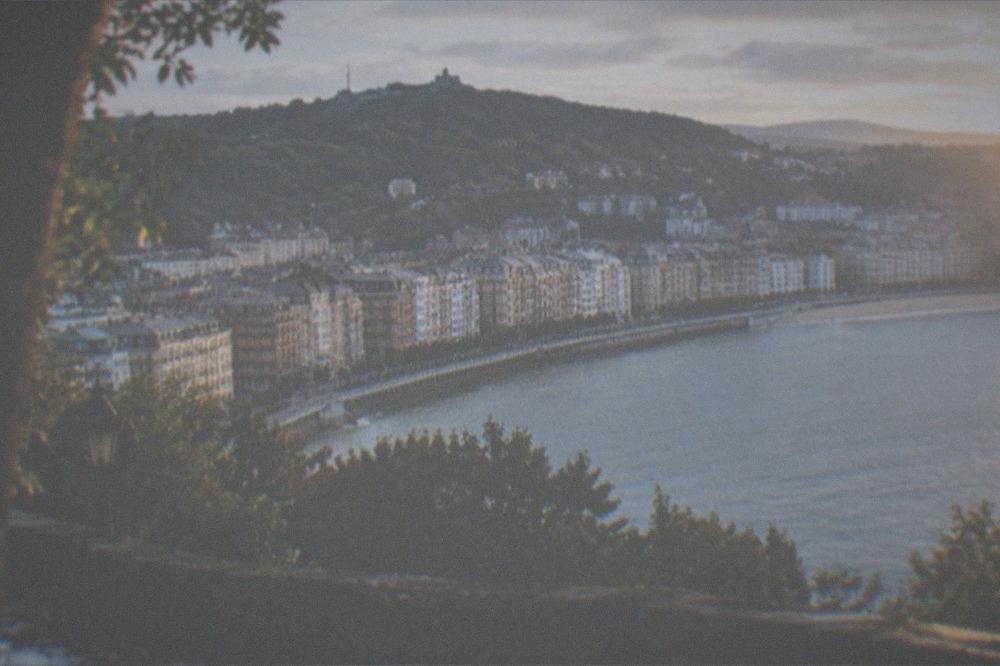
The reason the centre wins so often is geometry. La Concha beach runs 1,350 metres along the bay, the council's own beach page gives that figure, and the Old Town sits directly at its eastern end. Staying anywhere in that corner puts three of the city's five headline attractions within a ten-minute walk of the door. The same logic applies in reverse: a room far out in Amara or on the slopes of Antiguo trades that walkability for space and calm, and in a city where AEMET's Igeldo station records rain on about 141 days a year, a shorter walk to dinner matters more than it does in a dry city.
The table below is the short version of every area comparison on this page. It uses the neighbourhood names the city itself uses, and the beach figures come from the city council's beach pages.
| Area | Character | Best for | Nearest beach |
|---|---|---|---|
| Parte Vieja (Old Town) | Dense, historic, the pintxo capital | Food-focused visits, short stays | La Concha (east end) |
| Centro | Elegant 19th-century grid behind the bay | First-timers, sightseeing on foot | La Concha |
| Gros | Younger, surf-facing, modern blocks | Surfers, nightlife, budget rooms | Zurriola |
| Antiguo | Residential, leafy, beside Monte Igueldo | Families, quieter stays | Ondarreta |
| Amara | Inland, station-side, unglamorous | Budget travellers, train arrivals | None on the doorstep |
Should I Stay In San Sebastián Old Town?
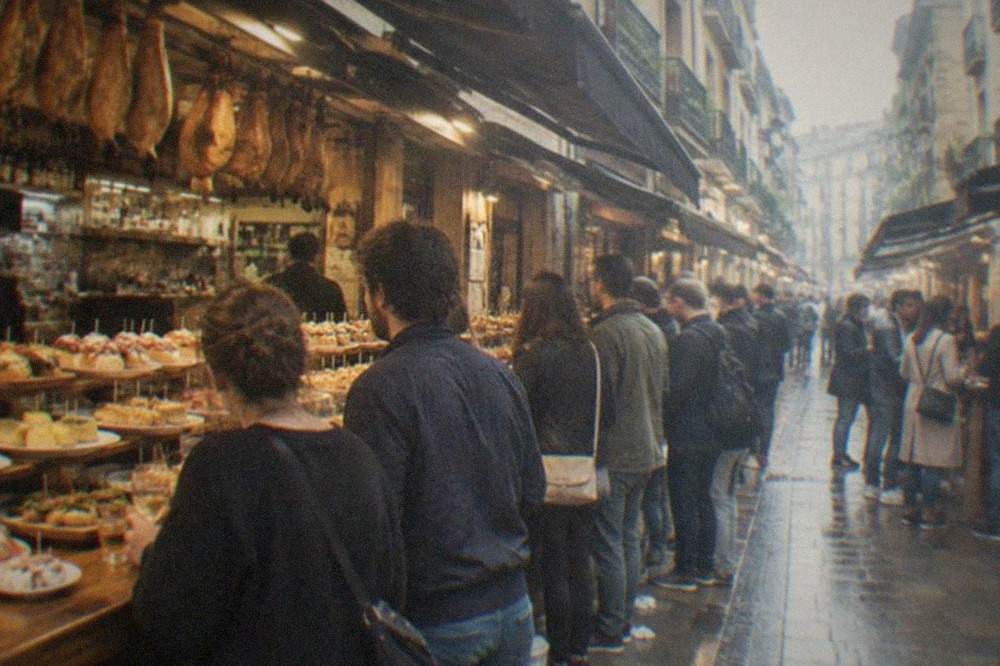
Yes, if the trip is about food and atmosphere: the Parte Vieja, the Old Town, holds the densest concentration of pintxo bars in the city and stays lively deep into the night, which is exactly why some travellers should avoid it. The streets are narrow, the buildings are old, and the noise from bars continues past midnight on weekends, so light sleepers and families with young children often regret the choice. For a two- or three-night stay built around eating, nothing else comes close.
The Old Town, whose name in Basque is the Parte Vieja, is the grid of medieval streets at the eastern end of La Concha, anchored by Plaza de la Constitución, the old bullring that is now the city's main square. What pintxos are is a question the neighbourhood answers by itself: the bars of the Parte Vieja are the reference point for the whole Basque pintxo tradition, and the best pintxo bars cluster in a few streets that can be crossed in ten minutes. The guide to pintxos in San Sebastian maps the crawl in detail.
The honest trade-off is noise. The same bars that make the area worth staying in keep going until late, and August, when the city recorded 245,769 hotel overnight stays in 2025, is the loudest month of all. Rooms on the upper floors of the small hotels facing the plaza or the 31 de Agosto street get the worst of it. Anyone whose priority is sleep should look one neighbourhood east or west: Gros across the river, or Centro behind the promenade, both within a short walk of the same bars without sleeping above them.
A self-guided audio tour is a good way to read the Old Town's streets before committing to a room there; the listing describes a cultural and scenic route played through an app, and it can be sampled on a first afternoon. Check availability
Where To Stay In San Sebastian With Kids
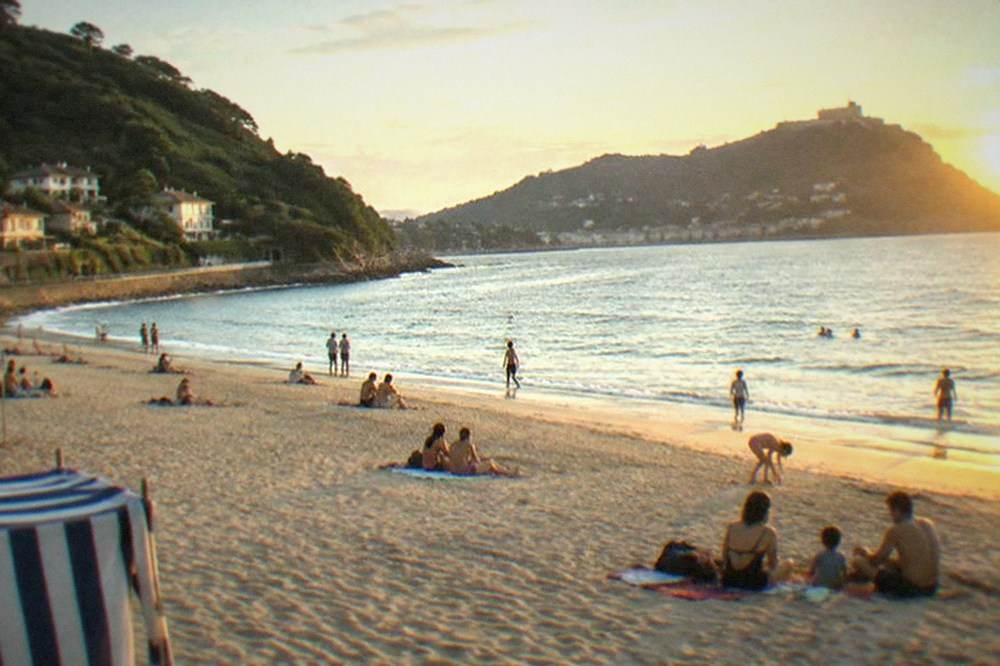
Antiguo, beside Ondarreta beach, is the most family-friendly area to stay in San Sebastián: the council describes Ondarreta as a wide sandy beach of 600 metres by 100 metres, the streets around it are residential and calm, and the funicular up Monte Igueldo, which opened in 1912, leaves from the neighbourhood's west end. Gros is the runner-up, with Zurriola's promenade and more apartment space, while the Old Town's late-night noise makes it a harder fit for younger children.
Ondarreta's dimensions matter more than they sound. The council's beach page gives 600 metres of mean length and 100 metres of mean width, which at low tide leaves a broad strip of sand that La Concha, at 40 metres wide, cannot match. The same page notes the walk to the Peine del Viento, Eduardo Chillida's three steel sculptures set into the rocks at the foot of Monte Igeldo, starts from Ondarreta's west end. For a family, that combines a beach morning, a sculpture stop and a funicular ride into one walkable day.
Two season rules shape a family stay. The lifeguard service on all three beaches runs 1 June to 30 September, with hours of 10:00 to 20:00 from 15 June to 15 September, and assisted bathing for reduced mobility runs 15 June to 15 September. And the funicular's own site sells no downhill-only ticket, so a family that walks up Monte Igueldo cannot ride the cars back down: the return fare is the ticket that includes the grounds. The guide to San Sebastian with kids is not on this page's link list, but the beach rules are, in the San Sebastian beaches guide.
Where To Stay In San Sebastian For First Timers
A first-time visitor should stay in Centro, the 19th-century grid behind La Concha promenade, or at the eastern edge of the Parte Vieja: between them they put the bay, the Old Town bars, the Buen Pastor cathedral area and the Kursaal within walking distance, and the dBus network's 1.95 EUR single fare covers anything beyond. First-timers arriving by train should note Amara station sits one neighbourhood inland, a short bus or Topo ride from the centre.
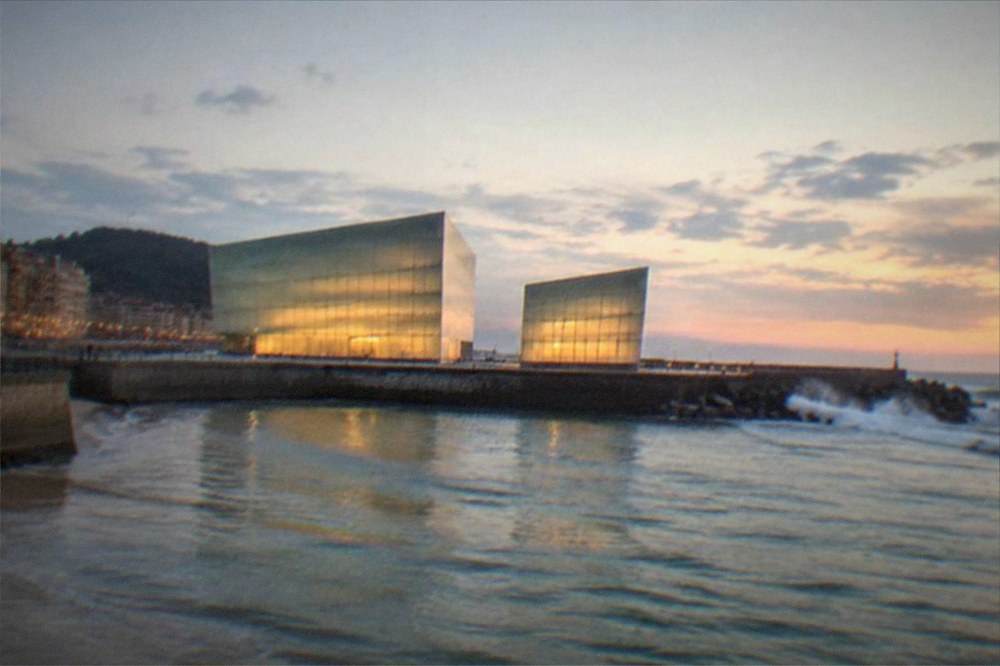
Centro is where the city's Belle Époque architecture sits, the Hotel María Cristina and the Teatro Victoria Eugenia included, and its streets run straight down to the promenade. From a central room, the day's geography writes itself: La Concha in one direction, the Parte Vieja in the other, Monte Urgull's 08:00 to 21:00 summer access hours (1 May to 30 September, per the tourism board) for the hill walk, and the Kursaal congress halls across the river in Gros. The San Sebastian map guide and the one-day itinerary both assume this base, which says most of it.
Getting around from the centre is cheap. The dBus occasional ticket is 1.95 EUR paid in cash to the driver, the night ticket is 2.65 EUR, and the MUGI card cuts an urban trip to 0.78 EUR, all figures from the operator's fare page. The fares below are the ones published for the city's own buses and the Gipuzkoa-wide MUGI system.
| Ticket | Price | Notes |
|---|---|---|
| dBus occasional, cash | 1.95 EUR | No free transfers with cash |
| dBus night ticket | 2.65 EUR | Special night fare |
| MUGI anonymous card, urban | 0.78 EUR | Covers dBus, Lurraldebus, Euskotren |
| MUGI personalised, trips 1-20 monthly | 0.59 EUR | 69.5% discount tier |
| Occasional ticket, 1 jump | 2.90 EUR | Matches the Topo fare to Hendaia |
What Area Of San Sebastian To Stay In?
The five practical areas are the Parte Vieja for food and atmosphere, Centro for a classic first visit, Gros for surf and nightlife beside Zurriola, Antiguo for families and calm beside Ondarreta, and Amara for budget and station access inland. Each has a distinct beach or transport anchor: La Concha for the first two, Zurriola for Gros, Ondarreta for Antiguo, and the Topo and Renfe stations for Amara. Choosing between them is mostly a choice between noise, walkability and price.
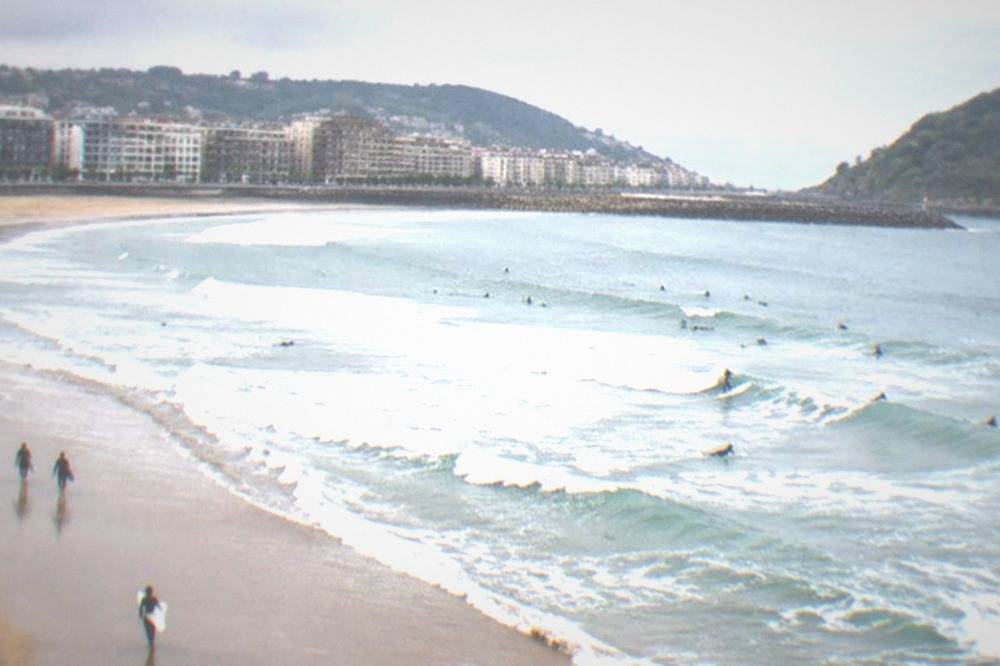
Gros deserves its own paragraph. The neighbourhood sits across the Urumea river from the Old Town, faces Zurriola beach, 800 metres long and 110 metres wide by the council's figures, and the council's own page describes that beach as fairly open with a strong swell, which is why the surf schools base themselves there. The surfing in San Sebastian and surf lessons guides cover the water side. On land, Gros is younger, more modern and more residential than the Old Town, with the Kursaal at its western edge and a pintxo scene of its own that runs later and louder than the centre's.
Amara is the unglamorous answer. It is the inland neighbourhood around the Euskotren Topo's Amara station, still the working terminus while the new underground section's opening date remains unpublished, and around the Renfe station a little further out. Nothing about it is scenic, and that is the point: rooms cost less than the bayfront equivalents, the bus network converges on it, and the centre is a short ride away. Anyone who plans day trips by train, to Hondarribia or along the coast, will save time every morning by starting here.
The beaches anchor every area decision, so the council's own dimensions are worth having side by side.
| Beach | Mean length | Mean width | Mean area | Council description |
|---|---|---|---|---|
| La Concha | 1,350 m | 40 m | 54,000 m2 | Sandy, shallow, tide often limits usable area |
| Ondarreta | 600 m | 100 m | 60,000 m2 | Sandy, mass use, walk to Peine del Viento at west end |
| Zurriola | 800 m | 110 m | 88,000 m2 | Sandy, fairly open, strong swell |
Where To Stay In San Sebastian Reddit
Traveller forums, Reddit included, point to the same answers the primary sources give: the Old Town or Centro for food and atmosphere, Gros for surf and nightlife, and Amara as the budget fallback. Forum threads also repeat two warnings that hold up against official pages: Old Town rooms are loud late, and August is the hardest month for crowds and availability. The one thing forums get wrong is any claim that the city is dry in summer, which AEMET's own normals contradict.
Reddit and similar forums are useful for one thing above all: how a neighbourhood feels at night, which no official page states. On that, the forum view and the physical facts agree. The Parte Vieja's bar streets, 31 de Agosto above all, run loud past midnight in high season, and August is the peak: the INE hotel series for the city's tourist point shows 245,769 overnight stays in August 2025 against 115,910 in January, and July and August together are 22% of the year. Rooms in the Old Town and Centro sell out first in that window.
The forum claim to resist is the weather one. Threads routinely describe San Sebastián's summers as reliably sunny, but AEMET's normals for its Igeldo station show July, the driest month, still averages 86 mm of rain over about 10 rain days, and August is wetter than June, July or September, at 117 mm. The San Sebastian weather and best time to visit guides carry the full table. A room with a short walk to both a beach and a covered alternative, a museum or the Old Town's bars, is worth more here than in a genuinely dry city.
Where To Sleep In San Sebastian?
Sleep in Centro behind La Concha for the balanced choice, in the Parte Vieja for the food-first trip, in Gros for surf and value, in Antiguo for families, or in Amara for the cheapest beds near the stations. The city has no bad district, only trade-offs between noise, walkability and price, and the single most consequential decision is the month: August 2025 carried more than twice January's hotel overnight stays, so the same room behaves very differently by season.
Booking strategy follows from the seasonality. The monthly hotel figures below, from the INE occupancy survey for the city's tourist point, hotels only, show how demand moves through the year, and April to October never dropped below 200,000 overnight stays in 2025.
| Month 2025 | Hotel overnight stays | Month 2025 | Hotel overnight stays |
|---|---|---|---|
| January | 115,910 | July | 239,124 |
| February | 119,367 | August | 245,769 |
| March | 156,670 | September | 216,759 |
| April | 200,055 | October | 207,158 |
| May | 205,326 | November | 147,334 |
| June | 211,534 | December | 134,960 |
One cost question has a clean answer, and it is not a hotel rate. A tourist tax exists in law, Norma Foral 3/2026 of Gipuzkoa, published in the Boletín Oficial del País Vasco on 25 June 2026, but it takes effect on 1 January 2027, so no visitor pays it before then. Each council sets its own rate inside the province's bands, at most six nights are charged per stay, and under 18s are exempt. The bands below are the law's own.
| Accommodation type | Band per person per night |
|---|---|
| Hotel 5 stars | 4.50 to 6.50 EUR |
| Hotel 4 stars | 3.50 to 5.50 EUR |
| Hotel 3 stars | 1.50 to 3.50 EUR |
| Hotel 2 stars | 1.00 to 2.50 EUR |
| Hotel 1 star, pensiones | 0.75 to 1.75 EUR |
| Tourist apartments | 1.50 to 3.50 EUR |
| Tourist-use dwellings | 4.50 to 6.50 EUR |
| Campsites, rural houses, hostels | 0.75 to 1.75 EUR |
Is It Better To Stay In San Sebastian Or Near The Beaches Outside?
It is better to stay inside the city: San Sebastián's own three beaches, La Concha, Ondarreta and Zurriola, are all within the municipality and within walking distance of every central area, so there is no need to trade city access for sand. Staying further out in Hondarribia, Getaria or Zarautz suits a quieter, car-based trip, but those are separate municipalities, and the coastal bus and Topo network makes them day trips rather than bases.
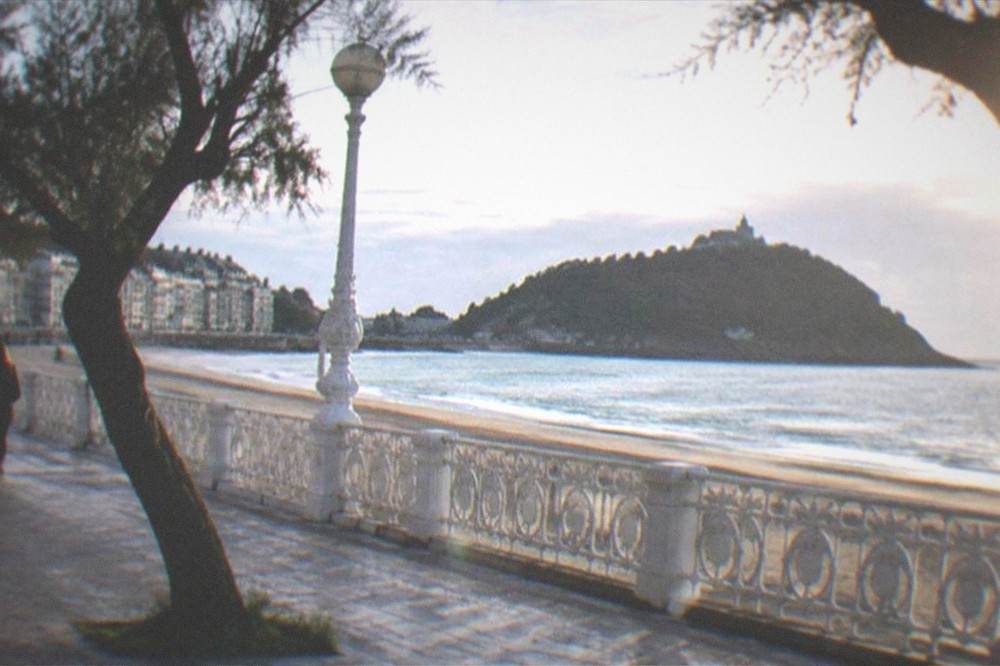
The city's beaches are not suburbs of it, they are it. La Concha's 1,350 metres of sand run directly below Centro's promenade, Ondarreta continues west from Antiguo, and Zurriola faces Gros across the river. A visitor staying anywhere central wakes up within a short walk of sand, which is why the "stay outside for the beach" logic that applies to some coastal cities does not apply here. The La Concha beach and Zurriola beach guides cover each one in detail.
The outside options are real but different. Hondarribia holds the airport and its own old town, Getaria is the txakoli and Balenciaga fishing town, Zarautz has the long beach, and all three are separate municipalities in Gipuzkoa, never "in San Sebastián". The day trips from San Sebastián guide covers them. A coastal stay suits a second week or a car trip; a first visit does better sleeping in the city and riding out.
Common Questions About Where To Stay In San Sebastian
What part of San Sebastián is best to stay in?
For many visitors the Centro district behind La Concha, or the eastern edge of the Old Town, is the best base: both put the beach, the pintxo bars and the bus network within a short walk. Families tend to prefer Antiguo beside Ondarreta, and surfers prefer Gros beside Zurriola.
Should I stay in San Sebastián Old Town?
Yes, if the trip is built around food and atmosphere: the Parte Vieja holds the densest pintxo bar scene in the city. The trade-off is noise, since bar streets stay loud past midnight on weekends, so light sleepers often do better in Centro or Gros, both a short walk away.
Where to sleep in San Sebastian?
Centro for the balanced first visit, the Parte Vieja for food, Gros for surf and value, Antiguo for families, and Amara for the cheapest beds near the stations. The month matters as much as the area: August 2025 carried more than twice January's hotel overnight stays in the city.
What area of San Sebastian to stay in?
The five practical areas are the Parte Vieja, Centro, Gros, Antiguo and Amara. Each has one clear anchor: La Concha for the first two, Zurriola for Gros, Ondarreta for Antiguo, and the Topo and Renfe stations for Amara.
Where to stay in San Sebastian with kids?
Antiguo beside Ondarreta is the family choice: the council gives that beach 600 metres of length and 100 metres of width, the streets are residential, and the 1912 funicular to Monte Igueldo leaves from its west end. Note the lifeguard season on all three beaches runs 1 June to 30 September.
Where to stay in San Sebastian for first timers?
Stay in Centro or the eastern Old Town. From there La Concha, the pintxo bars, Monte Urgull and the Kursaal are all walkable, and the dBus single fare of 1.95 EUR covers anything further out, including the connection from Amara station.
Is there a tourist tax on hotels in San Sebastian?
Not yet. Norma Foral 3/2026 of Gipuzkoa takes effect on 1 January 2027, and before that date no visitor pays a tourist tax in the city. The law sets bands per person per night, charges at most six nights per stay, and exempts under 18s.
The short version of this whole page: sleep central, eat in the Old Town, and let the season decide everything else. More area-by-area detail, including the neighbourhood guides for Parte Vieja and Gros, sits alongside the San Sebastian Spain Guide homepage, and the question of where San Sebastián is is answered separately for anyone still plotting the map.