Surf Lessons In San Sebastian
San Sebastián, the Basque name Donostia, is a surf city on La Concha bay where the Atlantic swell arrives first at Zurriola, and this page covers where to take a lesson, when to go and what a lesson actually includes.
Short answer
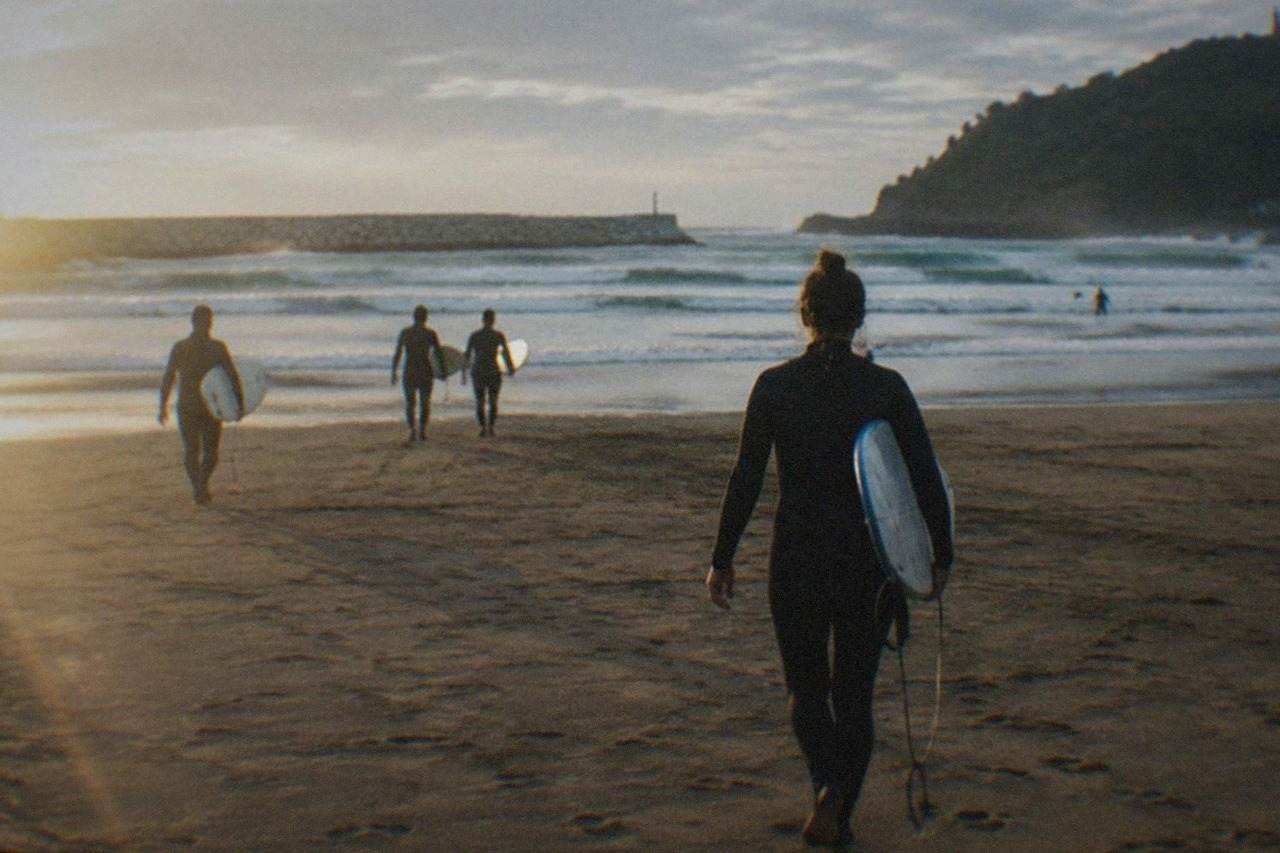
Surf lessons in San Sebastián take place mainly at Zurriola beach, the city's open-Atlantic surf beach, with board and wetsuit included in the lesson price. The season runs alongside the lifeguard service from 1 June to 30 September, though the beach itself is open year round.
San Sebastián, in the Basque Country of Spain, is one of the few European city breaks where you can be on a surfboard twenty minutes after leaving your hotel. The city's Basque name is Donostia, and its official municipal name is Donostia / San Sebastián, and the bay it sits on, La Concha, is framed by two hills and an island. But the surfing does not happen on the postcard beach. It happens on Zurriola, the open-Atlantic beach in the Gros district, where the council's own beach page describes the conditions as fairly open with a strong swell. That single word, strong, is the reason surf schools base themselves there.
This page covers the practical side of booking surf lessons in San Sebastián: which beach the schools use, what a standard lesson includes, how the city's wet Atlantic climate shapes the season, and how to fold a lesson into a wider trip. The city is compact, walkable and famous for food, so a morning in the waves pairs naturally with a day of pintxos, and the pairing is exactly what several local operators sell.
Where Do People Surf In San Sebastian?
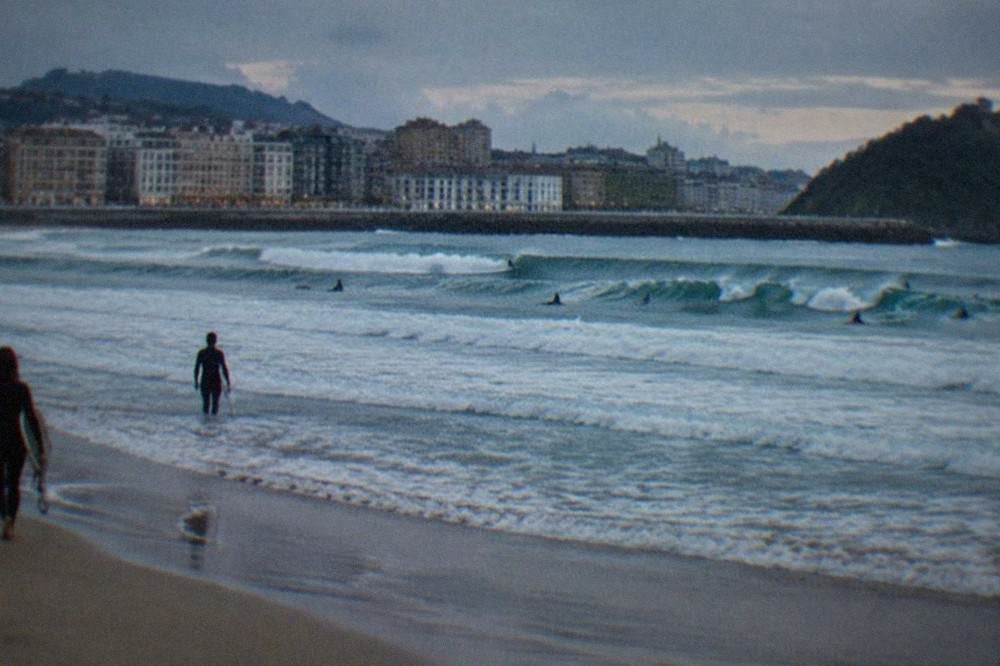
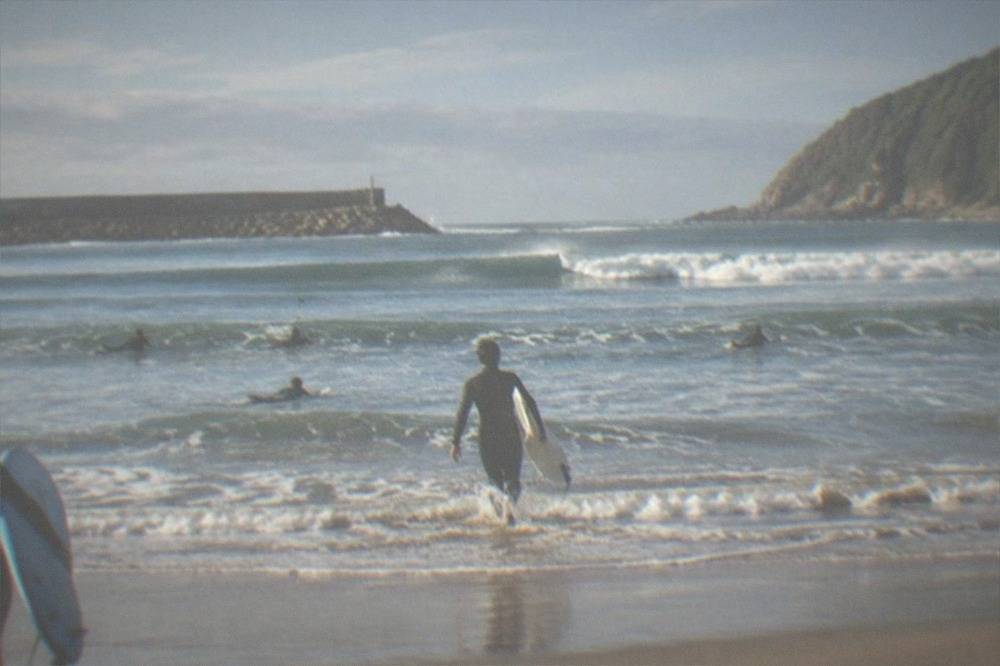
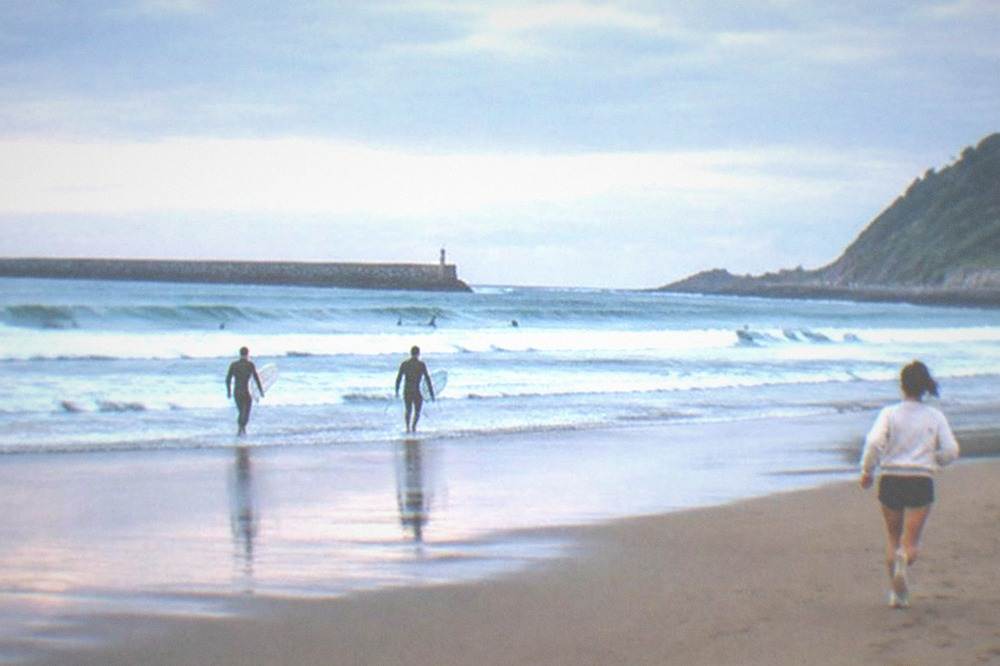
Almost all surf lessons in San Sebastián take place at Zurriola beach in the Gros district, on the city's open-Atlantic side, because the council's own beach page describes Zurriola as fairly open with a strong swell. La Concha, the famous bay beach, is sandy and shallow and the tide often limits its usable sand, which makes it a swimming beach rather than a surf beach. Ondarreta, the third beach, sits in the sheltered west of the bay near the Peine del Viento.
Zurriola is 800 metres long with a mean width of 110 metres, and the council notes it was remodelled in 1994. It faces directly onto the Bay of Biscay, so the swell that crosses the Atlantic arrives here without the headlands of La Concha bay to break it up. The Gros district around it is the city's youngest neighbourhood, full of cafes and surf shops, and it is the natural base for anyone whose trip is built around the water. The Zurriola beach guide covers the beach itself in more detail, and the San Sebastian beaches overview compares all three.
This table shows the three city beaches as the council's own pages describe them:
| Beach | Mean length | Mean width | Council description |
|---|---|---|---|
| La Concha | 1,350 m | 40 m | Sandy and shallow; the tide often limits the usable area |
| Ondarreta | 600 m | 100 m | Sandy, heavy summer use; the Peine del Viento walk starts at its west end |
| Zurriola | 800 m | 110 m | Sandy, fairly open, strong swell; remodelled in 1994 |
A fourth, small beach sits on Santa Clara island in the middle of the bay, reached by boat, and it is a place to sunbathe rather than to learn to surf.
What Does A Surf Lesson In San Sebastian Actually Include?
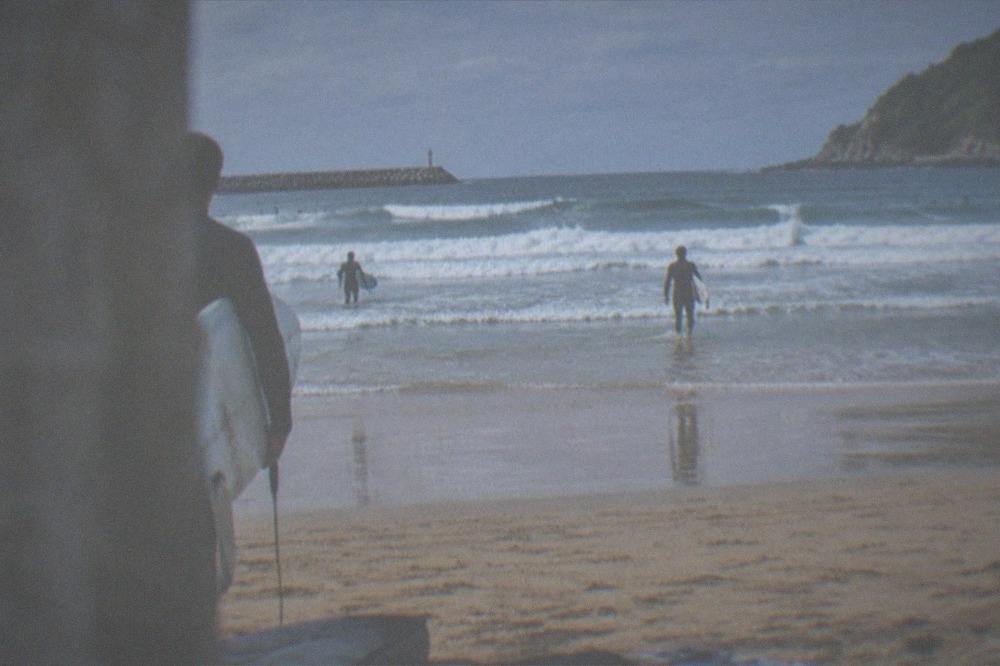
A standard beginner lesson in San Sebastián runs on Zurriola with the board and the wetsuit included, plus a warm-up, instruction on the sand and time in the water with a supervisor. The listing for the city's combined surf and pintxo product states that board, wetsuit, locker and a hot shower are all covered by the price, so a first-timer needs to bring nothing but swimwear and a towel. Lessons are taught in groups, and the instructors work the sandbar where the waves break softest.
The format matters more than many people expect. A lesson is not simply board rental with advice attached: the instructor picks the spot on the beach to match the day's swell, times the session around the tide, and stays in the water with the group. The locker and hot shower in the listing are the detail that makes the rest of the day work, because Zurriola is a fifteen-minute walk from the Old Town, and nobody wants to carry a wet wetsuit into a pintxo bar at two in the afternoon.
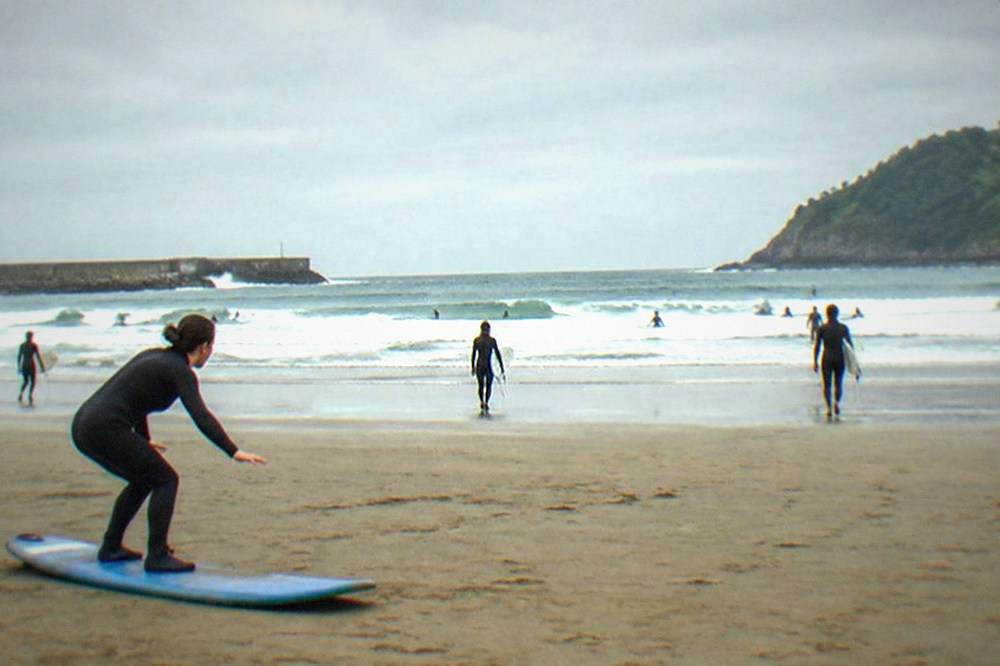
This table breaks a typical first lesson into its parts:
| Lesson stage | What happens | What you need |
|---|---|---|
| Meet and kit up | Wetsuit and board issued, locker for your things | Swimwear worn under the wetsuit |
| Sand instruction | Pop-up technique, safety briefing, wave reading | Nothing, just listen |
| Water session | Supervised practice on broken waves | Board and wetsuit already included |
| Warm-down | Hot shower, dry off, hand the kit back | A towel |
The surf lesson and pintxo tour that runs from the Gros district bundles the whole thing together and then adds food, which is a very San Sebastián way to finish a session. You can Check availability on the operator's live listing, and the Old Town pintxos and wine small group tour explains what those food stops involve if you would rather book the parts separately.
Which San Sebastian Surf Lesson Should You Book?
For many visitors the surf lesson and pintxos food tour is the right first choice, because it covers the board, the wetsuit, the locker, the shower and the food in one booking and starts in the Gros district right by the beach. If you want the water but not the surfing, or you are travelling with companions who do not surf, the bay boat with the Santa Clara island stop and the small-group electric bike tour are the two alternatives that fill the same morning slot.
The decision usually comes down to how much of your day the surf takes. A standalone lesson occupies the morning and leaves the afternoon free. The combined product stretches that into lunch, which suits a city where eating well is the main event. And for mixed groups, the bay and the bike give non-surfers something with the same start time and a similar end point, so the group reconvenes for lunch without anyone waiting around.
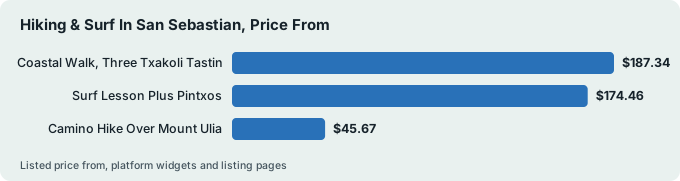
These are the three options that fit a surf-focused visit:
The bike tour follows the flat end-to-end ride along the bay, which makes it a good match for a surf morning because it covers the same stretch of coast you will have been looking at from the water. The bay boat, meanwhile, gives you the view back: Zurriola and Gros from the sea, La Concha curving away to the west, and a stop on Santa Clara island where the small beach sits. The bay boat with island stop and the small-group electric bike tour each have their own pages with full details.
When Is The Best Time Of Year For San Sebastian Surf Lessons?
The core season for surf lessons in San Sebastián runs from 1 June to 30 September, the exact window the council gives for the lifeguard service on all three beaches, with the warmest air and the most sun in July and August. But the swell is a winter phenomenon: this is a wet Atlantic city with 1,507 mm of rain a year over 141 rain days at AEMET's Igeldo station, and the same weather that makes winter grey is what makes winter waves.
Beginners should aim for the lifeguard season, because the service runs 10:00 to 20:00 from 15 June to 15 September and 13:30 to 19:30 for the rest of September. Intermediate surfers who bring their own kit surf year round, and locals treat the autumn and winter storms as the real season. The best time to visit guide and the San Sebastian weather guide cover the trade-offs in more depth.
This table shows AEMET's climate normals for the Igeldo station, period 1981 to 2010, which is the series AEMET publishes on the station page. The station sits 250 metres up on Monte Igeldo, so the seafront runs slightly warmer than these values:
| Month | Mean C | Mean max C | Rain mm | Days 1mm+ rain | Sun hours |
|---|---|---|---|---|---|
| Jan | 8.5 | 11.0 | 141 | 13.2 | 98 |
| Feb | 8.7 | 11.5 | 110 | 11.6 | 107 |
| Mar | 10.3 | 13.4 | 113 | 12.4 | 144 |
| Apr | 11.3 | 14.5 | 138 | 13.4 | 157 |
| May | 14.4 | 17.7 | 120 | 12.2 | 181 |
| Jun | 16.9 | 20.0 | 90 | 10.6 | 189 |
| Jul | 18.9 | 21.8 | 86 | 9.8 | 196 |
| Aug | 19.5 | 22.5 | 117 | 10.5 | 190 |
| Sep | 18.0 | 21.1 | 111 | 10.1 | 179 |
| Oct | 15.5 | 18.5 | 159 | 11.8 | 140 |
| Nov | 11.3 | 14.0 | 169 | 13.0 | 102 |
| Dec | 9.1 | 11.6 | 151 | 12.4 | 93 |
Read the table honestly before picking a month. July is the driest month and still averages 86 mm of rain over 9.8 rain days, so no month is a dry bet. November is the wettest at 169 mm, and August, at 117 mm, is wetter than June at 90 mm, July at 86 mm and September at 111 mm. The sun hours peak at 196 in July against 98 in January, which is the real argument for a summer lesson: longer daylight and warmer air, not dry ground. The rest of the planning pages sit on San Sebastian Spain Guide.
This table translates those normals into what each part of the year means for a surfer:
| Period | Air mean | Rain mm | What it means for surf lessons |
|---|---|---|---|
| June | 16.9 C | 90 | Warm enough for long sessions; lifeguards start 1 June |
| July | 18.9 C | 86 | Driest month of the year, peak sun at 196 hours |
| August | 19.5 C | 117 | Warmest air, but wetter than July at 117 mm against 86 mm |
| September | 18.0 C | 111 | Lifeguards to the 30th; sea at its warmest after summer |
| October to November | 15.5 to 11.3 C | 159 to 169 | Bigger swell, fewer people, much more rain |
How Cold Is It, And What Should You Pack For A San Sebastian Lesson?
Air temperatures at the coast average 16.9 C in June, 18.9 C in July and 19.5 C in August, with mean maxima of 20.0, 21.8 and 22.5 C, so summer lessons feel mild rather than tropical, and the wetsuit in the lesson price is not optional. For the rest of the year the means fall from 15.5 C in October to 8.5 C in January, and the seafront runs slightly warmer than the Igeldo station values.
The packing list is short because the school supplies the technical kit. Swimwear worn under the wetsuit, a towel for the hot shower afterwards, sunscreen for the session itself, and something dry for the walk back. The locker in the listing means you do not need to leave a bag unattended on the sand. Zinc or a stick sunscreen survives the water better than a lotion, and the sun hours are generous in summer, 196 in July, so protection is a real requirement and not a formality. The station's 250-metre elevation is the reason its numbers read cooler than the beach feels: the seafront sits lower and holds the day's warmth.
This table matches the packing list to the season:
| Item | June to September | October to May |
|---|---|---|
| Wetsuit | Included in the lesson | Included in the lesson, thicker for winter |
| Swimwear | Worn under the wetsuit | Worn under the wetsuit |
| Towel | For the hot shower after | Same, and a change of warm clothes |
| Sunscreen | High factor, reapplied after the session | Lower priority, shorter days |
| Footwear | Sandals for the walk over | Boots if you surf outside a lesson |
One practical note on the rain: with 141 rain days a year, some lessons will start under cloud, and a session in light rain is normal here. The operators watch the swell and the wind, and a lesson that cannot run safely is a matter for the operator's own cancellation terms, which the live listing states. Do not plan a surf morning as the one fixed anchor of a short trip; plan it early in the stay so there is a spare morning if the sea says no.
Can Beginners Learn At Zurriola, Or Is It Only For Experienced Surfers?
Beginners can and do learn at Zurriola, and it is where the city's surf schools run their first-timer sessions, because the beach's 110-metre mean width gives schools room to work away from the busier central sand, and the strong swell the council describes arrives as broken waves on the sandbar that a beginner can catch. What a beginner should not do is treat the whole coast as equal: the open Bay of Biscay demands respect, and the lifeguard season is the sensible window for a first lesson.
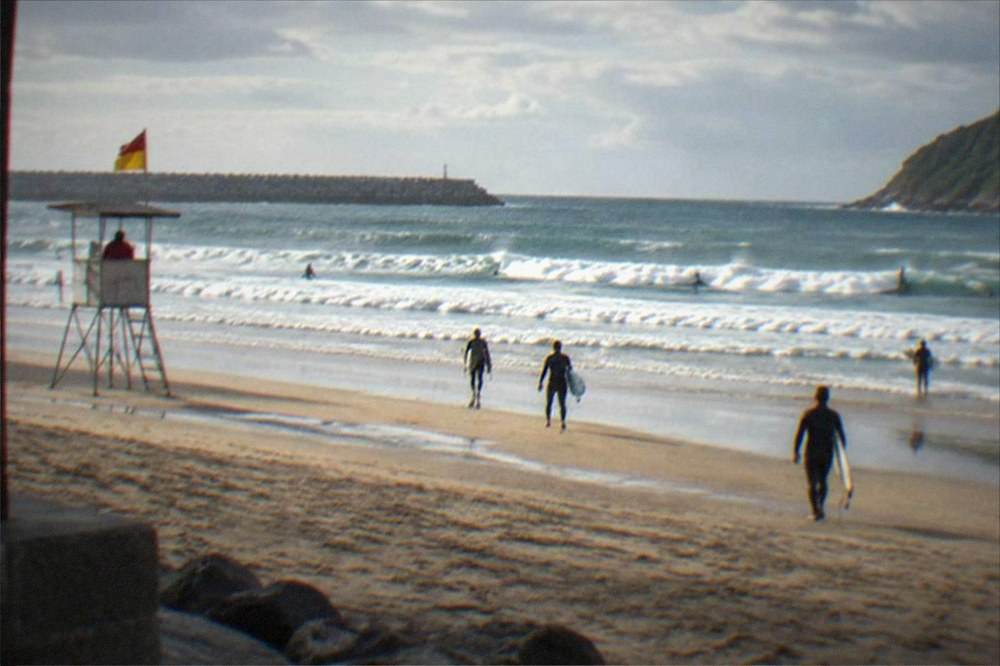
The council's beach page for Zurriola describes the swell as strong, and that is a feature rather than a defect for a surf school, since no swell means no lesson. The schools manage the risk by choosing the day's spot on the beach, the tide window and the group size, and by keeping the group in the waist-deep broken-wave zone. The council does not publish surf zoning rules or a breakdown of what each beach flag colour means, so the current local rules are a question for the lifeguard post on the day and for the council's own beach page, and a good school will brief you on both. The supervised summer window, 1 June to 30 September, is when that briefing is backed by lifeguards on the sand.
For context on the beach services you will be sharing, this table shows what the council lists for the summer season:
| Service | Dates | Details from the council |
|---|---|---|
| Lifeguards, all three beaches | 1 June to 30 September | 10:00 to 20:00 from 15 June to 15 September |
| Late-season lifeguard hours | 16 to 30 September | 13:30 to 19:30 |
| Parasol and awning hire | 15 June to 30 September | La Concha and Zurriola: awning 13.10 EUR a day, lounger 3.50 EUR |
| Ondarreta hire | 15 June to 30 September | Awnning 13.10 EUR, parasol 17.50 EUR, tent 21.90 EUR |
| Assisted bathing | 15 June to 15 September | For visitors with reduced mobility |
La Concha itself is not a surf beach, and the council's description explains why without mentioning surfing at all: it is shallow, and the tide often limits the usable sand. Swimming there is superb and the bay is the city's defining view, but the waves that a learner needs are on the other side of the Kursaal, at Zurriola. The La Concha beach guide covers the bay beach for the days you are not in the water.
What Else Can You Combine With A Surf Morning In San Sebastian?
A surf morning in San Sebastián pairs naturally with a pintxo lunch in the Gros district or the Old Town, a bay boat trip past the beach you just surfed, and a flat bike ride along the whole La Concha seafront, all within walking or a short ride of Zurriola. The city is compact enough that a lesson, lunch and an afternoon on the water or the bay path fit in one day, which is the reason the combined surf and pintxo product exists at all.
The Gros district itself is the immediate after-surf destination: its cafes and bars sit a few minutes from the sand. Cross the river and you are in the Parte Vieja, the Old Town, whose pintxo bars are the reason many people come to the city at all, and the Parte Vieja area guide maps that out. If you want to understand what a pintxo actually is before you order one, the what are pintxos guide is the primer.
For the afternoon, two options stand out. The bay boat with the Santa Clara island stop gives you the water again without the effort, and the ticket is valid for the day. The small-group electric bike tour covers the bay's bike-lane network end to end, which is the same coastline you saw from the board in the morning.
The two work well back to back, too: the boat departs from the harbour on the La Concha side, and the bike tours gather in the Old Town, so a group can split after lunch and meet again on the seafront path before dinner. Neither needs a car, and neither takes the whole afternoon.
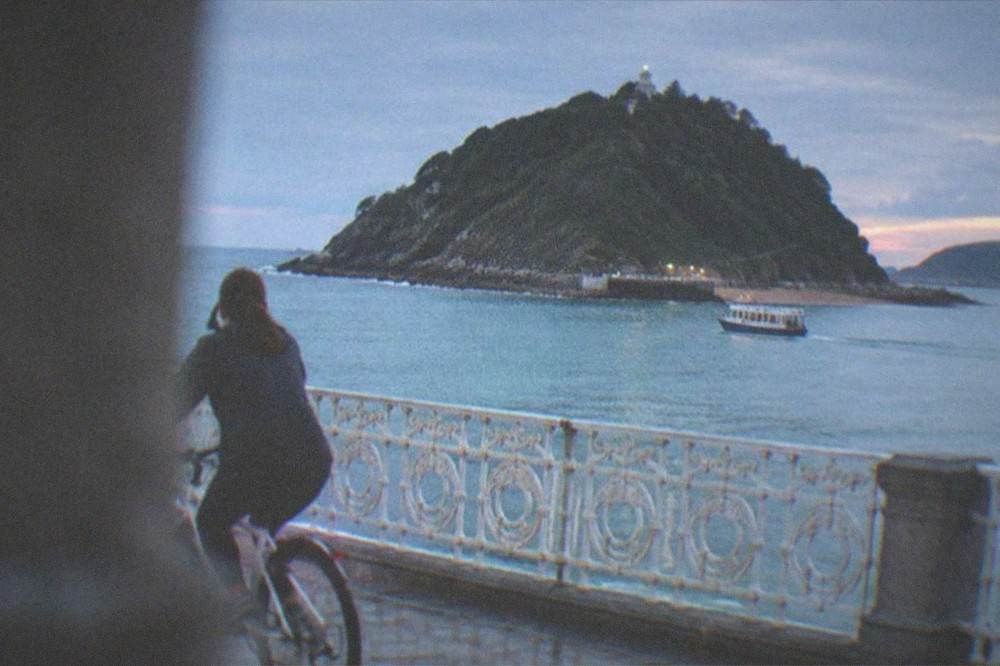
If the trip is longer than a weekend, the same coast that produces the surf produces the walks: the Camino de Santiago coastal route runs through the city, and the wider region, from Getaria to Zumaia's flysch, is covered in the Bilbao, Guggenheim and Gaztelugatxe day trip and the market tour and hands-on Basque cooking class. For the full picture of what the city offers beyond the water, the things to do in San Sebastian page is the site's main planning hub.
Common Questions About Surf Lessons In San Sebastian
Which beach do surf lessons in San Sebastian use?
Zurriola beach in the Gros district. The council's own beach page describes it as fairly open with a strong swell, which is what a surf school needs, and its 110-metre mean width gives schools room to work. La Concha is a shallow swimming beach and is not where lessons run.
Do I need to bring a wetsuit and a board to a San Sebastian surf lesson?
No. The listing for the city's combined surf and pintxo product states that board, wetsuit, locker and a hot shower are all included. Bring swimwear to wear under the wetsuit, a towel and sunscreen.
When is the surf lesson season in San Sebastian?
The core season matches the council's lifeguard service, 1 June to 30 September, with 10:00 to 20:00 hours from 15 June to 15 September. The beach itself is open year round, and experienced surfers with their own kit surf through the winter, when the Atlantic swell is at its biggest.
Is San Sebastian good for beginner surfers?
Yes, in the lifeguard season. Zurriola's broken waves on the sandbar are a standard learner's setup, and the schools choose the day's spot and tide window. The open Bay of Biscay demands respect, so a first lesson belongs inside the supervised summer window rather than in the winter storms.
Does it rain too much for surfing in San Sebastian?
Rain does not stop a surf lesson; wind and swell do. AEMET's Igeldo station records 1,507 mm of rain a year over 141 rain days, and even July, the driest month, averages 86 mm, so some sessions will start under cloud. Book the lesson early in your stay so there is a spare morning if the operator calls it off.
Can I combine a surf lesson with pintxos in San Sebastian?
Yes, and there is a product built exactly for that: a surf lesson followed by pintxos and drinks in the Gros district. The Old Town pintxos and wine small group tour is the standalone food option if you would rather book the two halves separately.
A surf lesson in San Sebastián is the rare city-break activity that puts you inside the landscape the city is famous for, on the Atlantic side of the bay, with a shower and a pintxo bar waiting twenty minutes away.