Donostia Or San Sebastian: Why The City Has Two Names
One city on La Concha bay, two names, and an official municipal name that carries both with a slash between them. Here is what Donostia and San Sebastián each mean, which one the Basque speakers use, and why the answer matters when you search, book or read a sign.
Short answer
Donostia and San Sebastián are the same city in the Basque Country, Spain. Donostia is its Basque name, San Sebastián its Spanish one, and the official municipal name since a 2012 provincial order is 'Donostia / San Sebastián', with either form allowed to stand alone depending on the language.
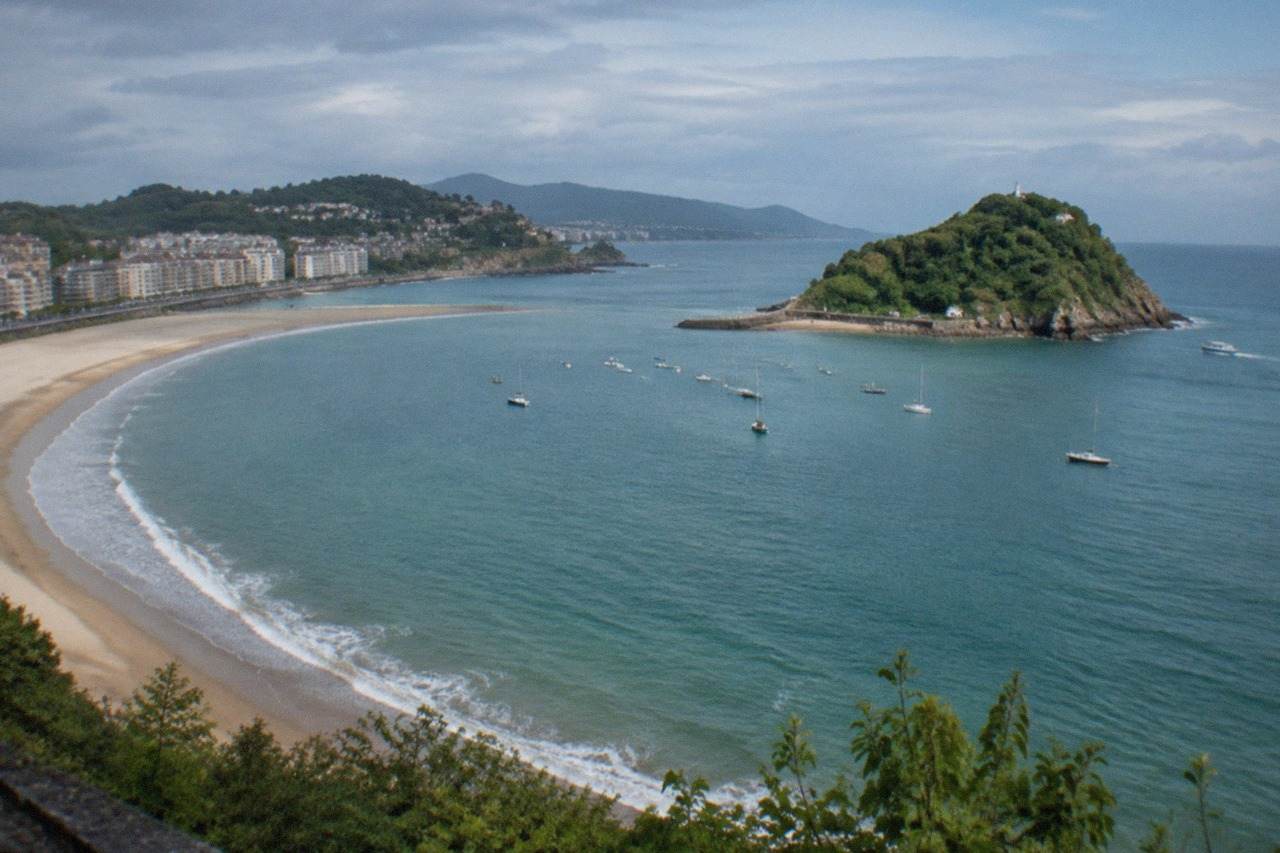
San Sebastián, the city on La Concha bay in the Basque Country of Spain, answers to two names, and both are correct. Its Basque name is Donostia, its Spanish name is San Sebastián, and its official municipal name is "Donostia / San Sebastián", written with a slash and spaces, a form set by provincial order in 2012 so that either name can stand alone depending on the language of the speaker. Visitors run into both within minutes of arriving: the railway station says one thing, the tourism leaflets sometimes say another, and half the world's other San Sebastians, in Puerto Rico, in Florida, in the Canary Islands, have nothing to do with this one. This page explains what each name means, which one Basque speakers actually use, and what the double name means in practice.
The confusion is not trivial. Search for "San Sebastián" and you can land on a winery in St. Augustine, Florida, which owns the phrase "San Sebastián wine", or on San Sebastián de los Reyes, a town beside Madrid, or on the port of San Sebastián de La Gomera in the Canary Islands. The city this site covers is the one in Gipuzkoa, the province of the Basque Country whose coastline faces the Bay of Biscay, and whose municipal register counted 189,866 residents at 1 January 2025 according to the INE. If a fact you read elsewhere concerns a festival in San Juan, a bullring in Mexico or a wine from Florida, it belongs to a different San Sebastián entirely. For the geography behind the name, the companion page on where San Sebastian is in Spain places the city on the map.
What Is The Difference Between San Sebastian And Donostia?
There is no difference in place: Donostia and San Sebastián are two names for the same city in the Basque Country, Spain. Donostia is the Basque name and San Sebastián is the Spanish name, and the official municipal name since the Orden Foral of 27 July 2012 is "Donostia / San Sebastián", a dual form in which either name can be used alone depending on the language. Nothing about the streets, the beaches or the food changes between the two words.
The two names sit side by side in almost every official document the city produces. The city council publishes under a Basque-form web address, the tourism board under a Spanish one, and the national statistics institute lists the municipality as "Donostia/San Sebastián" in its tables. When the European Commission recorded the city's year as a European Capital of Culture, shared with Wrocław in 2016, it used the hyphenated form "Donostia-San Sebastián". None of these are different places. They are the same municipality of 189,866 people on the curve of La Concha bay.
The comparison below shows how the two names divide the work between them.
| Name | Language | Status | Where you typically meet it |
|---|---|---|---|
| Donostia | Basque | Official, can stand alone | Council communications, Basque signage, local speech, station names |
| San Sebastián | Spanish | Official, can stand alone | Spanish signage, national media, most international guidebooks |
| Donostia / San Sebastián | Dual form | Official municipal name since 2012 | Formal documents, the INE register, AEMET's station listing |
A useful way to hold the distinction is to treat Donostia as the name in the Basque language and San Sebastián as the name in Spanish, rather than as old and new names, or formal and informal ones. The 2012 order did not rename the city. It recognised what was already on the ground: a bilingual city in which Basque and Spanish are both official languages, and in which residents move between the two names without thinking about it.
Why Is San Sebastian Called Donostia?
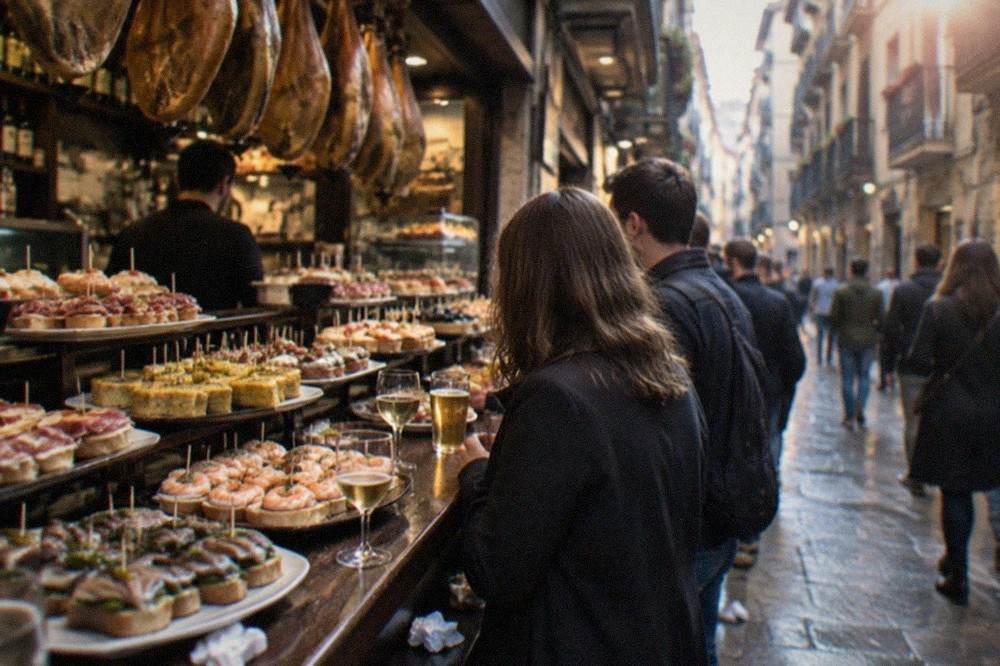
San Sebastián is called Donostia because Donostia is the city's name in Euskara, the Basque language, which is co-official with Spanish across the Basque Country. The name was in long local use before it was formalised, and the Orden Foral of 27 July 2012, published in Spain's official gazette, fixed the municipal name as "Donostia / San Sebastián" so that either form could be used alone depending on the language of the text or the speaker.
Basque is not a dialect of Spanish and not a Romance language at all; it is a language isolate, older in this corner of Europe than the Roman names that arrived beside it. Euskara is co-official in the Basque Country, so a city with a substantial Basque-speaking population carries its Basque name with full legal weight, not as a nickname. The council's plenary agreed the dual-name arrangement on 30 May 2012, and the Diputación Foral de Gipuzkoa, the province's governing body, issued the Orden Foral of 27 July 2012 that the BOE then published, changing the previous single-string form "Donostia-San Sebastián" into the current slash form in which either name can stand alone.
The practical effect is that both names are correct on a hotel booking, a train ticket or a wedding invitation. A letter addressed to Donostia arrives at the same building as one addressed to San Sebastián. What the 2012 change did was remove the obligation to use both names at once, which is why you now see plain "Donostia" on the council's own materials and plain "San Sebastián" in Spanish-language media, with the combined form reserved for formal and legal contexts.
| Date | Event | What it changed |
|---|---|---|
| 30 May 2012 | City council plenary agreement | Council backed the dual-name arrangement |
| 27 July 2012 | Orden Foral of the Diputación Foral de Gipuzkoa | Set the official name as "Donostia / San Sebastián" |
| 2012 | Publication in the BOE, Spain's official gazette | Either form can now be used alone depending on language |
| 2016 | European Capital of Culture year, shared with Wrocław | The EU list records the city as "Donostia-San Sebastián" |
The name question is one of the first things many visitors notice, and it shapes how the city presents itself. For the broader picture of what the city is known for, from its beaches to its restaurants, see what San Sebastian is known for.
What Do Basque People Call San Sebastian?
Basque speakers call the city Donostia, in Euskara, the Basque language, and that is the name used in Basque conversation, on Basque-language signage and across the council's Basque communications. Spanish speakers call it San Sebastián, and most residents move between the two names depending on the language they are speaking at that moment. Neither group is using a translation of the other: both are the city's own name in its own right.
In daily speech the choice follows the language of the sentence rather than any rule about formality. A Basque speaker chatting in Euskara says Donostia without a second thought; the same person writing a letter in Spanish writes San Sebastián. Place names inside the city work the same way: the old quarter is the Parte Vieja in Spanish and the same streets carry Basque names on the council's bilingual signs. Visitors who speak neither language lose nothing, since English-language tourism uses the Spanish name almost universally, and every sign, menu and booking confirmation in the tourism economy works off it.
The city's institutions reflect the split. The municipal website lives under a Basque-form address, the tourism board's site under a Spanish one, and both serve the same city in both languages. The Euskotren network names one of the city's stations Amara-Donostia, while the national weather service's station on the hill above the bay is listed as "Donostia / San Sebastián, Igeldo", a bilingual label for a single place. Language in the city is a live subject with its own history and politics, and the history of San Sebastian covers how the city's identity developed alongside its two languages.
Is Donostia The Official Name On Paper Today?
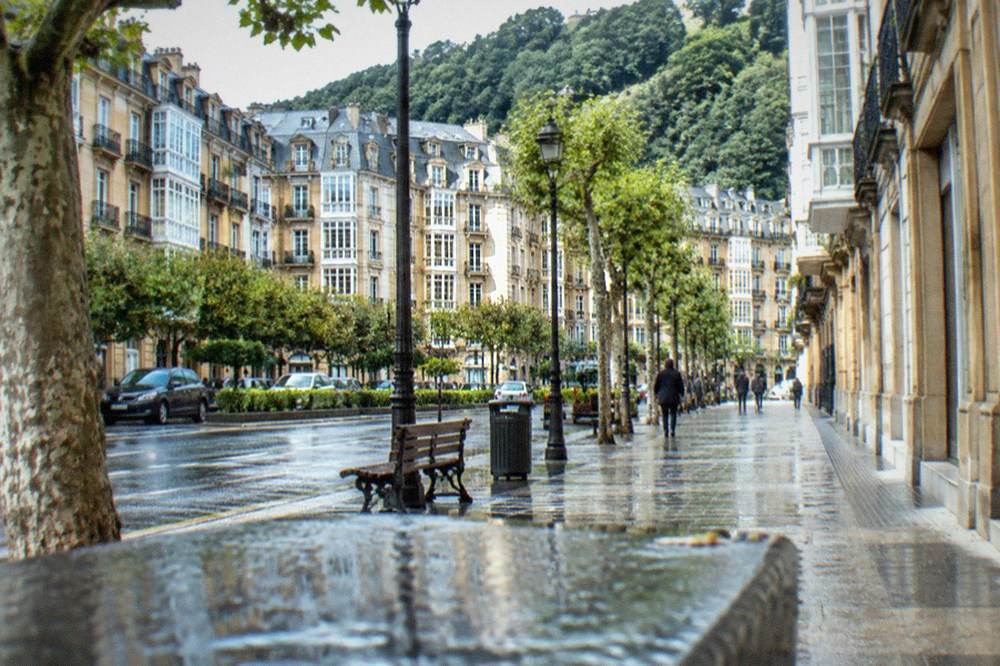
Yes. The official municipal name is "Donostia / San Sebastián", written with a slash and spaces, and it has been since the Orden Foral of 27 July 2012 of the Diputación Foral de Gipuzkoa, which the BOE published following the council plenary agreement of 30 May 2012. The same order allows either name to be used alone depending on the language, so plain "Donostia" and plain "San Sebastián" are both fully official forms, not abbreviations.
Paper is where the dual name shows its reach. The INE, Spain's statistics institute, lists the municipality as "Donostia/San Sebastián" in its population tables, the form in which its 189,866 residents at 1 January 2025 are counted. AEMET, the state weather service, titles its climate station above the bay "Donostia / San Sebastián, Igeldo". The European Commission's record of Capitals of Culture reads "2016 Donostia-San Sebastián and Wrocław". Each institution formats the pairing slightly differently, with a slash, a hyphen or no separator, but every one of them means this city and no other. Other pages covering the same trip are gathered on San Sebastian Spain Guide.
The table below collects where each form appears, so you can recognise the city under any of its labels when booking or reading.
| Institution or context | Form used | Notes |
|---|---|---|
| Official municipal name | Donostia / San Sebastián | Slash with spaces, set in 2012 |
| INE population tables | Donostia/San Sebastián | No spaces, in national statistics |
| AEMET weather station listing | Donostia / San Sebastián, Igeldo | Station 1024E, 250 m up on Monte Igueldo |
| European Capital of Culture list | Donostia-San Sebastián | 2016, shared with Wrocław |
| Euskotren station naming | Amara-Donostia | The working terminus of the Topo line |
| City council web presence | Basque-form address | The tourism board uses a Spanish-form address |
None of these variants signals a different place or a different authority. They are formatting choices made by different institutions for the same dual name, and a reader who knows the pairing can spot the city in any of them.
Which Other Places Are Called San Sebastian?
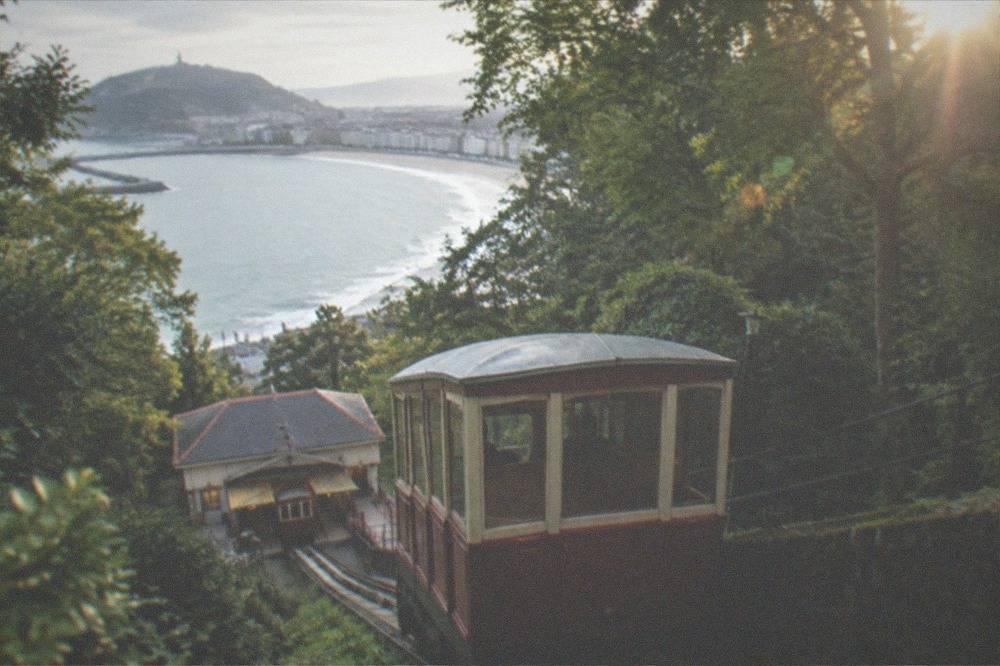
Several places around the world share the name San Sebastián, and none of them is the Basque city. There is a San Sebastián in Puerto Rico, the San Sebastián Winery in St. Augustine in Florida, San Sebastián de los Reyes beside Madrid in Spain, San Sebastián de La Gomera in the Canary Islands, and San Sebastián del Oeste in Mexico. Facts about any of them, from festivals to wines, never apply to the city on La Concha bay.
The list matters because search results mix these places freely. The San Sebastián Street Festival takes place in San Juan, Puerto Rico, and belongs to that island's calendar, not to the Basque one. The phrase "San Sebastián wine" belongs to the Florida winery, because the local white wine of the Basque city is txakoli, a light, sharply acidic wine poured from a height, with its own protected designation and its own story on the txakoli guide. San Sebastián de los Reyes is a dormitory town in the Madrid region whose football rivalry and shopping centres have nothing to do with La Concha. The Canary Islands port shares only the saint.
| Place | Where it is | What it is known for |
|---|---|---|
| San Sebastián | Puerto Rico | A municipality inland from San Juan; its street festival is held in San Juan |
| San Sebastián Winery | St. Augustine, Florida | A winery that owns the phrase "San Sebastián wine" |
| San Sebastián de los Reyes | Beside Madrid, Spain | A town in the Madrid region, often shortened to "Sanse" locally |
| San Sebastián de La Gomera | Canary Islands, Spain | The port town of La Gomera |
| San Sebastián del Oeste | Jalisco, Mexico | A former mining village in the mountains |
A simple test keeps the page honest: if a claim concerns a festival in Puerto Rico, a wine from Florida, a bullring in Mexico or a ferry in the Canaries, it does not belong to the Basque city, however confidently it is worded. The city covered by this site is the one whose calendar holds Tamborrada on 20 January, the Santo Tomás fair on 21 December and a Semana Grande built around the week of 15 August, and whose festivals calendar is entirely its own.
Does The Double Name Change Anything For A Visitor?
No. The double name changes nothing practical: the same streets, beaches, buses and pintxo bars answer to both Donostia and San Sebastián, bookings made under either name arrive in the same city, and English-language tourism overwhelmingly uses the Spanish form. The only place the distinction matters is in search and in reading, where knowing the pairing helps you recognise the city under either label and avoid the other San Sebastians.
On the ground the two names coexist quietly. Signage is bilingual, the council communicates in both languages, and no district, monument or service belongs to one name rather than the other. The neighbourhoods have their own names on top of the city's, and one question visitors often ask is what the old quarter itself is called, which has its own answer on the page what the Old Town of San Sebastian is called. That name, Parte Vieja, sits alongside Donostia and San Sebastián as a third label for a smaller piece of the same place.
Seeing the layers of the city in one walk is the easiest way to make the names concrete. A guided walk of the historic centre pairs the two names with the streets they describe, and it can be booked as a small group or a private option:
The same applies on the water. The bay boat that stops at Santa Clara Island runs from the harbour beneath the names on the promenade, and its ticket is valid for a day, which suits a city small enough to see from the sea between a morning coffee and an evening pintxo:
For visitors who want the names to come with flavours attached, the Old Town crawl through pintxo bars and gourmet shops runs under the Spanish name on its listing and through streets whose signs carry both:
The double name also explains a quirk of searching: results for "Donostia" skew toward local and Basque-language material, while results for "San Sebastián" pull in everything from the Florida winery upward. A reader planning a trip gets the best of both by using the Spanish name for bookings and the Basque name when reading local sources, and by checking that any page, price or festival it lands on belongs to Gipuzkoa before trusting it. The city's own main guide to things to do in San Sebastian keeps every recommendation anchored to the right place.
Common Questions About San Sebastian And Donostia
What is the difference between San Sebastián and Donostia?
There is no difference in place. Donostia is the city's Basque name, San Sebastián its Spanish name, and the official municipal name since 2012 is "Donostia / San Sebastián", with either form allowed to stand alone depending on the language. Both names refer to the same city on La Concha bay in the Basque Country, Spain.
Why is San Sebastián called Donostia?
Donostia is the city's name in Euskara, the Basque language, which is co-official with Spanish in the Basque Country and was in long local use before it was formalised. The Orden Foral of 27 July 2012 set the official municipal name as the dual form "Donostia / San Sebastián". The order did not rename the city; it recognised both existing names.
What do Basque people call San Sebastián?
Basque speakers call it Donostia when speaking or writing in Euskara, and the same residents use San Sebastián when operating in Spanish. The choice follows the language of the conversation rather than any rule of formality. Both names carry full official status.
Is Donostia the official name of the city?
Yes, in the dual form. The official municipal name is "Donostia / San Sebastián", slash with spaces, set by the Orden Foral of 27 July 2012 and published in the BOE after the council plenary agreement of 30 May 2012. Either name can be used alone depending on the language, so plain Donostia and plain San Sebastián are both official.
Do I need to use Donostia or San Sebastian when booking?
Either works. Hotels, trains and tours booked under either name arrive in the same city, and English-language tourism overwhelmingly uses the Spanish form. The one place care pays off is search, where "San Sebastián" also returns a Puerto Rican town, a Florida winery, a Madrid suburb and a Canary Islands port, none of which is this city.
Is Donostia a different city from San Sebastian in Spain?
No. They are two names for one municipality in Gipuzkoa, with a population of 189,866 on the municipal register at 1 January 2025 according to the INE. The city's institutions, from the council to the tourism board, serve the same place under both names.
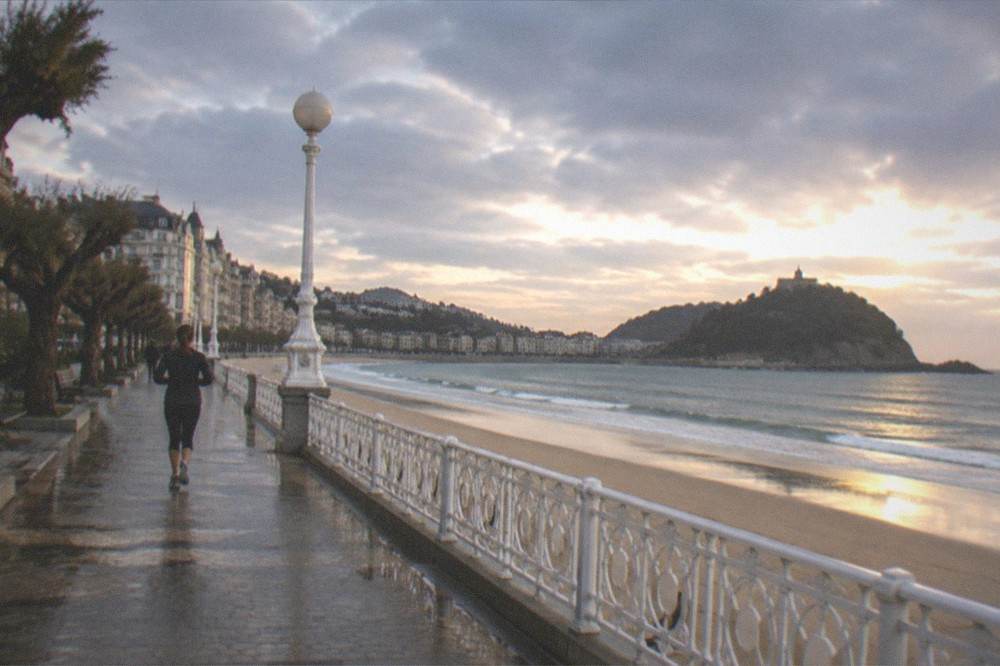
The two names are not a puzzle to solve but a fact to enjoy: a bilingual city confident enough to print both on its own stationery. Say Donostia if you are speaking Basque, San Sebastián if you are speaking Spanish, and either one if you are standing on the railing above La Concha, because the city answers to both without hesitation.