Vegetarian And Gluten Free Eating In San Sebastian
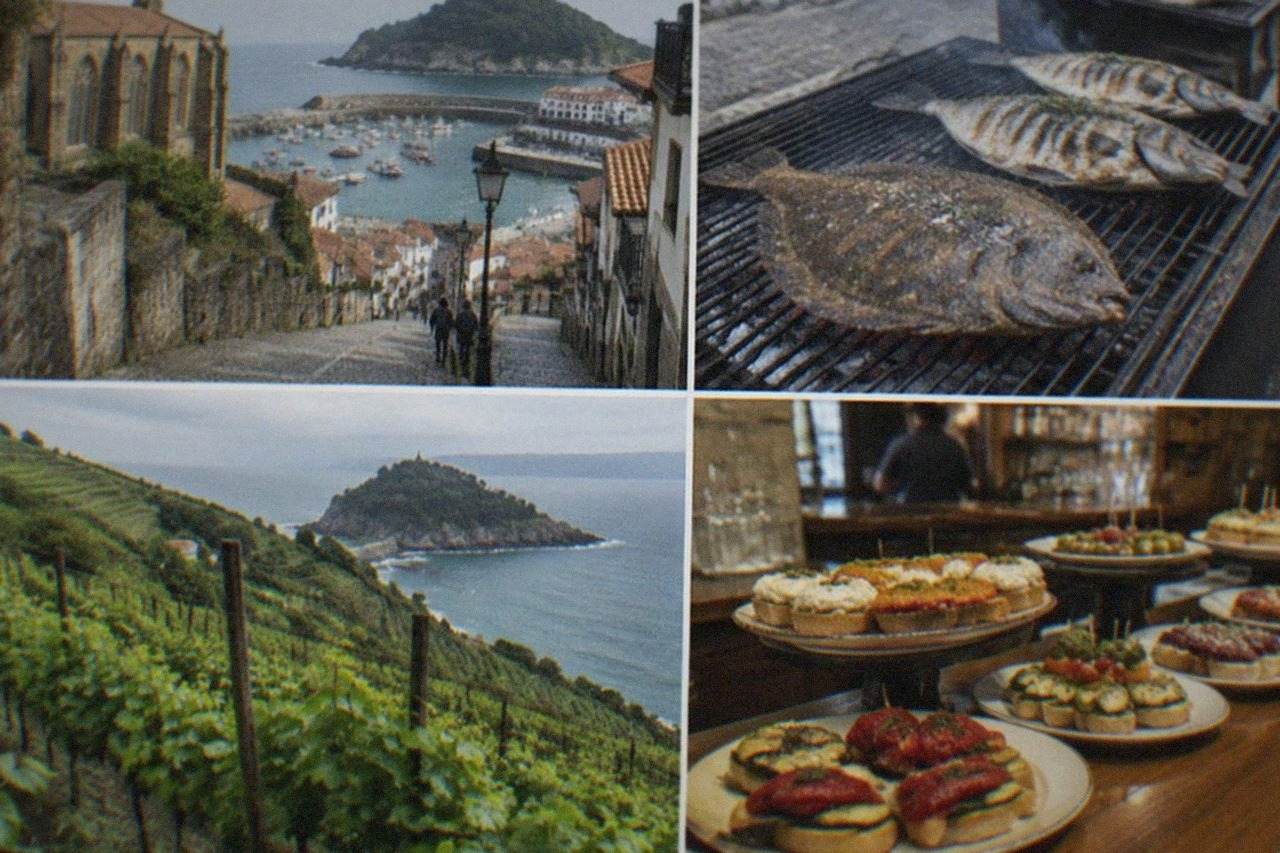
San Sebastián in the Basque Country, Spain, is a pintxo city, and pintxo culture is built on bread, fish and meat. That is the honest starting point. But the same city also has a produce market at its centre, a cider-house tradition whose star dish is a giant steak, which means vegetarians need a plan, and a growing set of kitchens that cook vegetables with the same seriousness.
Short answer
Yes, you can eat well as a vegetarian or gluten-free visitor in San Sebastián. The city's market culture, its vegetable-forward Basque side dishes and its grilled cheese and tortilla traditions give you real options, but pintxo bars default to bread and seafood, so learning a few Basque and Spanish phrases, and picking tours and venues that state their diet handling, matters more here than almost anywhere in Spain.
San Sebastián, whose Basque name is Donostia, sits on La Concha bay in Gipuzkoa in the Basque Country, Spain, and it is one of the most serious eating cities in Europe. The MICHELIN Guide Spain 2026 counts 11 stars across 6 restaurants inside the municipality, and the everyday food culture is just as distinctive: pintxos, the small bites served on bar counters, txakoli wine poured from a height, cider houses, and a grilled-cheesecake tradition that has crossed the Atlantic. For a vegetarian or a gluten-free visitor, that same culture presents a specific challenge. Bread is the default base of most pintxos, seafood is the default protein, and a lot of the city's fame rests on txuleta steak and salt-cod dishes.
None of that means eating badly. It means eating deliberately. The Basque kitchen has a deep vegetable side, the markets are excellent, and the customs of the counter, pointing, asking, ordering one thing at a time, make it easier to control what lands on your plate than in a restaurant with a fixed menu. This guide covers the vocabulary, the dishes that are naturally safe, the ones that look safe but are not, and the tours and neighborhoods that work best. If you are still shaping the trip itself, start with how many days to spend in San Sebastian and the page on what San Sebastian is known for.
Is San Sebastian Good For Vegetarian And Gluten Free Eaters?
San Sebastián is workable and often genuinely good for both diets, but neither is the default, so the effort is on you. Pintxo bars are built around bread, anchovies, cod and cured meats, and vegetarian pintxos can be scarce on some counters. The saving graces are the city's market culture, its vegetable-forward Basque side dishes, grilled cheese, tortilla de patatas, and a small set of tours and kitchens that cook vegetables with real skill. With a few phrases and a plan, neither diet is a hardship here.
Start with what the diet is up against. Pintxo culture, the subject of our guide to what pintxos actually are, is a counter tradition: small bites, often skewered, often on bread, eaten standing with a drink in the other hand. The classic canon, the gilda with its anchovy and olive, the txangurro spider crab, the cod in pil pil sauce, is emphatically not vegetarian. The gilda, the city's signature bite, is built on salt-cured anchovy.
The gluten-free picture is different and in some ways easier. Plenty of Basque food is naturally free of gluten: grilled fish, grilled vegetables, tortilla de patatas made the traditional way with just eggs, potato and onion, Idiazabal cheese, txakoli wine, cider. The danger is not hidden flour in sauces, though that exists, it is the bread base under half the counter and the batter on fried pintxos. Croquetas, a bar staple, are made with a wheat-flour béchamel and are off the table entirely unless a bar states otherwise.
The honest summary is that a vegetarian eats better than a gluten-free visitor at the average counter, but a gluten-free visitor eats better at the average sit-down restaurant, where grilled fish and vegetables dominate. Someone who is both needs the market, the vegetable-forward kitchens and a handful of phrases, and that is exactly what the rest of this page gives you.
Which Basque Dishes Are Naturally Vegetarian Or Gluten Free?
The strongest naturally vegetarian options are tortilla de patatas, grilled Idiazabal and other Basque cheeses, pimientos de Gernika and padrón peppers, setas al ajillo garlic mushrooms, and the pintxo gilda's vegetarian cousin built on olive, guindilla pepper and anchovy-free alternatives. Naturally gluten-free staples include grilled fish, tortilla, cheeses, txakoli wine and cider. The dishes to treat with suspicion are croquetas, battered fried pintxos, anything on a bread base, and sauces you cannot identify.
Basque cooking is at heart grill-and-ingredient cooking, and that is good news for restricted diets. The table below splits the canon into what each diet can trust, what needs a question, and what to skip.
| Dish | What it is | Vegetarian? | Gluten free? | Notes |
|---|---|---|---|---|
| Tortilla de patatas | Potato and egg omelette | Yes | Yes, if no flour added | Ask "sin harina" to be safe |
| Idiazabal cheese | Smoked raw sheep's cheese | Yes | Yes | Often served on bread, order it without |
| Pimientos de Gernika | Mild green peppers, fried | Yes | Yes if fried in oil only | A classic safe pintxo |
| Padrón peppers | Small peppers, salt | Yes | Yes | "Os pementos, uns picana outros non" |
| Setas al ajillo | Garlic mushrooms | Yes | Usually | Check for a flour-thickened sauce |
| Croquetas | Béchamel fritters | Sometimes | No | Wheat in the béchamel and the crumb |
| Gilda | Anchovy, olive, guindilla | No | Yes | The anchovy is the problem for vegetarians |
| Txuleta | Bone-in rib steak | No | Yes | The cider-house centrepiece |
| Bacalao al pil pil | Salt cod in emulsified oil | No | Yes | Emulsion is oil and cod protein only |
| Txakoli | Local white wine | Yes | Yes | Poured from height, see our txakoli guide |
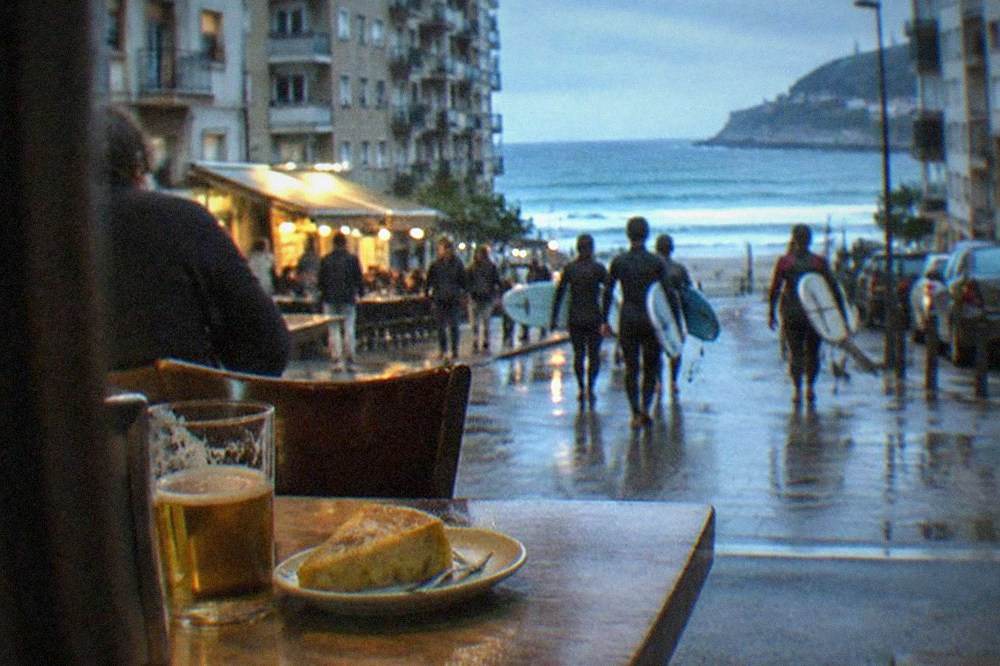
Two of these deserve a warning. The tortilla is a staple of every bar and it is usually vegetarian and gluten free, but some kitchens add flour to set the middle, so the phrase "sin harina" is worth learning. And the fried pintxos behind the glass, the battered squid, the breaded cheese, the croquetas, share fryers and coatings with everything else, so cross-contamination is real even when an item itself looks safe.
For deeper background on the city's food as a whole, read our page on what to eat in San Sebastian, which covers the full canon from a meat-and-fish perspective and shows exactly what you are working around.
If you would rather have a guide do the explaining bar by bar, these are the tours that fit restricted diets best, because a booked tour lets you flag your needs before you arrive and the guide arranges the stops around them.
What Should You Say In A Pintxo Bar To Stay Safe?
Learn six phrases and the counter becomes manageable. The core ones are "soy vegetariano/a" for vegetarian, "sin gluten" or "soy celíaco/a" for gluten free, "sin pan" for no bread, "sin harina" for no flour, "¿qué hay sin gluten?" to ask what is gluten free, and "¿esto lleva carne o pescado?" to ask whether something has meat or fish. Basque is the local first language, but Spanish works everywhere in bars, and staff in the centre are used to English too.
The vocabulary table below is the practical heart of this page. Print it or screenshot it.
| Phrase | Language | What it does |
|---|---|---|
| Soy vegetariano / vegetariana | Spanish | States the diet, masculine or feminine ending |
| Soy celíaco / celíaca | Spanish | The medical word for coeliac, taken most seriously |
| Sin gluten | Spanish | Gluten free, on menus as a category marker |
| Sin pan | Spanish | No bread, the single most useful counter phrase |
| Sin harina | Spanish | No flour, for sauces and tortillas |
| ¿Esto lleva carne o pescado? | Spanish | Does this contain meat or fish? |
| ¿Qué hay sin gluten? | Spanish | What do you have that is gluten free? |
| Eskerrik asko | Basque | Thank you, worth having anywhere |
One cultural note: asking is normal here. Pintxo bars are not reverent temples, they are loud rooms where you point, ask and order one thing at a time, and the staff answer ingredient questions all day. A vegetarian in San Sebastián is not an oddity, and neither is a coeliac. The phrase that matters most is the medical one: "celíaco" signals a real condition rather than a preference, and kitchens treat it accordingly.
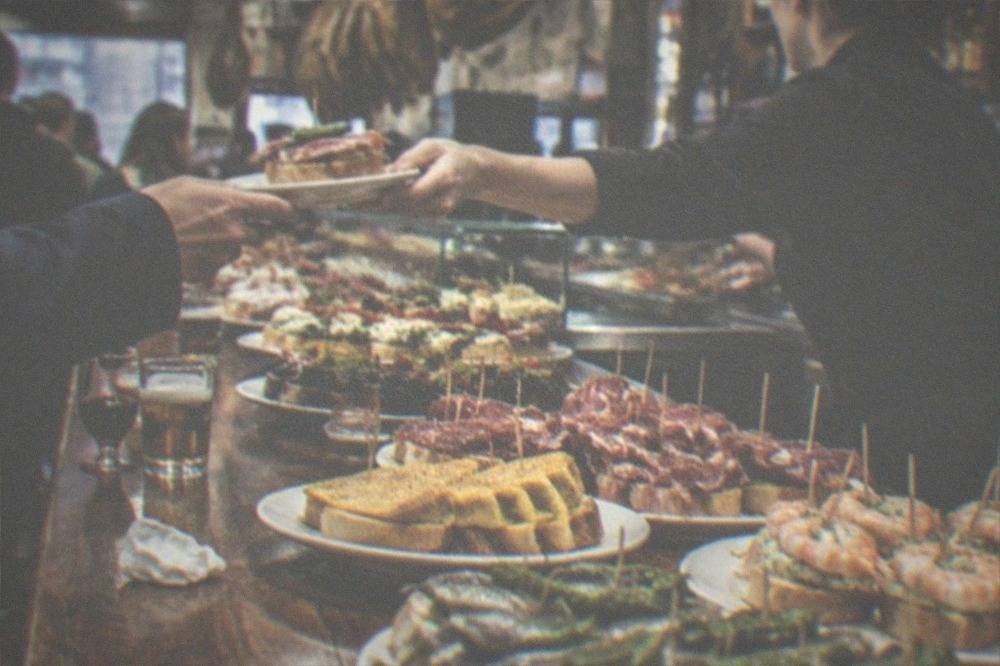
The counter customs themselves are worth understanding before you go, and our pintxos in San Sebastian guide covers how ordering, paying and the tab system work in practice. The short version: order by pointing, keep your own tally or hand over a card, and eat standing unless there are stools.
Where Are The Best Bets For Vegetarians In San Sebastian?
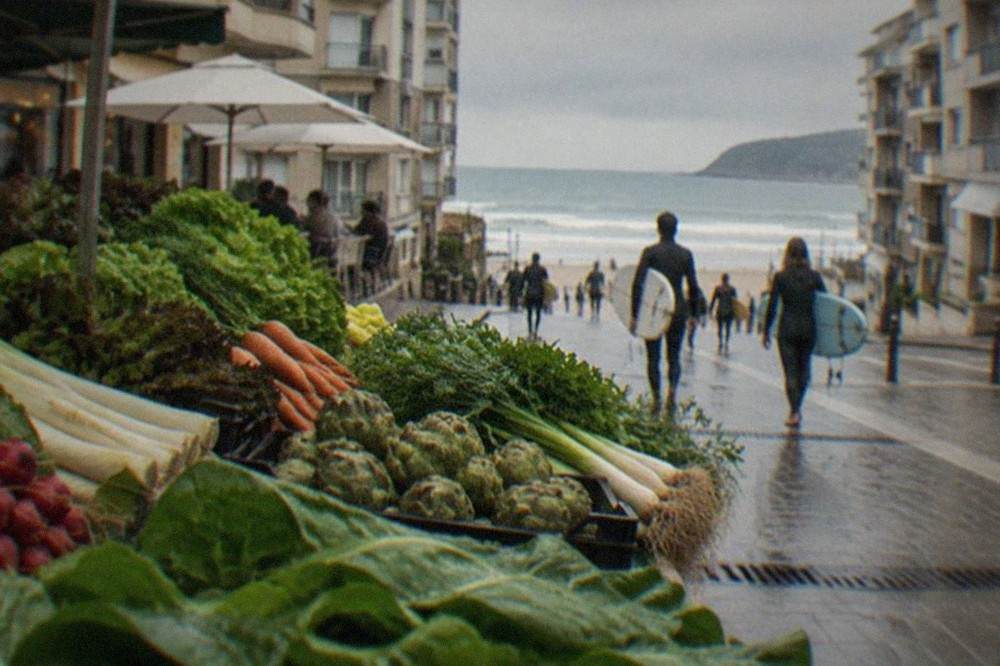
The produce markets, the Gros and Centro neighborhoods, and the vegetable-forward kitchens around the Old Town are the best bets. Mercado de la Bretxa is the historic centre's market, and the city's smaller greengrocers stock the peppers, mushrooms and beans that Basque home cooking is built on. Gros, the surf-side district, has a younger, more international bar scene with more vegetarian options, while Centro's sit-down restaurants handle dietary requests most smoothly.
Geography shapes the diet here. The Old Town, the Parte Vieja, has the densest pintxo bar concentration and the most traditional canon, which means the most bread and the most anchovy. Centro, the district behind it, has more sit-down restaurants where a vegetarian can order a full plate rather than hunt the counter. Gros, east of the Urumea river around Zurriola beach, skews younger and more flexible in the kitchen. Our San Sebastian neighborhoods guide breaks down all of them for food, and the Gros and Centro pages go deeper.
| Area | Character | Vegetarian outlook | Gluten-free outlook |
|---|---|---|---|
| Parte Vieja (Old Town) | Densest pintxo bar scene, traditional canon | Thin at the counter, better in the back-room restaurants | Bread everywhere, ask for plates not pintxos |
| Centro | Sit-down restaurants, formal kitchens | Strong, full vegetarian plates exist | Strong, grilled fish and vegetables |
| Gros | Young bars, surf crowd, international touches | Best single area for vegetarian pintxos | Mixed, more modern kitchens flag allergens |
| Antiguo | Residential, near Ondarreta | Everyday bars, few tourists | Ordinary, unremarkable |
| Mercado de la Bretxa | Market halls at the Old Town edge | Produce, cheese, olives, the picnic solution | Naturally safe raw ingredients |
The market picnic is the underrated strategy. A vegetarian or gluten-free visitor who buys cheese, olives, peppers, fruit and txakoli at the market has a lunch that no kitchen can contaminate, and the La Bretxa market page explains the building and its place in the city's food supply.
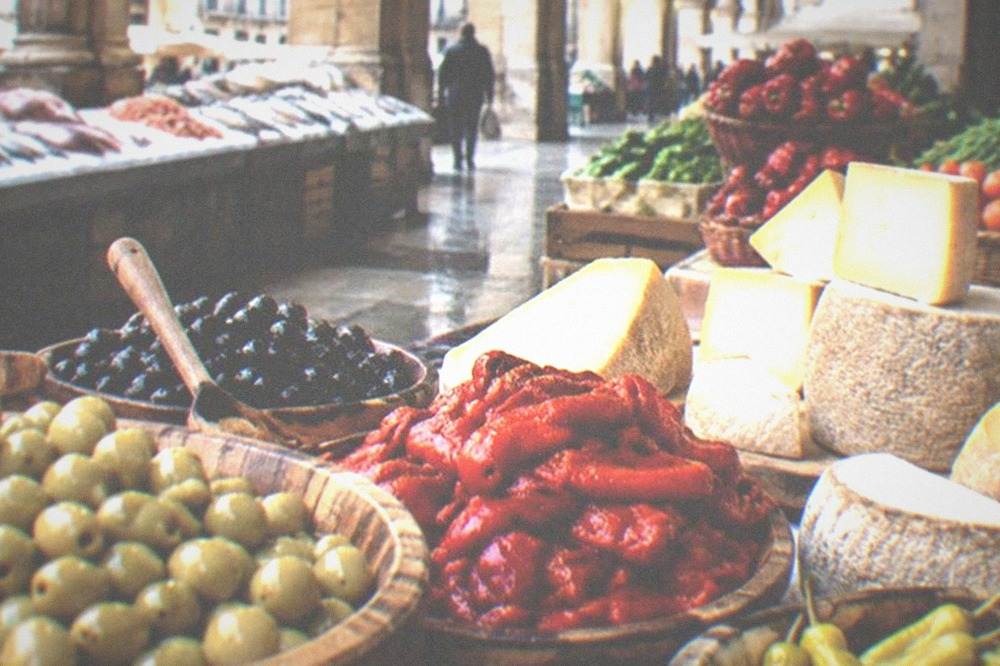
For structure, a tour with a market visit at its start solves several problems at once: you see the raw ingredients, you have a guide translating, and your diet is already flagged. The premium pintxo, wine and market tour is built exactly this way, with reserved seating at each bar so you are not fighting the counter, and a guided visit to Mercado de la Bretxa before the eating begins.
Can You Do A Cider House As A Vegetarian?
You can attend a cider house as a vegetarian, but know what you are walking into: the txotx season menu is built around a giant grilled txuleta steak with cod omelette and salt cod on the side. The cider itself is naturally gluten free and vegetarian, and the ritual of drinking it straight from the barrel is the point of the visit. Vegetarians go for the cider and the atmosphere, and should not expect a full menu.
The cider house, or sagardotegi, is one of the Basque Country's great food rituals, and our cider houses guide covers it in full. The tourism board describes the txotx season as running from the middle of January to the end of April, and the format is fixed: you stand in the cellar, someone opens the barrel, and you catch the streaming cider from a height in your glass. The meal that follows is a set sequence, salt cod omelette, then fried peppers, then the txuleta, then cheese, quince paste and walnuts with the dessert course.
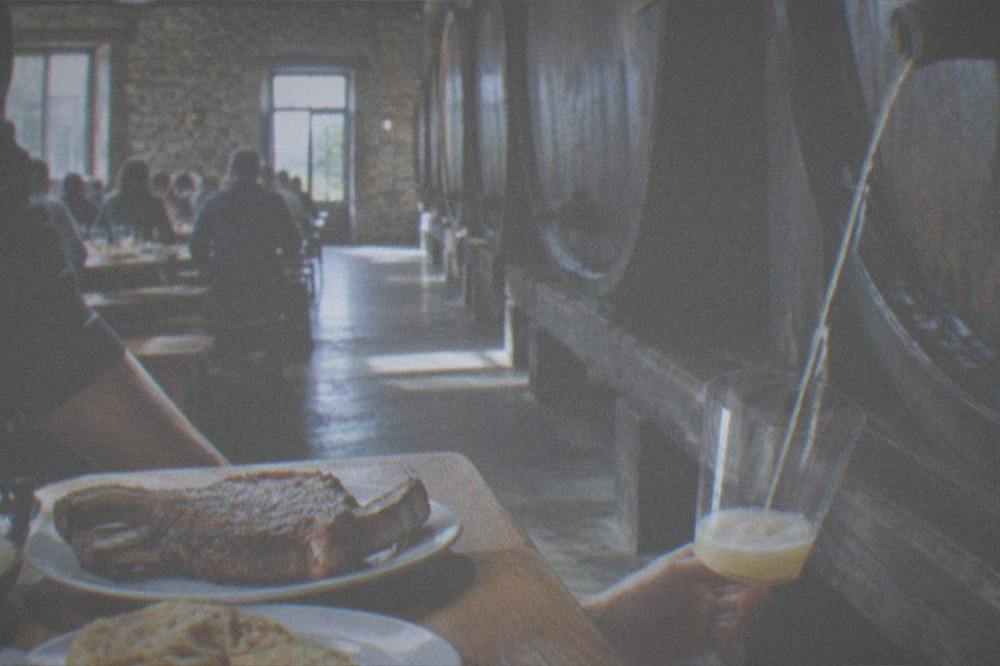
For a vegetarian, the honest position is that the cider house is a drink experience with an attached steak dinner. Some houses will accommodate, especially if you call ahead, but the set menu is the set menu. For a gluten-free visitor the picture is better: cider, grilled meat, cheese, walnuts and quince paste are all naturally gluten free, and the main things to decline are the bread and any battered course. The cider house tour run by the Gipuzkoa cider house association includes the orchard, the cellar, the txotx ritual and lunch, and dietary needs can be raised at booking. Everything else covered here is indexed on San Sebastian Spain Guide.
| Cider house course | Typical content | Vegetarian | Gluten free |
|---|---|---|---|
| Txotx cider from the barrel | Raw cider, poured from height | Yes | Yes |
| Salt cod omelette | Cod, egg, onion | No | Yes |
| Fried green peppers | Gernika or padrón peppers | Yes | Yes |
| Txuleta | Grilled bone-in beef rib | No | Yes |
| Cheese, quince paste, walnuts | Dessert plate | Yes | Yes |
| Bread basket | Bread | Yes | No |
Which Food Tours In San Sebastian Work For Restricted Diets?
The tours that work best are the ones with a market component, a small group and a booking form where you state your diet in advance: the premium pintxo, wine and market tour, the market tour with hands-on Basque cooking class, and the walking tours where you can simply decline a pintxo. The cooking class is the standout for both diets, because you cook the meal yourself and the menu is explained ingredient by ingredient before anything hits the pan.
A cooking class is the most controlled eating experience in the city. The market tour and hands-on Basque cooking class opens with a market visit, then moves to a class in English cooking Basque signature dishes, and because you are standing in the kitchen you can see every ingredient and ask about every substitution.
For a cheaper and lighter introduction to the city that ends with food, the budget walking tour includes a pintxo and a drink at the end of a short guided walk, and a guide who has been told about your diet at booking will pick the bar. And if you want the city explained before you eat your way through it, GuruWalk's free historic tour, a tip-based walk led by a local guru with a radioguide included so you hear everything over the street noise, covers the Old Town's history and costs nothing up front, you tip the guru at the end.
| Tour type | Diet handling | Best for |
|---|---|---|
| Market plus cooking class | Full control, you cook the meal | Both diets, serious food interest |
| Premium pintxo and market tour | Reserved seats, diet flagged at booking | Vegetarians wanting the pintxo experience |
| Walking tour ending with a pintxo | Guide picks the bar, one item only | Any diet, low commitment |
| Free GuruWalk historic walk | No food included, tip based | Context before eating, zero cost |
| Cider house tour | Set menu, call ahead | Gluten free more than vegetarian |
What About The Famous Desserts And The Cheesecake?
The city's most famous dessert, the burnt Basque cheesecake created at La Viña in the Old Town, is usually vegetarian but not reliably gluten free, because its flourless-style recipe varies and some versions add a wheat base or flour, so ask before ordering. The other classic dessert course, cheese with quince paste and walnuts, is vegetarian and gluten free in its plain form. Txakoli, cider and most local wines are safe for both diets.
The cheesecake deserves its own warning because it is the single dish visitors most expect to be safe. Our pages on the La Viña cheesecake and Basque cheesecake cover its history and character: a caramelised top, a deliberately unset centre, and a recipe that has been copied worldwide. The original concept contains no flour in the custard itself, which is why gluten-free visitors often assume it is safe, but versions vary from kitchen to kitchen and a crust or a flour stabiliser is common elsewhere. Ask "sin harina" and let the bar answer.
| Dessert or drink | Vegetarian | Gluten free | The caveat |
|---|---|---|---|
| Basque burnt cheesecake | Yes | Ask | Recipes vary, some add flour or a base |
| Idiazabal with quince paste | Yes | Yes | Skip the bread or crackers served beside it |
| Walnuts and dessert cider | Yes | Yes | Plain, nothing added |
| Txakoli | Yes | Yes | Poured from height, no additives |
| Cider (sagardoa) | Yes | Yes | Raw and unfiltered, that is the point |
| Fried milk dessert | Yes | No | Batter and a flour-thickened base |
What Does A Vegetarian Day Of Eating Look Like In San Sebastian?
A realistic vegetarian day starts with coffee and a tortilla at a morning bar, moves to a market lunch of cheese, olives, peppers and fruit from La Bretxa or a Gros bar with a vegetable-forward kitchen, spends the afternoon on the bay or in a museum, and ends with a pintxo crawl in which the vegetarian options are sought out bar by bar rather than assumed. A gluten-free version follows the same shape with the bread removed, and both work better midweek, when the counters are calmer.
Here is a shaped day, built from the pieces above. Morning: a bar tortilla, asking "sin harina", with coffee. Late morning: the market, buying the picnic components, or the premium tour's market visit if it is booked. Afternoon: La Concha beach, free to walk and sit on, as our answer on whether La Concha is free explains, or Tabakalera, which has free access Tuesday to Sunday, closed Mondays, and exhibition halls open 11:00 to 13:00 and 16:00 to 20:00. Evening: the pintxo crawl, one bar at a time, using the phrase table above.
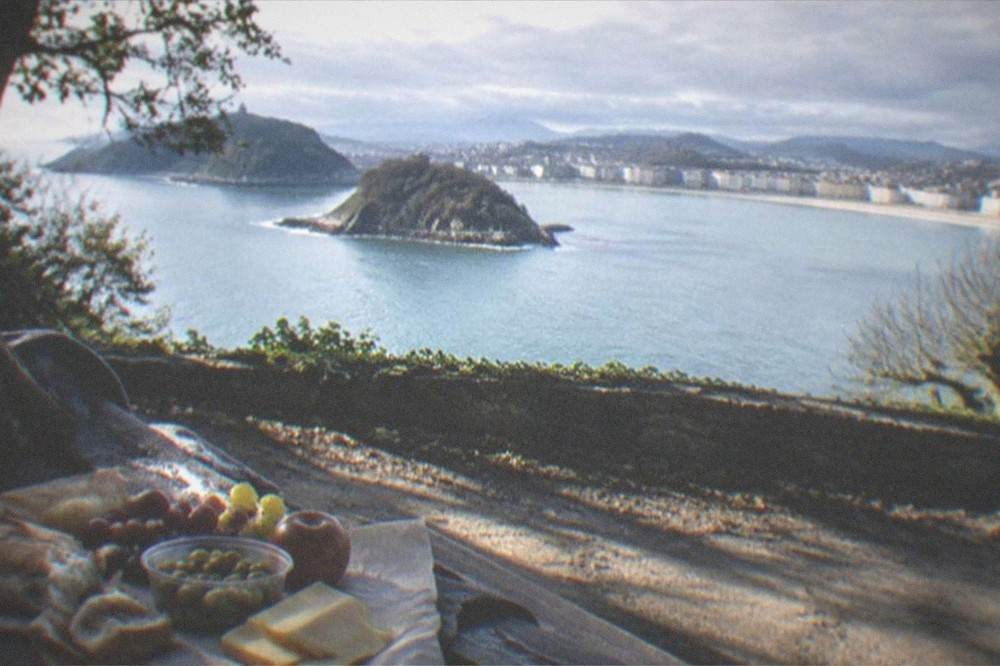
If the trip is longer than a weekend, the three days in San Sebastián itinerary and the rainy day guide both slot food around the city's other sights, and it is worth remembering that AEMET's Igeldo station records 1,507 mm of rain a year over 141 rain days, so a market-and-museum backup plan is not paranoia here, it is Tuesday.
For a final comparison of the tour options above, including the free GuruWalk walk and both food tours, this band puts them side by side with live prices and ratings from the operator's listings.
Common Questions About Vegetarian And Gluten Free Eating In San Sebastian
Is San Sebastian good for vegetarians?
Workable and often good, but not effortless. Pintxo counters default to bread, fish and cured meats, so vegetarians lean on tortilla, grilled peppers, mushrooms, cheese and the vegetable-forward sit-down restaurants in Centro and Gros, plus the market for picnic lunches.
Can you eat gluten free in San Sebastian?
Yes. Grilled fish, tortilla made without flour, cheeses, peppers, txakoli and cider are all naturally gluten free, and sit-down restaurants handle the request well. The risks are the bread base under pintxos, croquetas, battered fried items and shared fryers, so the phrase "sin gluten" or "soy celíaco" is worth learning.
Is Basque cheesecake gluten free?
Not reliably. The original La Viña concept is a flourless burnt custard, but recipes vary between kitchens and some versions add flour or a wheat base, so ask "sin harina" before ordering rather than assuming.
Can a vegetarian go to a cider house?
Yes, but go for the cider and the ritual rather than the menu. The txotx experience of drinking straight from the barrel is the point, cider is vegetarian and gluten free, and the set meal is built around salt cod and a giant txuleta steak, so call ahead if you want to eat.
Do pintxo bars in San Sebastian speak English?
In the centre, often enough for ingredient questions, and staff answer them all day. Spanish phrases carry further, and the six-phrase table on this page covers the diet-specific ones.
Which food tour is best for restricted diets?
The market tour with the hands-on Basque cooking class gives the most control, because you cook the meal yourself with every ingredient visible. The premium pintxo and market tour, with reserved seats and a diet flagged at booking, is the best way to experience the pintxo bars themselves.
Eating vegetarian or gluten free in San Sebastián is not about finding substitutes for the city's food culture, it is about knowing which corner of that culture was always yours: the tortilla, the peppers, the cheese, the market stalls, the cider and the txakoli, with the phrases on this page doing the rest.