San Sebastian Vs Biarritz
San Sebastián in the Basque Country, Spain, and Biarritz over the French border are the two great resort towns of the Bay of Biscay, and travellers often have to pick between them. Here is how they actually differ, with the Spanish city's numbers on one side and a qualitative reading of the French town on the other.
Short answer
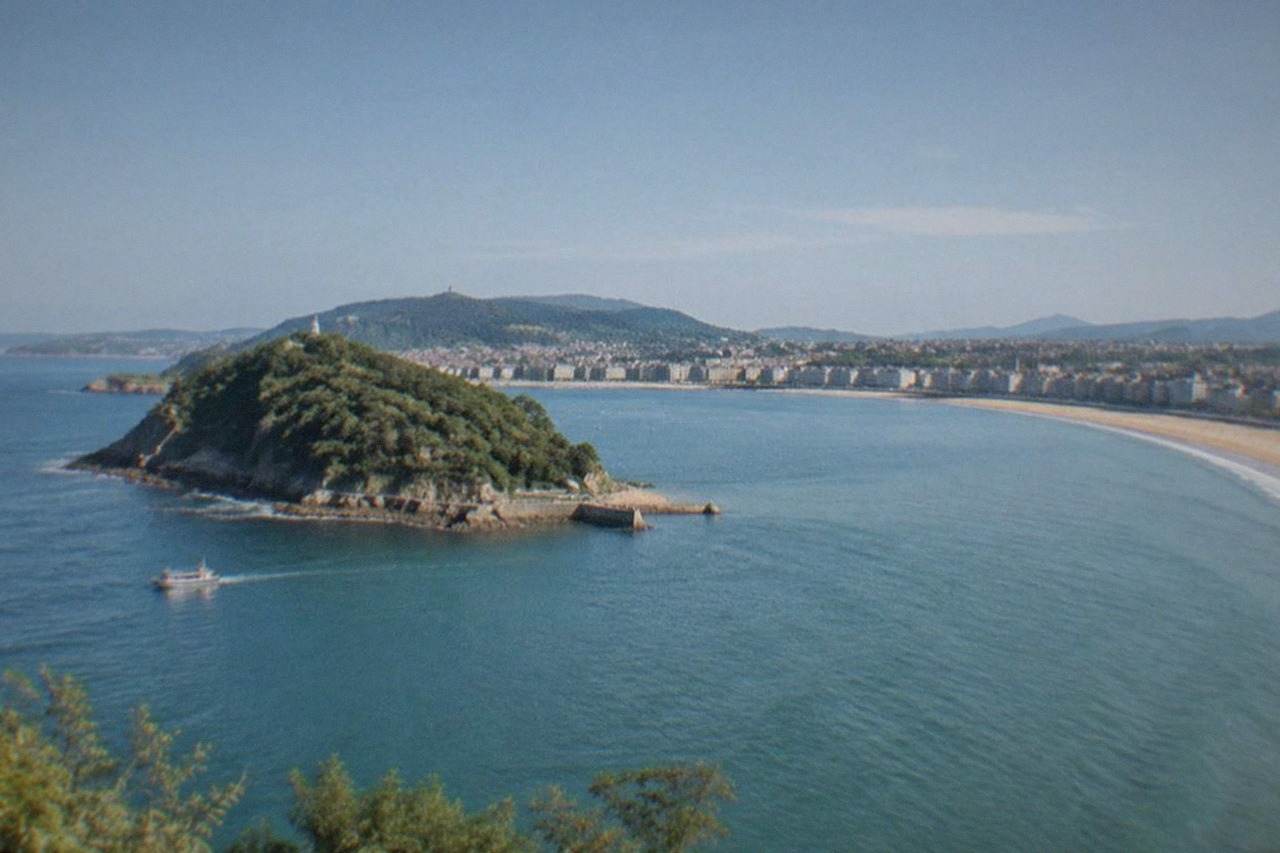
San Sebastián is the stronger choice for food, walkability and city-beach life, while Biarritz suits a surf-and-relax holiday with a French seaside atmosphere. The two are close enough that many travellers see both.
San Sebastián, whose official name is Donostia / San Sebastián and whose Basque name is Donostia, sits on La Concha bay in Gipuzkoa, in the Basque Country of northern Spain. Biarritz sits 45 km east of it, on the French side of the border, and the two towns get compared constantly because they share one coastline, one ocean and a reputation as the two most glamorous stops on the Bay of Biscay. The comparison is fair but lopsided in one way: everything numeric on this page belongs to the Spanish city, because those are the figures this desk has verified from official sources. Biarritz is described here by its character, which any visitor can check for themselves in an afternoon.
The short version of the answer: San Sebastián is a food city with three beaches attached, and Biarritz is a surf town with a grand imperial past. The Spanish city holds 11 Michelin stars across 6 restaurants inside its municipal boundaries in the MICHELIN Guide Spain 2026, and its old town, the Parte Vieja, runs a nightly pintxo crawl that has no real equivalent across the border. Biarritz answers with a more casual, sportier atmosphere, French café culture and a coastline of coves and surf breaks rather than one enclosed bay. Many travellers do not choose at all: they stay in one and visit the other, and the Biarritz day trip from San Sebastian is an established route in both directions.
Which Is Nicer, San Sebastian Or Biarritz?
For many visitors, San Sebastián is the nicer of the two as a base, because it packs a walkable old town, three city beaches and a dense concentration of Michelin-starred cooking in Spain into one compact bay, while Biarritz is nicer as a relaxed surf-and-café stop with a slower, more French seaside rhythm. The honest answer is that they are different products: the Spanish city rewards appetite and structure, the French town rewards a board, a bike and no schedule.
That answer comes with a caveat about evidence. This desk has verified the Spanish city's figures from official sources: the council's beach pages, AEMET's climate station, the Michelin Guide's own list, the INE hotel series. It has verified nothing numeric about Biarritz, so no population, rainfall, price level or star count for the French town appears here. What follows instead is a comparison built on the Spanish city's numbers and on the kind of character a visitor can see for themselves.
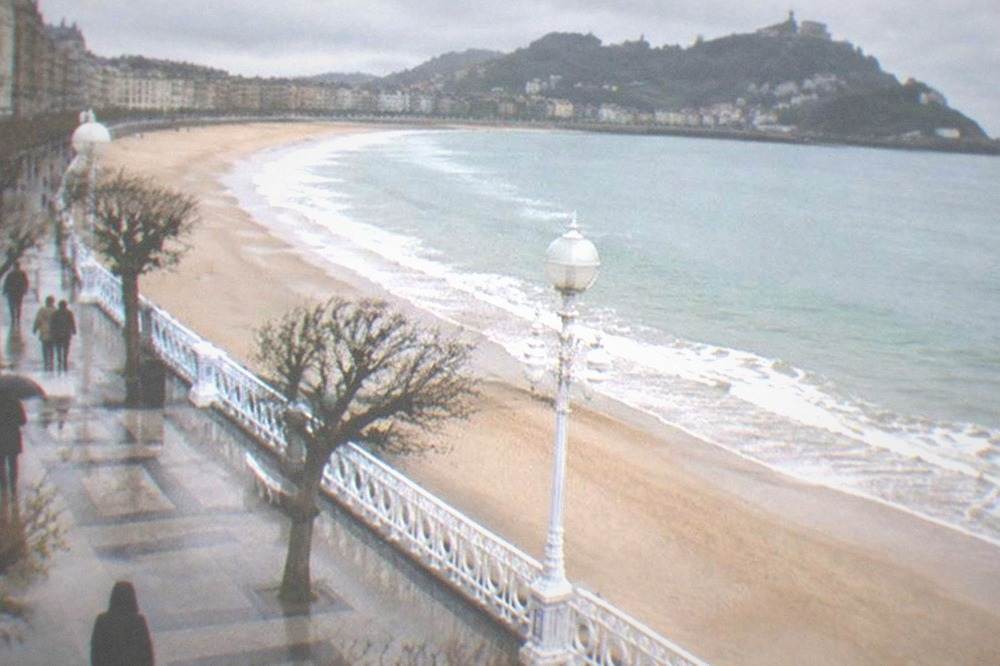
The character difference is real and easy to describe without inventing a single figure. San Sebastián is organised around its bay: La Concha runs 1,350 m between Monte Urgull and Monte Igueldo, Ondarreta continues west from it, and Zurriola opens east toward Gros, so a visitor can walk the whole water's edge in an hour or two. Biarritz spreads along a rockier shore, with the Grande Plage in the middle and surf coves such as the Côte des Basques below the town, and its atmosphere leans on the villas and casinos of its days as the Empress Eugénie's bathing resort. The Spanish city is a working Basque capital of 189,866 residents on the municipal register; Biarritz reads as a resort that became a town.
Which One Has The Better Beaches?
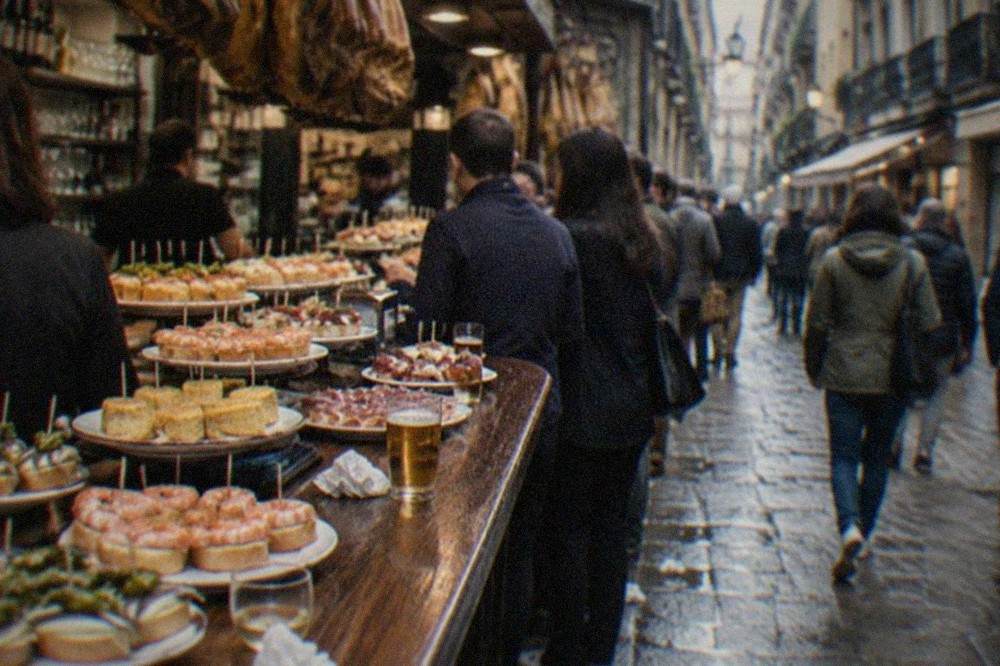
San Sebastián has three sandy city beaches inside one bay, La Concha at 1,350 m long, Ondarreta at 600 m and Zurriola at 800 m, all served by lifeguards from 1 June to 30 September, while Biarritz offers a main town beach plus surf coves on a more exposed rockier shore. The Spanish city's bay is the safer and more swimmable setup for families; the French town's open coast is the better setup for surfers.
The council's own figures describe the Spanish side precisely. La Concha is 1,350 m long, 40 m wide on average, sandy and shallow, with the tide often limiting the usable area. Ondarreta runs 600 m and averages 100 m in width, and the walk to the Peine del Viento sculptures starts at its west end. Zurriola, at 800 m and 110 m, is the council describes as fairly open with a strong swell, which is exactly why the surf crowd gathers there rather than in the bay. All three have lifeguards from 1 June to 30 September, with full 10:00 to 20:00 coverage from 15 June to 15 September.
Biarritz's shore cannot be given in numbers here, but its shape is common knowledge a visitor confirms on arrival: a broad Grande Plage facing the town, a lighthouse headland, and the Côte des Basques, the beach that historically put French surfing on the map, below the cliffs. The comparison is genuinely a matter of taste. A swimmer who wants calm, enclosed water and a promenade will prefer the Spanish bay. A surfer will already know the French town's name.
This table shows the Spanish city's three beaches as the council describes them.
| Beach | Length | Mean width | Character per the council |
|---|---|---|---|
| La Concha | 1,350 m | 40 m | Sandy, shallow, tide often limits usable area |
| Ondarreta | 600 m | 100 m | Sandy, mass use, walk to the Peine del Viento at its west end |
| Zurriola | 800 m | 110 m | Sandy, fairly open, strong swell, remodelled in 1994 |
For more on the Spanish side of this comparison, the guide to San Sebastian's beaches covers all three in detail.
Which Is Better For Food?
San Sebastián wins the food comparison decisively: the MICHELIN Guide Spain 2026 lists 11 stars across 6 restaurants inside the city, including the three-star houses Akelaŕe and Arzak, and its pintxo bar culture runs every night of the week. Biarritz has good French seafood and Basque-influenced cooking, but nothing on the Spanish city's scale of formal gastronomy.
The Michelin count belongs to the 2026 edition and is worth reading carefully. Inside the municipality: Akelaŕe holds 3 stars, Arzak holds 3, Amelia by Paulo Airaudo holds 2, and iBAi by Paulo Airaudo, Itzuli, new in 2026, and Kokotxa hold 1 each. That is 11 stars at 6 addresses. The wider province of Gipuzkoa holds 19 stars across 11 restaurants, but Martín Berasategui's 3 stars sit in Lasarte-Oria and Mugaritz's 2 in Errenteria, both separate municipalities, so they are not "in San Sebastián". The full breakdown is in the Michelin restaurants guide.
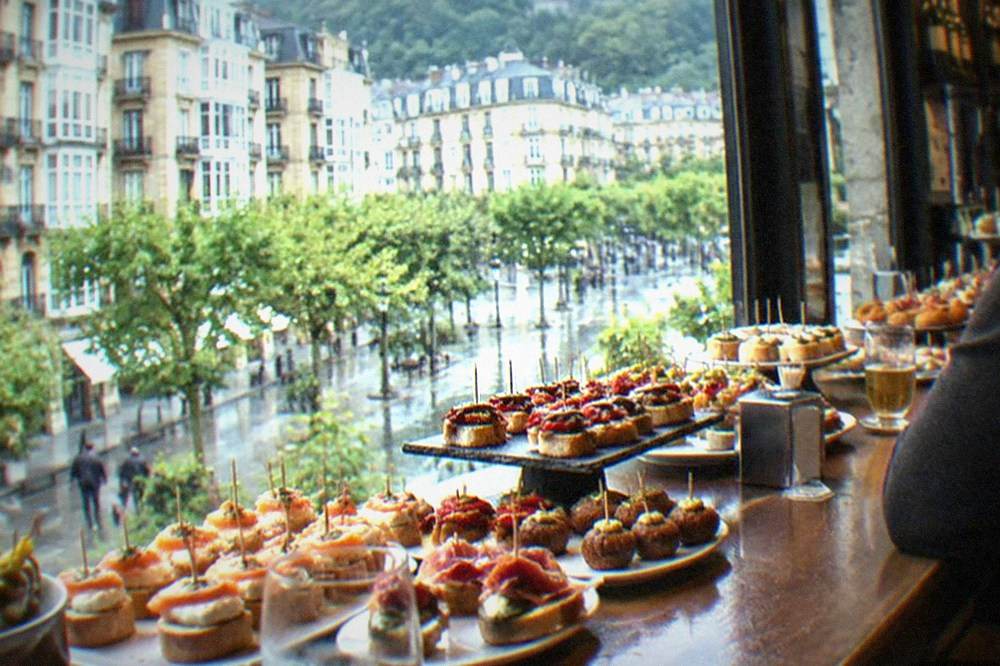
The everyday food is the bigger difference. The Parte Vieja's pintxo bars, covered in what are pintxos, serve small skewered and plated bites bar by bar, and the evening ritual of moving between them is the city's social life, not a tourist show. Biarritz's equivalent is French bistro and seafood culture: oysters, good bread, wine by the glass, and a slower pace. Both are enjoyable. Only one of them is a nightly citywide institution, and it is the Spanish one.
For travellers who want the food without the formality, a guided crawl removes the guesswork of choosing bars. These are the food-and-drink experiences that pair well with a stay in the city.
Which Has Better Weather?
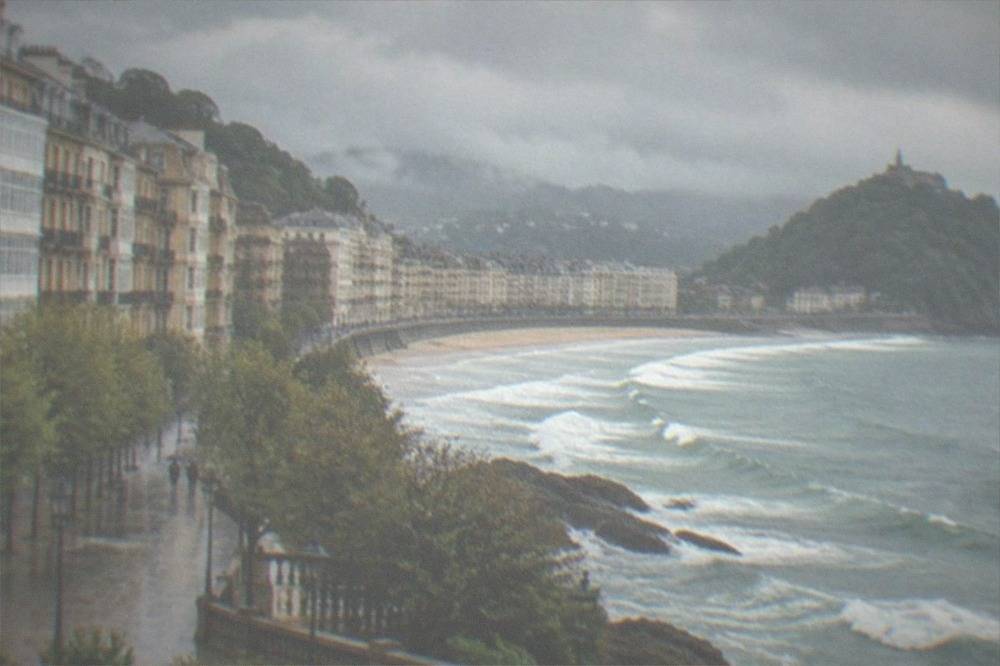
Neither town is a dry-summer destination, and this is the comparison most guides get wrong: San Sebastián's AEMET station at Igeldo records 1,507 mm of rain a year over 141 rain days, and even July, its driest month, averages 86 mm. Biarritz shares the same Atlantic system, so the honest weather comparison is not wet versus dry but two versions of the same green, showery coastline.
AEMET's normals for the Igeldo station, period 1981 to 2010, show what a visitor is actually signing up for. The warmest month is August at a mean of 19.5 C, with July at 18.9 C and September at 18.0 C. November is the wettest at 169 mm, and no month of the year averages under 86 mm. The station sits at 250 m on Monte Igeldo, so the seafront runs slightly warmer than these values. Anyone expecting Mediterranean dryness will be disappointed; anyone expecting green hills, dramatic cloud and sudden clearing light will be exactly where they should be. The San Sebastian weather guide carries the full monthly table.
This is the city's own monthly record, shown as AEMET publishes it.
| Month | Mean C | Rain mm | Days with 1 mm+ rain | Sun hours |
|---|---|---|---|---|
| January | 8.5 | 141 | 13.2 | 98 |
| April | 11.3 | 138 | 13.4 | 157 |
| July | 18.9 | 86 | 9.8 | 196 |
| August | 19.5 | 117 | 10.5 | 190 |
| November | 11.3 | 169 | 13.0 | 102 |
Biarritz gets no table here because this desk has no verified station data for it, and the honest statement is the qualitative one: the French town sits on the same Atlantic front line, and its climate reputation, mild, green, changeable, matches the Spanish city's. Pack a light rain layer for either.
Which Is Easier To Get To And Around?
San Sebastián is the more compact of the two once you arrive: its old town, all three beaches and the Gros and Centro districts sit within flat walking distance of each other, and the city's public transport runs on the MUGI zone system with a 1.95 EUR occasional bus fare. Biarritz has its own airport 45 km from the Spanish city, which is the one figure this comparison can state, and the French town is walkable in its centre but more spread out along its coast.
The airport picture matters for travellers choosing between the two. The tourism board lists three airports serving the Spanish city: San Sebastián Airport (EAS) at Hondarribia, 20 km away, Biarritz (BIQ) at 45 km with direct service listed, and Bilbao (BIO) at 105 km. One caution that most guides miss: bus line E21 has not stopped at EAS airport since 1 June 2026, at either stop, to board or to alight, per the operator Ekialdebus, even though a stale tourism board page still names it. The operator's airport lines are E20, E23, E25, E27, E28, E29 and E30, with E30 the direct Donostia to airport run. The transfer details are covered in the Biarritz airport to San Sebastian guide.
Inside the Spanish city, the MUGI fare table gives an occasional urban bus ticket at 1.95 EUR and a night ticket at 2.65 EUR, with card fares cheaper. The Euskotren Topo runs from the Amara station to Hendaia, just across the border on the French side, in 37 to 38 minutes, which is the one cross-border number this pack verifies, and it makes a two-base holiday genuinely easy. A new underground Topo section through the city centre has finished its civil works but has no published opening date, so Amara remains the working terminus. Everything else covered here is indexed on San Sebastian Spain Guide.
One question this page deliberately does not settle at length, because it has its own dedicated answer page: where to sleep between the two towns.
The box above is the cross-border coach day in one booking, and its listing carries the live dates and cancellation terms. Everything else on the practical side of the comparison, prices and transport, follows next.
What About Cost?
San Sebastián has a justified reputation as Spain's most expensive eating city, but its verified price floor is lower than many people expect: San Telmo Museoa charges 10 EUR general admission and is free every Tuesday, the Monte Igueldo funicular is 5.50 EUR return, and the Santa Clara island boat is 5 EUR return in season. Biarritz, as a French resort town, carries French resort prices, and no price for it appears here.
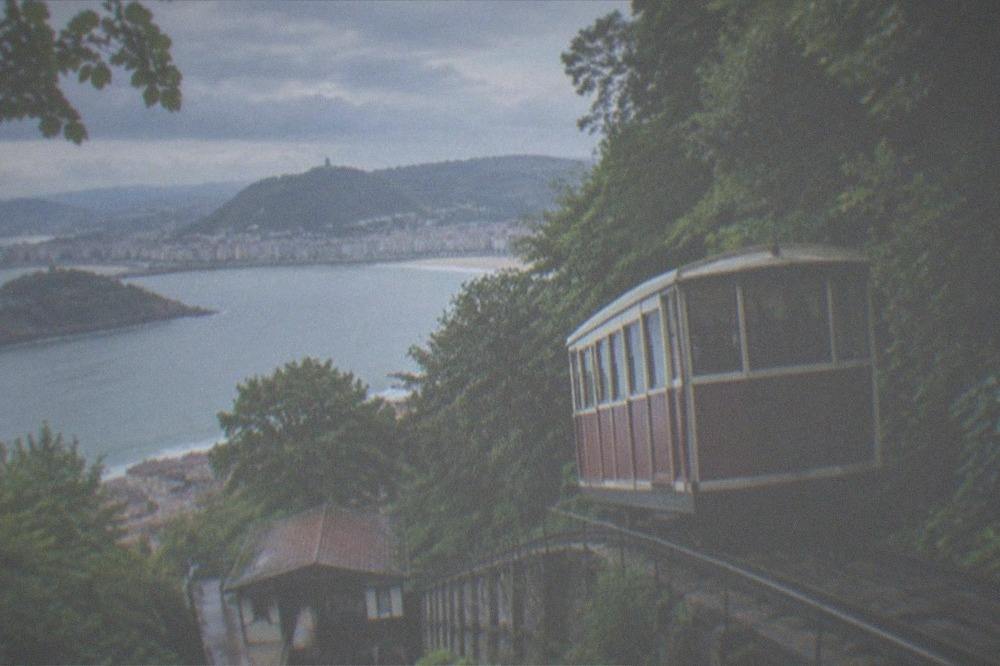
The Spanish city's verified entry prices are worth listing because they correct the myth that everything there costs a fortune. The funicular up Monte Igueldo, running since 25 August 1912, costs 5.50 EUR return for an adult, and the ticket includes entry to the grounds at the top. The island boat to Santa Clara, high season 1 June to 30 September, costs 5 EUR return. Hondalea, Cristina Iglesias's work in the island lighthouse, is free to visit in season, with sessions every half hour from 11:00 to 18:30. Tabakalera, the contemporary culture centre, has free access to the building. The aquarium's hours are published but its admission prices are not verifiable from an official page, so none is printed here.
This table shows the Spanish city's verified visitor prices, every figure from the venue's own site.
| Attraction | Verified price | Source detail |
|---|---|---|
| Monte Igueldo funicular, adult return | 5.50 EUR | Includes entry to the grounds; child up to 7 years 2.50 EUR |
| Monte Igueldo grounds and viewpoint on foot | 3.00 EUR | Per person, by any vehicle or walking |
| Santa Clara island boat, return | 5 EUR | High season 1 June to 30 September, children under 4 free |
| Hondalea, island lighthouse | Free | 1 June to 30 September, 11:00 to 18:30, no booking needed for the visit |
| San Telmo Museoa, general | 10.00 EUR | Reduced 4.00 EUR; free every Tuesday for everyone |
| Tabakalera | Free access | Closed Mondays; exhibition halls have separate hours |
| Chillida Leku, Hernani | 14 EUR adults | Closed Tuesdays and Wednesdays, open 10:00 to 19:00 |
Eating out is where the reputations diverge. The Spanish city's pintxo bars let a visitor set their own level, bar to bar, and the guide to eating in San Sebastian covers the signature dishes. Across the border the pricing structure is French restaurant pricing, which many travellers experience as higher per meal, though this desk prints no number for it. The tourist tax point is worth one sentence: Gipuzkoa's Norma Foral 3/2026 sets a tourist tax framework from 1 January 2027, with bands up to 6.50 EUR per person per night at the top hotel category, but nothing is charged before that date and the city's own rate is not yet published.
Which Is Better For A Day Trip From The Other?
Both towns work as day trips from each other, and the Spanish city is the better base for the wider region: from San Sebastián you can reach Biarritz, Bayonne and Saint-Jean-de-Luz over the border, or Getaria for txakoli wine, Hondarribia, Pasaia and the flysch coast, all on short hops. Biarritz as a base points you at the French Basque coast, which is lovely but is one country rather than two.
The cross-border excursion is the most popular single day trip from the Spanish city, and it is run as a coach tour covering Biarritz, Bayonne and Saint-Jean-de-Luz in one loop. For the Spanish side of the border, Getaria is the txakoli wine town and holds Elkano, one of the province's one-star restaurants, plus the Cristóbal Balenciaga Museoa at 14 EUR general admission, open Tuesday to Sunday from 10:30 to 18:00 in the April to October season. Hondarribia holds the Alameda one-star house and a preserved old quarter. None of the driving times to these towns is in the verified pack, so none is printed: the tours carry their own durations in their listings.
The related excursion below is the one this page recommends most often, because it answers the whole question at once: you stay in the Spanish city and see the French side in a day.
If you would rather stay on the Spanish coast, the txakoli trip to Getaria and the Camino de Santiago hike over Mount Ulia are the two other structured days worth comparing.
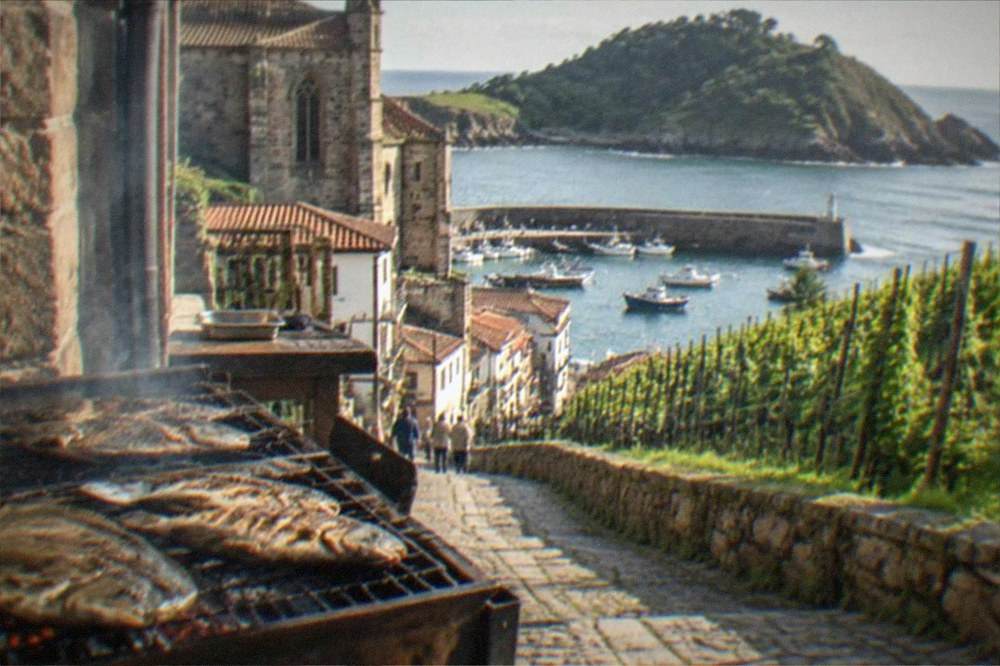
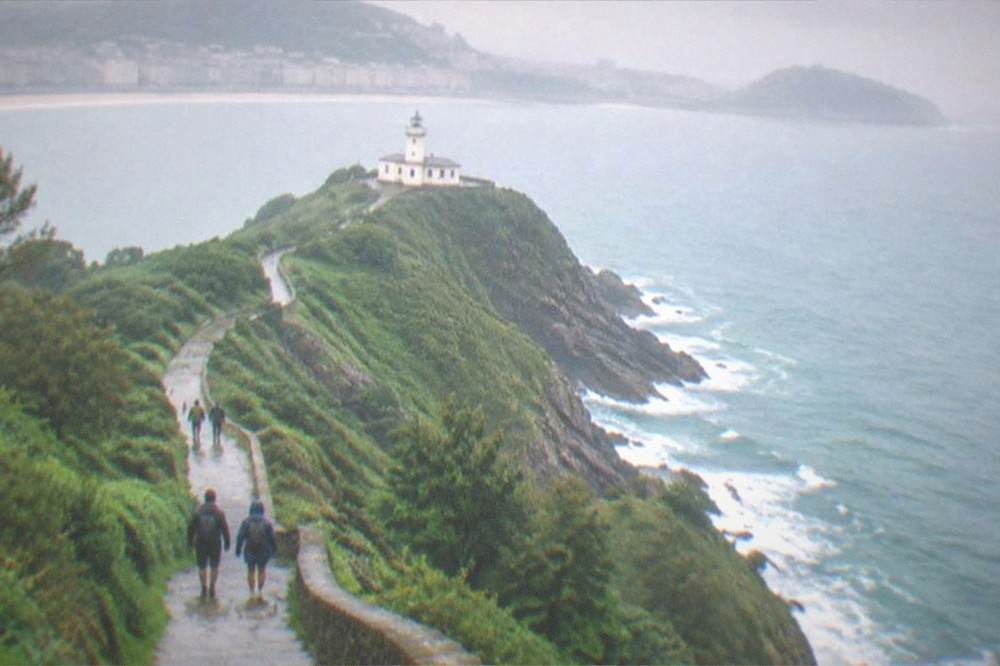
The Getaria trip pairs the vineyards with the fishing port and gives the txakoli pouring ritual a proper setting, and the coastal hike gives the other half of the region, green cliffs and the lighthouse, without needing a border crossing at all.
Which Has More To See And Do?
San Sebastián has the deeper sight list: two hills with viewpoints, Monte Urgull and Monte Igueldo, a free contemporary art centre, a 1999 concert hall by Rafael Moneo, the Peine del Viento sculptures from 1977, a long-running film festival and a regatta tradition first held in 1879. Biarritz's sights concentrate on its lighthouse, its rocks, its Rocher de la Vierge and its casinos, a shorter but very pleasant list.
The Spanish city's calendar alone is a reason to choose it. Semana Grande runs the week of 15 August, Saturday to Saturday, with the International Fireworks Competition. The La Concha regattas, first held in 1879, run on the first two Sundays of September, with the women's race at 11:00 and the men's at 12:00. The film festival's 74th edition ran 18 to 26 September 2026. Jazzaldia held its 61st edition in 2026. None of these needs a single sunny week to work; the fireworks and the regattas are better with the Atlantic sky doing something.
On the ground, Monte Urgull is open 08:00 to 21:00 from 1 May to 30 September and until 19:30 the rest of the year, with the Casa de la Historia in the Castillo de la Mota at its top. The Kursaal, Rafael Moneo's concert hall complex chosen in 1990 and inaugurated on 23 August 1999, anchors the east end of the river mouth. The Peine del Viento, three steel sculptures by Eduardo Chillida of more than nine tonnes each on a plaza by Luis Peña Ganchegui, closes the western end of the bay. For a fuller run through the options, the is San Sebastian worth visiting guide lays them out, and the comparison with the region's other big city is in San Sebastian vs Bilbao.
So Which Should You Choose?
Choose San Sebastián if food is the point of the trip, if you want a walkable city with beaches inside it, or if you want the wider two-region day trips; choose Biarritz if the holiday is surfing, slow café mornings and French seaside polish. Choose both, base in the Spanish city, and take the French coast as a day trip, which is the option most first-time visitors end up wishing they had taken.
The decision usually comes down to what the trip is for. A couple planning to eat seriously, walk a bay at sunset and take one or two excursions will get more from the Spanish city, and the how many days in San Sebastian guide helps size the stay. A surfer, or a traveller who wants France rather than Spain this year, will be happy in Biarritz and can still cross over for a day of pintxos, a question with its own dedicated answer on doing a day trip from Biarritz.
Timing matters more than the choice itself. The best time to visit guide explains the trade-off: August is the peak, with 245,769 hotel overnight stays recorded in the city in August 2025 against 115,910 in January, while the shoulder months of May, June and September carry the same beaches with fewer people and, in the case of September, the regattas on the water. The tourist tax, when it begins under the Gipuzkoa law on 1 January 2027, applies to stays in Gipuzkoa, not across the border.
Here is the whole comparison in one table, with every number on the Spanish city's side and the French side kept qualitative.
| Question | San Sebastián (verified figures) | Biarritz (qualitative) |
|---|---|---|
| City beaches | Three: 1,350 m, 600 m and 800 m, lifeguards 1 June to 30 September | Main town beach plus surf coves on a rockier shore |
| Michelin stars in town | 11 stars, 6 restaurants, MICHELIN Guide Spain 2026 | Good French seafood, no verified star count |
| Everyday food culture | Nightly pintxo bar crawl in the Parte Vieja | Bistro and seafood culture, slower pace |
| Climate | 1,507 mm rain a year, 141 rain days, driest month July at 86 mm | Same Atlantic system, no verified figures printed |
| Getting there | EAS airport 20 km, Biarritz airport 45 km, Bilbao 105 km | Own airport, 45 km from the Spanish city |
| City entry prices | Funicular 5.50 EUR return, island boat 5 EUR, San Telmo 10 EUR, Hondalea free | French resort pricing, no verified figures |
| Day-trip reach | French Basque coast, Getaria, Hondarribia, Pasaia, the flysch | French Basque coast and Spanish border towns |
For a final practical note, the cross-border excursion below is the one tour that lets you run the comparison yourself in a single day, and its listing carries the current price, dates and cancellation terms.
Common Questions About San Sebastian Vs Biarritz
Which is nicer, San Sebastian or Biarritz?
San Sebastián, because it combines a walkable old town, three city beaches and the densest Michelin-starred dining in Spain, while Biarritz suits a surf-centred, slower French seaside holiday. Many travellers base in the Spanish city and visit the French town as a day trip.
Is Biarritz close to San Sebastian?
Yes. The tourism board lists Biarritz airport at 45 km from San Sebastián, and the Euskotren Topo reaches Hendaia, just inside France, in 37 to 38 minutes from the Amara station.
Is San Sebastian more expensive than Biarritz?
San Sebastián has a strong reputation as an expensive eating city, but its verified visitor prices are modest, with the funicular at 5.50 EUR return, the island boat at 5 EUR and free options including Hondalea in season and Tabakalera's building access. No verified price figure for Biarritz is published on this page.
Can you visit Biarritz from San Sebastian without a car?
Yes. Coach excursions run the French Basque loop to Biarritz, Bayonne and Saint-Jean-de-Luz, and the Topo train reaches the border at Hendaia in under 40 minutes from Amara.
Which town has better weather?
Neither is dry. AEMET's Igeldo station records 1,507 mm of rain a year over 141 rain days for San Sebastián, with July the driest month at 86 mm, and Biarritz shares the same Atlantic climate system.
Do San Sebastian and Biarritz have the same kind of beaches?
No. San Sebastián has one enclosed bay with three sandy beaches, the longest, La Concha, at 1,350 m, while Biarritz faces the open ocean with a main town beach and surf coves that suit boards more than family swimming.
Whichever town wins your booking, the two are close enough that the loser is never more than a day trip away, and the border itself, crossed by a 38-minute train ride or a short coach run, is one of the easiest in Europe to cross for lunch.