Is It Better To Stay In San Sebastian Or Biarritz?
San Sebastián or Biarritz as a base: which suits food lovers, beach days and day trips, compared on the Spanish city's figures.
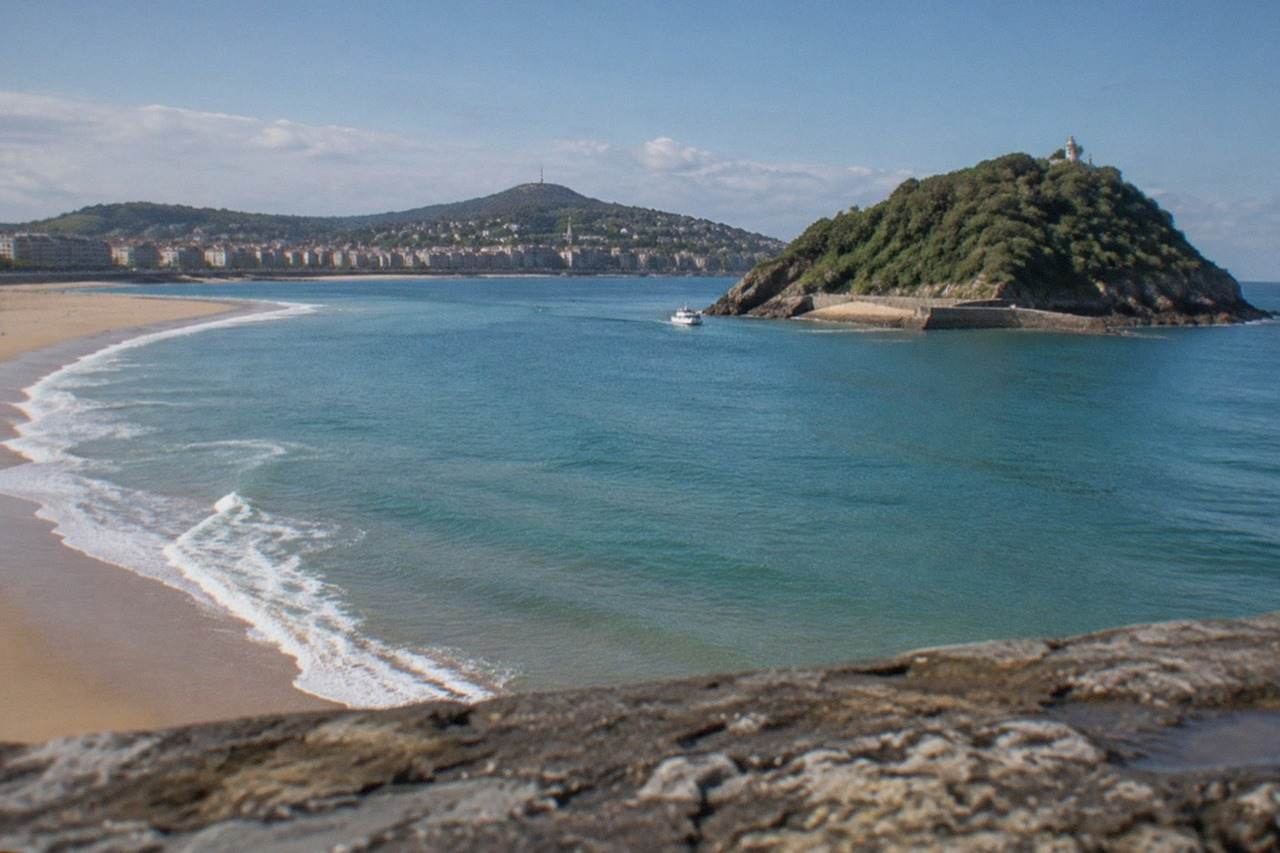
San Sebastián, whose Basque name is Donostia, sits on La Concha bay in Gipuzkoa in the Basque Country of Spain, and Biarritz sits just across the French border, close enough that the tourism board lists Biarritz airport at 45 km from the Spanish city. Travellers planning a Basque coast trip ask the same question every summer: sleep in the Spanish city and hop over to France, or the other way round. The honest answer depends on what the trip is for, and the two towns are different enough that the decision usually makes itself once the food, the beaches and the pace are laid side by side.
Is It Better To Stay In San Sebastian Or Biarritz?
For many travellers the better base is San Sebastián, because its food scene, walkable centre and bay beaches pack more into a short stay, while Biarritz suits a slower, surf-and-luxury French holiday built around the ocean. The two towns are close enough that you can sleep in one and spend a full day in the other, so the choice is really about pace and appetite rather than distance, and a split stay of a few nights in each is a perfectly normal plan.
The case for the Spanish city is density. La Concha beach runs 1,350 metres along the bay, Ondarreta continues west from it, and Zurriola faces the open sea on the other side of the river, all three reachable on foot from the centre. The Parte Vieja's pintxo bars, the Michelin-starred dining rooms and the Monte Igueldo funicular sit inside a city you never need a car in. The case for Biarritz is different in kind: a grand French seaside town built on surf culture, casinos and long ocean terraces, with a mood that is less about seeing a lot and more about staying put. If your days revolve around eating, the Spanish side wins on reputation alone, and that reputation is documented: the MICHELIN Guide Spain 2026 lists 11 stars across 6 restaurants inside the municipality. The deeper comparison lives in the full San Sebastián versus Biarritz guide.
Why San Sebastián Works Better As A Base
San Sebastián works better as a base for three practical reasons: everything a visitor wants sits within walking distance of the centre, the eating is exceptional by any national standard, and the transport links point outward, so day trips run toward Biarritz, Bilbao and the Gipuzkoa coast instead of away from them. A visitor sleeping here loses nothing on the French side, because the border is a short hop and the excursions are established.
The walkability is the quiet advantage. The city council's own beach pages give La Concha at 1,350 metres, Ondarreta at 600 and Zurriola at 800, and all three sit in a bay you can cross end to end on foot, with Monte Urgull and Monte Igueldo framing either side. The eating needs no introduction, but the numbers help: six restaurants inside the city hold stars in the MICHELIN Guide Spain 2026, two of them with three stars, and that count excludes Martín Berasategui, which the guide lists in Lasarte-Oria, a separate municipality. Below the starred level, the pintxo bar culture of the Parte Vieja runs every night of the week. The nightlife and the neighbourhoods are covered in where to stay in San Sebastián, which breaks the centre, Gros and the Antiguo down by mood.
One warning that belongs in any honest planning paragraph: it rains here. AEMET's climate normals for its Igeldo station, the 1981 to 2010 series, record 1,507 mm of rain a year across 141 rain days, and even July, the driest month, averages 86 mm. Nobody should book this coast expecting a dry summer, on either side of the border. Pack for showers and the beach in the same suitcase.
What Biarritz Does Better
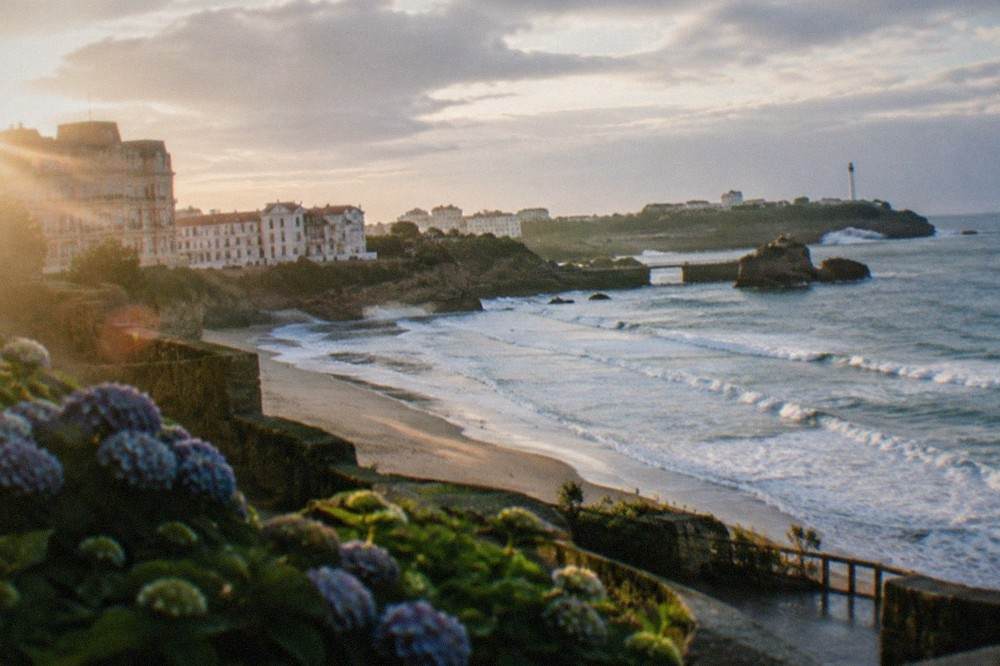
Biarritz does the big-ocean French holiday better: it faces the open Atlantic with a surf scene the Spanish bay does not try to compete with, its architecture is grand seaside French rather than compact Basque, and a stay there feels like a resort holiday rather than a city break. Travellers who want to surf proper Atlantic swell, linger over long French lunches and treat sightseeing as optional will be happier sleeping there.
The honest comparison is qualitative, because the figures on this page are the Spanish city's. La Concha is a sheltered city bay, and the council's own page for Zurriola notes a strong swell on that beach, but Biarritz's reputation is built on ocean surf in a way no city beach is. What Biarritz cannot match is the concentration: in San Sebastián the pintxo bars, the starred dining rooms, the beaches and the two hills are all inside one walkable municipality of 189,866 people on the municipal register. Biarritz spreads its appeal along a coastline you generally drive or bus between. The two are not rivals so much as different products, which is why a Biarritz day trip from San Sebastián is such a common outing, and why the question can you do a day trip from Biarritz to San Sebastián has the same answer in reverse: yes, and people do it constantly.
Can You Visit The Other Town On A Day Trip?
Yes, and doing so is the standard move: a day trip between the two towns is easy, established and offered as a bookable excursion, so a visitor does not have to choose one town at the expense of never seeing the other. Basing yourself in San Sebastián and spending a day across the border in Biarritz, Bayonne and Saint-Jean-de-Luz is a scheduled coach outing, and independent travel by train or bus along the same coast is routine.
The French Basque Country excursion is the cleanest version of the split decision: it leaves from San Sebastián and covers Biarritz, Bayonne and Saint-Jean-de-Luz in one long day, which means sleeping in the Spanish city costs you nothing on the French side. The listing gives the duration and price on the operator's live listing, and the day includes all three French towns with a guide.
If a full day across the border is more than the trip has room for, the Topo train from Amara station reaches Hendaia in 37 to 38 minutes, and Hendaia is the first French town on the coast, with a long beach of its own. That makes an evening or a half day in France possible without any tour at all. Check availability for the coach day once your dates are fixed, because summer departures fill.
Which Town Suits Which Traveller?
Choose San Sebastián if the trip is built around food, walking and a compact city break with beaches attached; choose Biarritz if it is built around surfing, a resort pace and French café life. Families, food-focused couples and short-stay visitors generally land better in the Spanish city, while surfers, honeymooners and anyone wanting to unplug rather than sightsee tend to prefer the French side.
The table below matches traveller types to the better base, using what each town is actually known for rather than any invented figure.
| Traveller type | Better base | Why |
|---|---|---|
| Food-focused visitor | San Sebastián | 11 Michelin stars across 6 city restaurants in the 2026 guide, plus nightly pintxo bars |
| Surfer | Biarritz | Open Atlantic surf culture, against a sheltered bay and one strong-swell city beach |
| Short city break | San Sebastián | Beaches, hills and the Old Town all walkable from one centre |
| Resort-style holiday | Biarritz | Grand seaside hotels and a slower, stay-put rhythm |
| Family with children | San Sebastián | Shallow sandy La Concha, lifeguards 1 June to 30 September, funicular and island boat |
| Day-trip planner | San Sebastián | Coach excursions run outward to Biarritz, Bilbao and the Gipuzkoa coast |
Timing matters too. INE's hotel occupancy figures for the city show August 2025 as the peak month, with 245,769 overnight stays, roughly twice January's count, so late summer is when both towns are at their fullest and their most expensive-feeling, and spring or autumn buys the same food with thinner crowds. The month-by-month detail, including the rain, is laid out in the best time to visit guide.
Common Questions About Staying In San Sebastian Or Biarritz
Is it better to stay in San Sebastian or Biarritz?
For food, walkability and a packed short stay, San Sebastián is the better base. For surf, a resort pace and French seaside life, Biarritz wins. The towns are close enough that either choice still allows a full day in the other, and the French Basque Country coach excursion runs from the Spanish city to Biarritz, Bayonne and Saint-Jean-de-Luz in a single day.
Is Biarritz close enough to San Sebastian for a day trip?
Yes. Biarritz airport is listed 45 km from San Sebastián by the tourism board, coach excursions cover Biarritz, Bayonne and Saint-Jean-de-Luz in one day, and the Topo train reaches Hendaia, the first French coastal town, in 37 to 38 minutes from Amara station.
Which town has better food?
San Sebastián, by a wide margin on the record. The MICHELIN Guide Spain 2026 lists 11 stars across 6 restaurants inside the city, two of them three-star houses, and the pintxo bar culture of the Parte Vieja runs beneath that every night.
Which town has better beaches?
They serve different purposes. San Sebastián has three council-run city beaches, with La Concha at 1,350 metres of sheltered sand and lifeguards from 1 June to 30 September, while Biarritz faces the open Atlantic with surf-oriented beaches. Swimmers and families generally prefer the bay; surfers prefer the French coast.
Can you stay in both towns on one trip?
Yes, and it is a common plan. A few nights in San Sebastián followed by a night or two in Biarritz, or the reverse, lets a visitor take the Spanish food scene and the French resort mood from one itinerary, with the Topo train and the coach excursions joining the two.
Does it rain in both towns?
This is an Atlantic coast and it rains on both sides of the border. AEMET's Igeldo station records 1,507 mm a year over 141 rain days for San Sebastián, and no month averages under 86 mm, so rain gear belongs in the suitcase whichever town you sleep in.
Whichever town gets the hotel nights, the practical pattern travellers settle on is the same: sleep where the food is, and give the other coast a full day. For this stretch of the Basque coast that usually means San Sebastián as the base and Biarritz as the outing, with the San Sebastian Spain Guide covering the Spanish side in depth.