San Sebastian Vs Bilbao
San Sebastián, the Basque city on La Concha bay whose official name is Donostia / San Sebastián, and Bilbao, the larger city to the west, are the two destinations most visitors to the Basque Country weigh against each other. Here is how they actually differ.
Short answer
San Sebastián suits a shorter, food-and-bay-focused stay; Bilbao suits a city break built around museums and scale. Both are in the Basque Country, Spain, and the two combine well on one trip.
San Sebastián, the Basque city on La Concha bay in Gipuzkoa, Spain, whose official name is Donostia / San Sebastián, gets compared with Bilbao more than with any other place, and the comparison is a fair one because the two cities sit in the same region and pull visitors for different reasons. One is a compact seaside city of 189,866 registered residents built around a shell-shaped bay, the other a larger inland river city known for its architecture and its art museums. This page compares them on food, beaches, culture, weather and travel links, and it does so with a discipline worth stating up front: the figures published here are the ones the research behind this site covers. Bilbao is described by its character, the things any visitor can see and check, not by invented numbers.
What Is Nicer, Bilbao Or San Sebastian?
Neither city is objectively nicer; the answer depends on what the trip is for. San Sebastián, in the Basque Country, Spain, is the pick for a bay-and-food trip: three sandy beaches, 11 Michelin stars across 6 restaurants inside the city in the MICHELIN Guide Spain 2026, and a walkable centre. Bilbao is the pick for a museum-and-architecture city break at a larger scale.
Many visitors find San Sebastián the more immediately beautiful, because the bay sits in front of the town, but Bilbao rewards a different kind of looking.
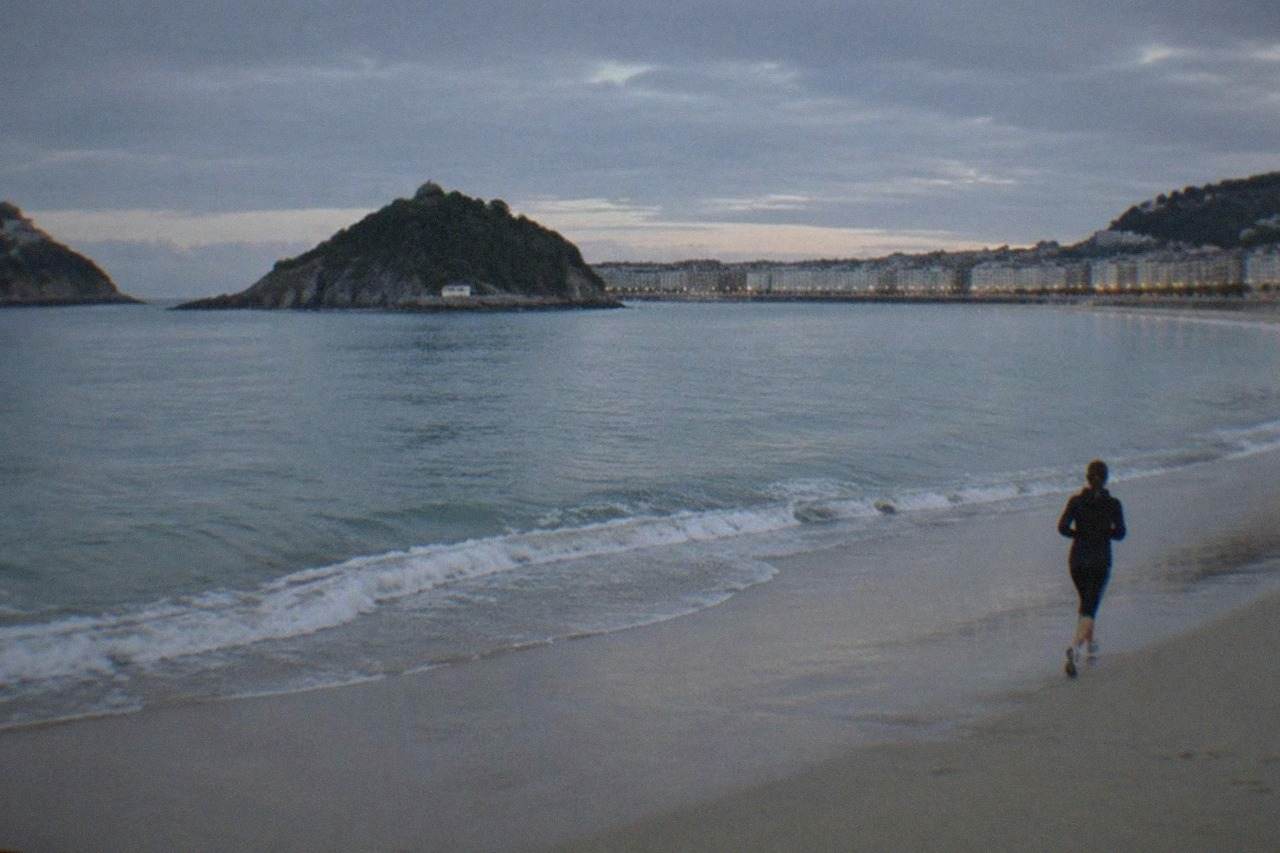
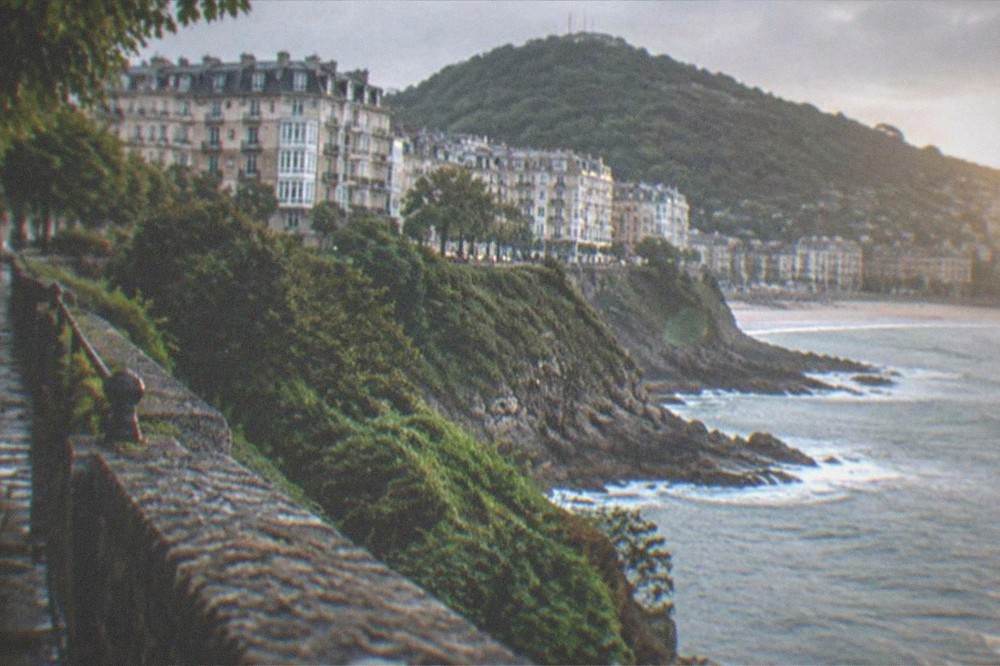
The two cities are not rivals so much as complements. San Sebastián is a resort city that became a gastronomic capital; the Belle Epoque buildings along La Concha, the Parte Vieja old quarter and the two hills that frame the bay, Urgull and Igueldo, can all be covered on foot in a day or two. Bilbao is an industrial port city that reinvented itself around culture, and its appeal is concentrated in its architecture, its food market and its museums rather than in a natural setting.
A useful rule of thumb: if the trip is short and the priority is eating well, walking a waterfront and swimming, San Sebastián wins on the criteria that matter. If the trip is about rainy-day-proof indoor culture and a bigger urban sprawl, Bilbao is the stronger fit. And because the two are connected by regular transport, plenty of visitors stay in one and visit the other, which is covered further down this page. For a longer discussion of which city to base yourself in, read where to stay in the comparison, a question that has its own dedicated answer page.
Which City Has The Better Food Scene?
San Sebastián has the deeper gastronomic reputation of the two, and the MICHELIN Guide Spain 2026 backs that with numbers: 11 stars across 6 restaurants inside the city, including two 3-star houses, Akelaŕe and Arzak, both carrying San Sebastián addresses. The province of Gipuzkoa holds 19 stars across 11 restaurants in the same edition. Bilbao also eats extremely well, with its own strong pintxo culture, but no comparable concentration of starred tables inside the city.
The starred list inside San Sebastián, from the 2026 edition of the guide, is worth seeing in full, because it is the single hardest number in this comparison:
| Stars | Restaurant | Town |
|---|---|---|
| 3 | Akelaŕe | Donostia / San Sebastián |
| 3 | Arzak | Donostia / San Sebastián |
| 2 | Amelia by Paulo Airaudo | Donostia / San Sebastián |
| 1 | iBAi by Paulo Airaudo | Donostia / San Sebastián |
| 1 | Itzuli (new in 2026) | Donostia / San Sebastián |
| 1 | Kokotxa | Donostia / San Sebastián |
Two caats on that table. Martín Berasategui, another 3-star house often named beside the city's restaurants, is in Lasarte-Oria, a separate municipality, and Mugaritz is in Errenteria; neither counts toward the city's 11 stars. And the 2027 edition of the guide is announced for 24 November 2026 in Huesca, so every star count in this comparison is tied to the 2026 edition by name.
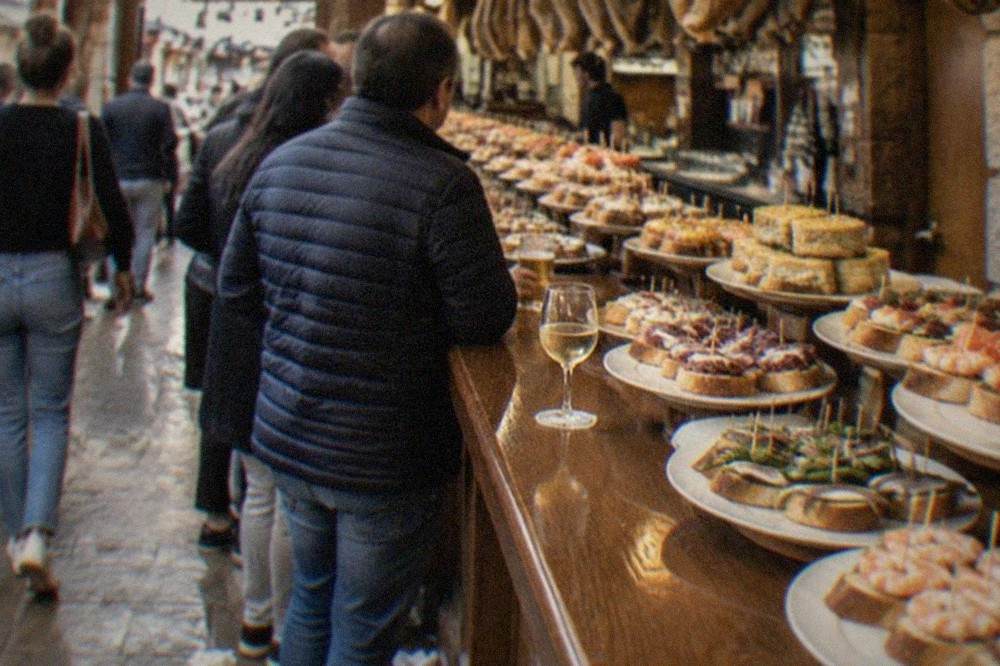
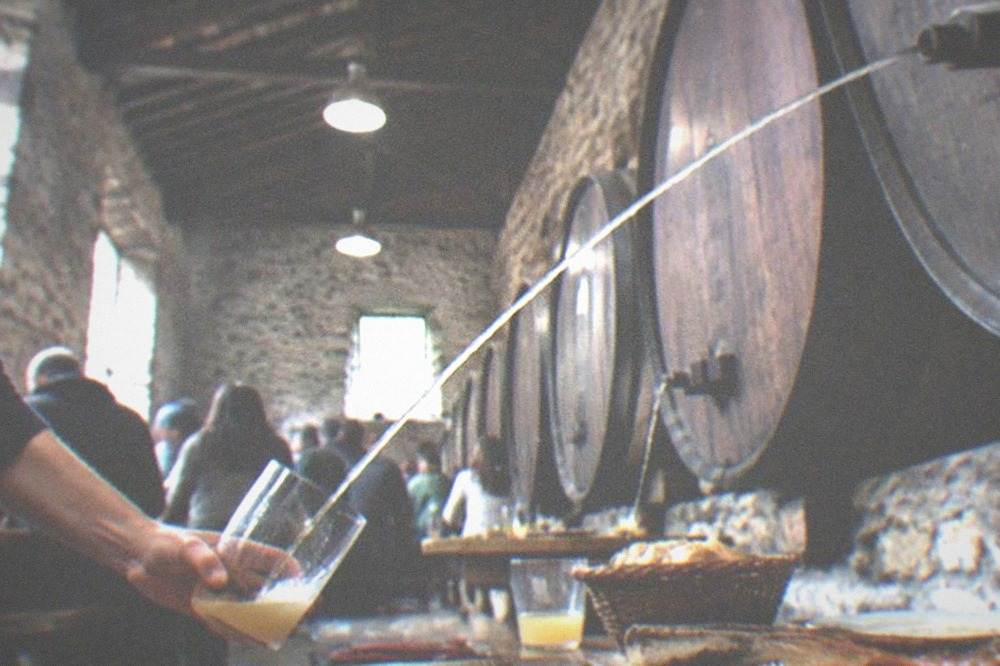
Beyond the stars, the everyday food culture is the pintxo bar. The Parte Vieja and the streets around the Boulevard hold bars whose counters carry small skewered and open-faced dishes, paired with txakoli, the local lightly sparkling white wine poured from a height. Bilbao has its own version of this in the streets around its old town, and locals in both cities will defend their own bars first, which is exactly the point: neither city is a food disappointment, but San Sebastián's concentration of bars, starred tables and cooking classes within a twenty-minute walk is unusual for a city of its size.
If the food is the reason for the trip, the tasting side of the city can be approached several ways, from a guided pintxo crawl to a cider house lunch in the province:
How Do The Beaches Compare?
San Sebastián has three city beaches and Bilbao, an inland river city, has none of the same kind. La Concha runs 1,350 metres, Ondarreta 600 metres and Zurriola 800 metres, all three sandy and all three served by lifeguards from 1 June to 30 September. A beach day is therefore a real part of a San Sebastián trip in summer, while a Bilbao trip needs a deliberate excursion to reach the coast.
The council's own figures for the three beaches are these:
| Beach | Mean length | Mean width | Mean area | Character |
|---|---|---|---|---|
| La Concha | 1,350 m | 40 m | 54,000 m2 | Sandy and shallow; the tide often limits usable area |
| Ondarreta | 600 m | 100 m | 60,000 m2 | Sandy, busy; the walk to the Peine del Viento starts at its west end |
| Zurriola | 800 m | 110 m | 88,000 m2 | Sandy and fairly open, with strong swell; remodelled in 1994 |
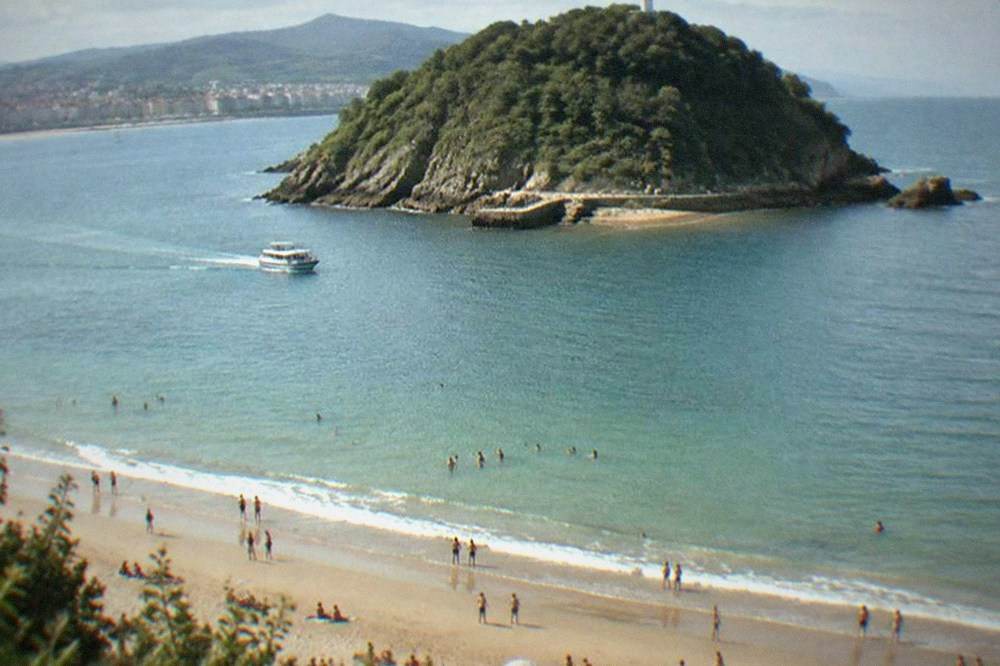
That table is the clearest single contrast between the two cities. San Sebastián's beaches sit inside the town, a few minutes' walk from the old quarter, and the bay in front of them holds Santa Clara island, reachable by boat in the high season from 1 June to 30 September. Bilbao sits on a river estuary about 12 kilometres inland from the open sea at the mouth of the Nervión, and its waterfront is a promenade and a walking route rather than a swimming beach. Visitors to Bilbao who want sand travel out to the coast at towns such as Sopelana or Plentzia, and visitors to San Sebastián simply walk downstairs.
The beach season has rules worth knowing before anyone plans a swimming day. Lifeguards cover all three beaches from 1 June to 30 September, with hours of 10:00 to 20:00 from 15 June to 15 September and reduced hours either side. Parasol and awning hire runs 15 June to 30 September, and assisted bathing for reduced mobility runs 15 June to 15 September. None of this is year-round service, so an autumn or winter trip should expect empty sand, cold water and no lifeguards rather than a summer setup.
What About Museums And Culture?
Bilbao is the stronger museum city, anchored by the Guggenheim, and San Sebastián answers with a smaller, more scattered cultural offer: San Telmo Museoa at 10.00 EUR general admission, free every Tuesday, plus Tabakalera with free access and a sculpture landscape that runs outdoors from the Peine del Viento to Chillida Leku in Hernani. Anyone whose trip is built around indoor art should weight Bilbao heavily; anyone who wants culture mixed with walking and sea air will find San Sebastián's version easier to enjoy.
The Guggenheim Bilbao is the single most famous cultural building in the Basque Country, and it anchors Bilbao's reputation the way the bay anchors San Sebastián's. It is close enough to visit from San Sebastián on a day trip, and a small-group excursion that also takes in the Gaztelugatxe hermitage is one of the most popular ways to do it. The tour below is the site's related pick for exactly that run, and you can Check availability alongside reading the Guggenheim day trip guide.
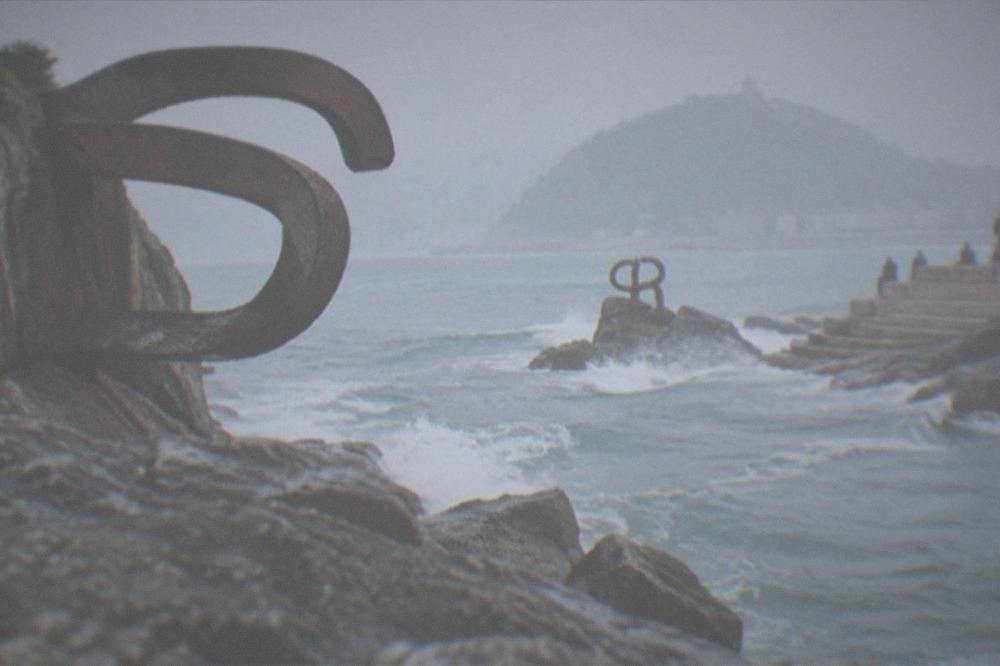
San Sebastián's own cultural list is real but lighter. San Telmo Museoa, in the old convent at the edge of the Parte Vieja, charges 10.00 EUR general and 4.00 EUR reduced, is free for everyone every Tuesday, and is free for under 25s on any open day; it opens Tuesday to Sunday and closes Mondays except holidays and long weekends. Tabakalera, the former tobacco factory, offers free access to the building Tuesday to Sunday and closed Mondays. The Kursaal, Rafael Moneo's glass cubes beside the Urumea river mouth, opened officially on 23 August 1999 and hosts the film festival each September. And the city's most distinctive cultural objects are outdoors: the Peine del Viento, three steel sculptures by Eduardo Chillida of more than nine tonnes each, set into the rocks in 1977 on a plaza by the architect Luis Peña Ganchegui.
A fair summary: Bilbao concentrates its culture in buildings you enter; San Sebastián spreads much of it across the bay, the hills and the seafront, with a couple of solid indoor venues for the rainy days this coast reliably supplies. The what San Sebastian is known for page unpacks that outdoor side in detail.
Which City Is Easier To Reach?
Both cities are reachable by air through the same set of airports, and San Sebastián is closer to two of them: San Sebastián Airport at Hondarribia is 20 km away and Biarritz is 45 km, while Bilbao's own airport is 105 km from San Sebastián, as the tourism board lists. If flying into Bilbao, the Basque Government's page lists a PESA Lurraldebus coach to San Sebastián at 17.10 EUR and about 75 minutes, hourly in winter and every 30 minutes in July and August.
The tourism board's own airport list for San Sebastián:
| Airport | Code | Distance from San Sebastián | Direct service listed |
|---|---|---|---|
| San Sebastián (Hondarribia) | EAS | 20 km | Yes |
| Biarritz | BIQ | 45 km | Yes |
| Bilbao | BIO | 105 km | Yes |
| Vitoria-Gasteiz | VIT | 100 km | No |
One correction matters here, because a stale official page still gets it wrong. Bus line E21 has not stopped at EAS airport since 1 June 2026, at either stop, to board or to alight; the operator, Ekialdebus, says so, and it lists E20, E23, E25, E27, E28, E29 and E30 as the airport services, with E30 the direct Donostia to airport line. A tourism board page still naming E21 is out of date. Everything else covered here is indexed on San Sebastian Spain Guide.
For the Bilbao side of the trip, the coach fare above is listed by the Basque Government on a page that carries no date, so confirm with the operator before relying on it. The Bilbao to San Sebastian route guide and the page on the Bilbao airport transfer cover the options in full. Within the region, the Euskotren Topo connects Amara station in San Sebastián to Hendaia across the French border in 37 to 38 minutes, with a frequency of about every 30 minutes on the busiest service day and an occasional fare of 2.90 EUR, which is a genuine advantage of the city's position at the corner of three territories.
How Does The Weather Compare?
San Sebastián is a wet Atlantic city, and this page publishes its verified numbers rather than guessing at Bilbao's: AEMET's Igeldo station records 1,507 mm of rain a year over 141 rain days, and even July, the driest month, averages 86 mm. No month averages under 86 mm. Neither city should be planned as a dry-summer destination, and any comparison that promises sunshine in either one is selling something.
The station's own normals for the period 1981 to 2010, which AEMET publishes on the station page, are these. The station sits at 250 m on Monte Igeldo, so the seafront runs slightly warmer than the values shown:
| Month | Mean C | Mean max C | Mean min C | Rain mm | Rain days 1mm+ | Sun hours |
|---|---|---|---|---|---|---|
| Jan | 8.5 | 11.0 | 5.9 | 141 | 13.2 | 98 |
| Feb | 8.7 | 11.5 | 5.9 | 110 | 11.6 | 107 |
| Mar | 10.3 | 13.4 | 7.2 | 113 | 12.4 | 144 |
| Apr | 11.3 | 14.5 | 8.1 | 138 | 13.4 | 157 |
| May | 14.4 | 17.7 | 11.1 | 120 | 12.2 | 181 |
| Jun | 16.9 | 20.0 | 13.8 | 90 | 10.6 | 189 |
| Jul | 18.9 | 21.8 | 16.0 | 86 | 9.8 | 196 |
| Aug | 19.5 | 22.5 | 16.5 | 117 | 10.5 | 190 |
| Sep | 18.0 | 21.1 | 14.8 | 111 | 10.1 | 179 |
| Oct | 15.5 | 18.5 | 12.4 | 159 | 11.8 | 140 |
| Nov | 11.3 | 14.0 | 8.7 | 169 | 13.0 | 102 |
| Dec | 9.1 | 11.6 | 6.6 | 151 | 12.4 | 93 |
Read that table honestly before choosing dates. July is the driest month and still averages about 10 rain days. August, at 117 mm, is wetter than June at 90, July at 86 or September at 111. November is the wettest month at 169 mm. The practical consequence for the Bilbao comparison is that both cities share the same Atlantic weather system, and packing for either one means a rain layer in every month of the year. The best time to visit and San Sebastian weather pages carry the fuller planning detail.
Can You Combine Both Cities On One Trip?
Yes, and combining them is often the best answer of all: the two cities are regular transport partners, and a trip can base itself in San Sebastián and visit Bilbao as a day trip, or split a week between the two. The city's own hotel numbers show why the base-in-San Sebastián plan works, with 1,051,562 hotel arrivals and 2,199,966 overnight stays in 2025, and a steady season from April to October in which overnight stays never drop below 200,000 a month.
The monthly shape of that 2025 hotel year, from the INE hotel occupancy survey, tourist point Donostia-San Sebastián, hotels only:
| Month 2025 | Overnight stays | Month 2025 | Overnight stays |
|---|---|---|---|
| January | 115,910 | July | 239,124 |
| February | 119,367 | August | 245,769 |
| March | 156,670 | September | 216,759 |
| April | 200,055 | October | 207,158 |
| May | 205,326 | November | 147,334 |
| June | 211,534 | December | 134,960 |
August is the peak, holding a little over twice January's stays, and July and August together are 22 percent of the year. Anyone combining both cities should know that August in San Sebastián means Semana Grande, the city's main festival, which always runs the week of 15 August, Saturday to Saturday, and includes the International Fireworks Competition over the bay. That is either the best week of the year or the worst, depending on tolerance for crowds.
A combined plan works in both directions. From San Sebastián, the Bilbao day trip guide covers the self-guided version, and the tours below are the site's picks for the days around it, including a cider house lunch and a coastal walk with txakoli tastings. From Bilbao, the same logic runs in reverse, and the how many days in San Sebastian page helps size the stop.
The seasonal calendar is the other thing a combined itinerary has to respect. Several of San Sebastián's headline experiences close outside summer:
| Experience | Season rule |
|---|---|
| Beach lifeguards, all three beaches | 1 June to 30 September |
| Santa Clara island boat, high season | 1 June to 30 September, plus Easter and long weekends |
| Hondalea, the lighthouse installation on the island | 1 June to 30 September, 11:00 to 18:30, free, no booking needed for the visit |
| Monte Urgull access | 08:00 to 21:00 from 1 May to 30 September; 08:00 to 19:30 from 1 October to 30 April |
| San Telmo Museoa | Free for everyone every Tuesday; closed Mondays except holidays and long weekends |
| Monte Igueldo funicular | No downhill-only ticket is sold; rides close on rainy days |
None of that makes the city empty in the off season, it makes it a different city, quieter, cheaper-feeling and greener, with the rain that keeps it that way.
Is One City Cheaper Than The Other?
This page cannot publish a verified price comparison between the two cities, because the research verified cost figures only for San Sebastián, and inventing a Bilbao price level would be the unsourced claim this site refuses. What can be said is what San Sebastián's verified costs look like: a 1.95 EUR dBus ticket, a 5.50 EUR return funicular ticket to Monte Igueldo, a 10.00 EUR San Telmo admission with a free Tuesday, and a 5 EUR return boat to Santa Clara island in high season.
Those are the city's own published numbers, attached to the things they belong to. The dBus occasional ticket is 1.95 EUR in cash to the driver, with a 2.65 EUR night ticket, and cash does not allow free transfers. The Monte Igueldo funicular charges 5.50 EUR return for an adult and 2.50 EUR for a child up to 7, the ticket includes entry to the grounds, and entry on foot or by vehicle to the grounds and viewpoint alone is 3.00 EUR per person. The island boat's red line, direct to Santa Clara, is 5 EUR return in high season.
For the wider cost question, the is San Sebastian expensive page carries the planning detail, and it is honest about the fact that the city has a reputation for being Spain's priciest table. What the comparison with Bilbao cannot honestly include is a Bilbao number. Anyone who tells you one city costs 20 percent less than the other without a source is guessing, and the right way to compare costs is to price the same week in both and see.
One cost that applies to neither city yet: the Gipuzkoa tourist tax. Norma Foral 3/2026, the Gipuzkoa law of 12 June 2026, takes effect on 1 January 2027, and before that date no visitor pays it. The law sets bands per person per night, from 0.75 to 6.50 EUR depending on the accommodation type, with at most 6 nights charged and under 18s exempt, and each council picks its own rate inside the bands. San Sebastián's own rate is not yet published on an official page, so no single figure for this city can be stated, only the band maximums and the law they come from.
Common Questions About San Sebastian Vs Bilbao
What is nicer, Bilbao or San Sebastián?
It depends on the trip. San Sebastián, the Basque city on La Concha bay, suits a food-and-beach stay in a walkable seaside setting, with 11 Michelin stars across 6 restaurants inside the city in the MICHELIN Guide Spain 2026. Bilbao suits a museum-and-architecture city break at a larger scale, anchored by the Guggenheim. Many visitors base in one and day trip to the other.
Can you visit Bilbao from San Sebastian in one day?
Yes. The two cities are regular transport partners, and small-group day trips from San Sebastián cover the Gaztelugatxe hermitage, Bilbao and the Guggenheim in a single run. The Bilbao day trip guide on this site covers the self-guided version.
Does Bilbao have beaches like San Sebastián?
No. Bilbao is an inland river city, while San Sebastián has three sandy city beaches: La Concha at 1,350 metres, Ondarreta at 600 and Zurriola at 800, all lifeguarded from 1 June to 30 September. Beach visitors in Bilbao travel out to the coast.
Which city has better weather?
Both share the same Atlantic weather system, and neither is a dry-summer destination. AEMET's Igeldo station records 1,507 mm of rain a year over 141 rain days for San Sebastián, and even July, the driest month, averages 86 mm. Pack a rain layer for either city in any month.
Is San Sebastián more expensive than Bilbao?
This site publishes no verified price level for Bilbao, so no honest comparison figure exists here. San Sebastián's own verified costs include a 1.95 EUR city bus ticket, a 5.50 EUR return funicular to Monte Igueldo and a 10.00 EUR San Telmo admission that is free every Tuesday. Price the same week in both cities before deciding.
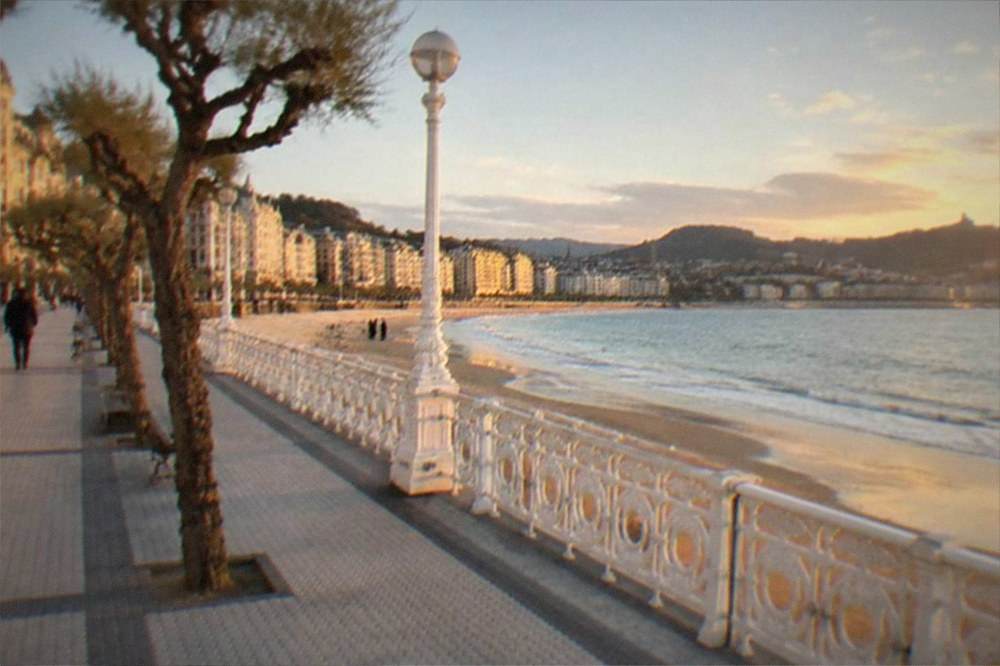
The final word from this desk is a simple one. Choose San Sebastián for the bay, the pintxo bars and the shortest walk from bed to beach anywhere in the Basque Country; choose Bilbao for the museums, the scale and the river; and if the trip allows, refuse the choice entirely and do both, because the transport between them makes it easy and each city is the other's best day out. More comparisons live on the San Sebastian versus Biarritz page, and the full activity list starts at everything on offer in the city.
However the trip is cut, the one planning habit that matters on this coast is the same in both cities: build the indoor day and the outdoor day, then let the sky decide which one happens, because on 141 rain days a year the sky usually gets a vote.