Behobia-San Sebastian And The Marathon
San Sebastián, in the Basque Country of Spain, hosts two of northern Spain's best-known running events: the cross-border Behobia-San Sebastián race and the city's own marathon. Here is what to know about each, when they happen and how to plan a trip around them.
Short answer
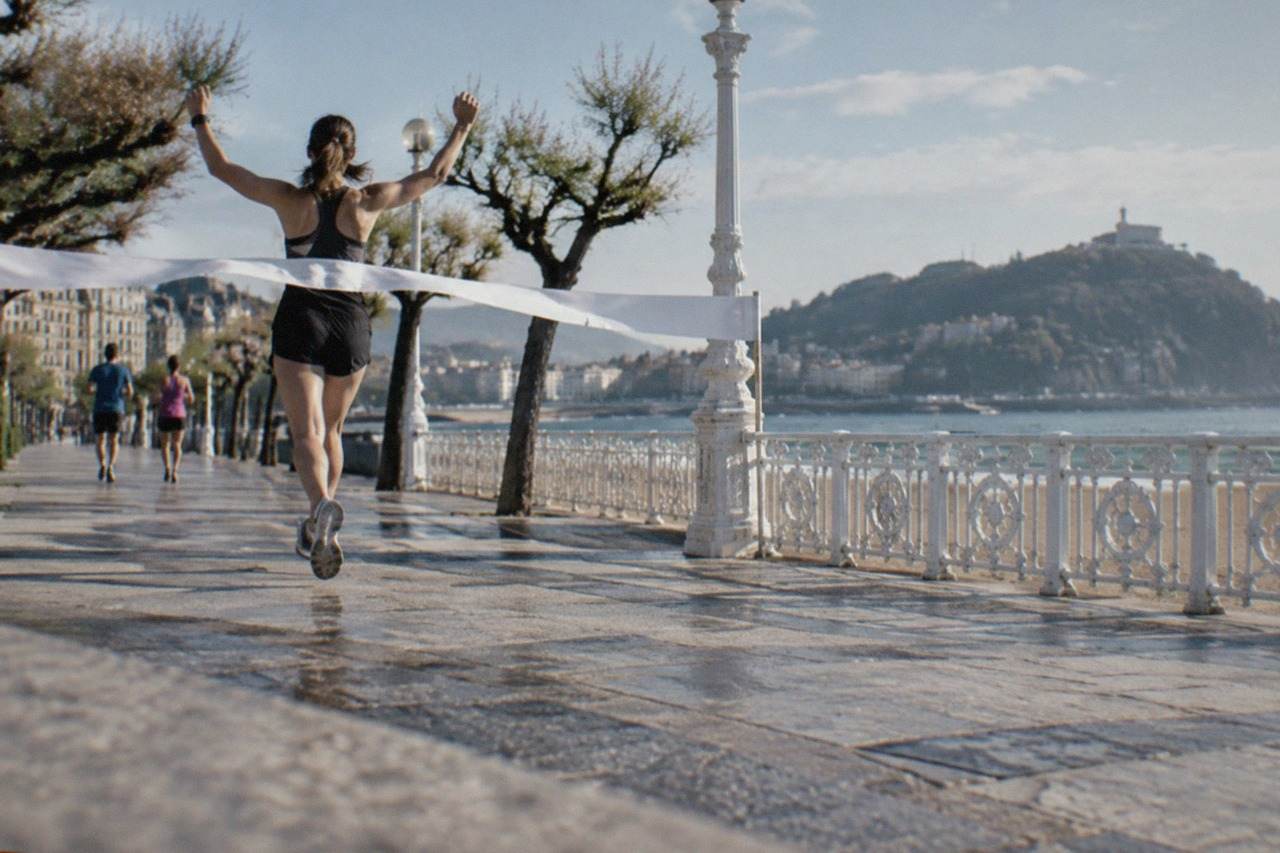
The Behobia-San Sebastián race holds its 61st edition on 8 November 2026, running from the border town of Irun into the city. The San Sebastián marathon follows an annual autumn rule, and the organiser publishes each year's date. Both races finish near the bay, and November brings average temperatures of 11.3 C with 169 mm of rain, the wettest month of the year.
San Sebastián, the Basque city on La Concha bay whose official name is Donostia / San Sebastián, is known for its beaches and its pintxo bars, but twice a year its streets belong to runners. The Behobia-San Sebastián race, one of the oldest and most popular road races in Spain, brings tens of thousands of participants over the border from Irun in early November, and the city's own marathon fills the seafront later in the autumn. This guide covers what each event is, the rules behind their dates, what AEMET's climate record says about running weather here, and where a spectator or a runner should stand, eat and recover.
What Is The Behobia-San Sebastian Race?
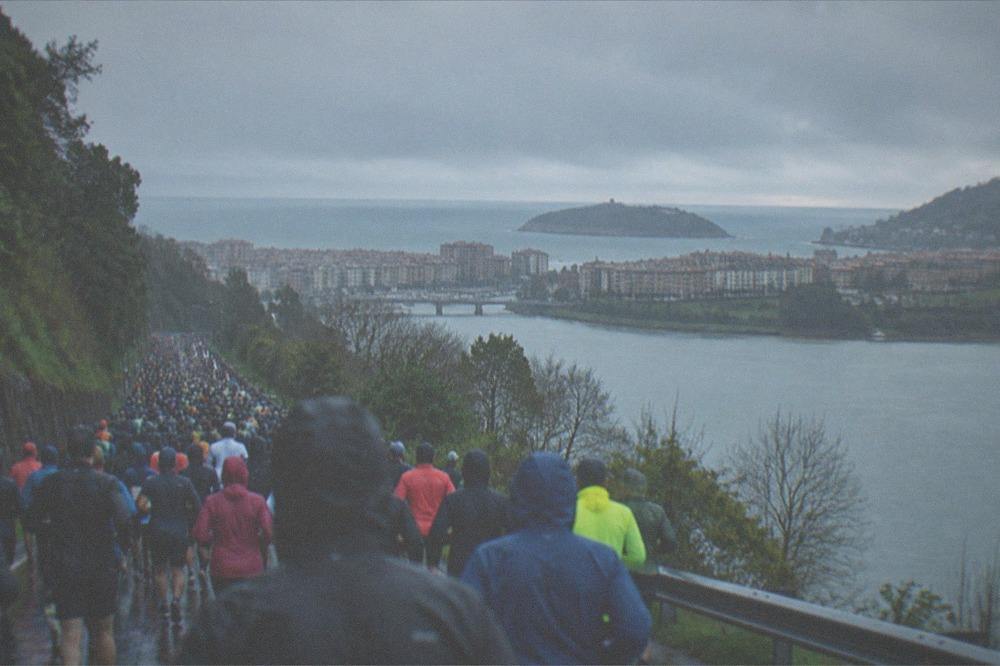
The Behobia-San Sebastián is a point-to-point road race that starts in Irun, on the Spanish side of the French border, and finishes in San Sebastián, and it is one of the biggest participatory races in Spain. The race's own site confirms its 61st edition takes place on 8 November 2026. The route follows the coast road east of the city, and the finish sits near the bay, which is why the whole seafront turns into a spectator zone on race day.
The name comes from the border district of Behobia, where the race begins, and the city it ends in. The event's own history page is the source for its standing: it is a race that Spanish runners treat as a fixture of the autumn calendar, and entries regularly sell out. The race is run on the first or second weekend of November, and the organiser confirms each year's exact date on its own site, so a runner planning a trip should check there rather than rely on a search result.
The finish is the part that stays with people. The course descends into the city from the east, and the last stretch runs along the seafront with La Concha on one side and the crowd on the other. The city council's beach page records La Concha as 1,350 m long, so the final kilometres pass a lot of cheering people.
For a visitor who is not running, the race is a free spectacle. The San Sebastian festivals guide covers the rest of the city's calendar, from Tamborrada on 20 January every year to Semana Grande in the week of 15 August, and the Behobia sits alongside them as the sporting date of the autumn.
When Is The Behobia-San Sebastian Race Held?
The Behobia-San Sebastián race is an early-November event: the race's own site gives 8 November 2026 for the 61st edition. The race does not publish a fixed calendar date the way Tamborrada does, so the rule to plan by is "early November, date confirmed by the organiser each year". November in San Sebastián averages 11.3 C with 169 mm of rain, the wettest month of AEMET's Igeldo record, so runners pack for rain more often than for cold.
That weather figure deserves its own explanation. AEMET's climate normals for its Igeldo station, which sits 250 m up on Monte Igeldo, give the city 1,507 mm of rain across 141 days a year. No month averages under 86 mm. November is the wettest of all at 169 mm over 13 rain days, and the seafront runs slightly warmer than the station values because of the altitude difference. A Behobia runner trains for the distance and packs a jacket for the drizzle.
The table below sets the race against the other fixed events of the city's year, using the rules each organiser publishes.
| Event | Date rule | 2026 edition |
|---|---|---|
| Tamborrada | 20 January every year | 20 January 2026 |
| Behobia-San Sebastián race | Early November, set by the organiser | 61st edition, 8 November 2026 |
| Semana Grande (Aste Nagusia) | Always the week of 15 August, Saturday to Saturday | 8 to 15 August 2026 |
| La Concha regattas | First two Sundays of September | 6 and 13 September 2026 |
| San Sebastián International Film Festival | Set by the festival each September | 74th edition, 18 to 26 September 2026 |
| Quincena Musical | Set by the festival each August | 87th edition, 2 to 30 August 2026 |
| Santo Tomás fair | 21 December every year | 21 December 2026 |
If you are building a whole trip around the race, the best time to visit guide weighs every month of the year, and the San Sebastian weather guide explains the Atlantic climate in depth. November is quiet, green and wet, and hotel demand spikes only on race weekend.
What Is The San Sebastian Marathon?
The San Sebastián marathon is the city's own autumn marathon, run on a course in and around the city rather than point to point from the border. The marathon's exact date changes each year, and the organiser's own site is the place to confirm the date for the year you travel. Like the Behobia, it finishes in front of crowds near the bay, and it draws runners who want a fast, sea-level city course in the Basque Country.
The distinction between the two events matters for planning. The Behobia is the bigger, older, more famous race, and it is not a full marathon distance: it is a point-to-point road race from Irun. The marathon is the event for runners who want the classic marathon distance on a city course. A visitor who asks "which one should I run" is really asking which distance and which atmosphere they want, the border-to-bay party of the Behobia or the lap-based city marathon.
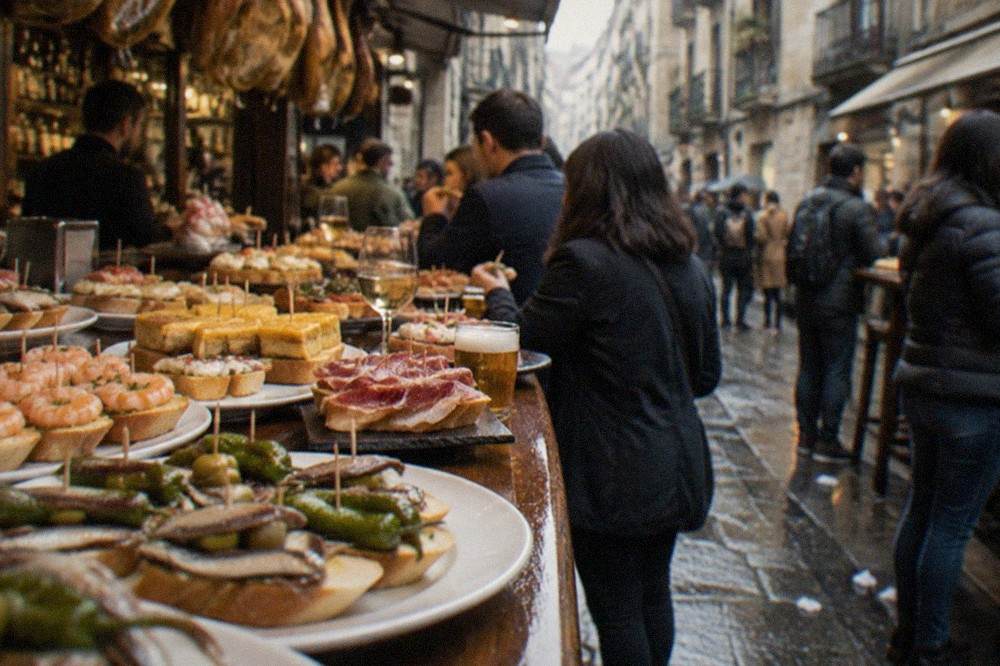
Both events share the same practical city. San Sebastián is compact, and the how many days guide recommends enough time to see the city properly around a race weekend. The Old Town, the Parte Vieja, sits a short walk from the seafront finish zones, and its pintxo bars are where runners and spectators end up in the evening.
How Do The Behobia And The Marathon Compare?
The Behobia-San Sebastián is a point-to-point race from the French border into the city, held in early November, while the San Sebastián marathon is a full-distance city marathon whose date the organiser sets each autumn. The Behobia is the older and larger event, and it is the one that fills the seafront with spectators. The marathon is the one for runners chasing the full marathon distance. Both finish near the bay and both are run in the wettest part of the year.
The comparison table below holds only the figures the pack provides. Where the pack gives no figure, the cell says what the runner should do rather than inventing a number.
| Feature | Behobia-San Sebastián | San Sebastián marathon |
|---|---|---|
| Type of race | Point to point, Irun to San Sebastián | Full-distance city marathon |
| Distance | Not a marathon distance, set by the organiser | The classic marathon distance |
| Date rule | Early November | Autumn, set by the organiser |
| 2026 edition | 61st, on 8 November 2026 | Confirm on the organiser's site |
| Start | Behobia, Irun, at the French border | In the city |
| Finish | Near the bay in San Sebastián | Near the bay in San Sebastián |
| Typical weather | November, averaging 11.3 C and 169 mm of rain | Autumn, check AEMET's record for the month |
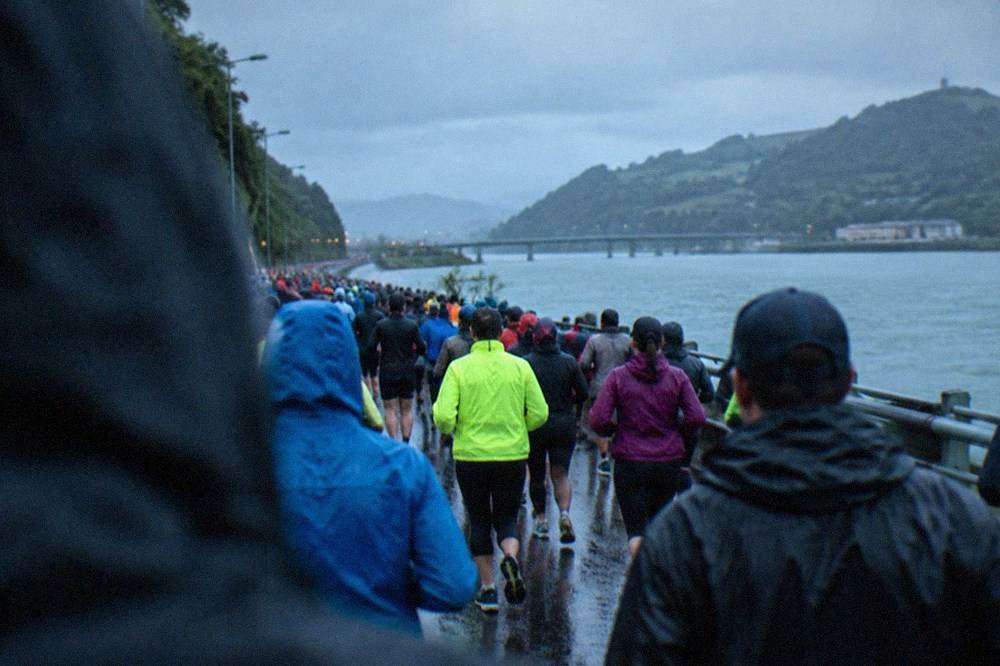
Neither event is a summer race, and that is deliberate. The Atlantic climate that makes July and August busy on the beaches also makes them poor months for road racing. The organisers place both races in the shoulder season, when the city is calmer and the temperatures are lower, accepting the rain that comes with them.
Where Do The Races Start And Finish?
Both the Behobia-San Sebastián and the marathon finish close to the bay in central San Sebastián, and the Behobia starts at Behobia in Irun, the border district on the French frontier. The Behobia route follows the coast road west into the city, so the race enters San Sebastián from the east and descends to the seafront. The marathon runs its course within the city itself. Spectators who want the best view should aim for the finish zones near La Concha.
The geography explains the race's character. San Sebastián sits at the western end of the Gipuzkoa coast, and Irun sits at the eastern end against the French border, so the Behobia is in effect a tour of the province's coastal fringe compressed into one morning. The city's own tourism board describes the region as having three airports within a little over 100 km, with San Sebastián Airport at Hondarribia 20 km away and Biarritz 45 km, which is why the race draws runners from both Spain and France. Everything else covered here is indexed on San Sebastian Spain Guide.
The where is San Sebastian guide covers the city's position on the map in full, and the Donostia or San Sebastian guide explains the city's two names, which runners will see on every banner and signboard on race day.
What Is The Weather Like For Running In San Sebastian?
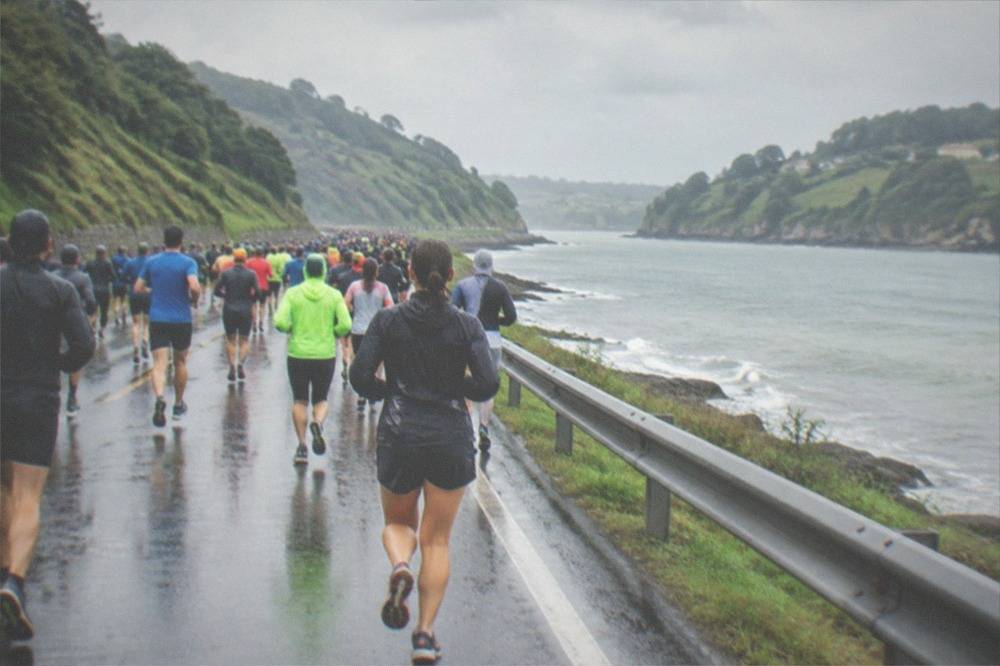
San Sebastián is a wet Atlantic city, not a dry Mediterranean one: AEMET's Igeldo station records 1,507 mm of rain across 141 days a year, and no month averages under 86 mm. November, the Behobia's month, averages 11.3 C with 169 mm of rain over 13 rain days, the wettest of the year. July, the driest month, still averages 86 mm. A runner should plan for rain on any race day here, and treat a dry one as a bonus.
The station's position matters when reading these numbers. AEMET's Igeldo station sits at 250 m on Monte Igeldo, so the seafront where the races finish runs slightly warmer than the published values. The normals cover 1981 to 2010, the period AEMET publishes on the station page.
| Month | Mean C | Mean max C | Rain mm | Days with 1 mm or more | Sun hours |
|---|---|---|---|---|---|
| September | 18.0 | 21.1 | 111 | 10.1 | 179 |
| October | 15.5 | 18.5 | 159 | 11.8 | 140 |
| November | 11.3 | 14.0 | 169 | 13.0 | 102 |
| December | 9.1 | 11.6 | 151 | 12.4 | 93 |
The honest reading of that table is that race season here is the wet season. October's 159 mm is higher than any summer month, and November's 169 mm is the annual peak. Temperatures, though, are close to ideal for distance running: a mean maximum of 14.0 C in November is within the range most marathoners prefer, and the 102 sun hours mean the race is usually run under grey skies rather than glare.
Where Should Spectators Watch The Races?
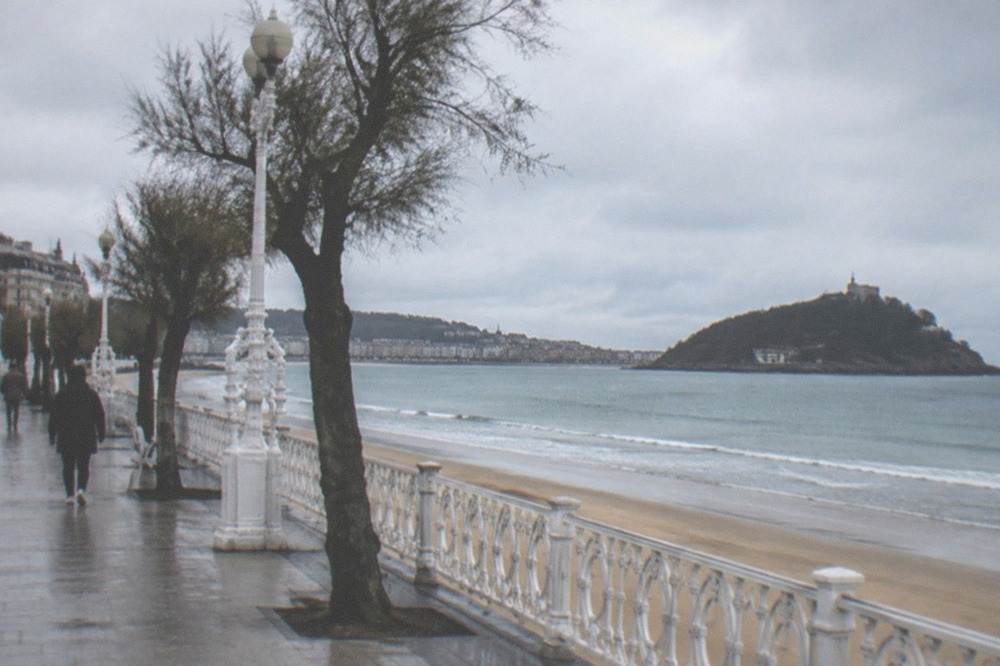
The best spectator spots are the seafront finish zones near La Concha, where both races end, and the eastern approaches where the Behobia enters the city. The council records La Concha as 1,350 m long and 40 m wide on average, Ondarreta as 600 m long and Zurriola as 800 m, so the promenade offers long sightlines along the whole bay. Monte Urgull gives a raised view over the finish area, and its winter hours end at 19:30.
A spectator plan for the Behobia works like this. The runners arrive from the east along the coast road, so the Gros side of the city, around Zurriola beach, sees them first, and the crowd thickens as the course turns toward the bay. The promenade between La Concha and Ondarreta is the classic spot, and the San Sebastian beaches guide covers each of the three beaches in detail.
Two practical warnings come from the pack. First, Monte Urgull closes at night, and its winter hours, from 1 October to 30 April, end at 19:30, so a morning race is fine but an evening visit is not. Second, the beach lifeguard service only runs from 1 June to 30 September, so nobody should read a November beach as a supervised one.
What Should Runners Eat And Drink In San Sebastian?
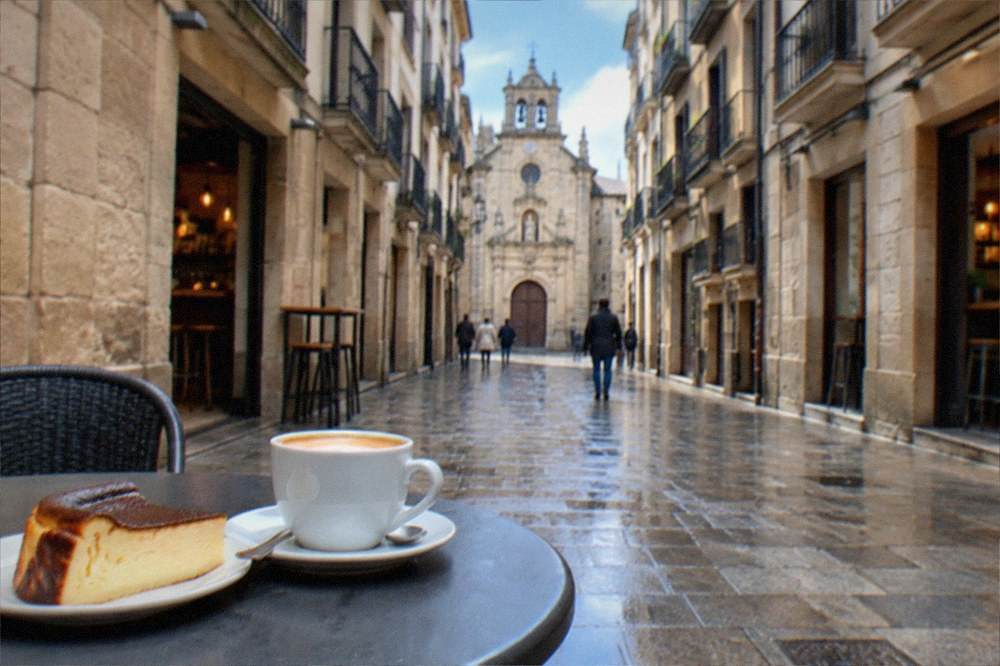
Runners carbo-loading in San Sebastián eat in the Parte Vieja and the wider Old Town, where the pintxo bar is the standard evening format, and the city's restaurant scene carries 11 Michelin stars across 6 restaurants in the MICHELIN Guide Spain 2026. Pintxos are small bar snacks eaten standing or perched at a counter, txakoli is the local white wine, and the cider houses around Astigarraga serve the txotx ritual from mid-January to the end of April, outside race season.
Race weekend is not the moment for a three-star tasting menu, and the city knows it. The pintxo bar is the runner's friend: small plates, quick service and no booking required. The what are pintxos guide explains the format from scratch, and the best pintxos bars guide names the bars worth queuing for.
The post-race reward deserves planning too. The La Viña cheesecake guide covers the city's most famous dessert, a burnt Basque cheesecake that has travelled the world from a single bar in the Centro, and the what to eat in San Sebastian guide maps the full menu, from txuleta steak to the seafood of the Cantabrian coast.
How Busy Is The City On Race Weekend?
November is one of the quietest months of the year in San Sebastián, and race weekend is its one crowded moment. INE's hotel occupancy survey recorded 147,334 overnight stays in the city in November 2025, against 245,769 in August, the annual peak, and 115,910 in January, the low point. The Behobia weekend therefore fills hotels without filling the streets, and a runner or spectator gets a calm, green, off-season city around the race itself.
The INE figures cover hotels only, not apartments or hostels, and they are for the tourist point Donostia-San Sebastián. Even so, the shape of the year is clear from the table below: the summer months dominate, and the autumn shoulder falls away fast once September ends.
| Month in 2025 | Hotel overnight stays |
|---|---|
| August | 245,769 |
| July | 239,124 |
| September | 216,759 |
| October | 207,158 |
| November | 147,334 |
| December | 134,960 |
For a visitor, that pattern is good news. October still holds over 200,000 stays on the strength of the autumn weather and the regattas, then November drops by a quarter. Restaurants are easier to book, the pintxo bars have room at the counter, and the beaches are empty. The trade is the weather: 169 mm of rain in the month, on AEMET's record, and daylight that ends early.
What Else Can You Do Around The Races?
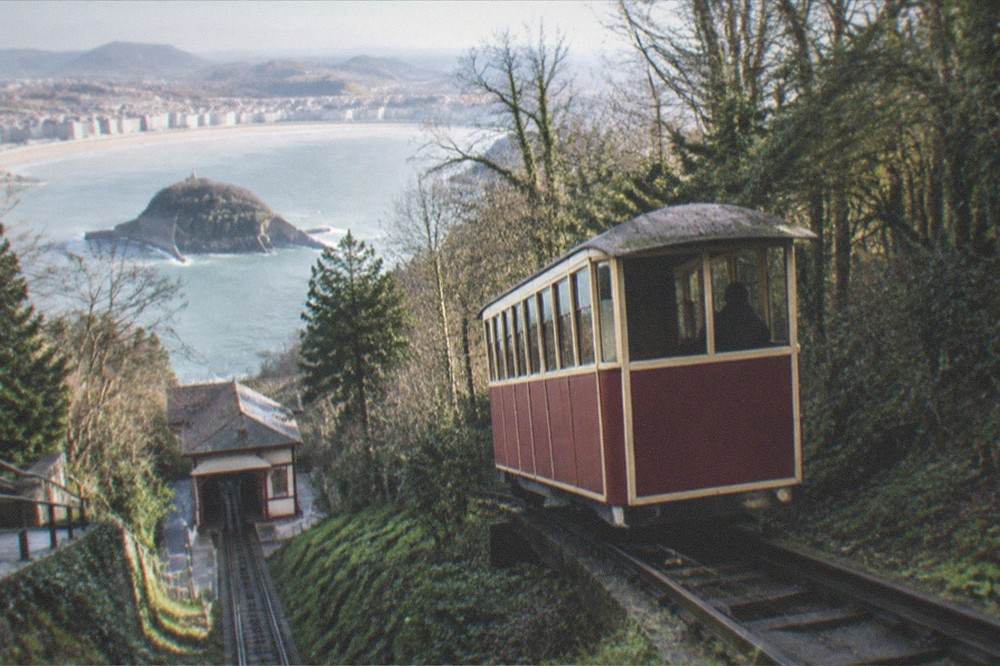
A race weekend in San Sebastián can absorb a full short break: the Old Town and its pintxo bars, the funicular up Monte Igueldo, the Peine del Viento sculptures at the far end of Ondarreta, and boat trips on the bay. The Monte Igueldo funicular, which opened on 25 August 1912, charges 5.50 EUR for an adult return, and its ticket includes entry to the grounds.
The bay boat to Santa Clara Island charges 5 EUR return in high season, 1 June to 30 September, so in November the island boat depends on the operator's low-season departures.
The seasonal limits are the detail to plan around. The island boat's high season ends on 30 September, and Hondalea, the Cristina Iglesias installation in the island's lighthouse, runs on the same 1 June to 30 September window, so a November visitor misses both. The funicular keeps running, but its own site states that downhill-only tickets are not on sale, so the ride up and the ride down are one purchase.
Day trips work too. The Gipuzkoa coast west of the city, Zarautz, Getaria and Zumaia, is a half-day loop by vehicle with a guide, and Getaria is both a fishing town and the home of txakoli wine. The day trips from San Sebastian guide lists the full range, and the Camino del Norte guide covers the coastal pilgrimage route that passes through the city, one stage from Pasaia and on toward Orio.
Whichever of the three you choose, book it for the day before the race rather than the day after: legs that have just run a point-to-point course from the border deserve a cheesecake and a promenade stroll, not a coach seat. The coast loop and the pintxo tour both fill the quieter half of a race weekend well.
Common Questions About Behobia And The Marathon In San Sebastian
When is the Behobia-San Sebastian race?
The Behobia-San Sebastián race is held in early November: the race's own site gives 8 November 2026 for its 61st edition. The exact date is set by the organiser each year, so check the race's own site for the year you travel.
When is the San Sebastian marathon?
The San Sebastián marathon runs in the autumn, and the organiser sets the exact date each year. No guessed date appears on this page: confirm the date for your year on the organiser's own site before booking travel.
Is the Behobia a marathon?
No. The Behobia-San Sebastián is a point-to-point road race from Irun, at the French border, into the city, and it is not run over the marathon distance. The city's own marathon is the separate full-distance event.
What is the weather like for running in San Sebastian?
Wet. AEMET's Igeldo station records 1,507 mm of rain a year over 141 days, and November, the Behobia's month, is the wettest at 169 mm. Temperatures are good for running, with a November mean maximum of 14.0 C, but rain is the default expectation.
Where does the Behobia finish?
The Behobia-San Sebastián finishes near the bay in central San Sebastián, after entering the city from the east along the coast road. The seafront promenade around La Concha is the main spectator zone.
Is November a good time to visit San Sebastian?
November is quiet, green and wet. INE recorded 147,334 hotel overnight stays in the city in November 2025 against 245,769 in August, so restaurants and bars are easier to enjoy outside race weekend, but the month averages 169 mm of rain.
The Behobia and the marathon give San Sebastián a second season, one measured in split times and finish-line cheers rather than beach towels. Plan for rain, book the hotel early for race weekend, and let the rest of the city, from the Parte Vieja counters to the funicular on Monte Igueldo, fill the days between the start and the celebration.