Apartments And Holiday Rentals In San Sebastian
Renting an apartment in San Sebastián, the Basque city on La Concha bay whose official name is Donostia / San Sebastián, puts the pintxo bars, the beaches and the coastal path within walking distance of your door. Here is how to choose a neighbourhood, what the new Gipuzkoa tourist tax law means for apartment stays, and when to book.
Short answer
The best areas for a holiday rental are the Parte Vieja and Centro for pintxo bars and the bay, Gros for the surf beach and a younger scene, Antiguo for Ondarreta and a quieter, residential feel, and Amara or Egia for cheaper stays a short ride out. A Gipuzkoa tourist tax on apartment stays takes effect on 1 January 2027, not before, and no accommodation price belongs on this page.
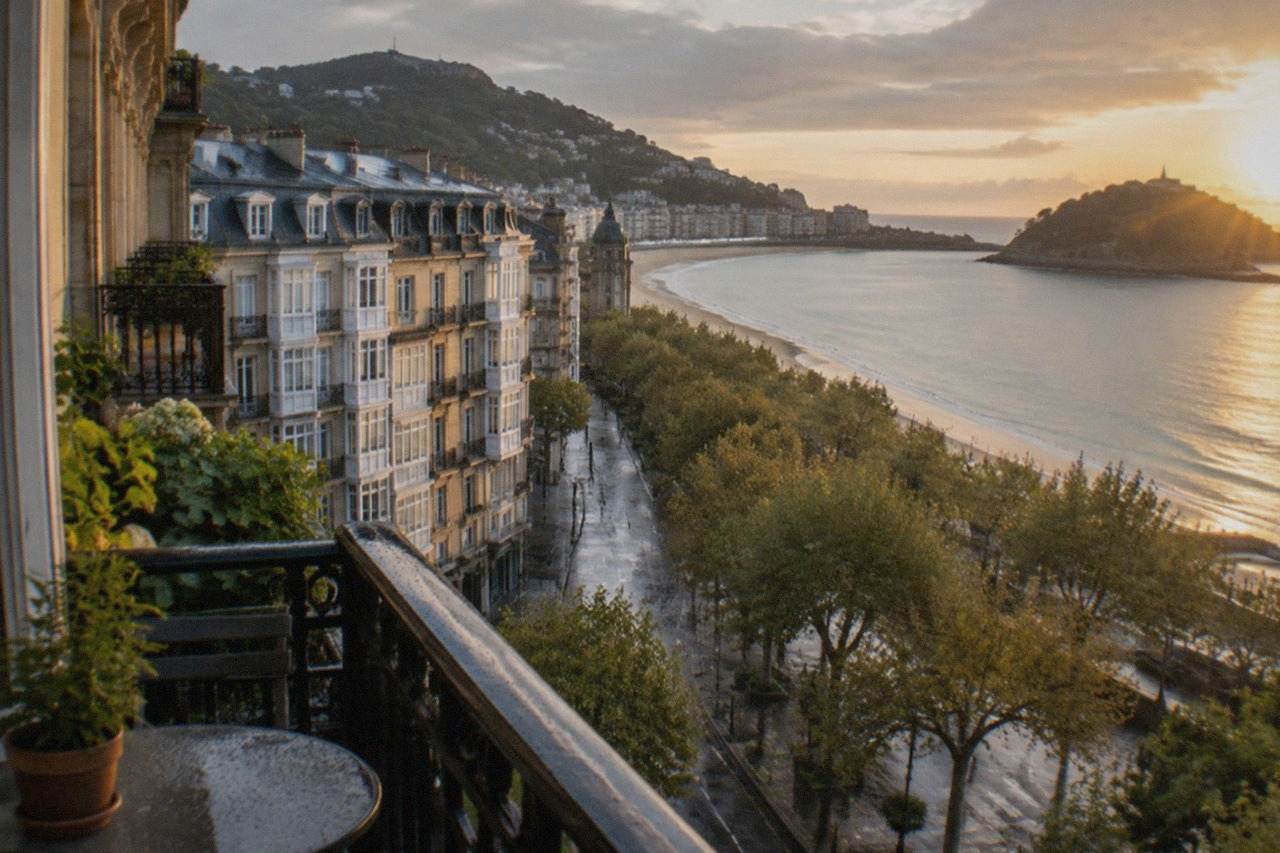
San Sebastián, in the Basque Country of Spain, is a city whose official name is Donostia / San Sebastián, and it is small enough that a well-chosen apartment puts almost everything within a walk. The municipal register counted 189,866 residents at 1 January 2025, and the city wraps around a single bay: La Concha beach runs 1,350 metres along the west side, Ondarreta continues past Miramar Palace, and Zurriola faces the open swell on the east. A rental in the wrong neighbourhood is not a disaster, the whole centre fits together, but the right one saves you the uphill haul back after a long evening of pintxos. This guide covers where to rent, what the new Gipuzkoa tourist tax law means for apartment stays, how the seasons change the city, and what it costs to move around once you are there.
Which Neighbourhood Should You Rent An Apartment In In San Sebastian?
The Parte Vieja and Centro put you inside the pintxo-bar core beside La Concha, Gros sits beside the surf beach at Zurriola and suits a younger, noisier stay, Antiguo is the quiet residential quarter beside Ondarreta, and Amara and Egia sit inland with cheaper rooms and a short bus or Topo ride into town. Each has a different character, and the choice matters more here than in most Spanish cities because the bay fixes the geography.
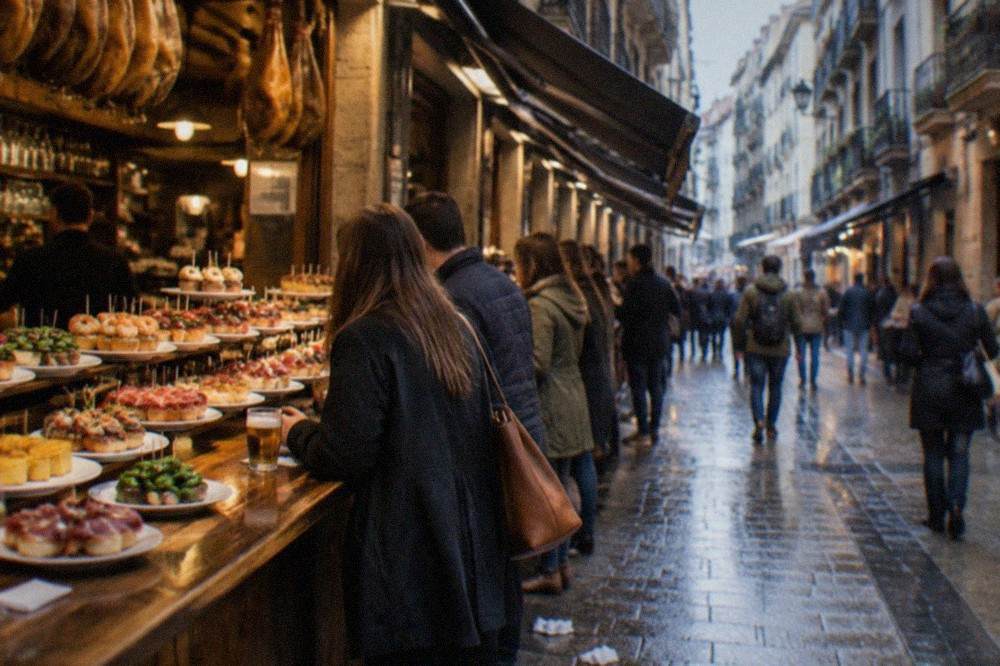
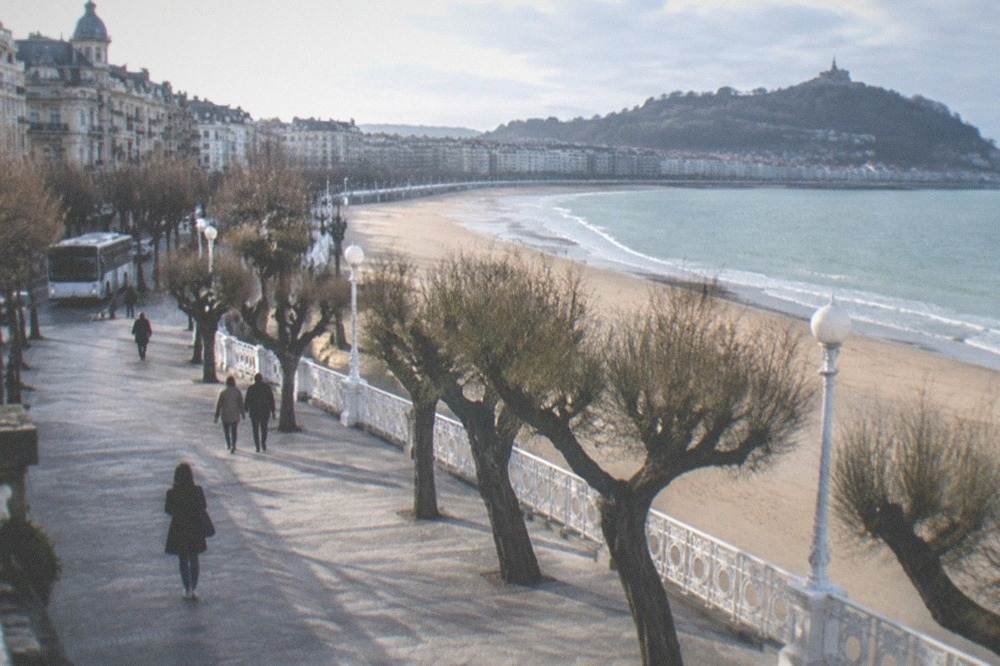
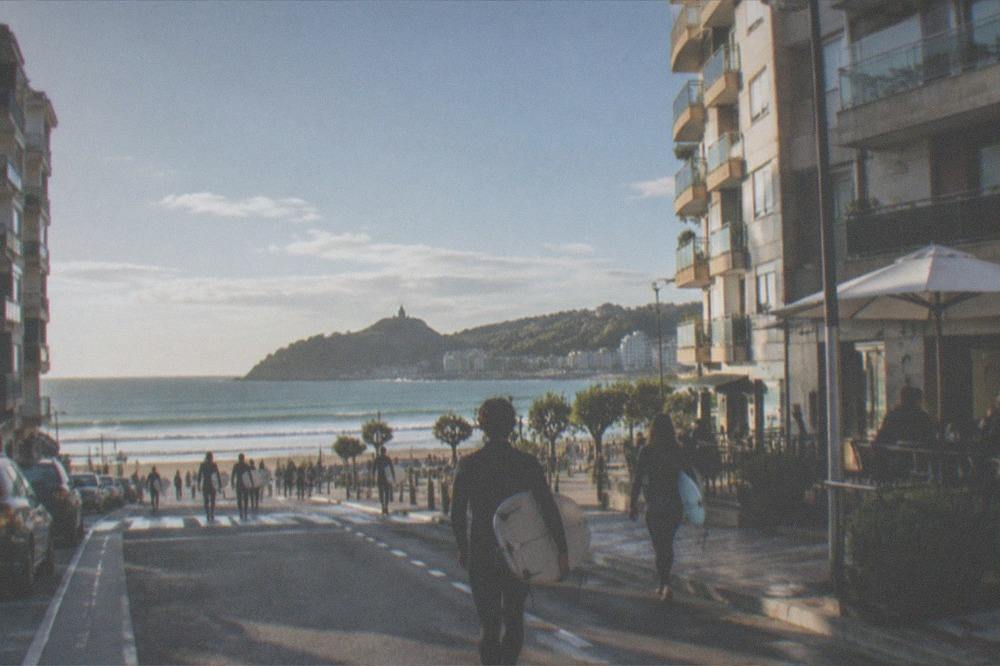
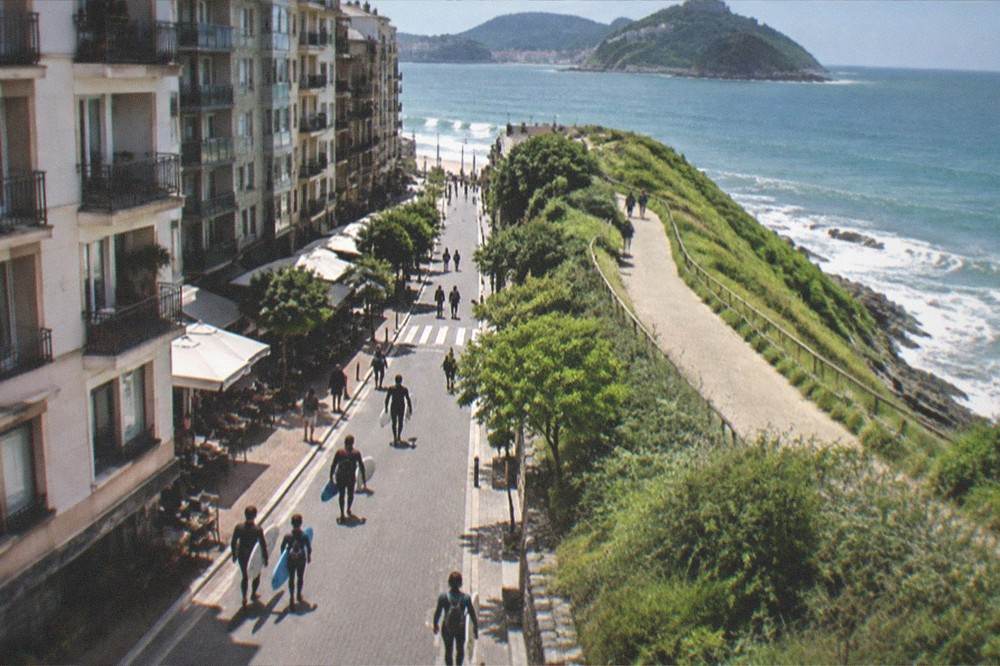
The Parte Vieja, the Old Town, is where most of the famous pintxo bars are concentrated, and it is loud late. If your rental is above a bar street, expect the noise that comes with that. Centro, the Romantic Area across the river, gives the same walking access with wider streets and calmer nights. Gros has grown into the city's surf and coffee quarter, facing Zurriola, the beach the council describes as fairly open with a strong swell. Antiguo, west of Ondarreta, is residential and family-oriented, with the walk to the Peine del Viento starting at that beach's west end. Egia sits behind the train station and Tabakalera, and Amara is the transport hub around the Topo's working terminus.
Here is how the main rental areas compare:
| Area | Character | Beach beside it | Best for |
|---|---|---|---|
| Parte Vieja | Old Town, dense pintxo bars, loud at night | La Concha (east end) | Nightlife-first stays, short trips |
| Centro | 19th-century grid, shops, calmer nights | La Concha | First-time visitors who want it all walkable |
| Gros | Surf quarter, younger bars and cafes | Zurriola | Surfers, early risers, a local feel |
| Antiguo | Residential, family feel, near Monte Igueldo | Ondarreta | Families, longer stays, quiet nights |
| Egia | Behind the station, Tabakalera on its edge | None directly | Budget stays, culture, Topo access |
| Amara | Transport hub, inland, residential | None directly | Cheaper rooms, day trips by train |
The council's own beach figures are worth keeping beside that table, because the beach is what most renters are here for:
| Beach | Mean length | Mean width | Council description |
|---|---|---|---|
| La Concha | 1,350 m | 40 m | Sandy and shallow; the tide often limits usable area |
| Ondarreta | 600 m | 100 m | Sandy, heavy use; the Peine del Viento walk starts at its west end |
| Zurriola | 800 m | 110 m | Sandy, fairly open, strong swell; remodelled in 1994 |
If you want a fuller picture of the city's layout before picking, the San Sebastian map guide and the San Sebastian neighbourhoods guide break each district down street by street.
Once you have the neighbourhood, the fastest way to learn it is on foot. A guided walk covers the Old Town and the Romantic Area with a local who can tell you which streets quiet down after midnight:
What Is The Tourist Tax On Apartments In San Sebastian?
No visitor pays a tourist tax in San Sebastián before 1 January 2027. Norma Foral 3/2026, the Gipuzkoa law published on 25 June 2026, takes effect on that date and sets bands per person per night: tourist apartments fall in a band of 1.50 to 3.50 EUR, and whole or room-let tourist-use dwellings in a band of 4.50 to 6.50 EUR.
Each council picks its own rate inside its band, at most 6 nights per stay are charged, and under 18s are exempt.
That distinction between "tourist apartments" and "tourist-use dwellings" is the detail most listings will not spell out. A licensed tourist apartment is a property registered as visitor accommodation, while a tourist-use dwelling is a normal home let to visitors, and the law gives the two categories different bands. The rate the city of San Sebastián itself will apply has not been published in an official ordinance, so treat the band maximum as the ceiling a stay could reach, not a price.
Two further rules matter to anyone booking. Stays booked before 5 February 2026 are not charged under the law's second additional provision, and stays under 24 hours count as one unit of stay. The bands are reviewed every two full calendar years, so a rate set for 2027 can change later.
| Accommodation type (Gipuzkoa law) | Band minimum, EUR per person per night | Band maximum, EUR per person per night |
|---|---|---|
| Tourist apartments | 1.50 | 3.50 |
| Tourist-use dwellings, whole or by room | 4.50 | 6.50 |
| Hotels 5 stars | 4.50 | 6.50 |
| Hotels 4 stars | 3.50 | 5.50 |
| Hotels 3 stars | 1.50 | 3.50 |
| Hotels 1 star and pensiones | 0.75 | 1.75 |
| Campsites, rural houses, hostels | 0.75 | 1.75 |
If a listing or a host tells you a tax is already being collected, that is worth questioning, because the law's own text puts its effects from 1 January 2027. For the wider cost picture of a visit, the is San Sebastian expensive guide covers what meals and transport actually run to.
When Is The Best Time To Book A Rental In San Sebastian?
August is the peak, with 245,769 hotel overnight stays recorded in the city in August 2025 against 115,910 in January, so apartment demand and availability follow the same curve. The sweet spots are May, June and September, when the weather is warm, the beaches are lifeguarded from 1 June, and the biggest crowds have not yet arrived or have just left. Book summer stays early and expect the tightest supply in July and August.
Those figures come from the INE hotel occupancy survey for the Donostia-San Sebastián tourist point and cover hotels only, but they are the best official signal of how the whole accommodation market breathes. July and August together accounted for 22 percent of the year's hotel stays in 2025, and April to October never dropped below 200,000 in any month. A city of 189,866 residents absorbing that flow means the apartment stock fills first in the streets closest to the bay.
| Month (2025) | Hotel overnight stays in the city | Month (2025) | Hotel overnight stays in the city |
|---|---|---|---|
| January | 115,910 | July | 239,124 |
| February | 119,367 | August | 245,769 |
| March | 156,670 | September | 216,759 |
| April | 200,055 | October | 207,158 |
| May | 205,326 | November | 147,334 |
| June | 211,534 | December | 134,960 |
The event calendar moves demand too. Semana Grande always runs the week of 15 August, Saturday to Saturday, and the La Concha regattas fill the first two Sundays of September. The film festival takes the city over in late September, and Jazzaldia and the Quincena Musical stack the summer. The best time to visit guide and the San Sebastian festivals guide give the full calendar.
Does It Rain Enough To Change Your Rental Plans?
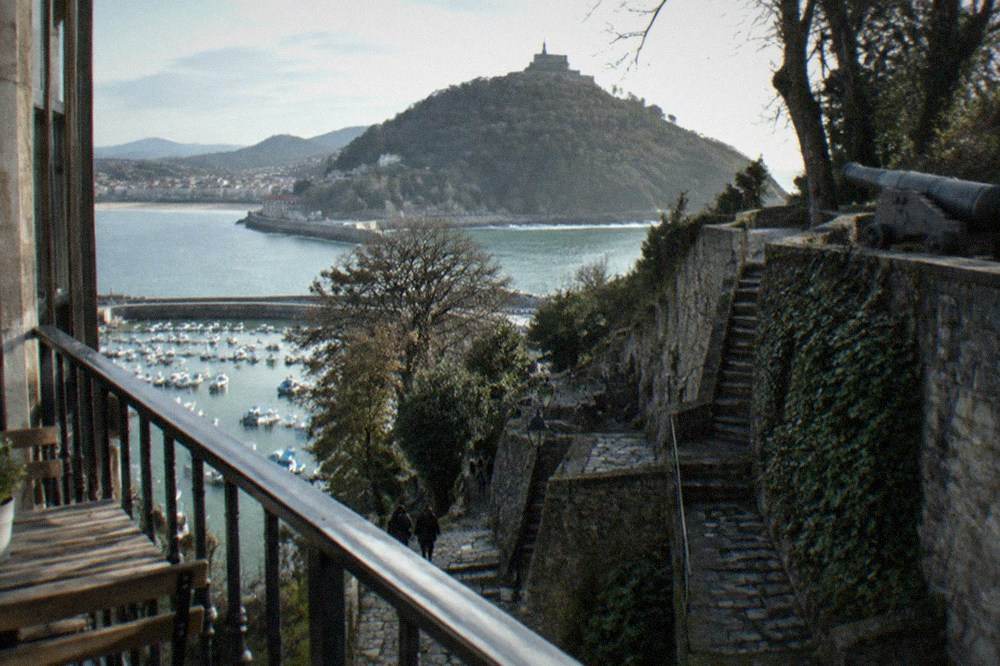
Yes, and the apartment you pick should assume wet days. AEMET's Igeldo station, 250 metres up on Monte Igeldo, records 1,507 mm of rain a year over 141 rain days, and even July, the driest month, averages 86 mm across about 10 rain days. November is the wettest at 169 mm. This is an Atlantic city, not a Mediterranean one, and a rental with a proper living room beats a cramped studio when a wet afternoon arrives.
The station sits above the seafront, so the bay itself runs slightly warmer than these numbers, but the pattern holds everywhere: rain in any month, and more of it from October onwards. August, at 117 mm, is actually wetter than June, July or September, which surprises visitors who book a beach week in high summer. The practical rental consequences are a washing line that works indoors, an umbrella by the door, and a neighbourhood with enough covered life, bars, museums, markets, to fill a grey day.
| Month | Mean temp, C | Rain, mm | Rain days of 1 mm or more | Sun hours |
|---|---|---|---|---|
| January | 8.5 | 141 | 13.2 | 98 |
| April | 11.3 | 138 | 13.4 | 157 |
| July | 18.9 | 86 | 9.8 | 196 |
| August | 19.5 | 117 | 10.5 | 190 |
| September | 18.0 | 111 | 10.1 | 179 |
| November | 11.3 | 169 | 13.0 | 102 |
The San Sebastian weather guide and the rainy day in San Sebastian guide list what to do when the forecast wins. Centro and the Parte Vieja hold up best in rain, since almost everything is indoors within a few blocks.
How Do You Get Around From A San Sebastian Rental?
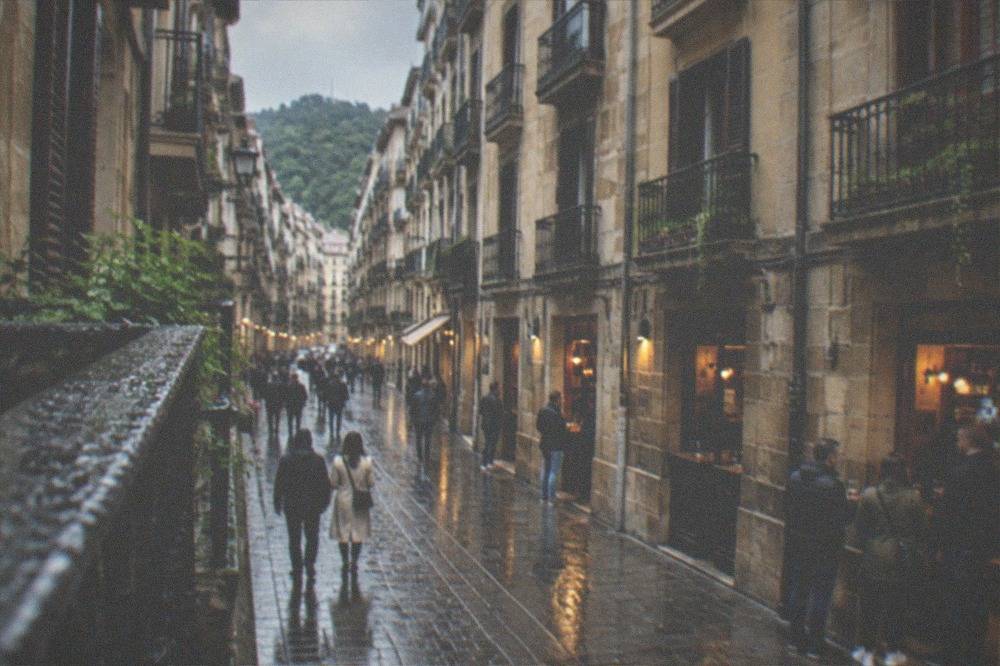
A dBus city bus occasional ticket costs 1.95 EUR paid in cash, or 2.65 EUR on the special night ticket, and a MUGI anonymous card cuts an urban trip to 0.78 EUR. The MUGI card is the single fare system across dBus, Lurraldebus and Euskotren, and the Euskotren Topo runs from the Amara station to Hendaia across the French border in 37 to 38 minutes, on a busiest-day frequency of every 30 minutes.
For a renter, that means the city itself barely needs a car. Cash on dBus does not allow free transfers, so anyone staying more than a couple of days and riding buses daily is better with a card. The MUGI system charges by zone "jumps": one jump beyond the urban zone costs 2.90 EUR occasional or 1.16 EUR by anonymous card, which is the fare that covers the Topo ride to Hendaia. If your rental is in Amara or Egia, the Topo is your commuter line; if it is in Antiguo or Gros, you will mostly walk.
| Ticket | Urban, 1 and 0 jumps | 1 jump | 2 jumps |
|---|---|---|---|
| Occasional, cash | 1.95 EUR | 2.90 EUR | 5.40 EUR |
| Night ticket | 2.65 EUR | 3.70 EUR | 6.45 EUR |
| MUGI anonymous card | 0.78 EUR | 1.16 EUR | 2.16 EUR |
One thing to know about the new underground Topo section under the city centre: the Basque Government announced on 8 June 2026 that the civil works are finished, including the station beside La Concha, but no opening date has been published. Amara remains the working terminus, so a rental near Amara keeps its rail advantage for now. The getting around San Sebastian guide has the full picture, and the parking in San Sebastian guide matters if your rental comes with a car.
What Should You Check Before Booking The Rental?
Check four things before you pay: that the listing states the number of beds honestly for your group, that the address is a real street you can place on the map, that the check-in arrangement works with your arrival, and that the cancellation terms are clear, because the tourist tax from 1 January 2027 will be collected per person per night, up to six nights, and your group size changes what you owe.
The group-size point is more than bookkeeping. Under the Gipuzkoa law, under 18s are exempt, so a family of four with two teenagers is taxed as two chargeable people, while four adults pay on all four. At most six nights per person per continuous stay are charged in one establishment, so a week-long rental only accumulates six chargeable nights. Ask the host whether they will collect the tax at check-in or fold it into the price, once the law is in effect from 2027.
Beyond the tax, the practical checks are the same as anywhere: floor level if stairs matter, air conditioning versus the Atlantic summer, and whether the "beach view" is a real view or a sliver between buildings. The San Sebastián map guide helps you place the address before you commit, and the San Sebastian accessibility guide covers step-free access across the city if that is part of your planning.
Is A Rental Better Than A Hotel In San Sebastian?
A rental suits longer stays, families and anyone who wants to cook between pintxo runs, while a hotel suits one- and two-night visits, because the eating culture means you may barely use a kitchen. Hotel stock clusters near the bay and apartment stock spreads wider into Gros, Antiguo and Egia, and from 2027 the tax bands differ: 4-star hotels run 3.50 to 5.50 EUR per person per night against 1.50 to 3.50 EUR for tourist apartments.
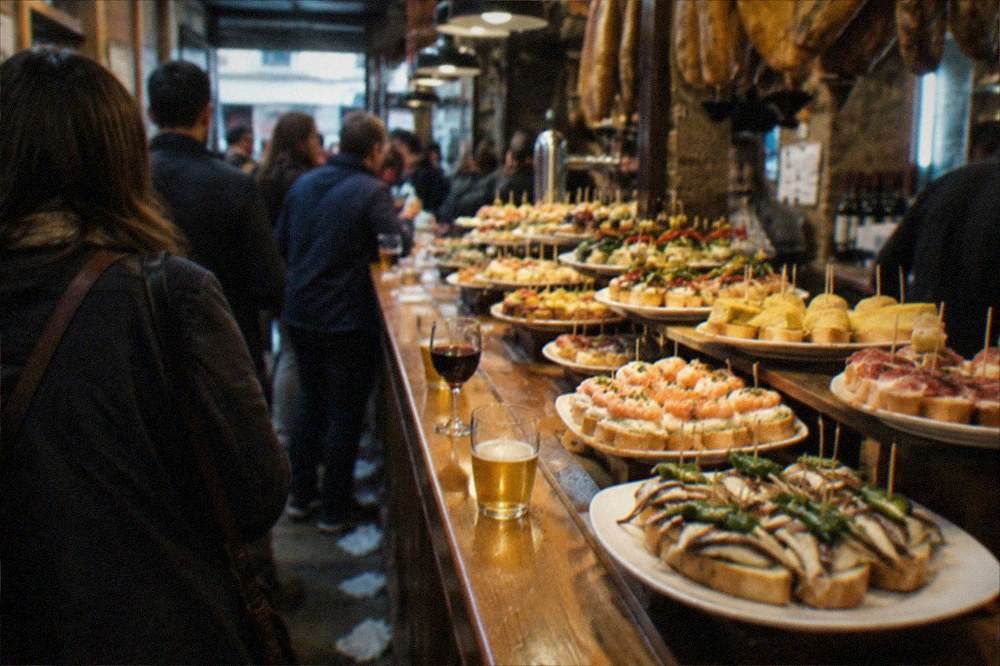
The honest case for a rental here is space and laundry, not savings on food. The city's food scene is the reason most people come, from the pintxo bars of the Old Town to the 11 Michelin stars held by six restaurants inside the city in the MICHELIN Guide Spain 2026, and eating out twice a day is the local rhythm. A kitchen is for breakfast and the odd quiet night. The pintxos in San Sebastian guide and the what to eat in San Sebastian guide explain why you will not cook much.
For a short first visit, a hotel beside the bay is hard to beat, and a food tour does more for your trip than a kitchen. This one pairs eight pintxos with five drinks:
Can You Day Trip Easily From A Rental Base?
Yes, and a San Sebastián rental doubles as a base for the whole Gipuzkoa coast and the French Basque Country. The Topo reaches Hendaia in 37 to 38 minutes, coach day trips run to Biarritz, Bayonne and Saint-Jean-de-Luz, to Bilbao and the Guggenheim, and along the coast to Zarautz, Getaria and Zumaia, and the Camino de Santiago's northern route passes through the city on its way from Pasaia to Orio.
That Camino detail is the one most renters never learn: the coastal route's stage list runs Irun to Pasaia, then Pasaia to Donostia, then Donostia to Orio, so pilgrims walk straight through the rental neighbourhoods. The city's only UNESCO World Heritage link is that Camino route, the "Routes of Santiago de Compostela: Camino Francés and Routes of Northern Spain", not the city itself. The day trips from San Sebastian guide maps the options, and the Camino del Norte guide covers the walking.
A Bilbao and Gaztelugatxe day is the single most popular excursion from the city, and it leaves from the bus station a short walk from most central rentals:
Common Questions About San Sebastian Apartments And Rentals
Is There A Tourist Tax On Apartments In San Sebastian?
Not yet. Norma Foral 3/2026 of Gipuzkoa takes effect on 1 January 2027, setting bands per person per night: 1.50 to 3.50 EUR for tourist apartments and 4.50 to 6.50 EUR for tourist-use dwellings. At most 6 nights per stay are charged, under 18s are exempt, and stays booked before 5 February 2026 are not charged.
Which San Sebastian Neighbourhood Is Best For A Holiday Rental?
The Parte Vieja and Centro for pintxo bars and the bay, Gros for the surf beach at Zurriola, Antiguo for a quiet residential stay beside Ondarreta, and Egia or Amara for cheaper rooms a short bus or Topo ride out.
Do You Need A Car With A Rental In San Sebastian?
No. The dBus occasional ticket is 1.95 EUR, the MUGI anonymous card cuts an urban trip to 0.78 EUR, and the city centre is compact. A car only earns its parking cost if you plan to tour the coast independently.
When Is Apartment demand highest in San Sebastian?
August, which recorded 245,769 hotel overnight stays in the city in 2025 against 115,910 in January. July and August together are 22 percent of the year's hotel stays, and Semana Grande in the week of 15 August adds a further spike.
Does It Rain Too Much For A Beach Rental?
It rains year-round: AEMET's Igeldo station records 1,507 mm a year over 141 rain days, and even July averages 86 mm. Beach lifeguards are present on all three beaches from 1 June to 30 September, which frames the reliable swimming window.
Is A Rental Cheaper Than A Hotel In San Sebastian?
No accommodation price belongs on this page, so compare live listings. The structure differs: rentals spread wider across Gros, Antiguo and Egia, hotels cluster near the bay, and from 2027 the tourist tax bands differ, with 4-star hotels at 3.50 to 5.50 EUR per person per night against 1.50 to 3.50 EUR for tourist apartments.
A rental in the right street makes San Sebastián feel like a place you live in for a week rather than one you visit, and the city rewards that: the morning bread run, the evening pintxo circuit and the late walk along La Concha all sit within a few blocks of almost any address between Monte Urgull and the Peine del Viento. Pick the neighbourhood that matches your nights, book summer early, and let the San Sebastian Spain Guide handle the rest of the planning.