San Sebastian Accessibility Guide
Accessibility in San Sebastián, the Basque city on La Concha bay whose official name is Donostia / San Sebastián, is genuinely better than most visitors expect, with a flat seafront, assisted bathing on all three beaches in summer and reduced prices at major museums.
Short answer
San Sebastián is a compact, mostly flat city with a two-kilometre seafront promenade, assisted bathing for reduced mobility on all three beaches from 15 June to 15 September, a funicular with discounted return fares for disabled card holders, and reduced or free entry at several major museums.
San Sebastián, in the Basque Country of Spain, is one of the most manageable small cities in Europe for visitors with reduced mobility. The city, whose Basque name is Donostia, sits on the almost-closed curve of La Concha bay, and almost everything a visitor comes for, the beach, the Old Town, the pintxo bars and the promenade, lies on one flat strip between the sea and the first foothills. That geography does the work: the seafront promenade runs level for its whole length, the three city beaches sit directly beneath it, and the historic centre, the Parte Vieja, is a compact grid of short streets reachable from the bay in a few minutes on the flat. This guide sets out what the official sources say about beach assistance, the funicular, museum entry, transport fares and the seasonal services that matter most to a visitor planning around mobility, and it names the limits honestly, because the hills at either end of the bay, Monte Igueldo and Monte Urgull, are exactly that, hills.
How Walkable Is San Sebastian For Wheelchair Users And Slow Walkers?
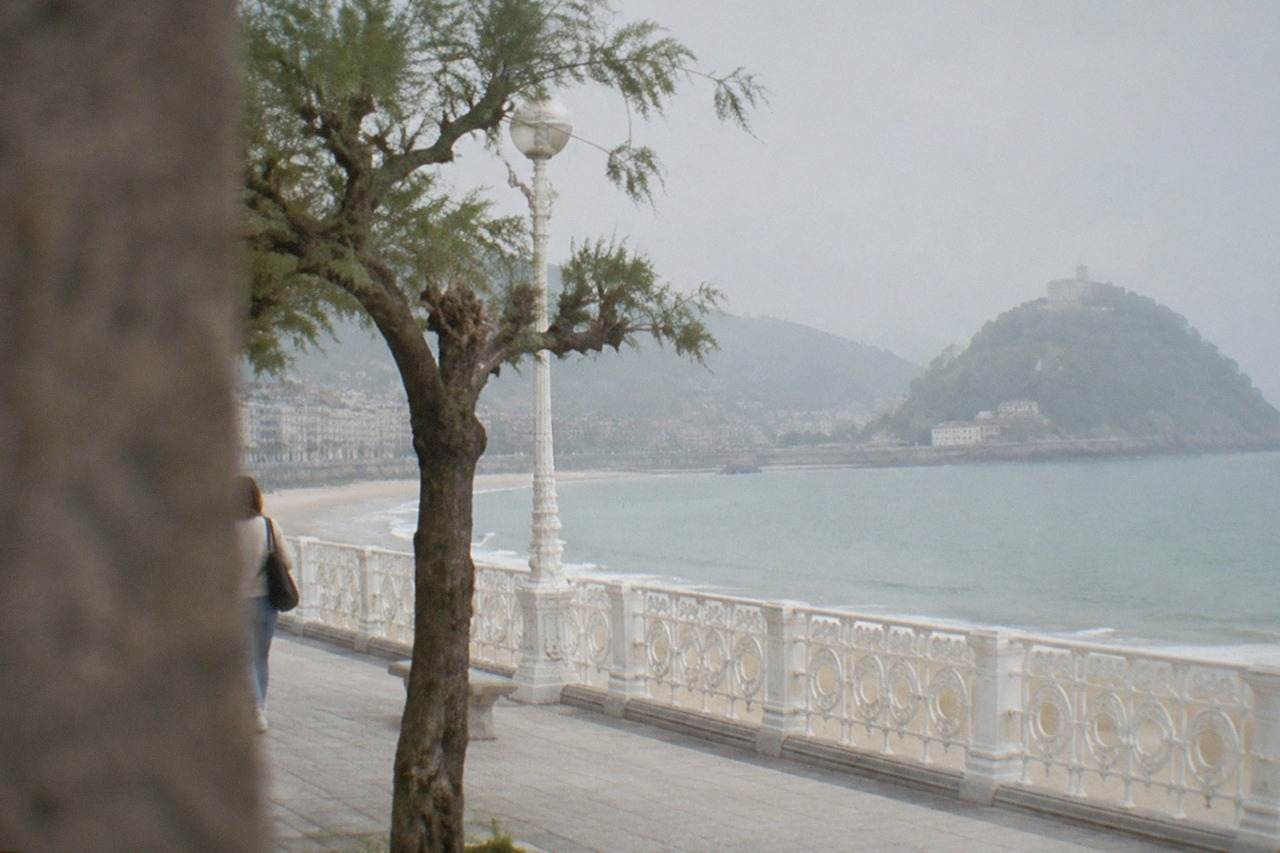
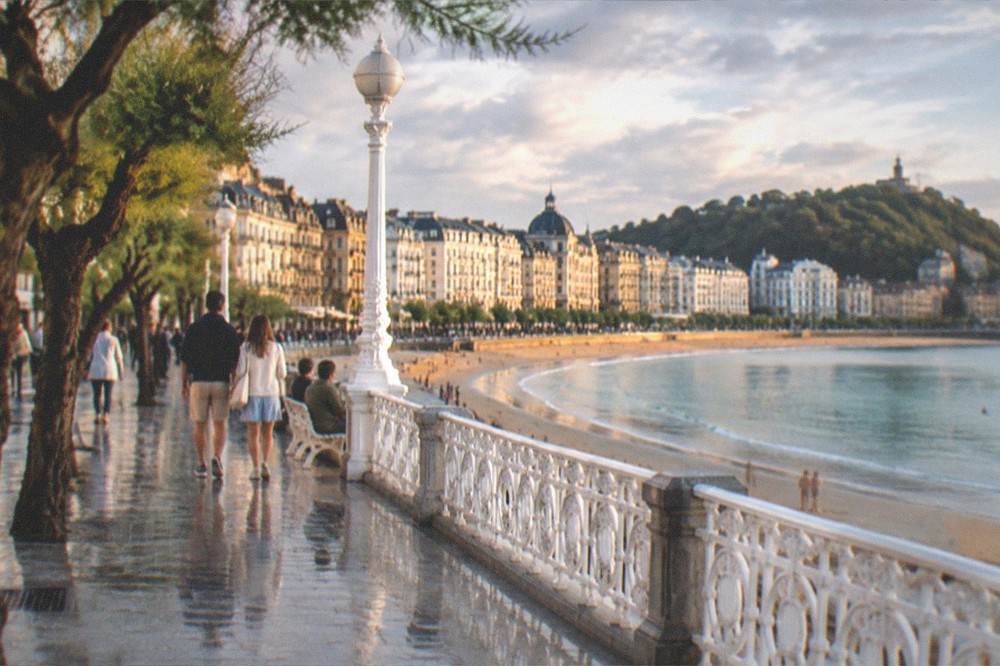
The core of San Sebastián is flat, compact and bordered by a level seafront promenade that links all three beaches, the Old Town and the Gros district without a single significant slope, which makes the city unusually easy for wheelchair users and slow walkers. The two hills that flank the bay, Monte Igueldo and Monte Urgull, are the exceptions, and both have transport or access rules that matter. The Parte Vieja's streets are short and level, and the Centro district behind it is a regular 19th-century grid.
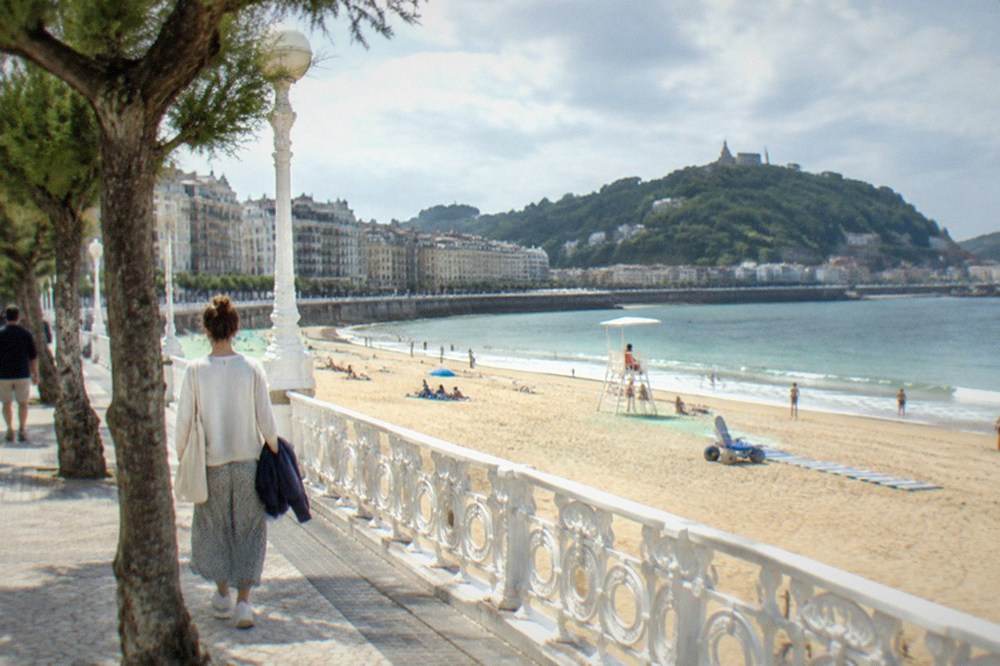
The honest way to describe the city is as a flat bowl with steep edges. The council's own beach pages describe La Concha as sandy and shallow, Ondarreta as sandy with heavy use, and Zurriola as sandy and fairly open with a strong swell, and all three sit directly under the promenade. The walk between La Concha's west end and the Peine del Viento sculptures at Ondarreta's far end is level throughout. East of the river mouth, Zurriola and the Gros district continue on the same flat ground, crossed by the Kursaal bridges.
The Parte Vieja, the Old Town, is a dense grid of three- and four-storey buildings with pintxo bars at street level. Streets there are narrow and can be crowded in the evening, but they are short, level and paved. The Centro district behind it, built out in the 19th century, follows a regular grid with wide pavements. For a first sense of how the city is laid out, the San Sebastian map guide and the guide to the city's neighbourhoods cover the ground in detail.
What is genuinely hard is the vertical city. Monte Urgull rises at the east end of the bay and Monte Igueldo at the west, and both are steep. Urgull is a wooded hill with paths and access hours, 08:00 to 21:00 from 1 May to 30 September and 08:00 to 19:30 from 1 October to 30 April, with no vehicle access to the top. Igueldo has the funicular, covered below. Neither hill should be written off, but neither is a level stroll either.
Which San Sebastian Beaches Offer Assisted Bathing?
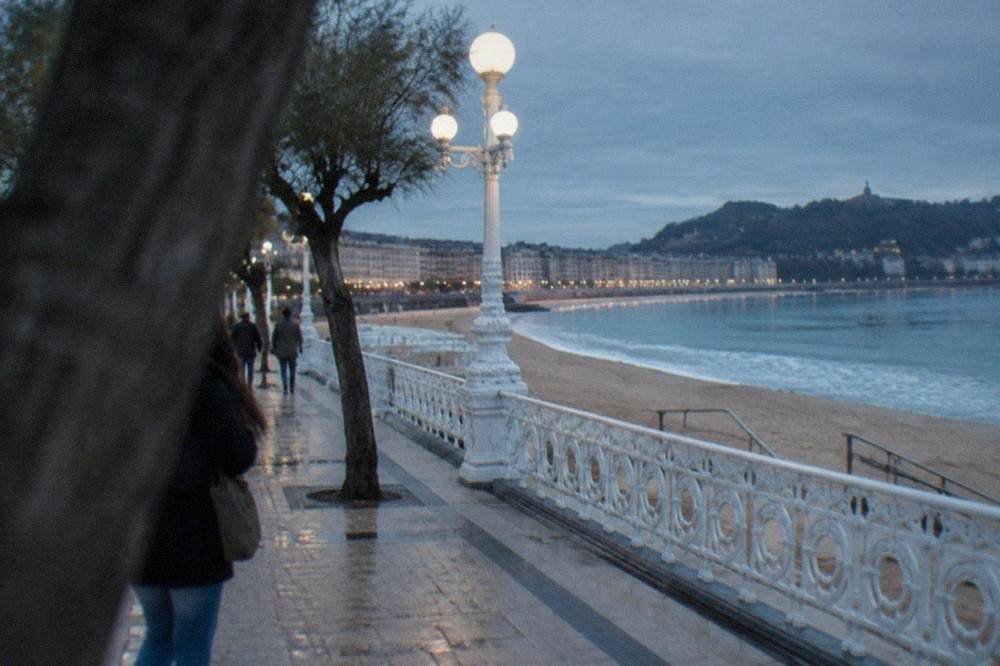
All three city beaches, La Concha, Ondarreta and Zurriola, provide an assisted bathing service for people with reduced mobility, running from 15 June to 15 September, within the wider lifeguard season of 1 June to 30 September on every beach. Lifeguard hours are 10:00 to 20:00 from 15 June to 15 September, and 13:30 to 19:30 from 16 to 30 September.
The assisted bathing service is the single most useful verified accessibility fact in the city, and it comes from the council's own beach pages. It runs on the same dates on all three beaches, so a visitor does not need to pick a specific beach to get it, and it sits inside the period when parasol and awning hire also operates, 15 June to 30 September. The council's price list for that hire is worth knowing when planning a day on the sand.
The table below gathers the council's own figures for the three beaches, as published on donostia.eus.
| Beach | Mean length | Mean width | Mean area | Council description |
|---|---|---|---|---|
| La Concha | 1,350 m | 40 m | 54,000 m2 | Sandy, shallow, the tide often limits usable area |
| Ondarreta | 600 m | 100 m | 60,000 m2 | Sandy, heavy use, the walk to the Peine del Viento starts at its west end |
| Zurriola | 800 m | 110 m | 88,000 m2 | Sandy, fairly open, strong swell, remodelled in 1994 |
Two practical notes follow from the council's wording. First, La Concha's usable area shrinks with the tide, so the widest stretch of sand at low tide can be a narrow strip at high tide, which matters for anyone setting up near the water. Second, Zurriola's strong swell is why the surf schools cluster there, and it is a real consideration for assisted bathing, since the same service operates on a beach whose waves the council itself flags. The beaches guide and the pages for La Concha, Ondarreta and Zurriola go deeper on each one.
For anyone whose beach day is the centrepiece of the trip, the sea itself is an option too. The bay boat tours leave from the harbour inside the level seafront zone.
Is The Monte Igueldo Funicular Accessible For Reduced Mobility?
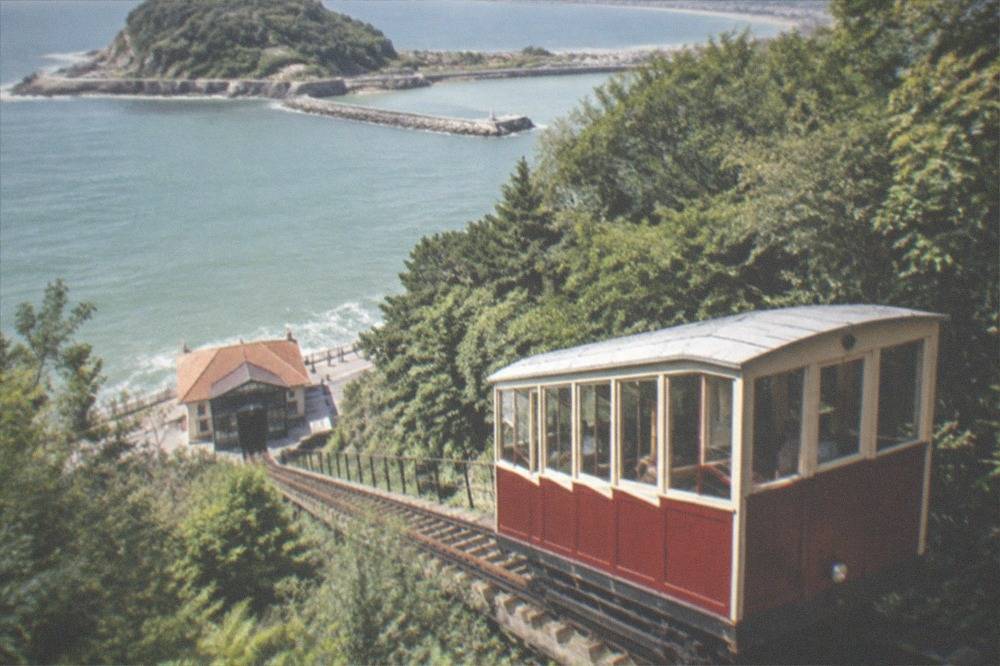
The Monte Igueldo funicular, which has run since 25 August 1912 and carries visitors from the seafront to the hilltop park, charges disabled card holders the discounted group return fare of 4.50 EUR rather than the standard 5.50 EUR adult return, and the funicular ticket includes entry to the grounds. There is no downhill-only ticket, so the ride is a return or nothing.
The funicular's own site lists the full fare structure, and the discount line matters here: groups of 20 or more, disabled card holders and San Sebastián Card holders all pay 4.50 EUR return, against 5.50 EUR for a standard adult return. Children up to 7 years pay 2.50 EUR return. The funicular normally runs every 15 minutes, on the hour, quarter past, half past and quarter to, and more often when busy.
| Monte Igueldo ticket | Adult | Child up to 7 |
|---|---|---|
| Return funicular | 5.50 EUR | 2.50 EUR |
| Single funicular | 4.00 EUR | 1.50 EUR |
| Groups of 20+, disabled card holders, San Sebastián Card | 4.50 EUR return | 4.50 EUR return |
| Grounds and viewpoint entry on foot or by vehicle | 3.00 EUR per person | 3.00 EUR per person |
| Special ticket, animals or packages | 2.50 EUR | 2.50 EUR |
Three rules from the operator's own pages shape the visit. The funicular ticket includes entry to the grounds, so a return ride is also park entry. Downhill-only tickets are not on sale, so the site's own notice rules out walking up and riding down. And group discounts do not apply on weekends, holidays or long weekends, which is worth checking against the calendar before assuming the 4.50 EUR rate on a Saturday. The rides also close on rainy days, and in a city recording 1,507 mm of rain a year at AEMET's Igeldo station, that is a real planning factor. The Monte Igueldo guide covers the hill in full.
At the other end of the bay, the Peine del Viento sculptures, three steel works by Eduardo Chillida of more than nine tonnes each on the rocks at the foot of Monte Igueldo, are reachable on the level from Ondarreta's west end, and the Peine del Viento guide describes the walk.
What Do San Sebastian Museums Offer For Reduced Mobility And Discounts?
San Telmo Museoa charges a reduced 4.00 EUR ticket for students, visitors over 65, large families and others, and is free every Tuesday for everyone, while Tabakalera is free access altogether and Chillida Leku, outside the city in Hernani, charges visitors with disabilities 7 EUR against a 14 EUR adult ticket. Reduced-mobility discounts are therefore spread across the city's main cultural venues rather than held at one desk.
The reduced ticket at San Telmo is the broadest of the set, because the museum's own price page groups students, over 65s, large families and the unemployed under one 4.00 EUR rate, with free entry for under 25s as well. The museum opens Tuesday to Sunday, 10:00 to 19:00 in winter from 1 November to 31 March and 10:00 to 20:00 in summer from 1 April to 31 October, and it is closed on Mondays except holidays and long weekends. The free Tuesday is the detail many visitors miss, and it applies to everyone, not only to discounted categories.
| Venue | General entry | Reduced or discounted | Free days or access |
|---|---|---|---|
| San Telmo Museoa | 10.00 EUR | 4.00 EUR, students, over 65, large families and others | Free every Tuesday, free for under 25s |
| Tabakalera | Free access | Free access | Closed Mondays |
| Chillida Leku, Hernani | 14 EUR | 7 EUR, visitors with disabilities, under 18, unemployed | Free for children up to 8 |
| Eureka! Zientzia Museoa | 10 EUR museum | 7 EUR reduced | Museum plus planetarium 12.50 EUR / 9.50 EUR |
| Aquarium | Prices not published on the official page | Not stated | Open all year except 25 December, 1 and 20 January |
Tabakalera, the former tobacco factory turned contemporary culture centre, lists free access to the building, open Tuesday to Sunday and holidays 10:00 to 21:00 and closed on Mondays, with exhibition halls on floors 0 and 1 open 11:00 to 13:00 and 16:00 to 20:00. The Tabakalera guide and the San Telmo guide cover both venues in detail.
Chillida Leku deserves a special note for this page, because Eduardo Chillida's sculpture farm in Hernani, a separate municipality outside the city, is exactly the kind of place a visitor with reduced mobility might assume is out of reach. It is open every day 10:00 to 19:00 except Tuesdays and Wednesdays, has a free car park, and charges 7 EUR to visitors with disabilities. The Chillida Leku guide explains what the visit involves.
The Aquarium's opening hours are published by the venue, daily 10:00 to 20:00 in July and August, with Monday closures from October to March except long weekends, but its admission prices are not stated on the official page, so check at the ticket desk. The Aquarium guide has the hours in full.
How Does Public Transport In San Sebastian Work For Visitors With Disabilities?
A single fare system, MUGI, covers the city's dBus buses, the Lurraldebus regional coaches and the Euskotren Topo rail line, with an occasional cash ticket of 1.95 EUR on city buses and an anonymous MUGI card fare of 0.78 EUR for urban trips, so a visitor does not need to master three separate systems to get around.
The MUGI tariff is the verified backbone of city transport. Fares are set by zone jumps: the urban band, which the tariff defines as Donostia plus the Pasaia motorboat, costs 1.95 EUR as an occasional cash ticket, 2.65 EUR on the special night ticket, 0.78 EUR with an anonymous MUGI card, and 0.59 EUR on a personalised card for the first 20 trips in a month. The card itself is not free to buy, and its purchase price is not published in the tariff, so ask at a sales point.
| Ticket type | Urban, 0 jumps | 1 jump | 2 jumps | 3 jumps |
|---|---|---|---|---|
| Occasional, cash | 1.95 EUR | 2.90 EUR | 5.40 EUR | 7.90 EUR |
| Night ticket | 2.65 EUR | 3.70 EUR | 6.45 EUR | 8.95 EUR |
| MUGI anonymous card | 0.78 EUR | 1.16 EUR | 2.16 EUR | 3.16 EUR |
| MUGI personalised, trips 1 to 20 in the month | 0.59 EUR | 0.88 EUR | 1.64 EUR | 2.41 EUR |
One dBus detail from the operator's own fare page matters for anyone paying as they go: cash payment does not allow free transfers. A card does, which is the practical argument for one if several short rides are planned.
The Topo rail line, the Euskotren service that runs along the coast from the city's Amara station towards Hendaia in France, takes 37 to 38 minutes for that full run at a frequency of every 30 minutes on the busiest service day, and the occasional fare from the Amara zone to the Hendaia zone is 2.90 EUR, matching the MUGI one-jump rate. The new underground section through the city centre, including the station beside La Concha, finished its civil works in June 2026 and is in fitting-out, but no opening date has been published, and Amara remains the working terminus. The Euskotren guide and the getting around guide carry the detail.
For arriving visitors, the airport at Hondarribia is 20 km away, and the operator's direct line is E30, since line E21 has not stopped at the airport since 1 June 2026. The airport guide covers the options.
Can You Visit Santa Clara Island And Hondalea With Reduced Mobility?
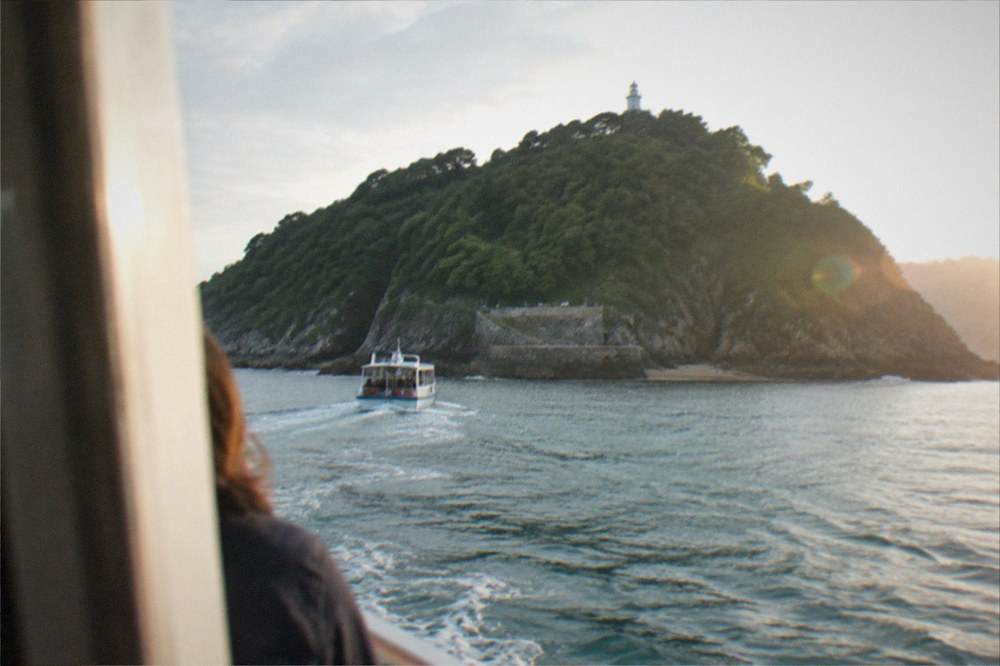
The Santa Clara island boat runs a direct red-line service from the harbour every 30 minutes in high season, 1 June to 30 September, from 10:00 to 19:00 weather permitting, at 5 EUR return, and Hondalea, Cristina Iglesias's free artwork in the island's lighthouse, is open those same season dates from 11:00 to 18:30 in half-hour sessions with no booking needed for the visit itself, only for the boat.
Hondalea is one of the city's most distinctive visits and one of its most seasonal. The council's page for the work states the summer window, 1 June to 30 September inclusive, 11:00 to 18:30, sessions every half hour, small groups, about 20 minutes per session, free entry, and no booking needed for the visit, only the boat must be booked. The boat service depends on weather and sea, and after 30 September the operator says departures must be consulted, so the whole island visit is a summer proposition.
| Island service | Dates and hours | Price |
|---|---|---|
| Red line, direct to Santa Clara | 1 June to 30 September, 10:00 to 19:00, every 30 minutes, last boat back 20:00 | 5 EUR return |
| Blue line, 30-minute bay tour plus island | Departures 12:00, 13:00, 14:00, 15:30, 16:30, 17:30, 18:30, 19:30, last sailing does not land | 8 EUR |
| Hondalea, lighthouse artwork | 1 June to 30 September, 11:00 to 18:30, half-hour sessions, about 20 minutes | Free |
| Children under 4 on the boats | All sailings | Free |
The landing itself is the physical question. The island is small, and the path from the jetty to the lighthouse is a short climb, so a visitor with limited mobility should treat the crossing as the easy part and the lighthouse path as the part to ask about. The operator's information line for the boats is 943 000 450, and the Santa Clara island guide describes the island.
The paid guided visits of about two hours, sold through hondalea.eus, are a separate product from the free half-hour sessions, so check which one is being booked. Either way, the season rule is firm: after 30 September the artwork closes and the boats drop to on-request departures.
Which Tours In San Sebastian Suit Visitors With Limited Mobility?
The bay boat and catamaran tours are the most mobility-friendly products in the city, since they board at the harbour inside the flat seafront zone and sail rather than walk, and the Old Town walking tours cover a compact, level grid, while the cooking classes and market tours take place indoors on the flat. The right choice depends on whether the day's priority is the sea, the streets or the table.
The sunset catamaran is the natural pick for a low-effort evening. The listing describes a sunset sailing on a silent eco-friendly catamaran with a drink included, departing from the harbour, and the operator's live listing carries the current price, rating and departure details. Check availability if a calm evening on the bay fits the plan, and the boat tours guide compares the other sailings.
For the Old Town, the guided walk is short and on the level. The listing describes an Old Town walk with a local's insight into the pintxo bars, and the walking tours guide lays out the alternatives, including free GuruWalk tours where the platform and the individual guru should be checked directly for pace and route.
For a day built around food rather than distance, the market and cooking class combines a visit to La Bretxa market with a hands-on class cooking Basque signature dishes, all indoors and on the flat. The cooking classes guide and the pintxos and food tours guide cover the full range.
When Is The Best Time To Visit San Sebastian For Comfortable Conditions?
For a visit built around the beach services, mid-June to mid-September is the only window, because assisted bathing, the full lifeguard hours and the island boats all run inside it, but the climate table argues for June or September over August: June averages 90 mm of rain over 10.6 rain days and September 111 mm over 10.1, against August's 117 mm, and August is wetter than June, July or September.
The climate figures come from AEMET's normals for its Igeldo station, period 1981 to 2010, and the station sits 250 m up on Monte Igeldo, so the seafront runs slightly warmer than these values. The honest reading is that this is a wet Atlantic city: 1,507 mm a year over 141 rain days, with no month averaging under 86 mm and rain on roughly 10 days even in July, the driest month.
| Month | Mean C | Mean max C | Rain mm | Rain days 1mm+ | Sun hours |
|---|---|---|---|---|---|
| June | 16.9 | 20.0 | 90 | 10.6 | 189 |
| July | 18.9 | 21.8 | 86 | 9.8 | 196 |
| August | 19.5 | 22.5 | 117 | 10.5 | 190 |
| September | 18.0 | 21.1 | 111 | 10.1 | 179 |
| October | 15.5 | 18.5 | 159 | 11.8 | 140 |
| November | 11.3 | 14.0 | 169 | 13.0 | 102 |
For a mobility-focused trip the trade-off is sharp. August is the peak month for hotel overnight stays in the city, 245,769 in 2025 against January's 115,910, so the services are at their fullest but the Old Town's narrow streets are at their most crowded, which matters for wheelchair users. September keeps the beach services until the 30th and the assisted bathing until the 15th, with fewer visitors and a sea still at 18.0 C on average. October loses the beach services, the island boats and Hondalea, and the rain climbs to 159 mm. The best time to visit guide and the month-by-month pages weigh this in full.
One more planning fact belongs here: the Gipuzkoa tourist tax law, Norma Foral 3/2026, takes effect on 1 January 2027, with bands of up to 6.50 EUR per person per night at the top hotel tier, at most 6 nights charged per stay, and under 18s exempt. Before that date no visitor pays it, and the city's own rate inside the bands has not been published.
What Should A Visitor With Reduced Mobility Know Before Booking?
Plan around four verified anchors: assisted bathing from 15 June to 15 September on all three beaches, the funicular's 4.50 EUR disabled card holder return fare with no downhill-only ticket, San Telmo's free Tuesdays and 4.00 EUR reduced ticket, and the fact that the flat city core connects everything on the level while the two hills need transport or a decision to skip them. Everything else in the city is reachable from that frame.
A few closing facts round out the picture. The city is served by the emergency number 112 and the local police number 092. Spain is in the Schengen area of 29 countries, and the EU's own page states that ETIAS is not in operation and collects no applications, so no travel authorisation is needed beyond a valid passport or visa. The currency is the euro, and every price in this guide is in euros as published by the venue or operator concerned.
For depth on the city beyond accessibility, San Sebastian Spain Guide covers the beaches, the pintxo culture, the Michelin scene and the day trips, and the is it worth visiting guide answers the headline question for every kind of traveller.
Common Questions About San Sebastian Accessibility
Is San Sebastian wheelchair friendly?
The flat core of San Sebastián is very manageable: the seafront promenade links all three beaches on the level, the Parte Vieja is a compact grid of short, level streets, and the Centro district behind it is a regular 19th-century grid. The two hills flanking the bay are the exception, and Monte Igueldo is best reached by the funicular, whose return ticket includes park entry.
Do the beaches in San Sebastian have assisted bathing?
Yes. All three city beaches, La Concha, Ondarreta and Zurriola, run an assisted bathing service for people with reduced mobility from 15 June to 15 September, inside the lifeguard season of 1 June to 30 September. Lifeguard hours are 10:00 to 20:00 from 15 June to 15 September and 13:30 to 19:30 from 16 to 30 September.
Is the Monte Igueldo funicular accessible, and what does it cost?
The funicular, running since 25 August 1912, carries visitors from the seafront to the hilltop park every 15 minutes as a rule. A standard adult return is 5.50 EUR, and disabled card holders pay the discounted 4.50 EUR return rate, the same as groups of 20 or more. There is no downhill-only ticket, and rides close on rainy days.
Are San Sebastian museums free or discounted for visitors with disabilities?
Chillida Leku in Hernani charges visitors with disabilities 7 EUR against the 14 EUR adult ticket. San Telmo Museoa's 4.00 EUR reduced ticket covers students, over 65s and large families among others, and the museum is free for everyone every Tuesday. Tabakalera is free access altogether.
Can you visit Santa Clara island with limited mobility?
The direct boat from the harbour runs every 30 minutes in high season, 1 June to 30 September, at 5 EUR return, and Hondalea in the lighthouse is free with half-hour sessions and no booking needed for the visit itself. The path from the jetty up to the lighthouse is a short climb, so ask the operator about it before crossing, and note the whole service ends after 30 September.
When is the best month for an accessible visit?
June or September balances the services against the crowds. Assisted bathing and the island boats run until mid or late September, June averages 90 mm of rain over 10.6 rain days against August's 117 mm, and August is the peak hotel month with the Old Town at its most crowded. After 30 September the beach services, the island boats and Hondalea all end.
The city rewards planning more than most: pick the summer window for the beach services, book the boat before the island day, and keep the hills for the funicular, and San Sebastián becomes one of the easiest small cities in Spain to enjoy at any pace.