Buen Pastor Cathedral In San Sebastian, Spain
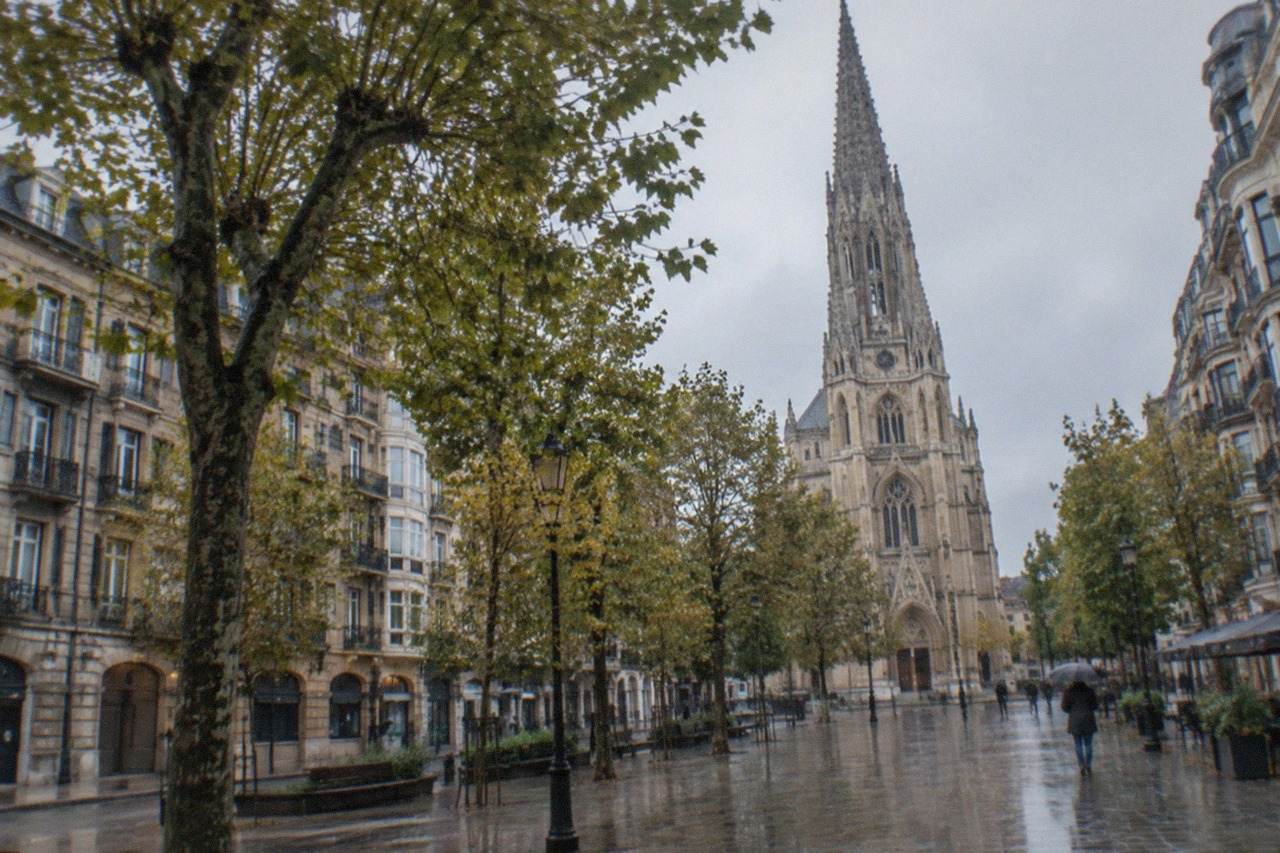
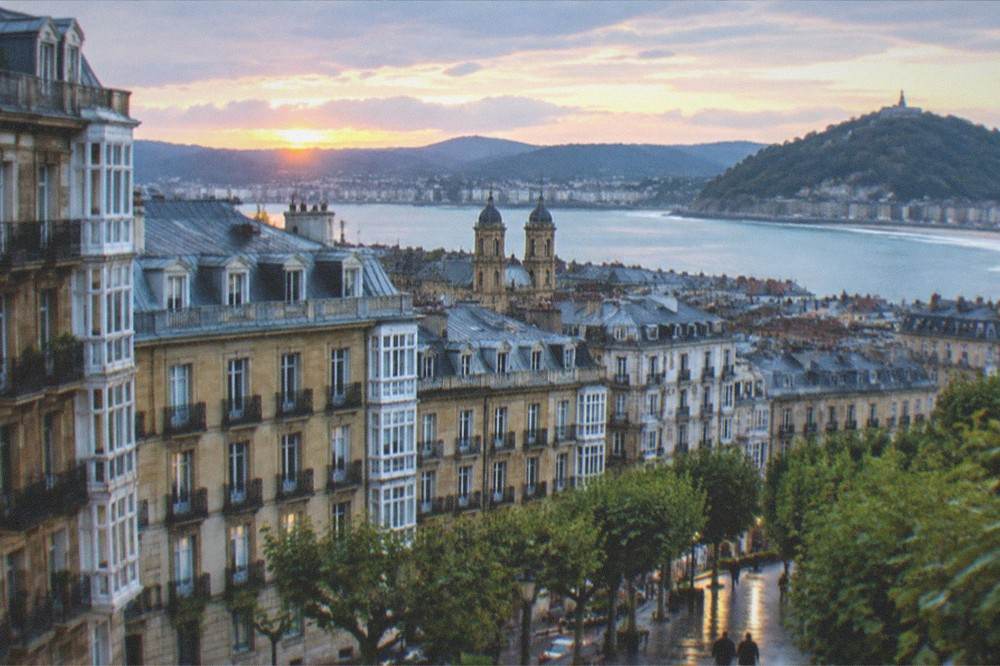
Buen Pastor Cathedral is the main Catholic church of San Sebastián, the Basque city on La Concha bay whose official name is Donostia / San Sebastián, and its towers are the tallest landmark in the city centre.
Short answer
Buen Pastor Cathedral is the cathedral of San Sebastián in the Basque Country, Spain. It stands in the Centro district and is famous as the city's principal Catholic church, its most visible landmark from the shopping streets, and the starting point of one of the city's free English-language walking tours.
Buen Pastor Cathedral is the main Catholic church of San Sebastián, the Basque city on La Concha bay in the province of Gipuzkoa, Spain, whose official name is Donostia / San Sebastián. Its towers stand over the Centro district, close to the shopping streets and a short walk from the river Urumea, and they are the first thing many visitors pick out when they look up from Calle Mayor or the boulevard. This page describes what the cathedral is, what a visitor actually sees there, what sits around it, and how to fold it into a day in the city. The name Buen Pastor means Good Shepherd in Spanish, and the church is the seat of the city's Catholic life rather than a museum: it is a working place of worship first, and a sight second.
San Sebastián is a compact city and the cathedral sits at the hinge of it. Step out of its doors and the whole centre opens up: the shopping streets run south toward the plaza and the Old Town, the river leads east toward Monte Urgull and the sea, and the bay itself, La Concha, is never more than a level stroll away. If you are building a first day in the city, the cathedral square is one of the natural places to start, and this guide explains why. For the wider picture of the city's fame, the San Sebastian Spain Guide overview of what the city is known for is the place to begin.
Why Is San Sebastian Cathedral Famous?
Buen Pastor Cathedral is famous as the principal Catholic church of San Sebastián, the largest and most visible religious building in the city centre, and the mother church of a diocese rather than a parish chapel. Its towers dominate the Centro skyline, and the square in front is one of the busiest crossroads in the city, crossed daily by shoppers and tour groups. It is also the meeting point of a free English-language walking tour, which makes it many visitors' first landmark in the city.
That is the honest answer, and it is deliberately narrower than the answer a glossy guide might give. This city is not famous for one cathedral the way, say, Seville or Toledo is: San Sebastián's international reputation rests on its bay, its pintxos bars and its Michelin-starred restaurants, six of which inside the city hold 11 stars in the MICHELIN Guide Spain 2026. The cathedral's fame is local and architectural. It belongs to the city's daily life.
The church's position explains most of it. Centro is the district where the department stores, the banks and the pedestrian shopping streets sit, and the cathedral stands at the top of that grid. Almost every walk through the centre passes it. Almost every photograph of the district includes its towers. A visitor who spends a day shopping, eating and beach-walking in San Sebastián will pass its doors several times without ever planning to.
There is a second, quieter reason for its fame among travellers. One of the city's free English-language walks, Explore Donostia: Your First Adventure, lists the Buen Pastor Cathedral as its starting point. GuruWalk hosts the listing, and the guru who leads it meets the group at the cathedral before walking the group out through the centre. That single listing puts the cathedral on thousands of itineraries a year, as a meeting place rather than a destination, which is a fair summary of how the city itself uses the square.
What Can You See At The Cathedral In San Sebastian?
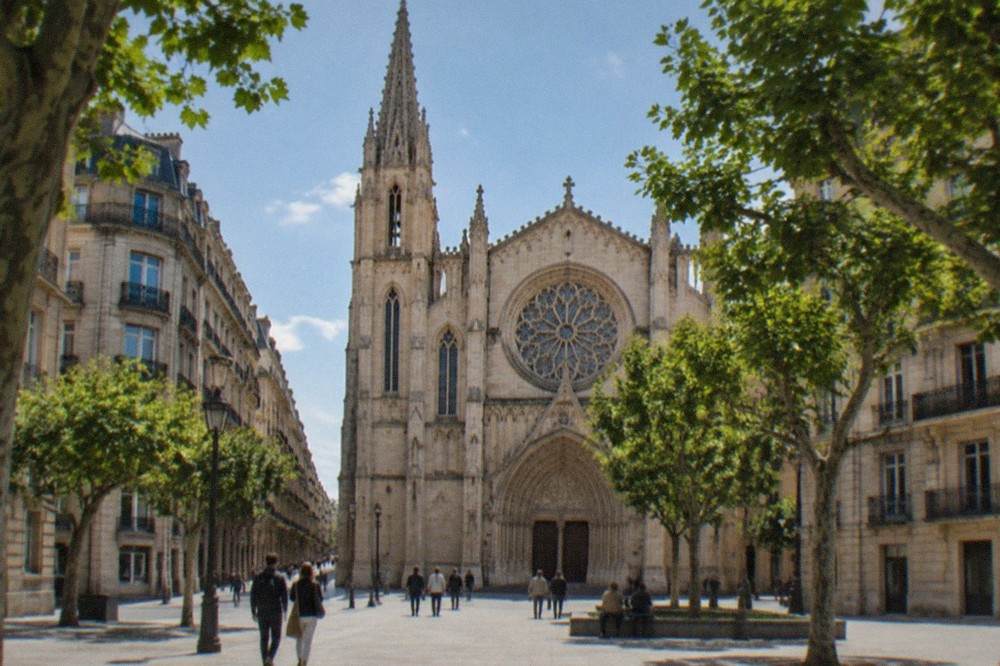
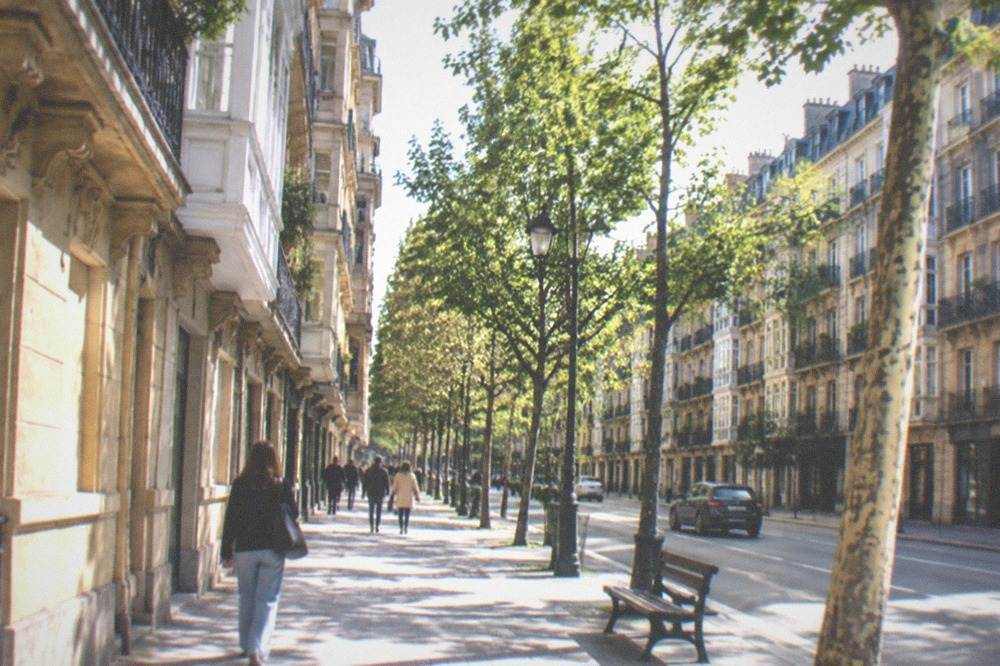
What a visitor sees at Buen Pastor Cathedral is a large Gothic-revival style church in pale stone, with a tall twin-towered west front, arched entrances, stained glass, and a high vaulted interior built on the scale of a diocesan cathedral rather than a neighbourhood church. The square in front is a wide paved open space with benches and trees, and the surrounding streets are the flat grid of the Centro shopping district.
The west front is the view most people photograph. The towers rise in matched pairs of stages, pierced with openings, and the entrance sits below them behind a deep portal. Walk closer and the stonework rewards attention: the carving around the doorway, the rose window above it, and the way the pale stone catches the light differently through an Atlantic afternoon. San Sebastián is a wet city, 1,507 mm of rain a year over 141 rain days at AEMET's Igeldo station, and rain-washed stone is part of how the west front looks for much of the year.
Inside, the nave runs long and high, with clustered columns carrying the vaults, side aisles, and chapels along the walls. The stained glass is at its best late in the day. Because this is a working cathedral and not a ticketed attraction, the experience is quiet and unhurried: visitors come in, sit, look, and leave. There is no audioguide counter and no roped-off route.
A word on planning. This site does not publish the cathedral's opening hours or its admission terms, because no official source for them is in hand, and a church's schedule shifts around services, feast days and parish business. The reliable approach is to check with the diocese or the parish directly before you go, or simply to treat the exterior and the square as the sight and step inside if the doors are open when you pass. Mass times, not museum hours, govern a building like this.
The table below summarises what is known, what is visible, and what to check before a visit.
| Aspect of the visit | What you can rely on | What to check beforehand |
|---|---|---|
| Exterior and towers | Visible at any hour from the square, free | Nothing needed |
| The square in front | Open public space, benches and trees | Nothing needed |
| Interior access | A working Catholic church, entry is not a ticketed attraction | Service and opening times with the parish |
| Guided visits | No official guided-visit programme is published here | Ask the parish or diocese directly |
| Photography | Exterior unrestricted, interior follow church etiquette | Any restrictions on the day |
What Is Around Buen Pastor Cathedral In San Sebastian?
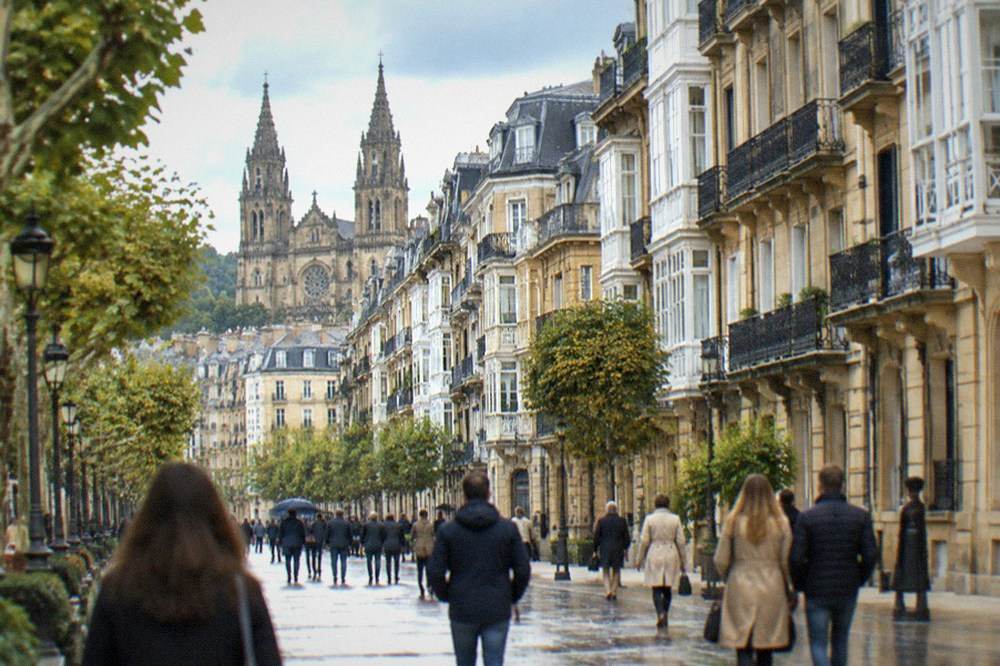
Around Buen Pastor Cathedral lies the whole flat grid of the Centro district: pedestrian shopping streets to the south and west, the river Urumea to the east, the Kursaal congress halls across the river, and, beyond them, the beaches. The Old Town and the port are a level 10-minute walk away, and La Concha bay opens out west of the centre. Nothing around the cathedral involves a hill, a bus or a car.
That flatness matters. San Sebastián's centre is one of the most walkable in Spain, and the cathedral square is the natural base camp. Head south down the shopping streets and you reach the Basilica of Santa María del Coro, the old church of the Old Town squeezed into the Parte Vieja's street grid, a completely different building in character from the cathedral, older, darker, baroque in feel. The two churches make a natural pair on one walk: the diocesan cathedral of the modern city, then the historic parish church of the old one.
Cross the river eastward and you reach the Kursaal, Rafael Moneo's riverside congress and concert halls, chosen from six invited architects in 1990 and inaugurated on 23 August 1999, standing beside the mouth of the Urumea between the Zurriola surf beach and the cathedral's district. Turn west instead and the grid runs down to the sea at La Concha, with the Peine del Viento, Eduardo Chillida's three steel sculptures of more than nine tonnes each at the far end of Ondarreta, as the dramatic full-length walk's reward.
The nearest full-scale museum is San Telmo Museoa, in a converted convent at the edge of the Old Town below Monte Urgull. General admission there is 10.00 EUR, the reduced ticket is 4.00 EUR, and entry is free for everyone every Tuesday, with free entry for under 25s on any open day, Tuesday to Sunday, closed Mondays. It is close enough to the cathedral to be the same afternoon's second stop.
For anyone who would rather have a guide connect these places than walk them alone, a self-guided audio tour is the flexible option, and a guided ride covers more ground.
The Cultural Gems and Scenic Trails audio tour is the one this page recommends most often for cathedral visitors: it is self-guided, played through an app on your own phone, and it stitches the city's cultural sights and scenic paths into one route you can start and stop at will. You can Check availability on the operator's live listing.
When Is The Best Time To Visit San Sebastian?
The best time to visit San Sebastián is June to September for beach weather, with July the warmest and driest month at a mean of 18.9 C and 86 mm of rain, and April, May, June and September for fewer crowds with mild temperatures. There is no dry season in this Atlantic city: even the driest month averages about ten rain days, November is the wettest at 169 mm, and packing a rain layer is correct in every month of the year.
AEMET's climate normals for its Igeldo station, the 1981 to 2010 series recorded 250 m up on Monte Igeldo so the seafront runs slightly warmer, give the honest picture. August is the busiest month in the city's hotels, 245,769 overnight stays in 2025 against January's 115,910, a little over twice as many, so the trade-off in high summer is the best water temperatures against the thickest crowds and the highest accommodation demand.
| Month | Mean C | Mean max C | Rain mm | Rain days 1 mm+ | Sun hours |
|---|---|---|---|---|---|
| Jan | 8.5 | 11.0 | 141 | 13.2 | 98 |
| Feb | 8.7 | 11.5 | 110 | 11.6 | 107 |
| Mar | 10.3 | 13.4 | 113 | 12.4 | 144 |
| Apr | 11.3 | 14.5 | 138 | 13.4 | 157 |
| May | 14.4 | 17.7 | 120 | 12.2 | 181 |
| Jun | 16.9 | 20.0 | 90 | 10.6 | 189 |
| Jul | 18.9 | 21.8 | 86 | 9.8 | 196 |
| Aug | 19.5 | 22.5 | 117 | 10.5 | 190 |
| Sep | 18.0 | 21.1 | 111 | 10.1 | 179 |
| Oct | 15.5 | 18.5 | 159 | 11.8 | 140 |
| Nov | 11.3 | 14.0 | 169 | 13.0 | 102 |
| Dec | 9.1 | 11.6 | 151 | 12.4 | 93 |
Two readings of that table are worth holding onto. August, at 117 mm of rain, is wetter than June at 90, July at 86 or September at 111, so the peak-beach month is not the driest summer month. And April records 13.4 rain days of 1 mm or more, slightly more than January's 13.2, so spring is not the dry escape a Mediterranean mental model would predict. The cathedral itself, of course, is an all-weather sight, and a rainy San Sebastián afternoon is exactly when its interior earns its place on the itinerary.
How Do You Get To San Sebastian Cathedral?
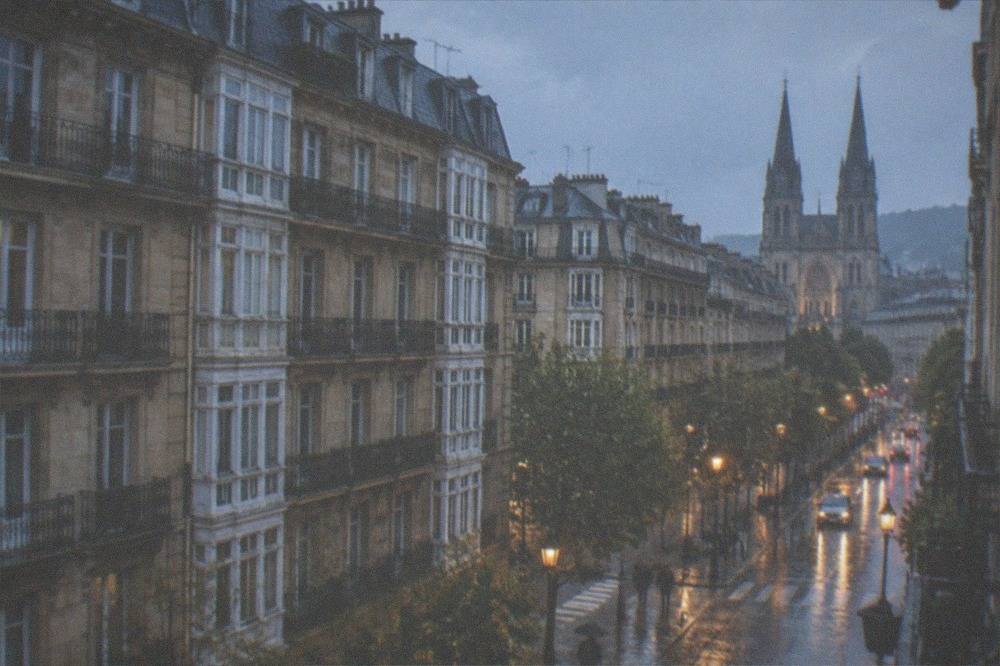
You reach Buen Pastor Cathedral on foot from anywhere in Centro, the Old Town or Gros, because the whole flat core of San Sebastián is a 15-minute walk end to end. From the bus and train stations the walk is short and level along the river or through the shopping grid. City buses under the dBus network charge a 1.95 EUR occasional fare paid to the driver, or 2.65 EUR for the special night ticket, and cash tickets do not allow free transfers.
The city's transport runs on the MUGI fare system, which covers dBus city buses, Lurraldebus regional buses and the Euskotren Topo rail line with a single card. For a visitor staying central, though, the honest advice is that the cathedral needs no timetable: it sits inside the walkable core, and the walks to it are through the parts of the city you came to see.
| Ticket | Where it works | Price |
|---|---|---|
| dBus occasional ticket | City buses, paid to the driver | 1.95 EUR |
| dBus night ticket | City buses at night | 2.65 EUR |
| MUGI anonymous card, urban 1 and 0 jumps | dBus, Lurraldebus, Euskotren | 0.78 EUR |
| MUGI occasional ticket, 1 jump | Crosses one zone boundary | 2.90 EUR |
| Euskotren Topo, Amara to Hendaia | Topo rail line to the French border | 2.90 EUR |
Visitors arriving from further out should know one thing about the rail network: the new underground Topo section through the city centre has finished its civil works, the Basque Government announced the completion of the station beside La Concha in June 2026, but no opening date has been published and Amara remains the working terminus. Plan around the network as it runs today.
What Can You Do Near The Cathedral In San Sebastian?
Within a short walk of the cathedral you can visit San Telmo Museoa for Basque history, sit in Plaza de la Constitución in the Old Town, eat your way through the pintxo bars of the Parte Vieja, cross to the Kursaal and the Zurriola surf beach, or walk the full length of the bay to the Peine del Viento. A single afternoon from the cathedral square can cover a museum, two churches, a plaza and the seafront without transport of any kind.
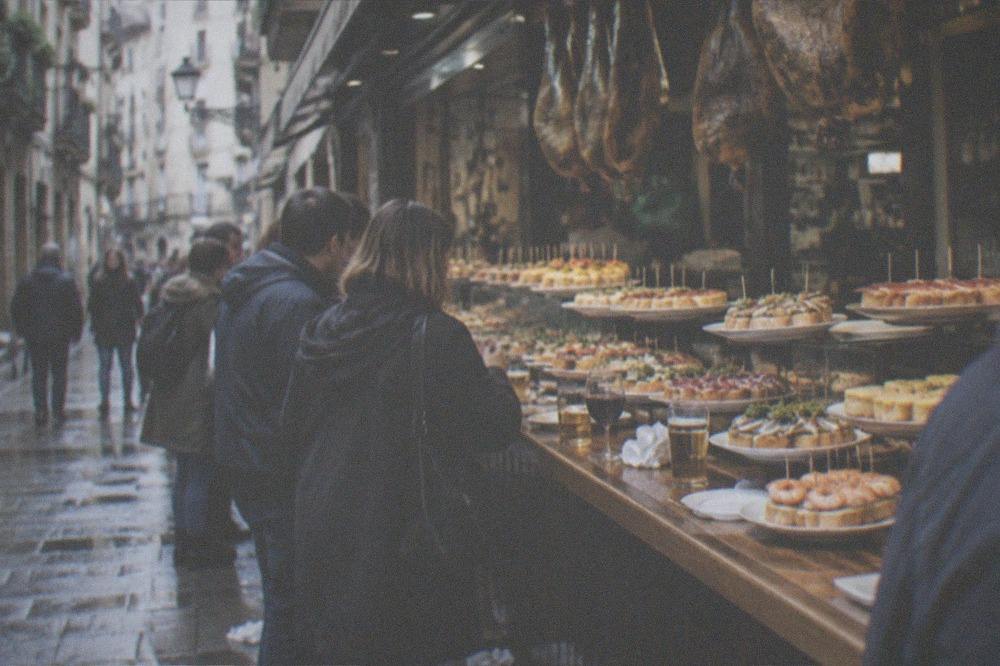
The food is the reason many people come to this city at all, and it starts close to the cathedral's district. The question of what food San Sebastián is famous for has a short answer, pintxos, the small bar-top dishes of the Basque Country, and the Old Town's bars are minutes from the cathedral on foot. The city's other famous drink, txakoli, the lightly sparkling local white wine, has its own story, and the famous drink of San Sebastián is poured with a high arm in every bar around the Parte Vieja.
For visitors who want the eating explained rather than merely encountered, a guided pintxo crawl with reserved seats and a market visit turns the Old Town into a structured tasting. The premium tour below includes a guided visit to Mercado de la Bretxa, the market at the edge of the Old Town, and reserved seating at each bar.
Covering more ground, an electric bike ride out along the bay and the beaches is the way to see the full sweep of the city in one loop. The e-bike history tour below follows the city's bike trails out to the beaches while telling the Basque history behind what you pass.
The audio tour this page is built around remains the best fit for cathedral-first visitors, since it starts where you are already standing and moves at reading pace.
What Season Rules Apply Around San Sebastian?
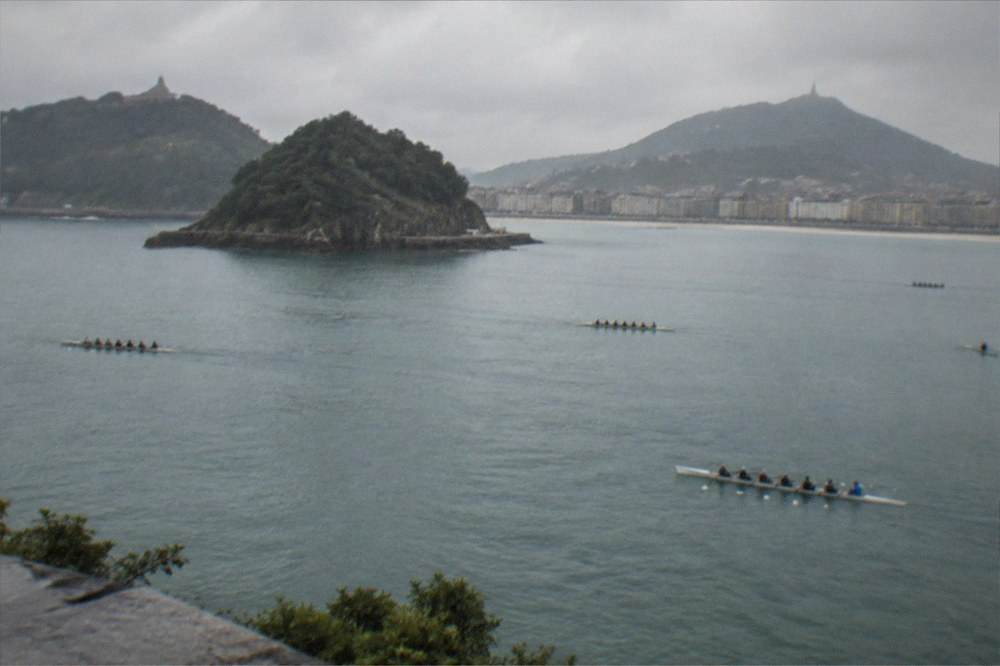
The seasonal rules that shape a visit are these: beach lifeguards serve all three beaches from 1 June to 30 September, Hondalea in the Santa Clara island lighthouse is open those same dates from 11:00 to 18:30 with free entry, the island boat's high season runs 1 June to 30 September, and Monte Urgull keeps 08:00 to 21:00 access from 1 May to 30 September, closing at 19:30 otherwise.
Museums close on set weekdays: San Telmo and Tabakalera on Mondays, Chillida Leku on Tuesdays and Wednesdays.
These are not footnotes. A September visitor still gets lifeguards, Hondalea and the island boats. An October visitor gets none of them, and the same October visitor will find the Aquarium closed on Mondays outside long weekends and the Balenciaga Museoa in Getaria down to a Wednesday-to-Sunday week from November to March. Planning around the season rules is the difference between an itinerary that works and one that arrives at shut doors.
| Seasonal rule | Dates | What it affects |
|---|---|---|
| Beach lifeguard service | 1 June to 30 September | All three city beaches |
| Hondalea, island lighthouse | 1 June to 30 September, 11:00 to 18:30 | Free visits, half-hour sessions, no booking needed |
| Santa Clara island boat high season | 1 June to 30 September | Red line every 30 minutes, 5 EUR return |
| Monte Urgull access | 1 May to 30 September 08:00 to 21:00 | 08:00 to 19:30 the rest of the year |
| San Telmo free Tuesday | Every Tuesday | Free entry for everyone, all day |
| Aquarium Monday closures | October to March, except long weekends | Weekly closing day |
The festival calendar gives the year its other rhythm. Tamborrada falls on 20 January every year, the drumming day that is the city's own feast. Santo Tomás, the rural fair that fills the streets with stalls and txistorra, is 21 December. Semana Grande always runs the week of 15 August, Saturday to Saturday, with the International Fireworks Competition over the bay. The La Concha regattas, first held in 1879, are rowed on the first two Sundays of September. The film festival, the Quincena Musical and the Behobia race fill September, August and November respectively.
One practical note belongs here for anyone booking ahead. The Gipuzkoa tourist tax, Norma Foral 3/2026, takes effect on 1 January 2027 and applies per person per night within council-set bands, up to 6.50 EUR at the top for five-star hotels and whole tourist-use dwellings, with at most six nights charged and under 18s exempt. Before that date no visitor pays it, and this site prints no single city rate because the municipal ordinance has not been confirmed on an official page.
How Does The Cathedral Fit Into A Day In San Sebastian?
The cathedral fits best as the first or last stop of a Centro day: start at its square in the morning, walk south through the shopping streets to the Old Town for pintxos and the basilica, loop to San Telmo Museoa below Monte Urgull, and finish at the bay before dinner. Because everything on that route is flat and close, the cathedral's role is as the anchor point of a walk rather than a destination demanding its own half-day.
A worked shape for one day looks like this. Morning at the cathedral square and the shopping grid. Midday in the Old Town: Plaza de la Constitución, the Basilica of Santa María del Coro, and a first round of pintxo bars. Afternoon either at San Telmo, free on Tuesdays, or on the water, with the bay boat to Santa Clara island running every 30 minutes in high season at 5 EUR return. Evening back in the Old Town for the serious eating, or out to Gros for the sunset side of the Zurriola.
| Time of day | Where | What you do there |
|---|---|---|
| Morning | Cathedral square, Centro | See the west front, then the shopping streets |
| Midday | Parte Vieja | Plaza de la Constitución, basilica, first pintxos |
| Afternoon option A | San Telmo Museoa | Basque history, 10.00 EUR, free Tuesdays |
| Afternoon option B | Harbour and Santa Clara | Bay boat, 5 EUR return in high season |
| Evening | Old Town or Gros | Pintxo bars, txakoli, Zurriola sunset |
For a longer stay, the city opens outward. Monte Igueldo with its 1912 funicular and its clifftop views, the Santa Clara island itself, and the day trips along the Gipuzkoa coast to Getaria, Zumaia and Hondarribia all extend the same flat, food-centred city into a region. The things to do in San Sebastian round-up is the page that lays all of it out.
Whichever of those directions the day takes, a guided product can carry the load of it. These are the three options this page rates highest for a visitor whose day begins at the cathedral square.
Each of the three suits a different kind of traveller: the audio tour for the self-paced reader, the e-bike ride for the visitor who wants the whole bay loop in one go, and the premium pintxo crawl for the evening that ends the day properly. All three depart from or can be started near the city centre, so none of them pulls you away from the cathedral before you have seen it.
Common Questions About Buen Pastor Cathedral In San Sebastian
Why Is San Sebastian Cathedral Famous?
It is famous as the principal Catholic church of San Sebastián, the mother church of the diocese, and the most visible landmark of the Centro district. Its towers dominate the city-centre skyline, its square is one of the busiest crossroads in San Sebastián, and it serves as the meeting point of a free English-language walking tour hosted on GuruWalk, which introduces it to thousands of visitors a year.
Is Buen Pastor Cathedral the same as the Basilica of Santa Maria del Coro?
No. Buen Pastor Cathedral is the diocesan cathedral in the Centro district, a large Gothic-revival style stone church with twin towers. The Basilica of Santa María del Coro is the historic parish church of the Old Town, a different building in a different style, squeezed into the Parte Vieja street grid a short walk away. Visitors commonly see both on the same walk.
Can you go inside Buen Pastor Cathedral?
The cathedral is a working Catholic church rather than a ticketed attraction, so entry is governed by services and parish schedules rather than museum hours. This site publishes no opening hours or admission terms for it because no official source for them is in hand. Check with the parish or the diocese before a visit, or step inside if the doors are open as you pass.
How far is the cathedral from La Concha beach?
The cathedral sits in the Centro district, and the whole flat core of San Sebastián, Centro, the Old Town and Gros, is walkable end to end. The walk from the cathedral square to the bay is short, level and through the shopping streets, so no bus or car is needed. Exact walking times depend on your pace and route.
What is the best time of day to see the cathedral?
The exterior and the square can be seen at any hour. Late afternoon is when the pale stone and the stained glass tend to look their best as the Atlantic light lowers, and the square is busiest through the middle of the day with shoppers. Since the city averages rain on roughly ten days even in its driest month, a wet afternoon inside the church is a good use of San Sebastián weather.
Is there a tour that includes the cathedral?
Yes. A self-guided English audio tour, the Cultural Gems and Scenic Trails audio tour, covers the city's cultural sights and scenic trails through an app at your own pace, and a free GuruWalk walking tour, Explore Donostia: Your First Adventure, lists the cathedral as its starting point. Both let you see the cathedral as part of the wider city rather than as an isolated stop.
The cathedral's towers will be over your shoulder for most of a visit to San Sebastián, and that is the right way to meet the building: as the fixed point of a city that is otherwise all bay, bars and weather. Start at its square, walk out from it in any direction, and the rest of the city arranges itself around you.