Is 4 Days In San Sebastian Too Much?
Is 4 days in San Sebastián too much? A direct answer for the Basque city on La Concha bay, with a sourced four-day plan, seasonal rules and day-trip options.
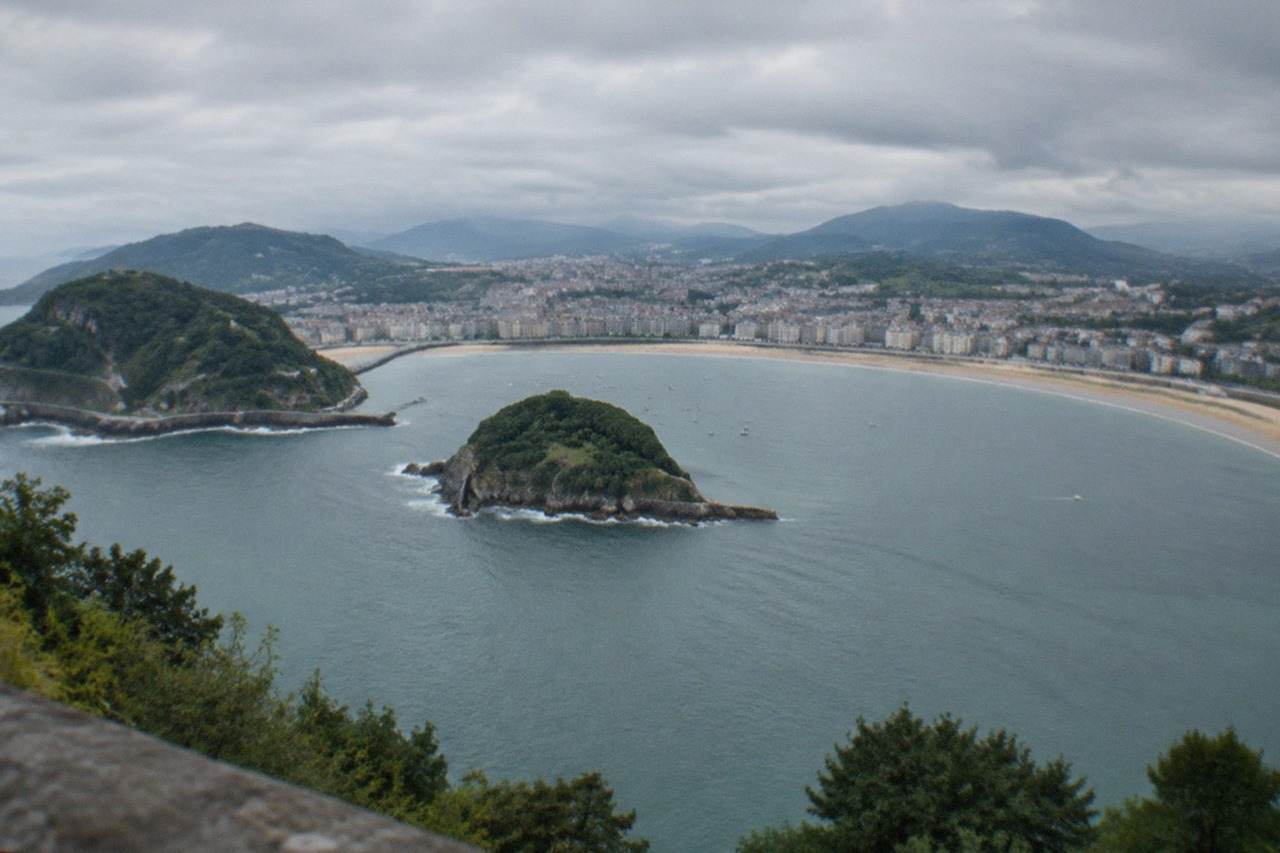
San Sebastián, the Basque city on La Concha bay in Gipuzkoa, Spain, whose official name is Donostia / San Sebastián, is small enough to walk across and dense enough that four days does not exhaust it. The question is a fair one: the municipality counted 189,866 residents on the municipal register at 1 January 2025, and the whole old town sits within fifteen minutes on foot of the beach. But the same city holds eleven Michelin stars across six restaurants in the MICHELIN Guide Spain 2026, three sandy beaches, two hill parks, an island and a coast of day trips behind it. AEMET's normals for its Igeldo station also record 1,507 mm of rain a year over 141 rain days, which means a spare afternoon is not a luxury here, it is insurance.
Is 4 Days In San Sebastian Too Much?
No, four days is not too much for San Sebastián: it is the length at which the city stops being a sprint and starts being a stay. The old town, the three beaches, Monte Igueldo, Monte Urgull and Santa Clara island fill two full days on their own, and the fourth day buys a day trip to Getaria, Hondarribia or Bilbao, or simply the slack to repeat a pintxo bar you liked.
With rain falling on roughly ten days even in the driest month, the buffer is part of the plan.
The honest arithmetic works like this. The city's hotel statistics say visitors stay and stay again: INE's hotel occupancy survey for the tourist point Donostia-San Sebastián recorded 2,199,966 overnight stays in hotels in 2025, and August alone held 245,769 of them. People are not coming for one night. The same series shows April to October never dropping below 200,000 stays a month, which tells you the shoulder seasons are busy too, not just August.
Set against that, the physical city is compact. La Concha beach runs 1,350 m, Ondarreta 600 m and Zurriola 800 m, per the council's own beach pages, and the three of them bracket the centre. Monte Urgull's access hours run 08:00 to 21:00 from 1 May to 30 September and 08:00 to 19:30 the rest of the year, so even the hills are an evening option rather than a day's expedition. Nothing here needs a full day except the food, and the food happily takes three evenings.
The one real argument for cutting the trip shorter is budget. This is not a cheap city, and if the money only stretches to two nights, the guide on how many days you need in San Sebastian breaks down what a shorter stay should skip. But "too much" implies wasted time, and four days does not waste.
What Fills Four Days In San Sebastian?
A four-day stay divides cleanly: day one for the old town and La Concha, day two for Monte Igueldo and the Peine del Viento at the west end of Ondarreta, day three for the museums, Monte Urgull and the island boat, and day four for a day trip or the bars you did not reach. Every item in that plan is inside the city except the last, and each of the first three days ends where it should, in the pintxo bars of the Parte Vieja.
The table below lays out the four days against what the official sources actually say about each piece. Nothing in it needs a car.
| Day | Focus | What the sources say |
|---|---|---|
| 1 | Old Town and La Concha | La Concha is 1,350 m of sandy, shallow beach; lifeguards are on duty 1 June to 30 September |
| 2 | Monte Igueldo and Peine del Viento | Funicular return is 5.50 EUR adult, opened 25 August 1912; the ticket includes entry to the grounds |
| 3 | Museums, Urgull, Santa Clara | San Telmo Museoa is 10.00 EUR general, free every Tuesday; island boat is 5 EUR return in high season |
| 4 | Day trip or second helpings | Txotx cider season runs from the middle of January to the end of April; Hondalea is free, 1 June to 30 September |
Two details in that table do more work than they appear to. The funicular's own site states that tickets for the downhill-only journey are not on sale, so the ride up is the ride, plan the day around going up and coming down together. And Hondalea, Cristina Iglesias' work in the island lighthouse, is free with no booking needed for the visit itself, only the boat, but it runs 1 June to 30 September, 11:00 to 18:30, and closes with the season.
For the first evening, a guided walk is the fastest way to learn the old town's layout, and the city highlights walk runs separate English and Spanish departures through the Old Town and the Romantic Area.
How Many Days Do Visitors Actually Need In San Sebastian?
Two days covers the essentials of San Sebastián and three days is the comfortable minimum, but four is where the city stops being a checklist. In two days you manage the old town, La Concha and one hill; in three you add the second hill, the island and a museum; the fourth day is the only one that can absorb a day trip to Bilbao, Getaria or the French Basque coast without cutting the city short.
Anyone whose trip is really about the food will use all four evenings regardless.
The itineraries on this site reflect that ladder. The two-day itinerary is a genuine plan, not a compromise, and the three-day itinerary adds exactly the pieces a fourth day would otherwise hold. What pushes a stay from three days to four is rarely the city itself, it is the ring around it: Getaria and its txakoli, Hondarribia, Pasaia, and across the border, Biarritz.
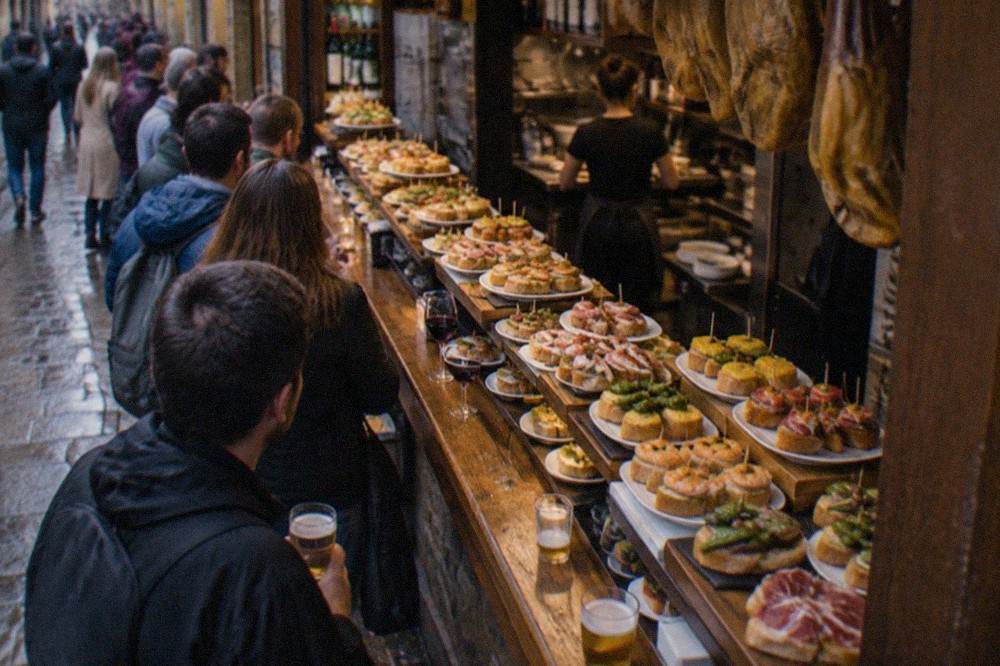
There is also a practical reason the fourth day earns its keep. The Michelin count alone, 11 stars across 6 restaurants inside the city in the MICHELIN Guide Spain 2026, plus the cider houses of Astigarraga and the pintxo bars of the Parte Vieja, means the evening plan competes with the daytime plan every single day. A four-day trip lets you lose that competition once without losing the city.
Does The Weather Change The Answer In San Sebastian?
Yes, the weather is the strongest argument for the fourth day, because San Sebastián is a wet Atlantic city, not a dry one. AEMET's normals for its Igeldo station record 1,507 mm of rain a year over 141 days, July, the driest month, still averages 86 mm over about ten rain days, and November, the wettest, averages 169 mm. A four-day stay gives the rain a day to fall into without costing you the city.
The monthly picture matters when you pick which four days. The table below is AEMET's own series for the station, which sits 250 m up on Monte Igeldo, so the seafront runs slightly warmer than these values.
| Month | Mean C | Rain mm | Rain days | Sun hours |
|---|---|---|---|---|
| January | 8.5 | 141 | 13.2 | 98 |
| April | 11.3 | 138 | 13.4 | 157 |
| July | 18.9 | 86 | 9.8 | 196 |
| August | 19.5 | 117 | 10.5 | 190 |
| November | 11.3 | 169 | 13.0 | 102 |
Read that carefully before concluding that summer is safe. August, at 117 mm, is wetter than June at 90 mm, July at 86 mm or September at 111 mm, and no month in the series averages under 86 mm. The guide on the rainiest month in San Sebastian takes that question in full. What it means for trip length is simple: a two-day visit that loses an afternoon to rain loses a quarter of the trip, a four-day visit loses an eighth.
The seasonal closures stack the same way. Lifeguards leave all three beaches after 30 September, the island boat's high season ends the same day, and Monte Igueldo's own FAQ says rides close on rainy days. A longer stay absorbs a closed day; a short one does not.
What About Day Trips From A Four-Day Stay?
The fourth day is the day trip day, and the choice is wide: Getaria for txakoli, Hondarribia and Pasaia for fishing ports, Bilbao for the Guggenheim, or Biarritz and the French Basque coast across the border. All of them are outside the municipality, several are separate municipalities in their own right, and each one is a full-day or half-day commitment that would otherwise eat the city's own time.
Geography keeps the options close. The tourism board lists Biarritz airport at 45 km and Bilbao at 105 km from the city, and the Gipuzkoa coast runs west through Zarautz, Getaria and Zumaia. Getaria is a separate municipality, home of the Cristóbal Balenciaga Museoa at 14 EUR for the collection plus temporary shows, and the txakoli country behind it. Hondarribia, another separate municipality, holds the airport and a fortified old town.
The one caution is not to let the day trips eat the city. A four-day stay with two day trips is really a two-day city visit with commuting, and the question this page answers then flips. If the pull of Bilbao is that strong, the comparison in is it better to stay in Bilbao or San Sebastian is the one to read before booking.
For a stay built around the evenings, the second band of tours below covers the three ways to spend a fourth day well: the pintxo crawl, the guided walk and the bay boat.
Common Questions About Four Days In San Sebastian
Is 4 days in San Sebastián too much?
No. Four days fits the city: two days for the old town, beaches and hills, one for museums and the island, and one for a day trip or the bars you missed. The rain statistics, 141 rain days a year at the Igeldo station, make the spare day useful rather than excessive.
Can you do San Sebastian in 2 days?
Yes, and the two-day itinerary on this site is a real plan, covering the old town, La Concha and one hill. What two days cannot absorb is a rain day, a Michelin dinner and a day trip at the same time.
Is 3 days enough for San Sebastian?
Three days is the comfortable minimum. It covers the old town, all three beaches, both hills, the island boat and a museum, with the evenings free for pintxos. The fourth day is what adds a day trip to Getaria, Hondarribia or Bilbao.
What is the best month for a four-day visit?
July is the driest month in AEMET's series at 86 mm of rain, but August is the busiest for hotel stays in the INE data. May and September offer milder crowds with 120 mm and 111 mm of rain respectively, and every month of the year averages at least 86 mm, so pack for rain whenever you come.
Do you need a car for four days in San Sebastian?
No. The centre, the beaches, both hills and the island boat are all walkable or a short city bus ride apart, and the day-trip destinations are served by coach and train. A car helps for the cider houses of Astigarraga or the txakoli country near Getaria, neither of which is inside the city.
Four days, then, is not too much: it is the length at which San Sebastián's beaches, hills, museums, eleven Michelin stars and the coast behind them all get their turn, with a rain day held in reserve. This San Sebastian Spain Guide page says keep the fourth day, and spend it either outside the city or back at the bar counter, which is where most four-day visitors quietly spend it anyway.