Why Is San Sebastian, Spain So Expensive?
Why San Sebastián in the Basque Country, Spain, costs more than most Spanish cities: Michelin density, small-city supply, strong visitor demand and what prices a visitor actually faces.
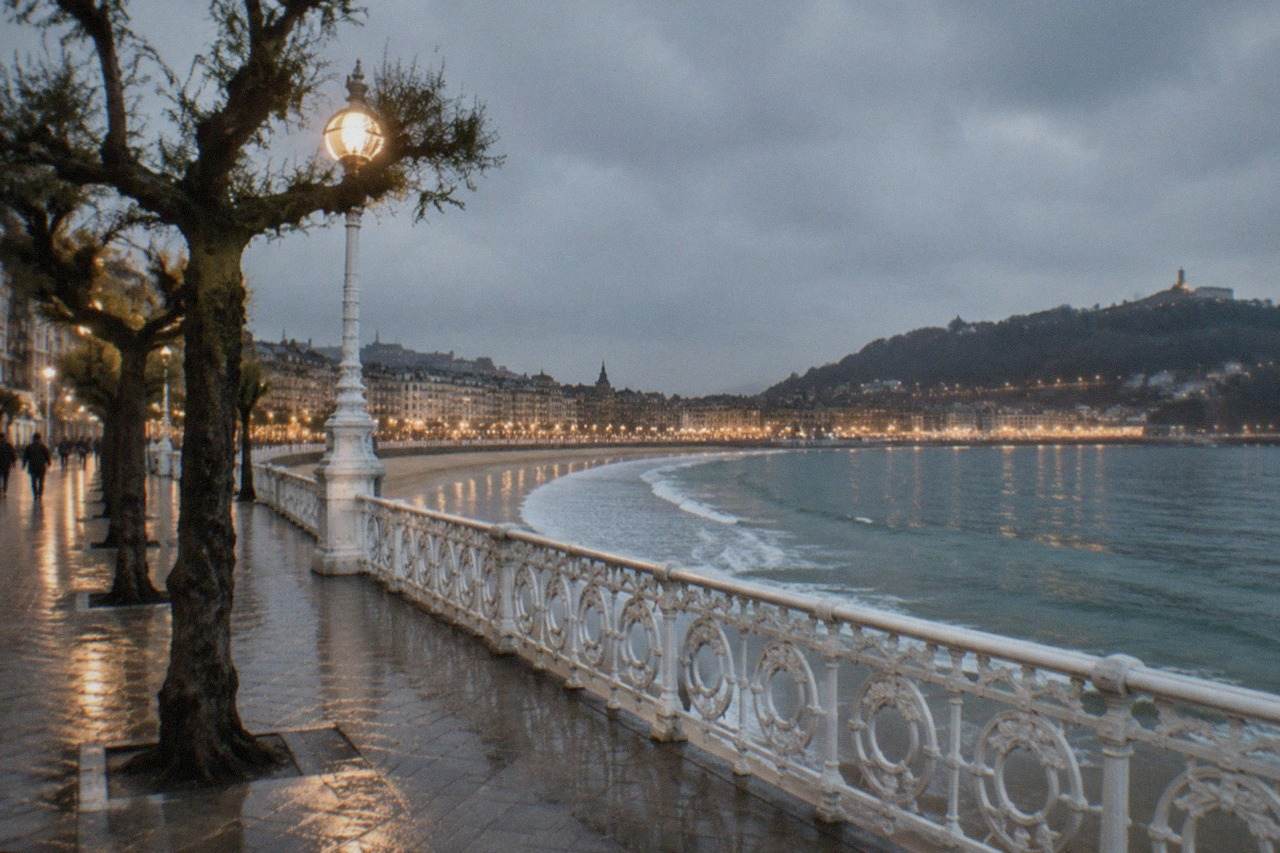
San Sebastián, the Basque city on La Concha bay whose official name is Donostia / San Sebastián, has a reputation for being the most expensive small city in Spain, and the reputation is not invented. The municipality counted 189,866 residents on its register at 1 January 2025, yet its hotels alone took in 1,051,562 arrivals in 2025, with 63.7 percent of overnight stays made by residents abroad. A city of under 200,000 people, squeezed between the sea and steep green hills, absorbing more than a million hotel guests a year is a city where supply is structurally tight. That is the root of the answer, and the sections below break it into its parts: the Michelin effect, the demand curve, the cost of food and drink, and the tax that arrives in 2027.
Why Is San Sebastian, Spain So Expensive?
San Sebastián is expensive because a small city holds an outsized concentration of demand: 6 restaurants inside the city carry 11 Michelin stars in the MICHELIN Guide Spain 2026, more than 2.1 million hotel overnight stays were recorded in 2025, 63.7 percent of them by visitors from abroad, and the physical city is compact, hemmed between La Concha bay and steep hills, so rooms, tables and bar counters are all in short supply. High demand meeting limited supply is the whole mechanism.
The municipality is not large. The INE register puts it at 189,866 people, and the built-up area is bounded by the sea on one side and the slopes of Urgull, Ulia and Monte Igueldo on the others. There is no sprawl where a hotel district could grow. What there is instead is a beach city with a European festival calendar, a gastronomic reputation that draws visitors year round, and an airport 20 km away at Hondarribia that is small, which pushes many arrivals through Bilbao, 105 km away, or Biarritz, 45 km away, adding transfer cost to every trip.
None of this makes the city a rip-off. It makes it a place where the same economic rule that governs every desirable small city applies with unusual force: when the product is scarce and the queue is long, the price rises. The question of whether it is worth it has its own answer, and the honest version of that answer depends on what a visitor came for, since the things to do in San Sebastian run from free beach days to tasting menus that need booking months ahead.
Does San Sebastian's Michelin Fame Drive The Prices?
Yes, the Michelin concentration is a direct price driver: the MICHELIN Guide Spain 2026 lists 6 restaurants holding 11 stars inside the city of San Sebastián, including two 3-star houses, Akelaŕe and Arzak, and the province of Gipuzkoa holds 19 stars across 11 restaurants, the densest star count per resident in Spain. That reputation sets a price ceiling for the whole dining scene, not just the starred tables.
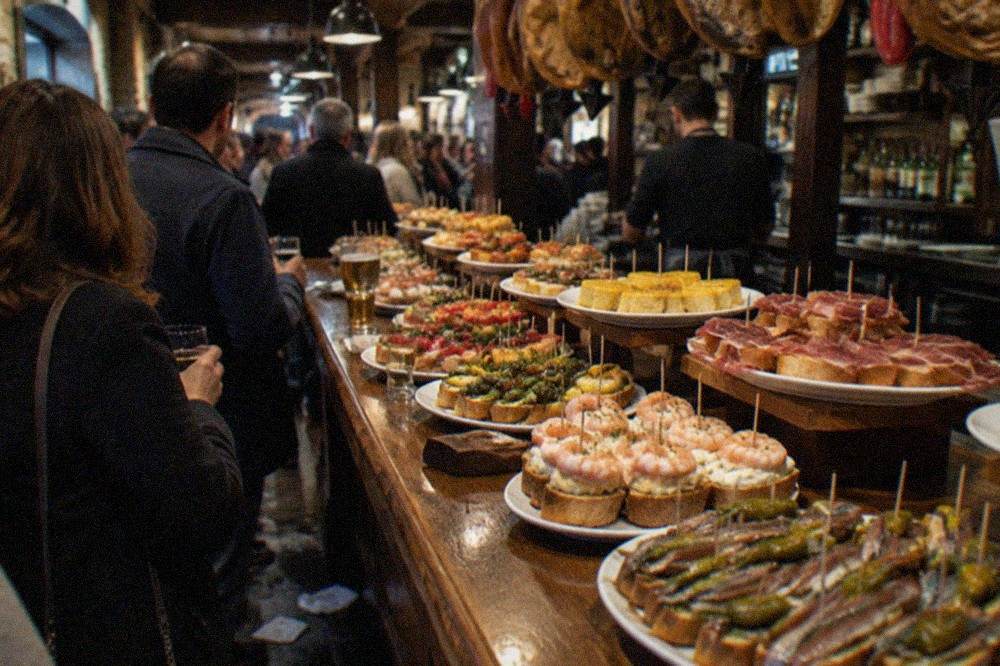
The effect works downward. When a city of 189,866 people holds 11 starred restaurants inside its municipal boundary, the unstarred tables nearby price against that reputation, and the pintxo bars of the Parte Vieja operate in a market where visitors arrive already primed to spend on food. Food is not a side activity here; it is the headline attraction, and the guide's own page on what San Sebastian is known for puts gastronomy at the top of the list.
The starred restaurants themselves are concentrated as follows, counted from the guide's 2026 full list. Martín Berasategui, though often named alongside the city, is in Lasarte-Oria, a separate municipality, and is therefore excluded from the city count.
| Stars | Restaurant | Location |
|---|---|---|
| 3 | Akelaŕe | Donostia / San Sebastián |
| 3 | Arzak | Donostia / San Sebastián |
| 2 | Amelia by Paulo Airaudo | Donostia / San Sebastián |
| 1 | iBAI by Paulo Airaudo | Donostia / San Sebastián |
| 1 | Itzuli | Donostia / San Sebastián |
| 1 | Kokotxa | Donostia / San Sebastián |
For visitors who want the gastronomic experience without a starred bill, a guided evening is one route, and the three options below are the ones this site rates most highly for exactly that.
How Does Visitor Demand Push Up Costs In San Sebastian?
Demand is heavy and strongly seasonal: San Sebastián hotels recorded 2,199,966 overnight stays in 2025, August alone accounted for 245,769 of them, roughly 2.12 times January's 115,910, and July and August together represent 22 percent of the entire year's stays. In peak weeks the city's hotel capacity, which is finite by geography, is simply full, and full rooms price high.
The monthly shape of 2025 tells the story plainly. April through October never dropped below 200,000 overnight stays in any single month, which means the city has no dead season in which prices collapse; the low months are merely less high. A destination with a genuine winter, where hotels stand half empty, can discount aggressively in the shoulder season. San Sebastián's shoulder season is still busy, so the discounting pressure never gets that strong. The rest of the planning pages sit on San Sebastian Spain Guide.
| Month (2025) | Hotel overnight stays | Month (2025) | Hotel overnight stays |
|---|---|---|---|
| January | 115,910 | July | 239,124 |
| February | 119,367 | August | 245,769 |
| March | 156,670 | September | 216,759 |
| April | 200,055 | October | 207,158 |
| May | 205,326 | November | 147,334 |
| June | 211,534 | December | 134,960 |
The demand is also unusually international, with 63.7 percent of 2025 overnight stays made by residents abroad, and international demand tends to be less price sensitive than domestic weekend demand. Add the festival calendar, Semana Grande in the week of 15 August, the film festival in late September, Jazzaldia, and the Bandera de La Concha regattas on the first two Sundays of September, and certain weeks see demand spikes that no amount of supply could absorb. Anyone weighing the trade-off between the two biggest Basque cities can read the comparison of staying in Bilbao or San Sebastian, where the price gap shows up clearly.
Is Food And Drink In San Sebastian Pricier Than Elsewhere In Spain?
Yes, eating out in San Sebastián costs more than in most of Spain, and the reason is structural: the city's bars and restaurants serve a year-round tourist market with no low season, the pintxo culture prices small dishes individually rather than as cheap large plates, and the local reputation for gastronomy lets venues charge for quality that elsewhere would be optional. A dBus city bus fare is 1.95 EUR in cash, which shows the premium is in hospitality, not in basic city services.
The pintxo system deserves its own explanation, because visitors often misread it. A pintxo is a single small preparation, often elaborate, priced per piece, and an evening moving between bars accumulates in a way a fixed menu does not. The system rewards knowledge: knowing which bars, which counters, which hours. The site's guide to eating out costs in San Sebastian covers the practical side, and where the locals eat in San Sebastian covers the bars that keep their prices anchored to residents rather than visitors.
Drinks follow the same pattern. The local white, txakoli, is a Denomination of Origin wine from small coastal and inland producers in Gipuzkoa, and cider is poured straight from the barrel in season, from the middle of January to the end of April by the tourism board's wording. Neither is a mass-market product, and both carry a premium over standard house wine in the rest of Spain. The question of what food San Sebastian is famous for has a long answer, and every item on it is a premium item.
For a first evening, a guided crawl converts that premium into value, because the guide's bar choices and counter knowledge are exactly what a visitor lacks. The culinary pintxo tour below is the strongest of them for this purpose, and the operator's live listing carries the current price and availability.
What Will The Gipuzkoa Tourist Tax Add From 2027?
From 1 January 2027, visitors will pay a tourist tax in San Sebastián for the first time, under Norma Foral 3/2026 of Gipuzkoa, which sets bands per person per night: up to 6.50 EUR for 5-star hotels, up to 5.50 EUR for 4-star, up to 3.50 EUR for 3-star hotels and tourist apartments, and up to 1.75 EUR for campsites, rural houses and hostels. At most 6 nights are charged per stay and under 18s are exempt.
The law was published in the Boletín Oficial del País Vasco on 25 June 2026 and takes effect across the whole province, not just this city. Until 1 January 2027 nobody pays it, and stays booked before 5 February 2026 are not charged at all, so any visitor reading about the tax as a current cost is reading a mistake. The bands are the only sourced figures; what the city council will actually charge inside them is not published on an official page, and this site will not guess.
| Accommodation type | Band minimum (EUR) | Band maximum (EUR) |
|---|---|---|
| Hotel 5 stars | 4.50 | 6.50 |
| Hotel 4 stars | 3.50 | 5.50 |
| Hotel 3 stars | 1.50 | 3.50 |
| Hotel 2 stars | 1.00 | 2.50 |
| Tourist apartments | 1.50 | 3.50 |
| Campsites, rural houses, hostels | 0.75 | 1.75 |
The tax will add a modest amount to a stay, but it is a 2027 cost, not a present one, and it should not scare anyone off a 2026 trip. The bigger structural costs remain rooms in August and tables in the Old Town, and both of those yield to timing and planning far more than to budget alone.
Common Questions About San Sebastian Prices
Why is San Sebastian, Spain so expensive?
A small city of 189,866 residents absorbed more than a million hotel arrivals in 2025, holds 11 Michelin stars across 6 restaurants in the MICHELIN Guide Spain 2026, and has no room to expand between the bay and the hills, so limited supply meets year-round demand and prices rise.
Is San Sebastian the most expensive city in Spain?
It is regularly named among the priciest, and the full comparison of whether San Sebastián is Spain's most expensive city works through the evidence, but the honest answer is that it is expensive for visitors in specific ways, food and peak-season rooms, rather than uniformly.
When is the cheapest time to visit San Sebastian?
November through February carries the lowest hotel overnight stays, 147,334 and below in the 2025 monthly figures, and the weather is wetter, with November the wettest month at 169 mm of rain in AEMET's Igeldo normals. The trade is price against rain, and the San Sebastián weather guide gives the month-by-month detail.
Do you need a lot of money to enjoy San Sebastian?
No. The beaches are free, Monte Urgull's access hours run from 08:00 to 21:00 between 1 May and 30 September, San Telmo Museoa is free every Tuesday, and Tabakalera's building is free to enter. The premium in this city is concentrated in food and peak-season beds.
Will the tourist tax make San Sebastian more expensive?
From 1 January 2027 a tourist tax applies under the Gipuzkoa law, at up to 6.50 EUR per person per night in the top band and capped at 6 nights per stay, with under 18s exempt. Before that date no visitor pays it.
The short version of the whole page: San Sebastián is expensive because it is small, famous for exactly the thing people spend most on, food, and busy in every month of the year. Plan the eating, travel outside August if the schedule allows, and the premium shrinks to a price worth paying.