San Sebastian Vs Barcelona
Here is how San Sebastián, the Basque city on La Concha bay whose official name is Donostia / San Sebastián, actually compares with Barcelona, using honest qualitative character for both.
Short answer
San Sebastián wins on food density and walkability, Barcelona wins on scale, architecture and flight links. They are about a day of travel apart, so most trips choose one rather than both.
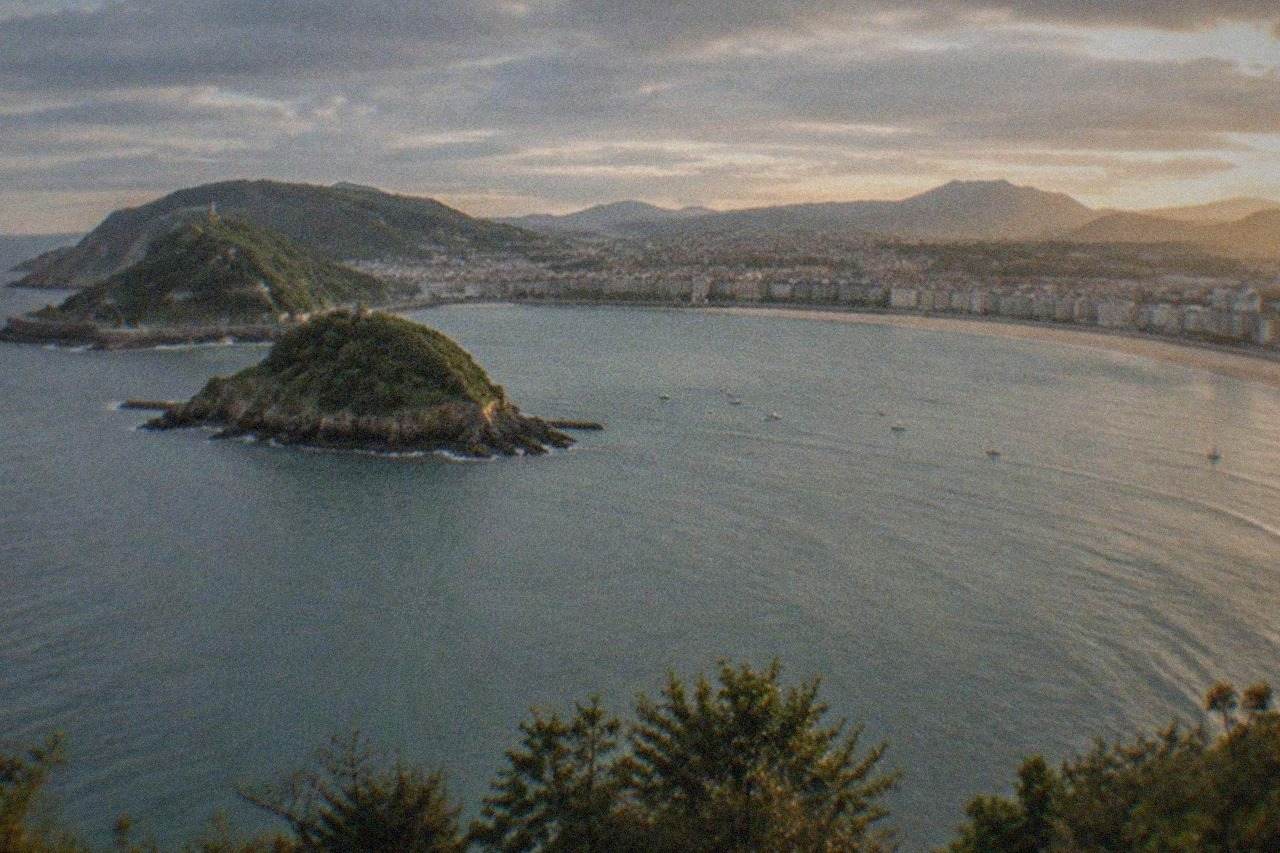
San Sebastián, in the Basque Country of northern Spain, is a city of about 189,866 people on the curved bay of La Concha, and its official name is Donostia / San Sebastián. Barcelona is a different proposition altogether: a Mediterranean metropolis with Gaudí, a huge airport and a beachfront inside the city limits. Travellers weighing the two are really choosing between a compact Atlantic food capital and a big southern-European city, and this comparison lays out what each one offers, with every figure on the Basque side drawn from official sources and the Barcelona side described qualitatively, because the figures shown here are this city's.
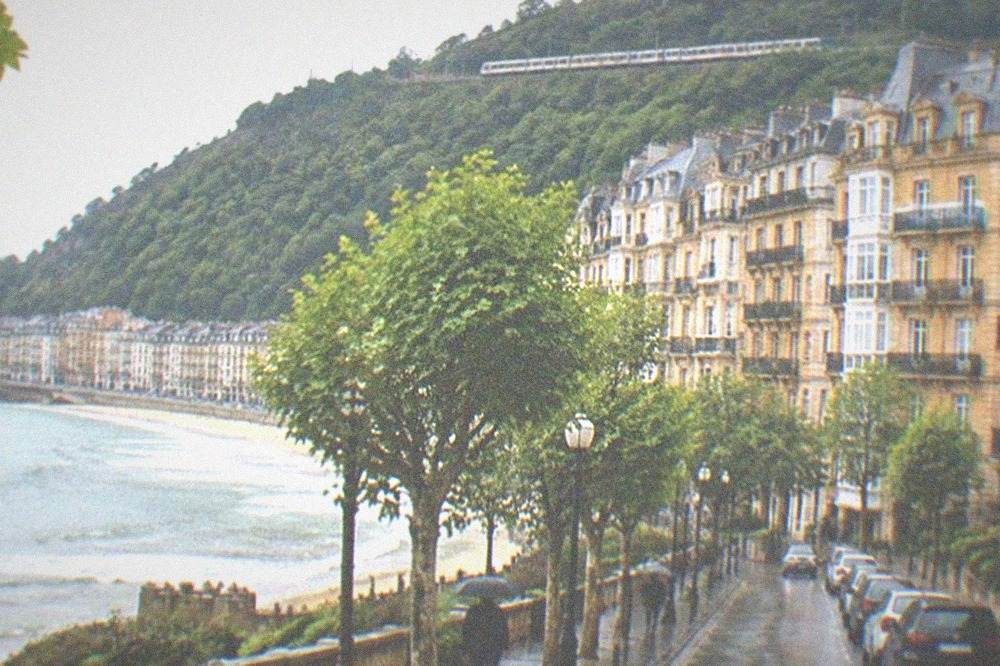
The honest starting point is scale. San Sebastián can be crossed on foot in under an hour, from the Peine del Viento sculptures at the west end of the bay to the Kursaal concert halls at the east. Barcelona cannot, and does not try: it is a city of distinct districts, metro lines and full-week itineraries. That difference shapes everything below, from dinner plans to how many days you need. If you want a deeper look at the Basque city's location and character first, start with where San Sebastian actually is and what San Sebastian is known for.
Which City Is Better For Food, San Sebastian Or Barcelona?
For sheer density of high-level eating, San Sebastián is the stronger food city: the MICHELIN Guide Spain 2026 lists 11 stars across 6 restaurants inside the municipality, including two 3-star houses, Akelaŕe and Arzak, and the wider province of Gipuzkoa holds 19 stars across 11 restaurants. Barcelona has far more restaurants in total, being a far larger city, but the Basque city concentrates its distinction into a walkable centre, and its everyday eating culture, the pintxo bar, has no real Mediterranean equivalent.
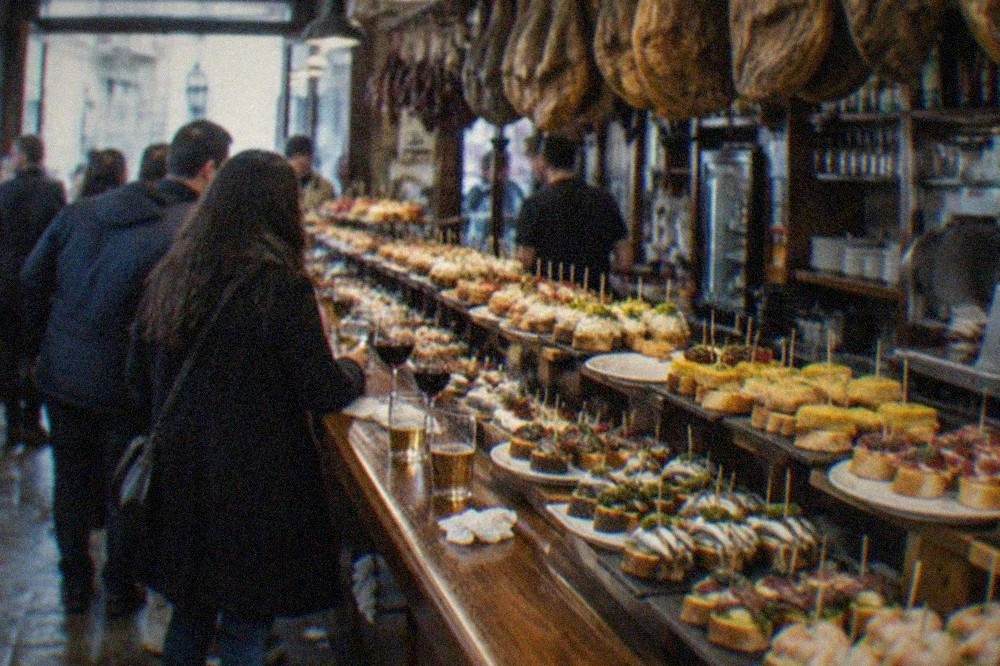
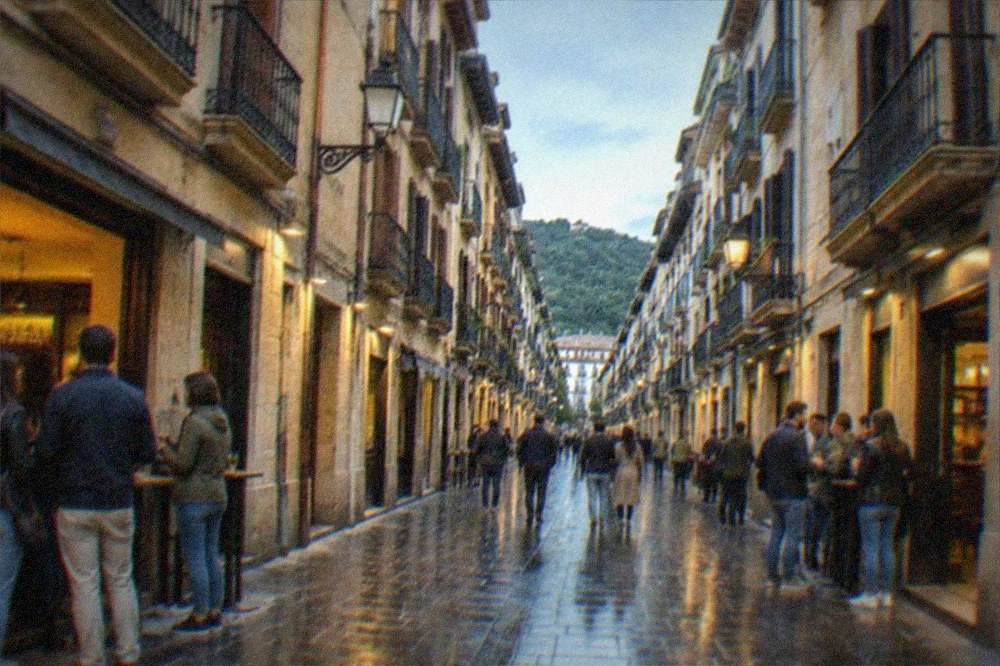
The pintxo is the heart of it. A pintxo is a small individual serving, usually on a slice of bread or a skewer, eaten standing at the bar with a drink, and the Old Town, the Parte Vieja, packs dozens of these bars into a few narrow streets. Barcelona has tapas, which are typically shared plates brought to the table, a slower and more sit-down tradition. The two words are not interchangeable, and the difference in rhythm is the difference in the evening: in San Sebastián you move from bar to bar, in Barcelona you tend to settle. The pintxos in San Sebastian page maps the tradition onto the city street by street.
The Michelin comparison needs care, because the counts attach to specific places. Martín Berasategui, with 3 stars in the 2026 edition, is in Lasarte-Oria, a separate municipality, and Mugaritz, with 2, is in Errenteria, also outside the city. Inside the municipality the 2026 guide lists Akelaŕe and Arzak at 3 stars each, Amelia by Paulo Airaudo at 2, and iBAi by Paulo Airaudo, Itzuli, new in 2026, and Kokotxa at 1 each. The table below shows the full provincial picture, which is the fair way to compare a small city's region with a large one.
| Stars, MICHELIN Guide Spain 2026 | Restaurant | Town |
|---|---|---|
| 3 | Akelaŕe | Donostia / San Sebastián |
| 3 | Arzak | Donostia / San Sebastián |
| 3 | Martín Berasategui | Lasarte-Oria |
| 2 | Amelia by Paulo Airaudo | Donostia / San Sebastián |
| 2 | Mugaritz | Errenteria |
| 1 | iBAi by Paulo Airaudo | Donostia / San Sebastián |
| 1 | Itzuli (new in 2026) | Donostia / San Sebastián |
| 1 | Kokotxa | Donostia / San Sebastián |
| 1 | Elkano | Getaria |
| 1 | Alameda | Hondarribia |
| 1 | Ama | Tolosa |
For visitors who want the food culture explained rather than just eaten, a guided walk does both jobs at once, and the trio below covers the range from a budget walk with a pintxo included to a full Old Town crawl.
Everyday eating differs too. The Basque city's signature dishes are txuleta steak, the burnt Basque cheesecake baked at La Viña, and cider-house meals in season, while the local white wine is txakoli, poured from a height. Gilda pintxos, anchovy, guindilla pepper and olive on a skewer, are named after a film character and are a bar-counter classic. Anthony Bourdain's television praise of the city is covered in the Bourdain guide, and his favourite restaurant question is answered on its own page.
How Do The Beaches Of San Sebastian And Barcelona Compare?
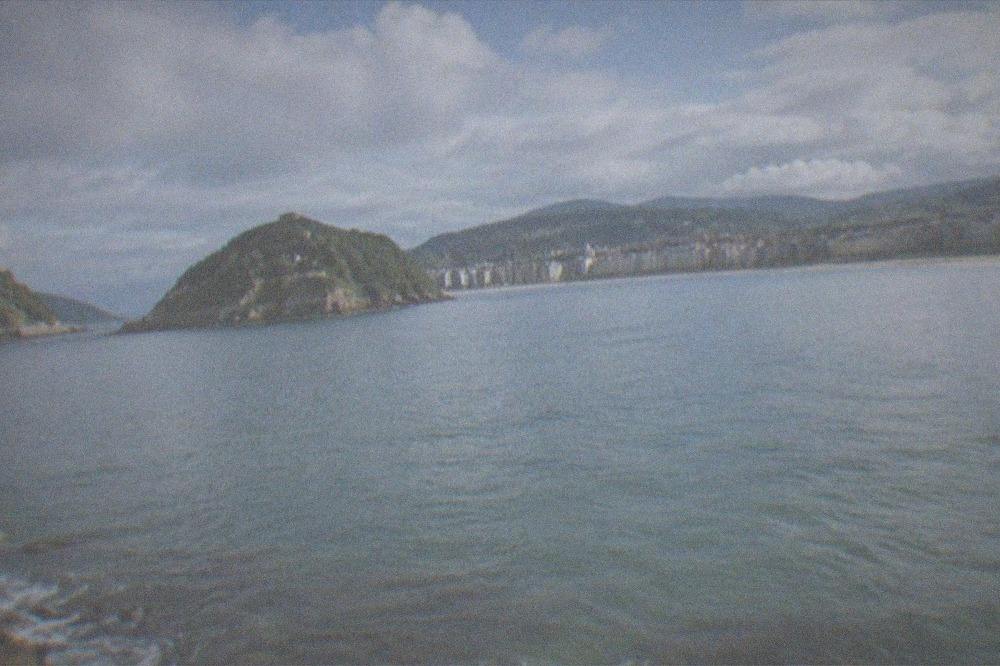
San Sebastián has three council-managed city beaches, La Concha at 1,350 metres, Ondarreta at 600 and Zurriola at 800, all sandy, all inside the built-up city, with a lifeguard service from 1 June to 30 September on each one. Barcelona's city beach is a long Mediterranean stretch built around a waterfront promenade, warmer water and a longer swimming season, but the Atlantic bay setting of La Concha, with Santa Clara island sitting in the middle of it, is the more dramatic piece of geography.
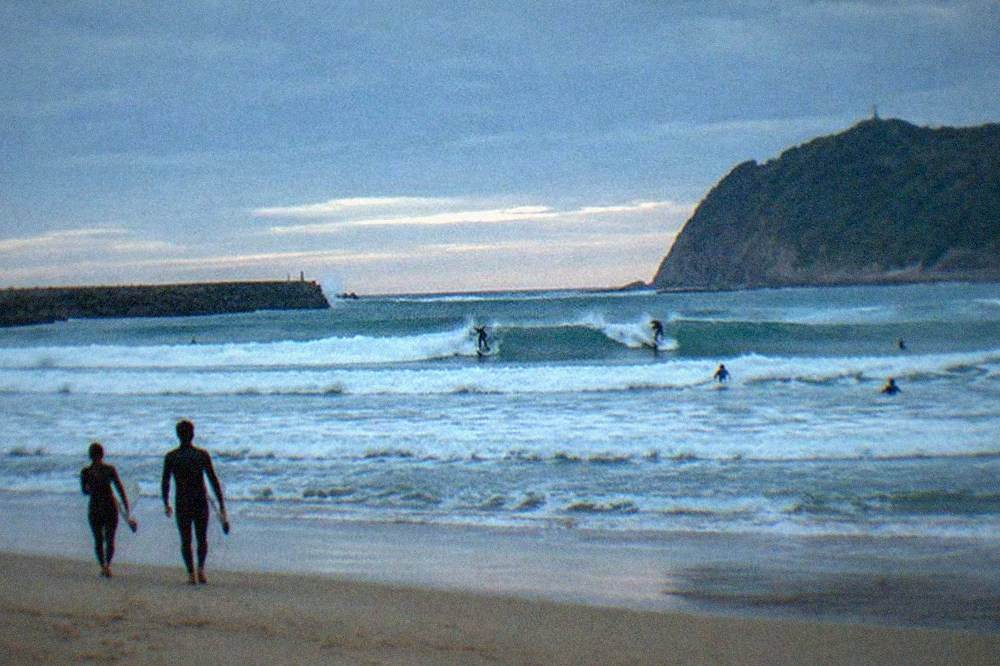
The council's own figures describe the three Basque beaches precisely. La Concha averages 40 metres wide and 54,000 square metres, shallow and sandy, with the tide often limiting the usable area. Ondarreta, at the west end, averages 100 metres wide and leads to the Peine del Viento, Eduardo Chillida's three steel sculptures of more than nine tonnes each, completed in 1977 on a granite plaza by Luis Peña Ganchegui. Zurriola, facing the Gros district, averages 110 metres wide and carries a strong swell, which is why the surf schools sit there rather than in the bay.
| Beach, San Sebastián | Mean length | Mean width | Mean area | Council description |
|---|---|---|---|---|
| La Concha | 1,350 m | 40 m | 54,000 m2 | Sandy, shallow, tide often limits usable area |
| Ondarreta | 600 m | 100 m | 60,000 m2 | Sandy, heavy use, walk to the Peine del Viento at the west end |
| Zurriola | 800 m | 110 m | 88,000 m2 | Sandy, fairly open, strong swell, remodelled in 1994 |
The water is the real contrast. The Bay of Biscay is Atlantic: cooler, with real surf at Zurriola and a swimming season that the lifeguards define as 1 June to 30 September, with hours of 10:00 to 20:00 from 15 June to 15 September and 13:30 to 19:30 for the second half of September. The Mediterranean warms earlier and stays warm later, so a Barcelona swim in October is ordinary while a Basque one in the same month is unsupervised. Neither is better, they are simply different waters, and the San Sebastian beaches guide covers all three in full.
Is San Sebastian More Expensive Than Barcelona?
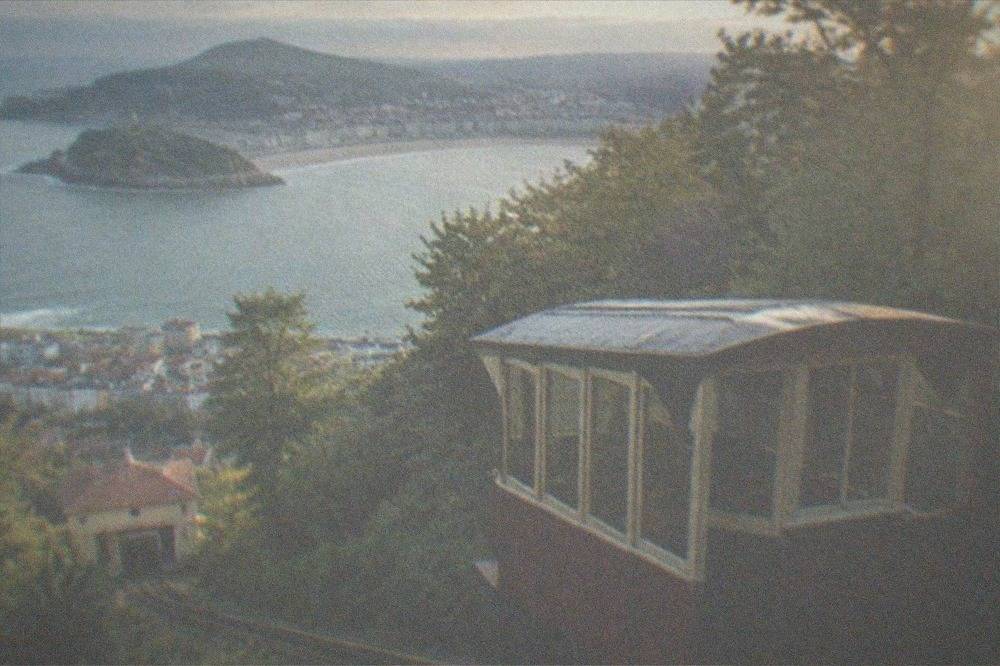
San Sebastián is a mid-priced Spanish destination rather than a cheap one: the funicular up Monte Igueldo costs 5.50 EUR return, San Telmo Museoa charges 10.00 EUR general admission and is free every Tuesday, and the city bus costs 1.95 EUR in cash. No comparable verified price set exists on this page for Barcelona, so the comparison is character: the Basque city is small and food-led, so spending concentrates on eating.
The tourist tax is a coming difference worth knowing about. Norma Foral 3/2026 of Gipuzkoa, published in the Basque official bulletin on 25 June 2026, creates a tourist tax that takes effect on 1 January 2027, charged per person per night with at most 6 nights charged and under 18s exempt. The law sets bands, from up to 6.50 EUR for 5-star hotels and tourist-use dwellings down to up to 1.75 EUR for campsites, hostels and rural houses, and each council picks its own rate inside them; no San Sebastián rate has been published, so nothing is charged before that date. Barcelona already operates its own municipal tourist tax, which is a separate system under Catalan rules.
| Item, San Sebastián | Price | Source detail |
|---|---|---|
| Monte Igueldo funicular, adult return | 5.50 EUR | Includes entry to the grounds |
| Monte Igueldo grounds and viewpoint on foot | 3.00 EUR per person | Any vehicle or walking |
| San Telmo Museoa, general | 10.00 EUR | Free every Tuesday |
| San Telmo Museoa, reduced | 4.00 EUR | Students, over 65, large families |
| dBus city bus, occasional ticket, cash | 1.95 EUR | No free transfers with cash |
| Santa Clara island boat, return | 5.00 EUR | High season, weather permitting |
| Chillida Leku, Hernani, adult | 14 EUR | Closed Tuesdays and Wednesdays |
Eating out is where budgets diverge most. A pintxo bar evening in the Parte Vieja can be as cheap or as generous as you make it, while the Michelin tier, Arzak, Akelaŕe and the houses around them, is a splurge by any city's standard. The is San Sebastian expensive page takes the cost question apart properly, including what a cheesecake from La Viña costs and how pintxo prices work.
How Do You Travel Between San Sebastian And Barcelona?
The two cities are separated by the width of northern Spain, and the practical options are a long train journey, a long drive or a flight via a connection, because the Basque city's own airport at Hondarribia, 20 km away, is small and does not link to Barcelona the way a major hub would. The train north is scenic in stretches along the Ebro valley, but it is a full day of travel, not a hop.
The comparison matters for trip design. Barcelona, with its large airport, is a gateway city: flights from across Europe and beyond land there daily. San Sebastián is served by three airports within a little over 100 km according to the tourism board: its own at Hondarribia at 20 km, Biarritz in France at 45 km and Bilbao at 105 km, with Vitoria-Gasteiz at 100 km having no direct service. Most long-haul visitors combine the Basque city with Bilbao airport, from which the Basque Government's airport page lists a PESA Lurraldebus coach to San Sebastián at 17.10 EUR, taking about 75 minutes, running hourly through the day.
For planning the Barcelona leg specifically, the site has two dedicated answers: whether it is better to fly or take the train from Barcelona to San Sebastian and whether the train ride from San Sebastian to Barcelona is pretty, plus a full Barcelona to San Sebastian guide. The short version: if both cities are on the list, the usual pattern is fly into one, train or drive between, fly out of the other, and allow the best part of a day for the crossing.
Which City Has Better Weather, San Sebastian Or Barcelona?
San Sebastián is a wet Atlantic city, not a dry Mediterranean one: AEMET's climate normals for its Igeldo station, covering 1981 to 2010, record 1,507 mm of rain a year over 141 rain days, and even July, the driest month, averages 86 mm. Barcelona, on the Mediterranean coast, is known for hot dry summers and mild sunny winters, so the comparison is climate type rather than a number against a number.
The Basque city's rain is not a footnote, it is the climate. November is the wettest month at 169 mm, and no month averages under 86 mm. August, at 117 mm, is wetter than June, July or September, which surprises visitors who book August expecting the driest spell. The compensation is green: the hills around the bay, Monte Igueldo and Monte Urgull, are as lush as they are because of that rain, and the city's summer temperatures stay moderate, with a July mean of 18.9 C and a mean maximum of 21.8 C. The station sits 250 m up on Monte Igeldo, so the seafront runs slightly warmer than these values.
| Month | Mean C | Mean max C | Rain mm | Rain days 1 mm+ | Sun hours |
|---|---|---|---|---|---|
| Jan | 8.5 | 11.0 | 141 | 13.2 | 98 |
| Feb | 8.7 | 11.5 | 110 | 11.6 | 107 |
| Mar | 10.3 | 13.4 | 113 | 12.4 | 144 |
| Apr | 11.3 | 14.5 | 138 | 13.4 | 157 |
| May | 14.4 | 17.7 | 120 | 12.2 | 181 |
| Jun | 16.9 | 20.0 | 90 | 10.6 | 189 |
| Jul | 18.9 | 21.8 | 86 | 9.8 | 196 |
| Aug | 19.5 | 22.5 | 117 | 10.5 | 190 |
| Sep | 18.0 | 21.1 | 111 | 10.1 | 179 |
| Oct | 15.5 | 18.5 | 159 | 11.8 | 140 |
| Nov | 11.3 | 14.0 | 169 | 13.0 | 102 |
| Dec | 9.1 | 11.6 | 151 | 12.4 | 93 |
What this means in practice: pack a rain layer for the Basque city in any month, and plan around the fact that July and August still deliver around ten rain days each. The San Sebastian weather guide and the best time to visit page turn the table into month-by-month advice. If guaranteed sun is the top priority, the Mediterranean coast is the safer bet; if moderate summer temperatures and green surroundings matter more, the Atlantic side wins.
How Many Days Do You Need In Each City?
San Sebastián rewards three to four days, which is enough for the Old Town, all three beaches, one hill, one island boat and a day trip, and the city's own rhythm is compact enough that a single well-planned day already covers the essentials. Barcelona rewards four to seven, because its districts, museums and day trips each consume half-days, and its transport network invites longer stays. The Basque city's small size is the whole argument for a shorter trip.
The city's own visitor flow supports the short-stay case. INE's hotel occupancy survey for the tourist point Donostia-San Sebastián, covering hotels only, recorded 1,051,562 arrivals and 2,199,966 overnight stays in 2025, which averages out to roughly two nights per hotel arrival. August is the peak month at 245,769 overnight stays, about 2.12 times January's 115,910, and July and August together account for 22 percent of the year. People come for short, intense visits built around food.
| Month 2025 | Hotel overnight stays, San Sebastián | Month 2025 | Hotel overnight stays, San Sebastián |
|---|---|---|---|
| January | 115,910 | July | 239,124 |
| February | 119,367 | August | 245,769 |
| March | 156,670 | September | 216,759 |
| April | 200,055 | October | 207,158 |
| May | 205,326 | November | 147,334 |
| June | 211,534 | December | 134,960 |
For a short visit, the how many days in San Sebastian page settles the question with itineraries for every length of stay. A first evening walks itself: the Old Town is small, the bars are dense, and a guided walk that ends with a pintxo and a drink included is the easiest possible introduction. The related tour below is exactly that.
Which City Is Better For A First Trip To Spain?
For a first trip to Spain built around architecture, nightlife and a big-city buzz, Barcelona is the safer choice, with world-famous buildings and a huge flight network. For a first trip built around eating, walking and a bay you can see end to end, San Sebastián is the more distinctive one, and it pairs naturally with Bilbao, Hondarribia and the French Basque coast, all within a short hop. The two are not rivals, they are different trips, and travellers with ten days or more often take both.
The Basque city's strength as a base is its day-trip range. Hondarribia with its fortified old quarter, the fishing town of Getaria, the flysch cliffs at Zumaia and the French towns of Biarritz and Saint-Jean-de-Luz are all reachable on organised days out, and the cider houses of Astigarraga sit practically next door. The Euskotren Topo line runs from the city's Amara station to Hendaia across the French border in 37 to 38 minutes on a fare of 2.90 EUR, so even the international border is a local train ride. Barcelona's day trips run to Montserrat and the Costa Brava, equally famous, equally different in character.
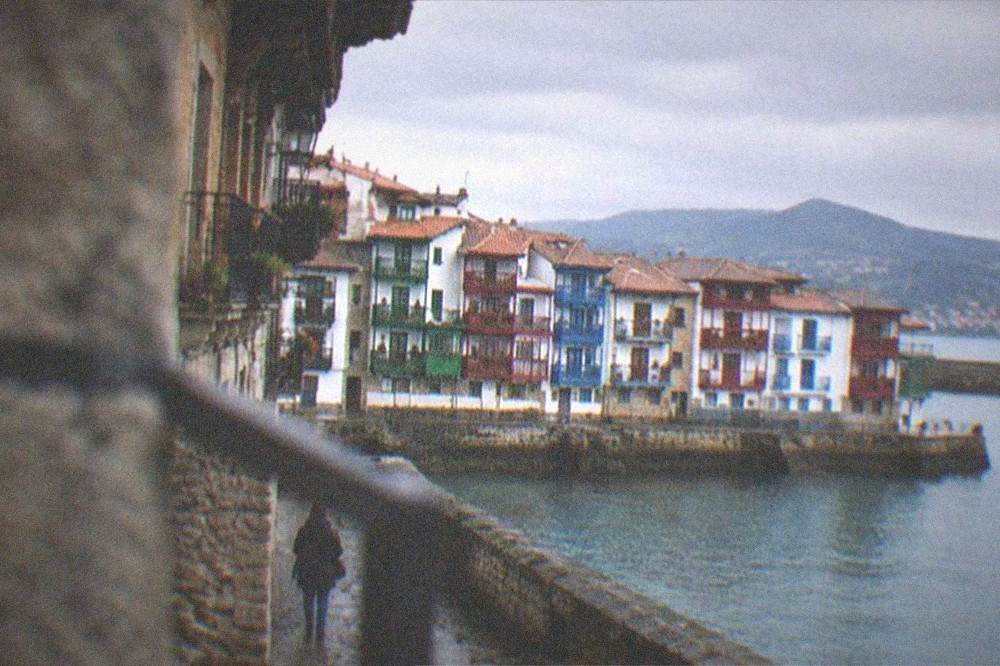
A half-day to Hondarribia, Pasajes de San Juan and San Pedro is the easiest taste of that wider region from the city, and the tour below covers it with a bilingual group option.
The same logic applies to the eating. A small-group crawl through the Old Town's pintxo bars remains the single most reliable way to understand why this small city keeps its reputation, and the pick below does exactly that.
And if the decision is still open after all of that, the trio below gathers the three most useful first-visit tours in one place: the budget walk with a pintxo included, the Old Town crawl, and the Hondarribia half-day.
Whichever city wins your days, the honest summary is this: Barcelona delivers scale and spectacle, San Sebastián delivers concentration and quality, and the food-and-bay version of Spain that the Basque city represents is the harder of the two to find anywhere else. More comparisons and practical planning pages sit across San Sebastian Spain Guide, including is San Sebastian worth visiting and the full things to do in San Sebastian collection.
Common Questions About San Sebastian Vs Barcelona
Is San Sebastian better than Barcelona?
For food density, walkability and a compact bay-and-bars trip, San Sebastián is the stronger choice, with 11 Michelin stars across 6 restaurants inside the municipality in the MICHELIN Guide Spain 2026. For architecture, scale and flight connections, Barcelona wins. Neither is better outright, they are different trips.
Is San Sebastian cheaper than Barcelona?
No verified Barcelona price set appears on this page, so the comparison is character. In San Sebastián the city bus costs 1.95 EUR in cash, San Telmo Museoa is 10.00 EUR with free Tuesdays, and the Monte Igueldo funicular is 5.50 EUR return. Spending in the Basque city concentrates on eating, and the Michelin tier is a splurge anywhere.
Can you visit San Sebastian and Barcelona on the same trip?
Yes, but allow the best part of a day to travel between them, by train, car or a flight via a connection. The usual pattern is to fly into one city, cross northern Spain overland, and fly out of the other, giving each city at least three days.
Does it rain more in San Sebastian than Barcelona?
San Sebastián is a wet Atlantic city: AEMET's Igeldo station records 1,507 mm a year over 141 rain days, with July the driest month at 86 mm. Barcelona has a Mediterranean climate known for dry summers. No verified Barcelona rainfall figure appears here, so the comparison is climate type rather than numbers.
Which city has better beaches?
San Sebastián has three council-managed sandy beaches, La Concha at 1,350 metres, Ondarreta at 600 and Zurriola at 800, with lifeguards from 1 June to 30 September. Barcelona's Mediterranean beach has warmer water and a longer season. La Concha's bay setting, with Santa Clara island in the middle, is the more dramatic scenery.
How many days do you need in San Sebastian compared with Barcelona?
Three to four days cover San Sebastián well, including a day trip, and INE's 2025 hotel figures show visitors average roughly two nights per hotel arrival. Barcelona typically rewards four to seven days because its districts and museums each take half-days.