Is San Sebastian A Party Town?
Is San Sebastián a party town? An honest look at the nightlife, pintxo hours and festival calendar of San Sebastián in the Basque Country, Spain.
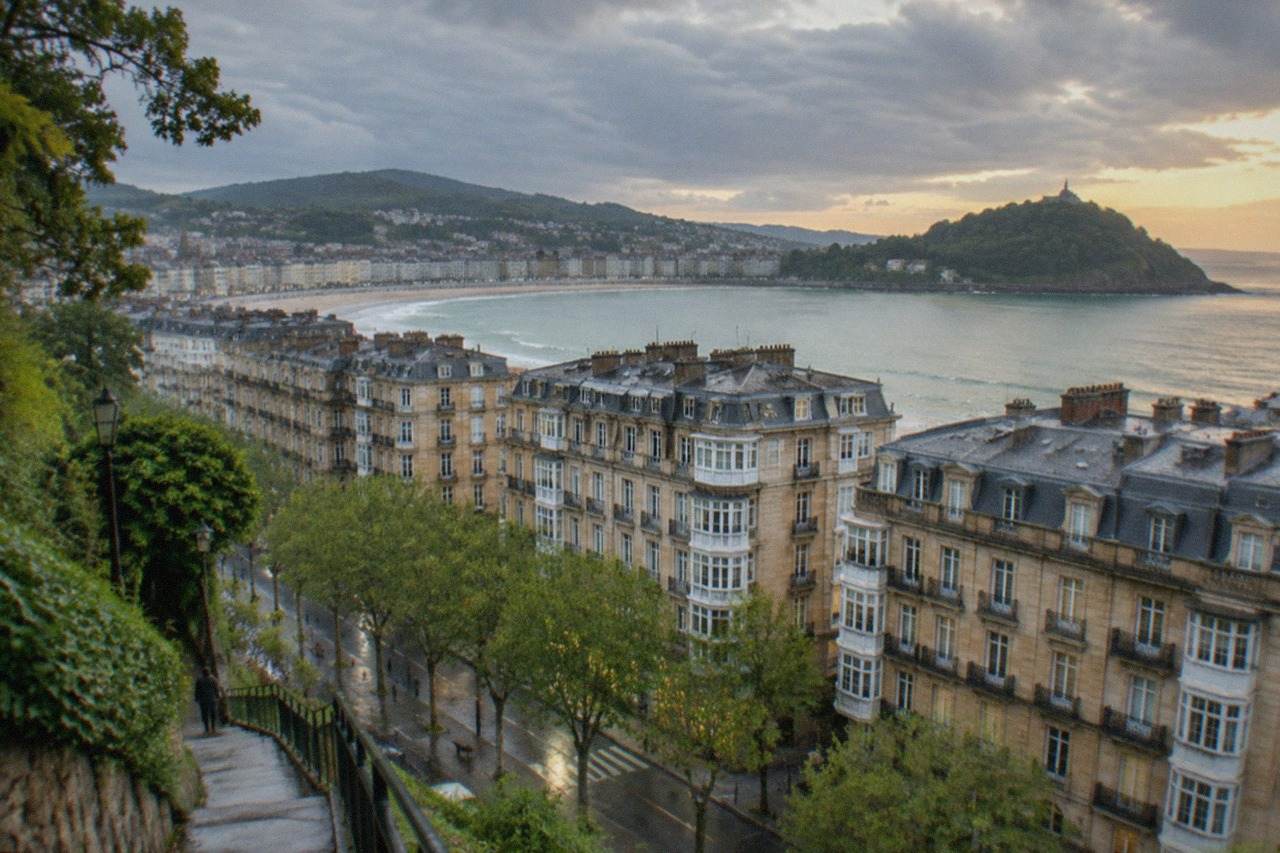
San Sebastián, whose Basque name is Donostia, sits on La Concha bay in the Basque Country, Spain, and its reputation rests on food rather than on clubbing. It is a city of 189,866 registered residents whose evenings revolve around pintxo bars, long restaurant dinners and a handful of well-defined festivals, not a 24-hour party strip. The question is fair, though, because the city's drinking culture is real and the Old Town gets genuinely loud on weekends. The honest answer is that it is a food-and-wine town with a compact, late-running nightlife, not a party capital in the Ibiza sense.
Is San Sebastian A Party Town?
San Sebastián is not a party town in the club-holiday sense, but it is a late-evening city built around food and drink. Locals eat dinner late, the pintxo bars of the Parte Vieja fill from early evening, and the city's biggest calendar events, Semana Grande with its fireworks competition and the January drumming of the Tamborrada, are loud, crowded and public. What it lacks is a large dedicated nightlife district, and the club scene is small compared with Spain's major party cities.
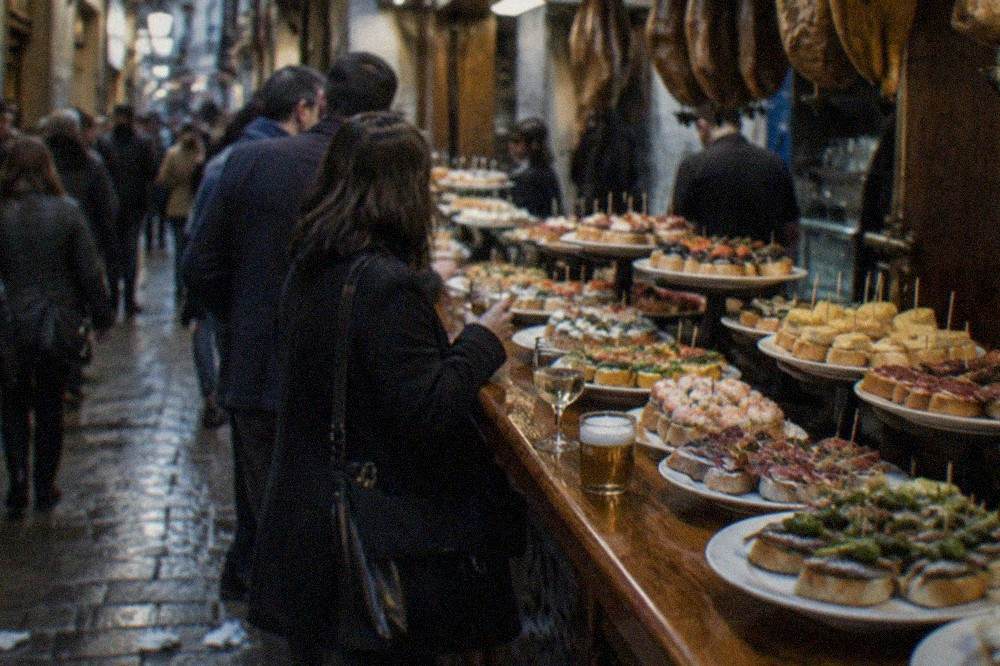
The rhythm of a San Sebastián evening is the key to the whole question. The pintxo bars in the Old Town start filling in the early evening as locals move from bar to bar, standing with a drink and a small skewered bite at each one. Dinner in a restaurant runs later than many visitors expect, and the streets stay busy well past midnight on Fridays and Saturdays, especially around the calle 31 de Agosto and the surrounding lanes of the Parte Vieja.
That is a drinking and eating culture, not a clubbing one. The city has some late venues, concentrated in the Old Town and in the Gros district, but the scale is modest. A visitor arriving from Madrid, Barcelona or a Mediterranean resort will find the nightlife smaller, earlier to thin out and more food-centred than the word "party" suggests.
It also helps to understand what the city is physically. San Sebastián is compact, hemmed between the bay and the hills, and everything worth doing in the evening sits within a short walk of everything else. That concentration is why the Old Town feels so intense on a busy night: the crowd has nowhere to spread out. The same compactness is why the city quiets down fast once the bars close, because there is no distant district where the night simply continues.
When Do The Bars And Pintxo Places Get Busy In San Sebastian?
The pintxo bars of San Sebastián fill up in the early evening, and the busiest nights are Thursday to Saturday, when locals crowd the Old Town lanes for a txikiteo, the Basque bar crawl of a drink and a pintxo at each stop. The peak runs from early evening until late, and many kitchens keep serving well into the night. On quieter weeknights the same bars empty much earlier, and the city can feel subdued by midnight.
The txikiteo, sometimes called a poteo in Spanish, is the local institution that most resembles "partying" for visitors. It is social, it involves a lot of standing, and the noise from a packed calle 31 de Agosto on a Saturday carries across the Old Town. But it is structured around food and conversation, and it is how the city has drunk for generations rather than a tourism invention.
The bars themselves are small, which concentrates the crowd on the street. Groups move between them, ordering one or two pintxos and a drink at each, and the whole evening is measured in stops rather than in hours at a single venue. The premium pintxo tour in the selection above is built exactly on this pattern, with reserved seats at each bar and a guided visit to Mercado de la Bretxa, and it suits a first evening in the city well. Check availability
One practical note for anyone planning around this rhythm: the weather shapes the crawl more than in drier Spanish cities. AEMET's normals for its Igeldo station show the city records 1,507 mm of rain a year over 141 rain days, and even July, the driest month, averages 86 mm. On a wet night the txikiteo compresses into the bars themselves instead of spilling onto the street, and the lanes feel very different from a dry August Saturday. Packing for an evening out here means planning for the possibility of standing under cover.
Which San Sebastian Festivals Turn The City Into A Party?
San Sebastián's loudest moments come from its festivals: Semana Grande, always the week of 15 August, brings a full week of events and the International Fireworks Competition over the bay, while the Tamborrada on 20 January fills the day with drumming companies. The September regattas, the film festival and the Jazzaldia add their own crowds, so the city's party energy is seasonal and event-driven rather than nightly.
Semana Grande, Aste Nagusia in Basque, is the big one. The tourism board states it always runs the week of 15 August, Saturday to Saturday, and the 2026 edition ran 8 to 15 August. The fireworks competition is the signature event, with crowds gathering along La Concha each night to watch national teams compete over the water.
The Tamborrada is the stranger and more local spectacle: every 20 January, drumming companies parade through the city in traditional dress, and the day is one of the most deeply felt dates on the local calendar. The Bandera de La Concha regatta, held on the first two Sundays of September, packs the bayfront with spectators for the trainera boat races, a tradition first held in 1879.
The film festival belongs in a different category of crowd. Its 74th edition ran 18 to 26 September 2026, and it fills the city's hotels and the streets around the Kursaal with an international film audience, but the energy is cinematic rather than bacchanalian. Jazzaldia, the jazz festival, adds open-air stages in the summer and a livelier plaza atmosphere, again without turning the city into a resort. If your idea of a party is a crowd, music and a drink in hand, the festival calendar delivers it several times a year, and those weeks are the moments to aim for.
How Late Does San Sebastian Stay Out?
San Sebastián stays out late by northern European standards but not by Spanish resort standards, and the crowd thins noticeably after the pintxo bars and restaurants close. The Old Town on a Saturday is busy into the small hours, while a Tuesday in November can feel quiet soon after dinner. The city's small size means there is no single nightlife district that runs until dawn, and the after-dinner options are limited rather than endless.
The seasonal pattern matters here too. The beach lifeguard service on all three city beaches runs only from 1 June to 30 September, and the island boats and the Hondalea installation in the Santa Clara lighthouse follow the same summer window, so the outdoor, warm-evening version of the city exists for a defined season and then retreats. A July or August night has people on the sand and the seafront late into the evening; a January night belongs to the Tamborrada and to the drummers, and to bars that empty earlier.
Is San Sebastian Loud, Crowded Or Rowdy?
San Sebastián is loud and crowded on festival nights and summer weekends, especially in the Parte Vieja, but it is not a rowdy resort. The city's visitor figures are food-led, its Old Town is genuinely packed in August, and the noise is concentrated in a few streets rather than spread across the city. Outside the festival calendar and the peak weeks, it is a calm, walkable place.
The visitor numbers back this up. INE's hotel occupancy data for the city shows August as the clear peak, with 245,769 hotel overnight stays in August 2025 against 115,910 in January, and July and August together make up 22 percent of the year's hotel nights. The crowds arrive for the beaches, the food and Semana Grande, and the nightlife pressure follows that curve rather than running all year.
The table below shows how the 2025 hotel overnight stays were spread across the year, which is a good proxy for when the city feels full.
| Month 2025 | Hotel overnight stays | Month 2025 | Hotel overnight stays |
|---|---|---|---|
| January | 115,910 | July | 239,124 |
| February | 119,367 | August | 245,769 |
| March | 156,670 | September | 216,759 |
| April | 200,055 | October | 207,158 |
| May | 205,326 | November | 147,334 |
| June | 211,534 | December | 134,960 |
What Kind Of Evening Suits San Sebastian Best?
The best evening in San Sebastián is a food-led one: a pintxo crawl through the Old Town, a late dinner, and a walk along La Concha, with the option of a sunset boat trip or a guided food tour to anchor the night. Visitors who come for clubs will be underwhelmed, and visitors who come to eat and drink well will find one of the most food-focused evening cultures in Europe.
That is the real answer to the question. The city holds 11 Michelin stars across 6 restaurants inside its boundaries in the MICHELIN Guide Spain 2026, and its evening economy is built around eating. A sunset catamaran sailing with a drink, a self-guided audio tour of the cultural sights, or a premium pintxo evening are the shapes a good night takes here, and the selection below covers all three.
For visitors who want the food-first evening taken care of end to end, the premium pintxo and market tour is the strongest single choice in the roster: reserved seating at each stop, a walk through Mercado de la Bretxa with a guide, and the pintxo bars of the centre handled without any of the guesswork a first night usually involves.
For more on how the city's food scene works, see what food San Sebastián is famous for, and for a sense of the city's scale on foot, read whether San Sebastián is a walkable city. The full rundown of the city's attractions is on the things to do in San Sebastian page, and San Sebastian Spain Guide covers the rest of the calendar, the beaches and the day trips.
Common Questions About San Sebastian Nightlife
Is San Sebastian A Party Town?
Not in the club-holiday sense. San Sebastián is a late-evening food city: packed pintxo bars, late dinners, loud festival weeks and a small club scene, not a resort party strip.
Is San Sebastian Loud At Night?
The Parte Vieja is loud on weekend and festival nights, with the busiest lanes around calle 31 de Agosto. Outside the Old Town, and on quiet weeknights, the city is calm.
What Is The Biggest Party Event In San Sebastian?
Semana Grande, always the week of 15 August, brings a full week of events and the International Fireworks Competition over La Concha bay. The Tamborrada on 20 January is the loudest local date.
Do People Go Clubbing In San Sebastian?
Some late venues exist in the Old Town and in Gros, but the club scene is small. The evening culture centres on pintxo bars and restaurants rather than dance floors.
When Is San Sebastian Most Crowded?
August is the peak: INE's hotel data shows 245,769 hotel overnight stays in August 2025, the year's highest month, driven by the beaches and Semana Grande.
Is San Sebastian Good For A Lively Weekend?
Yes, if the liveliness you want is food-led. A Thursday to Saturday stay with a pintxo crawl, a late dinner and a festival or regatta on the calendar gives the city at its most energetic.