Hostels And Budget Stays In San Sebastian
San Sebastián, the Basque name Donostia, is one of Spain's more expensive small cities, but a budget stay is still workable if you pick the right neighbourhood and know what the extras cost.
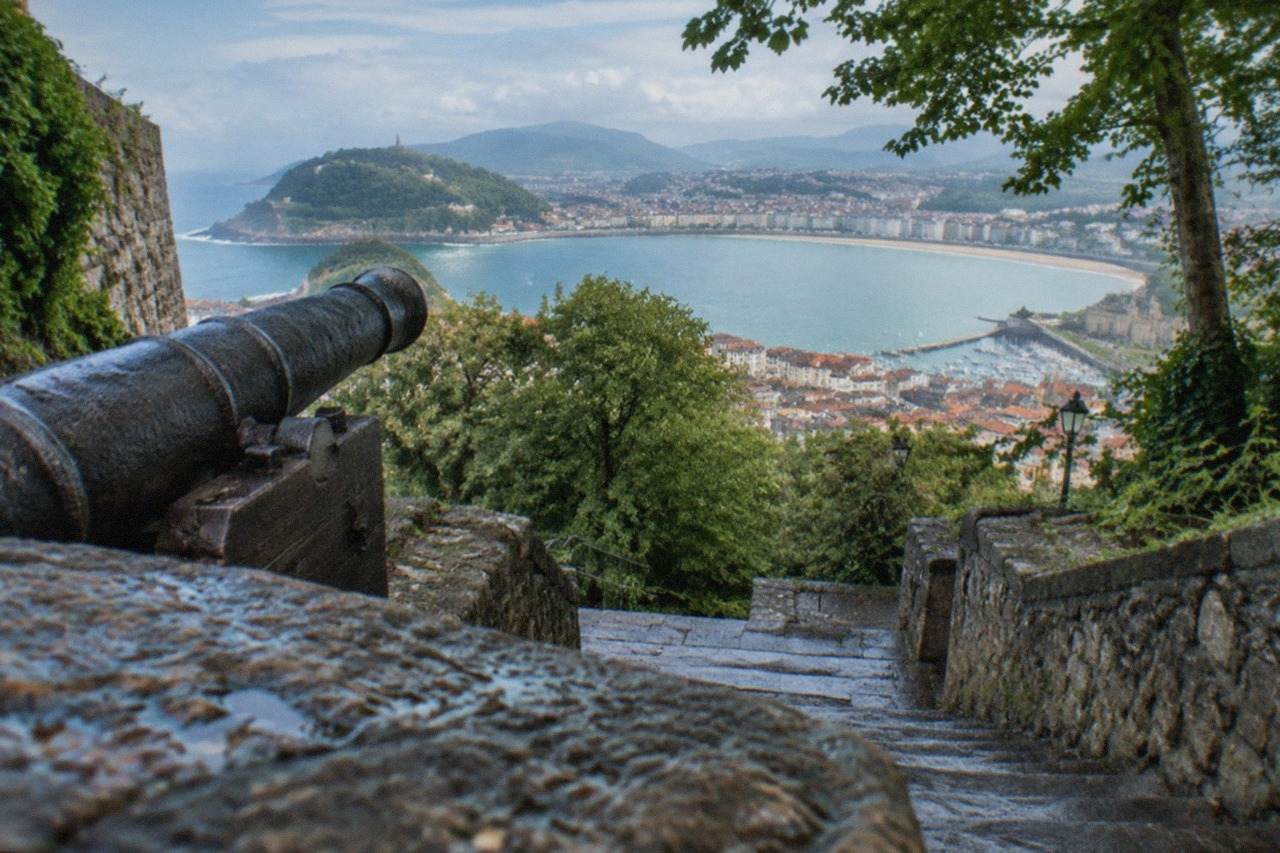
Short answer
Budget travellers to San Sebastián should look at Gros, Amara and Egia for cheaper beds, expect rain in any month, and remember that the Gipuzkoa tourist tax only starts on 1 January 2027.
San Sebastián, in the Basque Country of Spain, is a city whose official name is Donostia / San Sebastián, and it has a reputation for being pricey: six restaurants inside the municipality hold 11 stars in the MICHELIN Guide Spain 2026, and hotel nights in August are the busiest of the year. None of that forces a budget traveller to stay elsewhere. The city is compact, its beaches are free, its bus fare is small, and the neighbourhoods a fifteen minute walk from La Concha cost far less to sleep in than the seafront itself. This page sets out where the affordable beds cluster, what a stay there actually costs once transport, food and the new tourist tax are counted, and which seasons give a low-budget visitor the best value.
Which Neighbourhoods In San Sebastian Have The Cheapest Stays?
The cheapest beds in San Sebastián cluster in Gros, Amara and Egia, the three neighbourhoods just outside the seafront core, with Antiguo and the Parte Vieja behind them in price. Gros sits across the Urumea river from the Old Town, a ten minute walk to the Zurriola surf beach. Amara stretches inland from the river around the Amara train station. Egia lies east of the station beside the Cristina Enea park, and all three put you fifteen minutes on foot from La Concha without seafront prices.
Gros is the one most budget visitors settle on, and the reasons are practical rather than scenic. The neighbourhood's grid of streets holds small bars, surf shops and student-priced food, and the council's own beach page describes Zurriola as sandy and fairly open with a strong swell, which is exactly the beach a younger, cheaper crowd uses. The Parte Vieja, the Old Town, has the atmosphere but also the noise: pintxo bars run late into the night on Calle 31 de Agosto, and a bed above them is a bed above a party. Amara and Egia are quieter, plainer and cheaper still, and both sit on the Euskotren Topo line, which matters if you arrive from Hendaye or plan day trips along the coast.
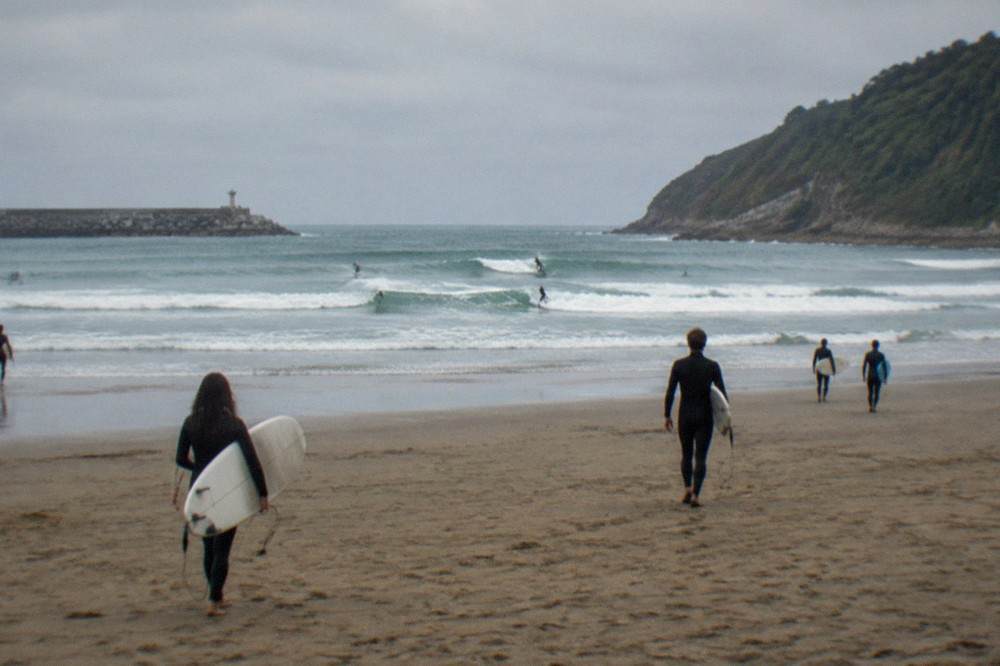
The table below compares the five neighbourhoods a budget traveller realistically weighs, using what each area offers rather than prices.
| Neighbourhood | Walk to La Concha | Character | Best for a budget traveller |
|---|---|---|---|
| Gros | 15 min | Surfy, young, wide grid of small bars | Cheapest beds near a beach, Zurriola on the doorstep |
| Amara | 20 min | Residential, around the train station | Quiet nights and easy Topo train access |
| Egia | 20 min | Local, beside Cristina Enea park | The plainest rooms, ten minutes from the Old Town by bus |
| Antiguo | 25 min | Family residential, near Ondarreta | Quieter streets, a longer walk to the pintxo bars |
| Parte Vieja | 2 min | Old Town, bars run late | Atmosphere over sleep, at a premium |
If you want the fuller picture of each district before booking, the guide to San Sebastian neighbourhoods covers all of them in detail, and the pages on Gros and Amara go deeper on the two cheapest.
How Much Does Getting Around Cost From A Budget Stay?
A single dBus city journey paid in cash costs 1.95 EUR, the night ticket is 2.65 EUR, and a MUGI cardholder pays 0.78 EUR for the same urban trip, so transport is a small line in a San Sebastián budget. The MUGI system covers dBus city buses, Lurraldebus regional lines and Euskotren under one fare, charged by zone jumps. Cash on dBus does not allow free transfers, so a card saves twice on a day of hopping around.
The practical reading for a hostel guest is that you will often walk. The city between Monte Urgull, the Urumea river and Ondarreta is a flat twenty minute walk end to end, and the seafront promenade is the obvious route to take anyway. Buses earn their fare on the longer legs: Antiguo to the Parte Vieja, Egia to La Concha, or the run out toward the Peine del Viento at the west end of Ondarreta. The MUGI tariff table gives the card's urban single as 0.78 EUR and the personalised card's first twenty trips of a month as 0.59 EUR, which is the fare structure a week-long stay can use, though the purchase price of the card itself should be checked at the point of sale.
| Ticket | Urban single | Notes from the tariff |
|---|---|---|
| Occasional, cash to the driver | 1.95 EUR | No free transfers on cash |
| Night ticket | 2.65 EUR | Evening and night services |
| MUGI anonymous card | 0.78 EUR | Valid across dBus, Lurraldebus and Euskotren |
| MUGI personalised, trips 1 to 20 in a month | 0.59 EUR | Discounted tier, further tiers apply after 20 trips |
One rail fact matters if your budget bed is in Amara or you arrive from the French border: the Euskotren Topo runs from Amara-Donostia to Hendaia in 37 to 38 minutes, on a service that runs every 30 minutes on its busiest days, and the occasional fare for that one-jump trip is 2.90 EUR. The new underground section through the city centre finished its civil works in June 2026, but no opening date has been published, so Amara remains the working terminus. The guide to getting around San Sebastian covers the rest of the network.
Is There A Tourist Tax On Hostels In San Sebastian?
No visitor pays a tourist tax in San Sebastián before 1 January 2027. Norma Foral 3/2026 of Gipuzkoa, published on 25 June 2026, creates the tax and sets bands per person per night, and hostels, campsites and rural houses fall in the 0.75 to 1.75 EUR band, but each council fixes its own rate inside the band and the tax only takes effect on 1 January 2027. At most six nights per continuous stay are charged, and under 18s are exempt.
The band structure matters to a budget traveller because the cheapest accommodation categories carry the lowest bands. The same law puts tourist-use dwellings at 4.50 to 6.50 EUR per person per night, which is the top band alongside five star hotels, so a cheap private room let as a tourist dwelling can carry a higher tax than a bed in a hostel category. Stays booked before 5 February 2026 are not charged under the law's transitional provisions. The rate San Sebastián's own council will apply has not been published in an official source, so treat the band maximum as the ceiling and ask your accommodation what, if anything, they will collect from 2027 onward.
| Accommodation category | Band per person per night |
|---|---|
| Hostels, campsites, rural houses | 0.75 to 1.75 EUR |
| 1 star hotels and pensiones | 0.75 to 1.75 EUR |
| 2 star hotels | 1.00 to 2.50 EUR |
| Tourist apartments | 1.50 to 3.50 EUR |
| Tourist-use dwellings | 4.50 to 6.50 EUR |
| 5 star hotels | 4.50 to 6.50 EUR |
For the wider cost picture, including how eating out compares with other Spanish cities, see is San Sebastian expensive.
A short guided walk is one of the cheapest ways to get your bearings, and the budget end of the roster is genuinely cheap: the listings below are the low-cost picks on this site.
What Does A Cheap Day In San Sebastian Look Like?
A cheap day in San Sebastián runs on free beaches, low-fare buses and museum days: all three city beaches cost nothing, the dBus fare is 1.95 EUR in cash, and lifeguards are on duty from 1 June to 30 September. Monte Urgull is free to enter, open 08:00 to 21:00 from 1 May to 30 September and to 19:30 the rest of the year. Tabakalera's building is free to access, and San Telmo Museoa is free for everyone every Tuesday.
The pattern that works is to spend on one thing and let the city supply the rest. A morning on La Concha, whose council page lists it at 1,350 metres of sandy beach, costs nothing. A walk up Monte Urgull costs nothing and ends at the Castillo de la Mota with the whole bay below. Tuesday is the museum day: San Telmo's own page states free entry for everyone every Tuesday, and its general admission is otherwise 10.00 EUR, reduced 4.00 EUR for students, visitors over 65 and large families, free for under 25s on any open day. Tabakalera is free to enter as a building, with exhibition halls open Tuesday to Sunday in two daily sessions. Food is where the budget bends, but a pintxo and a drink at a counter is a meal in miniature, and the pages on pintxos in San Sebastian and what are pintxos explain how the system works.
When Is The Cheapest Time To Stay In San Sebastian?
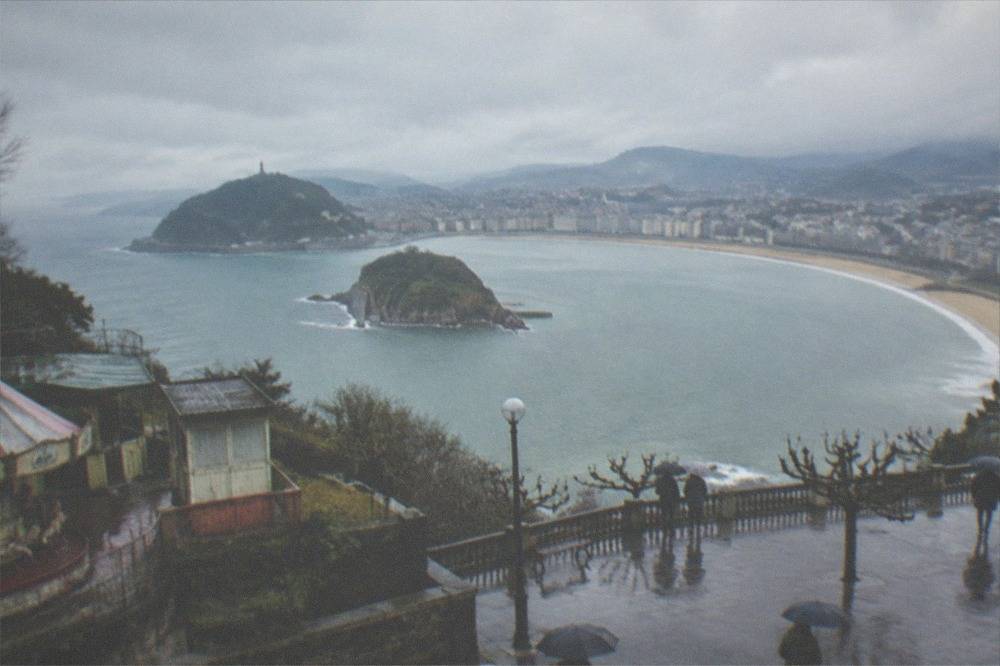
The cheapest months to stay in San Sebastián are November, January and February, when hotel overnight stays in the city fall well below their summer level: November 2025 recorded 147,334 hotel nights against August's 245,769, and January 115,910. The trade-off is weather, since November is the wettest month at 169 mm of rain and January averages 8.5 C. May, June and September strike the balance, with May at 14.4 C and September at 18 C.
The INE hotel figures, which count hotels only in the city's tourist point, show the shape of the year clearly: April to October never drops below 200,000 overnight stays, while the winter months fall well below that, with January at 115,910 and February at 119,367. Fewer nights sold means cheaper beds and emptier pintxo bars. The weather is the price you pay. AEMET's normals for the Igeldo station, which sits 250 m up on Monte Igeldo so the seafront runs slightly warmer, show November with 169 mm of rain over 13 days, January with 141 mm, and no month under 86 mm. This is an Atlantic city, and the monthly guides, from San Sebastian in November through San Sebastian in February, spell out what each low season month actually feels like.
| Month | Mean temperature | Rain mm | Rain days | Hotel overnight stays |
|---|---|---|---|---|
| January | 8.5 C | 141 | 13.2 | 115,910 |
| February | 8.7 C | 110 | 11.6 | 119,367 |
| May | 14.4 C | 120 | 12.2 | 205,326 |
| July | 18.9 C | 86 | 9.8 | 239,124 |
| August | 19.5 C | 117 | 10.5 | 245,769 |
| September | 18.0 C | 111 | 10.1 | 216,759 |
| November | 11.3 C | 169 | 13.0 | 147,334 |
For the full month-by-month argument, see best time to visit and San Sebastian weather.
Can You Visit San Sebastian Cheaply Without A Tour?
Yes, and the cheapest guided option costs almost nothing up front: this site lists a free, tip-based historic walking tour run on GuruWalk, a platform where the walk is free and you pay the guru what you choose. The listing is a bilingual historic walk with a radioguide included, starting at Plaza Cervantes, and it asks you to pick the English session. A budget visitor can take the free walk on day one and spend the saved money in the pintxo bars instead.
The free walk deserves the naming because it is not this site's product: it is a GuruWalk tour, tip based, and the honest way to describe it is to name the platform and say the guru is paid by what the group chooses to give. Beyond that, the low end of the paid roster is genuinely modest. The walking tour with a pintxo and a drink included is the related pick on this page, and it exists as a full listing of its own. Other pages covering the same trip are gathered on San Sebastian Spain Guide.
The internal page for that tour, the budget walk with a pintxo included, covers what the route includes, and you can also Check availability directly. If you would rather ride than walk, the flat bay bike tour below is the other low-cost way to cover the whole seafront in one go, running end to end along the bay with an e-bike option for the hills.
The GuruWalk free walk rounds out the cheap trio, and it is the one that costs nothing until you decide what the guide has earned. It starts at Plaza Cervantes, hands out a radioguide so the whole group hears, and runs in two languages, so choose the English session when you book. Taken together, these three options cover the city on foot, by bike and for free, which is most of what a first visit needs.
How Do You Eat Well On A Budget In San Sebastian?
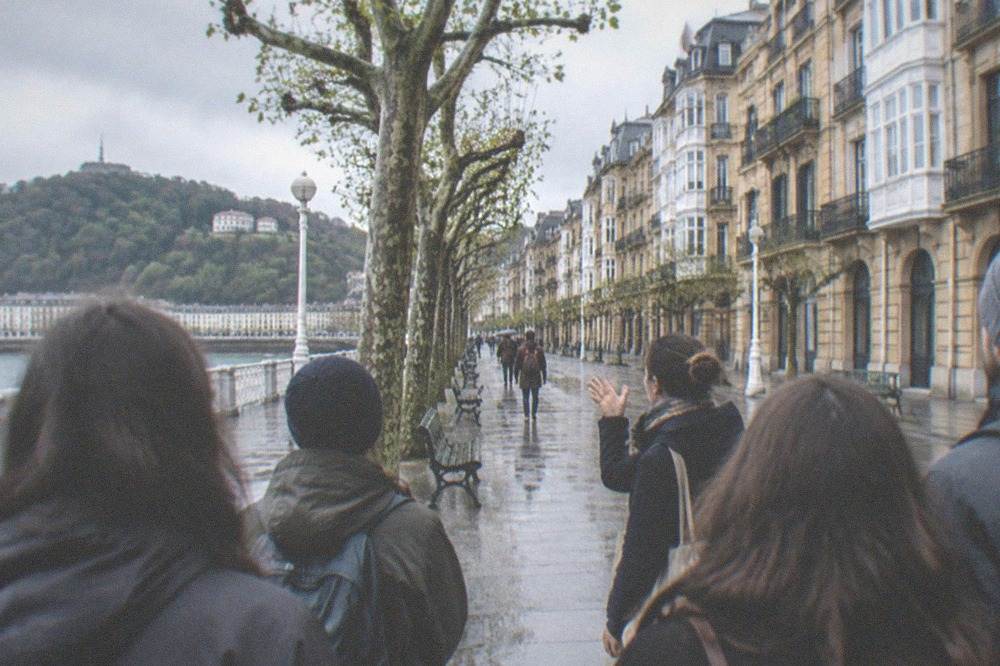
Eat standing up, eat at the counter and eat where the locals eat: a pintxo bar charges per piece, so a budget visitor controls the total by ordering one or two at a time, and the cheapest neighbourhoods for this are Gros and the streets off the Boulevard rather than the seafront. San Sebastián's food culture was built around small pieces and short visits, not long sit-down meals, and the market at La Bretxa supplies picnic ingredients for the beach or Monte Urgull.
The economics are simple even without published prices: a counter meal of several pintxos with a glass of txakoli, the local white wine, is a fraction of a restaurant menu, and the city's most famous dishes, from the gilda pintxo to the burnt basque cheesecake, all started as bar food. The guides to best pintxos bars and what to eat in San Sebastian name the places worth the walk. For the famous cheesecake, whose origin is a bar in the Parte Vieja, see La Vina cheesecake. If your budget stretches to one splurge meal, the Michelin restaurants page explains what the 11 city stars actually cost to book, and lunch menus are the traditional way in.
What Free Things Offset The Cost Of A Bed?
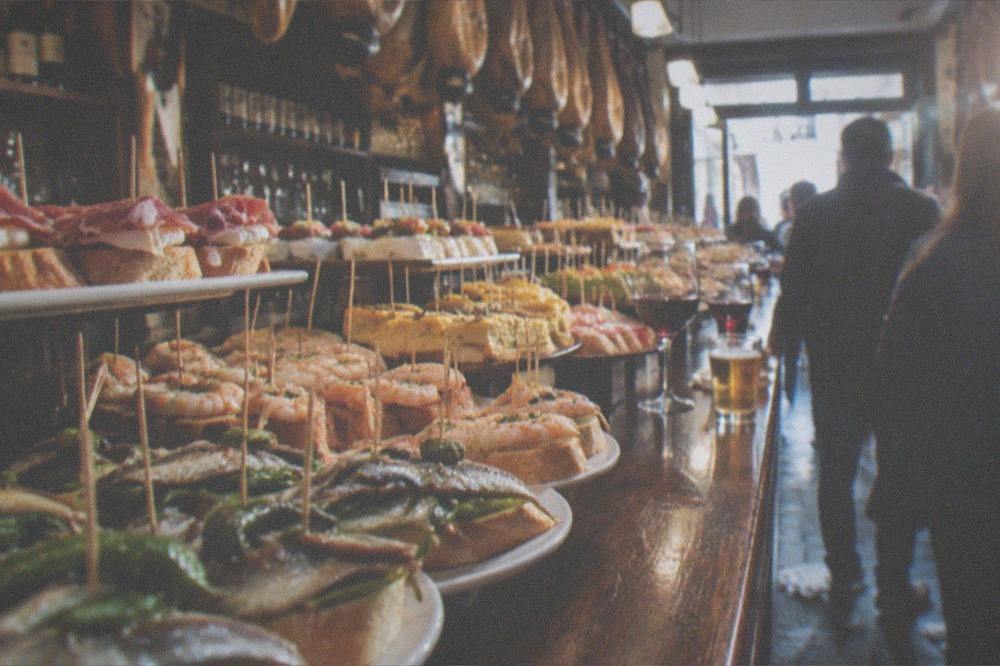
The biggest free assets are the beaches and the hills: all three beaches are free, Monte Urgull is free and open until 21:00 in summer, Hondalea, the Cristina Iglesias installation in the Santa Clara island lighthouse, is free to visit in its season from 1 June to 30 September, and the island boat's return fare is 5 EUR in high season. San Telmo Museoa is free every Tuesday, and the Peine del Viento sculptures at the foot of Monte Igeldo stand in a free public plaza.
Budget the paid hills correctly. Monte Igueldo's funicular charges 5.50 EUR return for an adult and the ticket includes entry to the grounds, while arriving on foot or by any vehicle costs 3.00 EUR per person for the grounds and viewpoint, and the funicular's own site states that downhill-only tickets are not on sale, so a walk up does not buy you a cheap ride down. The Santa Clara island boat runs its high season from 1 June to 30 September with the red line at 5 EUR return, and Hondalea inside the lighthouse needs no booking beyond the boat, though the council's page notes the boat itself depends on weather and sea. The full rundown is on the free things to do page.
| Free or cheap asset | Cost | Season rule from the verified record |
|---|---|---|
| All three city beaches | Free | Lifeguards 1 June to 30 September |
| Monte Urgull | Free | 08:00 to 21:00 from 1 May to 30 September, to 19:30 otherwise |
| San Telmo Museoa | Free every Tuesday | 10.00 EUR general admission otherwise, closed Mondays |
| Hondalea on Santa Clara island | Free | 1 June to 30 September, 11:00 to 18:30 |
| Santa Clara island boat | 5 EUR return | High season 1 June to 30 September |
| Monte Igueldo grounds on foot | 3.00 EUR per person | Funicular return 5.50 EUR, no downhill-only ticket |
Should You Book A Hostel Or A Budget Apartment?
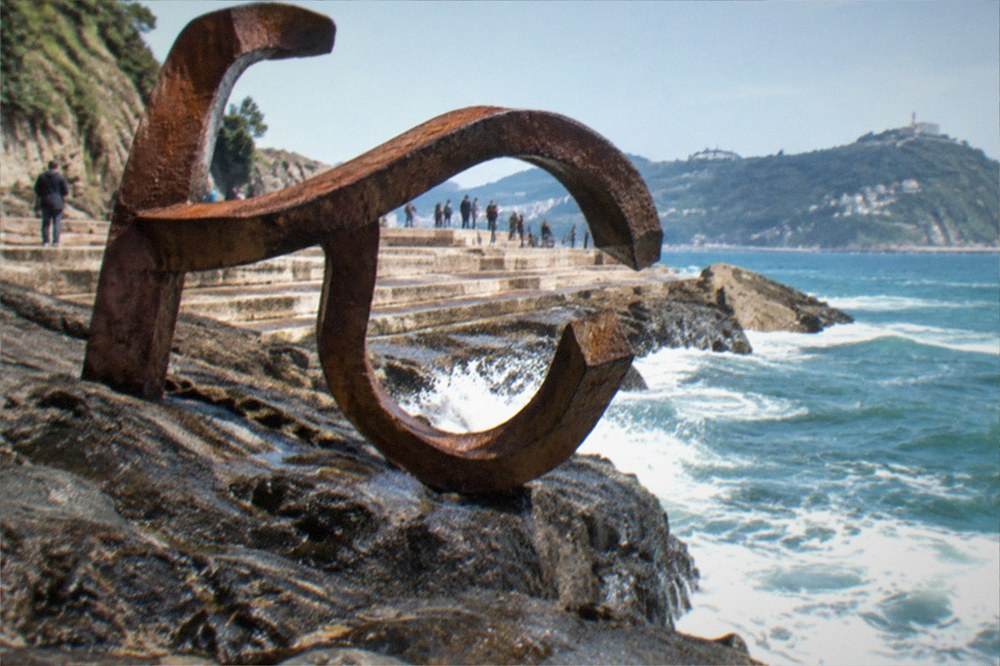
For short stays a hostel bed usually wins on total cost, because the Gipuzkoa tourist tax law puts hostels in the 0.75 to 1.75 EUR band and tourist-use dwellings in the 4.50 to 6.50 EUR band, the highest there is, charged per person per night from 1 January 2027. A hostel also removes cleaning fees and lets you cook nothing, since breakfast at a counter costs little. An apartment only wins for groups of three or more staying a week.
The tax bands are the detail most budget guides miss, and they are law rather than rumour: Norma Foral 3/2026 was published in the Boletin Oficial del Pais Vasco on 25 June 2026 and takes effect on 1 January 2027, with at most six nights charged per continuous stay and under 18s exempt. Before that date the comparison is purely about the room rate, and no accommodation price is published in this page's verified record, so compare the live totals at booking time rather than any figure quoted here. For longer stays the apartment pages and the neighbourhood guides above are the place to start, and how many days in San Sebastián helps you fix the length before you fix the bed. When a group does the arithmetic, per-person charges and self-catering change the maths in the apartment's favour, but for one or two nights a dorm bed remains the cheapest roof in the city.
Common Questions About Budget Stays In San Sebastian
Is San Sebastian too expensive for backpackers?
No. The city has a deserved reputation for high-end food, but beds in Gros, Amara and Egia, a 1.95 EUR bus fare, free beaches and free-entry days at San Telmo Museoa keep a low daily spend possible. The pages on costs in San Sebastián and free things to do break the budget down.
Do hostels in San Sebastian charge a tourist tax?
Not before 1 January 2027. The Gipuzkoa law that creates the tax takes effect on that date, and hostels fall in its lowest band, 0.75 to 1.75 EUR per person per night, with at most six nights charged per stay and under 18s exempt. The rate San Sebastián's council will set inside that band has not been published.
Which area should a budget traveller stay in?
Gros is the usual answer: it is the cheapest neighbourhood beside a beach, with Zurriola on the doorstep and a fifteen minute walk to the Old Town. Amara and Egia are cheaper and quieter, around the train station and Cristina Enea park respectively.
Is it cheaper to visit San Sebastian in winter?
Yes. Hotel overnight stays in the city run at roughly half their August level from November to February, which means cheaper beds and emptier bars. The trade-off is weather: November averages 169 mm of rain and January 8.5 C, and no month in the city is dry.
Can you enjoy San Sebastian without spending on tours?
Yes, and the cheapest guided option costs nothing up front: a free, tip-based historic walk on GuruWalk covers the Old Town with a radioguide included. Beyond it, the beaches, Monte Urgull, the Peine del Viento plaza and Tuesday's free entry at San Telmo Museoa are all free or nearly so.
Do you need a transport pass for a budget stay?
Only if you plan to ride often. A cash dBus single is 1.95 EUR with no free transfers, while a MUGI cardholder pays 0.78 EUR for the same urban trip, valid across dBus, Lurraldebus and Euskotren. Visitors between Gros, the Old Town and La Concha can simply walk.
The short version: sleep a street or two back from the bay in Gros, Amara or Egia, walk almost everywhere, eat at counters, time your museum visits to Tuesday, and let the free hills and beaches fill the days. That is a San Sebastián trip that costs a fraction of what its Michelin reputation suggests, rain and all.