San Sebastian In February
February is the quietest full month on La Concha bay: cool, showery, cheap to stay in, and the month when the txotx cider season is at its height.
Short answer
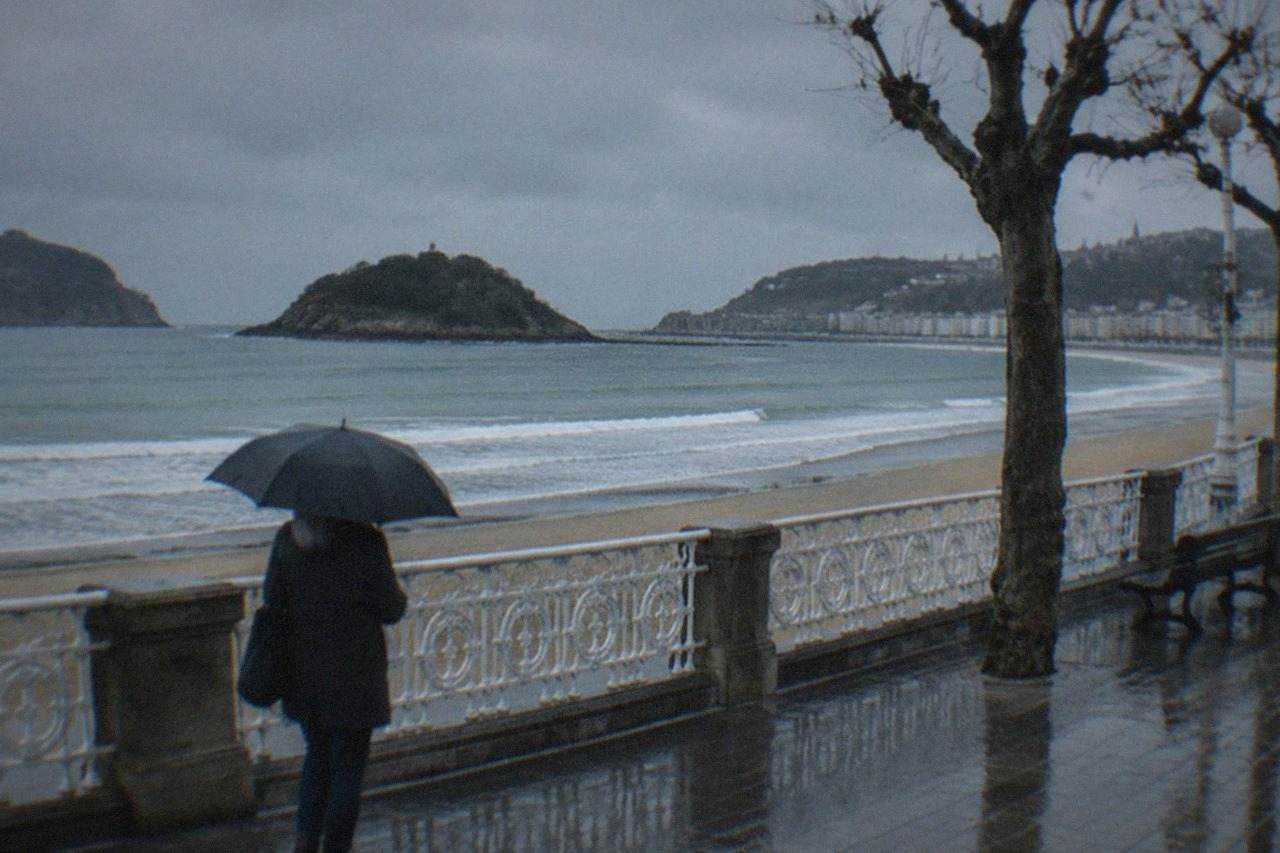
San Sebastián in February averages 8.7 C with 110 mm of rain over about 12 rain days, the city's hotels are at their emptiest, and the txotx cider season runs at full tilt. Bring a rain jacket, eat standing up, and book nothing you cannot cancel.
February is the month when San Sebastián, in the Basque Country of Spain, belongs to the people who live in it. The city's official name is Donostia / San Sebastián, and in its second month the hotel counters are quiet, the pintxo bars of the Parte Vieja have room at the counter, and the cider houses of Astigarraga are in the middle of the txotx season, which the tourism board describes as running from the middle of January to the end of April. AEMET's normals for its Igeldo station put February at a mean of 8.7 C, and the same table records 110 mm of rain, so this is a month for a rain jacket and long lunches rather than beach towels. What follows is what the month actually holds.
What Is The Weather Like In San Sebastian In February?
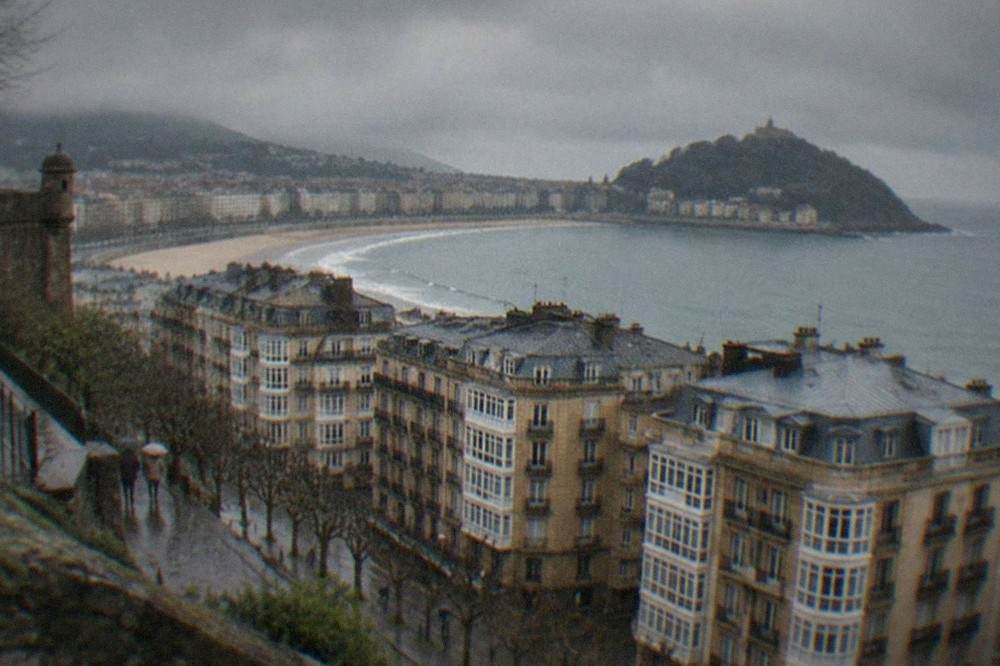
AEMET's climate normals for its Igeldo station give February a mean temperature of 8.7 C, a mean daily maximum of 11.5 C and a mean nightly minimum of 5.9 C, with 110 mm of rain over an average of 11.6 days and 107 hours of sunshine. The station sits 250 m up on Monte Igeldo, so the seafront runs slightly warmer. February is neither the coldest nor the wettest month: January is colder and November is wetter at 169 mm.
That is the whole honest picture, and it is a wet Atlantic one. This is not a Mediterranean city and no month here is dry: even July, the driest, averages 86 mm. February's 110 mm means rain on roughly one day in three by the 1 mm measure, and the 107 sun hours work out to under four hours a day on average. The practical reading is that a February visitor gets cool, changeable weather with real bright spells, not a washout, and should plan each day with an indoor half and an outdoor half.
The table below is AEMET's own normals for the station, showing February beside its neighbouring months so the trade-offs are visible at a glance.
| Month | Mean C | Mean max C | Mean min C | Rain mm | Rain days 1mm+ | Sun hours |
|---|---|---|---|---|---|---|
| January | 8.5 | 11.0 | 5.9 | 141 | 13.2 | 98 |
| February | 8.7 | 11.5 | 5.9 | 110 | 11.6 | 107 |
| March | 10.3 | 13.4 | 7.2 | 113 | 12.4 | 144 |
| Year total | 13.5 | 16.5 | 10.6 | 1,507 | 141.1 | 1,816 |
Two things follow from that table. February is a touch milder than January and noticeably drier, 110 mm against 141. And the annual total of 1,507 mm over 141 rain days is the number to hold in your head when anyone calls this coast sunny: the rain is what keeps it green. For more on the yearly pattern, see the site's San Sebastian weather guide.
Is February A Good Time To Visit San Sebastian?
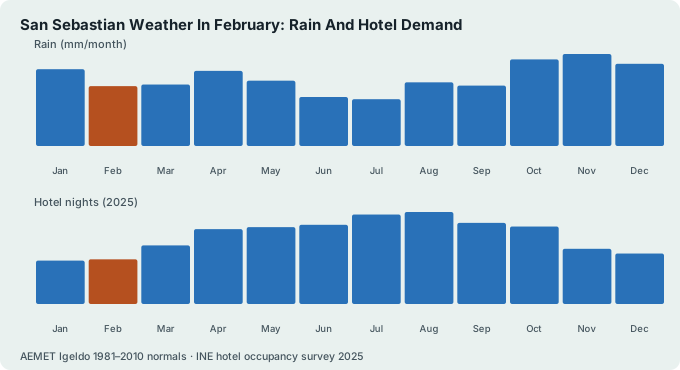
February is a good month to visit if your reasons are food, walking and low crowds, and a poor one if your reason is the beach. INE's hotel occupancy data records 119,367 overnight stays in the city's hotels in February 2025 against 245,769 in August, so the city runs at roughly half its summer pressure. The beaches are unstaffed, the lifeguard season runs 1 June to 30 September, and the txotx cider season is at full height.
The crowd arithmetic comes from INE's hotel occupancy survey for the tourist point Donostia-San Sebastián, which covers hotels only. February 2025 sits near the bottom of the year, above January's 115,910 and below every month from March onward. What that means on the ground is shorter queues at the pintxo bars, tables without reservations, and museum rooms you can hear yourself think in.
The honest trade-off is the weather. A February day can give you a bright walk along La Concha's 1,350 m of sand, and it can just as easily give you steady rain. The visitors who do best here in winter are the ones who treat the rain as a scheduling problem: the morning at San Telmo Museoa, the afternoon in the cider houses, the evening crawl through the Parte Vieja. The site's guide to how many days to spend in San Sebastian works in February as in any month, because the city itself is compact and the indoor options are unusually strong for somewhere this small.
What Can You Do In San Sebastian In February?
In February the reliable options are the Old Town and its pintxo bars, San Telmo Museoa, which is free to everyone every Tuesday, Monte Urgull, which is open 08:00 to 19:30 in winter, the Monte Igueldo funicular, which runs every 15 minutes weather permitting, and the Kursaal and Tabakalera cultural buildings. The beaches are walkable but unswimmable for most people, and Santa Clara Island's boat service is out of its high season, which the operator limits to 1 June to 30 September plus Easter and long weekends.
Start with the Old Town, the Parte Vieja, because it is the part of the city that works in any weather. Its bars run all year, and February is when you can stand at a counter on a Friday night without a wait. San Telmo Museoa, in a former convent at the edge of the district, opens Tuesday to Sunday with winter hours of 10:00 to 19:00, charges 10.00 EUR general admission and 4.00 EUR reduced, and is free for everyone on Tuesdays. Tabakalera, the former tobacco factory turned cultural centre, is free to enter and open Tuesday to Sunday until 21:00, closed Mondays. The wider set of guides lives on San Sebastian Spain Guide.
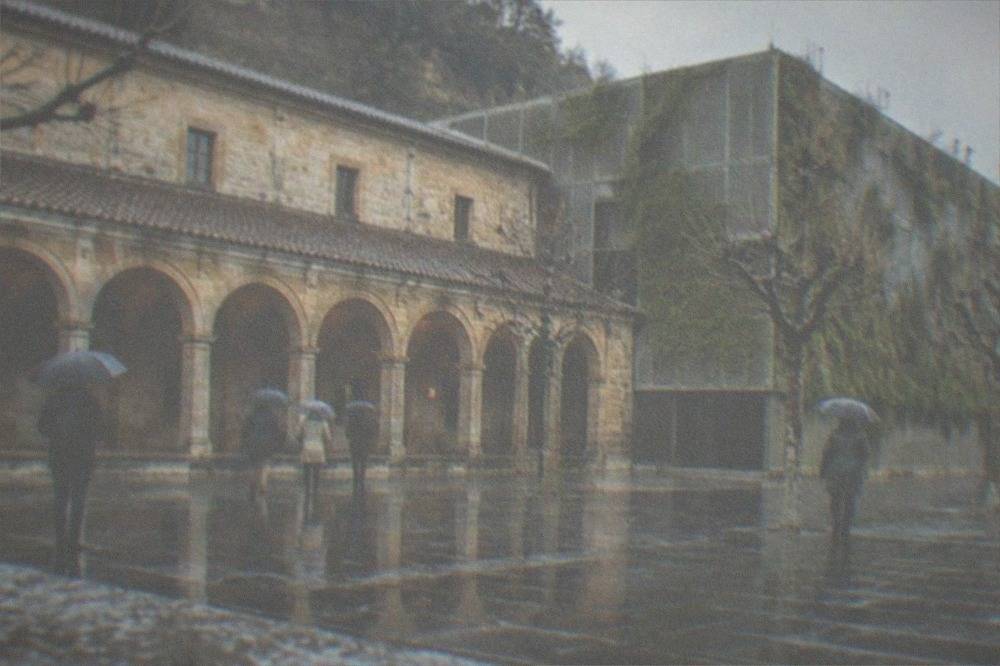
The hills are open too. Monte Urgull, the headland between the Old Town and Zurriola, keeps winter access hours of 08:00 to 19:30 from 1 October to 30 April, and the walk up costs nothing. The Monte Igueldo funicular, running since 25 August 1912, charges 5.50 EUR return for an adult, and its own site notes that the ticket includes entry to the grounds at the top; its home page also states that downhill-only tickets are not on sale, so ride up and ride down, or do not ride at all. Rides close on rainy days, which in February is a real possibility, so check before you set out.
A guided walk is a sound February buy because a local guide moves the plan indoors when the sky opens. The must-see attractions walking tour covers the historic centre in a small group or as a private option, and there is a short walking option that ends with a pintxo and a drink included for those who want a lighter commitment.
The same logic applies to the food side of the day. A guide who knows the Parte Vieja can steer a group between bars that are open, busy enough to be lively and quiet enough to serve you quickly, which in February is a matter of local knowledge rather than luck. It also removes the guesswork from ordering, since the winter specials rarely come with a translated menu.
The table below sets out what is open, what is closed and what is seasonal in February, drawn from each venue's own published information.
| Place or service | February status | Detail |
|---|---|---|
| San Telmo Museoa | Open Tue to Sun, 10:00 to 19:00 | Free every Tuesday; general admission 10.00 EUR |
| Tabakalera | Open Tue to Sun, 10:00 to 21:00 | Free access; closed Mondays |
| Monte Urgull | Open 08:00 to 19:30 | Winter access hours, 1 Oct to 30 Apr |
| Monte Igueldo funicular | Runs every 15 minutes | 5.50 EUR adult return; closes on rainy days |
| Beach lifeguards | Off duty | Season runs 1 June to 30 September |
| Santa Clara island boat | Out of high season | High season is 1 June to 30 September; low season departures on request |
| Hondalea, island lighthouse | Closed | Summer season 1 June to 30 September only |
| Aquarium | Closed Mondays | Tue to Fri 10:00 to 19:00, weekends 10:00 to 20:00 |
The pattern to notice is the seasonal one. Everything on and around the water, lifeguards, the island boats, the Hondalea installation in the lighthouse, runs 1 June to 30 September and is off in February. Everything made of stone, museums, hills, bars, is open. A February itinerary built around the second list will not be disappointed by the first.
What Should You Eat In San Sebastian In February?
In February the city's table is at its winter best: the txotx cider season is running, which the tourism board dates from mid-January to the end of April, the pintxo bars of the Parte Vieja are in full swing with winter specials, and the MICHELIN Guide Spain 2026 counts 11 stars across 6 restaurants inside the city, with Akelaŕe and Arzak each holding three. February is also the cheapest month to eat at the top end, because demand is at its annual floor.
The cider season is the month's food story. In a sagardotegi in Astigarraga, a separate municipality a short ride from the city, the txotx ritual means the barrel is opened and the cider is poured from height into your glass while you stand, and the standard meal around it is a thick txuleta steak with salt cod omelette and peppers. The tourism board names cider houses for both Donostia and Astigarraga, and the season rule, mid-January to the end of April, means February sits squarely inside it. The site's cider house guide covers how a visit works.
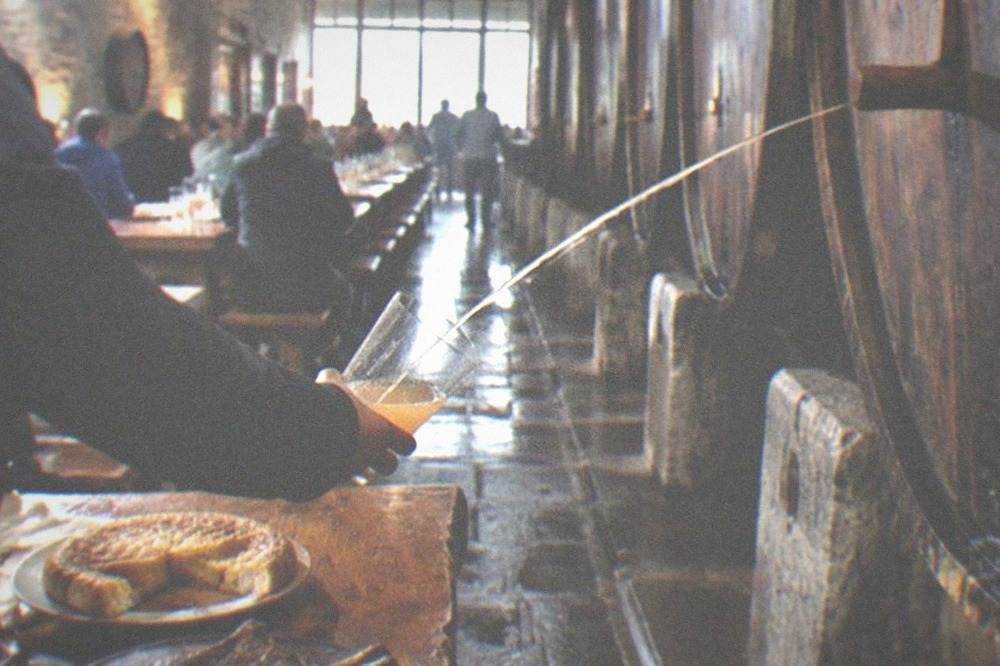
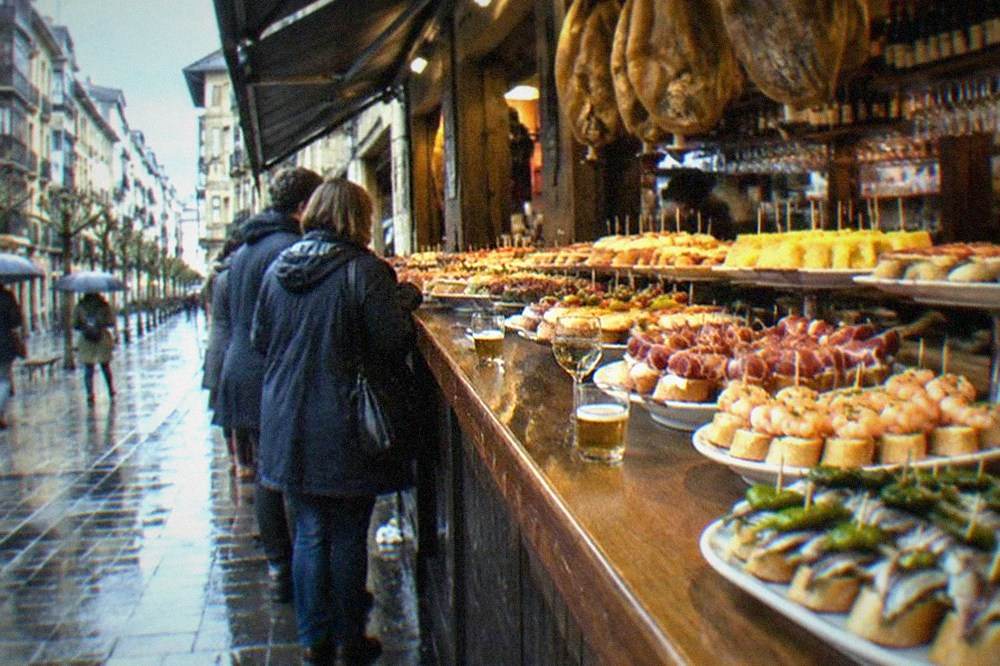
Back in the city, February is the month to eat pintxos properly, standing at the counter, moving from bar to bar. The basics are on the site's what are pintxos page and the bar-by-bar rundown lives in the best pintxo bars guide. A guided crawl solves the problem of which bar and which pintxo, and in February the bars have room for a group.
For the splurge night, the arithmetic is simple. The MICHELIN Guide Spain 2026 lists 19 stars across 11 restaurants in the province of Gipuzkoa, and 6 of those restaurants with 11 stars sit inside the city itself. Martín Berasategui, with three stars, is in Lasarte-Oria, a separate municipality, and Mugaritz, with two, is in Errenteria: both are reachable, neither is in San Sebastián. The 2027 edition is announced on 24 November 2026, so every star count carries that edition's name. The site's Michelin restaurants guide covers the booking reality.
Where Should You Stay In San Sebastian In February?
In February the hotel market is at its loosest, with INE recording 119,367 hotel overnight stays in February 2025 against 245,769 in August, and every neighbourhood of the city is viable because the summer crush is absent. The Centro and Parte Vieja put you within a short walk of the pintxo bars, Gros puts you beside Zurriola and the surf side, and the Antiguo and Ondarreta side is quieter and greener. No tourist tax applies before 1 January 2027, when the Gipuzkoa law takes effect.
The tax point matters for winter bookers because it is widely misreported. Norma Foral 3/2026 of Gipuzkoa takes effect on 1 January 2027 and sets bands per person per night, up to 4.50 to 6.50 EUR for five-star hotels and 3.50 to 5.50 EUR for four-star, with at most six nights charged per stay and under-18s exempt. Before that date nobody pays it, and the rate the city council itself will apply is not yet published, so any February 2027 booking should ask the hotel rather than trust a number in a guide.
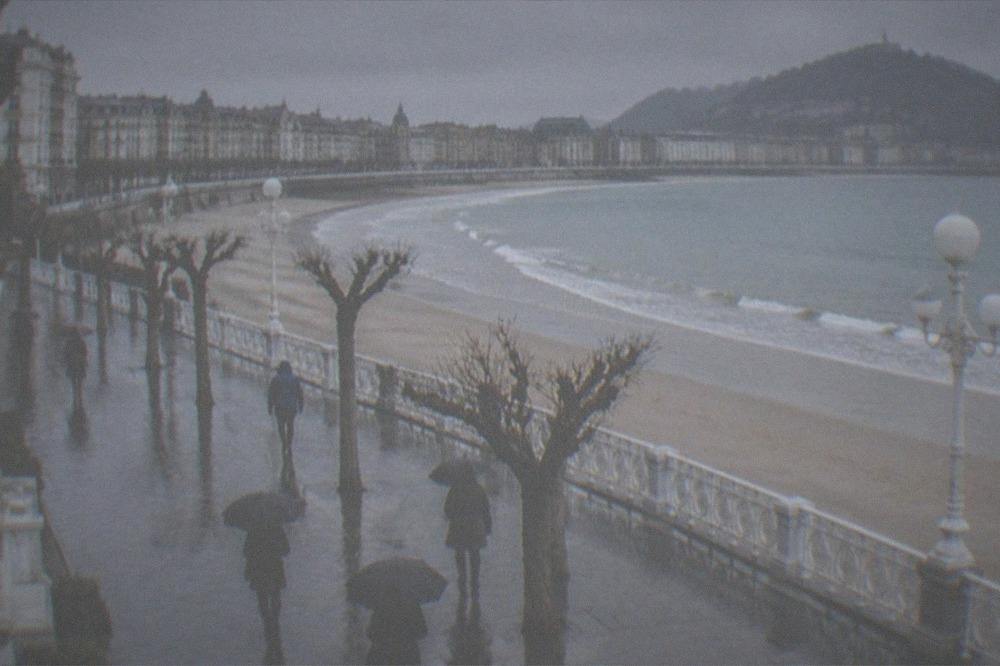
Neighbourhood choice in February is about weather management more than view. The Centro keeps you close to San Telmo, the Buen Pastor cathedral and the Bretxa market, so a rainy hour costs you a two-minute dash rather than a bus ride. Gros is the younger district around Zurriola, where the winter surf crowd keeps the coffee bars busy even when the beach is empty. The site's where to stay in San Sebastian guide covers each district in detail, and the San Sebastian neighborhoods page explains what each one feels like.
What Day Trips Work From San Sebastian In February?
The February day trips that work are the coast drive to Zarautz, Getaria and Zumaia, the fishing town of Hondarribia, the French Basque towns of Biarritz, Bayonne and Saint-Jean-de-Luz, and Chillida Leku in Hernani, which is open every day except Tuesday and Wednesday and charges 14 EUR adult admission. The Basque Coast UNESCO Global Geopark at Zumaia is a year-round landscape, and the txakoli wineries around Getaria pour through the winter.
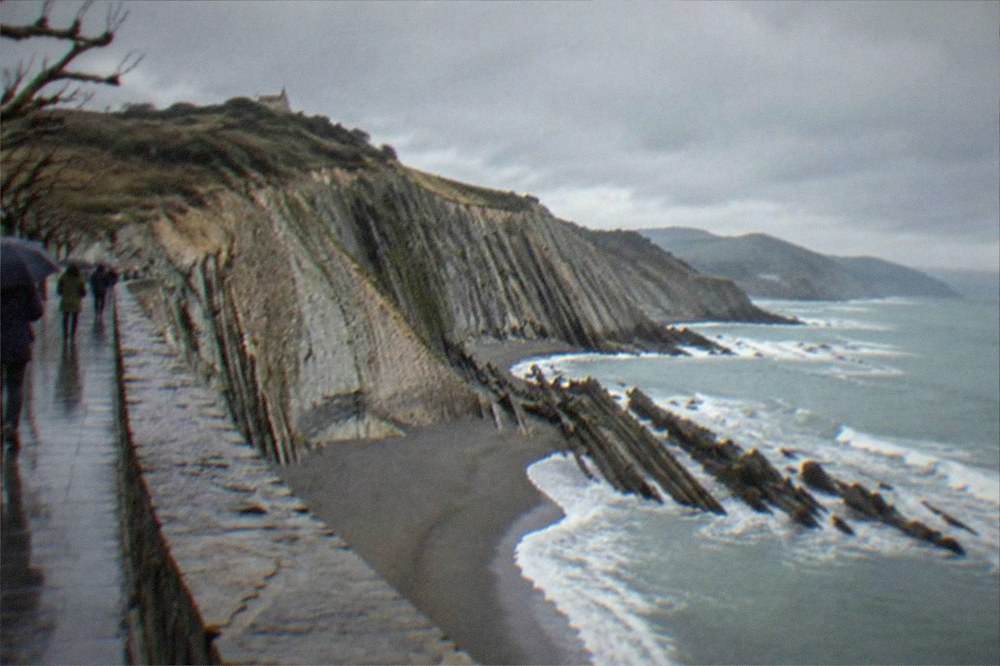
The coast to the west is the classic run: Zarautz for its long beach, Getaria for the fishing port and its connection to both txakoli and the Balenciaga museum, whose own site lists 14 EUR admission and November to March opening of Wednesday to Sunday, and Zumaia for the flysch rock formations of the Geopark, a UNESCO Global Geopark since 2015. The Balenciaga Museoa's winter hours are the detail to catch: from November to March it closes Monday and Tuesday.
Chillida Leku deserves its own line. The sculpture museum sits in Hernani, a separate municipality, is open 10:00 to 19:00 every day except Tuesday and Wednesday, charges 14 EUR for adults with reductions to 10 EUR and 7 EUR, and has a free car park. In February its beech wood and outdoor sculptures are at their emptiest, and the site's Chillida Leku guide covers getting there.
The comparison table below matches each main day trip to what it offers in winter conditions.
| Day trip | Winter notes | Best in February because |
|---|---|---|
| Zarautz, Getaria, Zumaia | Coach or vehicle tour with a guide | Coast scenery and txakoli without summer crowds |
| Hondarribia and Pasaia | Half-day by vehicle, bilingual group option | Historic port towns, all indoors-and-walking |
| Biarritz, Bayonne, Saint-Jean-de-Luz | Coach day across the border | French towns are year-round destinations |
| Chillida Leku, Hernani | Open daily except Tue and Wed, 14 EUR | Outdoor sculpture in winter light, no queues |
| Balenciaga Museoa, Getaria | Wed to Sun in winter, 14 EUR | Pairs with Getaria's port and txakoli houses |
A guided version of the coast run handles the winter logistics, since the operator arranges the vehicle and the timing around the short daylight.
What Should You Pack For San Sebastian In February?
Pack for 11.5 C daytime highs and 5.9 C nights with rain on roughly 12 days in the month: a waterproof shell rather than an umbrella, because the wind off the bay breaks umbrellas, layers you can shed indoors, and shoes that can take wet cobbles. AEMET's Igeldo normals give the month 107 sun hours, so sunglasses are not a joke. Swimwear belongs in the bag only if the hotel has a pool or you plan the spa.
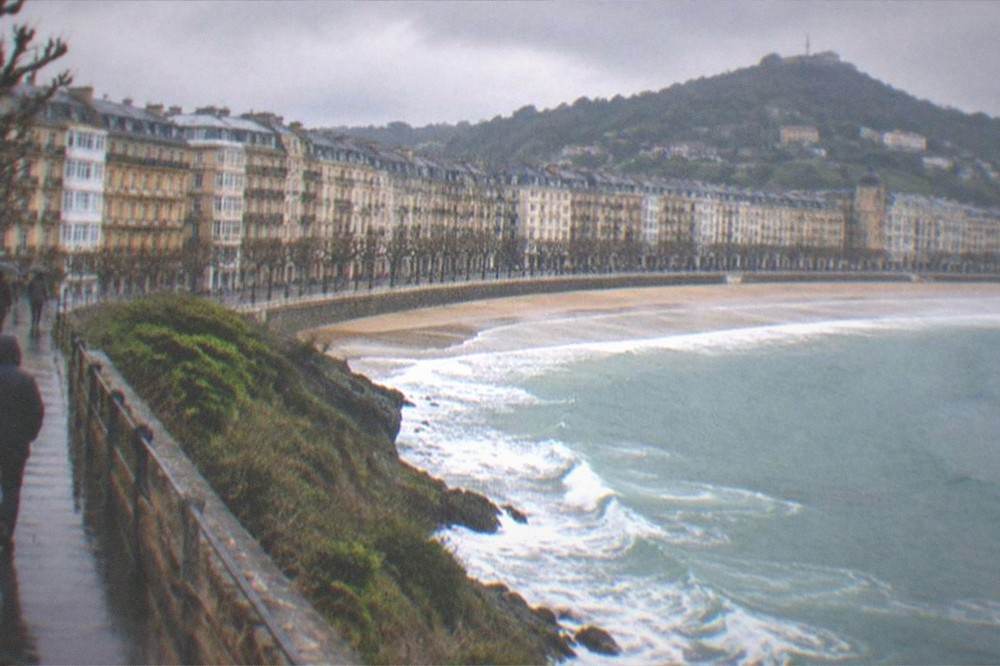
The umbrella point is a local practicality: the seafront is open to the Biscay wind, and the promenade along La Concha funnels it. A hooded shell keeps your hands free for pintxos and works on the hill paths of Urgull and Igueldo alike. Layers matter because the indoor-outdoor swing is large: a bar at counter heat, a street at 8 C, a museum at 20 C, all within an hour.
One packing note that is not about weather: the funicular up Monte Igueldo closes on rainy days, so keep the hill plans flexible and check its own site on the morning. The same goes for any boat, since the island service is out of its high season and runs on request.
Common Questions About San Sebastian In February
Is February Too Cold For San Sebastian?
AEMET's Igeldo normals give February a mean of 8.7 C with daytime highs averaging 11.5 C, which is cool rather than bitter. The seafront runs slightly warmer than the station, which sits 250 m up. It is walking weather with a good jacket, not sitting-out weather.
Does It Rain All Month In San Sebastian In February?
No. The month averages 110 mm over 11.6 days with at least 1 mm, so rain arrives on roughly one day in three, with bright spells between. November, at 169 mm, is the wettest month; February is well below it.
Are The Beaches Usable In February?
For walking, yes: La Concha runs 1,350 m and Ondarreta 600 m, and both are empty in winter. For swimming, no: the lifeguard season runs 1 June to 30 September, and February water is cold. Zurriola's surf community surfs in wetsuits year-round.
Is The Cider Season Running In February?
Yes. The tourism board dates the txotx season from the middle of January to the end of April, so February sits in its middle. Cider houses in and around Astigarraga pour straight from the barrel and serve the traditional menu around it.
Is San Sebastian Expensive In February?
It is the low season for hotels, with INE recording 119,367 hotel overnight stays in February 2025 against 245,769 in August. Pintxo bars and restaurants price the same year-round. The site's cost guide covers the detail at is San Sebastian expensive.
Do You Need To Book Restaurants In February?
Pintxo bars, generally no: February is the quietest full month and counters have room. Starred restaurants, yes: the MICHELIN Guide Spain 2026 lists 11 stars across 6 restaurants inside the city, and those tables book ahead in any month.
February in San Sebastián is a month for the city itself: the bars, the cider houses, the museums with their free Tuesdays, the hills between showers, and a hotel market at its annual floor. Bring the shell jacket, eat the winter menu, and let the forecast decide each morning which half of the day is the outdoor half.