Bordeaux To San Sebastian
Bordeaux sits at the northern edge of the French Basque coast's reach, and San Sebastián, in the Basque Country of Spain, is the city at the other end of the run. Here is how the route works, and what to do on arrival.
Short answer
The practical route from Bordeaux to San Sebastián runs through Biarritz, 45 km from the city, or by train along the coast to Hendaia and onward by Euskotren. Once there, the Old Town, La Concha and the pintxo bars fill two or three days easily.
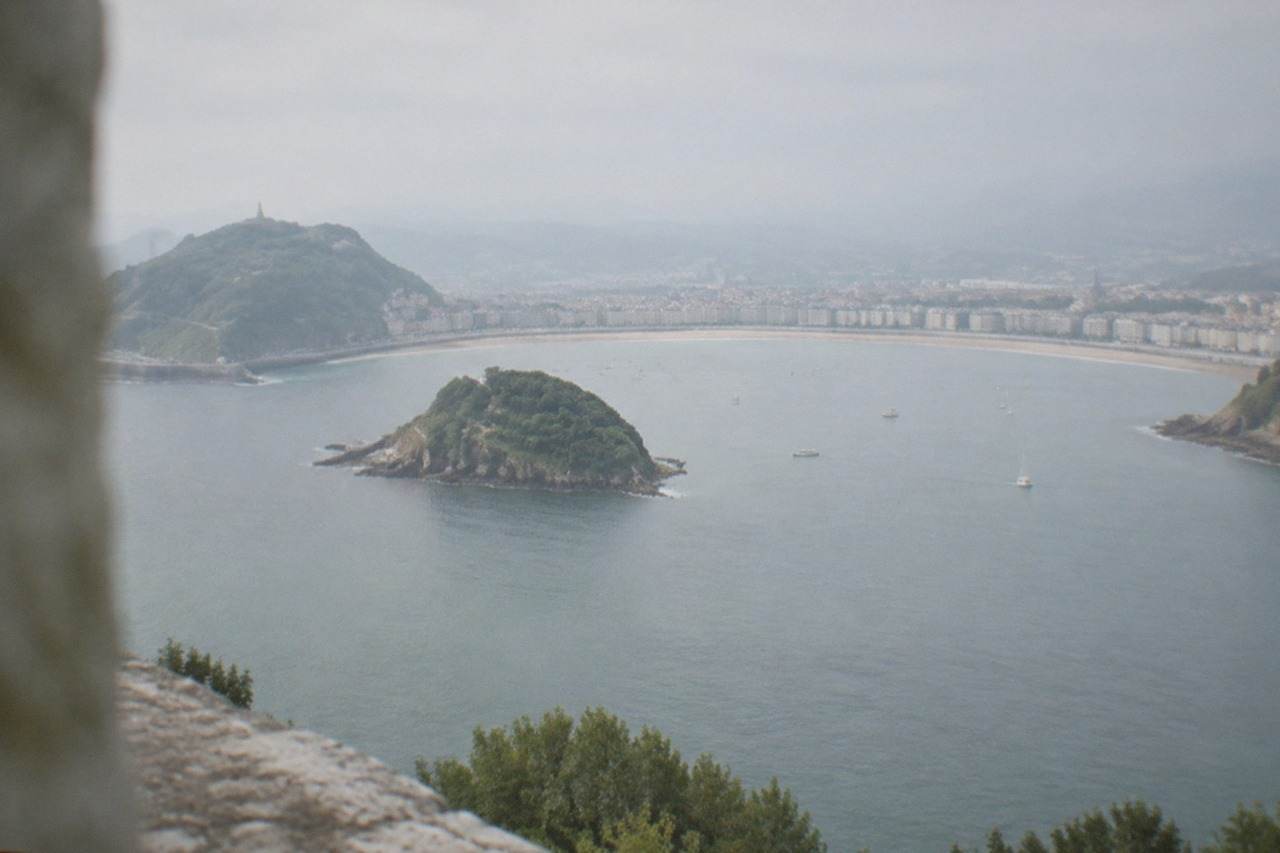
Bordeaux to San Sebastián is one of the great short hops of the Atlantic coast: a French wine capital at one end and a Basque food capital at the other. San Sebastián, whose official name is Donostia / San Sebastián and which sits on La Concha bay in Gipuzkoa, Basque Country, Spain, is the city this page is about, and not the Puerto Rican town, the Florida winery or the Madrid suburb that share the name. The route between the two cities runs down the French coast, past the vineyards of the Médoc, through the Landes pine forest and the Basque villages of the French side, and ends at a bay that the city council describes as 1,350 metres of shallow sand.
This page lays out the route options, the airport decisions, the weather you are driving or flying into, and what to do in the first two days after you arrive. One warning before anything else: the tourism board lists Biarritz at 45 km from San Sebastián and calls it one of the city's airports, and that is the single most useful fact on this whole route. The full picture of where the city actually is lives on the where San Sebastian is page.
How Do You Get From Bordeaux To San Sebastian?
The three practical routes are a coastal drive through the French Basque Country, a flight into Biarritz followed by a ground transfer, and a rail route down the French coast to Hendaia, crossing the border by Euskotren. No single timetable connects the two cities end to end, so every option involves at least one change, most commonly at Bayonne or Biarritz. The tourism board lists three airports within a little over 100 km, two of them international, and Biarritz is the closest at 45 km.
The road route is the one travellers usually take. You leave Bordeaux heading south on the French motorway network, pass through or around Bayonne, and reach the Spanish border at Biriatou after the French Basque coast. From there the Spanish motorway drops into the Bidasoa valley and the city appears around the last headland. It is a drive people do in a morning, and the French half of it is the prettier half, through the pine plantations of the Landes and then the green hills of Labourd.
The rail route deserves more attention than it gets. French trains run down the coast from Bordeaux through Dax, Bayonne and Saint-Jean-de-Luz to Hendaye, the last French station, and the border town of Hendaia sits directly across the river. From Hendaia the Euskotren Topo line runs into the city: computed from Euskotren's own timetable data, the journey from Hendaia to Amara-Donostia takes 37 to 38 minutes, with departures on the busiest service day running every 30 minutes. The occasional fare for that journey is 2.90 EUR, which matches the MUGI one-jump fare. Amara is the working terminus; a new underground section through the centre has finished its civil works but has no published opening date, so plan around Amara for now.
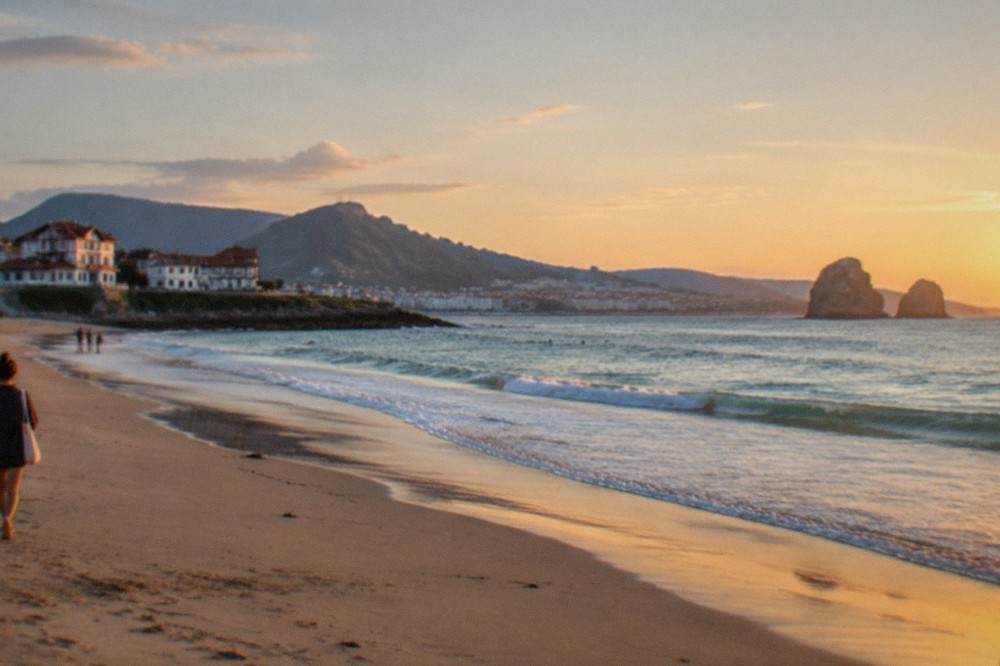
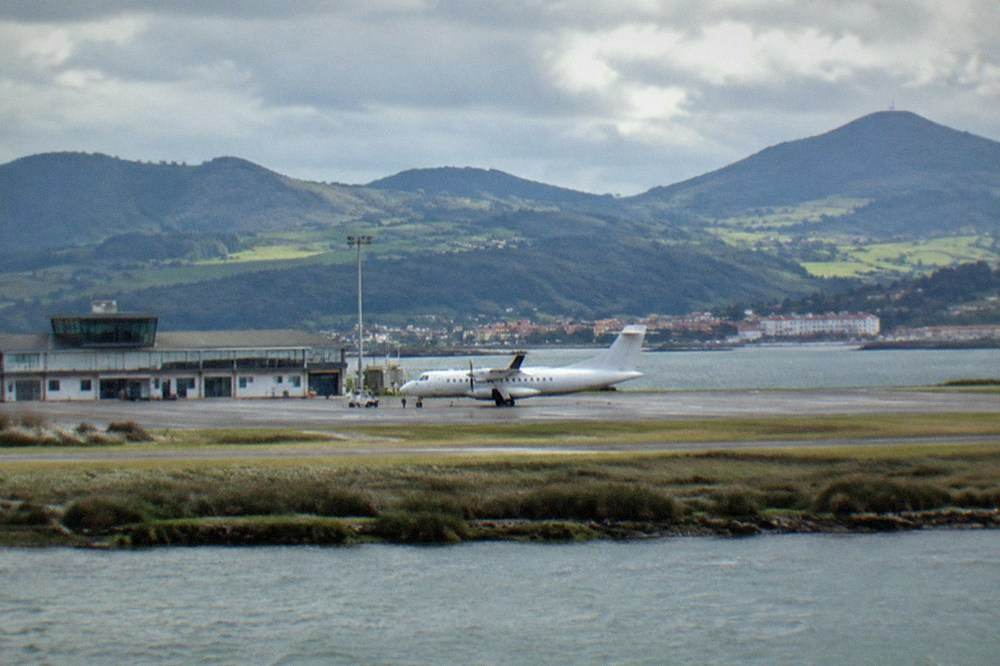
Flying is the option that sounds simplest and is the most conditional. There are no direct flights from the US to San Sebastián, and the city's own airport at Hondarribia, 20 km away, is small. Travellers coming down the corridor from Bordeaux by air typically use Biarritz. What follows is the airport picture the tourism board publishes.
| Airport | Distance from San Sebastián | Direct service listed |
|---|---|---|
| San Sebastián (EAS), at Hondarribia | 20 km | Listed by the tourism board |
| Biarritz (BIQ) | 45 km | Direct service to San Sebastián listed |
| Bilbao (BIO) | 105 km | Direct service to San Sebastián listed |
| Vitoria-Gasteiz (VIT) | 100 km | No direct service listed |
One correction to carry with you: a tourism board page still says the city airport is served by bus line E21, but the operator removed the airport stop from E21 on 1 June 2026. The operator's own airport page lists lines E20, E23, E25, E27, E28, E29 and E30, and E30 is the direct line between Donostia and the airport. Trust the operator's list, not the stale line.
Which Airport Should You Fly Into From Bordeaux?
Biarritz, at 45 km, is the airport to use from the Bordeaux side, because it sits directly on your route and the tourism board lists direct ground service from it to San Sebastián. San Sebastián's own airport at Hondarribia is closer at 20 km but is a small regional field, and Bilbao, at 105 km, only makes sense if you want to build the Guggenheim into the same trip. Vitoria-Gasteiz has no direct service listed and is not the choice on this route.
The decision is really about the rest of your itinerary. If San Sebastián is the destination and nothing else, Biarritz wins on distance and on the sheer number of French arrivals it handles. If you are turning the trip into a Basque loop, Bilbao has the pull of its museum and the day trip that pairs Gaztelugatxe with it. The which airport for San Sebastian question has its own full treatment, and the Bilbao airport to San Sebastian page covers the coach option from the east.
From the airport, the ground connection into the city is the E30 bus, which the operator marks as the direct line between Donostia and the airport. Its timetable is published as a PDF and stamped with a June 2026 update, with a warning that times are approximate because of traffic. The job card for this page does not carry the journey time or fare zone for that bus, so check the operator's page before you fly rather than trusting a number copied from anywhere else.
For the rail traveller there is a detail worth knowing: the MUGI fare system covers the whole province, and the card fares are far below the cash fares. A cash occasional ticket inside the urban zone is 1.95 EUR, while the MUGI anonymous card pays 0.78 EUR for the same ride. If you are making more than a couple of local trips, the card changes the arithmetic.
What Is The Weather Like When You Arrive?
San Sebastián is a wet Atlantic city, not a Mediterranean one: AEMET's normals for its Igeldo station record 1,507 mm of rain a year over 141 rain days, and even July, the driest month, averages 86 mm. Arriving from Bordeaux you are moving along the same Atlantic façade, so pack for showers in any month. November is the wettest month at 169 mm, and the seafront runs slightly warmer than the station values, because the station sits 250 m up on Monte Igeldo.
This is the single most useful thing to internalise before the trip. Travellers coming down from Bordeaux in August sometimes expect the dry heat of the Spanish interior, and instead find a city where August averages 117 mm of rain, more than June, July or September. The rain is what keeps the hills around the bay green, and it is why the Basque coast looks more like Ireland than like Andalusia.
| Month | Mean C | Mean max C | Rain mm | Rain days 1mm+ | Sun hours |
|---|---|---|---|---|---|
| Jan | 8.5 | 11.0 | 141 | 13.2 | 98 |
| Mar | 10.3 | 13.4 | 113 | 12.4 | 144 |
| May | 14.4 | 17.7 | 120 | 12.2 | 181 |
| Jul | 18.9 | 21.8 | 86 | 9.8 | 196 |
| Sep | 18.0 | 21.1 | 111 | 10.1 | 179 |
| Nov | 11.3 | 14.0 | 169 | 13.0 | 102 |
The table above is drawn from the AEMET normals for the Igeldo station, period 1981 to 2010, which is the period the station page publishes. July is the driest month and still averages about 10 rain days. If you want the full month-by-month picture, the San Sebastian weather page has it, and the best time to visit page turns the same numbers into a decision.
The rain has an upside that a first page of search results rarely mentions: the city's hotel data shows it fills up in exactly the months you might expect it to be quiet. INE's hotel occupancy survey for the tourist point Donostia-San Sebastián records 245,769 overnight stays in August 2025, the year's peak, and 115,910 in January, so the August crowd is more than twice the January one. April through October never dropped below 200,000 stays in 2025. The rain does not keep people away, it just changes what they pack.
How Many Days Do You Need In San Sebastian?
Two days covers the Old Town, La Concha, one hill and a serious pintxo evening; three days adds the second hill, the island and a cider house or coastal day trip. The INE hotel data supports the short stay: visitors tend to be on city breaks of a few nights, and the city's own geography, everything within a walk of the bay, is what makes short stays work. Fewer than two days and you will leave having eaten well and seen little.
The honest answer depends on appetite. A traveller who arrives from Bordeaux on a Friday evening can do the Parte Vieja's pintxo bars that night, spend Saturday between La Concha and Monte Urgull, and leave Sunday having had a complete trip. A traveller who wants Akelaŕe or Arzak, a surf session at Zurriola and a day in Getaria needs five nights. The how many days in San Sebastian page breaks this down itinerary by itinerary, and the is San Sebastian worth visiting page answers the question that usually comes before it.
The city's scale is the thing. Three beaches sit side by side along one bay: La Concha at 1,350 metres, Zurriola at 800 and Ondarreta at 600, per the council's own figures. Monte Urgull rises at one end of the old town, Monte Igueldo at the other, and Santa Clara island floats in the middle. Nothing on that list is more than a short walk from anything else on it.
| Beach | Mean length | Mean width | Council description |
|---|---|---|---|
| La Concha | 1,350 m | 40 m | Sandy and shallow; the tide often limits usable area |
| Ondarreta | 600 m | 100 m | Sandy, heavy use; the walk to the Peine del Viento starts at its west end |
| Zurriola | 800 m | 110 m | Sandy, fairly open, strong swell; remodelled in 1994 |
One seasonal rule matters more than any packing list: lifeguards are on all three beaches only from 1 June to 30 September, with hours of 10:00 to 20:00 from 15 June to 15 September and reduced hours at the season's edges. The island boat runs its high season on the same dates. If you are coming from Bordeaux in October, the beaches are still walkable but the safety service and the island's easy access are gone for the year.
What Should You Do On Your First Day?
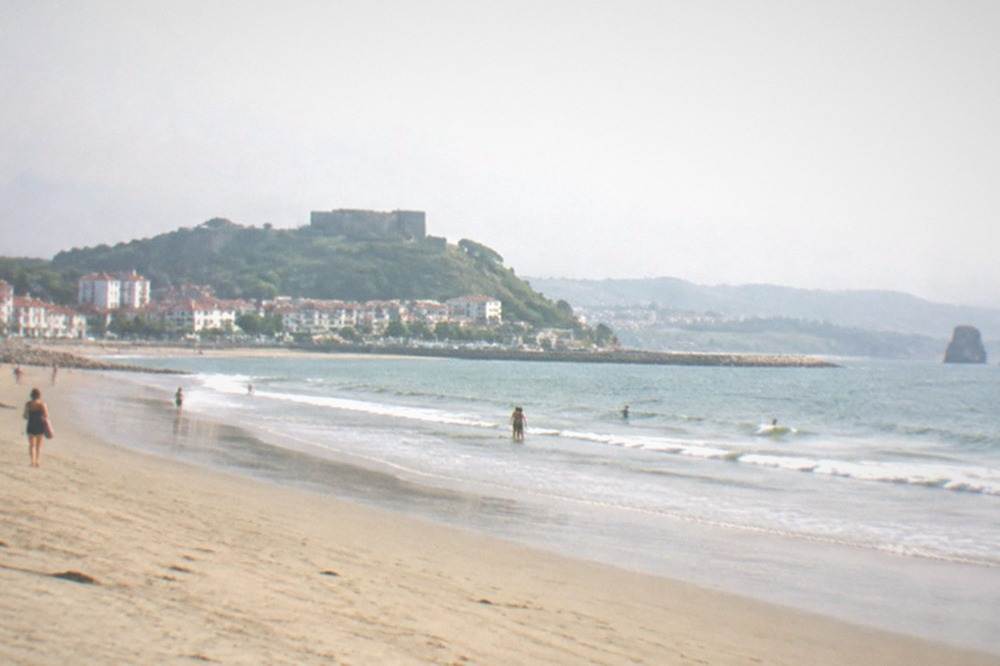
Walk the bay, climb Monte Urgull before the 21:00 summer closing time, and spend the evening in the Parte Vieja eating pintxos, the small Basque bar snacks served on bread or skewered. That single day gives you the view from the Castillo de la Mota, the old town's street life and the food the city is famous for, all without a car or a ticket. The Old Town is called the Parte Vieja, and it sits between Urgull and the Urumea river.
Start at the west end and walk east. Ondarreta leads to the Peine del Viento, Eduardo Chillida's three steel sculptures, each of more than nine tonnes, anchored into the rocks at the foot of Monte Igeldo, with a pink granite plaza by the architect Luis Peña Ganchegui. Chillida gave the definitive 1977 work to the city. Then the promenade runs the full length of La Concha to the town hall and into the Parte Vieja.
Monte Urgull is the hill that closes the old town's eastern side. The tourism board gives its access hours as 08:00 to 21:00 from 1 May to 30 September and 08:00 to 19:30 from 1 October to 30 April, and it is closed at night. The Castillo de la Mota at the top holds the Casa de la Historia, a small museum run by San Telmo. The climb is the classic first-day activity, and the how long it takes to climb Mount Urgull question has its own answer page.
For the evening, a guided introduction pays for itself on a first visit. The city highlights walking tour covers the Old Town and the Romantic Area on foot, with separate English and Spanish departures, and it is the related tour for this page because it does exactly what a Bordeaux arrival needs: orientation before the eating starts.
What Should You Eat In San Sebastian?
Pintxos, the Basque version of tapas, are the reason many people make this trip at all, and the Old Town's bars are where to eat them: the gilda, an olive, anchovy and guindilla skewer, is the canonical one, and txakoli, the sharp local white wine poured from a height, is the drink that goes with them. The MICHELIN Guide Spain 2026 counts 11 stars across 6 restaurants inside the city, so the same streets that sell 4-euro pintxos also hold two 3-star houses, Akelaŕe and Arzak.
The eating here is two parallel universes. The first is the pintxo bar crawl through the Parte Vieja, where you move from bar to bar and eat standing, one or two pintxos and a small wine in each. The what are pintxos page explains the form, the pintxos in San Sebastian page maps the habit, and the best pintxo bars page names the rooms.
The second universe is the starred one. The province of Gipuzkoa holds 19 stars across 11 restaurants in the 2026 edition, and inside the city itself the count is 6 restaurants and 11 stars: Akelaŕe and Arzak with three each, Amelia by Paulo Airaudo with two, and iBAi by Paulo Airaudo, Itzuli, new in 2026, and Kokotxa with one each. Martín Berasategui's three stars are in Lasarte-Oria, a separate municipality, so do not book it expecting a San Sebastián address. The Michelin restaurants page holds the detail.
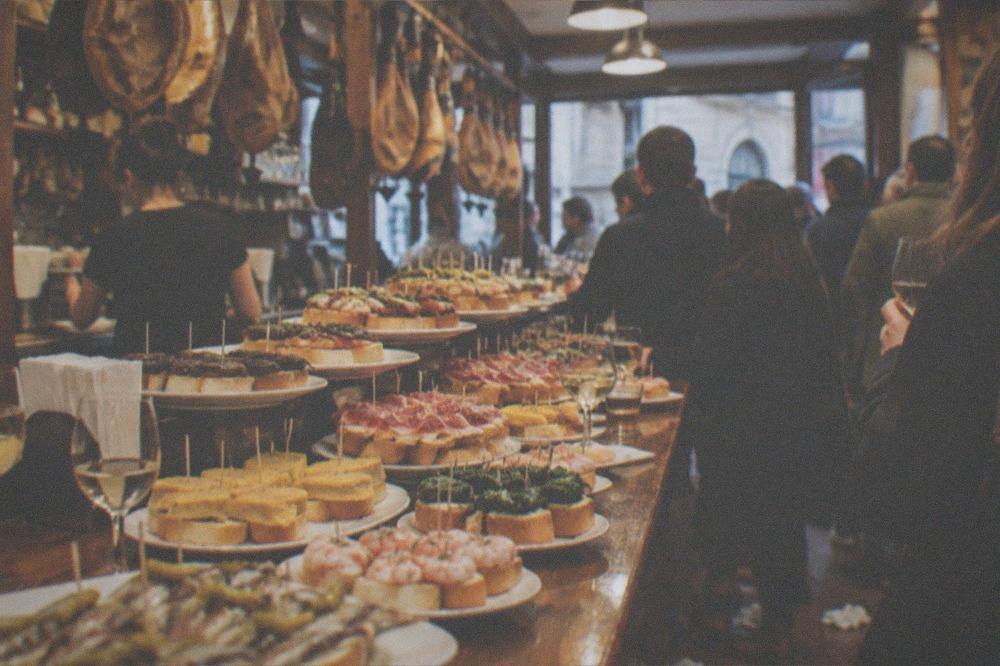
A guided crawl solves the first-night problem of not knowing which counter to lean on. The premium pintxo, wine and market tour adds reserved seating at each bar and a guided visit to Mercado de la Bretxa, which matters on a weekend when the good bars have no seats at all.
Should You Stop On The Way, Or Day-Trip After You Arrive?
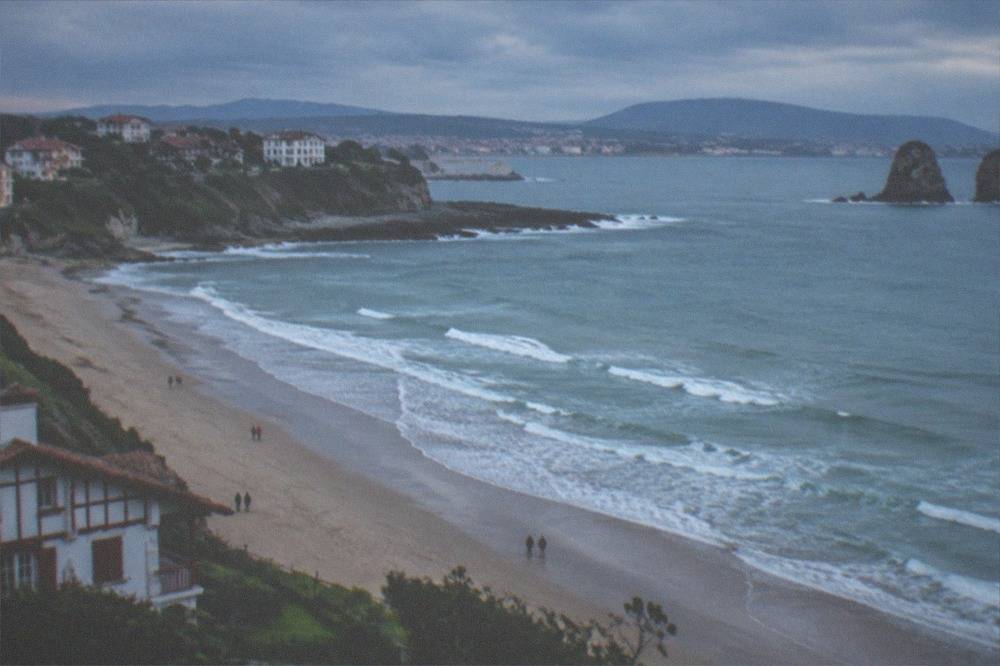
Day-trip after you arrive: the French Basque Country is close enough that San Sebastián makes a better base than the road does, and the coach excursion to Biarritz, Bayonne and Saint-Jean-de-Luz runs from the city. Travellers coming from Bordeaux often plan a night in Biarritz on the way down, which works, but the same three towns are reachable as a single day out once you are installed, so the choice is about pace, not access.
The day trip roster from the city is unusually rich for a town of 189,866 people, the figure the INE municipal register gives at 1 January 2025. Within an hour or two you can reach Hondarribia, Pasaia, Getaria, Zarautz, Zumaia, and across the border, the three French towns you just drove through.
| Day trip | What it is | Direction |
|---|---|---|
| Hondarribia, San Juan and San Pedro | Half-day to the fishing quarter of Hondarribia and the Pasaia harbours | West along the coast |
| Zarautz, Getaria and Zumaia | Half-day along the Gipuzkoa coast by vehicle, three towns | West |
| Bilbao, Guggenheim and Gaztelugatxe | Small-group day to the hermitage, then Bilbao and its museum | East |
| Biarritz, Bayonne, Saint-Jean-de-Luz | Coach day across the border into the French Basque Country | North |
| Getaria txakoli | Half-day small-group trip to the fishing town for txakoli, hotel pickup included | West |
| La Rioja and Laguardia | Full-day small-group Rioja trip with winery visits | South |
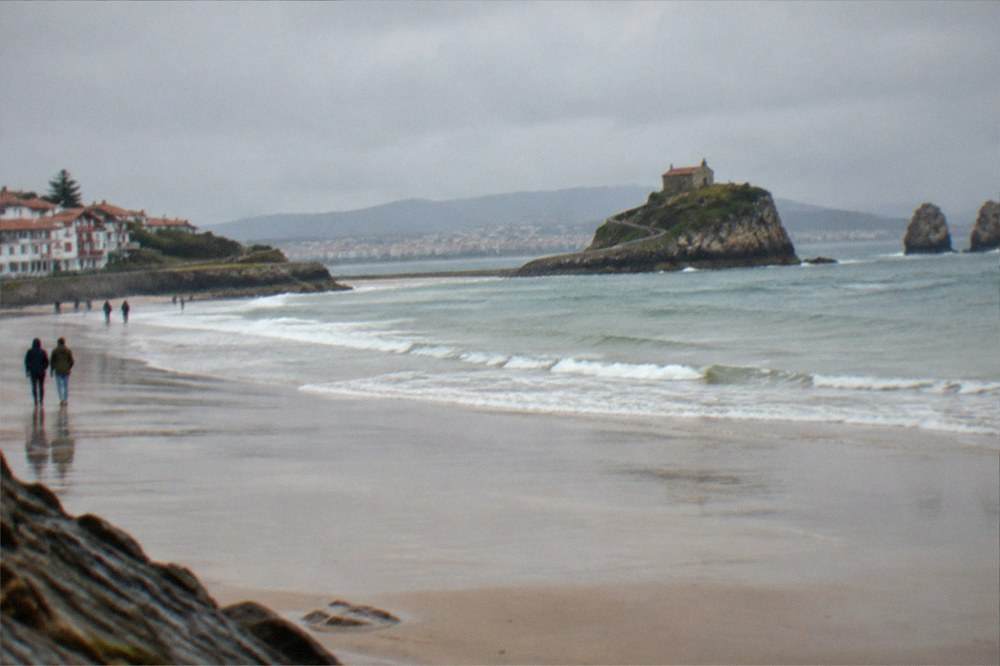
For the traveller who has just driven down from Bordeaux, the French towns are already familiar, so the eastward trips are the ones that add new ground. The Gaztelugatxe day is the standout: the hermitage on its islet, reached by a stone causeway, then Bilbao's titanium museum. The Bilbao day trip and Gaztelugatxe pages cover it, and the wider list lives on the day trips from San Sebastian page.
What Does A Trip From Bordeaux Cost?
The transport costs you can state from the published record are few: the Euskotren fare from Hendaia into the city is 2.90 EUR occasional or 1.16 EUR on a MUGI anonymous card, and the city bus cash fare is 1.95 EUR, or 0.78 EUR by card. The tourist tax is law in Gipuzkoa but is not charged before 1 January 2027. Hotel rates, train fares from Bordeaux and taxi prices are not covered here, so check them at booking time.
That tax point deserves its own sentence, because it is widely misreported. Norma Foral 3/2026 of Gipuzkoa, published in the Basque Official Gazette on 25 June 2026, takes effect for stays from 1 January 2027. It sets bands per person per night, with a maximum of 6 nights charged per stay and under 18s exempt, and each council picks its own rate inside the bands. A five-star hotel band runs up to 6.50 EUR per person per night. The city's own rate has not been published on an official page, so no single San Sebastián figure exists to print.
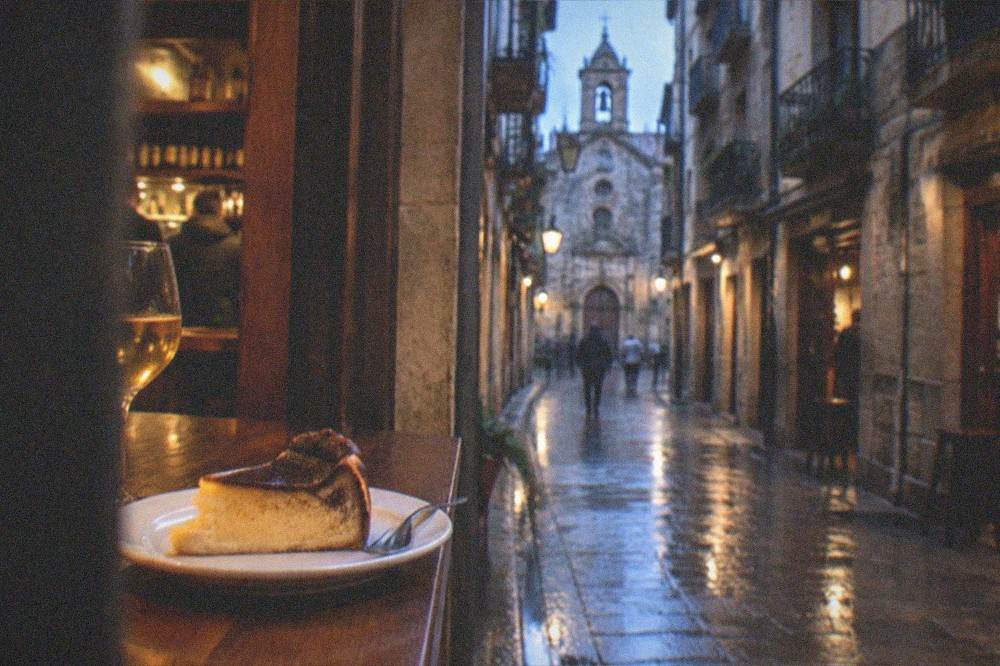
For the eating budget, the honest framing is that pintxo bars and starred dining sit in the same city and the gap between them is wide, but no verified price band for either is in this page's record. The is San Sebastián expensive page treats the question properly, and the what to eat in San Sebastián page lists the dishes worth ordering by name, from txuleta steak to the burnt basque cheesecake that La Viña made famous.
What Practical Rules Apply On Arrival?
Bring a rain layer in every month, plan the beaches around the 1 June to 30 September lifeguard season, and use the MUGI card rather than cash on public transport. Monte Urgull closes at 21:00 in summer and 19:30 from 1 October, and Monte Igueldo sells no downhill-only funicular ticket, so ride up and down on the same ticket or walk both ways. Emergency numbers are 112 for all services and 092 for the city police.
A few closing details make the difference between a smooth arrival and a confused one. The funicular up Monte Igueldo, which opened on 25 August 1912 and which the tourism board calls the oldest in the Basque Country, charges 5.50 EUR return for an adult, and its own site states that downhill-only tickets are not on sale. The return ticket includes entry to the grounds; entering by any other means, including on foot, costs 3.00 EUR per person. The funicular normally runs every 15 minutes and closes on rainy days.
The island and its art installation follow the summer calendar. Hondalea, Cristina Iglesias's work inside the Santa Clara island lighthouse, is open 1 June to 30 September, 11:00 to 18:30, free, in small groups with no booking needed for the visit itself, only the boat. The island boat's high season runs the same dates, with a red direct line at 5 EUR return and a blue bay-tour line at 8 EUR. After 30 September both go quiet until the operator posts low-season departures.
Language is easier than the drive south suggests. Spanish and Basque are both official, and the do they speak English in San Sebastian question has a full answer, but the short version is that English works in the tourist economy and Spanish works everywhere. The language in San Sebastián page covers the Basque side of it, and the San Sebastian Spain Guide home page holds the full index of everything else.
Common Questions About Travel From Bordeaux To San Sebastian
How far is Biarritz airport from San Sebastian?
The tourism board lists Biarritz at 45 km from San Sebastián, with direct ground service listed between the airport and the city. It is the closest international airport on the Bordeaux side of the route.
Is there a train from Bordeaux to San Sebastian?
French coastal trains run south from Bordeaux toward Bayonne and Hendaye, and from Hendaia the Euskotren Topo line crosses into the city, taking 37 to 38 minutes to Amara-Donostia with departures roughly every 30 minutes on the busiest service day. There is no single end-to-end ticket, so plan a change at the border.
Do you pay a tourist tax in San Sebastian?
Not before 1 January 2027. Norma Foral 3/2026 of Gipuzkoa was published on 25 June 2026 and produces effects from 1 January 2027, with each council setting its own rate inside provincial bands of up to 6.50 EUR per person per night for five-star hotels, a maximum of 6 nights charged, and under 18s exempt.
What is the rainiest month in San Sebastian?
November, at 169 mm over about 13 rain days, per AEMET's normals for the Igeldo station. July is the driest month and still averages 86 mm, so no month on this coast is reliably dry.
Which bus serves San Sebastian airport?
Since 1 June 2026 line E21 no longer stops at the airport. The operator lists lines E20, E23, E25, E27, E28, E29 and E30 for the airport, and E30 is the direct line between Donostia and the terminal.
How many days are enough in San Sebastian?
Two days cover the bay, Monte Urgull and the pintxo bars of the Parte Vieja; three add the second hill, Santa Clara island in season and a coastal day trip. Travellers adding a starred dinner or a surf session usually stay four or five nights.
The route from Bordeaux ends at a bay that repays every kilometre of the drive down, and the city at the end of it is small enough to learn in a day and rich enough to fill a week.