Basilica Of Santa Maria Del Coro
The Basilica of Santa Maria del Coro is the main church of San Sebastián's Old Town, standing between the Parte Vieja's bars and the slopes of Monte Urgull, and this page covers what it is, what a visitor can see, and how to fit it into a day in Donostia.
Short answer
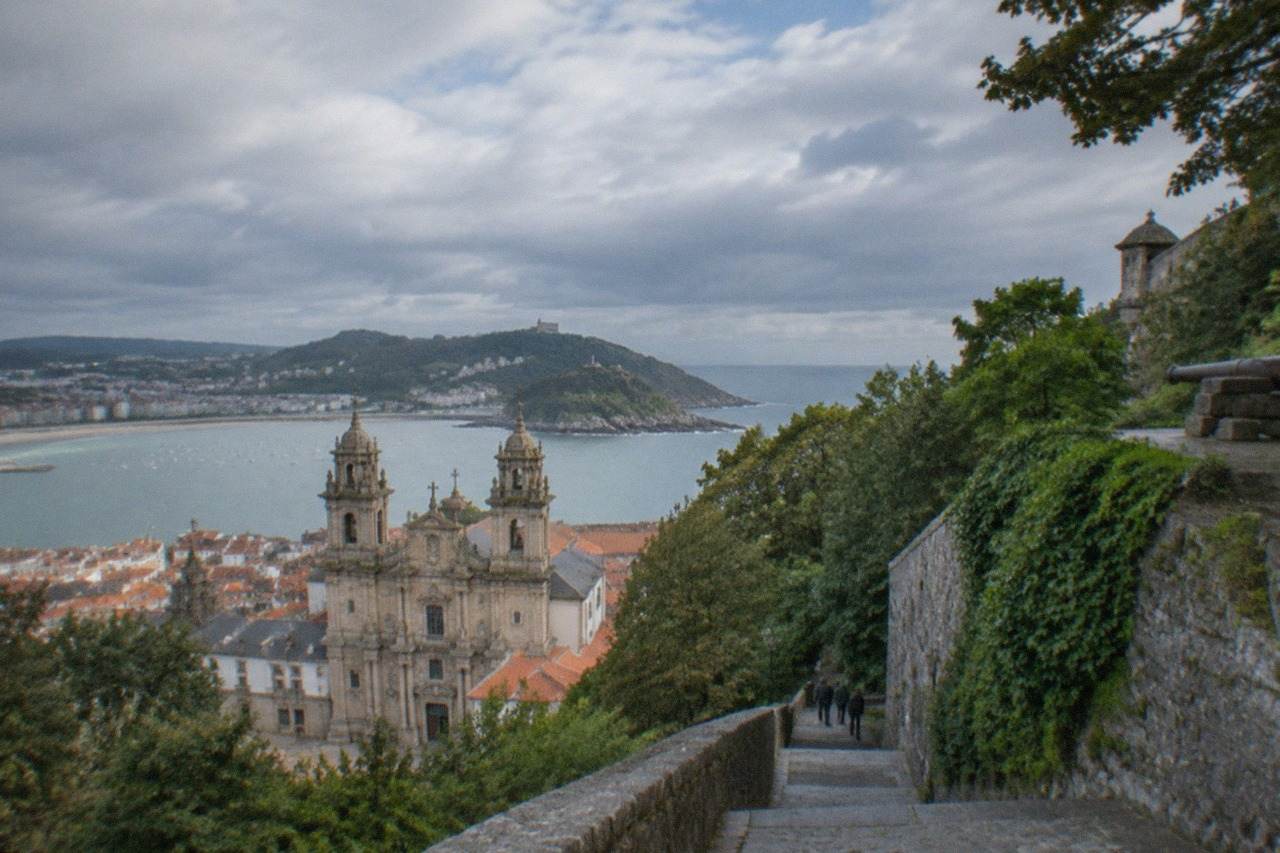
The Basilica of Santa Maria del Coro is the principal church of San Sebastián's Old Town, set at the foot of Monte Urgull between Calle 31 de Agosto and the harbour. It gives the city's main patronal festival its name and sits at the heart of the Parte Vieja, minutes from La Concha, Plaza de la Constitucion and the pintxo bars of the old quarter.
The Basilica of Santa Maria del Coro is the main church of San Sebastián, the Basque city on La Concha bay in Gipuzkoa, Spain, whose official name is Donostia / San Sebastián and whose Basque name, Donostia, is what the church's own festival celebrates. It stands at the foot of Monte Urgull, wedged between the oldest streets of the Parte Vieja and the slopes that climb to the Castillo de la Mota, and almost every walk through the Old Town passes its door at some point. The church is named for Santa Maria del Coro, the Virgin of the Choir, the city's patron, and the great church of the Old Town carries her name into the street plan, the festival calendar and the daily life of the quarter around it.
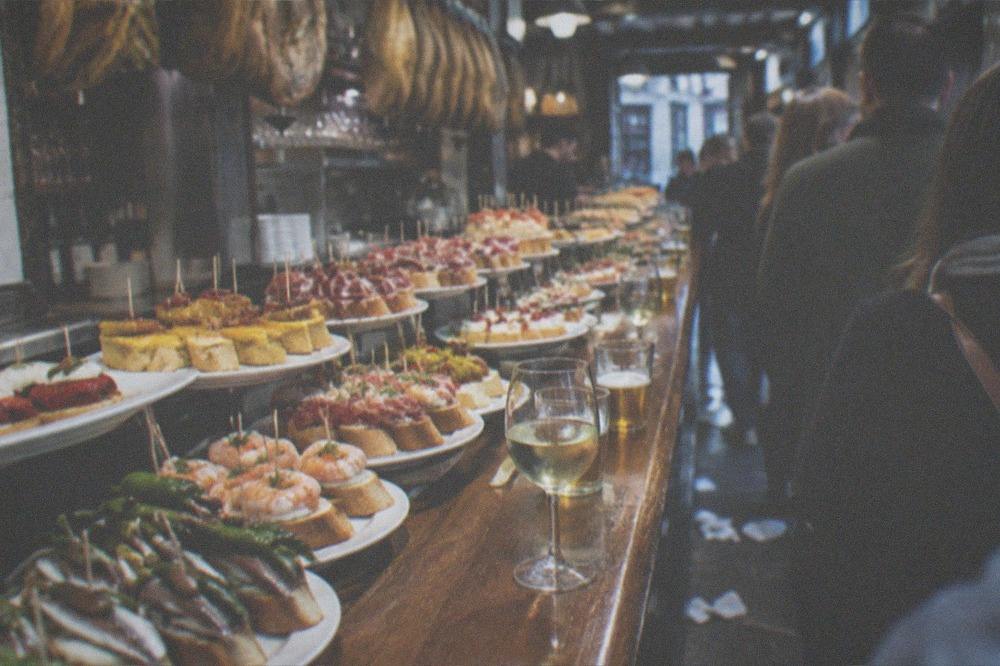
What makes the basilica useful to a visitor is less the building in isolation than its position. Step out of its porch and you are a few minutes from La Concha beach, from the arcades of Plaza de la Constitucion, from the stalls of La Bretxa market and from the dense run of pintxo bars that makes the Parte Vieja the eating heart of the city. The church anchors the eastern side of the Old Town, with Urgull rising directly behind it, and it is the natural hinge between a morning on the sand and an afternoon in the streets.
What Is The Basilica Of Santa Maria Del Coro In San Sebastian?
The Basilica of Santa Maria del Coro is the principal parish church of San Sebastián's Old Town, the Parte Vieja, dedicated to the city's patron saint and standing at the foot of Monte Urgull. It is a working church, not a museum, and it gives its name to the city's main patronal celebration, the day of Santa Maria del Coro on 15 August. Visitors reach it on foot from anywhere in the old quarter, minutes from La Concha, the harbour and the pintxo bars of Calle 31 de Agosto.
The church is the religious centre of the old city. Where Buen Pastor cathedral is the neo-Gothic landmark of the nineteenth-century expansion around the Alameda, Santa Maria del Coro belongs to the older, walled town that clustered between the river, the sea and the hill. The two buildings mark the two ages of San Sebastián: the basilica in the old fishing and merchant quarter, the cathedral on the grand boulevard of the new one.
Its setting is the reason to seek it out. The facade faces the tight streets of the Parte Vieja; behind the building, the ground rises almost at once into the wooded slopes of Monte Urgull, whose access hours the tourism board gives as 08:00 to 21:00 from 1 May to 30 September and 08:00 to 19:30 from 1 October to 30 April. A visitor can leave the church porch, start climbing, and be on the hill paths within minutes, which is exactly how many locals and visitors structure a morning: the old streets, the church, then the hill for the view over the bay.
Where Is The Basilica Of Santa Maria Del Coro And How Do You Reach It?
The basilica stands on the eastern edge of the Parte Vieja, at the foot of Monte Urgull and a few minutes on foot from La Concha beach, the harbour and Plaza de la Constitucion. No transport is needed from the city centre: the church sits inside a quarter that is entirely pedestrian in feel. Visitors arriving from further out can use the dBus city network, whose occasional single ticket the operator's fare page lists at 1.95 EUR, or the Euskotren Topo to the Amara-Donostia terminus.
The Old Town is small enough that the basilica works as a landmark rather than a destination you navigate to. If you are on La Concha, walk to the eastern end of the promenade, by the river mouth, and enter the old quarter from there. If you are in the Centre, cross at the Boulevard and drop into the streets behind Plaza de la Constitucion. If you are coming from Gros across the river, the Kursaal bridges put you at the Old Town's edge within minutes of the church.
The table below sets out the walks that connect the basilica to the places a visitor is most likely to be coming from. The distances are short because the whole old quarter is short: this is a city whose headline sights compress into a strip between the river and the hill.
| Starting point | Relationship to the basilica | What the walk is like |
|---|---|---|
| La Concha promenade | Eastern end of the beach to the church | Level promenade, then the old streets |
| Plaza de la Constitucion | Central square of the Old Town | Arcaded square, then two or three old streets north |
| La Bretxa market | Market quarter of the Old Town | Market streets, level, a few minutes |
| Gros, across the river | Across the Urumea from the Kursaal side | River bridges, then the harbour edge of the Old Town |
| Monte Urgull summit | Directly above the church | Steep hill paths down through the woods |
Because everything is close, a guided walk is one of the efficient ways to take the quarter in, and the Old Town walks that end with food are the most popular format in the city.
The trio above is the natural fit for this part of the city: a short guided walk with a pintxo and drink included, a bay bike lap for the wider sweep, and a full pintxo-and-wine tasting for the evening. The Old Town rewards being walked with someone who can read its streets, and the walking option in that band is the one that puts you closest to the basilica's own doorstep.
What Can You See At The Basilica Of Santa Maria Del Coro?
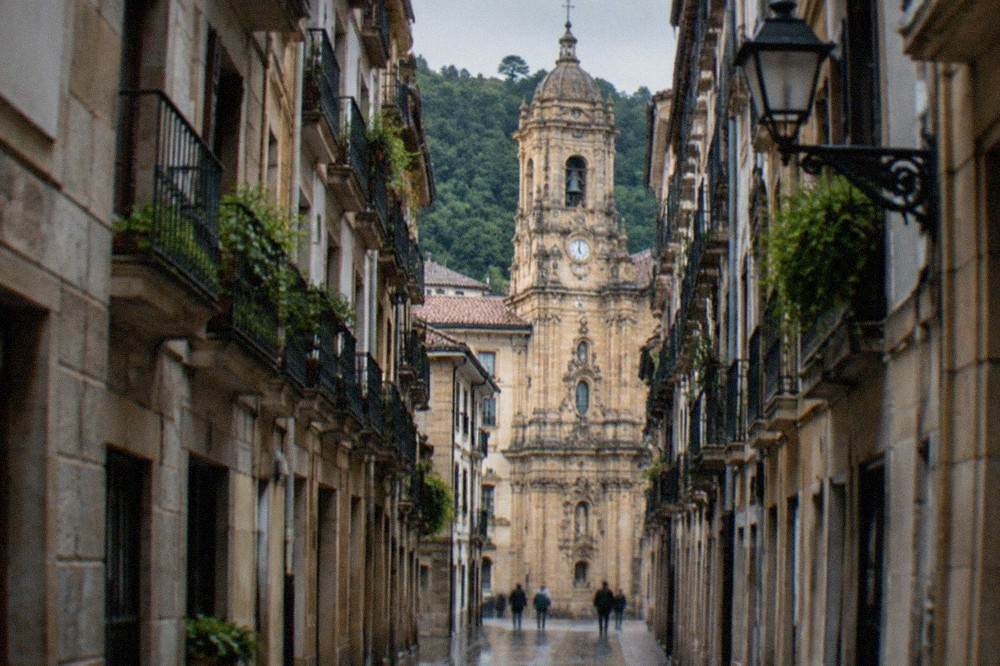
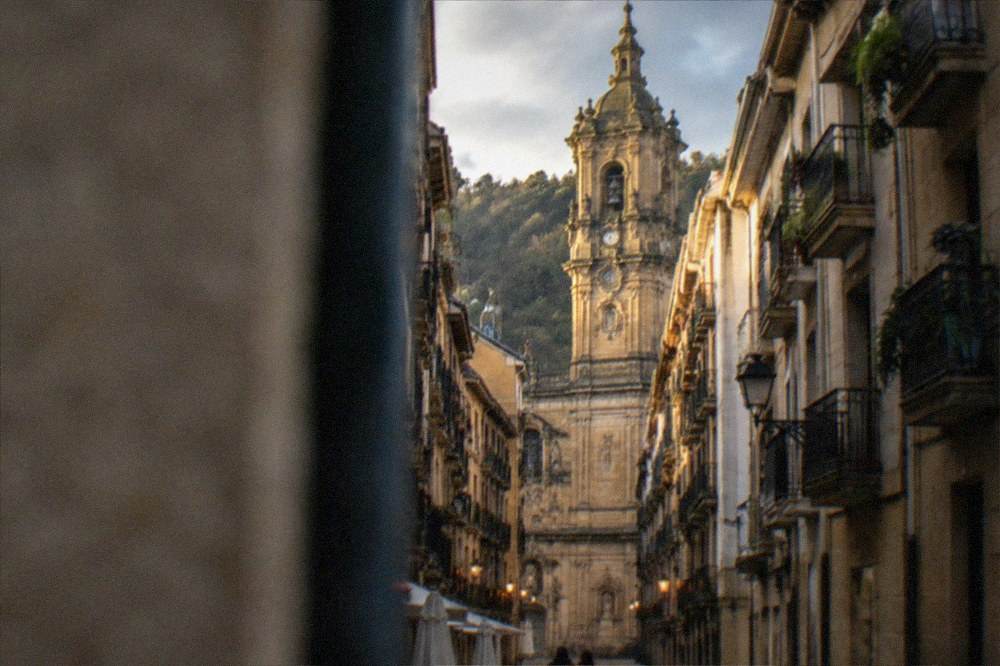
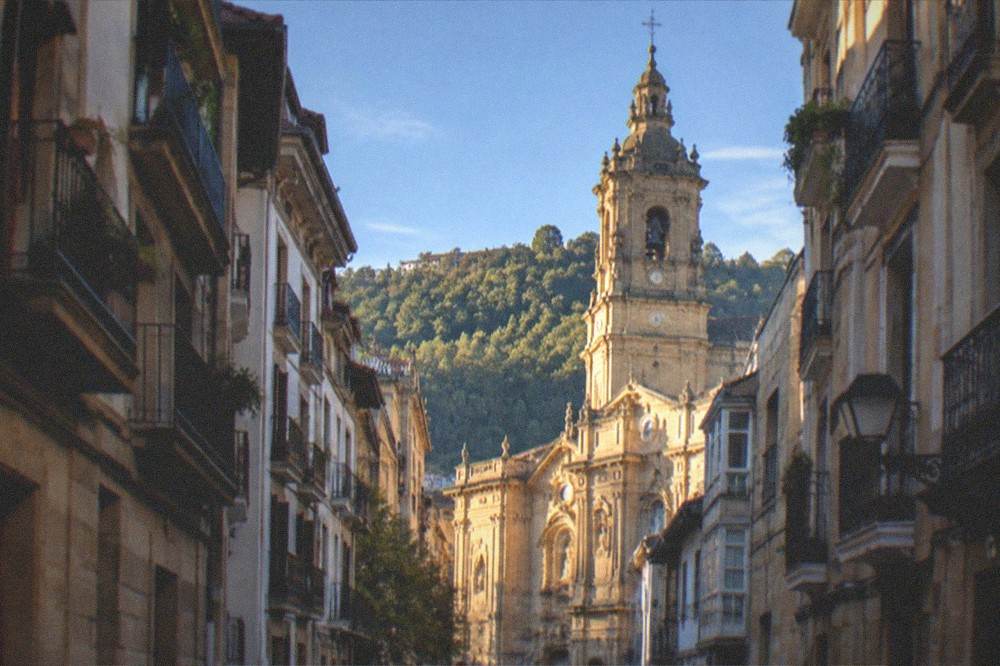
Visitors see a grand stone church with a monumental baroque facade facing the old streets, a tall tower that anchors the Old Town's skyline, a vaulted interior arranged around the image of the Virgin of the Choir, and a porch that opens directly onto the everyday life of the Parte Vieja. Its most striking quality is the contrast between its scale and its setting: a church of cathedral proportions standing in a lattice of narrow streets, bars and squares, with the wooded hill of Monte Urgull rising immediately behind it.
The facade is what many visitors photograph. It is built of dark stone, layered with columns, niches and figures, and it fills the end of its street like a curtain wall. Stand back far enough to see it and you are usually standing in the middle of the old quarter's flow, which is part of the point: this is a facade designed to be met on foot, at street level, in a space barely wider than a lane.
Inside, the church is dim, vaulted and quieter than the streets outside, which is a genuine relief in a quarter as loud as the Parte Vieja on a summer evening. The dedication to Santa Maria del Coro, the Virgin of the Choir, is the thread of the interior: the image of the patron is the focus of the building, and the church's festival life turns on her. The city's tourism board lists the day of the patron among the fixed points of the San Sebastián festival calendar, alongside Tamborrada on 20 January and the Santo Tomás fair on 21 December.
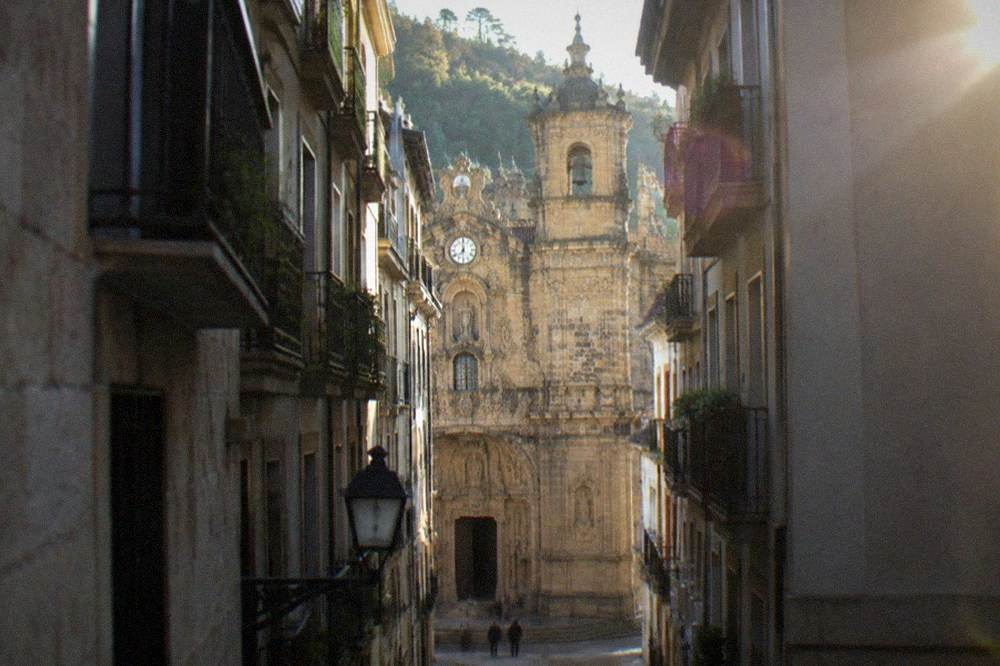
What the pack supports about the building itself is its role and its setting rather than a construction history, and this page stays inside that boundary. A visitor does not need the date stones to enjoy the church: the experience is the scale of the facade, the cool of the interior, and the way the building holds together the oldest quarter of a city that is otherwise defined by its bay.
How Does The Basilica Fit Into The San Sebastian Festival Calendar?
The basilica is the religious anchor of the Old Town's festival year, and its patron, Santa Maria del Coro, gives the name to the city's principal patronal celebration on 15 August, the same date around which Semana Grande is always fixed. The tourism board states that Semana Grande, the Aste Nagusia, always runs the week of 15 August, Saturday to Saturday, and the 2026 edition ran from 8 to 15 August, ending on the patron's day itself.
The August connection is the detail worth knowing. Visitors who arrive in mid-August often assume the fireworks, the fairground on the Boulevard and the crowded beaches are simply high season, but the tourism board's festival page is explicit: the week is built around 15 August, and the fireworks competition that fills the bay each night of Semana Grande is part of that same programme. The basilica, as the church of the patron whose day fixes the whole week, is the quiet centre of the loudest week of the year.
The rest of the calendar gives the Old Town its other rhythms. Tamborrada on 20 January fills the same streets with drummers in the dead of winter. The Santo Tomás fair on 21 December brings stalls and txistorra to the city in the run-up to Christmas. The La Concha regatta, first held in 1879, brings the rowing boats out on the first two Sundays of September. None of these are church events in the narrow sense, but all of them unfold in the streets the basilica stands among.
| Festival | Date or rule | Where it touches the basilica's quarter |
|---|---|---|
| Day of Santa Maria del Coro | 15 August every year | The patronal day the basilica is named for |
| Semana Grande, Aste Nagusia | Always the week of 15 August, Saturday to Saturday | Old Town streets, bay fireworks, full programme |
| Tamborrada | 20 January every year | Drumming through the Parte Vieja |
| Santo Tomás fair | 21 December every year | Stalls across the city, strong Old Town presence |
| La Concha regatta | First two Sundays of September | Racing on the bay beside the Old Town |
A visitor planning around these dates should remember what the climate record says about them. AEMET's normals for its Igeldo station show August averaging 117 mm of rain over about 10 days with rain, wetter than June, July or September, so the festival week is warm and busy but not reliably dry. Nobody should book mid-August on the promise of cloudless skies.
What Is Near The Basilica Of Santa Maria Del Coro?
Everything in the eastern half of the Old Town is within a few minutes of the basilica: Plaza de la Constitucion with its arcades and numbered balconies, the market quarter of La Bretxa, the harbour wall where the Santa Clara island boats leave, the pintxo bars of Calle 31 de Agosto, and the hill paths of Monte Urgull climbing directly behind the church.
Beyond the river mouth the Kursaal faces the Old Town from the Gros side, and along the bay the promenade runs west to Ondarreta and the Peine del Viento.
The immediate neighbours are the reason the church sees so much footfall. Calle 31 de Agosto, the old quarter's most storied street, runs through the heart of the Parte Vieja a block from the church, lined with bars whose counters fill from early evening. Plaza de la Constitucion, the square that was once the bullring and still numbers its balconies as if they were seats, sits a short walk south. La Bretxa, the market that anchors the quarter's food culture, is on the western side of the old streets.
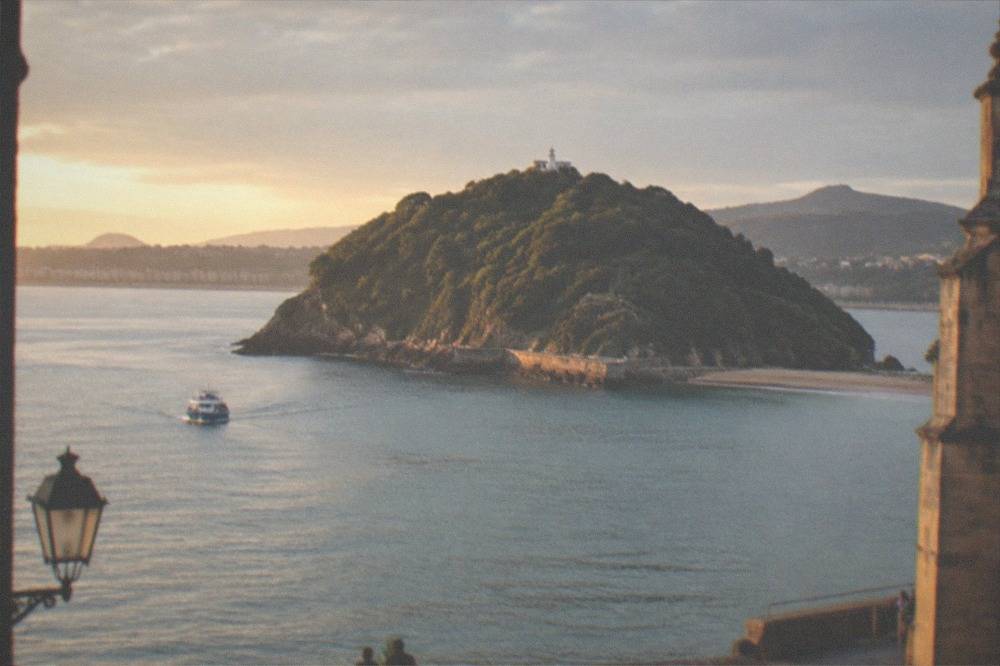
The hill behind is the other neighbour. Monte Urgull's paths start almost at the church's back wall, and the summit carries the Castillo de la Mota with the Casa de la Historia, a small museum run by San Telmo Museoa, which itself stands at the western edge of the Old Town. The tourism board's Urgull page gives the hill's access hours, and the climb from the basilica's side is the most direct way to earn the view over La Concha.
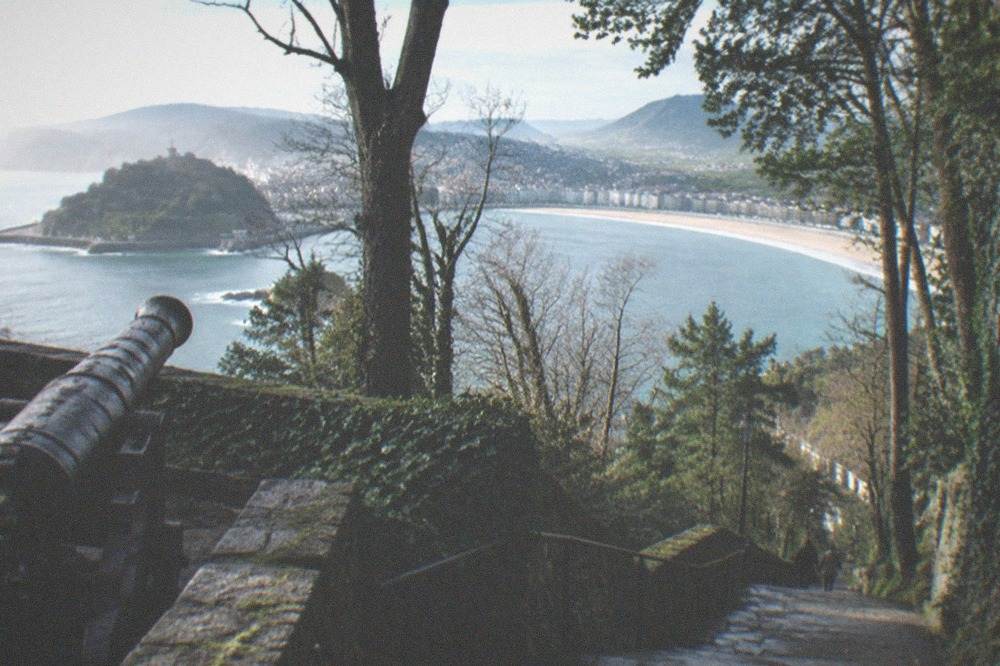
The table below is a walking plan for the quarter around the church, ordered as a loop. It assumes nothing but legs and a spare hour or two, which is all the old quarter needs.
| Stop | What it is | Order on a loop from the basilica |
|---|---|---|
| Calle 31 de Agosto | The Old Town's most storied street of bars | First, a block north |
| Harbour wall and Santa Clara boats | Departures for the island in high season | Second, east to the water |
| Monte Urgull paths | Wooded climb to the Castillo de la Mota | Third, directly behind the church |
| Plaza de la Constitucion | Arcaded square, numbered balconies | Fourth, south into the old streets |
| La Bretxa market | The Old Town's market quarter | Fifth, west side of the quarter |
The island boats are worth a note here. The operator Motoras de la Isla runs its high season from 1 June to 30 September, with the red line direct to Santa Clara Island every 30 minutes from 10:00 to 19:00, weather and sea permitting, at 5 EUR return, and the blue line combining a 30-minute bay tour with the island at 8 EUR. In low season the operator asks visitors to consult departures. The island's Hondalea art installation in the lighthouse follows the same summer rule: the council's visit page gives 1 June to 30 September, 11:00 to 18:30, free, in half-hour sessions, with no booking needed for the visit itself, only the boat.
How Much Time Should You Spend At The Basilica And The Old Town?
A first visit to the basilica itself takes a short stop, the length of a look at the facade and a quiet turn around the interior, because the church is a single building on a street rather than a ticketed complex. The Old Town around it, by contrast, earns half a day: the streets, the market, the square, the pintxo counters and the climb up Monte Urgull together make the densest block of sightseeing in San Sebastián.
The honest planning advice is to treat the church as a hinge rather than a destination. Arrive in the old streets mid-morning, see the facade while the light is on it, step inside if a service is not running, then spend the middle of the day on the bars and the market, and finish on the hill as the afternoon light moves across the bay. The basilica fits into that shape without ever needing to be scheduled.
Weather should shape the plan more than many travelers realize. AEMET's Igeldo normals put rain on about 13 days in April and 13 in November, against about 10 even in July, so the city's wet Atlantic climate argues for keeping indoor options, the church among them, inside every day's outline. The rainy day guide covers the full indoor list, from San Telmo to the Aquarium, and the basilica is a legitimate stop on exactly that kind of afternoon.
For visitors who prefer the city explained rather than discovered solo, the walking format dominates the Old Town, and the short walk below is the closest thing to a starter tour of the quarter, with a pintxo and a drink built into the price.
That walk covers the city centre and finishes with food, which pairs naturally with a basilica visit: the church first, the guided streets after, the pintxo at the end. Check availability on the operator's live listing before locking in a day, since departures in high season fill up.
When Is The Best Time To Visit The Basilica Of Santa Maria Del Coro?
The best time to visit is outside the mid-August peak, with late May, June and September offering the strongest balance of the city's climate: AEMET's Igeldo normals show June averaging 16.9 C with 90 mm of rain, and September 18.0 C with 111 mm, against August's 19.5 C mean with 117 mm and the biggest crowds of the year on top. Morning visits suit the church and the old streets, and the hill paths of Monte Urgull stay open until 21:00 in summer.
The crowd logic comes from the hotel record. INE's occupancy survey for the tourist point Donostia-San Sebastián counted 245,769 hotel overnight stays in August 2025, the year's peak, against 119,367 in February and 115,910 in January, and August holds a little over twice January's stays. July and August together account for 22 percent of the year's hotel nights. The old quarter feels that concentration more than any other part of the city, because it is where most of those visitors eat.
| Month | Mean temperature | Rain | Rain days | Hotel overnight stays 2025 | What it means at the basilica |
|---|---|---|---|---|---|
| February | 8.7 C | 110 mm | 11.6 | 119,367 | Quiet streets, cool and damp |
| May | 14.4 C | 120 mm | 12.2 | 205,326 | Warm, green, busy but not peak |
| June | 16.9 C | 90 mm | 10.6 | 211,534 | Driest of the shoulder months |
| July | 18.9 C | 86 mm | 9.8 | 239,124 | Driest month, very busy |
| August | 19.5 C | 117 mm | 10.5 | 245,769 | Peak crowds, festival week |
| September | 18.0 C | 111 mm | 10.1 | 216,759 | Regattas, warm sea, easing crowds |
The figures come with two caveats the pack insists on. The climate values are AEMET's normals for the Igeldo station, which sits 250 m up on Monte Igueldo, so the seafront runs slightly warmer than the table shows. And the hotel figures cover hotels only, not apartments or hostels, so the true visitor count in the old streets is higher throughout.
What Should You Know Before Visiting The Basilica Of Santa Maria Del Coro?
Visitors should know that the basilica is a working parish church in a residential quarter, that the Old Town around it is at its loudest in the evenings and during Semana Grande, and that the climb to Monte Urgull behind it is the best free view of the city, closing at 21:00 in summer. The church's own visiting hours and any admission arrangements are best checked directly with the parish, since no verified hours are published for visitors on the sources this site uses.
The practical points are simple. Dress as you would for any working church in Spain. Keep voices low inside, especially before or after a service. The old streets are pedestrian in character but not formally closed, so watch for delivery traffic in the mornings. And the quarter's bars fill from late evening onward, so a visitor who wants the church quiet should come before the pintxo crowd builds.
Two city-level facts complete the picture. Emergencies anywhere in Spain are 112, and the San Sebastián local police number is 092, both listed by the tourism board's practical information page. And the city is a member of the Schengen area of 29 countries, so for most European visitors there is no border formality at all; the EU's own travel page states that ETIAS is not in operation and collects no applications, so no visitor should be told to apply for one. No tourist tax applies to any stay in San Sebastián before 1 January 2027, because the Gipuzkoa law, Norma Foral 3/2026, only takes effect on that date.
For the wider day, the basilica sits inside a city that compresses well: the three-day itinerary puts the Old Town on day one, and the things to do in San Sebastian page is the full index if you are building a trip from scratch. The San Sebastian Spain Guide covers the rest of the quarter, from Monte Igueldo and its 1912 funicular to Miramar Palace on the bay, and the walking, boat and food tours below are the formats that work best around the church's own streets.
Common Questions About The Basilica Of Santa Maria Del Coro
What is the Basilica of Santa Maria del Coro in San Sebastian?
It is the principal parish church of the Old Town, the Parte Vieja, dedicated to the city's patron, the Virgin of the Choir, and it stands at the foot of Monte Urgull in the heart of the old quarter.
Where is the Basilica of Santa Maria del Coro located?
On the eastern edge of the Parte Vieja in San Sebastián, between the old streets around Calle 31 de Agosto and the slopes of Monte Urgull, a few minutes on foot from La Concha beach and Plaza de la Constitucion.
Can you visit the Basilica of Santa Maria del Coro inside?
The church is a working parish, and its visiting arrangements are best checked directly with the parish before a visit. The facade, the tower and the setting in the old streets can be seen at any time.
What festival is the Basilica of Santa Maria del Coro connected to?
The church is named for the city's patron, Santa Maria del Coro, whose day falls on 15 August, the date around which Semana Grande is always fixed, Saturday to Saturday, according to the tourism board's festival calendar.
How long does a visit to the basilica and the Old Town take?
The church itself is a short stop. The Old Town around it, with its bars, market, square and the climb up Monte Urgull, comfortably fills half a day, and adding the Santa Clara island boat extends it further.
Is the Basilica of Santa Maria del Coro the cathedral of San Sebastian?
No. The city's cathedral is Buen Pastor, on the Alameda in the nineteenth-century expansion. Santa Maria del Coro is the main church of the older quarter by the harbour.
The basilica rewards the visitor who treats it as the Old Town's anchor rather than a box to tick: see the facade from the street, step into the cool of the interior, then let the church's position at the foot of Urgull set the route for everything else in the quarter.