Santander To San Sebastian
The route from Santander to San Sebastián, the Basque city on La Concha bay whose official name is Donostia / San Sebastián, is one of the most rewarding coastal drives and rail rides in northern Spain, and this guide covers how to make it and what to do on arrival.
Short answer
Santander and San Sebastián are two of northern Spain's headline coastal cities, and the journey between them runs along the Cantabrian and Basque coast. Once you arrive in San Sebastián, in the Basque Country, Spain, the Old Town, La Concha beach and the pintxo bars are all within walking distance of each other, so the city works well even for a short stay.
The journey from Santander to San Sebastián follows the green northern edge of Spain, from the bay city of Cantabria to the Basque city on La Concha bay whose official name is Donostia / San Sebastián. This page covers how the route works, where to base yourself on arrival, and how to spend your days in a city that packs an Old Town, three beaches and one of Europe's great food scenes into a walkable strip between two hills. It is written for travellers making the trip west along the coast, whether by car, coach or train, and it sticks to what the official sources say about the city at the end of the road.
How Do You Travel From Santander To San Sebastian?
The most common ways to make the journey from Santander to San Sebastián are by road along the coast, by long-distance coach, or by train with a change of route, and the coastal drive is a popular option because it passes through some of the most scenic countryside in northern Spain. No single official journey time appears in this page's sources, so confirm the current schedule with the operator before you book. The route stays in green, Atlantic-facing country the whole way.
The road route hugs the Cantabrian and Basque coast for much of the way, and it is the version that turns the transfer into part of the holiday. You pass through Bilbao's hinterland, with the option of stopping at the Guggenheim, and you can break the trip at fishing towns along the way before dropping into the Urumea valley and across the river into the centre of San Sebastián. Travellers who want the full coastal picture often break the journey once, and the Basque stretch of coast west of the city, Zarautz, Getaria and Zumaia, is close enough to the end of the drive to work as a first stop instead.
The coach and train options trade scenery for simplicity. Long-distance coaches run between the two cities, and the rail route runs inland through the Basque Country rather than along the shore. Neither operator's fare for the Santander route appears in the verified sources behind this page, so treat any schedule or price you see elsewhere as something to confirm with the operator directly. What the sources do confirm is what waits at the other end: a compact city where the station, the beaches and the Old Town sit close together, which is why so many travellers treat the journey as a single easy day rather than an ordeal. For the pure distance question, How Close Is San Sebastián To Santander? has its own page with the answer.
If you are weighing whether the two cities belong on the same trip at all, the comparison page on San Sebastian vs Santander breaks down how the two differ in food, beaches and atmosphere, and the guide to how many days to spend in San Sebastian helps you decide how long to give the city at the end of the drive.
What Should You Do On Your First Day In San Sebastian?
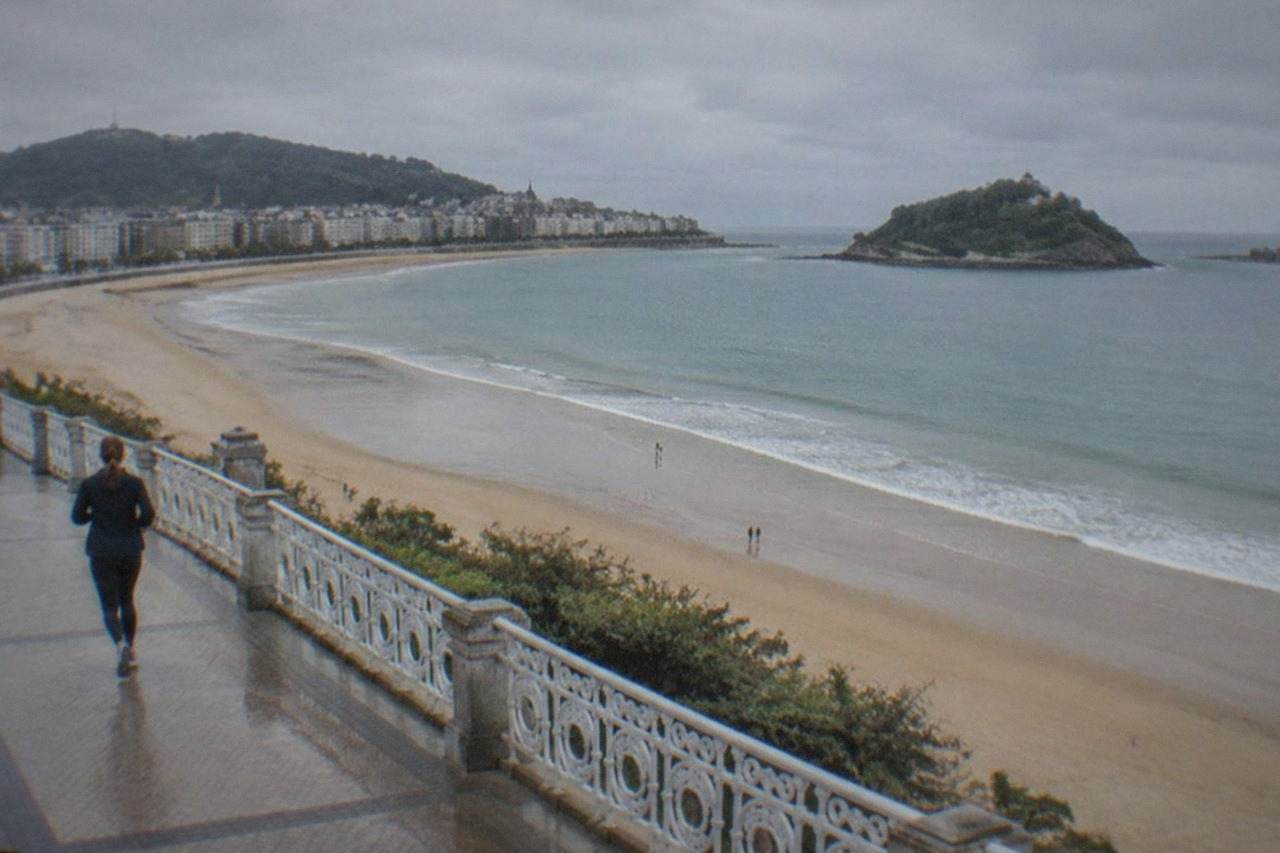
Spend your first day in San Sebastián on foot, because everything that defines the city sits within a walkable strip between Monte Urgull and the River Urumea: the Old Town, or Parte Vieja, the crescent of La Concha, the pintxo bars, and the two hills that frame the bay. Arrive, drop your bags, and walk the bay promenade from one end to the other before dinner, because that single walk takes in the city's whole geography and costs nothing. Then finish the day in the Old Town bars.
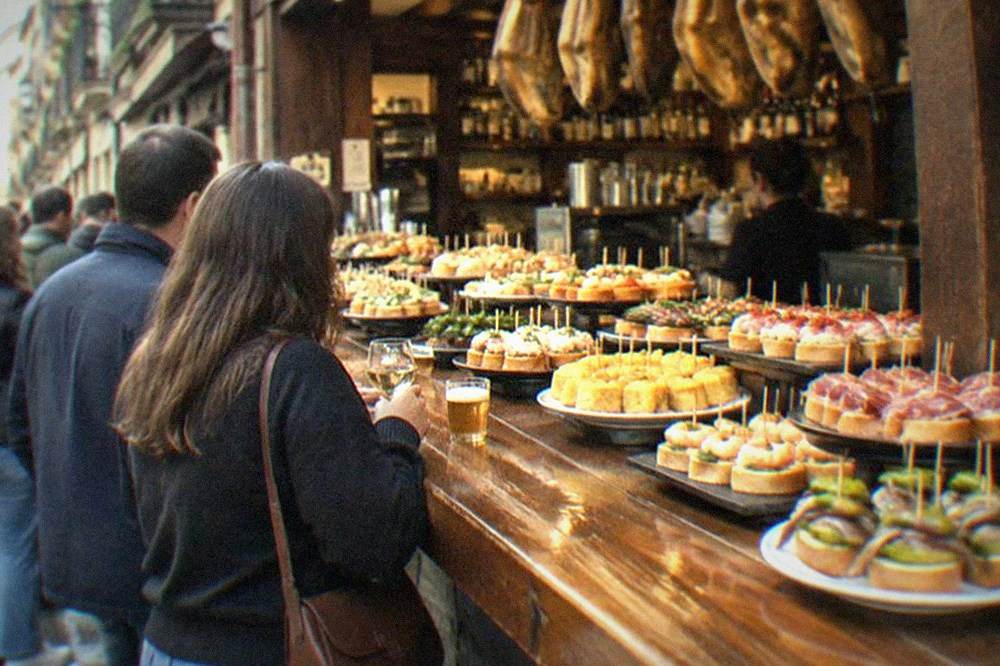
The Parte Vieja is the dense grid of streets at the foot of Monte Urgull, and it holds the highest concentration of pintxo bars in the city. Pintxos are the Basque Country's answer to tapas, small portions served on bread or on skewers, ordered one or two at a time and eaten standing at the bar with a drink; the what are pintxos page explains how the system works and the best pintxo bars guide names the places worth queuing for. The habit is to move from bar to bar, taking one specialty in each, and the evening pintxo crawl is the single most distinctive thing the city does after dark.
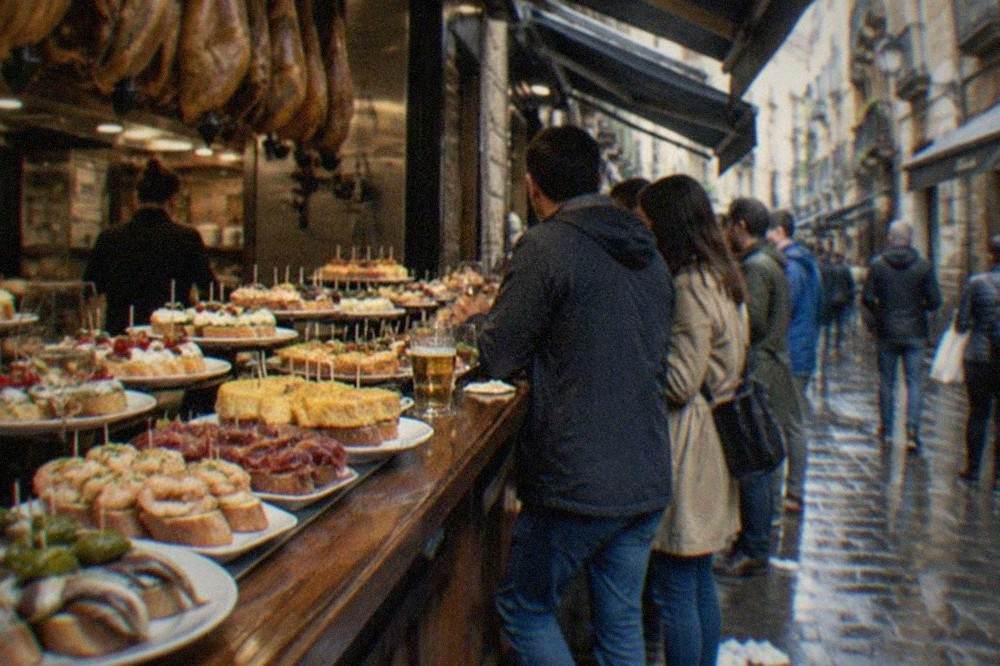
A guided walk on the first afternoon is a reliable way to learn the geography fast. The short walking tour with a pintxo and a drink included is the budget option, it covers the centre and ends with your first pintxo taken care of, and the operator's live listing carries the current times.
The premium pintxo, wine and market tour is the upgrade: reserved seats at each bar, so no standing and scrambling, plus a guided visit to Mercado de la Bretxa, the market where the city's cooks shop. If you are only in the city for a night or two after the drive from Santander, it front-loads the food scene into one evening.
Where Should You Stay After Arriving From Santander?
The best base for a short visit is the Centro district between the River Urumea and La Concha, or the Parte Vieja itself, because both put the Old Town, the beach and the main sights within a ten-minute walk of each other, and the city's hotel stock is concentrated there. Gros, across the river by Zurriola beach, is the quieter, surf-facing alternative, and Antiguo, at the far end of La Concha, suits longer, calmer stays.
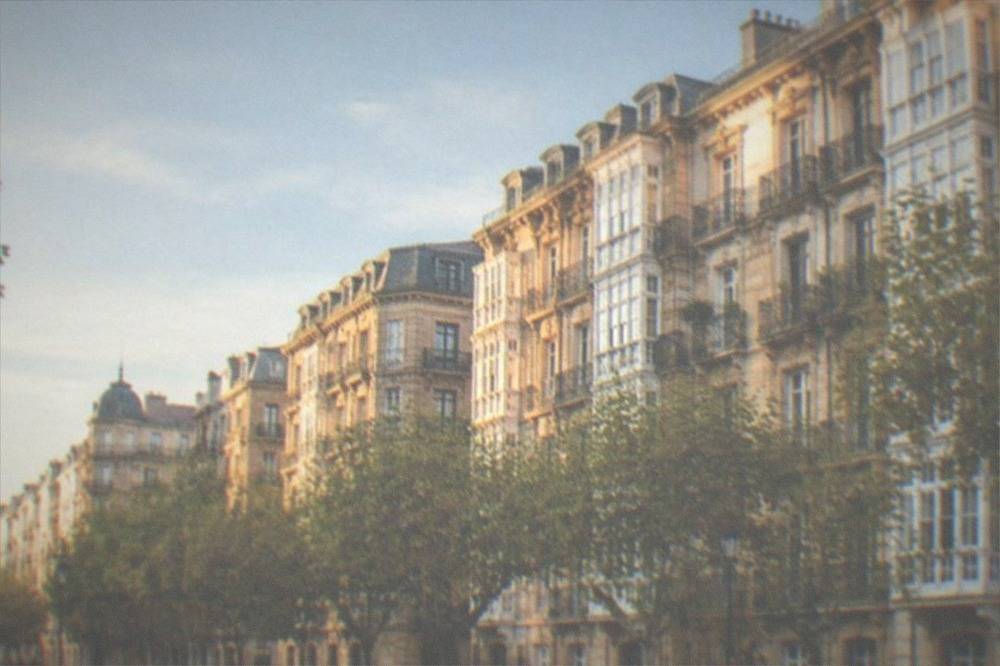
Centro is the practical choice for anyone arriving from Santander and wanting to park the car and forget it. The district holds the grand belle époque buildings along the Boulevard and the stretch of the Avenida de la Libertad, and from there the whole city is on foot. The Parte Vieja puts you above the pintxo bars, which is lively late into the night and unbeatable for a first-timer who wants to be in the middle of the food scene. Gros trades that for the surfers' beach at Zurriola and a more local pace, and Antiguo spreads out at the west end of the bay near Ondarreta and the path up to the Peine del Viento.
The city's own scale keeps the decision low-stakes. Nothing in the central districts is more than a half-hour walk from anything else, and the dBus network covers the rest, with a cash single fare of 1.95 EUR and a night ticket of 2.65 EUR as listed on the operator's fare page, and the MUGI card fares set by the province's fare system. The table below compares the four central districts as bases.
| District | Character | Best for | Nearest beach |
|---|---|---|---|
| Centro | Belle époque grid, shops, the Boulevard | First-time visitors who want everything walkable | La Concha, east end |
| Parte Vieja | Old Town, dense pintxo bars, late nights | Food-focused short stays | La Concha, east end |
| Gros | Surf quarter across the river, local pace | Surfers and longer stays | Zurriola |
| Antiguo | Residential, calm, at the west end of the bay | Families, quiet stays | Ondarreta |
Which Beaches Should You Visit In San Sebastian?
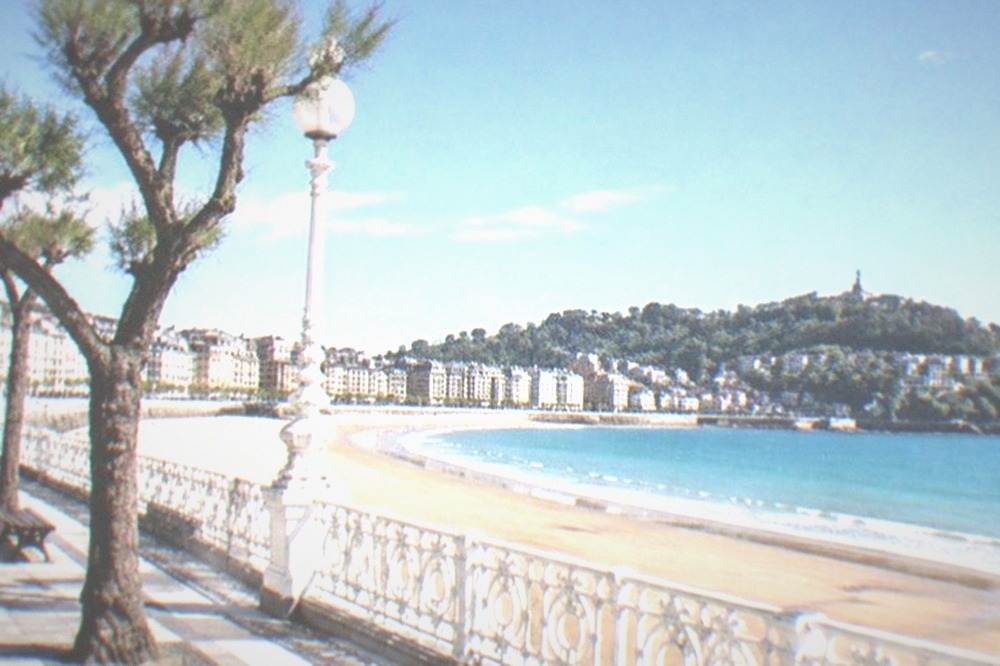
San Sebastián has three city beaches, La Concha, Ondarreta and Zurriola, all sandy and all council-managed, with lifeguards on duty from 1 June to 30 September, and the council's own figures give La Concha a mean length of 1,350 metres, Ondarreta 600 and Zurriola 800. La Concha is the postcard, Ondarreta is the calmer family stretch, and Zurriola is the open, high-swell surf beach.
The council's beach pages describe La Concha as sandy and shallow, with the tide often limiting the usable area, which is worth knowing before you plan a long swim. Ondarreta, the continuation at the west end under Monte Igueldo, is described as sandy with heavy use in season, and the walk to the Peine del Viento, Eduardo Chillida's three steel sculptures anchored in the rocks, starts at its west end. Zurriola, in Gros, is remodelled from 1994 and is the beach for surf: the council's own page calls its swell strong, which is exactly why the surf schools set up there. The full breakdown of all three, including parasol and lounger hire prices, is on the San Sebastian beaches page.
| Beach | Mean length | Mean width | Council description | Lifeguard season |
|---|---|---|---|---|
| La Concha | 1,350 m | 40 m | Sandy, shallow, tide limits usable area | 1 June to 30 September |
| Ondarreta | 600 m | 100 m | Sandy, heavy use in season | 1 June to 30 September |
| Zurriola | 800 m | 110 m | Sandy, open, strong swell | 1 June to 30 September |
One seasonal note that catches visitors out: the lifeguard service, the assisted bathing service and the parasol hire all stop after 30 September, and from 16 to 30 September the lifeguard hours are already cut to 13:30 to 19:30. The beaches themselves stay open and walkable year-round, but a September arrival from Santander lands right at the edge of the guarded season. The rest of the planning pages sit on San Sebastian Spain Guide.
What Should You Eat And Drink In San Sebastian?
Eat pintxos in the Old Town bars, sit down for a txuleta, the enormous Basque rib steak, if you want the other half of the food culture, drink txakoli, the sharp local white wine poured from a height, and book ahead if you want one of the city's Michelin-starred restaurants, because the MICHELIN Guide Spain 2026 counts 6 restaurants holding 11 stars inside the city itself. The pintxo bars need no booking at all, that is the whole point of them.
The food scene is the reason many travellers make the drive from Santander in the first place, and it works on two levels. The first is the bar culture: gildas, the anchovy-olive-pepper skewer, tortilla de bacalao, and whatever the bar's own specialty is, eaten standing with a small glass of txakoli or a cider. The what to eat in San Sebastian guide covers the dishes worth ordering, and the txakoli page explains the local wine and how it is poured. The second level is the restaurant scene, which the MICHELIN Guide Spain 2026 lists as follows for the city and its province.
| Stars | Restaurant | Town |
|---|---|---|
| 3 | Akelaŕe | Donostia / San Sebastián |
| 3 | Arzak | Donostia / San Sebastián |
| 2 | Amelia by Paulo Airaudo | Donostia / San Sebastián |
| 1 | iBAi by Paulo Airaudo | Donostia / San Sebastián |
| 1 | Itzuli | Donostia / San Sebastián |
| 1 | Kokotxa | Donostia / San Sebastián |
That count is the city alone. The province of Gipuzkoa holds 19 stars across 11 restaurants in the same edition, but Martín Berasategui's three stars sit in Lasarte-Oria and Mugaritz's two in Errenteria, both separate municipalities, so neither belongs on a list of restaurants in San Sebastián. The Michelin restaurants page covers the starred tables and how to approach booking them, and the best restaurants guide covers the unstarred places locals actually eat in.
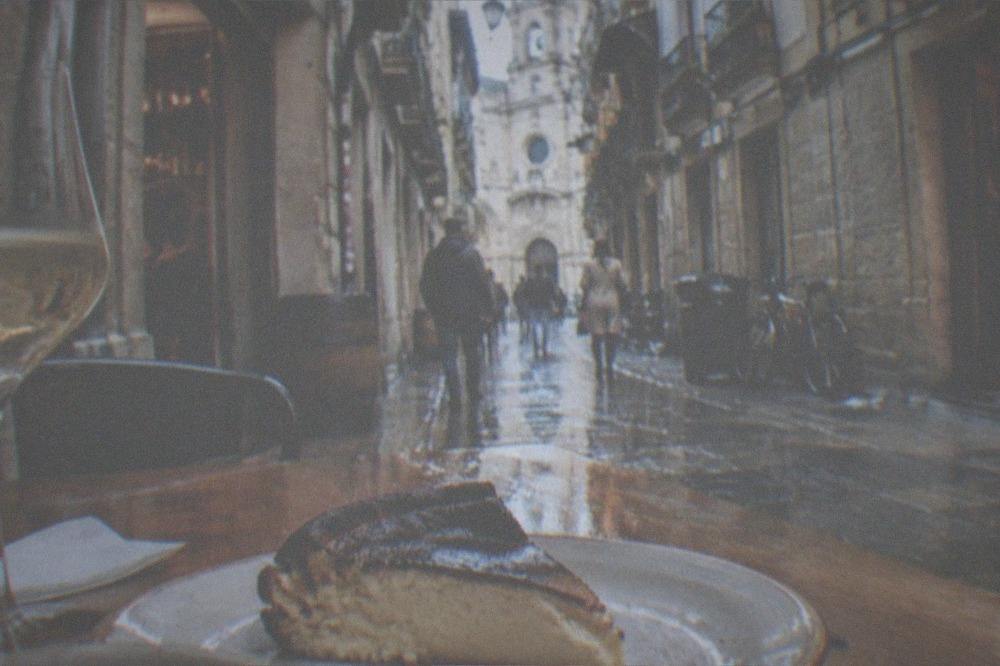
Two desserts deserve their own mention. The burnt Basque cheesecake was born in this city, at La Viña in the Parte Vieja, and it has spread worldwide from that one kitchen; the La Viña cheesecake page tells that story and the San Sebastian cheesecake page covers where to find it now. Order a slice where the bars are busiest and you will not go far wrong.
What Is The Weather Like When You Arrive?
San Sebastián is a wet Atlantic city, not a Mediterranean one: AEMET's climate normals for its Igeldo station, on the 1981 to 2010 series, record 1,507 mm of rain a year falling over 141 rain days, and even July, the driest month, averages 86 mm over about 10 rain days. Plan for the possibility of rain on any day of the year, including high summer, and pack accordingly, because the weather is part of what makes the region green.
The station sits at 250 m on Monte Igeldo, so the seafront runs slightly warmer than these values, but the shape of the year is clear from the table. August, at a mean of 19.5 C, is the warmest month and also wetter than June, July or September, at 117 mm. November is the wettest month at 169 mm. The practical reading for a traveller coming from Santander, which shares the same Atlantic coastline and the same habits, is that neither city rewards a beach-only itinerary: the rain that keeps the hills green also interrupts sunbathing even in the good months.
| Month | Mean C | Mean max C | Rain mm | Rain days (1 mm+) | Sun hours |
|---|---|---|---|---|---|
| Jan | 8.5 | 11.0 | 141 | 13.2 | 98 |
| Feb | 8.7 | 11.5 | 110 | 11.6 | 107 |
| Mar | 10.3 | 13.4 | 113 | 12.4 | 144 |
| Apr | 11.3 | 14.5 | 138 | 13.4 | 157 |
| May | 14.4 | 17.7 | 120 | 12.2 | 181 |
| Jun | 16.9 | 20.0 | 90 | 10.6 | 189 |
| Jul | 18.9 | 21.8 | 86 | 9.8 | 196 |
| Aug | 19.5 | 22.5 | 117 | 10.5 | 190 |
| Sep | 18.0 | 21.1 | 111 | 10.1 | 179 |
| Oct | 15.5 | 18.5 | 159 | 11.8 | 140 |
| Nov | 11.3 | 14.0 | 169 | 13.0 | 102 |
| Dec | 9.1 | 11.6 | 151 | 12.4 | 93 |
The monthly guides, from June through the rest of the year, and the best time to visit page, turn those numbers into a decision about when to make the drive. The honest summary is that there is no dry season here, only a warmer and a colder half of the year, and the city's indoor life, the bars, the museums and the restaurants, is built to absorb the wet days.
What Day Trips Can You Take From San Sebastian?
The strongest day trips from San Sebastián run west along the Gipuzkoa coast to Zarautz, Getaria and Zumaia, or inland to the Chillida Leku museum in Hernani, and the coast trip is the natural extension of the drive from Santander because it continues the same shoreline you have been following all day. Getaria adds the txakoli wineries and the Balenciaga museum to a fishing-town setting, and Zumaia sits inside the Basque Coast UNESCO Global Geopark.
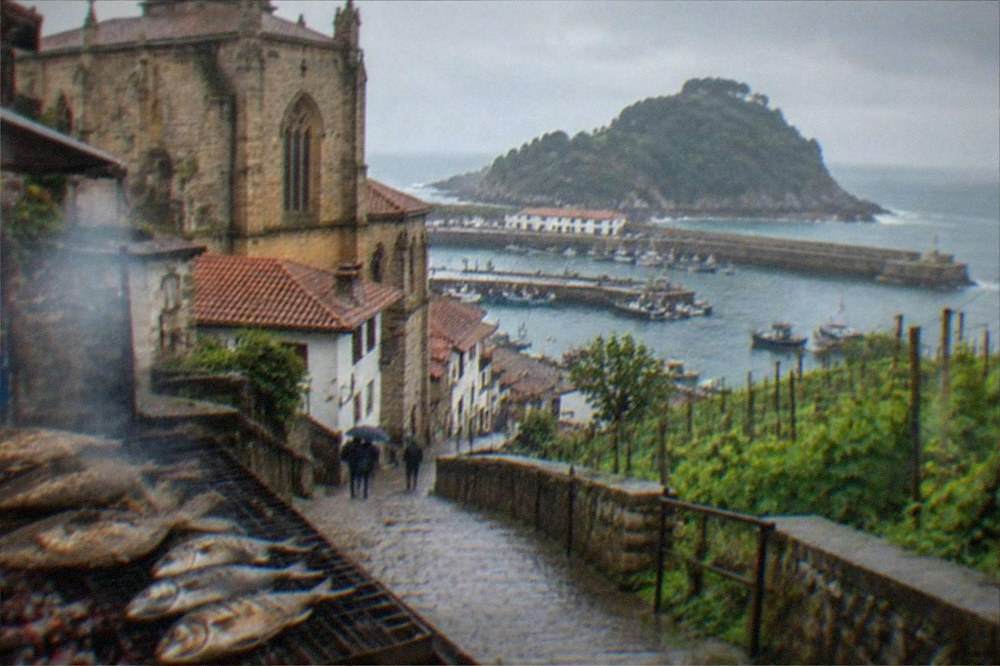
The half-day coast excursion by vehicle covers all three towns in one loop, which is the efficient version if you have a car waiting or prefer not to drive the coast yourself. Getaria is a town worth remembering: a fishing port backed by txakoli vineyards, the birthplace of the couturier Cristóbal Balenciaga, whose museum charges 14 EUR for the collection plus temporary shows, with a reduced ticket at 9 EUR, per the museum's own site. Zumaia's flysch cliffs, the layered rock formations along the shore, belong to the Geopark, a UNESCO Global Geopark since 2015 covering Zumaia, Deba and Mutriku.
Chillida Leku, in Hernani just outside the city, is the other easy half-day: Eduardo Chillida's sculpture park, open every day except Tuesday and Wednesday, with adult admission at 14 EUR and a free car park, per the museum's practical information page. The guided tour of the museum is the way to see it if you want the context rather than just the grounds. Beyond these, the day trips from San Sebastian overview covers the full radius, from Bilbao and its Guggenheim to Biarritz across the French border and the fortified port of Hondarribia.
How Much Should You Budget For The City Itself?
The city's headline attractions are cheaper than its reputation suggests: the Monte Igueldo funicular return is 5.50 EUR for adults with the grounds entry included, San Telmo Museoa is 10.00 EUR and free every Tuesday, Tabakalera is free to enter, and the Santa Clara island boat is 5 EUR return in high season, so a full day of sightseeing costs less than one dinner in a good restaurant. The food is where the money goes.
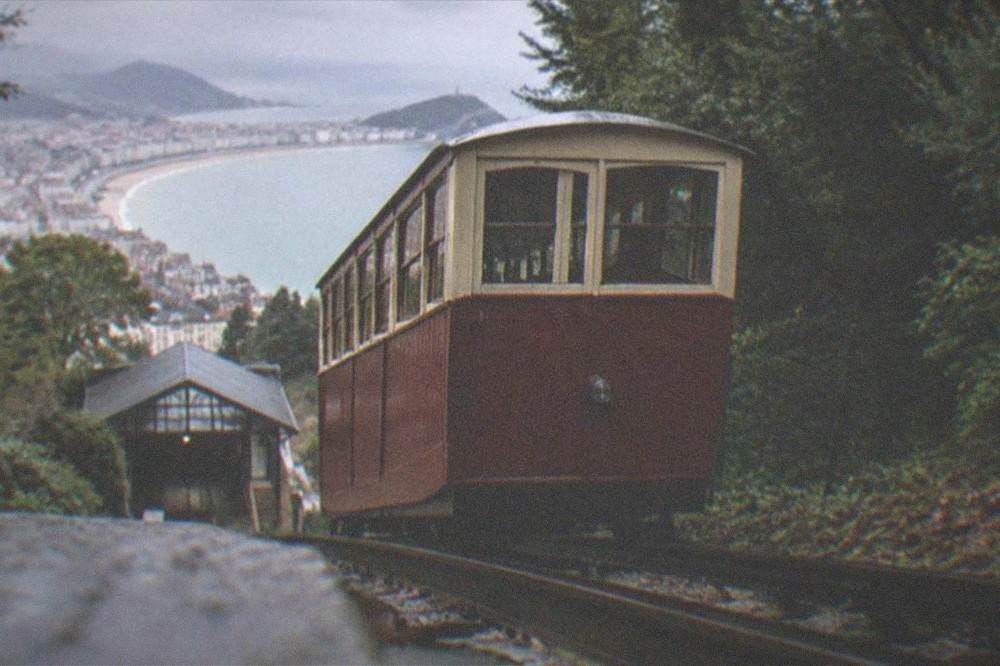
The funicular, opened in 1912 and described by the tourism board as the oldest in the Basque Country, runs every 15 minutes on its normal schedule, with a child return at 2.50 EUR for ages up to 7, and the ticket includes entry to the grounds and viewpoint at the top. Note the site's own notice: tickets for the downhill-only journey are not on sale, and rides close on rainy days, which in this city is a real planning factor. The island boat, run by Motoras de la Isla, operates its high season from 1 June to 30 September, with the direct red line running every 30 minutes from 10:00 to 19:00 weather permitting, and the blue line bay tour plus island landing at 8 EUR. The pintxo bars scale from a couple of euros a round to whatever you let the evening become, so set your own ceiling there.
| Attraction | Adult price | Notes from the venue's own page |
|---|---|---|
| Monte Igueldo funicular, return | 5.50 EUR | Grounds entry included; child return 2.50 EUR up to age 7 |
| Monte Igueldo grounds only, on foot or by vehicle | 3.00 EUR | No downhill-only funicular ticket on sale |
| San Telmo Museoa, general | 10.00 EUR | Free every Tuesday; reduced 4.00 EUR |
| Tabakalera | Free | Closed Mondays; exhibition halls in two daily sessions |
| Santa Clara island boat, red line return | 5.00 EUR | High season 1 June to 30 September; under 4s free |
| Santa Clara blue line, bay tour plus island | 8.00 EUR | Timed departures; last departure does not land |
| Chillida Leku, Hernani | 14 EUR | Open daily except Tuesday and Wednesday |
For the fuller cost picture, including how the city compares with the rest of Spain, the is San Sebastián expensive page does that job in detail. The short version is that the sights are cheap, the sleeping is not, and the eating is worth whatever it costs.
Common Questions About Traveling From Santander To San Sebastian
Do you need a car in San Sebastian once you arrive?
No. The centre, the beaches and the Old Town are all within walking distance of each other, and dBus covers the rest, with a cash single fare of 1.95 EUR as listed on the operator's fare page. A car is only worth keeping for the coastal day trips.
Is San Sebastian worth the trip from Santander?
Yes, because the two cities offer different things: Santander gives the elegant bay and the sandy spit of Sardinero, while San Sebastián gives the pintxo culture, the starred restaurants and the walkable Old Town. The is San Sebastián worth visiting page weighs the question in full.
What is San Sebastian famous for?
For its food above all, the pintxo bars and the concentration of Michelin-starred kitchens, and for La Concha, the beach bay that frames the city. The what is San Sebastián known for page covers the full list, and the money page on things to do in San Sebastian collects the sights.
Which is better, Santander or San Sebastian?
They suit different trips: Santander is calmer and cheaper, San Sebastián is denser, more expensive and better for eating. The head-to-head on San Sebastián vs Santander compares them across beaches, food, cost and atmosphere.
How many days do you need in San Sebastian after the drive?
Two days covers the Old Town, the bay and the beaches comfortably; three lets you add a coastal day trip to Zarautz, Getaria or Zumaia without rushing. The how many days in San Sebastián page breaks down one-, two- and three-day plans.
Arriving from Santander means arriving with the coast already in your blood, and San Sebastián rewards that: the same Atlantic light, the same green hills, but compressed into a bay you can walk end to end before dinner, with the best food in northern Spain waiting in the bars when you get there. Plan the drive, book the first evening's pintxo tour, and let the rain do what it always does here, because the city is built for it.