San Sebastian Vs Santander
Two Atlantic cities, two very different trips. This comparison describes San Sebastián in detail and describes Santander qualitatively, because only one side of the pair has a sourced record here.
Short answer
San Sebastián suits a food-first, walkable, bay-city trip built around pintxos, La Concha and the Basque culture of Gipuzkoa. Santander suits a calmer, cheaper-feeling Cantabrian seaside stay. Every figure in this guide is San Sebastián's own verified record.
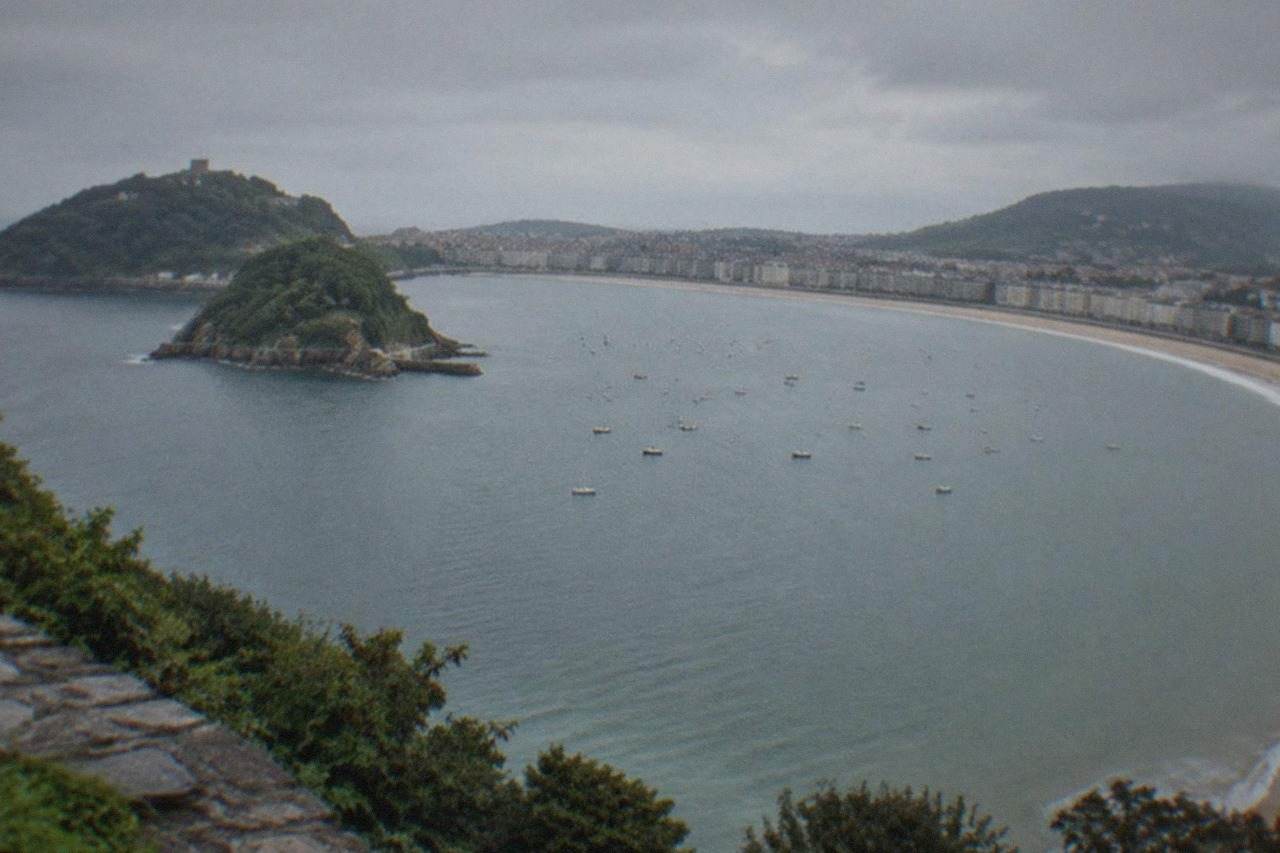
San Sebastián, in the Basque Country of northern Spain, is the city on La Concha bay whose official name is Donostia / San Sebastián, and it gets compared with Santander more often than any other Spanish seaside city. Both are Atlantic, both are green-coast destinations, and both sit on the northern strip that travellers drive between Bilbao and the French border. But the two trips they deliver are not close cousins, and the difference is not mainly about size or scenery. It is about what each city has decided to be. This guide compares them honestly, which means something specific here: every number printed below belongs to San Sebastián, drawn from its own verified record, because that is the city this site researches. Santander is described by its character, and where a figure would be needed for the Cantabrian side and none exists in this record, the page says so plainly rather than guessing.
Which City Should You Choose For A Northern Spain Trip?
Choose San Sebastián if the trip is built around food, walking and one of the most famous bays in Europe; choose Santander if you want a quieter, more spacious Cantabrian seaside base with fewer international visitors at the dinner table. San Sebastián concentrates its whole appeal inside a walkable area between La Concha, the Parte Vieja and the River Urumea, and it backs that with 11 Michelin stars across 6 restaurants inside the city in the MICHELIN Guide Spain 2026.
The honest way to frame the choice is by appetite, in both senses. San Sebastián is a city people travel to eat in. The pintxo bars of the Parte Vieja, the cider houses of Astigarraga a short hop away, the txakoli wineries of Getaria along the coast, and a starred-restaurant scene that punches far above the city's 189,866 registered residents all point the same direction. Santander, by contrast, is a city people travel to be beside: a long waterfront, a famous peninsula park reached by a small ferry, and a slower regional rhythm. Neither is wrong. They are different products.
If you are still weighing the Basque city on its own merits, the is San Sebastian worth visiting guide does that job in full. For the route between the two cities, the Santander to San Sebastian travel guide covers the practical side, and the short answer to the distance question lives at how close is San Sebastian to Santander. This page, like everything else on San Sebastian Spain Guide, is written from the Basque city's own verified record.
Is San Sebastian Really Wetter Than Santander?
No comparison figure for Santander can be printed here, because this site's verified record covers only the Basque city. What the record does show is that San Sebastián is unambiguously a wet Atlantic city: AEMET's climate normals for its Igeldo station, covering 1981 to 2010, give 1,507 mm of rain a year spread over 141 days, and even July, the driest month, averages 86 mm across about 10 rain days.
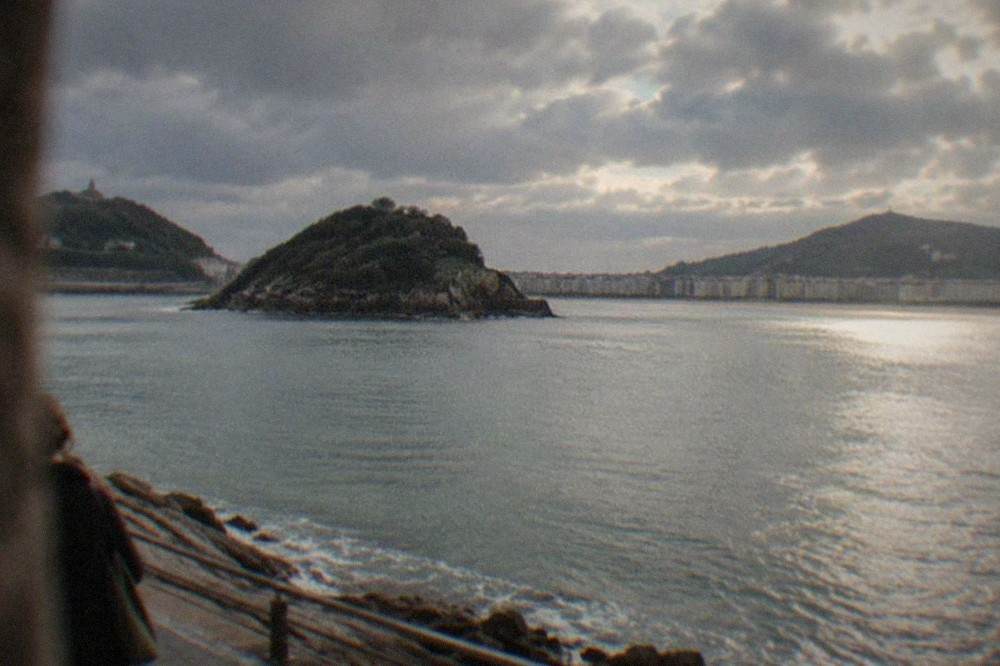
That number surprises visitors who arrive expecting Mediterranean Spain. The rain is not an occasional inconvenience, it is the climate, and it is the reason the hills around the bay are green in February. AEMET's station sits 250 m up on Monte Igeldo, so the seafront itself runs slightly warmer than the official values, but the pattern holds: no month averages under 86 mm, and November is the wettest at 169 mm. August, at 117 mm, is wetter than June, July or September, which catches out plenty of summer travellers.
The table below shows the full San Sebastián record, month by month. Read it before packing, and read it again before promising anyone a dry week.
| Month | Mean C | Mean max C | Mean min C | Rain mm | Days 1mm+ rain | Sun hours |
|---|---|---|---|---|---|---|
| Jan | 8.5 | 11.0 | 5.9 | 141 | 13.2 | 98 |
| Feb | 8.7 | 11.5 | 5.9 | 110 | 11.6 | 107 |
| Mar | 10.3 | 13.4 | 7.2 | 113 | 12.4 | 144 |
| Apr | 11.3 | 14.5 | 8.1 | 138 | 13.4 | 157 |
| May | 14.4 | 17.7 | 11.1 | 120 | 12.2 | 181 |
| Jun | 16.9 | 20.0 | 13.8 | 90 | 10.6 | 189 |
| Jul | 18.9 | 21.8 | 16.0 | 86 | 9.8 | 196 |
| Aug | 19.5 | 22.5 | 16.5 | 117 | 10.5 | 190 |
| Sep | 18.0 | 21.1 | 14.8 | 111 | 10.1 | 179 |
| Oct | 15.5 | 18.5 | 12.4 | 159 | 11.8 | 140 |
| Nov | 11.3 | 14.0 | 8.7 | 169 | 13.0 | 102 |
| Dec | 9.1 | 11.6 | 6.6 | 151 | 12.4 | 93 |
For month-by-month advice on the Basque side, the San Sebastian weather guide goes deeper than any comparison page can. A rainy day in San Sebastián is also not a lost day, which is one of the city's quiet strengths: the rain that feeds the green hills is the same rain that fills the rivers the salmon run up, and the city's bars, museums and covered markets absorb a wet afternoon without effort.
How Do The Beaches Compare?
San Sebastián's three city beaches are measured and published by the city council: La Concha at 1,350 m long, Ondarreta at 600 m and Zurriola at 800 m, all sandy, all lifeguarded from 1 June to 30 September. Santander's waterfront is genuinely impressive in character, but this record holds no council-measured figures for it, so no length, width or count is printed for the Cantabrian side.
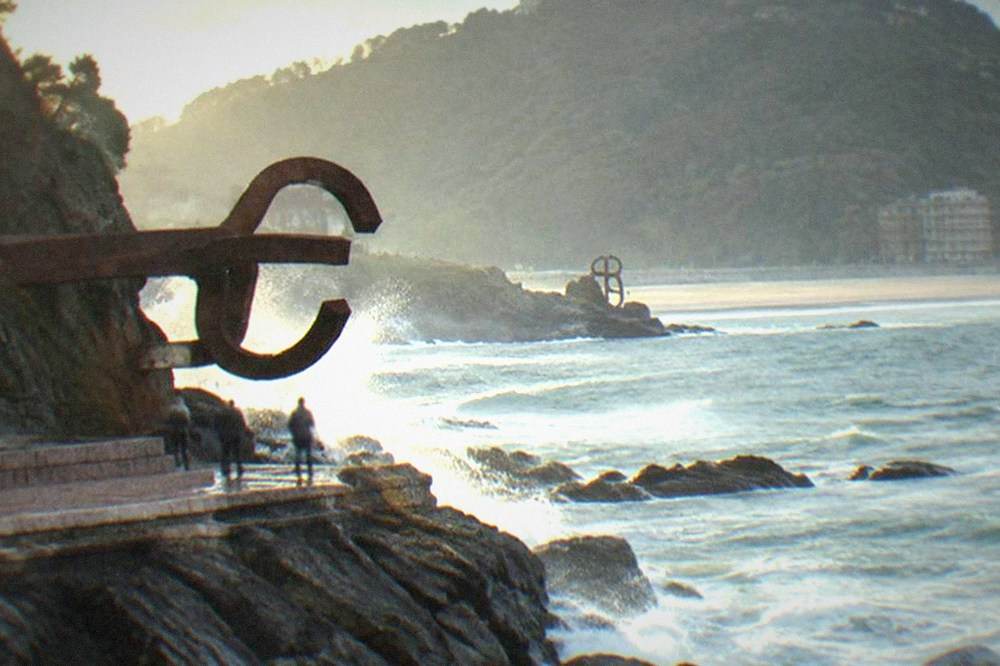
La Concha is the one that decides the argument for many visitors. A single curved sandy bay with an island in the middle of it, ringed by a promenade and backed by belle époque architecture, is a physical setting few cities anywhere can match. The council's own beach pages note that the tide often limits the usable area at La Concha, which is the kind of detail a postcard never shows. Ondarreta, at the west end, is the locals' stretch, and the walk to the Peine del Viento sculptures starts from it. Zurriola, in Gros, is the open one: the council describes a strong swell there, and it is where the surfers go.
| Beach | Mean length | Mean width | Mean area | Council description |
|---|---|---|---|---|
| La Concha | 1,350 m | 40 m | 54,000 m2 | Sandy and shallow; the tide often limits usable area |
| Ondarreta | 600 m | 100 m | 60,000 m2 | Sandy, heavy use; the Peine del Viento walk starts at its west end |
| Zurriola | 800 m | 110 m | 88,000 m2 | Sandy and fairly open, with a strong swell; remodelled in 1994 |
The lifeguard season matters for planning. All three beaches are watched from 1 June to 30 September, with full hours of 10:00 to 20:00 from 15 June to 15 September and reduced hours either side. Parasol and lounger hire runs on the same window. Outside those dates you can still walk, swim at your own judgement and surf Zurriola, but the beach infrastructure is seasonal, and a comparison that promises "beaches all year" on either side is selling something. The San Sebastian beaches guide covers each stretch in detail, beach by beach, with the same council figures.
Santander's shoreline is broader and more exposed, built around long sands and a bay crossed by small boats. If your trip is a beach holiday with city attached, either works. If your trip is a city holiday with a bay at the middle of it, San Sebastián's geometry wins: three beaches, two hills and an island, all inside a walkable half-hour.
Which City Wins On Food?
On the starred-restaurant record, San Sebastián is one of the strongest small cities in Europe: the MICHELIN Guide Spain 2026 counts 11 stars across 6 restaurants inside the municipality, including two three-star houses, Akelaŕe and Arzak. No star count for Santander appears here, but the qualitative gap in everyday eating, the pintxo bar culture, is wider than the fine-dining gap.
Fine dining is the headline, but pintxos are the real story. The bars of the Parte Vieja run a system that has no real equivalent in Santander or most of Spain: small plates charged individually, often by toothpick count, eaten standing, moving from bar to bar. The pintxos in San Sebastian guide explains the mechanics and the etiquette, from how a crawl is paced to how the bill is counted, and it is worth reading before a first evening in the Old Town. The Michelin restaurants guide covers the starred layer separately.

A first evening can be hard to plan from outside, because the bars do not publish their counters in advance and the standing-room rhythm takes a night to learn. A guided crawl solves that on day one, and the premium option pairs reserved seating at each bar with a guided visit to Mercado de la Bretxa, so the market and the evening run as one connected introduction to the city's food culture:
One correction worth making, because it is wrong on half the internet: Martín Berasategui's three stars are in Lasarte-Oria, a separate municipality, not in San Sebastián. The city's own six starred restaurants are listed below, exactly as the 2026 edition prints them. This count expires when the 2027 guide is announced in Huesca on 24 November 2026, which is why the edition is named in every sentence that uses it.
| Stars | Restaurant | Town |
|---|---|---|
| 3 | Akelaŕe | Donostia / San Sebastián |
| 3 | Arzak | Donostia / San Sebastián |
| 2 | Amelia by Paulo Airaudo | Donostia / San Sebastián |
| 1 | iBAI by Paulo Airaudo | Donostia / San Sebastián |
| 1 | Itzuli (new in 2026) | Donostia / San Sebastián |
| 1 | Kokotxa | Donostia / San Sebastián |
Santander eats well by Spanish standards, with a strong seafood tradition tied to its port, and it does so at a calmer pace and in fewer English-language itineraries. But nobody flies across a continent for a Santander tasting menu. People do exactly that for San Sebastián, and the city's hotel arrivals, 1,051,562 of them in 2025 on the INE hotel-only series, are one measure of how heavily the food reputation pulls. If the food is the reason you are choosing between the two cities at all, the argument is already over.
Is San Sebastian More Expensive Than Santander?
San Sebastián is widely described as one of Spain's more expensive cities, and this site's own cost guide treats it that way, but no verified price comparison with Santander exists in this record, so no percentage, index or price level is printed for the Cantabrian side. What can be stated with figures is the Basque city's own verified costs: a dBus city ticket at 1.95 EUR cash, San Telmo Museoa at 10.00 EUR general admission, and Monte Igueldo's funicular at 5.50 EUR return for an adult.
The honest answer is that San Sebastián rewards spending money and forgives not having it, which is rarer than it sounds. The pintxo system lets an evening cost whatever you decide, because each bar charges per piece. The city's headline free items are real: San Telmo Museoa is free every Tuesday, Tabakalera's building is free to enter, Hondalea in the Santa Clara lighthouse is a free visit in its summer season once the boat is paid for, and the beaches and hills cost nothing at all. The is San Sebastian expensive guide sets out both sides of the ledger in detail.
| Item | Price | Note |
|---|---|---|
| dBus city bus, occasional ticket | 1.95 EUR | Cash to the driver; no free transfers on cash |
| dBus night ticket | 2.65 EUR | Special night fare |
| MUGI card, urban trip | 0.78 EUR | Anonymous card, urban 1 and 0 jumps |
| San Telmo Museoa, general | 10.00 EUR | Free every Tuesday; reduced 4.00 EUR |
| Monte Igueldo funicular, adult return | 5.50 EUR | Includes entry to the grounds |
| Monte Igueldo grounds on foot | 3.00 EUR | Per person, entry by any vehicle or walking |
| Santa Clara island boat, red line return | 5.00 EUR | High season, weather permitting |
| Chillida Leku, adult | 14 EUR | In Hernani, outside the city |
One cost that does not exist yet, on either side of any comparison: the Gipuzkoa tourist tax. Norma Foral 3/2026, published in the Basque Official Gazette on 25 June 2026, creates the framework with bands up to 6.50 EUR per person per night for the top hotel category, but it takes effect on 1 January 2027, with at most six nights charged per stay and under 18s exempt. Before that date nobody pays it in San Sebastián, and the city's own rate inside the bands has not been published in an official source this record accepts.
How Many Days Does Each City Need?
San Sebastián rewards three to four days comfortably: one for La Concha, Ondarreta and Monte Igueldo, one for the Parte Vieja and pintxos, one for Monte Urgull and Santa Clara island, and a fourth for a day trip to Getaria, Hondarribia or the Rioja. Santander can be seen in two to three days at a relaxed pace, though that figure is planning judgement, not a verified statistic, and the same caveat applies to the Basque side's day counts.
The structure of San Sebastián is what makes the days add up. The city centre is compact, but the attractions stack in layers: the bay, the two hills at either end of it, the island reachable by a 30-minute boat, and then a ring of day trips that are genuinely worth the travel time. The how many days in San Sebastian guide breaks this down properly, with full itineraries for shorter and longer stays.
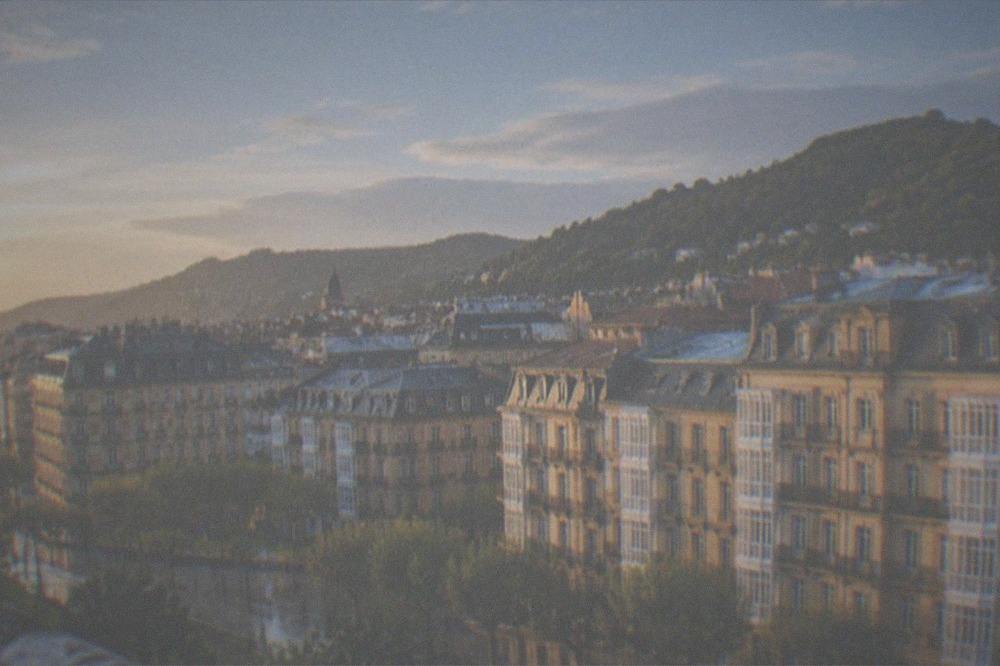
The city's own visitor rhythm supports the longer stay. INE's hotel occupancy series for the city shows 2025 overnight stays peaking in August at 245,769, with April through October never dropping below 200,000 a month, and 63.7 percent of those stays coming from residents abroad. People are not passing through for a night. They are staying, and the month-by-month shape below shows exactly when.
| Month 2025 | Overnight stays | Month 2025 | Overnight stays |
|---|---|---|---|
| January | 115,910 | July | 239,124 |
| February | 119,367 | August | 245,769 |
| March | 156,670 | September | 216,759 |
| April | 200,055 | October | 207,158 |
| May | 205,326 | November | 147,334 |
| June | 211,534 | December | 134,960 |
A first visit to San Sebastián benefits from a guide's overview before anything else, and a walk of the historic centre is the efficient way to get one. The must-see attractions walking tour covers exactly that ground, with a small-group or private option and an English-language departure:
Which City Is Better For Day Trips?
Both cities sit in strong day-trip territory, but San Sebastián's verified options are unusually dense: Getaria for txakoli and the Balenciaga museum at 14 EUR admission, Hondarribia and Pasaia by half-day tour, Bilbao and the Guggenheim to the west, Biarritz and the French Basque coast to the east, and the Rioja wine region within a full-day trip. No distances or times for Santander-based excursions appear here.
The Basque city's position is its quiet advantage. It sits close to the French border, on the coastal Camino de Santiago, whose Northern routes are the city's only UNESCO World Heritage link: the inscription covers the routes of Santiago, not the city itself, which is not a World Heritage Site. From San Sebastián you can be in a different country in under an hour on the Euskotren Topo, whose Amara to Hendaia journey runs 37 to 38 minutes on the published timetable, at a 2.90 EUR occasional fare.
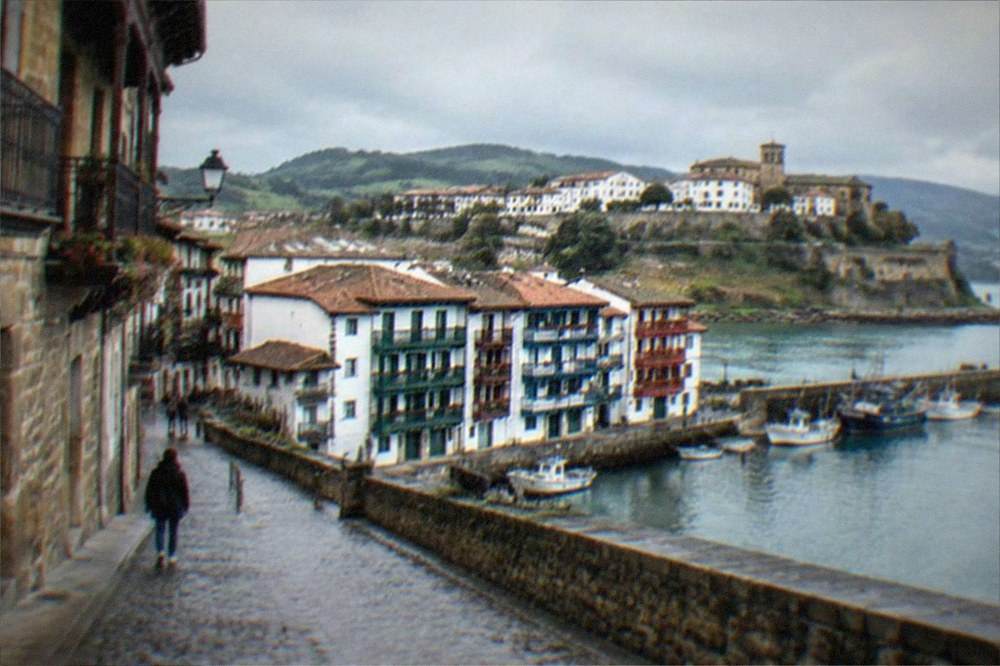
The day trips from San Sebastian guide is the full catalogue, coast, border and wine country together, and it is the page to read once the day count is settled. For wine specifically, the Rioja trip is the longest but the most complete, pairing winery visits with the walled town of Laguardia in a single small-group day:
Santander's own excursion range, in character rather than figures, runs to a famous Altamira cave replica nearby, a well-known nature park on its doorstep and the green interior of Cantabria. It is a fine list. It is simply not the argument travellers are making when they pick between the two cities, because the food-and-wine density around the Basque side has no Cantabrian equivalent in this record.
Is One Easier To Get Around Than The Other?
San Sebastián is a genuinely walkable city, with its bay, old town and both hills inside a compact area, and its public transport is cheap and simple: dBus city tickets at 1.95 EUR cash, the MUGI card at 0.78 EUR for an urban trip, and the Euskotren Topo running every 30 minutes at its busiest toward Hendaia. Santander is also navigable on foot in its centre, but no verified transport figures for it are printed here.
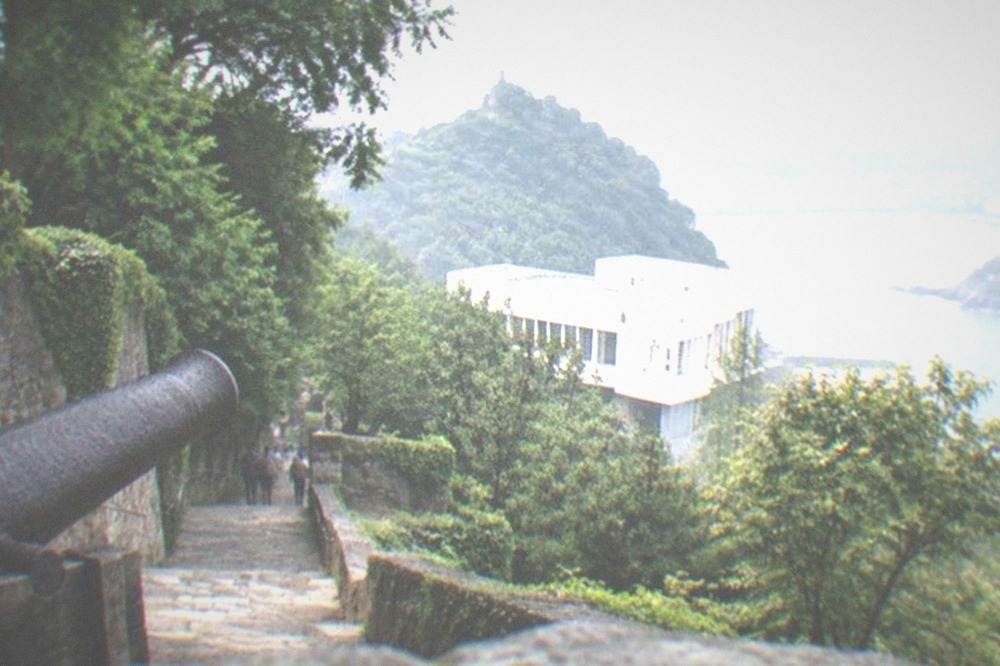
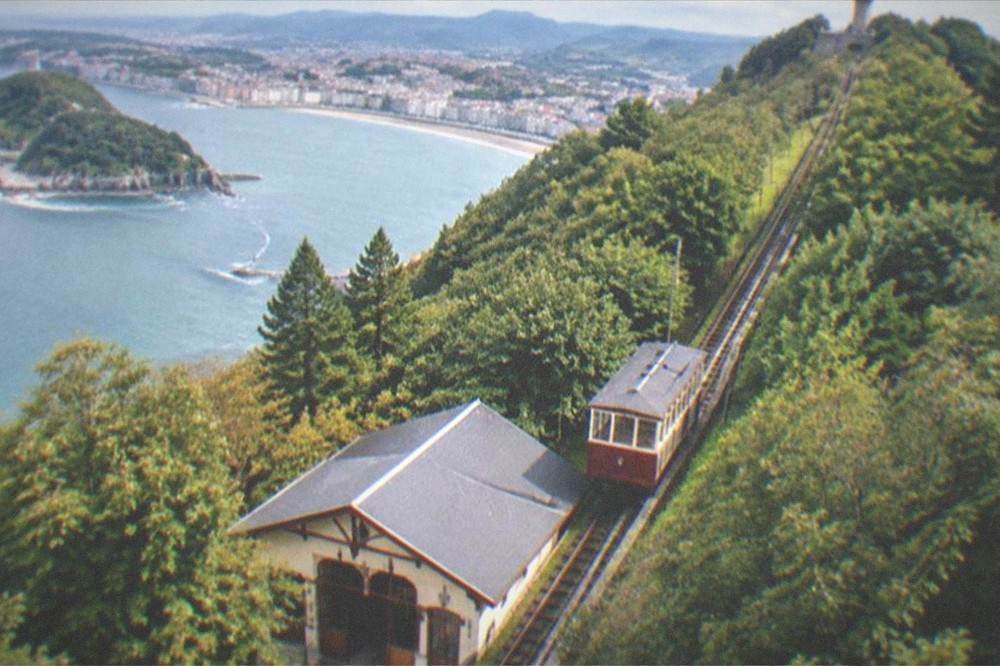
The walkability question is answered by the city's geography. La Concha and Ondarreta sit at one end, the Parte Vieja and the Urumea at the other, Monte Urgull between them, and Monte Igueldo reachable by a funicular that has run since 25 August 1912, every 15 minutes normally, 5.50 EUR return. The funicular ticket includes entry to the grounds, and the funicular's own site notes that downhill-only tickets are not sold, so walk-up, ride-down is not an option. The getting around guide covers buses, the Topo and the bike-lane network in full.
One transport fact worth carrying into any comparison: the new underground Topo section through the city centre has finished its civil works, with the La Concha station's railway works completed in June 2026, but no opening date has been published, and Amara remains the working terminus. Any guide promising a central underground station "now open" on either side of a comparison is ahead of the record.
Common Questions About San Sebastian Vs Santander
Is San Sebastian better than Santander?
For a food-led, internationally flavoured, walkable bay-city trip, San Sebastián is the stronger choice, and its 11 Michelin stars across 6 city restaurants in the MICHELIN Guide Spain 2026 back that up. For a calmer, less crowded seaside stay with a Spanish regional rhythm, Santander suits better. Neither answer is wrong; they answer different trips.
Is Santander cheaper than San Sebastian?
No verified price comparison exists in this site's record, so no figure is claimed. San Sebastián's own verified costs include a 1.95 EUR city bus ticket, 10.00 EUR entry to San Telmo Museoa and a 5.50 EUR return funicular ride, and its pintxo-bar system lets an evening's spend be set piece by piece.
Does it rain more in San Sebastian or Santander?
Only the Basque city's rainfall is verified here: 1,507 mm a year over 141 rain days at AEMET's Igeldo station, with July driest at 86 mm and November wettest at 169 mm. Both cities share an Atlantic climate, so pack a rain layer for either.
Can you visit both San Sebastian and Santander on one trip?
Yes, and many travellers do, pairing the Basque city with a Cantabrian stop around Bilbao. The practical route between the two is covered in the Santander to San Sebastián travel guide on this site.
Which city has better beaches?
San Sebastián's are measured and published: La Concha at 1,350 m, Ondarreta at 600 m and Zurriola at 800 m, all lifeguarded from 1 June to 30 September. No measured figures for Santander's sands appear in this record, but its waterfront is long, open and built for space rather than a single postcard bay.
How many days do you need in San Sebastian instead of Santander?
Three to four days suits San Sebastián well, with a fourth best spent on a day trip to Getaria, Hondarribia or the Rioja. Santander works in two to three relaxed days. Both counts are planning judgement, not verified statistics.
The choice, in the end, is simpler than the comparison. If the trip is about where you eat dinner, and the evenings before it, San Sebastián is one of the best small cities in Europe for exactly that. If it is about space, calm and a long waterfront without an itinerary, Santander earns its place. Plenty of northern Spain trips, sensibly, do both, and the main things to do in San Sebastian page is where the Basque half of that plan starts.