Shopping In San Sebastian
San Sebastián in the Basque Country, Spain, packs its retail life into a compact centre that runs from the Old Town to the Urumea river, with the Boulevard as its spine and pintxo bars never more than a few doors away.
Short answer
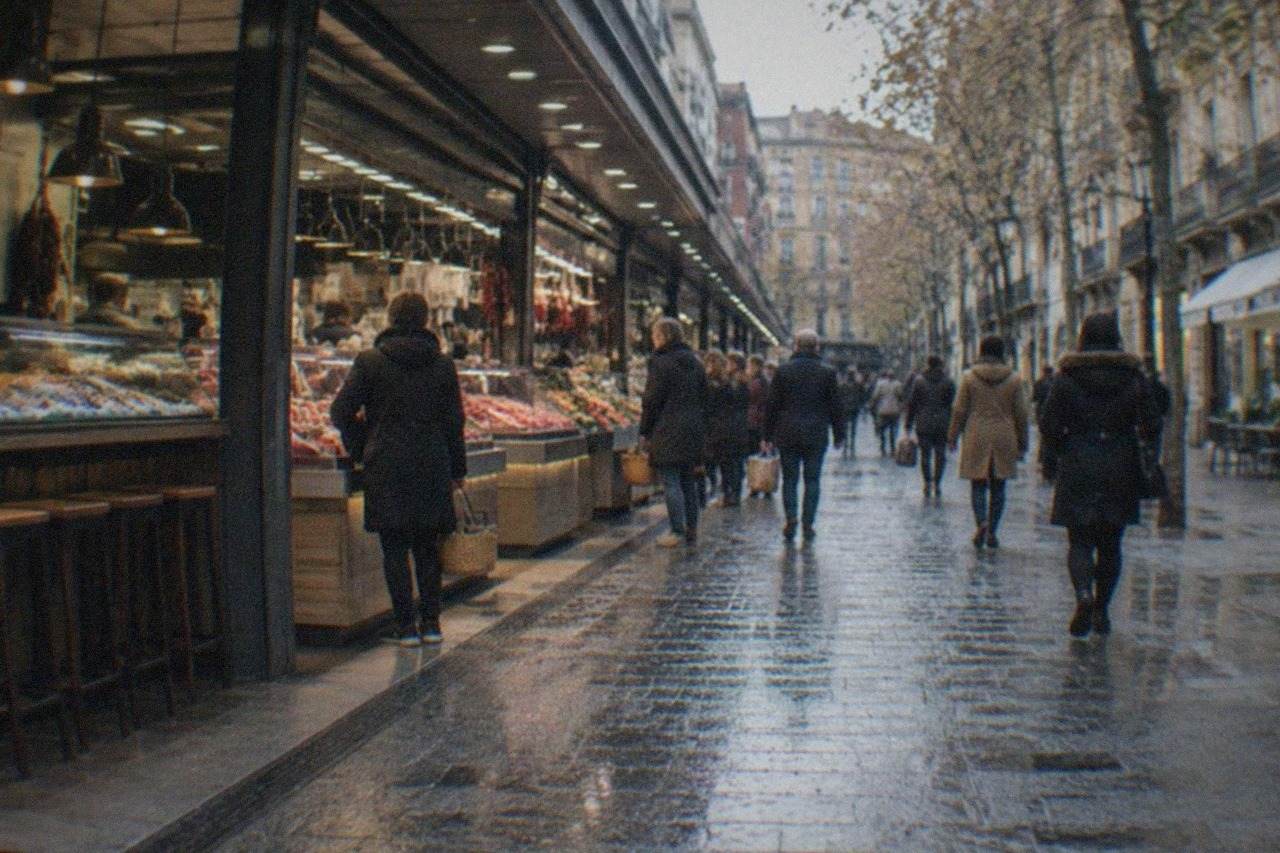
The main shopping street in San Sebastián is the Boulevard, the avenue that links the Old Town edge to the Urumea river, with the surrounding Centro streets holding most of the city's fashion retail and La Bretxa market close by.
San Sebastián, in the Basque Country of Spain, keeps almost everything a visitor could want to buy inside a triangle of land you can cross on foot in half an hour. The city's official name is Donostia / San Sebastián, and its Basque name, Donostia, is what you will hear on the streets. The retail core sits between the bay of La Concha and the Urumea river, anchored by the Boulevard, the tree-lined avenue that has been the city's front room since the Belle Époque. Shopping here is not a separate activity from everything else the city is famous for: the pintxo bars of the Old Town, the cheesecake bakers and the txakoli sellers sit in the same few blocks as the fashion storefronts, and a shopping afternoon turns into a eating afternoon without anyone planning it. This page lays out the streets, the neighbourhoods, the markets and the things worth carrying home.
What Is The Main Shopping Street In San Sebastian?
The main shopping street in San Sebastián is the Boulevard, the avenue that runs along the eastern edge of the Old Town from the river end of the centre toward the seafront promenade, and the streets feeding into it hold the densest run of storefronts in the city. The tourism board lists the Boulevard area as one of the city's core quarters, and tour operators use it as a landmark meeting point. Everything on it is a short walk from La Concha.
The Boulevard works as a spine rather than a single destination. It is where the city's chains, its older established shops and its café terraces sit together, and the blocks either side of it, in the Centro district, carry the overflow. Calle Reyes Catolicos, which an e-bike tour listing uses as a departure point, runs nearby toward the river, and the whole grid is flat, which matters more than it sounds when you are carrying bags.
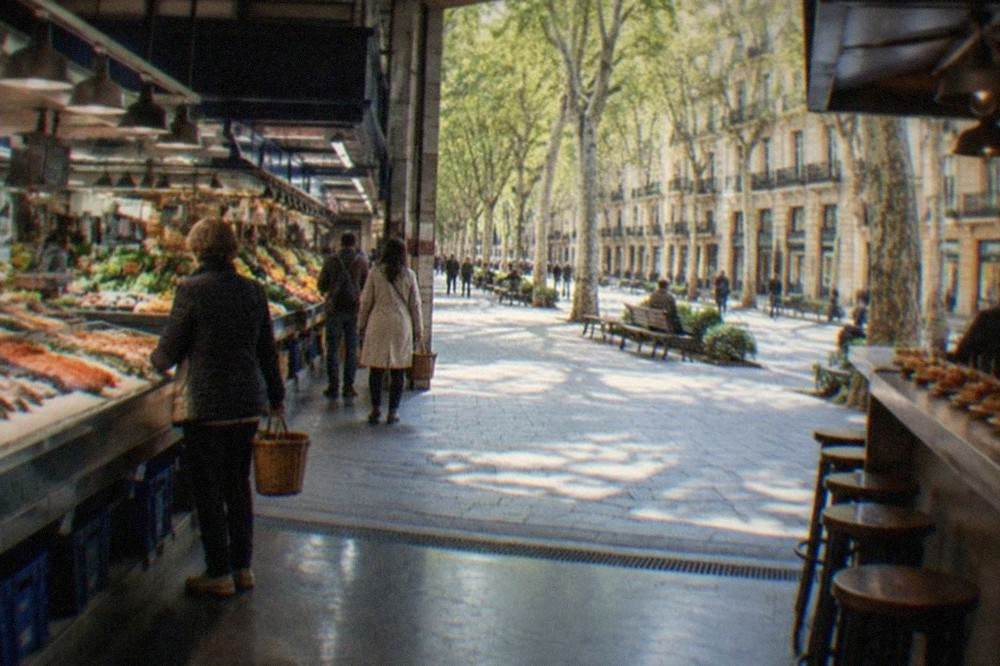
The layout rewards wandering rather than route planning. The Old Town, the Parte Vieja, sits immediately west of the Boulevard, so a shopper drifts naturally from storefronts into pintxo bars and back out again. The Gros district, across the river, is the younger counterpart, with surf shops and smaller independents nearer Zurriola beach. The Antiguo, west along the bay toward Ondarreta, is more residential, with fewer shops aimed at visitors. The table below sets out what each area does best.
| Area | Character | What you find there |
|---|---|---|
| Boulevard and Centro | The city's established retail core | Fashion chains, shoe shops, department stores, café terraces |
| Parte Vieja (Old Town) | Dense, historic, food-first | Pintxo bars, gourmet shops, small specialist food sellers |
| Gros | Younger, beachside, across the river | Smaller independents, surf and beach gear near Zurriola |
| Antiguo | Residential, west along the bay | Local shops, bakeries, everyday retail near Ondarreta |
| Amara | Inland, around the station | Practical, local shopping away from the tourist trail |
If you want the lay of the land before you commit an afternoon, a guided walk is an efficient way to learn the streets, and the operators below run exactly that.
Where Do Locals Shop In San Sebastian?
Locals in San Sebastián shop in the same streets visitors do, but with a different rhythm: the Centro grid between the Boulevard and the Urumea for clothes and everyday retail, the Old Town's gourmet shops for food, and La Bretxa market for produce. The neighbourhoods of Antiguo, Amara and Gros carry the local weight, with fewer souvenir shops and more of the shops a resident actually uses. The tourism board describes the city as compact, and the shopping geography proves it.
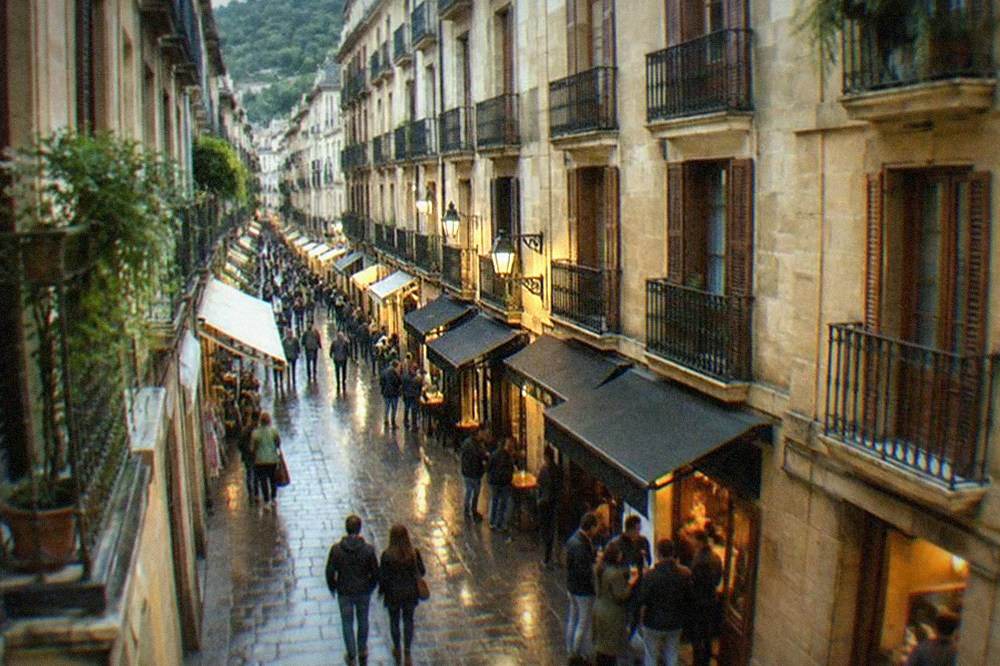
The Old Town deserves a specific note. Its three streets of bars and its side lanes hold some of the best food retail in the city, and the small-group pintxo crawls that start by City Hall pass gourmet shops as often as bars. A visitor who wants to bring home olive oil, tinned conservas or local cheese will find the sellers here, mixed into the bar-lined lanes around Plaza de la Constitución. The plaza itself, the old bullring, is the natural place to pause, and the pintxo bars around it are the reason most people came.
Gros is the district that has changed most. Across the river from the Boulevard, it fronts Zurriola, the beach the council's own page describes as having a strong swell, and the retail around it leans toward surfboards, wetsuits and casual clothing. It is also where the surfing scene lives, so the shops there serve a crowd that is in the city for the water rather than the storefronts. Amara, inland around the rail terminus, is the least touristy of the lot, useful if you need something practical, a pharmacy or a hardware-level errand, rather than a memento.
What Should You Buy In San Sebastian?
The things worth buying in San Sebastián are food and drink first: txakoli, the sharp local white wine, Basque cider, and the burnt Basque cheesecake that the city's bakers turned into an international export. Beyond food, the Old Town's gourmet shops sell conservas, cheese and olive oil, and the fashion retail of the Centro competes with any mid-sized Spanish city. The local white wine is txakoli, and the phrase San Sebastián wine belongs to a Florida winery that has nothing to do with this city.
That last point matters more than it looks. Search results for wine from this city get polluted by an unrelated American brand, so the word to look for on a label here is txakoli, the slightly spritzy white poured across the bars of the Old Town. The txakoli guide covers how it is poured and what it tastes like, and the cider houses of Gipuzkoa, inland at Astigarraga, sell theirs straight from the barrel during the txotx season, which the tourism board describes as running from the middle of January to the end of April.
The cheesecake deserves its own errand. The La Viña basque cheesecake, the original burnt-top version, comes from a bar in the Old Town, and whole cakes travel, which is why the city's cheesecake now appears on menus far outside Spain. Buying one where it started is a reasonable use of a shopping bag.
| Item | What it is | Where to look |
|---|---|---|
| Txakoli | The local white wine, young and sharp, poured from a height | Old Town gourmet shops, specialist wine sellers |
| Basque cider | Still cider served straight from the barrel in the txotx ritual | Cider houses inland, gourmet shops in the city |
| Burnt Basque cheesecake | The original baked cheesecake with a dark caramelised top | The Old Town bar that created it, plus bakeries citywide |
| Conservas and cheese | Tinned fish and local cheese, a Basque pantry staple | Gourmet shops in the Parte Vieja |
| Pintxo bar gear | The skewers, plates and glassware of the pintxo trade | Kitchen shops around the Old Town edge |
If you would rather taste before you buy, a food walk through the Old Town is the honest way to do it, and the operators below run exactly that.
A market visit followed by a cooking class is another route into the same pantry. The market-plus-class experience opens at the Old Town market and ends with a meal you cooked yourself, which doubles as a shopping lesson in what to buy.
What Are The Best Markets In San Sebastian?
The best-known market in San Sebastián is La Bretxa, the market hall that sits at the top of the Old Town between the Parte Vieja and the Centro grid, and a premium food tour in the city builds its route around a guided visit there. The market is the city's food retail landmark, and the Old Town lanes around it carry the gourmet shops that do the same job for visitors. There is no second market of the same stature inside the tourist core.
La Bretxa is where the city's cooks shop, and where the food tours bring people who want to see the raw ingredients behind the pintxos. The premium pintxo tour that starts at the Boulevard includes a guided market stop before the bar crawl begins, which tells you how the operators rank it. For a visitor, the market works as both a sight and a shop: the produce is the same produce the Old Town's kitchens turn into the small plates the city is famous for, and the pintxo tradition is easier to understand once you have seen its raw materials laid out on a stall.
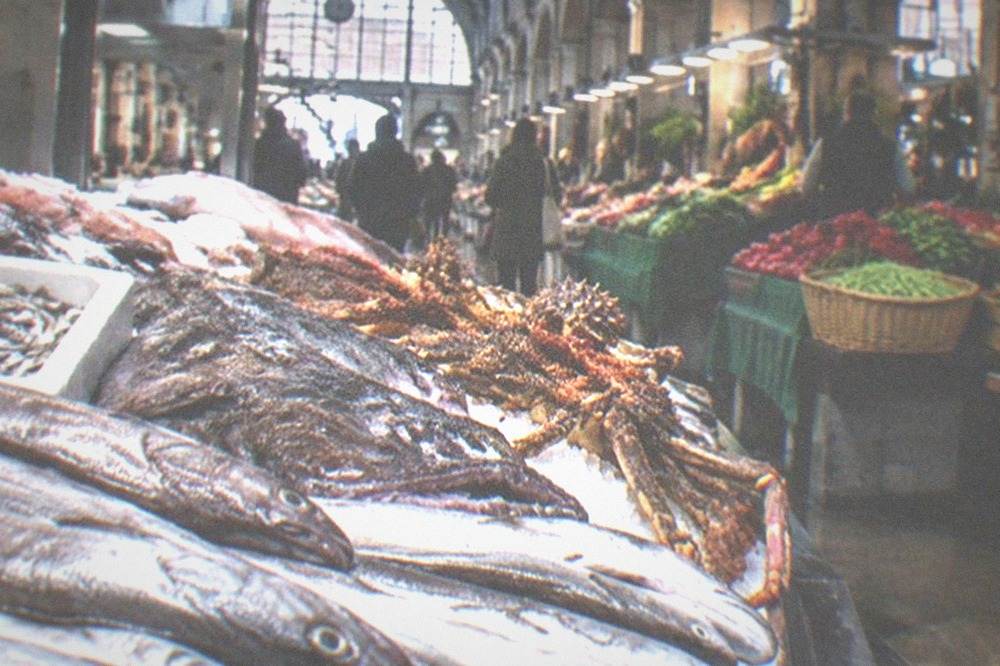
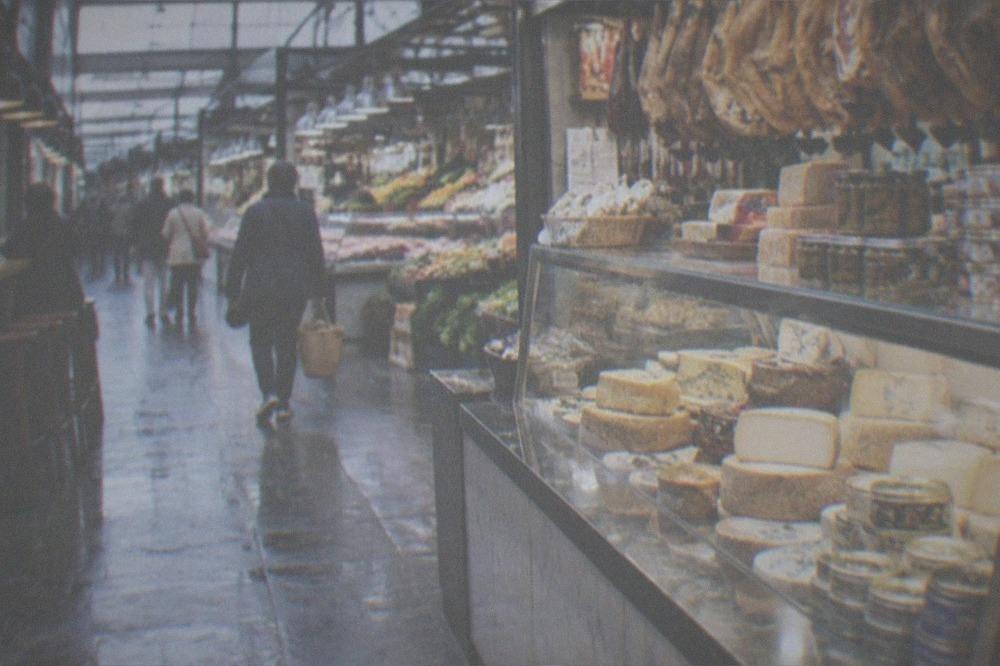
The Old Town around the market does much of the same trade at retail pace. Its gourmet shops sell the conservas, the cheese and the txakoli that the market sells by the crate, in quantities that fit a suitcase. A shopper who wants one stop can do the market, and a shopper who wants to browse can do the lanes, and the two are five minutes apart on foot.
Is Shopping In San Sebastian Expensive?
Shopping in San Sebastián is priced like the rest of the city, which is to say more than much of Spain but not uniformly so: the food retail, the markets and the pintxo economy are the affordable end, while the fashion storefronts of the Centro sit at normal Spanish high-street prices. The city's cost question is really a restaurant question, since the Michelin density pushes the ceiling, and a shopping day can be run cheaply if it is built around markets and bars rather than boutiques.
The honest answer to the cost question lives in the is San Sebastian expensive guide, which treats the city as a whole. For shopping specifically, the split is predictable. The Old Town's food shops sell items that cost the same here as anywhere in Gipuzkoa, and a wedge of cheese or a bottle of txakoli is a modest purchase. The fashion retail on the Boulevard is chain pricing, no different from Bilbao or Santander. What makes the city feel expensive is the food ceiling: the MICHELIN Guide Spain 2026 counts 11 stars across 6 restaurants inside the municipality, and the tasting menus that go with them are the purchases that hurt.
Public transport keeps the shopping day cheap. The dBus city fare page lists the occasional cash ticket at 1.95 EUR and the night ticket at 2.65 EUR, and the MUGI card system prices an urban trip at 0.78 EUR on an anonymous card, so moving between the Boulevard, Gros and the Antiguo costs less than a coffee. The fares below come from the operator's own tariff pages.
| Ticket | Price | Notes |
|---|---|---|
| dBus occasional ticket, cash | 1.95 EUR | Paid to the driver, no free transfers on cash |
| dBus night ticket | 2.65 EUR | The special night fare on the same fare page |
| MUGI anonymous card, urban | 0.78 EUR | Card fare for city buses, Lurraldebus and Euskotren |
| MUGI occasional ticket, 1 jump | 2.90 EUR | Covers a trip into the next fare zone |
When Is The Best Time Of Year To Shop In San Sebastian?
The best months for a shopping trip to San Sebastián are May, June and September, when the mean temperature sits between 14 and 18 degrees, the rain averages 90 to 120 mm and the summer crowds have either not arrived or have gone, and the city's own hotel data shows August as the peak month while September stays nearly as busy. Winter shopping is entirely possible, but November is the wettest month in the AEMET record and the rain shapes the day.
The climate is the factor most guides underplay. AEMET's normals for its Igeldo station, recorded 250 m up on Monte Igeldo, show 1,507 mm of rain a year over 141 rain days, and even July, the driest month, averages 86 mm. This is an Atlantic city, and a shopping plan that assumes dry streets is a plan that fails roughly one day in three. The upside is that the retail core is compact and indoor: the market, the department stores and the Old Town's bar-and-shop mix all give you somewhere to be when the weather turns, and the rainy day guide and the best time to visit pages cover the rest of the year in detail.
| Month | Mean temp C | Rain mm | Rain days | Sun hours |
|---|---|---|---|---|
| Jan | 8.5 | 141 | 13.2 | 98 |
| Mar | 10.3 | 113 | 12.4 | 144 |
| May | 14.4 | 120 | 12.2 | 181 |
| Jun | 16.9 | 90 | 10.6 | 189 |
| Jul | 18.9 | 86 | 9.8 | 196 |
| Sep | 18.0 | 111 | 10.1 | 179 |
| Nov | 11.3 | 169 | 13.0 | 102 |
The calendar changes the shopping too. The city's festival year gives some months a character that reaches the shops: the Tamborrada drumming fills the streets on 20 January, the Santo Tomás fair on 21 December brings rural producers and their food into the city, and the Semana Grande, always the week of 15 August, packs the centre with visitors. The festivals guide covers them all.
Can You Combine Shopping With Sightseeing In San Sebastian?
Yes, and in San Sebastián the combination is almost unavoidable, because the sights and the shops share the same few blocks: the Boulevard leads to the Old Town, the Old Town leads to La Concha, and the whole run from river to beach passes the market, the pintxo bars and the museums without a single transfer. San Telmo Museoa sits at the Old Town's western edge and the Buen Pastor Cathedral stands in the Centro grid.
The geometry is the city's gift to a shopper. A day can run: the market in the morning, the Old Town's gourmet shops before lunch, pintxos for lunch itself, the Centro storefronts after, and the seafront promenade when the bags get heavy. The free-entry stops make it cheaper than it sounds, and the table below pairs each shopping area with the sight beside it.
| Shopping area | Sight beside it | What the pack says about it |
|---|---|---|
| Boulevard and Centro | Buen Pastor Cathedral | The English-language free walking tour of the city starts here |
| Old Town | San Telmo Museoa | Free every Tuesday, general admission 10.00 EUR otherwise |
| Old Town | Plaza de la Constitución | The former bullring, the Old Town's main square |
| Ondarreta end | Peine del Viento | Chillida's three steel sculptures, given to the city in 1977 |
| Gros | Zurriola beach | Sandy, open, strong swell, lifeguards 1 June to 30 September |
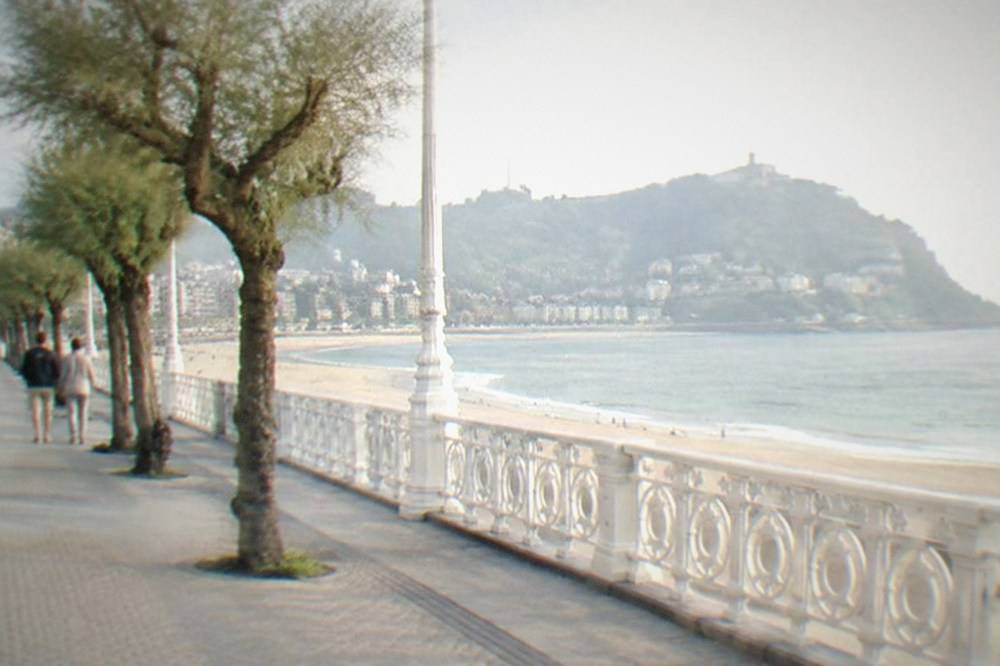
The guided walks tie the whole thing together. The short walking tour with a pintxo and a drink included is the cheapest structured way to learn the Old Town's lanes, and it leaves the rest of the day free for shopping. You can read about it on its own tour page or Check availability directly.
For a day that stretches beyond the city, the French Basque Country coach excursion crosses the border to Biarritz, Bayonne and Saint-Jean-de-Luz, three towns whose own shopping streets are a different flavour of the same coast. It is a long day, but it pairs with a city shopping trip better than a second day of the same blocks would.
Common Questions About San Sebastian Shopping
What is the main shopping street in San Sebastian?
The Boulevard, the avenue along the eastern edge of the Old Town, is the city's main shopping street, with the Centro grid behind it carrying the fashion retail and La Bretxa market at its head.
Is San Sebastian good for shopping?
Yes, for a city of its size. The retail core is compact and walkable, the food retail is exceptional, and the fashion offer on the Boulevard and in Centro matches any mid-sized Spanish city.
What souvenirs should I buy in San Sebastian?
Txakoli, the local white wine, Basque cider, a burnt Basque cheesecake from the Old Town bar that created it, and conservas or cheese from the gourmet shops of the Parte Vieja.
What is La Bretxa market?
The market hall at the top of the Old Town, between the Parte Vieja and the Centro grid, and the food retail landmark of the city. A premium pintxo tour includes a guided visit there.
Do shops in San Sebastian close for a midday break?
Individual shops set their own hours, and the official sources for this city do not publish a single rule. Check the shop or the venue before you plan an errand around a specific time.
Which neighbourhood is best for a shopping day?
Start on the Boulevard and the Centro grid, move into the Old Town for food shops and bars, and finish in Gros if you want surf and beach retail. All three fit one afternoon on foot.
The short version: shop the Boulevard for the mainstream, the Old Town for the things you can eat, the market for the raw version of both, and let the rain decide the order. More on the rest of the city, from things to do in San Sebastian with the rest of your time to the pintxo scene, sits elsewhere on San Sebastian Spain Guide.